
Reviewed · SNOW MONKEY TOURS
From Tokyo: Snow Monkey 1 Day Tour with Beef Sukiyaki Lunch
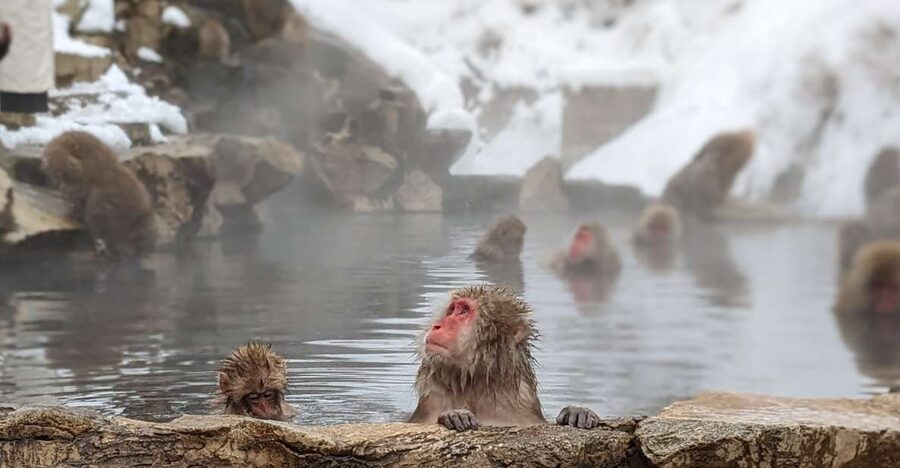
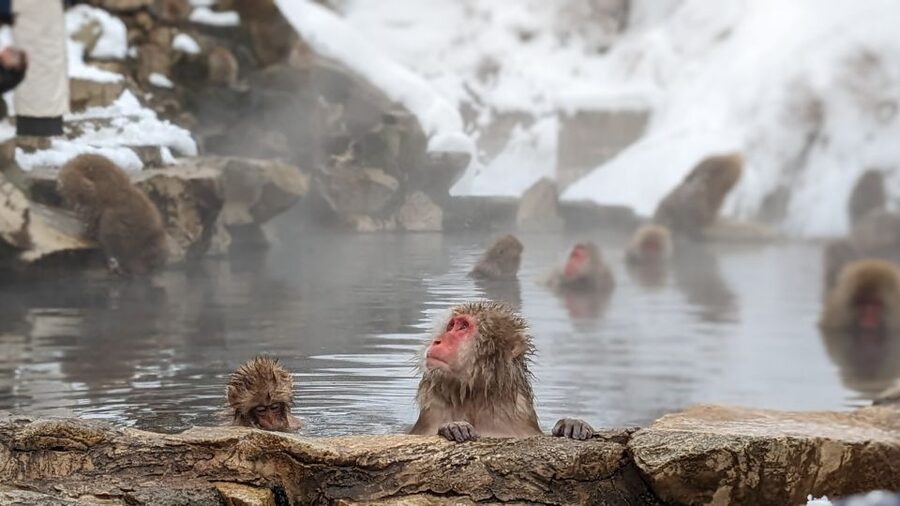
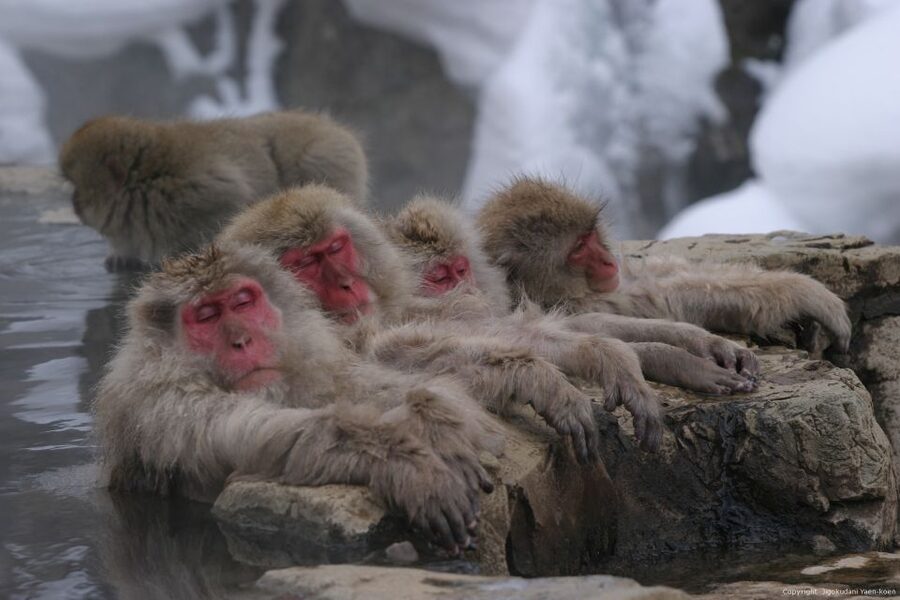
What makes this tour especially interesting is the chance to see wild snow monkeys at Jigokudani, while they soak in steaming thermal pools against a snow-capped mountain valley. It is winter Japan at its most oddly charming, up close and personal.
I love how the day starts with beef sukiyaki (plus you can request pork or vegetarian/vegan), so you are fueled before the cold hike. I also like the way the English guides keep things clear and calm, with real personalities showing up in different groups, like Ichiro, Mai, Ken, Kubo, Thomas, and George, all mentioned for being helpful and funny while keeping everyone on track.
The main drawback is simple but important: it is a long, icy day. You will spend hours on the coach, and even when you do everything right, seeing monkeys in the water is never 100 percent guaranteed.
Key highlights at a glance
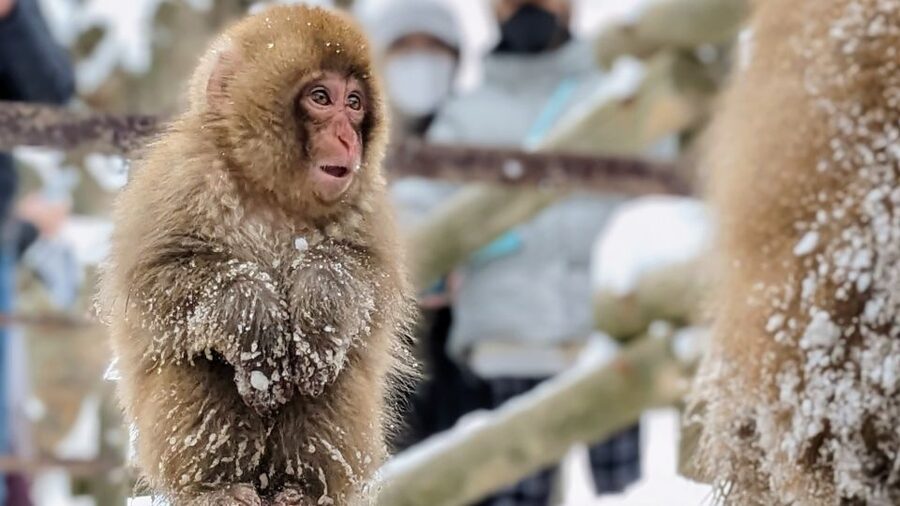
- Close-up snow monkey viewing in Jigokudani’s hot springs (wild animals, so timing can vary)
- Beef sukiyaki lunch in a warm break that also supports pork, vegetarian, and vegan options
- Guided winter rules so you can watch without stressing the monkeys (no touching, no feeding, avoid direct eye contact)
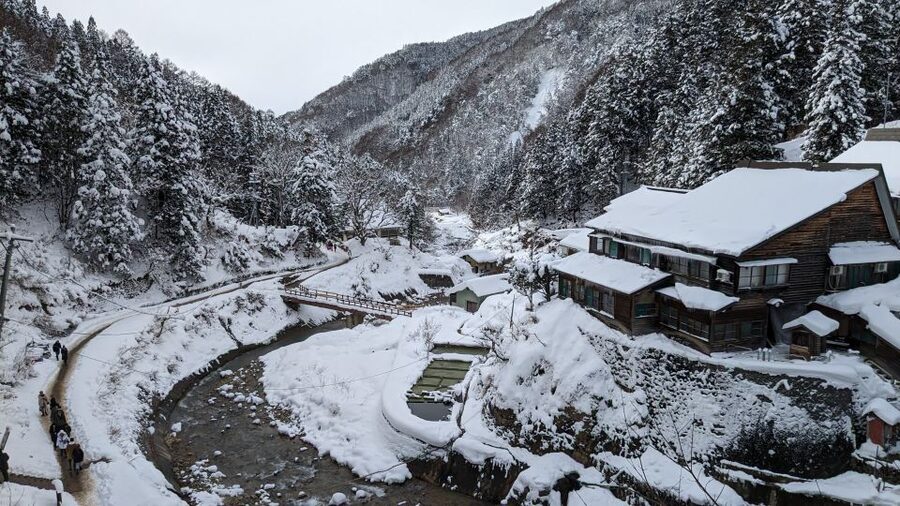
- A real snow climb with a walk from the parking area that takes over 30 minutes, often on slippery ground
- Kamakura snow huts in winter season (Jan 23 to Mar 1, 2026 only), if your date falls within the window
Why Jigokudani snow monkeys feel different from a zoo visit
This is not a show. The snow monkeys are wild animals living in Jigokudani Valley, and that changes how the experience feels.
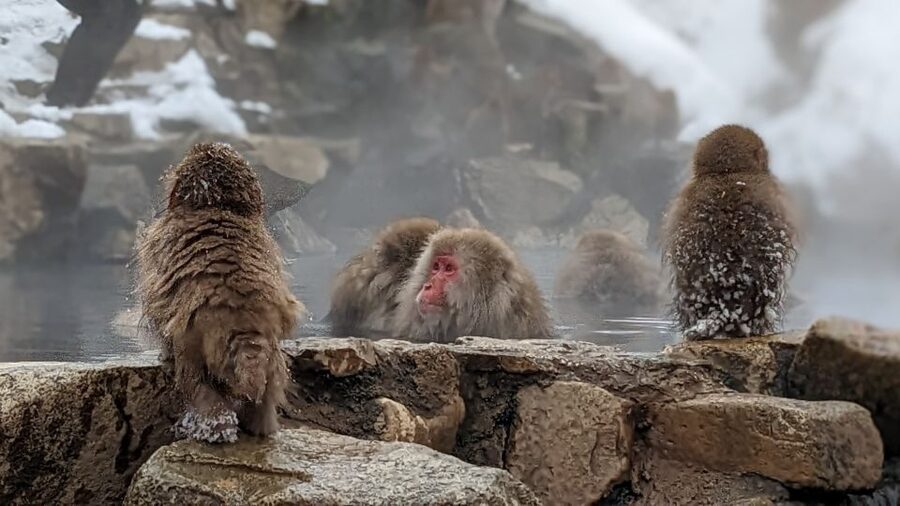
What you get here is behavior. You might see monkeys moving through snow, hanging out near steam vents, or (when the conditions line up) soaking in thermal water springs. The tour info also makes it clear that monkeys do not spend most of their time in the water, so your best results often come from staying patient and watching what is happening around the viewing areas.
You also get better etiquette than you might expect from a day tour. The rules are strict for a reason: touching is prohibited, feeding is prohibited, and staring directly or showing up too intense can be risky with territorial animals. It sounds stern, but it actually helps you. When you know how the place works, you feel less rushed and you take better photos without worrying you are doing the wrong thing.
More Day Trips in Nagano
- 1-Day Snow Monkeys, Zenko-ji Temple & Sake in Nagano
★ 5.0 · 1,020 reviews - Nagano: Snow Monkeys, Zenkoji Temple & Sake Day Trip
★ 4.9 · 833 reviews - 1-Day Tour from Nagano and Matsumoto Kamikochi & Matsumoto Castle
★ 5.0 · 105 reviews
The long Tokyo to Nagano coach ride, and how to treat it like part of the day
This is a one-day trip, but it behaves like a mini expedition. Expect a bus journey of up to about 3.5 hours each way, with 2 to 3 stops at service areas along the route. That matters because it shapes your comfort and your energy level at the main event.
Here is how to think about it:
- Your first priority is staying warm on the coach. The tour notes are blunt that you should come prepared for cold and icy conditions. Layering is not optional.
- Your second priority is using the service breaks wisely. The stops are your chance for a bathroom break and to stretch your legs before you get to the walking portion.
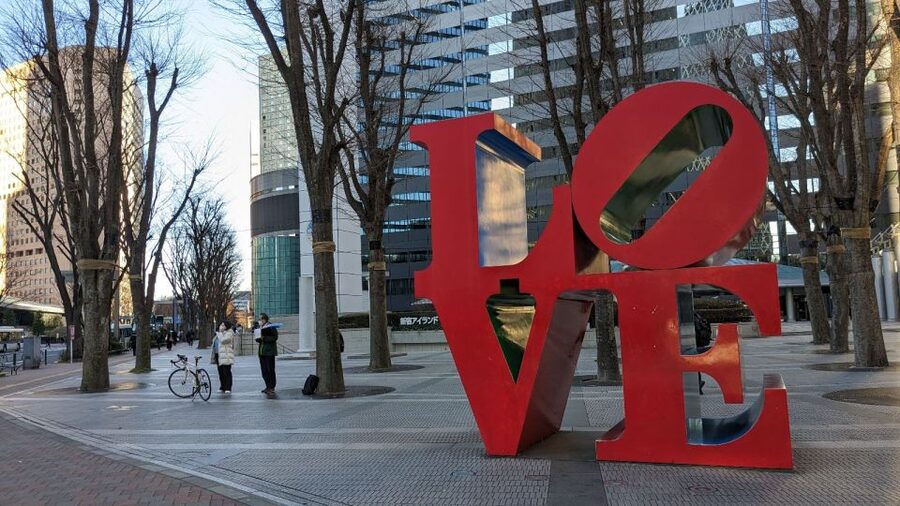
- Your third priority is timing yourself for the pickup point. The meeting is in Nishishinjuku, at the Nishi Shinjuku LOVE sculpture outside the Shinjuku i-Land building, and the tour asks you to stick to the advised departure time. If you are late, there are no refunds for latecomers.
One thing I appreciate about this kind of organized tour is that even when roads get slow, the guide and driver are there to keep the day running. In the field, groups often credit the guide and bus driver for managing icy roads and traffic jams smoothly. That lets you focus on the day, not on navigation.
Lunch at Shinshu Fruitsland: warm fuel plus real choice for your diet
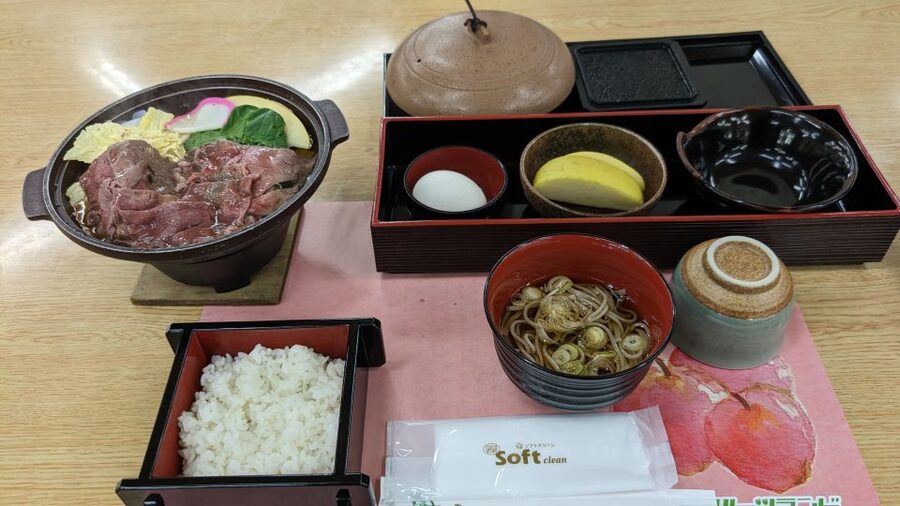
The meal stop is at Shinshu Fruitsland, and you get about an hour for lunch. This is not a tiny snack either. It is your real warmth break before you start moving in the cold.
The standard lunch is beef sukiyaki, and you can request alternatives in advance: pork, vegetarian (including egg and dairy), or vegan (entirely plant-based). Fish and chicken are not available, so plan around that if you eat seafood.
Why this matters for your day:
- Sukiyaki is warming, salty, and filling. After a long coach ride, that comfort helps you enjoy the walk instead of just enduring it.
- The option to switch away from beef makes the tour more flexible than many winter set menus.
You will also want to remember that drinks are not included, so if you like tea, coffee, or bottled water, bring cash or plan to buy it at stops when you can.
Jigokudani Monkey Park: the cold walk, the viewing approach, and monkey etiquette
This is the heart of the tour. You will spend around 2 hours at Jigokudani Monkey Park, and that time is where your preparation pays off.
First, the walk. The tour notes say it takes more than 30 minutes from the parking area to Jigokudani Yaen-koen. Reviews and practical winter logic both point to the same reality: this can feel like more than casual walking, especially when paths are icy or muddy. So take the footwear guidance seriously.
What to wear and bring
- Comfortable shoes, ideally snow boots or other non-slip options.
- Warm layers, because it is cold and icy.
- Anti-slip traction gear like crampons is optional, and they are sold onboard the bus. If you are worried about traction, this is the easiest way to solve the problem once you are already there.
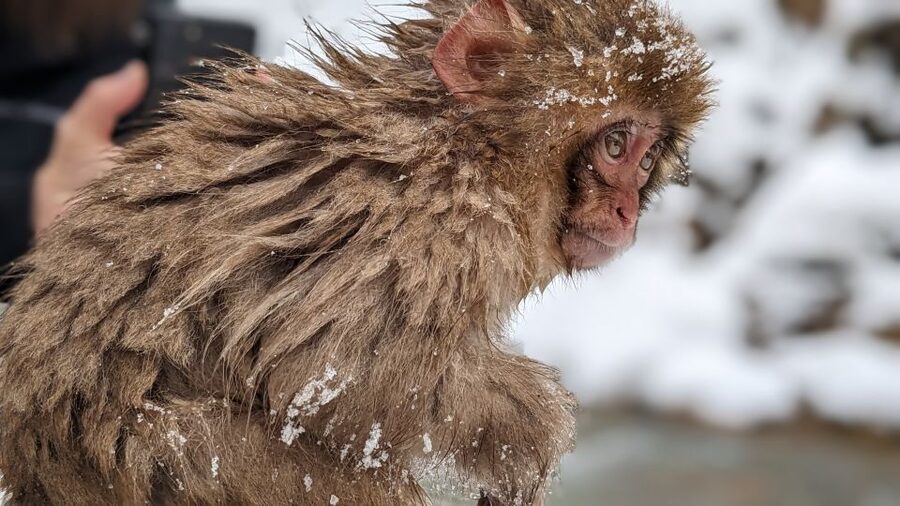
Once you reach the viewing areas, the monkeys dictate the pace. The tour rules are key: touching is not allowed, feeding is not allowed, and direct staring is discouraged since monkeys can be territorial. In practice, this means you should watch with a relaxed posture. Let them come to their comfort zone, and you will usually get better photo opportunities anyway.
Also keep your expectations realistic. The tour info says hot-spring sightings are not guaranteed. Mid-March conditions can even reduce the chance monkeys enter the hot springs, depending on weather. You might see them out of the water more often as the season shifts, so do not treat the steam pools as a promise. Think of them as a chance.
More snow monkey trips:
- Tokyo: Snow Monkey & Nagano Customiseable Private Day Tour
★ 4.8 · 138 reviews - 1-Day Snow Monkeys & Snow Fun in Shiga Kogen Tour
★ 5.0 · 94 reviews - Private Nagano 1-Day Tour:Snow Monkeys,Zenko-ji,Obuse,Sake,Onsen
★ 5.0 · 71 reviews - Nagano/Tokyo: Snow Monkey and Zenkoji Temple Private Tour
★ 4.8 · 54 reviews
Kamakura no sato snow huts in 2026 winter: the extra magic stop
If you travel between Jan 23 and Mar 1, 2026, you get an additional seasonal visit to Kamakura no sato, described as magical snow huts with illuminated snow domes. This stop is the kind of change-of-pace that helps a long day feel like two different experiences instead of one long slog.
Even though it is not the main event, it gives you something Japan does well in winter: atmosphere you can photograph. It also tends to be easier on your legs than the monkey park portion, so it is a welcome buffer if the morning walk feels intense.
If you are traveling outside that date window, the Kamakura snow huts are not part of the tour. That does not make the trip worse. It just means all your time focus stays on Jigokudani.
Timing, pacing, and what the day actually feels like
A one-day tour from Tokyo needs a certain mindset. You are trading independence for structure, and that structure helps with the big friction points: transportation, tickets, and a guided explanation so you know what you are looking at.
The structure looks like this:
- You start in Nishishinjuku.
- You travel north and stop for lunch and rest.
- You spend your main energy on the snow-monkey walking and viewing window.
- You head back to Tokyo and finish at Tokyo Mode Gakuen.
Some days can run very late. In real-world group experiences, people describe long door-to-door days, including a total time around 12 hours. That is not a deal-breaker for most people, but it is a planning issue. If your next morning involves an early train or you hate long bus time, consider that before booking.
Here is the comfort strategy that works for me: bring something to pass the time, and treat the bus as your time to recover. The stops are built in, so use them. Then go into the park with fresh legs, good boots, and a calm attitude.
Price and value: is $151 a fair deal?
At $151 per person, this tour is not cheap, but it also does not feel inflated because several major costs are bundled:
You are paying for:
- Coach transportation between central Tokyo and Nagano
- Entry to Jigokudani Monkey Park
- A guided experience in English
- Lunch, typically beef sukiyaki, with options for pork or vegetarian and vegan
- Kamakura no sato entry fee during the winter season window
What you do not get included:
- Drinks
- Crampons (optional, sold onboard)
- Hotel pickup or drop-off
So is it good value? For most people, yes, because the tour removes hard logistics. Getting to Jigokudani in winter on your own is doable, but it adds planning stress right when the weather can be unpredictable. Here, you get a guide who can help set expectations, a driver focused on safe travel, and a schedule that keeps you from losing time trying to coordinate transport.
The only time value starts to feel shaky is when your personal priorities do not match the format. If you want long free time at the site, you might feel 2 hours is tight. If you hate cold walking, this is also not your style of day.
Who this tour suits best, and who should skip it
This is best for you if:
- You want a high-impact winter experience without sorting out local transit.
- You like animals in natural settings and you respect rules that protect both you and the animals.
- You are comfortable with cold conditions, layered clothing, and walking on snow or icy ground.
It is probably not a great fit if:
- You have mobility limitations. The tour is listed as not suitable for wheelchair users, and pregnant women are not recommended.
- You are easily bothered by long coach rides. The bus time is a big chunk of the day.
- You expect a guaranteed hot-spring monkey sighting. Wild animals do what they want.
My honest booking call
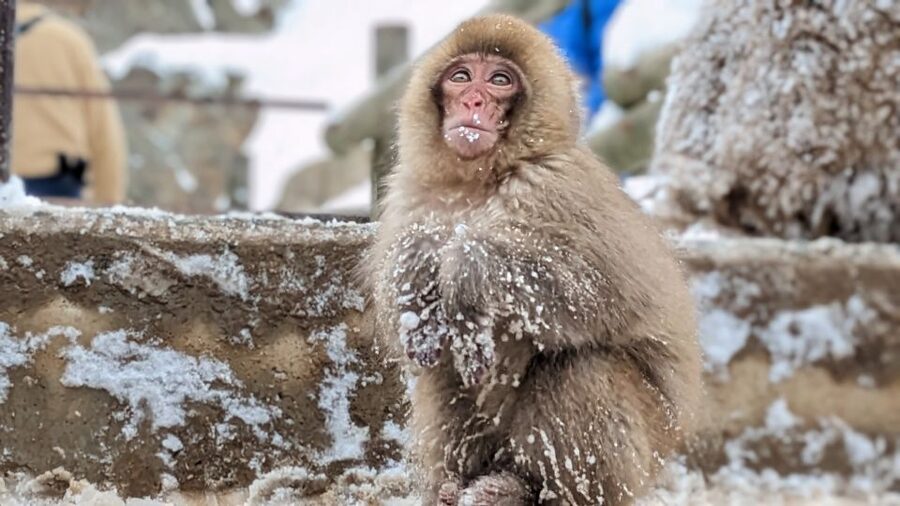
Book this tour if you are chasing that once-in-a-while winter moment, where you see snow monkeys in thermal water springs and the whole scene feels like you are inside a real winter story. The guide-led structure, the English support, and the warm lunch make it a strong package for a day trip from Tokyo.
Skip it if you do not want a long cold day, if your walking comfort is limited, or if you are the type who needs guarantees with wild animals. Here, the best results come from preparation, patience, and respectful viewing.
If you do book, your two best moves are simple: pack traction-ready footwear and show up on time. That is how you turn a long winter day into one of the most memorable wildlife experiences in Japan.
FAQ
Where do I meet the guide in Tokyo?
You meet at the Nishi Shinjuku LOVE sculpture outside the Shinjuku i-Land building.
How long is the coach ride?
The bus journey is up to about 3.5 hours, including 2 to 3 stops at service areas en route.
What time does the tour end and where do we get dropped off?
The tour ends with a drop-off back in central Tokyo at Tokyo Mode Gakuen.
Is lunch always beef sukiyaki?
Lunch is beef sukiyaki by default. You can request pork or vegetarian/vegan alternatives by messaging when you reserve. Fish and chicken are not available.
Do I need crampons or snow boots?
Warm, anti-slip shoes are recommended, such as snow boots. Crampons are optional and sold onboard the bus.
How much walking is involved?
There is a moderate amount of walking, and it takes more than 30 minutes to walk from the parking area to Jigokudani Yaen-koen.
Are snow monkey sightings guaranteed in the hot springs?
No. Sightings of the monkeys in the springs are not guaranteed, and monkeys do not spend most of their time in the water.
Is the Kamakura snow huts stop included year-round?
No. Kamakura no sato is included only if you travel between Jan 23 and Mar 1, 2026.
More Lunch Experiences in Nagano
- Bike Tour Exploring North Kyoto plus Lunch
★ 5.0 · 1,087 reviews - Tokyo: Mt.Fuji & Lake Kawaguchiko 1-Day Bus Tour w/Optional Lunch
★ 4.5 · 839 reviews - Osaka/Kyoto: Arashiyama, Nara & Fushimi Inari Shrine w/Lunch
★ 4.4 · 754 reviews - Kyoto Zen Meditation & Garden Tour at a Zen Temple with Lunch
★ 5.0 · 441 reviews
Latest write-ups near Nagano
- (Spring Only) 1-Day Snow Walls of Tateyama-Kurobe Alpine Route Tour★ 5.0 · 75 reviews
- Full-Day Tour: Matsumoto Castle & Kamikochi Alpine Valley★ 4.8 · 78 reviews
- Wild Japanese Flying Squirrel Watching Tour in Nagano★ 5.0 · 79 reviews
- 1-Day Snow Monkeys & Snow Fun in Shiga Kogen Tour★ 5.0 · 94 reviews
- Tokyo: Snow Monkey & Nagano Customiseable Private Day Tour★ 4.8 · 138 reviews
- Nagano: Snow Monkeys & Togakushi Shrine Two-Spot in-One Day★ 4.9 · 35 reviews
- Nagano Sake Tasting Walking Tour★ 5.0 · 32 reviews
- Nagano/Tokyo: Snow Monkey and Zenkoji Temple Private Tour★ 4.8 · 54 reviews
Snow Monkey Tours, compared.

1-Day Snow Monkeys, Zenko-ji Temple & Sake in Nagano
Read our review →
Private Tour Snow Monkey Park & Zenko-ji Temple
Read our review →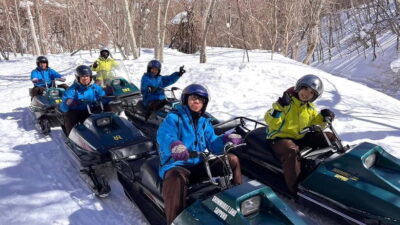
Hokkaido Seasonal: Lake Toya & Noboribetsu Jigokudani Valley
Read our review →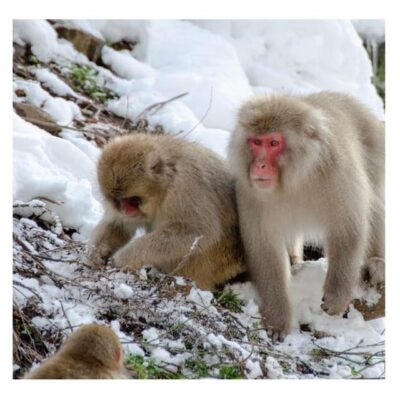
Snow Monkey & Nagano Customiseable Private Day Tour
Read our review →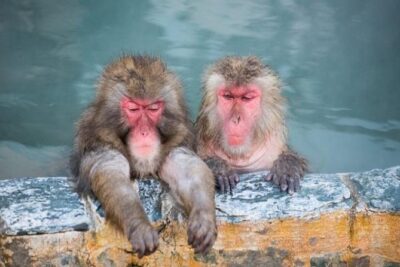
Nagano Snow Monkey 1 Day Tour with Beef Sukiyaki Lunch from Tokyo
Read our review →
1-Day Snow Monkeys & Snow Fun in Shiga Kogen Tour
Read our review →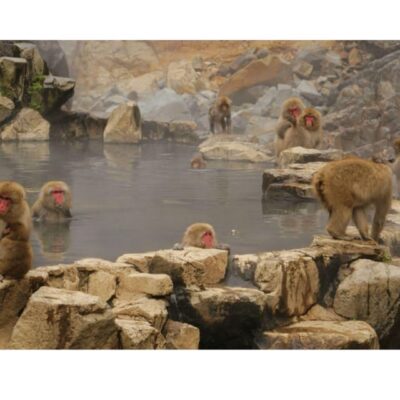
Nagano Tokyo: Snow Monkey Private Day Tour Hotel Pick & Drop
Read our review →Browse the lists this tour appears in