
Reviewed · JAPAN
Ecotourism and Woodcraft with a Mountain Artist Near Tokyo
This experience is interesting because it turns a quick day trip into a real hands-on lesson about how Japanese forests are cared for, generation after generation. You get that quiet forest time, plus practical wood skills, and you leave with a personal wooden keepsake made by you.
I especially like the focus on forest stewardship and Nishikawa timber, taught in a living, working private forest. I also love the hands-on woodcraft side, where you cut logs and then write your own kanji using a pyrography pen on a piece shaped like Edo Castle.
One consideration: this is active. You’ll be handling tools and doing log cutting, so expect some effort and a short learning curve, even with safety gear. If you want a purely gentle stroll with zero hands-on work, you might find the making part a bit intense.
Key takeaways before you go
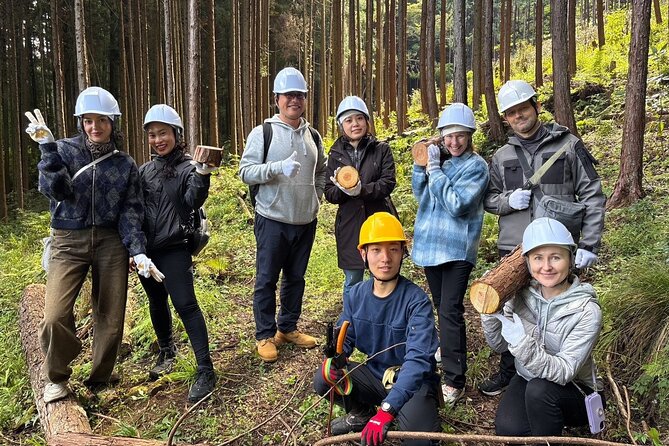
- Small group size (max 8) keeps the day personal and makes it easier to get one-on-one help during the woodwork
- Nishikawa timber lessons connect local forestry history to what Tokyo’s architecture once used
- Three wood aromas plus a forest-walk style “reset” give you sensory learning, not just facts
- Log cutting practice lets you understand how much technique and patience go into working wood safely
- Pyrography with chosen kanji creates a souvenir that is both decorative and useful (smartphone stand)
- Base in Hanno gives you an easy nature escape from Tokyo, with other nearby stops if you extend the day
Entering The Working Forest Behind Hanno
Most day trips near Tokyo try to cram in big sights. This one feels different because it starts with a place that is still working, still managed, and still cared for.
The story is built around Nishikawa timber, once a premium wood used in Tokyo’s architecture. That matters because you start to see timber as infrastructure, not just a craft material. And the guiding idea is that healthy forests are made through routine care, especially practices like thinning, not just by leaving trees alone.
You’ll hear about foresters as mountain artists, people shaping nature with tradition and long-term thinking. In the forest setting, that becomes easier to understand, because you’re not just hearing about centuries-old trees, you’re standing next to them and being shown why the forest looks the way it does.
Also on the shortlist for Saitama Prefecture:
- Mt. Fuji and Hakone Private Tour with English Speaking Driver
★ 5.0 · 22 reviews
Getting There: Higashi-Agano Station to Kirari Workshop
The practical rhythm here is simple: meet at Higashi-Agano Station, then move as a group to the woodworking studio. You’ll look for the guide holding a tour placard right outside the ticket gates, and you’ll get your briefing before anything technical starts.
The tour is about 2 hours 30 minutes total, and that shorter length is a big part of the appeal. You can fit it into a Tokyo-area schedule without turning the day into a logistics marathon.
You’ll travel in an air-conditioned vehicle from the station area to the activity site. Lunch is not included, so plan to eat after the return to Higashi-Agano Station and factor in the time it takes to locate a convenient spot.
If you’re booking for a specific day, note that the day’s plan depends on weather. When conditions are bad, you’ll be offered a different date or a full refund, which is a relief for a forest-based activity.
Stop 1: Higashi-Agano Station, Briefing, and the Right Mindset
The morning starts with a real meeting point, not a vague “nearby” spot. After you exit the gates at Higashi-Agano Station, you’ll meet up with the group and get oriented by the guide.
This matters more than you might think. You’re about to walk, touch wood, and use tools. The early briefing helps you understand what safety means in this context, and it sets expectations for the forest walk and the cutting practice later.
From there, you’ll head to the Kirari woodworking studio. Reviews also suggest the team is prepared with safety gear like helmets and gloves, which helps you relax and focus on learning instead of worrying.
Stop 2: Kirari and the Nishikawa Timber Lecture
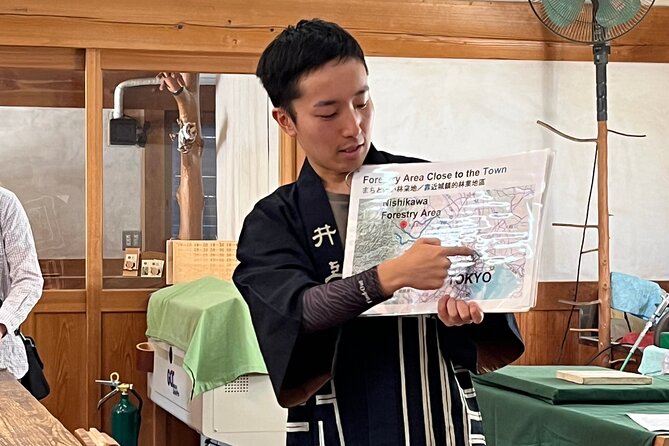
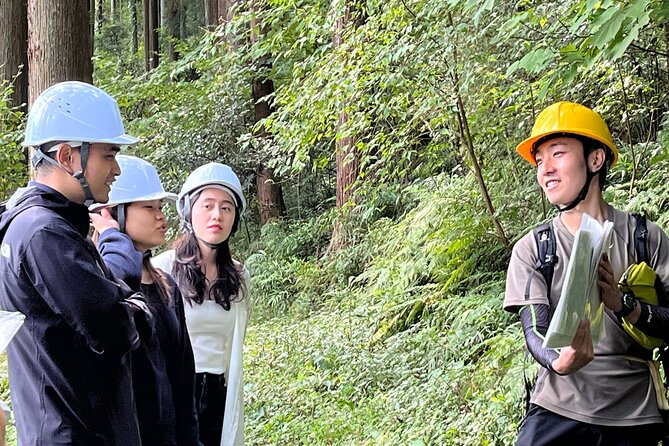
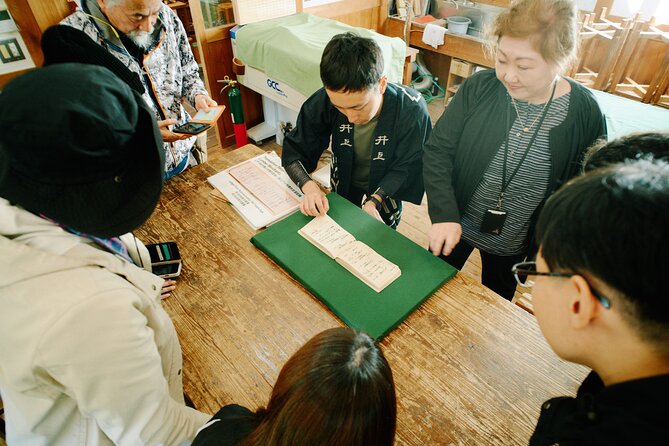
At the Kirari studio, you get the lecture from a forestry master and learn why Nishikawa timber is so tied to the region’s identity. This isn’t the type of talk that stays in theory. It connects the wood you’re going to handle to forest management choices.
One of the most memorable parts is learning through your senses. The program includes experiencing the aromas of three types of wood, which is a clever way to make species differences feel real fast. You’ll also get context on why thinning is vital, since thinning is one of those behind-the-scenes practices that keeps forests healthier over time.
In the woodcraft setting, I like how the education blends into making. You’re not waiting until the end to do anything. The lecture feeds directly into what you’ll do in the forest and workshop, so it feels like one story instead of separate activities.
Walking and Forest Bathing: What You Do in the Trees
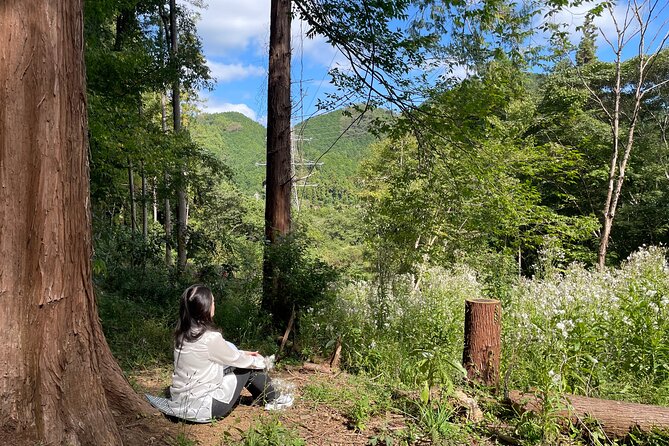
The forest walk is where the day earns its calm reputation. You’ll be guided through the forest in a way that feels like forest bathing, meaning you’re encouraged to slow down and pay attention to what’s around you.
You’ll often be standing close to living cedar and cypress trees, not just seeing them from a trail edge. Touching and observing trees at close range changes how you think about wood. Suddenly, “timber” stops being an abstract material and becomes an organism shaped by time and care.
This is also where the “quiet moment” idea shows up. The program includes relaxing under the canopy after the more active parts, so you get a downshift before the handwork.
If you’re the type who loves learning by watching people work, this walk also helps you understand the logic of forest management. You can see the results of thinning and appreciate how foresters make choices years ahead.
Thinning Lessons and Choosing the Tree That Speaks to You
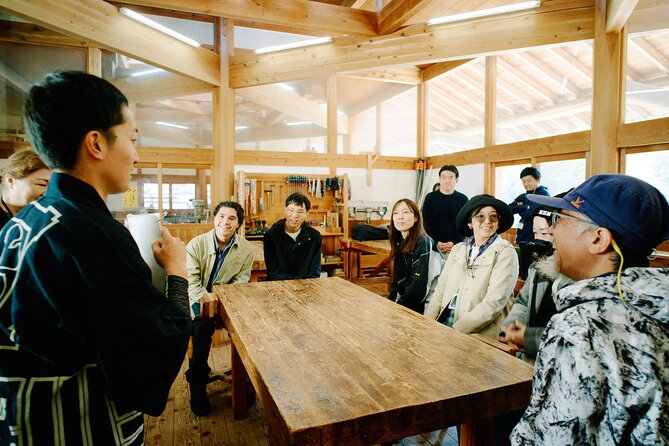
One of the most satisfying aspects is how thinning and selection are explained before you get hands-on with cutting. The guide helps you connect the dots: thinning is not random, it’s a way to shape growth so the forest stays healthy.
Then comes the part where you pick a tree that feels right. This isn’t just symbolic. It gives you ownership of the wood you’ll work with, and it also makes the entire process more meaningful because you have a personal connection to the material.
You can think of this as training your attention. Instead of rushing through the forest activity, you’re learning to notice how a tree’s situation and condition affects the work you can do with it.
Log Cutting Practice: Real Tools, Real Effort, Real Skills
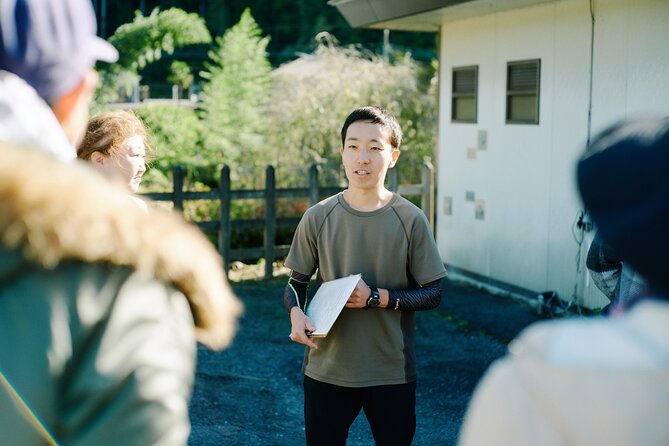
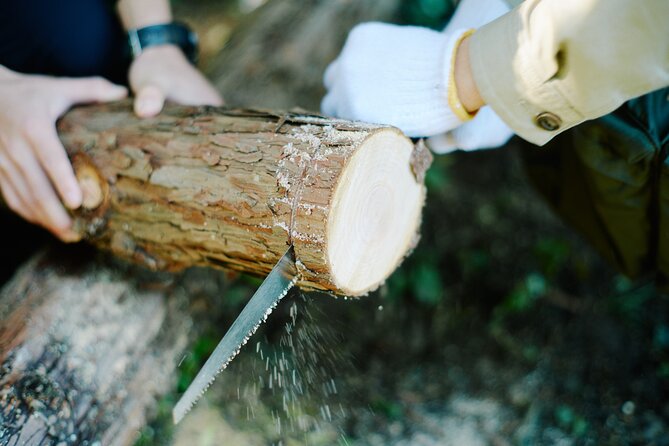
The log cutting is the main “hands-on” event, and it’s also where you’ll learn humility. The saw doesn’t always cut as easily as people expect, even if you try hard, and that’s part of the lesson. The effort gives you a stronger appreciation for the technique behind woodworking.
Safety is part of the setup. The program includes protective gear like helmets and gloves, and you’re guided through how to handle the tools safely. That’s key. You’re not just swinging a blade with guesswork.
You’ll likely feel two things at once: the focus required to cut properly, and the surprising steadiness that comes with working on something physical and slow. Reviews highlight that the experience can feel both refreshing and grounding, especially after the early forest walk.
If you’re worried about skill level, don’t be. This is more about learning the process than producing a perfect result on your first try. The win is understanding the energy, patience, and technique that go into woodwork.
Pyrography at Kirari: Your Kanji on an Edo Castle Form
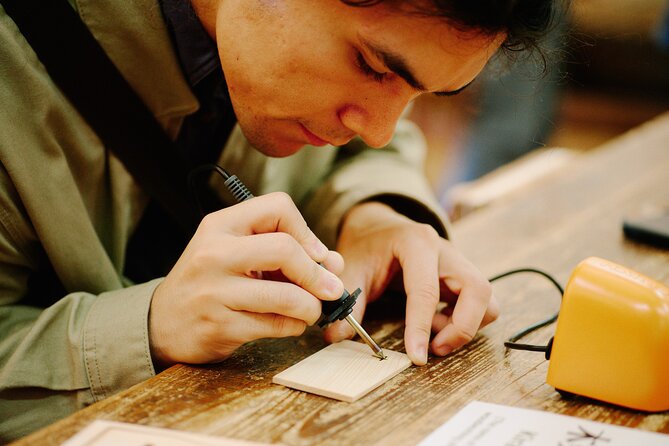
After the forest time, you shift to the studio for the craft part, which is the creative payoff. You’ll use a pyrography pen to inscribe a kanji of your choice onto a wooden piece shaped like Edo Castle.
This is a smart format because it turns a language choice into a personal souvenir. You’re not just making “a wood item,” you’re choosing the meaning and then shaping it through your own hand. If you like writing or calligraphy, you’ll probably have an especially good time here.
The souvenir also has practical value: once finished, it becomes a smartphone stand. That’s a nice touch because you’re not making something fragile that only lives in a drawer. You can actually use it, and the wood makes it feel warmer than a mass-produced desk accessory.
I also like that pyrography is relaxing when you settle into the rhythm. It’s detailed work, but it’s not frantic, and it gives your hands something satisfying to do after the physical cutting part.
Timing, Group Size, and the Flow of the Day
This is a short, focused half-day style experience. You meet at Higashi-Agano Station, spend the bulk of the time at Kirari and in the forest, and then you head back to the station by lunchtime.
Group size is kept tight, with a maximum of 8 travelers. In practice, that means you’re not stuck waiting for help. You can get your questions answered during the cutting and craft steps.
One practical note: bring your appetite for food, not included. The program returns you to Higashi-Agano Station, and the guide can point you toward local restaurants. So you’ll want to treat lunch as part of the plan, not an afterthought.
Price and Value for a Tokyo-Adjecent Nature Workshop
At $93.93 per person, this isn’t a bargain in the “cheap tourist add-on” sense. But for what you actually get, it can feel like good value.
You’re paying for a guided experience in a certified private forest that is normally closed to the public. You’re also paying for active instruction across two realms: forest work basics and a finished craft souvenir. The short duration keeps the cost from ballooning, and the small group helps you get real attention instead of feeling like you’re moving through stations at speed.
You also get sensory learning (wood aromas), tool practice (log cutting), and a take-home item you created (pyrography on a piece shaped like Edo Castle that becomes a smartphone stand). That combination is hard to find around Tokyo when you want something authentic and hands-on.
Who This Is For, and Who Might Prefer Something Else
This tour is a strong fit if you want a day trip that feels rooted in place. I’d book it if you care about sustainability and want more than a slogan, because forest management like thinning is explained and then shown in action.
It’s also great for people who love making things with their hands. The log cutting is physical, and the pyrography is creative, so you get a nice balance of effort and calm focus.
If you’re traveling with someone who hates anything tool-related, the log cutting might be the only snag. The program is not presented as a purely passive experience. The staff do provide safety gear and guidance, but the cutting practice is still central to the day.
Should You Book This Forest and Woodcraft Experience?
If you want a Tokyo-close nature day that includes real forest stewardship learning plus hands-on wood skills, this is a great choice. The small group size, the working-forest access, and the finished smartphone-stand souvenir make it feel more substantial than a typical workshop.
Book it especially if you like experiences where the story is physical. You learn about Nishikawa timber, thinning, and tree care, then you handle the material and leave with something you made yourself. Just go in knowing you’ll be actively participating, not only watching.
FAQ
How long is the tour?
The tour lasts about 2 hours 30 minutes.
Where do I meet the guide?
You meet at Higashi-Agano Station, Japan (Saitama, Hanno, Hiratto, 平戸220).
Is lunch included?
No. Lunch is not included. The tour ends back near the meeting point around lunchtime, and you can eat at local restaurants afterward.
How big is the group?
The maximum group size is 8 travelers.
What craft souvenir do I make?
You use a pyrography pen to inscribe a kanji of your choice on a wooden piece shaped like Edo Castle. The finished piece becomes a smartphone stand.
What should I know about weather?
This experience requires good weather. If it’s canceled due to poor weather, you’ll be offered a different date or a full refund.
Latest write-ups near Saitama Prefecture
- Mt. Fuji and Hakone Private Tour with English Speaking Driver★ 5.0 · 22 reviews