
Reviewed · NARA DEER PARK
in Sapporo! Hand-made soba experience and shabu-shabu experience plan of Yezo deer meat (Gibier meat) from Hokkaido
This is interesting because you get to do two very Hokkaido things in one go: hand-made soba and Yezo deer shabu-shabu (game meat). I like that it is hands-on, so you are not just watching. I also like that the setting feels small and personal, with real instruction instead of a quick demo.
One possible drawback is the meeting area. The spot is close to transit, but it can be easy to miss if you arrive late, especially in winter conditions. Also, English support can be limited, so having a phone translation app ready can save you stress.
Key highlights you can plan around
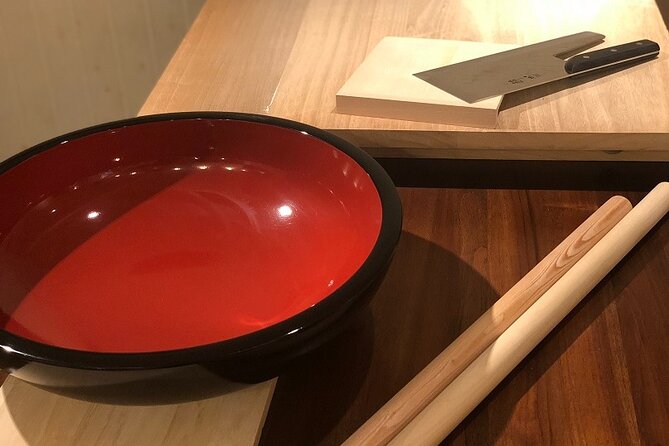
- Hands-on soba making with support that works even if it is your first time
- Fresh soba cutting and tasting so you eat what you make
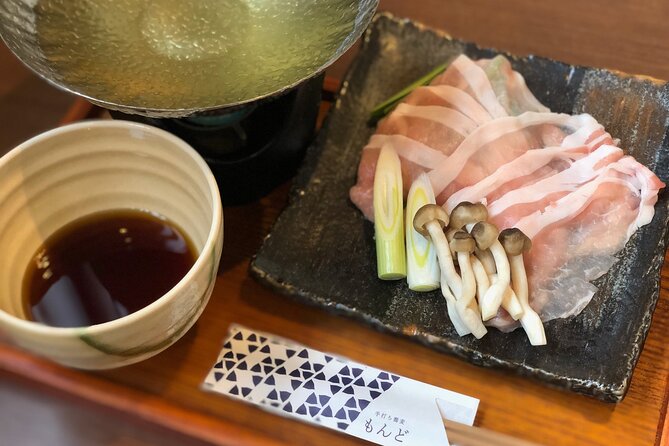
- Yezo sika deer shabu-shabu for a memorable Hokkaido dinner
- Instructors Taku-san and Mai-san are praised for clear help during the process
- Private group format so you are not sharing the class with strangers
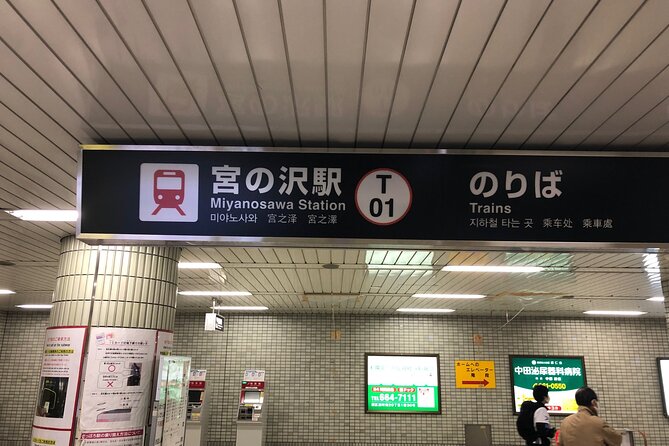
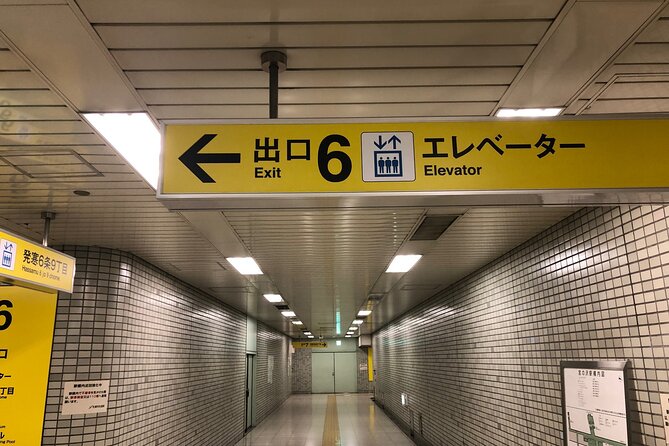
- Easy access from Sapporo subway Tozai Line Miyanosawa Station Exit 6
A hands-on Sapporo meal: soba noodles plus Yezo deer shabu-shabu
If you are building a Sapporo food day, this is a smart way to spend time that feels both local and active. You start with soba, one of Japan’s classic comfort foods that has been around since the Edo period. Then you finish with a shabu-shabu set using Yezo sika deer meat, a game meat that is closely tied to Hokkaido’s culinary identity.
What I like about this plan is that it matches how real meals work in Japan. You are not just learning a technique. You are doing the work, tasting the result, then eating a warm bowl and a hot pot meal.
Soba making also has a built-in reward. When you pull off a dumpling-like first try, you immediately understand why locals care about the texture. When you cut the noodles and taste them fresh, you can feel the difference right away. That is the kind of learning that sticks.
More Nara park visits:
- Osaka: Nara and Uji Day Trip with Deer Park and Hot Spring
★ 4.4 · 302 reviews - Kyoto/Osaka: Kinkakuji, Bamboo Forest, and Nara Deer Park
★ 4.4 · 265 reviews - E-Bike Nara Highlights – Todaiji, Knives, Deer, Shrine
★ 4.8 · 186 reviews
Where you meet and how to get there without stress
The meeting point is set in Sapporo, and it is easy to tie into a day of sightseeing because it is near a subway stop. Use Sapporo Subway Tozai Line Miyanosawa Station, Exit 6. From there, it is about a 3-minute walk.
There are also practical signs you are in a working neighborhood, not a tourist-only corridor. The area is listed as near Shiroi Koibito Park, and there are two parking lots available if you are road-tripping.
One practical tip: aim to arrive a little early. Even with a short walk from the station, winter and snow can slow you down, and the meeting area is not described as being right at the station entrance. If you are traveling with kids or you want photos before you start eating, arriving early gives you breathing room.
The 1-hour flow: from dough work to noodle cutting
This experience runs about 1 hour, which is ideal if you want a food activity without losing half a day. It is also a private tour, meaning it is only your group. That matters because soba making is technical in a small, hands-on way. You get more time for questions, and the instructor can focus on your pace.
The sequence is straightforward:
- You make soba noodles from scratch
- You do soba cutting
- You taste what you made
That sounds simple, but in practice it is a great format for first-timers. The plan specifically notes that the soba craftsman supports you firmly, so you are not left alone with a dough problem.
If you like a playful teaching style, you may also get guided through a stretchy handling method that one instructor was described with a fun nickname, the Spiderman technique. The point of moments like that is not the brand name. It is that the hands-on method helps you remember what to do, and it makes the whole process more enjoyable.
You will also get explanations along the way. One of the reasons people rate this so highly is that the instruction feels friendly and clear, not robotic. Even when communication is a mix of simple Japanese and English, it can feel more authentic than an overly scripted class.
Tasting your own soba: why fresh matters
The tasting is not an afterthought here. It is part of the experience flow. You get to eat the noodles you helped make, which is the real win.
Fresh soba has a specific feel. You are tasting immediately after cutting and preparing, so you are not dealing with dried noodles or a cooked product that sat around. That is why the final bite can feel surprisingly different even if you have had soba in restaurants before.
Another thing you get from this format is confidence. When you know what the dough work was like, you start to understand how texture changes from hand pressure, cutting style, and how the noodles are handled after they are shaped.
If you are traveling with family, this is also a good time slot. A teenager mentioned enjoying the full process, which tells you the activity is not only for serious food nerds. It is structured enough for young people, while still interesting for adults.
A change of pace from Sapporo:
- Sapporo Bar Hopping Food Tour
★ 5.0 · 232 reviews - Hokkaido Seasonal: Lake Toya & Noboribetsu Jigokudani Valley
★ 4.7 · 173 reviews - Sapporo Private Tour with a Local – Highlights & Hidden Gems
★ 5.0 · 91 reviews - Sapporo: Sumo Show Experience with Japanese food & Photo
★ 4.9 · 81 reviews
Yezo sika deer shabu-shabu: Hokkaido comfort in a game-meat twist
After the soba portion, you move into the shabu-shabu meal. This set uses Yezo deer meat from Hokkaido, labeled as gibier meat, which is game meat.
This is the part that turns a cooking class into a story you can tell later. Deer shabu-shabu is not something you order every day at home. Here, it is tied to place. Hokkaido is where this kind of ingredient identity makes more sense.
How to think about it as a diner:
- If you enjoy trying local ingredients, this is an easy yes. It feels like you are eating Hokkaido, not just visiting Sapporo.
- If you do not like game meat or you are cautious about flavors, consider whether deer is comfortable for you. There is no workaround mentioned here. It is part of the set.
The shabu-shabu experience is also part of why the class feels like a dinner, not just a workshop. You are guided through making noodles, then you sit down for a hot meal that warms you up, which is exactly what you want in a Sapporo evening plan.
One detail that people loved is that one of the instructors, Mai-san, is described as helping prepare the shabu-shabu. That kind of division of roles can make the whole thing run smoothly, even if the group asks lots of questions.
What the guides do well, and what to expect from the teaching style
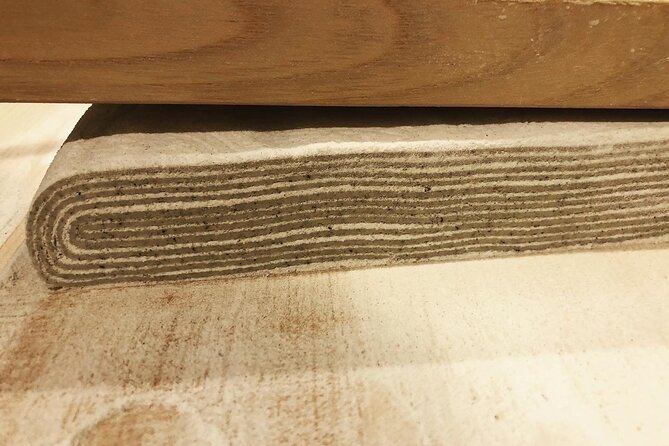
The teaching style is a big reason this activity scores well. The soba craftsman provides firm support, which is a practical way of saying you will not be stranded if your hands are doing something different than the person next to you.
You should expect:
- Step-by-step guidance during soba making
- A real focus on how to cut the noodles
- Support during the meal portion
There is also an emphasis on communication that feels human. One featured experience described using a mix of simple Japanese and English, and it made the class feel more fun instead of less. So if you do not speak much Japanese, you still have a path. Do not overthink it, just be ready to point, nod, and try a few key phrases.
Price and value: what $85.66 buys you in real terms
The listed price is $85.66 per person, and the experience lasts about 1 hour. That can sound either steep or fair, depending on what you usually pay for food classes.
Here is how I’d judge the value:
- You are paying for instruction during hands-on soba making
- You are getting soba cutting and tasting
- You are also getting a Yezo deer shabu-shabu set meal
So you are not just learning a skill. You are also eating a plated, warm meal that uses a local ingredient that is not common elsewhere. For many people, the meal component is what makes this price feel worth it, because the class itself would be a fun standalone activity, but the food makes it complete.
One more value signal is popularity. It is booked on average about 46 days in advance, which usually means the time slots fill. If your Sapporo plans are fixed, booking early is a smart move.
Logistics that matter: private format, mobile tickets, parking, and timing
A private tour format is more than a perk here. With soba, everyone needs a bit of different guidance. With shabu-shabu, the meal timing matters. A private group helps keep the pace comfortable and reduces the feeling of rushing through steps.
A few practical notes from the plan:
- It is a private tour/activity, only your group participates
- You receive a mobile ticket
- Confirmation is received at booking
- There are group discounts listed
- There is near public transportation access
- Two parking lots are available
- Service animals are allowed
For timing, you are looking at an activity around one hour. That means you can pair it with nearby sights without needing a whole day to stretch. It also means you should not plan a strict back-to-back schedule that leaves zero buffer time.
If you are arriving from the city center, map the subway exit now, not later. Miyanosawa Station Exit 6 is your anchor, and the short walk becomes simple once you know where you are going before you step outside.
Who this experience is for, and who should skip it
This works best if you want:
- A hands-on food activity in Sapporo, not just a tasting
- A meal with a strong Hokkaido identity
- A short, focused time block around one hour
- A private group format where you can ask questions
It may be a less good fit if:
- You strongly avoid game meat and cannot compromise
- You need a heavily English-led experience, because language support is not guaranteed in the plan details
- You hate winter logistics and struggle with finding meeting points on foot
Should you book this soba and Yezo deer shabu-shabu class?
I would book it if your goal is an active, memorable Hokkaido dinner in a compact schedule. The combination of making soba, then eating Yezo deer shabu-shabu, is a clean and fun way to turn Sapporo into a story you will remember.
Book with confidence if you like practical food learning, and you are open to trying game meat at least once. If you are nervous about language, plan to use your phone for simple translation, and arrive a few minutes early so you can get oriented before the class starts.
If you are traveling with kids, it is also a good option because the workshop pace is hands-on and people have described teens enjoying the full process.
If you are ready to turn one hour into a real meal and a skill you can talk about, this is a strong choice.
FAQ
How long does the Sapporo handmade soba and Yezo deer shabu-shabu experience take?
It lasts about 1 hour.
Where do I meet the experience in Sapporo?
Meet at 9-chōme-17-28 Hassamu 6 Jō, Nishi Ward, Sapporo, Hokkaido 063-0826, Japan. It is also listed as a 3-minute walk from Miyanosawa Station on the Tozai Line, Exit 6.
Is this experience private?
Yes. It is a private tour or activity, and only your group will participate.
What will I do during the experience?
You will make soba noodles, do soba cutting, and then taste your soba. You will also have a Hokkaido Yezo deer meat shabu-shabu set.
Is the experience near public transportation?
Yes. It is near the Sapporo Subway Tozai Line Miyanosawa Station, Exit 6.
Can I cancel and get a refund?
You can cancel for a full refund up to 24 hours before the experience start time. If you cancel less than 24 hours before, the amount paid is not refunded.
Latest write-ups near Sapporo
- Private Japanese Cooking Class in Sapporo with Local Host Kanae★ 5.0 · 20 reviews
- Authentic Sapporo: Nijo Market Seafood Lunch & History Tour★ 4.8 · 20 reviews
- Hokkaido, Sappro, Otaru & Cape Kamui One-day Tour★ 4.4 · 21 reviews
- [Otaru & Yoichi] Let’s go to Otaru Canal, Sakaimachi Street, Music Box Hall, and Yoichi Nikka Whiskey by private car (arriving and departing from Sapporo)★ 5.0 · 21 reviews
- Sapporo: Custom Highlights and Hidden Gems Tour with a Local★ 4.9 · 21 reviews
- Full Day Indigenous Ainu of Hokkaido and Jozankei★ 5.0 · 25 reviews
- Sapporo: The Indigenous Ainu People & Jozankei walking tour★ 4.9 · 25 reviews
- Sapporo Winter : Asahiyama Zoo (Penguin Fun & Snowmobile)★ 5.0 · 28 reviews
Nara Deer Park, compared.
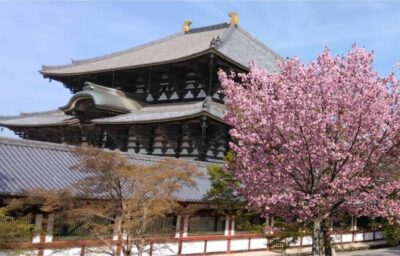
Nara and Uji Day Trip with Deer Park and Hot Spring
Read our review →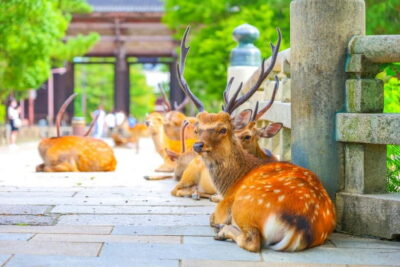
Kyoto/Osaka: Kinkakuji, Bamboo Forest, and Nara Deer Park
Read our review →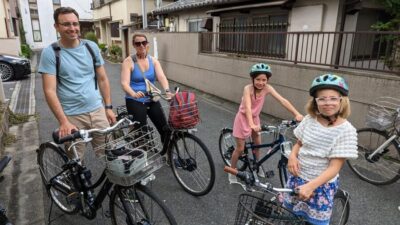
E-Bike Nara Highlights – Todaiji, Knives, Deer, Shrine
Read our review →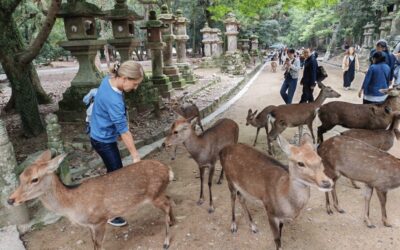
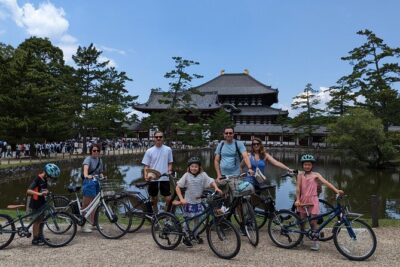
E-Bike Nara Highlights – Todaiji, Knives, Deer, Shrine, and Gems
Read our review →
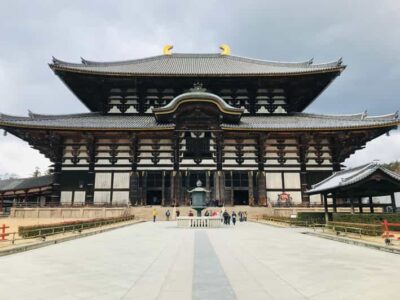
Essential Private Tour with Deer Park and Temples
Read our review →
Nara Deer Park, Uji Matcha, & Hot Spring Full-Day Tour from Osaka
Read our review →Browse the lists this tour appears in