Reviewed · GUIDED
Kagoshima Private & Custom Tour with Licensed Guide and Vehicle
A Kagoshima private tour is interesting on its own, but what makes this one worth your time is the way it can be tuned to your day. You pick what you care about, and you ride with a licensed English guide in a private vehicle, so the stops feel connected instead of random.
I especially like the human details. You meet the team with a sign, and you can message through Viator or WhatsApp before and during the tour, which helps a lot if you are arriving by port or train.
One possible drawback is timing and add-on costs. Admissions are not included, ferry boarding and vehicle fare for Sakurajima are extra, and if you squeeze too many far-flung choices into 6 hours, you may end up skipping things you wanted to savor.
Key things to know before you go
- Private, not mixed with other groups, so your pace stays yours
- Licensed English guide, with flexible guidance from teams such as Cozy and Tada (and also Mio, Shiho, and Ted San in past tours)
- Sengan-en, Sakurajima, Chiran, Kirishima, craft stops, and even whisky are all options you can combine based on your interests
- Real hands-on contrasts like hot sand bathing at Saraku and watching Satsuma Kiriko glasswork
- Extras add up: admissions, ferry fees for Sakurajima, and meals are not included
- Guides can adapt when plans need to change, including rerouting around unexpected situations
How a private custom day actually feels in Kagoshima
This is built for people who do not want a clock-fest. Your tour stays private for your group, and it can be arranged around where you are staying or where you are coming from, including ports, hotels, and train stations.
In plain terms, that means you spend less energy figuring out transit and more energy looking at what you came for. I also like that the guide team is set up for real logistics, with flexibility for families, seniors, and even larger groups. One review specifically called out that the team handled a large group of 18 well, which tells me this is not only meant for small couples.
You also get contact support. The team can be reached via Viator messages or WhatsApp before and during the tour, and that matters when you are coordinating pickup in a place that can feel chaotic at the end of a cruise day.
Also on the shortlist for Kagoshima:
- Sakurajima Century Lava Climb Journey with E-bike
★ 5.0 · 54 reviews - Discover the Wonders of Sakurajima Half Day Tour in Kagoshima
★ 5.0 · 34 reviews - Kagoshima-city Sightseeing spot Private Tour
★ 5.0 · 16 reviews
Sengan-en: where coastal Kagoshima slows down
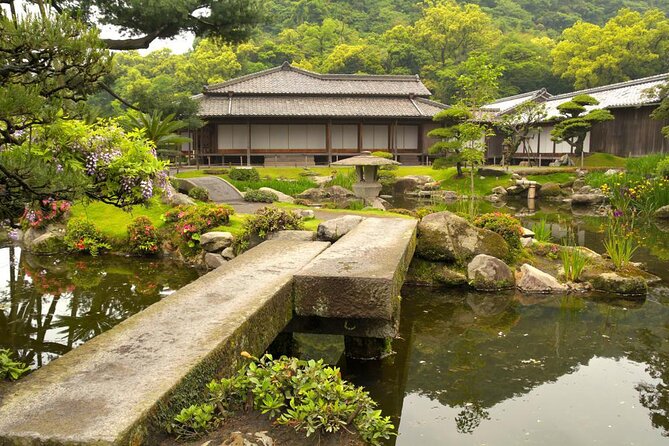
If you want your day to start with beauty that feels older than Instagram, Sengan-en is a strong pick. This Japanese stately home and garden sits along the coast north of downtown Kagoshima, and it dates back to 1658 as a residence tied to the powerful Shimadzu clan.
Plan on about 1 hour 10 minutes. You are not rushing through viewpoints, you are walking the grounds and taking in how the house and gardens sit with the shoreline. Admission is not included, so you will want to factor that into your budget if you care about doing it all properly.
A small practical note: you will likely be walking on paths and garden areas. Wear shoes you can walk in comfortably, and if you are with kids or someone who tires easily, Sengan-en is usually still manageable because the atmosphere is relaxed rather than frantic.
Shuseikan, Ijinkan, and Kiriko glass: modern change made physical
Kagoshima is famous for trade and modernization, and these stops show it in very tangible ways.
First up is the Shoko Shuseikan Museum, connected to the Kyu Shuseikan Kikai Kojo. This is described as the oldest extant western-style factory building in Japan. The exhibits focus on items tied to how the Satsuma domain modernized, which gives you a clear story of what changed and why.
Then you can hop into a craft loop at Satsuma Kiriko Glassworks and the nearby Iso Kogei-kan. You can watch the manufacturing process of Satsuma Kiriko cut glass, and you can also shop for pieces. The best part here is the contrast: you go from industrial-era modernization to a hand-finished art form where technique is visible in real time.
Finally, consider the Foreign Engineer’s Residence, also known as Ijinkan. It functioned as housing for foreign engineers who helped operate the first Western-style spinning mill in Japan. Even if you do not read every label, the setting helps you understand the human side of industrial change.
Admissions are not included at these stops, but the value is that you are seeing Kagoshima’s story from multiple angles in a short span. If your group includes people who get bored by purely scenic stops, this is usually where they perk up.
Castle Mountain, the restored gate, and Tenmonkan’s street energy
Once you are ready for the city side of Kagoshima, Shiroyama and the surrounding sights can work well. Shiroyama, or Castle Mountain, is a 107-meter hill in central Kagoshima city and the promenade to the observatory is part of the experience.
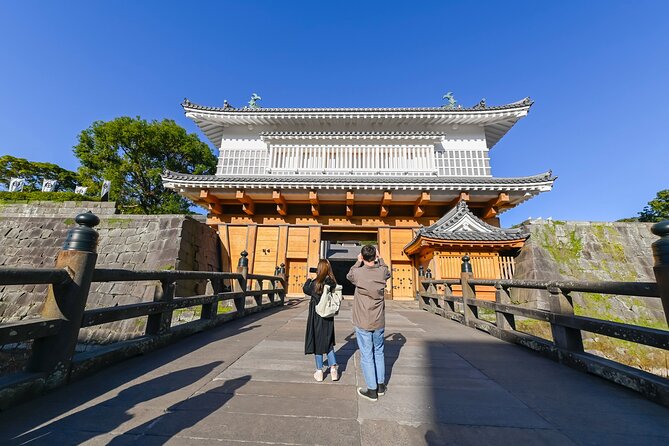
You can also include a Satsuma domain castle gate that was restored in 2020, with dimensions of about 20 meters in height and width. Big, restored structures like this give you a real sense of scale from the Edo period, not just a small reenactment.
From there, Tenmonkan is the natural follow-up if you want food, browsing, and a lively shopping district feel. The name traces back to an astronomical institute built by the Satsuma domain in the Edo period, so you get a little history hiding in the local rhythm.
If you want even more city variety, other options in this cluster include:
- A shrine with an enormous torii gate, with admission free
- A nearby aquarium with Sakurajima directly in front, featuring 30,000 marine creatures
- The Museum of the Meiji Restoration, with displays and movies that recreate key scenes of the era
You will not do all of this in one tight day. The smart play is to pick one core city anchor, then add one or two lighter stops around it so you do not feel like you are sprinting between locations.
Sakurajima: volcano viewpoints plus real-life hot bathing
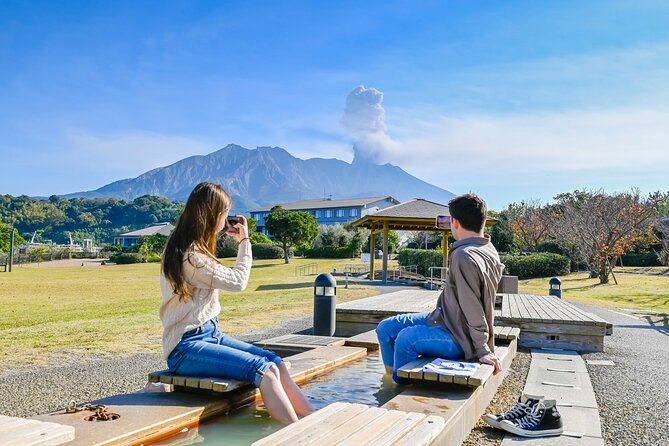
Sakurajima is where Kagoshima stops being just a calm city stop and turns into a full sensory experience.
At the Sakurajima Visitor Center, you can learn through films and dioramas about the history of volcanic eruptions. It is also where you can shop for specialty goods and souvenirs, which is convenient if you want a place where everything is in one spot.
Then there is the option of the Sakurajima Yougan Nagisa Park public footbath. This is a long, 100-meter footbath, and it is tied to all-natural hot spring water. Think of it as a low-effort way to enjoy the “Sakurajima is active” theme without committing to a hard hike every time.
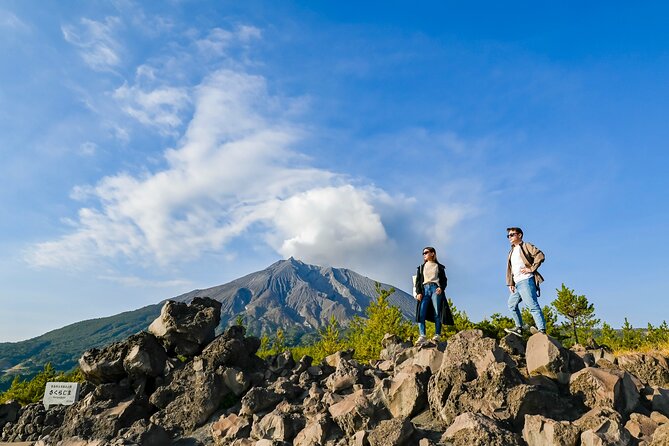
If you want the big views, Yunohira Observatory is one of the highest points open to the public. It is reached by a 1-kilometer trail along a small hill in the lava field created by the great 1946 eruption. From there, you can see Sakurajima and volcanic smoke plumes at times, depending on conditions.
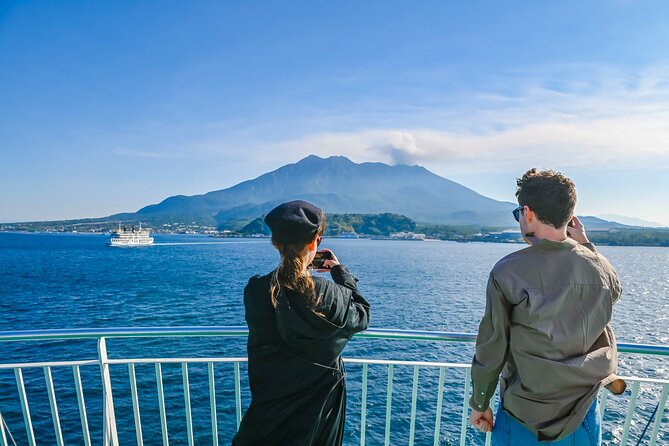
Two practical considerations matter here. First, Sakurajima often includes a ferry crossing, and ferry boarding plus vehicle fare are not included. Second, trails can be uneven. If you bring someone with mobility limits, you will want to ask the guide how the walk portion will fit your group before you commit.
Chiran and Kirishima: samurai calm, peace history, and shrine treasures
Chiran adds a different emotional tone to Kagoshima. The Chiran Peace Museum focuses on kamikaze pilots, and it is described as a testament to the importance of worldwide peace. The stop runs about 1 hour, and because the subject is heavy, it is a good choice if your group is ready for history that makes you think.
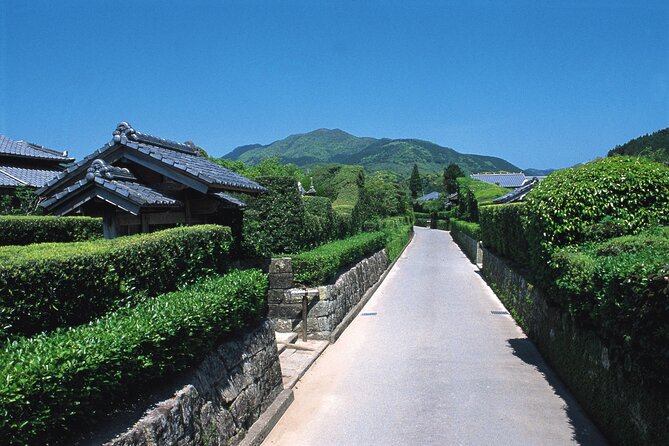
After that, Chiran Samurai Residence Garden (Chiran Samurai Residence Complex) gives you a softer contrast. It is nicknamed the Little Kyoto of Satsuma and includes more than 500 samurai residences from the late Edo period. You can spend about 30 minutes here, which is usually enough to walk key areas and get the feel of the compound without exhausting everyone.
If you want to push a bit farther, Kirishima gives you nature plus culture. Kirishima Jingu has multiple halls designated national treasures as of February 9, 2022. And the Kirishima Art Forest is a modern art museum surrounded by the area’s nature, so you can mix walking with art viewing.
If your group has mixed tastes, this portion is a smart way to keep everyone together: one emotionally serious stop, one calmer historic-feeling stop, and then optional art and shrine elements.
Saraku hot sand baths, plus armor, pottery, and Mars Tsunuki whisky
This is where the tour can feel genuinely different from your standard sightseeing day.
Saraku Sand Bath Hall offers hot sand baths, a natural health and beauty treatment loved by locals for over 350 years. It is about 1 hour, and this is an experience people remember because it is physical and simple. You do not need special skills, just the willingness to do something a little unusual.
But please take the health notes seriously. People with symptoms of high blood pressure (180/100 mmHG or more), heart disease, arrhythmia, angina pectoris, lung disease, pregnancy, inflammation, or fever cannot bathe. Also, refrain from drinking alcohol before bathing.
If you skip Saraku, you can still stay in the same “hands-on Satsuma craft and making” zone with:
- Marutake Armor Factory: renovated and reopened in 2018, with armor and helmets you can see in the workshop and a garden-like setting inside
- The Kiln of the 15th Chin Jukan: Satsuma ware production carried forward through generations, including distinctive yet traditional Shiro Satsuma
And if you want a fun ending that adults often love, Mars Tsunuki Distillery is a strong finale. It is described as the southernmost whisky distillery on Japan’s main islands. You can tour production areas, see old still tower buildings, and visit the stone barrel warehouse. Entry is listed as free, and you get about 1 hour there.
Price and value for a 6-hour private group day
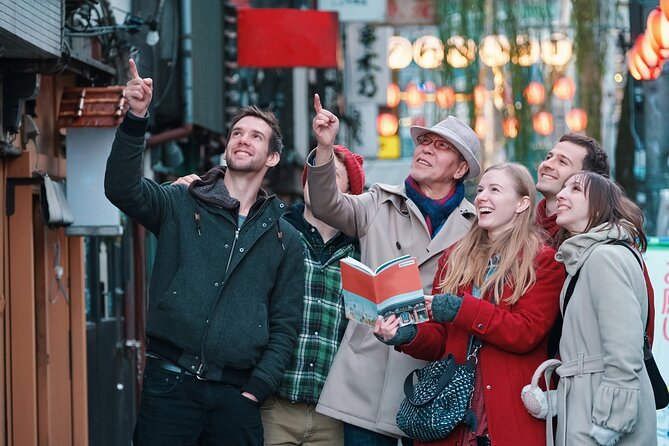
At about $625.94 per group for up to 1 person, you should treat this as a private convenience and quality package rather than a bargain-basement tour. You are paying for a licensed English guide, private transportation, and an air-conditioned vehicle, plus bottled water and domestic travel accident insurance.
That value makes more sense when you are traveling with multiple people who would otherwise split taxis or scramble with trains. It also makes sense when you care about pacing. A good custom day means you skip the “find the station, figure out the bus, hope the timing lines up” stress.
Plan your budget around what is not included:
- Meals for yourself and the guide and driver
- Admission fees for museums, gardens, and ticketed attractions
- Sakurajima ferry boarding and vehicle fare
- Fuel, toll, and parking fees
The good news is that if additional costs apply, you should receive a detailed estimate in advance, and payment is settled at the end of the tour by credit card. That structure helps avoid surprise charges.
What the best guides do with this setup
The reviews point to a pattern. Guides like Cozy and Tada (and also Mio, Shiho, and Ted San) are praised for professionalism and hospitality, and for being genuinely flexible when plans need adjusting.
You should expect a tour where the guide is reading the room. In one family-focused experience, the guides were described as accommodating for kids and careful with the group, and they even added hands-on moments like soba noodles. Another review noted calligraphy of the group members’ names, which is the kind of thoughtful detail that makes a private day feel special without being overly flashy.
There is also a practical benefit: punctual pickup and drop-off. When you have a tight window, especially on cruise or short-stay schedules, being on time matters more than having an extra stop.
Should you book this Kagoshima private custom tour?
If you want a Kagoshima day that feels tailored, this is a solid yes. Choose it when you value a licensed English guide, smooth logistics, and a plan that can match your group’s energy, whether you are a couple, traveling with family, or moving at a slower pace.
I would pass or reconsider if you are on a strict budget for admissions and ferry fees, because this tour can involve ticketed attractions and Sakurajima travel costs that are not included. Also be selective with stops. With only about 6 hours, the best days are usually the ones where you pick 2 or 3 priorities and let the guide handle the flow.
FAQ
How long is the Kagoshima private custom tour?
It runs for about 6 hours (approx.).
Does this tour include a licensed guide and private vehicle?
Yes. You get an English-speaking licensed guide and a government-licensed private vehicle.
Is pickup available, and can it be arranged from different places?
Yes. Pickup and drop-off locations can be flexible, including ports, hotels, and train stations.
Are admission fees included?
No. Admission fees are not included for the listed stops.
Are meals included?
No. Meal expenses for yourself (and the guide and driver) are not included.
What do I need to know before trying the Saraku hot sand baths?
You should not bathe if you have high blood pressure (180/100 mmHG or more), heart disease, arrhythmia, angina pectoris, lung disease, pregnancy, inflammation, or fever. Also, avoid drinking alcohol before bathing.
Latest write-ups near Kagoshima
- Sakurajima Century Lava Climb Journey with E-bike★ 5.0 · 54 reviews
- Discover the Wonders of Sakurajima Half Day Tour in Kagoshima★ 5.0 · 34 reviews
- Kagoshima-city Sightseeing spot Private Tour★ 5.0 · 16 reviews
Guided, compared.
Tokyo 6hr Private Tour with Government-Licensed Guide
Read our review →
Shinjuku Local Bar and Izakaya Guided Walking Tour
Read our review →
Private City Highlights Tour with Local Guide
Read our review →
Kyoto Early Morning Tour with English-Speaking Guide
Read our review →
Tokyo 4hr Private Tour with Government-Licensed Guide
Read our review →
Kyoto 6hr Private Tour with Government-Licensed Guide
Read our review →