
Reviewed · SAPPORO & HOKKAIDO TOURS
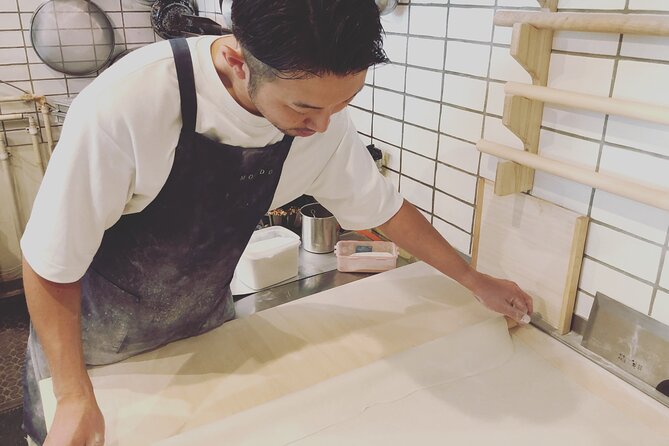
Mondo’s most popular plan! Experience making soba noodles and the king of Japanese cuisine, tempura, in Sapporo!
This hands-on soba workshop in Sapporo is a great way to understand Japanese food culture fast, not just a meal you sit through. I love that you work with real buckwheat dough, from mixing to stretching and cutting, and I love that you finish by eating what you made with tempura in the same session.
One possible drawback to plan for: the spotlight is mainly on making the soba. Tempura is included and you do get to taste it, but the experience may not be a full hands-on lesson for frying the batter yourself, so check your expectations if that part matters to you.
Key Points at a Glance
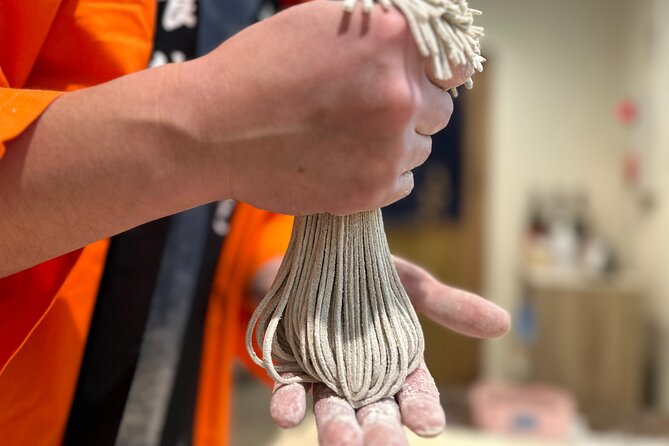
- 30-minute soba-making session where you mix, stretch, and cut buckwheat noodles
- Tempura + soba pairing served right after your tasting, with a local-ingredient feel
- Cold and warm dipping sauces are available for your noodles
- Soba-yu finish is part of the flow, the traditional way to wrap up the meal
- English instruction during the activity, with limited phone support
- Private group setup so the class feels more personal than a big tour bus meal
Soba in Sapporo, Tempura on Your Plate, Edo-Period Roots in the Dough
If you want one food experience that actually changes how you eat, this is it. You go from dry buckwheat flour and water to sliced noodles you can hold, smell, and taste, then you eat them the Japanese way with tempura.
The soba roots matter here. The practice of making and enjoying soba goes back to the Edo period (1600), and this course is built around that old technique: turning simple ingredients into something precise and satisfying. Hokkaido is a big deal for soba too, since the climate and soil help buckwheat grow well, especially in areas like Tokachi and Furano.
And yes, tempura belongs in the same story. It is also associated with the 1600 era, and it pairs naturally with soba because the crispy, hot batter contrasts with the chewy coolness of the noodles. That combination is not an accident. It is a classic pairing that helps the flavors and textures make sense together.
Also on the shortlist for Sapporo & Hokkaido:
- Sapporo Bar Hopping Food Tour
★ 5.0 · 232 reviews - Hokkaido Seasonal: Lake Toya & Noboribetsu Jigokudani Valley
★ 4.7 · 173 reviews - Sapporo Private Tour with a Local – Highlights & Hidden Gems
★ 5.0 · 91 reviews
Where You Start: Miyanosawa Area and a Small-Shop Feel
The workshop meets at 9-chōme-17-28 Hassamu 6 Jō in Nishi Ward, Sapporo, and it is a short walk from Miyanosawa Station on the Sapporo Subway Tozai Line. If you drive, there are a few parking spaces in front of the shop, so it is not one of those “park far away and sprint” setups.
This matters because small food classes are sensitive to timing. The shop is open during lunch, and your experience start time is also the shift time for the class. If you arrive late, it can inconvenience the next start, so aim to show up a bit ahead.
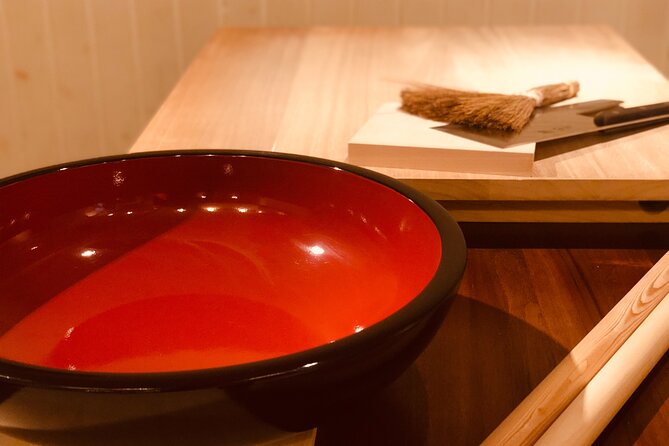
The vibe is also clearly tied to a working neighborhood noodle shop. You are not in a restaurant kitchen staged for tourists. You are in a handmade soba shop environment, which helps you see what the staff actually do day to day.
What You Make: Buckwheat Dough to Cut Soba Noodles
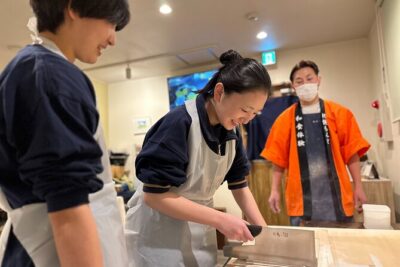
The soba-making itself takes about 30 minutes, and it is hands-on in a very straightforward way. You will work through the basics that matter most, not just pose for photos.
Here is the flow, in plain terms:
1) Mix buckwheat flour and water to form the dough
2) Stretch the soba noodles so they get the right feel
3) Cut the soba noodles into serving-size strands
4) Taste your noodles with tempura and dipping sauces (cold and warm options)
5) Finish with soba-yu, the traditional end-of-meal warm water step
That last part, soba-yu, is a small ritual but it is also smart teaching. It shows that Japanese meal structure is part of the food itself, not just the ingredients. You will also be told how to eat soba, which helps you avoid the common mistake of treating it like plain spaghetti.
If you like learning by doing, this is the right balance. The work is simple enough for kids and first-timers, but it is still real craft. The texture you get from good dough handling is the point, and you can feel it right away.
The Tempura Part: Crispy Companion to Your Chewy Noodles
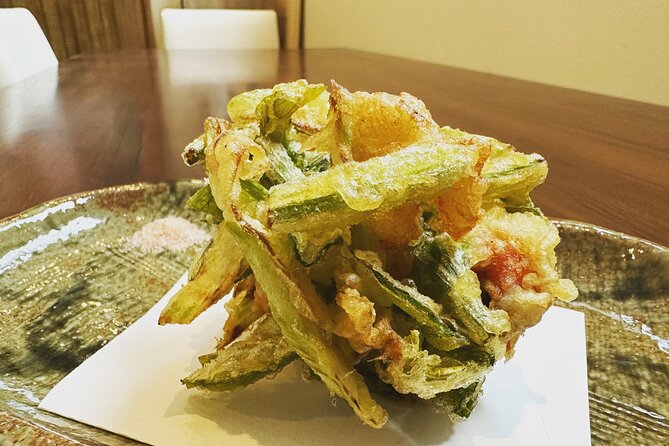
Tempura comes with the course. Expect battered and deep-fried vegetables and seafood, with typical ingredients including shrimp, eggplant, and seasonal vegetables. The idea is the same each time: the crisp batter adds crunch and warmth to a dish that is often cooler and chewier.
One practical note: some people come in expecting to actively make tempura with their own hands. The experience description promises soba-making and tasting plus tempura, but it does not clearly say you will learn the tempura frying steps. Based on what people have experienced, tempura is definitely part of your meal, yet the lesson portion may stay focused on soba.
So how should you treat it? I’d plan for tempura as a chef-prepared pairing that you get to enjoy alongside your noodles, not as the main hands-on project. If you want a full tempura cooking class, keep that as a separate search.
Still, the payoff is real. When you eat hot tempura with your soba, you get that classic contrast, crispy plus chewy, hot plus cool. It is also an easy way to remember soba beyond the first bite.
A change of pace from Sapporo & Hokkaido:
- Sapporo: Hokkaido, Noboribetsu and Lake Toya Day Tour
★ 4.1 · 88 reviews - Sapporo: Sumo Show Experience with Japanese food & Photo
★ 4.9 · 81 reviews - Popular in SapporoExperience authentic hand-made soba at a real soba shop!
★ 5.0 · 77 reviews - From Sapporo: Hokkaido Highlights Day Trip
★ 4.6 · 56 reviews
How They Teach You to Eat Soba, Not Just How to Make It
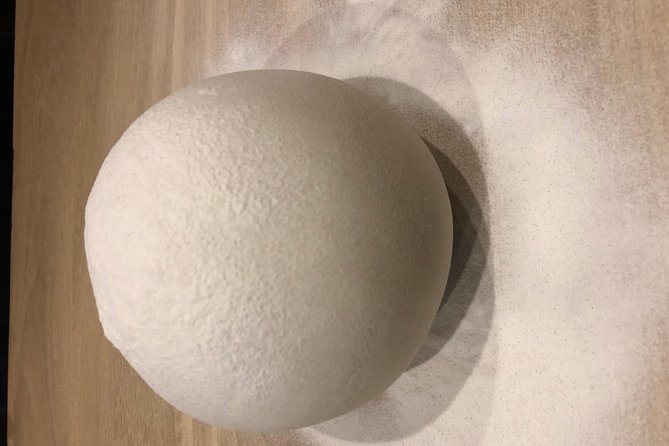
A lot of food classes forget the meal part. This one tries not to. You are told how Japanese people eat soba, and you get two dipping options: cold and warm sauce.
That affects your choices. Cold dipping sauce tends to feel lighter and sharper, which works well if your noodles taste more savory. Warm sauce can feel rounder and comforting, especially if your noodles have more chew and nutty buckwheat flavor.
Then comes the tasting, where you get to connect what you did with what you taste. If your cutting is uneven, you notice it. If your dough handling made a difference in stretch, you notice it too. That is the value of eating what you made right away, while the craft is still fresh in your hands.
And because soba-yu is part of the flow, you also see how the Japanese finish the meal. It is a gentle wrap-up that clears the flavors and keeps the experience from turning into just a snack.
Language and Communication: English On-Site, Limited Phone Help
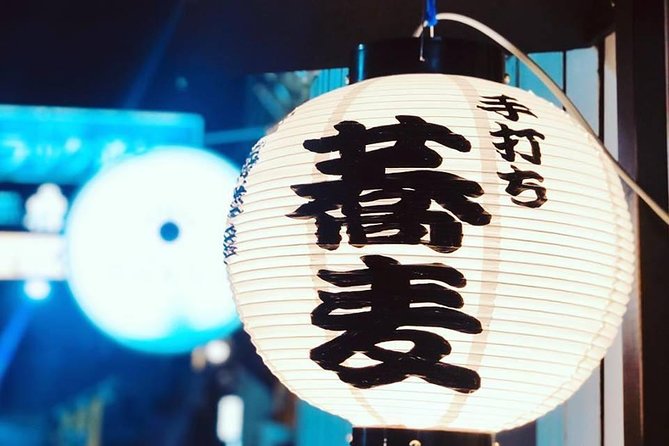
The activity is conducted in English. That helps a lot if you are not comfortable with Japanese food vocabulary yet.
But there is an important limitation. You might find it harder to get detailed answers by phone, since English support is not provided by phone or other non-email routes. If you have questions, the safest move is to email them through the provided messaging channel and ask clearly.
For most people, this is fine because the class instruction itself is in English. Still, if you need dietary adjustments or have timing concerns, email ahead.
Timing That Works: About 1 Hour to Finish, With a 30-Minute Soba Core
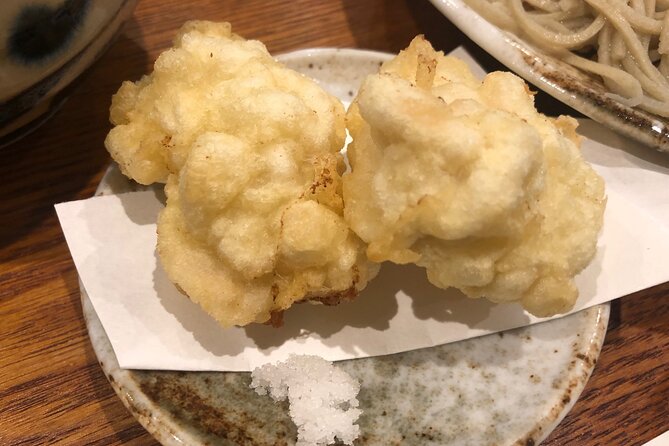
The soba-making portion is about 30 minutes, and then the tasting and finishing steps bring the full experience to around 1 hour and 15 minutes. It is a good length for an afternoon plan, especially if you are also doing other Sapporo sights.
Because it is a private tour/activity with only your group participating, you are not stuck waiting for strangers to catch up. The course is designed as a set flow, with each step moving you from mixing to cutting to eating.
Also, it is described as an after-lunch style course. If you are planning the rest of your day, give yourself a bit of buffer to get there without stress.
Who This Fits Best (And Who Might Need to Adjust Expectations)
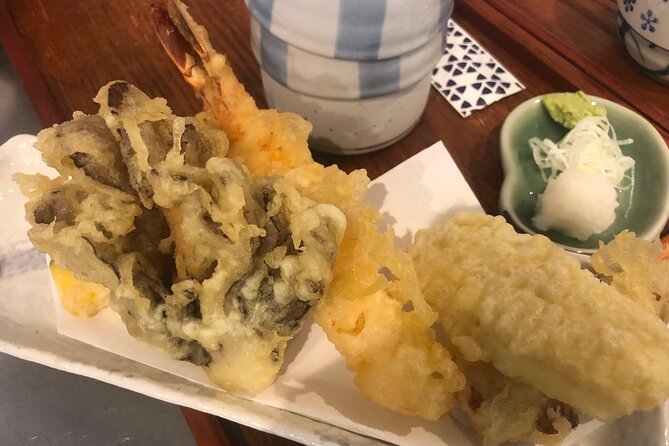
This workshop is family-friendly. Small children can enjoy the soba-making, and children under 2 are free. That is a nice deal when you are traveling with little ones and you want an activity that is not only watching.
Food lovers who care about how things are made will also like it. You leave understanding what buckwheat dough feels like, and you learn what to notice when you eat soba.
If you mostly want a big cooking show with multiple stations, you might feel the class is more focused than you expected. One concern some people raised is that tempura may not be taught as a hands-on cooking skill, depending on how the session runs. If that is your priority, you might want to compare other Japanese cooking classes in Hokkaido.
For anyone with dietary needs, reach out first. The experience says halal and vegan, among other needs, can be accommodated if you contact in advance. That is key, because a class this small works best when the staff has time to adjust ingredients properly.
Price and Value: $85.79 for Craft Plus a Full Pairing Meal
At $85.79 per person, this is not the cheapest way to eat in Sapporo. But it is also not just paying for a plate of noodles. You are paying for a guided craft lesson plus the meal components that follow.
Here is why the value makes sense:
- You get hands-on instruction rather than watching someone else work
- Your noodles are part of the meal, so the learning turns into food you eat immediately
- Tempura is included, which adds a second dish and a classic soba pairing
- You also get how-to-eat coaching, not just cutting and serving
If you compare it to sit-down Japanese meals, you might think, sure, this costs more. But most people remember the skill and the eating ritual far longer than they remember a one-time dinner.
If you are traveling in a small group, the private setup can also improve your value. More attention, less waiting, and a more comfortable pace tends to matter in hands-on classes.
Small-Shop Logistics: Parking, Getting Lost, and Staying On Time
The location is convenient for transit because it is near Miyanosawa Station. The walk should be manageable.
One practical downside people have noted is that the shop is not always easy to find. To avoid stress, I suggest you double-check the meeting address and have it saved in offline maps before you leave your hotel.
Also, treat the start time seriously. If you cannot arrive before the start time, it can become a no-show. In other words, show up on time and you protect both your own spot and the schedule for everyone else.
So, Should You Book Mondo’s Soba and Tempura Experience?
I’d book it if you want a hands-on food memory in Sapporo, with real craft and a meal that follows your work. The combination of soba-making, clear tips on how to eat, and tempura pairing is exactly the kind of experience that changes how you order the next time you see soba on a menu.
I would not book it expecting a full tempura cooking class. The main lesson is soba, and tempura is included for tasting and pairing, with the specifics of instruction likely staying light.
If you are traveling with kids, or you enjoy food that comes with technique, this is a strong fit. Just message ahead if you need halal or vegan adjustments, and aim to arrive early so you can start on time without scrambling.
FAQ
How long is the soba and tempura experience in Sapporo?
The soba-making portion takes about 30 minutes. The full experience takes about 1 hour and 15 minutes, including tasting and finishing steps.
Is the experience taught in English?
Yes. The activity is conducted in English. However, English support is not provided by phone or other non-email contact methods.
What do I get to eat after making the soba?
After making your soba noodles, you taste them with tempura. Two types of soba sauce are available, cold and warm, and the meal is finished with soba-yu.
Is this experience private or group-based?
It is a private tour/activity, so only your group participates.
Can children participate?
Yes. Small children can enjoy the soba-making experience, and children under 2 years old are free.
Can dietary needs like halal or vegan be accommodated?
Halal and vegan (and similar needs) can be accommodated if you contact in advance. Reach out before your visit so the shop can prepare appropriately.
What is the cancellation window for a full refund?
You can cancel up to 24 hours before the experience start time for a full refund. If you cancel within 24 hours of the start time, the amount paid is not refunded.
Latest write-ups near Sapporo & Hokkaido
- Popular in SapporoExperience authentic hand-made soba at a real soba shop!★ 5.0 · 77 reviews
- Sapporo: Sumo Show Experience with Japanese food & Photo★ 4.9 · 81 reviews
- Sapporo: Hokkaido, Noboribetsu and Lake Toya Day Tour★ 4.1 · 88 reviews
- Hokkaido Seasonal: Lake Toya & Noboribetsu Jigokudani Valley★ 4.7 · 173 reviews
- Sapporo Bar Hopping Food Tour★ 5.0 · 232 reviews
- Wherever you want! 1-Day Private Tour from Sapporo to Furano more★ 5.0 · 20 reviews
- From Sapporo: Hokkaido Highlights Day Trip★ 4.6 · 56 reviews
- One Day Highlights Tour of Sapporo★ 5.0 · 41 reviews
Sapporo & Hokkaido Tours, compared.

Hokkaido Seasonal: Lake Toya & Noboribetsu Jigokudani Valley
Read our review →
Sapporo Private Tour with a Local – Highlights & Hidden Gems
Read our review →
Popular in SapporoExperience authentic hand-made soba at a real soba shop!
Read our review →
Browse the lists this tour appears in