
Reviewed · SNOW MONKEY TOURS
Nagano: 1-Day Snow Monkey & Cherry Blossom Tour in Spring
This is an interesting way to spend a spring day in Nagano because it blends two very Japanese hits in one swing: wild snow monkeys in the mountains, then hanami cherry blossom viewing without changing hotels or stitching together multiple plans.
I love how close you get to the macaques at Jigokudani while still following the park’s respectful distance. I also love that the cherry blossom stops are chosen based on how far along the bloom is on your exact day, which matters a lot in northern Nagano, where spring can arrive later than Tokyo or Kyoto.
One drawback to know up front is that nature is in charge. If the monkeys do not come down on a certain day, or if blossoms are lagging, your afternoon plan may change, even though the tour tries to keep the day worth it.
Key Highlights You Can Actually Plan Around
- Jigokudani snow monkeys, close-up viewing: You visit the famous macaque park where you can watch them wander in their habitat
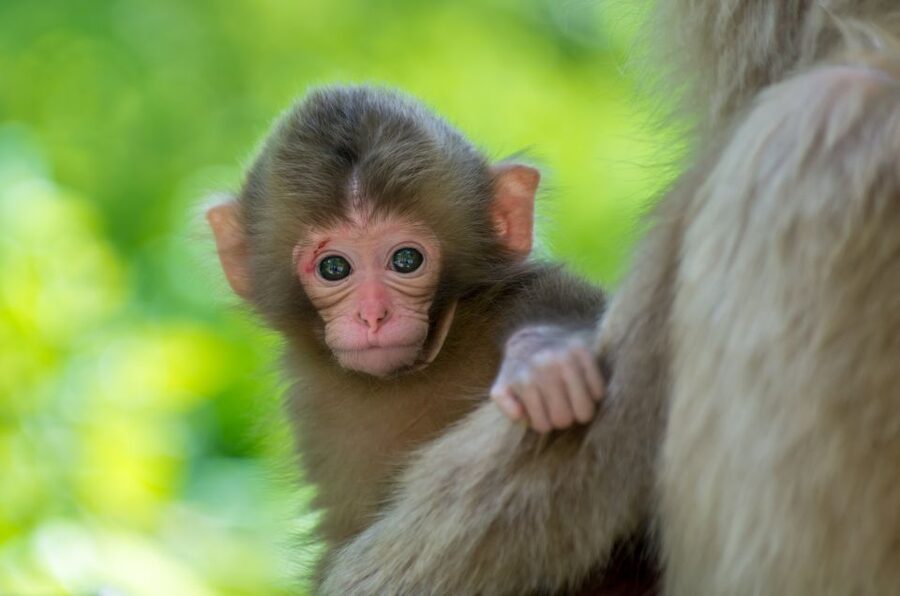
- Spring baby macaques in April: Newborns often arrive during the season, with reports of 20 to 30 babies born each spring
- Lunch included, with vegetarian option: You get a Japanese meal, and vegetarian can be arranged if you tell them ahead
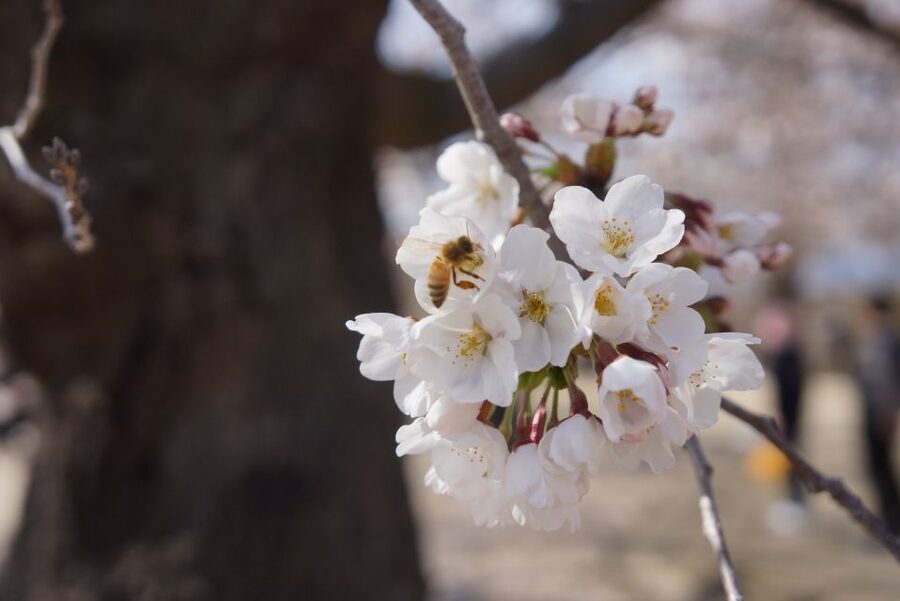
- Hanami spots adapt to bloom level: The route and viewpoint stops depend on what is flowering when you go
- English guides who manage real logistics: Names you may see include Dai, Kevin, Eniko, Kunihiko Endo, and Teddy, and they keep groups moving on time
- A proper walk to the monkey area: One review mentioned about 1.6 km of walking, and it can feel steep or longer in practice
A One-Day Hit of Snow Monkeys and Northern Nagano Hanami
If you only have a single day in the Nagano area, this is one of the smarter ways to use it. You start at JR Nagano Station and spend your day bouncing between two iconic sights that many visitors normally split into different trips: the Jigokudani snow monkeys and spring’s cherry blossom season.
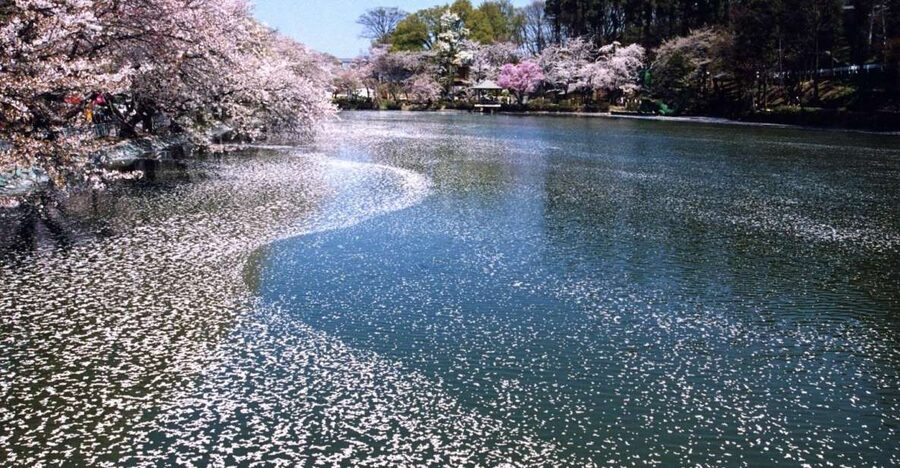
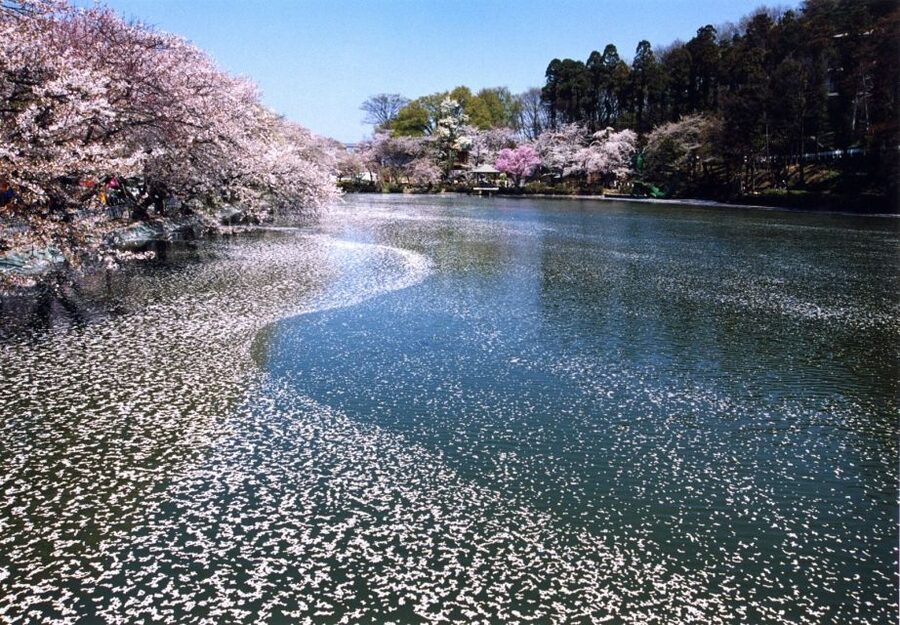
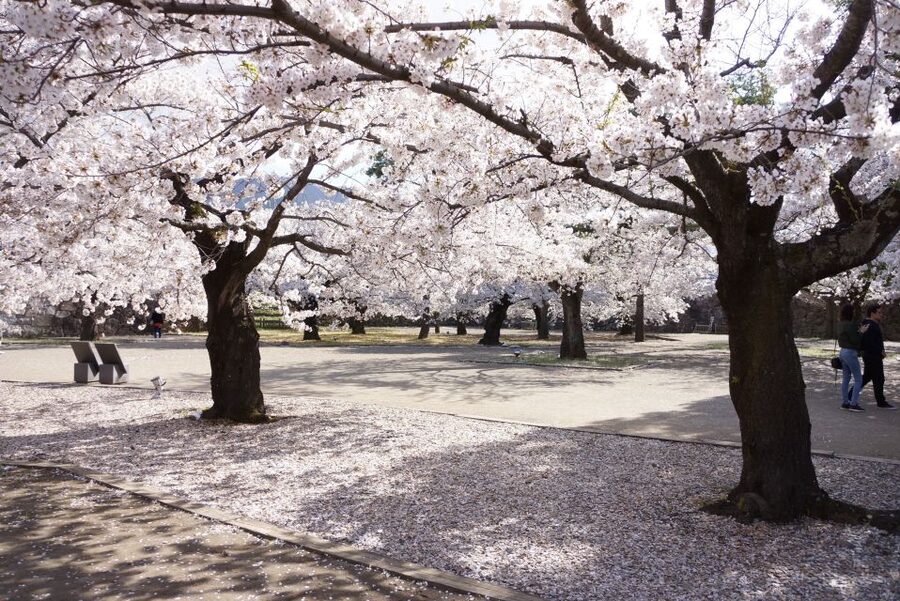
Northern Nagano is where the timing gets interesting. It is chilly and mountainous, so blossoms typically arrive later than in the big-name cities. In a normal year, you are looking at mid-April blooming. That late timing is exactly why this tour can feel so satisfying. You get a more “spring is arriving” vibe instead of racing through peak flowers.
The tour’s main promise is also its secret strength: it does not just show up and hope. The afternoon cherry blossom plan is selected depending on what is actually blooming on your date, and if the blossoms are not ready, the tour can switch to a different cultural stop with sake tasting. In Japan, that flexibility is how you keep the day from going flat.
More Day Trips in Nagano
- 1-Day Snow Monkeys, Zenko-ji Temple & Sake in Nagano
★ 5.0 · 1,020 reviews - Nagano: Snow Monkeys, Zenkoji Temple & Sake Day Trip
★ 4.9 · 833 reviews - From Tokyo: Snow Monkey 1 Day Tour with Beef Sukiyaki Lunch
★ 4.6 · 295 reviews
How the Day Flows from Nagano Station (and Why It Matters)
This is a full 9-hour day that starts and ends anchored to JR Nagano Station. You meet at Nagano JR Station, in front of the Information Board directly opposite the shinkansen gates. That makes life easier because you can arrive from anywhere in Japan via the train network.
After you board, you ride the bus for about 80 minutes to reach Jigokudani. That travel time matters because it lets you actually enjoy the day instead of burning half of it on transfers. Once you arrive, the schedule builds in time for walking, guided viewing, and photos.
You then break for lunch, and later you take another bus segment of about 1.5 hours toward the hanami viewpoints. The final bus back to Nagano Station is about 1 hour, and the tour is scheduled to conclude by around 6:30 PM.
So you get a real day, not a token taste. But you also need to be honest with yourself: it is long, it has bus time, and it includes walking. If you tend to get cranky after a lot of transit, bring a snack habit and a good attitude.
Jigokudani Monkey Park: Close-Up Macaques and Spring Babies
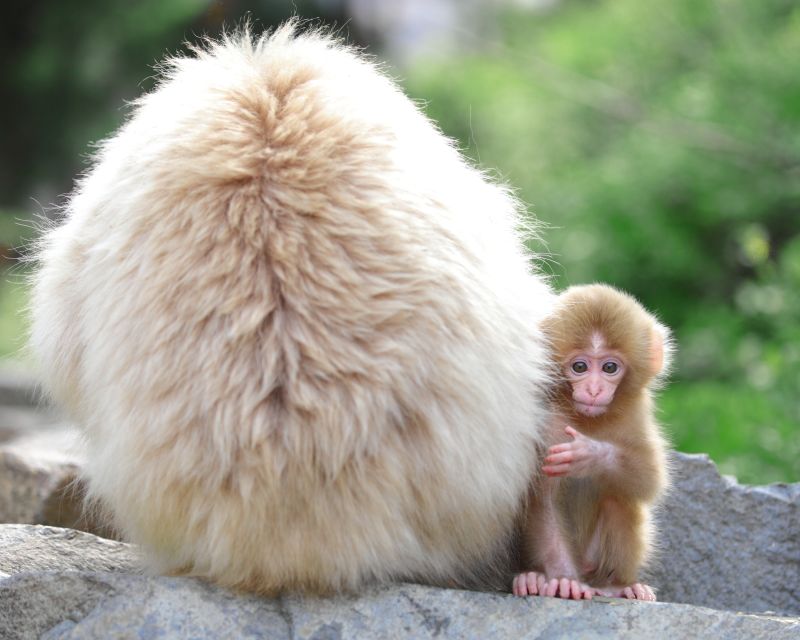
Jigokudani Monkey Park is the heart of the day, and it is not hard to see why. You are watching wild Japanese macaques in a chilly mountain setting, not a theme park stand-in. The tour guides you through the area, helps you understand what you are seeing, and keeps the group together.
One of the standout details is the spring season timing. April is generally when newborn babies arrive in the troop. The tour information notes that typically 20 to 30 babies are born each spring. Watching new babies take their first steps, and seeing how the troop moves around them, turns your photos into a real story.
It is also worth knowing how the macaques interact with visitors. During winter, you may see them in the hot springs, but during spring to autumn there can be water play without any guarantee of hot-spring use. The tour also warns that there are a few days when monkeys might not come down to the park. That is a reminder that you are observing wildlife, not forcing a performance.
About walking: plan for a trail to reach the viewing areas. One review mentioned around 1.6 km of walking and that it felt much longer once you were working your way up the slope. Wear shoes you would use for real sightseeing, not just city sneakers. The park experience is worth it, but only if your feet cooperate.
The Lunch Stop: Vegetarian-Friendly Japanese Comfort
Lunch is included, and it is one of those “small” inclusions that makes the whole day easier. After morning walking and mountain air, having a warm Japanese meal already arranged is a relief. You also get a full break, about 1 hour, which means you can sit, reset, and refuel instead of hunting for food while you are tired.
Vegetarian options are available. You just need to make that known beforehand. That matters because Japanese set lunches can be hard to improvise on the fly if you have dietary needs. With the tour handling the meal selection, you can focus on eating instead of translating menus.
Even from the comments you can spot a pattern: people tend to praise the lunch as delicious and satisfying. That makes sense. In this kind of one-day tour, a good lunch keeps you from turning the afternoon into a slog.
More snow monkey trips:
- Tokyo: Snow Monkey & Nagano Customiseable Private Day Tour
★ 4.8 · 138 reviews - 1-Day Snow Monkeys & Snow Fun in Shiga Kogen Tour
★ 5.0 · 94 reviews - Private Nagano 1-Day Tour:Snow Monkeys,Zenko-ji,Obuse,Sake,Onsen
★ 5.0 · 71 reviews - Snow Monkey & Shibu Onsen Afternoon Tour (Depart: Iiyama & Nozwa)
★ 5.0 · 54 reviews
Hanami Viewpoints in Northern Nagano: How the Bloom Sets the Route
After lunch, the tour rides about 1.5 hours toward cherry blossom viewing spots. The big idea is that you will not follow one single fixed flower spot. Instead, the viewpoint stops are selected based on how the blossoms look on your travel date.
That approach is important for northern Nagano. Blossoms start later here, and conditions can shift quickly. By tailoring the stops to bloom progress, the tour maximizes your odds of seeing trees in full character, not half-hearted flowering.
You can also expect variety. The tour info notes overall more than 500 to 1000 sakura trees across the selected spots. Each place can feature different types of cherry blossoms, which means your photos can show a spread of styles instead of the same-looking promenade over and over.
A practical way to think about this: the afternoon is the part you should protect in your head. If you are the kind of person who takes cherry blossom spotting seriously, you want a day when the flowers are actually ready. This tour’s flexibility is built for that.
If the Blossoms Miss: Zenko-ji Temple and Sake Instead
Sometimes spring runs late. If cherry blossoms are not in bloom, the tour swaps the afternoon plan. You get an alternative visit to Zenko-ji Temple, paired with sake tasting.
This is a smart backup. Zenko-ji is a major temple, and a structured visit keeps you from feeling stuck watching buses roll by. The sake tasting also adds a fun Japanese flavor that fits the culture-shift from hanami to tradition.
You will be notified of the change about 3 days in advance. That gives you time to mentally recalibrate. It also means you can still plan your photography and shopping expectations, instead of discovering the swap mid-day.
Transportation and Timing: What 9 Hours Feels Like in Real Life
This tour runs about 9 hours total, and it is organized around efficient bus transfers. Expect to spend meaningful time on the coach. In exchange, you get day structure, guided context, and less stress about where to go next.
You should also factor in the pace at the monkey park. The time on site is around 2.17 hours, but that clock includes guided movement and walking. Add in cold weather and the possibility of slippery or uneven ground, and the park visit can feel more active than you might expect from a “viewing only” activity.
On the whole day, the schedule is designed so you are not rushed from stop to stop. Still, you are responsible for being ready when the guide calls the group back. One review mentioned a guide being patient with slower walkers, which is comforting. But patience does not remove the fact that you must be able to keep up at least at a moderate pace.
And yes, bring your mindset: winter or early spring in Nagano can feel cold. Even if it is sunny, mountain air has teeth.
Price and What You Get for $135 (and What You Don’t)
At $135 per person, this tour is priced like a guided day trip that bundles several things you would otherwise pay for separately. You are covering transportation between activities, the Snow Monkey Park entrance fee, and lunch. You also get an English-speaking guide and the structure to see both the macaques and cherry blossoms in one day.
What is not included is the bullet train ticket. That is normal for day trips from a regional base, and it is also why checking your start and end train plan matters. If you are coming from farther away, your overall Nagano budget will include those rail costs on top.
Value-wise, I think this works when you want convenience and interpretation. It is not a “cheap ticket” option. It is a cost-for-effort trade, and the tour seems built to remove the friction of juggling timings in a place where the spring bloom can be unpredictable.
Also note: if cherry blossoms are not in bloom, you still get a meaningful cultural alternative. That reduces the risk of paying for a day and seeing only half of the original dream.
Guide Energy: Dai, Kevin, Eniko, Kunihiko Endo, and Teddy
The guide is a big deal on a tour like this because the day combines wildlife, weather, and group timing. In the feedback, guides like Dai and Kevin come up often, and they are described as funny, informative, and good at keeping people together.
Kevin, in particular, stood out for managing a large group efficiently, with one comment mentioning he handled 40 people and still stayed on schedule. Dai was praised as patient and helpful during transitions, especially when people took a little longer between stops.
Other names that appear include Eniko, Teddy, and Kunihiko Endo. The common theme is that the guide is not just reading facts off a page. They are steering your day, pointing out what to notice, and helping you adjust when conditions are different than expected.
Even if you are the type who enjoys wandering on your own, a good guide here can make the difference between random viewing and actually understanding what you are seeing in a living troop.
What to Wear and Bring for a Comfortable, Photo-Friendly Day
This is one of those days where your clothing can quietly make or break your mood.
Wear suitable shoes for the walking trail. The route to the monkey viewing areas involves walking that can feel longer than the number suggests, especially on slopes. If your feet get tired early, you will feel it during the afternoon viewpoint portion too.
Dress for cold and changing weather. Even in spring, Nagano can be chilly, and mountain air makes temperature swings more noticeable. Bring layers you can adjust on the bus and outdoors.
For photos, expect plenty of time at each stop. That matters because macaques do not always perform on cue. You want time to wait, shift angles, and catch behavior rather than just a quick glance.
Who This Tour Fits Best (and Who Might Skip)
This tour fits you best if you:
- Want snow monkeys and hanami in one day instead of splitting into multiple trips
- Like guided structure and English commentary
- Are traveling in spring and want northern Nagano blossoms when they are actually ready
You might think twice if you:
- Struggle with longer days and bus time
- Have difficulty with walking on uneven trails
- Need absolute certainty that you will see both macaques in the hot spring and cherry blossoms at peak bloom
Because it is wildlife plus seasonal flowers, the day has real-world variability. The tour does respond with alternatives, but nature still sets the final terms.
Should You Book This Snow Monkey and Sakura Day Trip?
I would book it if your goal is a high-impact Nagano day with minimal planning headache. The combination of Jigokudani’s macaques and northern Nagano hanami makes sense together, and the tour’s approach to adjusting the afternoon route based on bloom helps protect your spring expectations.
If you are flexible and you come prepared for a long but well-organized day, this is a strong value at $135, especially since lunch and entrance fees are included and you get an English-speaking guide. The only real reasons to skip are if walking is a problem for you, or if you cannot emotionally handle seasonal letdowns like late blossoms.
If you want one Nagano day that feels very Japan and very spring, this is the kind of day trip that earns its place on your itinerary.
FAQ
Where is the meeting point?
You meet at Nagano JR Station, in front of the Information Board directly opposite the shinkansen (bullet train) gates.
What time does the tour finish?
The tour is scheduled to conclude at JR Nagano Station by 6:30 PM.
Is the bullet train ticket included in the price?
No. Bullet train tickets are not included.
What does the tour include for food?
Lunch is included, and vegetarian options are available if you tell the provider beforehand.
How long do you spend at Jigokudani Monkey Park?
The time at Jigokudani Monkey Park is about 2.17 hours for visiting, guided time, walking, and wildlife viewing.
What happens if cherry blossoms are not in bloom?
If the blossoms are not in bloom, an alternative afternoon visit to Zenko-ji Temple with sake tasting is provided. You will be notified 3 days in advance.
Are the monkeys guaranteed to be in the hot spring?
No. During spring to autumn, monkeys may play in water, but there is no guarantee they will be in the hot spring.
Are babies and infants included for free?
Infants up to 5 are free of charge. An infant lunch is not included and should be ordered directly at the restaurant.
Latest write-ups near Nagano
- Wasabi Farm Walking Tour & Lunch★ 4.5 · 20 reviews
- 1-Day Tateyama-Kurobe Tour: Walking on the ‘Roof of Japan’★ 5.0 · 20 reviews
- Nagano Private Two Day Tour★ 5.0 · 29 reviews
- Explore Jigokudani Snow Monkey Park with a Local Guide★ 4.5 · 30 reviews
- Nagano Spring: 1-Day Cherry Blossoms & Snow Monkeys Guided Tour★ 5.0 · 31 reviews
- 1-Day Winter Tour From Nozawa Onsen: Snow Monkeys, Zenko-ji Temple & Sake★ 5.0 · 32 reviews
- Ski or Snowboard Lesson in Shiga Kogen (4Hours)★ 5.0 · 34 reviews
- Nagano: 1-Day Ski Tour Package from Nagano Station★ 4.9 · 35 reviews
Snow Monkey Tours, compared.

1-Day Snow Monkeys, Zenko-ji Temple & Sake in Nagano
Read our review →
Snow Monkey 1 Day Tour with Beef Sukiyaki Lunch
Read our review →
Private Tour Snow Monkey Park & Zenko-ji Temple
Read our review →
Hokkaido Seasonal: Lake Toya & Noboribetsu Jigokudani Valley
Read our review →
Snow Monkey & Nagano Customiseable Private Day Tour
Read our review →
Nagano Snow Monkey 1 Day Tour with Beef Sukiyaki Lunch from Tokyo
Read our review →
1-Day Snow Monkeys & Snow Fun in Shiga Kogen Tour
Read our review →Browse the lists this tour appears in