
Reviewed · YOKOHAMA TOURS
Tokyo 8hr Private Tour with Licensed Guide from Yokohama
Starting a Tokyo day in Yokohama is the smart part of this tour, because you get a full sampling of the capital without packing and unpacking. I like the private, exclusive format and the licensed English guide who keeps the plan moving and readable. One drawback: it is a walking-heavy day, and the 8-hour window can feel tight if your group wants long detours, slow breaks, or lots of extra shopping time.
The real value is how customizable it is. You pick several stops from a menu that includes gardens, shrines, temples, markets, and high-energy neighborhoods like Shibuya and Akihabara, then your guide strings them together with train and subway routing. Also note this tour is not about lining up to enter the Imperial Palace buildings, because access inside the Imperial Palace is not included.
Key highlights at a glance
- Yokohama-based starting point with train access, so you get Tokyo without losing a day to logistics
- Licensed local English guide who can handle routes and crowds
- Choose your focus from temples, shrines, gardens, and modern districts
- Imperial Palace gardens and outer areas only, not the interior
- Mix of big sights and real neighborhoods, from Asakusa shopping streets to Akihabara electronics
- Long walking day by design, with frequent short stops that add up
Yokohama to Tokyo, the practical way
If Tokyo is your main event but your base is Yokohama, this kind of tour is a lifesaver. You get to use your time in Tokyo efficiently, starting in Yokohama and heading into the city by public transit. The payoff is big for first-timers: Tokyo can be overwhelming fast, especially when your day is supposed to cover old temples and neon districts in one shot.
What I like most is the guide role. You are not just being shown sights, you are being handed a plan that makes sense. Multiple guides featured in the experience stories, like Yoshi, Izumi, and Seiji, are praised for pacing, routing, and making the day feel smooth even when train changes and crowding are part of the deal.
The other practical win: you can meet the guide in Yokohama (including options around the port area), then you are not stuck figuring out every subway connection alone. That matters when your day is only eight hours.
Also on the shortlist for Yokohama:
- Authentic Sumo Experience in Tokyo: Enter the Sanctuary
★ 5.0 · 603 reviews - EVO, WRX, Skyline – JDM Night Run to Daikoku Car Meet
★ 4.9 · 478 reviews - Tokyo: Best Price Daikoku Parking Area JDM Car Meet
★ 4.9 · 192 reviews
Price and what you truly get (and do not)
At $201.51 per person for an 8-hour private tour, you are paying for two things: time and translation, plus the mental workload of navigation. This is not a bargain tour, but it is also not a luxury lounge day. You are buying a licensed guide, a custom walking itinerary, and help with the rail and subway flow.
What’s included:
- Licensed local English-speaking guide
- Meet up within a designated area on foot (pickup is described as offered, with meeting also possible near the port)
- A customizable walking plan built from selected sites (the included customization is described as choosing 3 to 4 sites from the list)
What’s not included:
- Transportation fees
- Entrance fees
- Lunch and other personal expenses
- Private vehicle
So where does the value land? If you are trying to hit Tokyo highlights in a single day, the guide can prevent wasted time, wrong turns, and train confusion. Several guide stories highlight this, including people praising guides for handling subway navigation and adjusting routes on the fly.
There is also a subtle value detail: some sights are free, and some have paid admission. That means your spending depends on what you select. If you choose mostly free sites like Asakusa or Meiji Jingu, your cash outlay stays lower. If you add paid garden entries like Shinjuku Gyoen or Koishikawa Korakuen, you are planning ahead for tickets.
How the 8-hour plan really feels: walking plus transit
This is a walking tour, and your meeting and drop-off happen on foot, as part of the tour time. Pickup is described as on foot too, meaning you should expect real steps from the start.
Why this matters: Tokyo transit is easy once you know it, but getting between areas still costs time, stairs, and walking corridors. The tour is designed with multiple short stops, like 15 minutes at Meiji Jingu or 30 minutes at Tsukiji. That structure keeps the day full, but it can also feel like a lot when you are carrying water, bags, or you have mobility limitations.
A practical note from the experience stories: at least one older group using a walker was accommodated with flexibility. Still, I would treat this as a “strong walking day.” If your group needs slow pacing, build in extra water breaks and avoid adding too many shopping stops.
Also, schedule tightness shows up in at least one comment. So plan your mindset accordingly: this is a highlights day, not a sit-down and linger day.
Choosing your Tokyo mix from the site menu
The tour is built so you choose several stops from a list. The descriptions include temples, shrines, parks, gardens, and modern neighborhoods. In practice, your guide will shape the best order and transit path.
Here’s how I’d choose, based on what you want your “Tokyo story” to feel like:
- Classic Tokyo spiritual side: Asakusa (Senso-ji) and Meiji Jingu
- Imperial-era contrast: Imperial Palace outer areas and gardens (not interior)
- Garden day in miniature: Shinjuku Gyoen, Koishikawa Korakuen, Hama Rikyu, or Rikugien
- Modern Tokyo energy: Shibuya scramble crossing area, Takeshita Street, Akihabara
- Old-town neighborhoods: Nezu and Shibamata, plus older Tokyo vibes around Tsukiji area
If you are unsure, I’d go with a blend: one major temple, one shrine, one neighborhood for snacks and shopping, and one garden if the season is right for blossoms or seasonal displays.
A change of pace from Yokohama:
- Daikoku & Tokyo Private JDM Tour by 700HP R34 GT-R
★ 4.9 · 101 reviews - Tokyo: Authentic Sumo Wrestling Experience with Lunch
★ 4.9 · 88 reviews - 【Tokyo】JDM Daikoku Parking Area & Nissan Facility Tour
★ 5.0 · 87 reviews - Yokohama Ramen Adventure From a Local Noodle Factory to Home
★ 5.0 · 60 reviews
Stop-by-stop guide: what each option is like
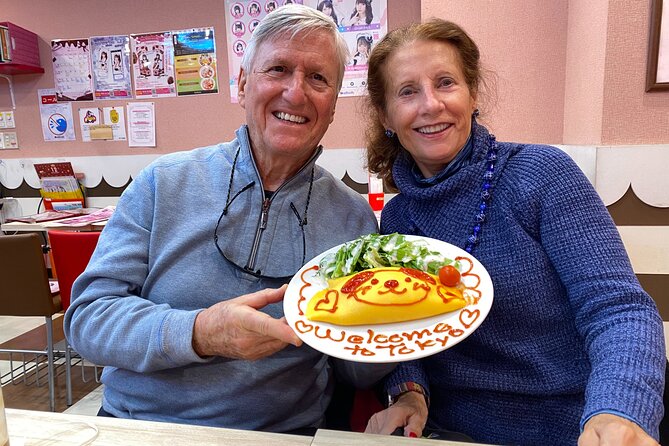
Below is what you can expect from the menu of stops. Your exact picks depend on what you and your guide agree on, but these are the options the tour is structured around.
Yokohama (start and return)
You meet in Yokohama and head to Tokyo by train. The return is also by train with the guide helping you back to Yokohama. This is convenient when you are staying on the Yokohama side and you want the whole Tokyo day without switching hotels.
A small perk: some meeting plans also reference the port area, which can help if you are arriving by cruise.
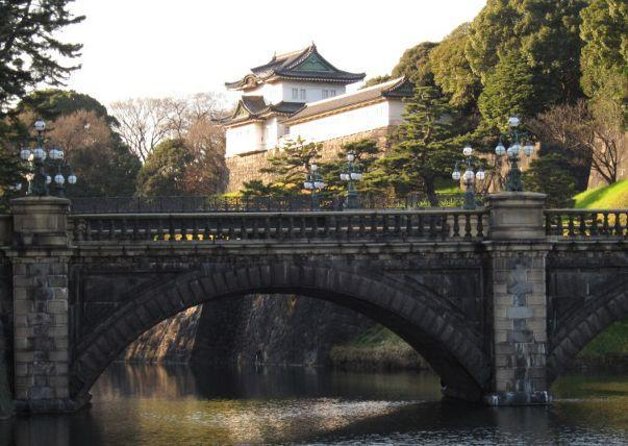
Imperial Palace (outer gardens and walls only)
This is a strong “Tokyo contrast” stop. The tour wording makes it clear you are not getting inside the Imperial Palace buildings. Instead, you see public areas like the garden spaces and outer walls.
Why it’s worth it: it gives you a calm, ceremonial pause in a city that often feels fast. Downside: if your expectation is “main palace building photos,” you will be disappointed, because interior access is not part of the tour.
Shinjuku Gyoen National Garden (paid admission)
Shinjuku Gyoen is a go-to garden choice, and the description notes cherry blossoms as a key reason people love it. Expect a large garden in central Tokyo, with time budget around an hour.
Cost heads-up: admission is listed with an adult fee of 500 yen, plus a group discount option (400 yen). Seniors have a lower rate with valid ID.
Downside: since gardens often mean slow walking and photo stops, it can eat into your shopping-time energy. Pick this if gardens are a priority, not if you only want “one quick park moment.”
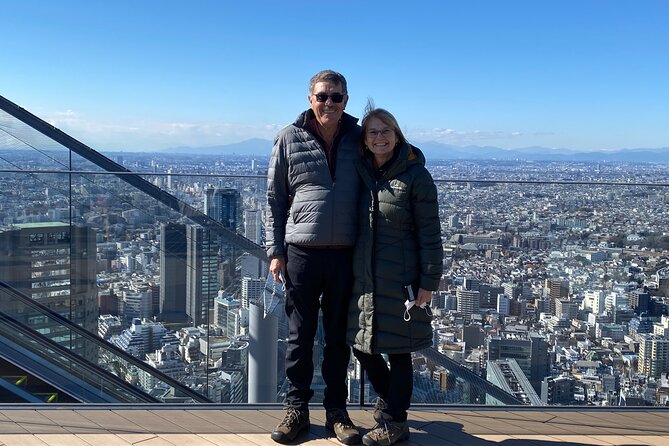
Shibuya area, including a major crossing
This is the “real Tokyo pulse” stop. The plan includes one of the busiest crossings in the world, aimed at showing you the hustle people associate with Shibuya.
Why it works: it’s instantly recognizable and visually loud. Downside: it is crowded, and a tight schedule means you may need to keep your time crisp. It’s best as a short hit plus photo moments, not a long linger.
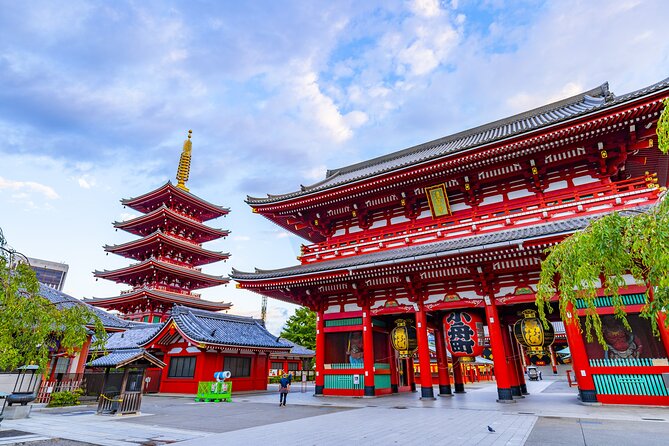
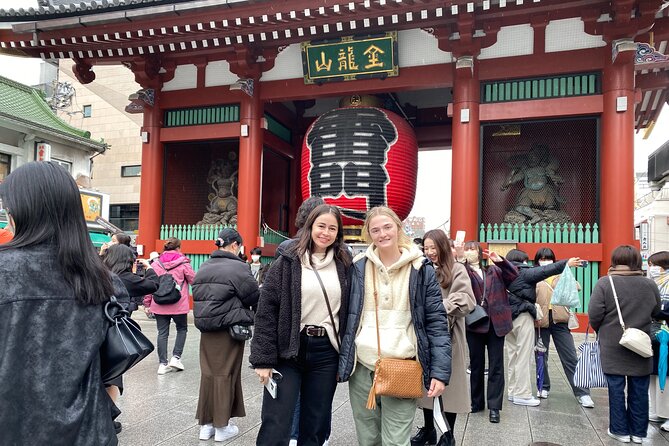
Asakusa (Senso-ji area, mostly free)
Asakusa is where old Tokyo energy feels most tangible. The tour notes the temple and shopping street feel like older Tokyo, and you get about an hour at this stop option.
Why I like it: the shopping lanes around Senso-ji give you a street-level view, not just a temple photo. The drawback is that Asakusa can be crowded, especially at peak hours, so come prepared to weave.
Meiji Jingu Shrine (brief stop, free)
Meiji Jingu sits near Harajuku Station on the JR Yamanote Line. The tour budget is short here, about 15 minutes.
Why it still works: even in a short time window, you get the shrine approach and a sense of the sacred quiet that contrasts with the nearby fashion streets. Downside: if your group wants deep reading of the shrine grounds, you may feel rushed.
Akihabara (electronics district, brief stop, free)
Akihabara is the center of Japan’s electronics and pop-culture shopping vibe. This stop is listed as about 15 minutes.
Why it works in one day: it’s easy to get a strong taste fast. Downside: Akihabara is huge. With only 15 minutes, you will probably focus on one corridor, one store cluster, and maybe a quick photo stop.
Koishikawa Korakuen Garden (paid, time short)
Koishikawa Korakuen is described as one of Tokyo’s oldest Japanese gardens, built in the early Edo period era. Your time budget is short, around 15 minutes, and admission is not included.
Why choose it: if you care about traditional garden design and want something older than the typical city park. Downside: gardens are hard to appreciate fully at a quick pace, so this is best when your group has a garden interest and you are not trying to cram in shopping elsewhere.
Hama Rikyu Gardens (free option)
Hama Rikyu is alongside Tokyo Bay, and the description highlights seawater ponds that change with the tides, plus a teahouse. This is listed as a free admission option with a short 15-minute slot.
Why it’s fun: it is a different kind of garden setting, tied to the sea and tidal changes. Downside: like other garden stops, 15 minutes is more for an overview than deep strolling. If you want the slow garden experience, ask your guide if you can spend more.
Tsukiji Fish Market (free option, short visit)
Tsukiji is mentioned as an option to explore the old fish market in Tokyo, with about a 30-minute time slot. The big advantage is that it connects you to food culture without needing a reservation.
Practical tip: lunch is not included, but many guides use this area for a quick food moment. If your group wants a market lunch, tell your guide you are interested, and they can suggest nearby choices based on your timing and preferences.
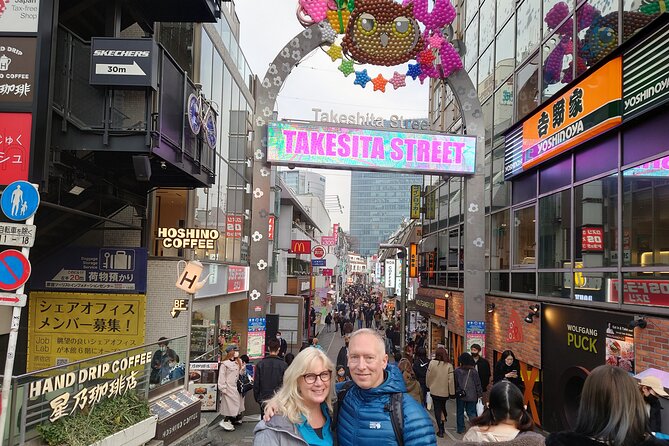
Takeshita Street (Harajuku, shopping culture)
Takeshita Street is described as a center for teenage fashion and extreme style trends. Your time budget is about 30 minutes and admission is free.
Why it’s worth it: it’s a snapshot of modern youth culture, with quick photo opportunities. Downside: it is visually intense and crowded. If your group hates crush crowds, treat it like a short browse, then move on.
Rikugien Garden (paid, short)
Rikugien is described as one of Tokyo’s most beautiful Japanese gardens and is tied to the early 1700s era. The tour allocates about 30 minutes, and admission is not included.
Why choose it: if your group prefers “garden time” over street shopping, Rikugien’s longer slot helps. Downside: any paid garden adds costs and can slow your day if you also picked too many shopping districts.
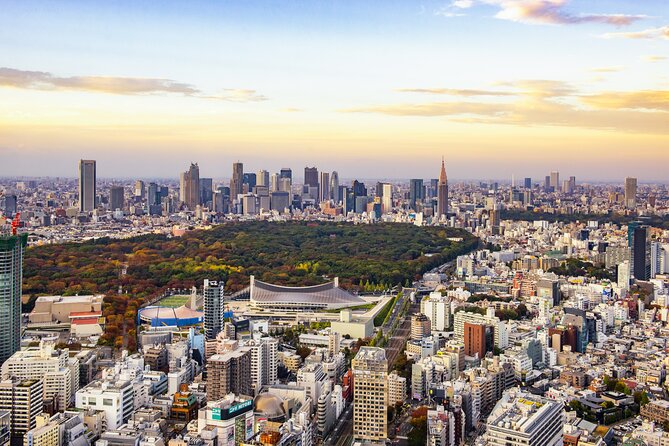
Yoyogi Park (free, short)
Yoyogi Park is described as a large city park with lawns, ponds, and wooded areas. The tour gives it a short 30-minute block.
Why it works: it’s a breather between busy neighborhoods. Downside: park time is only useful if you are comfortable walking and if you want a green reset. If you are chasing only iconic sights, you may want to trade this slot for a shrine or market.
Senso-ji Temple (Asakusa, free option repeated)
The list includes Senso-ji as a standalone option with about 15 minutes, free admission. If your itinerary includes Asakusa already, this may be the same area with a different time budget, depending on your guide plan.
Why it’s on the menu: it’s one of Tokyo’s most recognizable temples. Downside: 15 minutes means you will see key points quickly, not the full lane-by-lane experience.
Roppongi Hills shops and restaurants (free, brief)
Roppongi Hills is described as a city-within-a-city and an example of modern Tokyo design. This option is very short, around 15 minutes.
Why I’d pick it: if your group wants a modern district feel without committing to a long ride. Downside: it is more of a pass-through with limited time for deep wandering.
Shibamata (old-school charm, free, short)
Shibamata is described as keeping old-school charm from earlier times, with a location near the Edogawa River. Time budget is about 15 minutes.
Why it helps: it breaks the pattern of only central Tokyo districts. Downside: 15 minutes is short. Think of it like a taste, not a complete neighborhood exploration.
Nezu (old Tokyo neighborhoods, free, short)
Nezu and Yanaka are described as part of shitamachi, Tokyo’s old downtown. The plan lists about 15 minutes here.
Why it’s special: it can feel slower and more traditional than the big headline areas. Downside: limited time means you cannot cover much street detail, so you’ll want your guide to pick the best corners.
Shinjuku Golden Gai (free, short nightlife lanes)
Golden Gai is described as an area with narrow lanes and small drink spots, with a history linked to when the black market area shifted after 1950. Your stop time is around 15 minutes.
Why choose it: it’s a Tokyo oddity with personality, perfect for photos and a quick vibe check. Downside: it can be hard to appreciate fully in a short visit, especially if you do not plan around opening hours or evening crowds.
Odaiba District (free, short)
Odaiba is described as a shopping and entertainment district on a man-made island in Tokyo Bay. This option is listed as about 15 minutes.
Why it can work: it adds a modern, waterfront feeling to balance out temples and gardens. Downside: 15 minutes is not enough for a real Odaiba day. This is a snapshot.
Yokohama (finish)
At the end, your guide returns you to Yokohama by train. This keeps your evening logistics simple, which matters when you have a ship, a hotel, or a schedule waiting back in Yokohama.
Tips for getting the most from your guide in real life
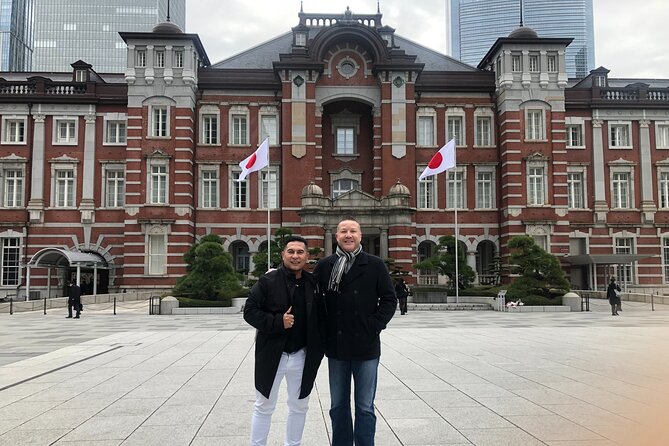
One reason people keep mentioning these tours is not just the sights, it’s the way the guide handles the day. In the experience stories, guides like An, Seiji, Izumi, Koba, and Ando are praised for communication before the tour, smart routing, and listening to what people want.
Here’s how you can benefit from that in your planning:
- Tell your guide your priorities in plain terms, like temples first, then shopping, then one garden.
- Ask what order makes the most sense for your selected stops, especially when you want Shibuya and Asakusa in the same day.
- If you care about food, mention it early. The plan does not include lunch, but guides can often steer you toward a convenient local meal in the right neighborhood.
You might also get food suggestions anchored to the areas you visit. For example, one story mentions Zakuro for shabu shabu in Ginza, another mentions ramen at Asakusa Kannon Street (Tanaka-Ya), and others mention conveyor belt sushi and local spots near the market area.
You do not have to follow those exact recommendations, but the point is this: if you speak up about what you eat and what you skip, the day often lands better.
Should you book this Yokohama-to-Tokyo private tour?
Book it if you want:
- a private, licensed English guide for a tight single day in Tokyo
- a customizable mix of temples, shrines, gardens, and modern neighborhoods
- help with train and subway routing so you spend less time lost and more time seeing
Skip it if:
- your group cannot handle a walking-heavy day
- you want a slow, sit-down pacing with lots of interior access, because the Imperial Palace interior is not included and many stops are short by design
- you already have a solid plan and enjoy navigating Tokyo on your own without paying for guided routing
My take: for $201.51 per person, the value is strongest when you treat the day like a guided highlights sprint. If you go in with the right expectations and pick stops that match your mood, you can leave Tokyo feeling like you got the main story, not just a list of photos.
FAQ
How long is the Tokyo private tour from Yokohama?
It runs about 8 hours.
What is included in the tour price?
You get a licensed local English-speaking guide, meet up on foot in a designated Yokohama area, and a customizable walking tour based on selected sites. Transportation fees, entrance fees, and lunch are not included.
Is this tour private?
Yes, it is a private experience, limited to your group.
Can I enter the Imperial Palace buildings during this tour?
No. The tour does not include access inside the Imperial Palace, but public outer areas and gardens are part of what you can see.
Are entrance fees included for all attractions?
No. Some paid sites listed include Shinjuku Gyoen National Garden, Koishikawa Korakuen Garden, and Rikugien Garden. Other options listed are free.
Will transportation and lunch cost extra?
Transportation fees and lunch are not included, so you should budget for both.
Is this tour mostly walking, and are service animals allowed?
Yes, it is a walking tour with meeting and drop-off on foot as part of the tour time. Service animals are allowed.
Latest write-ups near Yokohama
- 【Tokyo】JDM Daikoku Parking Area & Nissan Facility Tour★ 5.0 · 87 reviews
- Tokyo: Authentic Sumo Wrestling Experience with Lunch★ 4.9 · 88 reviews
- Daikoku & Tokyo Private JDM Tour by 700HP R34 GT-R★ 4.9 · 101 reviews
- Tokyo: Best Price Daikoku Parking Area JDM Car Meet★ 4.9 · 192 reviews
- Authentic Sumo Experience in Tokyo: Enter the Sanctuary★ 5.0 · 603 reviews
- Yokohama: Guided Cup Noodles Museum Tour & Make Your Own Cup★ 4.9 · 27 reviews
- EVO, WRX, Skyline – JDM Night Run to Daikoku Car Meet★ 4.9 · 478 reviews
- Tokyo: Fast & Furious Authentic Drift and JDM Experience★ 4.9 · 21 reviews
Yokohama Tours, compared.

Authentic Sumo Experience in Tokyo: Enter the Sanctuary
Read our review →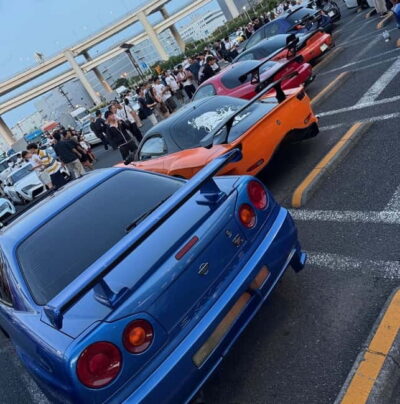
EVO, WRX, Skyline – JDM Night Run to Daikoku Car Meet
Read our review →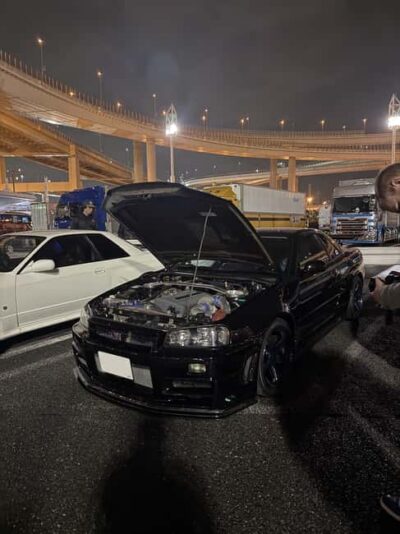

Daikoku & Tokyo Private JDM Tour by 700HP R34 GT-R
Read our review →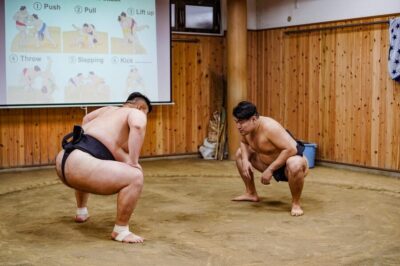

【Tokyo】JDM Daikoku Parking Area & Nissan Facility Tour
Read our review →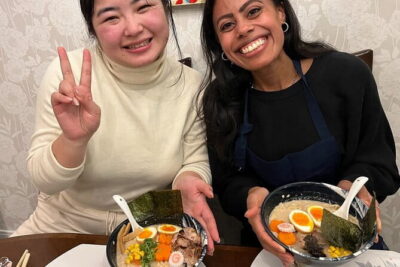
Yokohama Ramen Adventure From a Local Noodle Factory to Home
Read our review →
Guided Cup Noodles Museum Tour & Make Your Own Cup
Read our review →Browse the lists this tour appears in