
Reviewed · SHIRAKAWA-GO TOURS
1-Day Shirakawago & Takayama Tour (Round Trip from Kanazawa)
A day trip that stacks UNESCO Shirakawago and Takayama’s festival floats is interesting in a very practical way: you get big “Japan you came for” sights without burning days on transfers. The route is built around two places that feel worlds apart, yet they connect through old carpentry, crafts, and the way small towns keep traditions alive.
I really like two parts of this tour. First, you travel with a National Government Licensed Guide Interpreter in English, so you understand what you are seeing instead of just taking photos. Second, you get real time in Shirakawago and then a focused stop for the festival floats, which is the kind of detail most bus tours rush past.
One thing to plan around: lunch is not included, and the day is mostly walking plus a long ride. If you need frequent food breaks, comfortable shoes, or extra rest time, you’ll want to think ahead.
Key highlights you’ll care about
- Small group size up to 15 people, so the guide can actually explain as you go
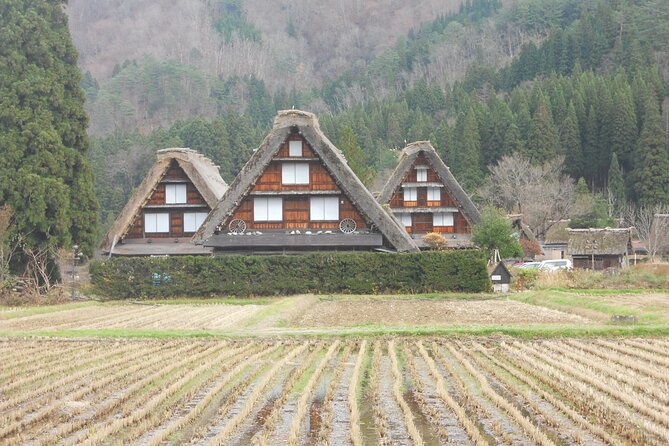
- UNESCO Ogimachi in Shirakawago, including a thatch-roofed house visit and time to stroll
- Takayama Festival floats at Yatai Kaikan, admission included for a clear, satisfying look
- Year-dependent museum stop, Kusakabe Folk Museum runs only in 2025
- Optional Shirakawago observation deck shuttle, extra cost, and it may pause in bad weather
Why this Kanazawa day trip clicks for most itineraries
If your base is Kanazawa, this tour makes a lot of sense because you’re doing a two-region “greatest hits” day without complicated planning. You start in the morning, go out to the mountain village of Shirakawago, and then shift gears to Takayama’s preserved town streets.
What I like most is the mix of viewpoints. Shirakawago gives you the village-scale story of Gassho-zukuri thatched roofs and how people historically lived in heavy snow country. Takayama gives you a different angle on tradition, the festival side, where craft and artistry show up in woodwork and painted detail.
The other big plus is the pace is structured, not chaotic. You have guided context, admissions are handled for key stops, and the day ends where it started in Kanazawa.
More Shirakawa-go trips:
Kanazawa Station morning setup and how to avoid stress
Meeting is at Kanazawa Station at 8:15 am. That early start matters because Shirakawago is far enough that you want daylight and fresh energy for the walking.
The bus is air-conditioned and heated, which sounds basic but becomes a comfort factor when you hit cold mountain weather. The tour also runs with a maximum of 15 people, and it may share the bus with other groups, so think of it as small, not private.
If you are staying in Kanazawa, there’s a chance the tour also stops at some Kanazawa City hotels to pick up guests. The practical note I’d follow: don’t assume you’ll get a break at those stops. If you want coffee or a snack, grab it before you meet at the station.
You’ll also get a mobile ticket. That usually means less fumbling at check-in, which keeps your morning smooth.
Ogimachi in Shirakawago: thatched-roof houses and time to wander
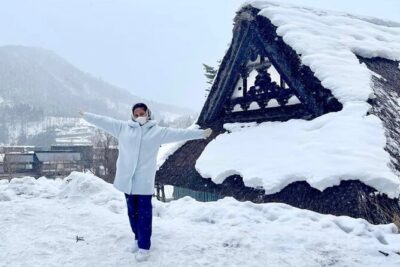
Shirakawago is where this day trip earns its reputation. You go to Ogimachi, the famous UNESCO area, and the highlight is the visit to one of the village’s thatch-roofed houses, part of the Gassho-zukuri tradition.
The thatched house visit is not just a quick peek from the doorway. You get time inside, and entry to the house can take a bit depending on crowding. If you’ve ever visited traditional homes in Japan, you’ll likely find that shoes are handled indoors, and you should expect a quiet, respectful atmosphere while you look around.
After that house, you’re free to stroll around the village. This is a key detail: you’re not only herded from point to point. Use your time to slow down and notice roof shapes, village lanes, and how the houses sit together in the mountain setting. If you like photos, this is also where you’ll get the best variety of angles without rushing.
You might also spot small religious structures, like shrine elements and temple areas, as you move through the village. The point is not to chase them. It’s that Shirakawago feels lived-in, not staged.
What you should keep in mind: 2.5 hours can sound long, but it includes travel from the bus area, the house entry, and then the stroll. If you want extra time for photos, keep your pace steady but don’t sprint between the biggest photo spots.
The optional Shirakawago observation deck shuttle, and why weather matters
From Shirakawago, there’s an observation deck you can reach via an optional shuttle bus. This is not included, so there’s an extra fee. And here’s the real planning tip: shuttle operation depends on weather, so it can be suspended.
That means you should treat the deck as a bonus, not a guarantee. If the shuttle is running, it can be a great way to see the village from a higher angle. If it’s not, you still have plenty to enjoy at ground level in Ogimachi.
My advice: check what the guide says on the day, then make the decision quickly. Waiting around for perfect conditions can cut into your village time, and that’s time you can always use for roof details and street views.
A change of pace from Kanazawa:
- Kanazawa: Kenrokuen Tea Ceremony Experience
★ 4.8 · 1,139 reviews - Kanazawa Half Day Tour (Private Guide)
★ 5.0 · 361 reviews - Kanazawa Full Day Tour (Private Guide)
★ 5.0 · 323 reviews - World Heritage Shirakawa-go Perfect Guided Tour from Kanazawa
★ 5.0 · 220 reviews
Takayama Festival Floats at Yatai Kaikan: a focused, craft-first stop
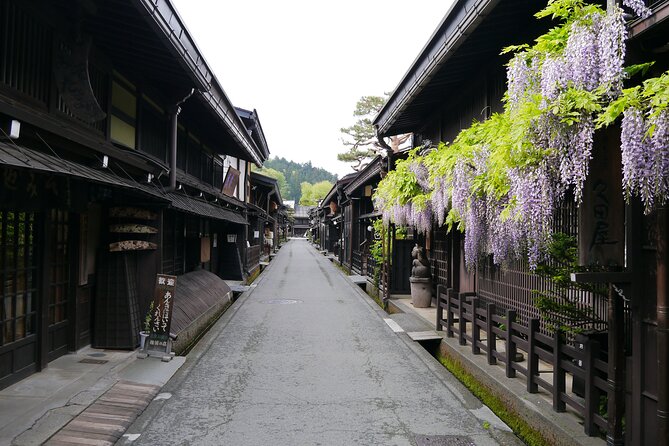
After the Shirakawago experience, the tour shifts to Takayama, often described as a quieter, traditional town with strong festival culture. The big stop here is Takayama Festival Floats Exhibition Hall, also known for Yatai Kaikan.
This is one of those stops that pays off because it’s designed for looking. You can study the floats up close and appreciate how much work goes into carved wood, painted surfaces, and the overall structure. The duration is short, about 30 minutes, but it’s enough time to understand what you’re seeing if you don’t just rush.
I like that this stop gives you festival context without needing tickets for a full festival event. Even if you visit outside festival days, you get the artistry.
Also, seeing festival floats in a dedicated exhibition hall is a practical break. You get a clear, sheltered place to look, which is a nice contrast after time outdoors.
Kusakabe Folk Museum (only in 2025) and Kamisannomachi old merchant streets
The tour includes a stop at the Kusakabe Folk Museum for 2025 only. It’s a historical Japanese-style townhouse where you can view traditional handicrafts and folk art. The time is around 30 minutes, and the main value is that it helps you connect what you saw in Shirakawago with local domestic craft traditions.
For 2026, the Kusakabe Heritage House stop will not be visited. If you’re traveling in 2026, you’ll just want to expect a slightly different lineup. The rest of the day still keeps the Takayama core, especially Kamisannomachi.
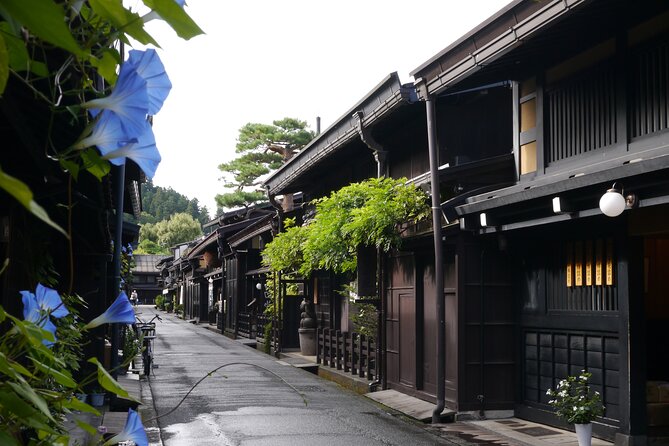
Next is Kamisannomachi, the old merchant-town street area in Takayama. This is where the day feels like walking through a preserved Edo-period neighborhood. You’ll see the atmosphere of an older town economy, and you’ll likely find shopping areas tied to local foods, crafts, and traditional goods.
The time here differs by year. In 2025, it’s about 40 minutes. In 2026, it extends to about 70 minutes, which is a big difference. If you’re the type who likes browsing and taking your time, 2026 likely gives you more breathing room.
Where you can use this time best
I use Kamisannomachi time for two things:
1) a slow walk to get the town feel, and
2) one or two small purchases, not a shopping marathon.
If you’re short on time, focus on items that reflect Takayama culture, like traditional crafts or local specialty snacks.
Timing, walking, and what to do about lunch
This is a 10-hour day, give or take depending on road conditions and congestion. The order of activities can shift, too, based on what’s happening that day.
The itinerary includes enough movement that you should assume you’ll walk more than you would on a city tour. Even if the stops are scheduled, you’re moving between bus loading, the house visit, exhibition areas, and the street stroll.
And yes, lunch is not included. That’s a simple fact, but it changes your planning. If you don’t eat before you go, you may end up hungry during the middle of the day. I suggest you either eat early in Kanazawa or carry small snacks so you’re not hunting for food while you’re also trying to see everything.
There’s also a note that if sightseeing facilities close, the tour may go to alternative destinations. That can help when weather or operations disrupt plans, but it also means you should keep a flexible mindset.
Price and value: what you’re paying for, and where you can save
The price is $209.53 per person, which sounds steep until you look at what’s folded into it. You’re paying for:
- a National Government Licensed Guide Interpreter
- transportation by an air-conditioned heated tour bus
- admission fees and transportation costs for the included stops
- a smaller group size (up to 15 people)
This matters because Shirakawago and the Takayama sites are not convenient if you’re doing everything alone. The guide helps you avoid confusion and makes the time feel worthwhile instead of guessing at what you’re looking at.
Where you might spend extra on top of the tour price:
- lunch (not included)
- the optional shuttle bus to the Shirakawago observation deck
- any extra sightseeing you choose to add on your own
If you compare solo planning costs, guided value often comes from reduced hassle and a clean schedule. You can also focus on experiences rather than transport math. For a day trip from Kanazawa, that’s a real benefit.
Should you book this Shirakawago and Takayama tour from Kanazawa?
If you want a single day that mixes UNESCO Shirakawago and Takayama’s festival culture, this is a strong fit. It’s especially good if you value an English guide who can explain what you’re seeing and if you like structured time, not open-ended wandering.
I’d book it if:
- you’re based in Kanazawa and want a high-impact day trip
- you care about craft and tradition, not just views
- you’re fine with a full day and some walking
I might skip it if:
- you strongly need included meals or long rest breaks
- you prefer a slower pace with lots of free time in each place
- you’re traveling in weather that makes outdoor shuttles unreliable, since the observation deck shuttle can pause
FAQ
What time does the tour start, and how long is it?
The tour starts at 8:15 am and runs for about 10 hours (approx.).
Where is the meeting point in Kanazawa?
You meet at Kanazawa Station (Kanazawa Station, 1-1 Kinonishimbocho, Kanazawa, Ishikawa 920-0858, Japan).
Is the tour guided in English?
Yes. The guide language support is English.
What admissions are included?
Admission fees are included for the Shirakawago thatch-roofed house visit and Takayama Festival Floats Exhibition Hall. Admission is also included for the Kusakabe Folk Museum when it is offered (only in 2025). Kamisannomachi does not list an admission fee.
Is lunch included?
No. Lunch is not included.
Is there a shuttle to the Shirakawago observation deck?
There is an optional shuttle bus to the Shirakawago observation deck. It has an additional charge, and operation can be suspended depending on weather.
Does the tour always include the Kusakabe Folk Museum?
No. The Kusakabe Folk Museum stop is listed as only in 2025. It will not be visited on tours in 2026.
Can I request a drop-off at Takayama Station?
Yes. You can request a drop-off at Takayama Station by informing the tour guide in the morning of the day you want it. Otherwise, there is no Takayama Station drop-off.
What is the cancellation policy for a full refund?
You can cancel for a full refund if you cancel at least 24 hours before the experience’s start time. Cancellation is free, and refunds are based on local time cutoff.
If you tell me your travel month and whether you’re visiting in 2025 or 2026, I can help you decide if this is the best day trip order and what to prioritize during the limited time in Takayama.
Latest write-ups near Kanazawa
- Kanazawa: Private Custom Tour with Local Guide★ 4.9 · 20 reviews
- Kanazawa: Samurai Swordsmanship Lesson at a rented temple★ 5.0 · 21 reviews
- Day Tour from Kanazawa OR Toyama: Snow Wall and Mysterious Valley★ 5.0 · 22 reviews
- Private Ring Craft Experience in Kanazawa★ 5.0 · 22 reviews
- Private Tour of Shirakawago from Kanazawa (Half Day)★ 5.0 · 24 reviews
- Kanazawa: Private Food Tasting Walking Tour★ 4.7 · 25 reviews
- Kanazawa:Traditional Experience -kimono rent at wargo★ 4.7 · 30 reviews
- Kanazawa private 1 day/Photoshoot by professional photographer★ 5.0 · 33 reviews
Shirakawa-go Tours, compared.
World Heritage Shirakawa-go and Experience Tours from Kanazawa
Read our review →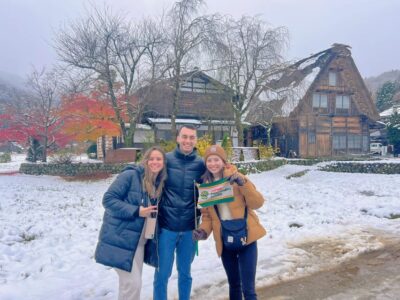
World Heritage Shirakawa-go Morning Guided Tour
Read our review →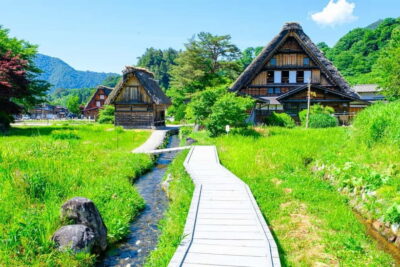
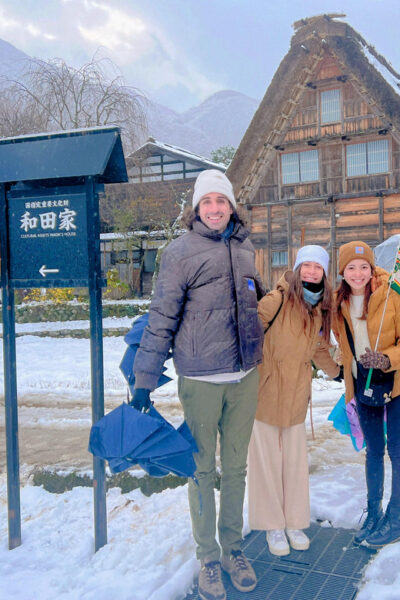
World Heritage Shirakawa-go & Two Local Experience
Read our review →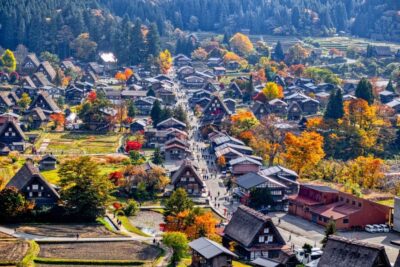
1 Day Private Charter Tour to Shirakawa-go & Takayama
Read our review →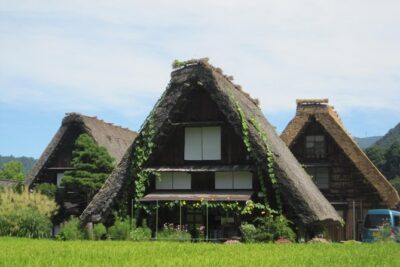
[One-day bus tour departing from Kanazawa Station] Shirakawa-go and Gokayama – Two World Heritage Villages Enjoyable Bus Tour
Read our review →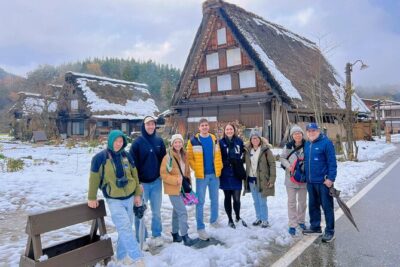
World Heritage Shirakawa-go Perfect Guided Tour from Kanazawa
Read our review →Browse the lists this tour appears in