
Reviewed · TEA CEREMONIES
Kanazawa: Kenrokuen Tea Ceremony Experience
This Kenrokuen tea ceremony is interesting because you get the full ritual flow in a real tea room setting, not a quick demo. I love how Kenrokutei keeps the action focused, with the ceremony happening away from outside views. I also love that you do not just watch, you learn the steps and then make matcha yourself. The main drawback to know upfront: the tea room does not show the garden, so you will want to enjoy Kenrokuen separately before or after.
You meet right inside Kenrokuen Garden, at Kenrokutei, where the tradition was tied to Lord Maeda’s entertaining guests. The ceremony itself is calm and structured, with an English instructor guiding you through what to do and why, and you can even request a chair if kneeling is hard. One more practical consideration, depending on timing: this experience runs at the same time as other groups, so the goal is quiet, but you might occasionally hear minor room noise.
Finally, this is not a sit-anywhere, snack-and-go stop. You need to sit on the floor in the tea room, and the experience is for ages 7 and older. If you love cultural details and you are ready to follow simple etiquette cues, it feels surprisingly relaxing.
Key highlights you will feel right away
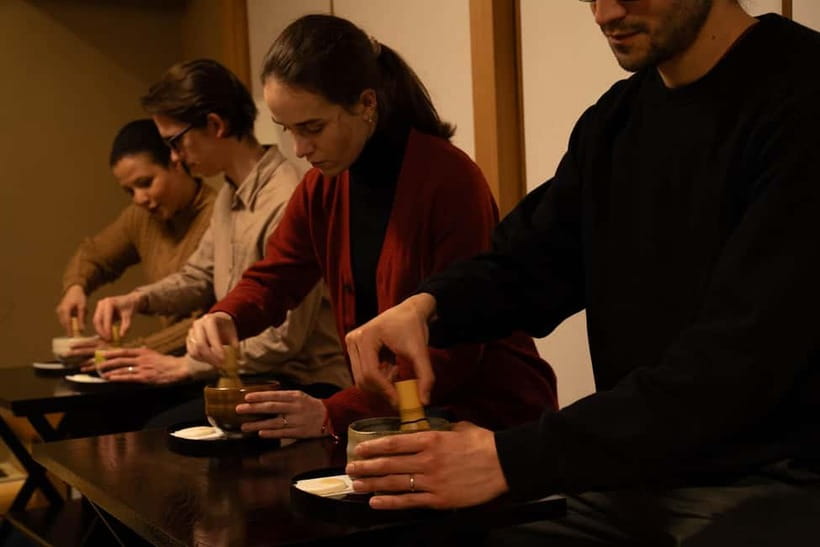
- A formal tea room experience at Kenrokutei with a master leading the procedure and an English guide explaining it clearly
- Watch first, then participate so you understand the etiquette before you make matcha yourself
- Wagashi sweets included made by a renowned confectioner, paired with the tea tasting
- Photos allowed so you can remember the moment (even though you will be inside)
- Garden ticket is separate (320 yen), so plan your Kenrokuen stroll around the ceremony
Meet at Kenrokutei in Kenrokuen, and plan around the separate 320 yen garden fee
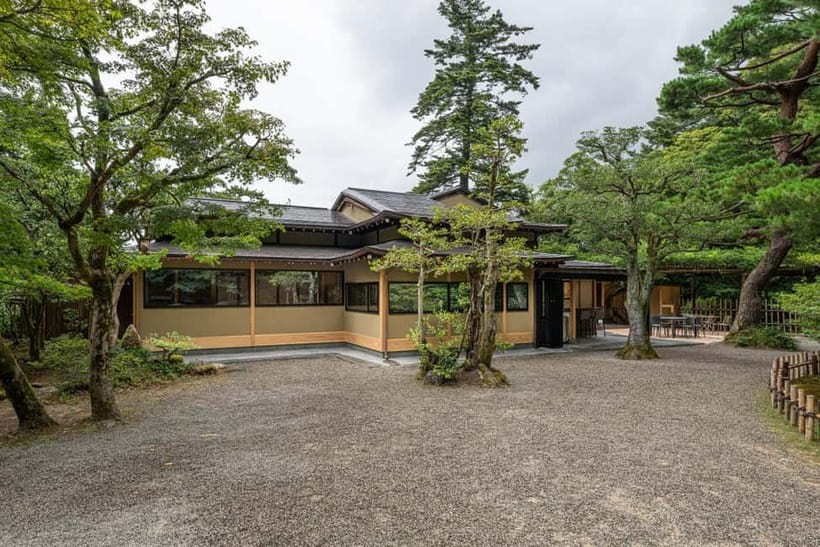
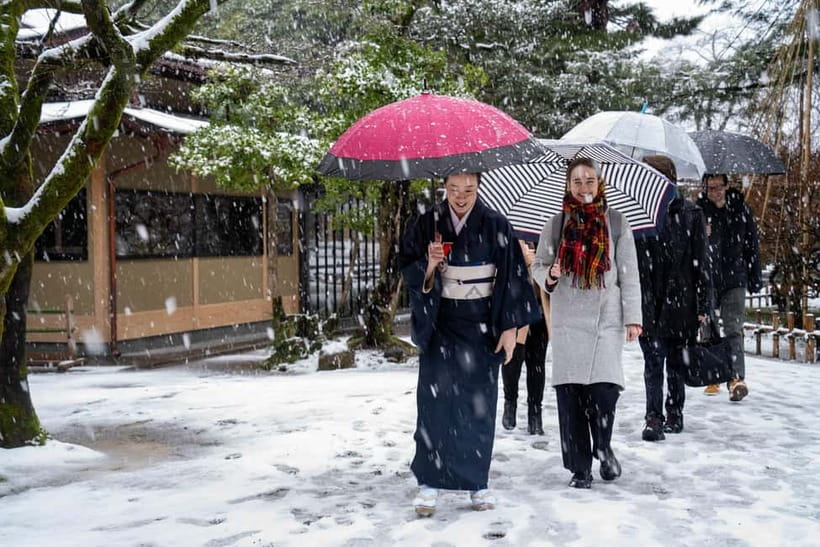
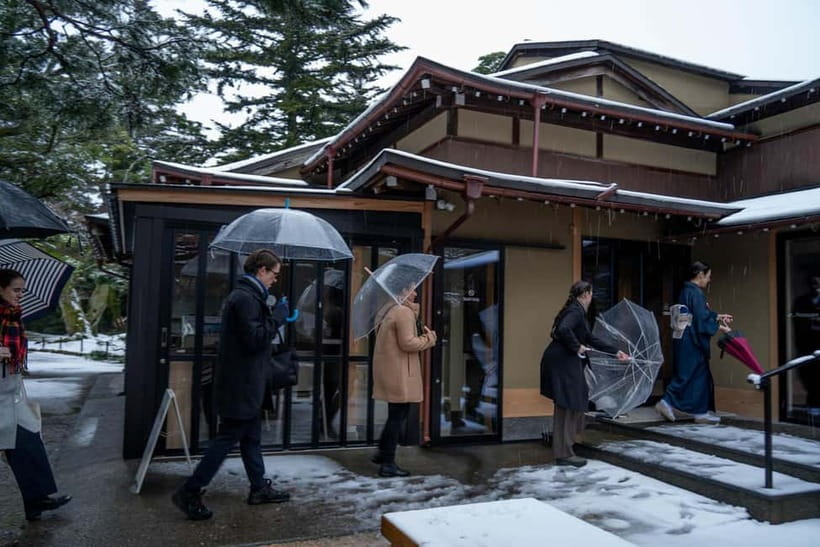
This is one of the rare Kanazawa experiences that starts with a real location inside one of the city’s star sights: Kenrokuen. Your meeting point is straightforward, in front of the fountain inside Kenrokuen Garden. The tea ceremony itself happens at Kenrokutei, a historic spot associated with Lord Maeda entertaining important guests.
Here is the budget reality: the tour price is $35 per person, but it does not include the Kenrokuen entry fee. The garden requires an additional 320 yen ticket. That is a small add-on, but you should plan for it. Think of your $35 as what you are paying for, the tea ceremony, the included sweets, the instruction, and the photo opportunity. The garden ticket is your access to the venue.
Timing matters more than you might expect. The tea room is not where you view the garden. The garden is for your Kenrokuen time, and the tea room is for your tea time. So, build your schedule like this: arrive a little early for the garden walk, then return to the ceremony when your reservation starts. The good news is that the garden ticket can be used all day, which makes it easier to avoid the stress of squeezing everything into one tight window.
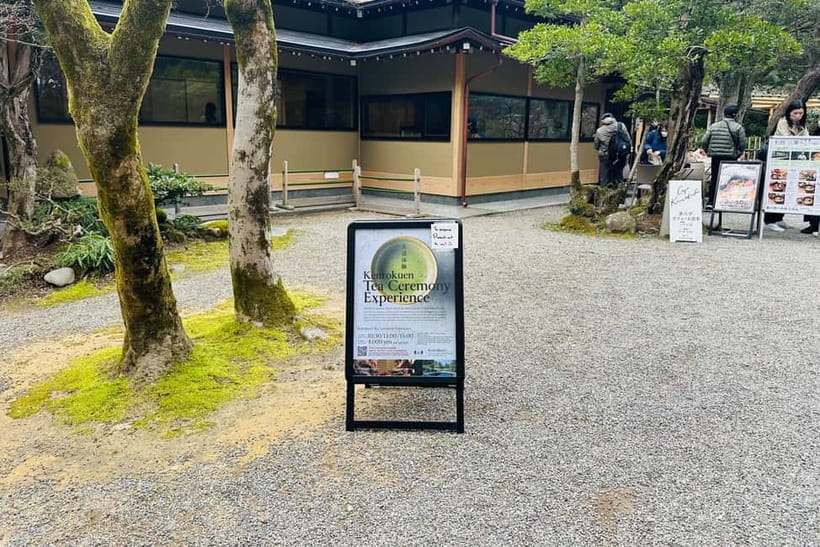
Practical tip: look for the tea ceremony signboard and confirm you are at the right spot near the fountain before you wait. The experience is punctual by design.
More Tea Ceremonies in Kanazawa:
- Kanazawa: Samurai, Matcha, Gardens and Geisha Full-Day Tour
★ 4.9 · 75 reviews - Full-Day Tour from Kanazawa: Samurai, Matcha, Gardens and Geisha
★ 5.0 · 68 reviews - Kyoto: Tea Ceremony in a Traditional Tea House in Kiyomizu
★ 4.9 · 3,519 reviews
Watch the tea ceremony master work, then learn the etiquette before you participate
You begin by meeting your guide at Kenrokutei, then you get historical context on the way of the tea. This is not just trivia. It helps your brain shift from sightseeing mode to ceremony mode, so you know what to pay attention to when the master starts.
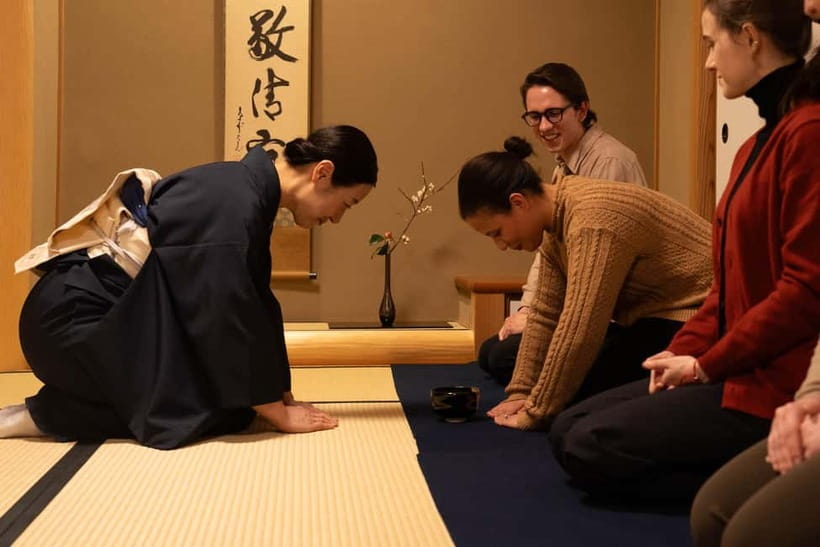
Next comes the part that makes this worth doing live. You watch the tea ceremony procedure, step by step, with details explanations from the guide. The master’s movements are precise, and the guide’s job is to translate the meaning behind those gestures into something you can actually use. You also get clear instructions on how to act and behave so you can join without awkward mistakes.
A few things I think you will appreciate once you are inside:
- The pacing is instructional, not rushed.
- The guide ties the steps to etiquette, so you know what you are doing and why.
- The experience stays focused on the ceremony itself, in a formal tea room setting away from outdoor distractions.
In some cases, the guide may be someone like Nana or Océane, and you can tell from their communication style when you get a strong English explanation. If your guide is especially good, you will likely leave feeling like you understand the ritual instead of only remembering what matcha looked like.
And yes, you will be watching closely. This is an experience built around attention, not speed.
Wagashi sweets by a renowned confectioner, and how they pair with ceremonial matcha
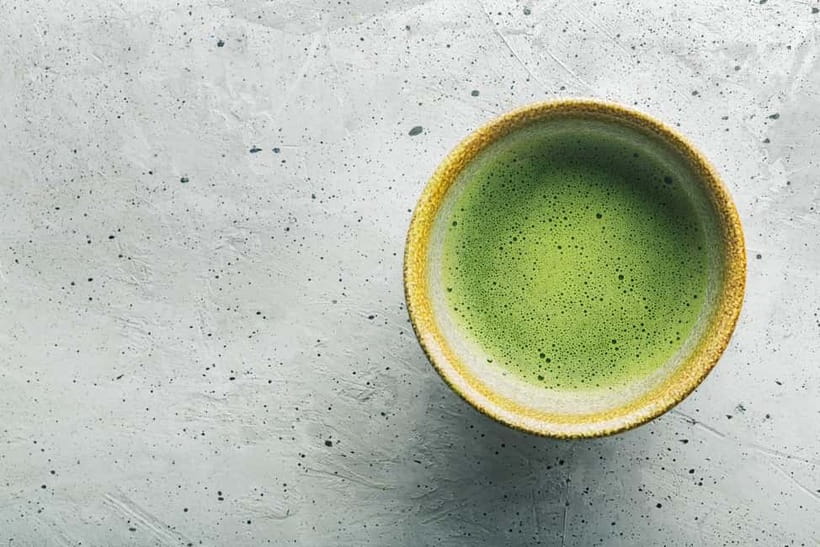
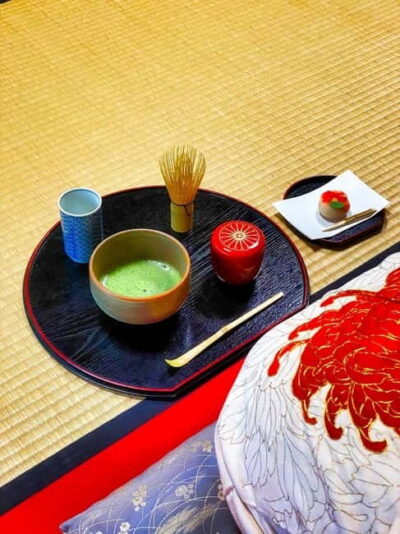
The tour includes sweets, specifically wagashi served alongside the tea tasting. You get to taste a few delicious pieces made by a renowned confectioner. That matters because wagashi is not just dessert. It is part of how the tea experience is balanced.
Matcha has a distinct flavor profile, and the sweets are chosen to complement it, so the tea does not feel flat or overwhelming. This is one of those “small detail, big difference” parts of the experience. When you taste wagashi here, you are tasting the ceremony as a whole, not only the drink.
You will also get a sense of how Japanese tea culture extends beyond the cup. Even without deep technical knowledge, you can pick up the idea: the ceremony is designed to slow you down and make flavors and timing part of the moment.
One more practical note: because sweets are included, you can treat this as a meal-adjacent cultural break. You do not need to eat right before, just be ready to sit and taste carefully.
Make your own matcha in the tea room, with chair options if kneeling is tough
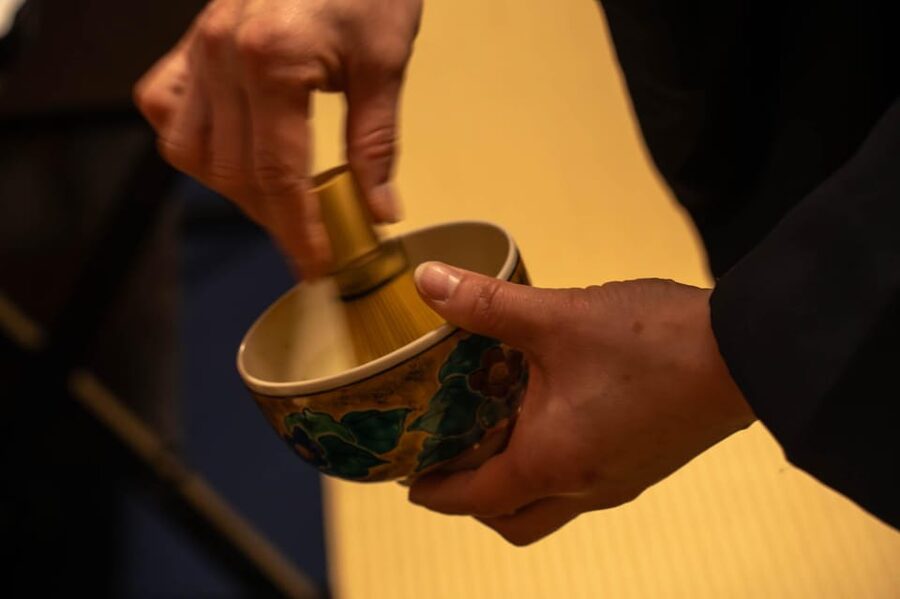
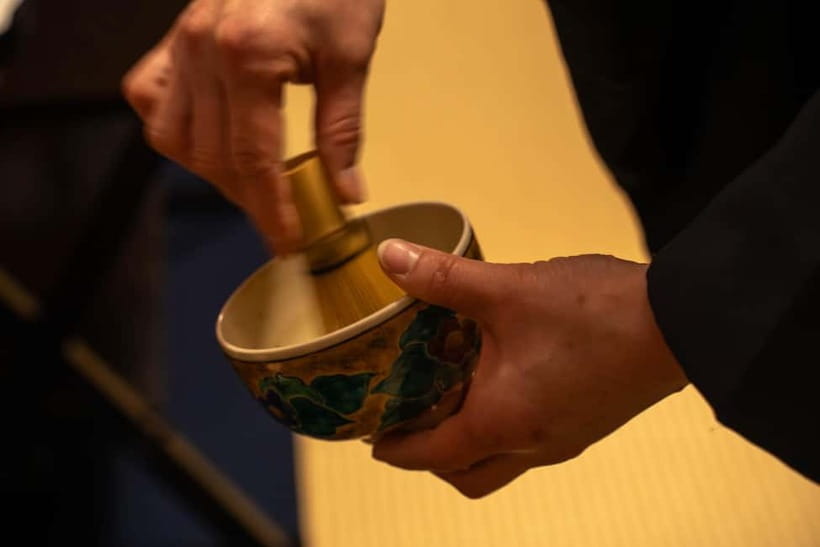
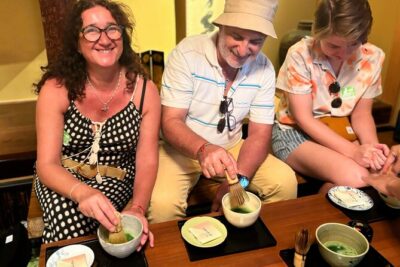
After you watch the master, you shift into participation. You try making the tea yourself with help. This hands-on moment is a big part of the value, because it turns passive learning into muscle memory. You will learn how matcha is prepared in the context of the ceremony, not just at home as a generic drink.
The posture part is real. Tea rooms often require floor seating, and this one is no exception. If you have difficulty sitting on the floor, you can request a chair for the tea ceremony. That is a key detail for your comfort and confidence. If you think kneeling or sitting on the floor might be a problem for you, do not tough it out. Request the chair early, so the staff can plan for you.
Also, remember the tone is quiet. You are expected to follow instructions and keep the mood respectful, because the experience is held at the same time as other groups and the goal is for everyone to enjoy it.
A fun reality check: making matcha is harder than it looks. When you whisk and handle the steps yourself, you get why people train for this craft. You might not leave as a master, but you will leave with a much better understanding than you would from just watching.
A change of pace from Kanazawa:
- World Heritage Shirakawa-go and Experience Tours from Kanazawa
★ 5.0 · 4,049 reviews - Kanazawa Half Day Tour (Private Guide)
★ 5.0 · 361 reviews - Kanazawa Full Day Tour (Private Guide)
★ 5.0 · 323 reviews - [One-day bus tour departing from Kanazawa Station] Shirakawa-go and Gokayama – Two World Heritage Villages Enjoyable Bus Tour
★ 5.0 · 253 reviews
Inside the tea room: peace, photos, and the English explanations that keep it understandable
The ceremony happens in a tea room away from outside views. That is a trade-off, but it is also the point. Inside, you focus on the ritual and the conversation, not the scenery. If you want Kenrokuen vistas, save them for your garden walk before or after.
Language is handled well. Instruction is in English, so you will not feel stuck trying to guess what is happening. The guide explains each step and also gives you time for questions. Based on what people have said, the best guides keep explanations clear without overwhelming you, and they time questions in a way that keeps the ceremony flowing.
Photos are allowed. So even though you are in a more private indoor space, you can still capture the moment for your trip memories. Just follow any guidance your host gives about where and when to take pictures, since the room is part of the etiquette.
One more consideration, based on real-world timing: if other groups are nearby in the same general schedule, you might hear occasional noise. The staff will do their best to keep the experience quiet, but you should mentally accept that this is still a shared indoor venue running multiple reservations.
Price and value: what $35 covers, and when to combine this with garden time
Let’s talk value because $35 in Japan can mean different things depending on what is included. Here, your money covers the ceremony itself, the sweets, and a photograph, plus an English instructor. The separate cost is the Kenrokuen entrance fee, 320 yen, required to access the tea ceremony buildings at Kenrokutei.
So what do you actually get for $35?
- A full, structured tea ceremony experience lasting about one hour
- A guided explanation of the process and etiquette
- A chance to make matcha yourself
- Wagashi sweets included
- Photos permitted for your memory
It is also a smart use of time. One hour is long enough to learn and participate, short enough that you can still enjoy a proper Kenrokuen stroll the same day. That means you can do this without turning your day into a complicated puzzle.
If you are deciding where to place it in your schedule, I suggest you do this:
- Garden before: enjoy Kenrokuen’s atmosphere while you still have daylight and energy.
- Ceremony after: let the tea room reset your brain and slow your pace.
Or flip it if you prefer. Either way, do not expect the tea room itself to give you garden views. The ceremony room is for focus, not sight lines.
Who should book? This fits especially well for first-timers who want an authentic taste of Japanese tea culture and for anyone who likes learning small, meaningful cultural rules. It is not ideal for very young kids. The experience is for ages 7 and older, and it is noted as not suitable for children under 8. If you want a smoother experience, plan for adults and older kids who can sit respectfully and follow instructions.
Should you book the Kenrokuen Tea Ceremony at Kenrokutei?
Yes, I think this is worth booking if you want more than a quick matcha photo. The big win is the combination of watching a proper procedure, getting English guidance that makes the etiquette make sense, and then making your own tea with help. Add included wagashi sweets, plus the calm tea room setting, and it becomes a true cultural pause in your Kanazawa day.
Book it especially if:
- You enjoy cultural rituals where you learn the “how” and the “why.”
- You want a hands-on matcha moment, not just tasting.
- You are okay with floor seating, or you will request a chair if needed.
Skip it or reconsider if:
- You strongly want scenic garden views during the tea, because the ceremony room does not show the garden.
- You need a kid-friendly activity for children under 8, since the age rule keeps the experience quiet.
FAQ
Do I need to pay an entrance fee for Kenrokuen Garden?
Yes. You pay the Kenrokuen entrance fee separately. The tour price does not include the 320 yen garden ticket.
Where exactly do I meet for the tea ceremony?
Meet in front of the fountain inside Kenrokuen Garden, at Kenrokutei.
How long is the tea ceremony experience?
The experience lasts about one hour.
What is included in the $35 price?
It includes the tea ceremony, sweets, and a photograph.
Is the instructor available in English?
Yes. The instructor provides explanations in English.
Can I take pictures during the experience?
Yes, you are allowed to take pictures.
Can I request a chair instead of sitting on the floor?
Yes. If you have difficulty sitting on the floor, you can request a chair.
What age is the experience suitable for?
Participants are only allowed if they are aged 7 years old or older. It is also noted as not suitable for children under 8.
Latest write-ups near Kanazawa
- Kanazawa: Private Tour with Local Guide★ 4.9 · 70 reviews
- Kanazawa Half Day E-bike Tour★ 5.0 · 81 reviews
- Kanazawa 4hr Private Tour with Government Licensed Guide★ 5.0 · 89 reviews
- From Kanazawa: Shirakawa-go, Gokayama and Wood Carving Village★ 5.0 · 90 reviews
- Private Tour Kanazawa, Shirakawago, Hida Furukawa,Takayama★ 5.0 · 108 reviews
- Kanazawa Private/Group Walking Tour: Local & Major Highlight★ 4.8 · 113 reviews
- [One-day bus tour departing from Kanazawa Station] Shirakawa-go/Takayama tour platinum route bus tour★ 4.5 · 127 reviews
- Kanazawa: Private Walking Tour with a Local★ 4.8 · 141 reviews
Tea Ceremonies, compared.
Tea Ceremony in a Traditional Tea House in Kiyomizu
Read our review →
World Heritage Kyoto & Nara Uji Authentic Matcha Experience
Read our review →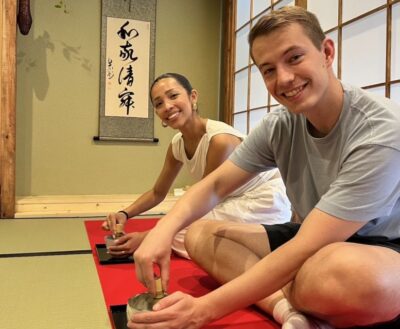

Arashiyama Bamboo Forest, Monkeys, Matcha & Temple Tour
Read our review →Browse the lists this tour appears in