
Reviewed · MT FUJI TOURS
Shizuoka/Shimizu Mt Fuji View 6 hr Private Tour: Guide Only
Shizuoka feels like the calmer side of Fuji country, and this 6-hour private tour is interesting because you can build your own route around views and history. I love the chance to choose 3 to 4 stops, especially when your main goal is seeing Mt. Fuji from different spots.
I also like that you get a licensed English-speaking guide who can adjust the pace so you are not sprinting between places. Names like Acchan, Kaz, Mariko, Grace, and Yasu come up often in praise for planning ahead and keeping the day running smoothly.
The trade-off is that it is a walking tour with guide-only support, so transportation costs and most entrance fees are on you, and lunch is not included.
Key highlights you will actually feel in your day
- Choose 3 to 4 sites from Mt. Fuji viewing points, shrines, a castle park, and the World Heritage museum option
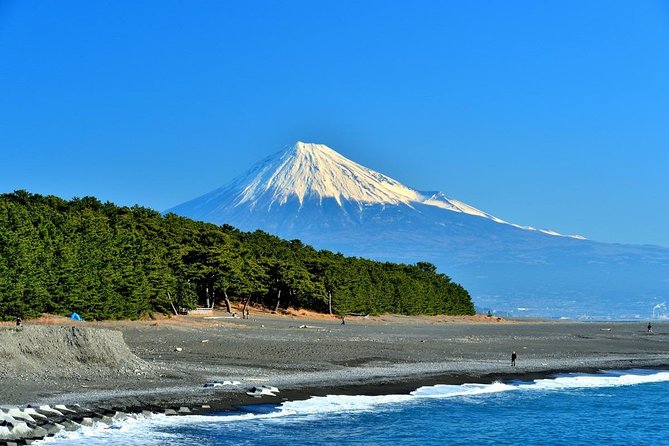
- Multiple Mt. Fuji viewpoints such as Miho-no-Matsubara pine beach and Nihondaira Parkway over Suruga Bay
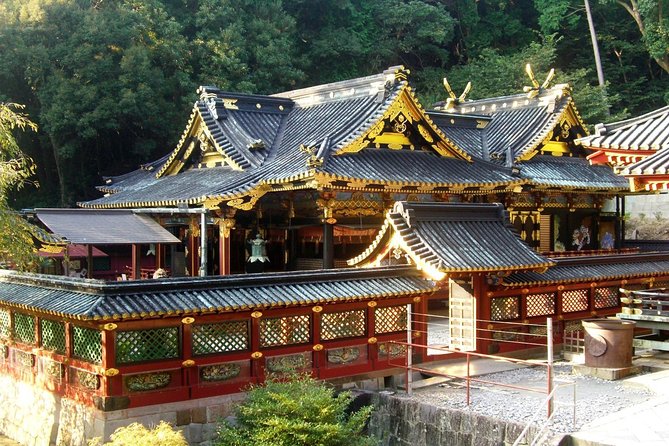
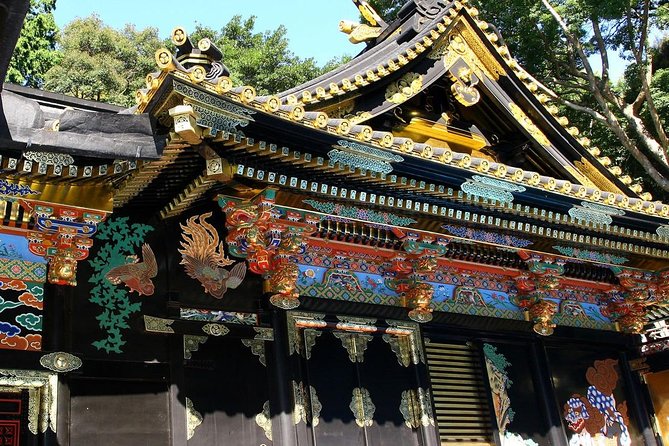
- Tokugawa-era storytelling at Kunozan Toshogu Shrine, dedicated to Tokugawa Ieyasu
- Sengen Shrine cluster + Sumpu Castle Park, a compact loop of religion and Shizuoka’s old power center
- Private guide attention, so you can ask questions, slow down for photos, and shape the day to your interests
Shizuoka and Shimizu, a Fuji day that is not all about the mountain
If you are planning a Mt. Fuji-focused trip, it is easy to end up with a single viewpoint and a lot of time getting there. This tour gives you a different angle. You string together scenic stops and historic Shizuoka sites within a 6-hour block, guided end to end.
For me, the real win is the flexibility. You can lean more scenic or more cultural depending on your energy level, and the guide helps you decide which stops make the most sense on the day.
One more practical point: Mt. Fuji sightings can be hit or miss depending on cloud cover and haze. The itinerary is built so that even if you do not get a crisp view, you still get meaningful places to walk through and learn from.
More Mt Fuji days:
- Full Day Tour to Mount Fuji in Spanish
★ 5.0 · 279 reviews - Mount Fuji Full-Day Private Tour from Shimizu Port (Customizable)
★ 5.0 · 23 reviews - Mt Fuji and Hakone 1-Day Bus Tour Return by Bullet Train
★ 5.0 · 26,383 reviews
Price and logistics, what you are paying for
At $155.26 per person, you are paying for a licensed local guide and the ability to customize your day. What you are not paying for is the transportation bill, because transportation fees are not included, and you also need to budget for entrances and lunch.
That is not a dealbreaker, but it changes how you should think about value. If you want lots of guide time, help with route decisions, and fewer wrong turns, then this price makes sense. If you would rather pay for your own transit and guide yourself between free sites only, then you may find better value going DIY.
Also, this is a walking tour, and pickup is on foot within a designated meeting area. Shoes matter, especially in warmer weather, since you will spend time on foot between stops.
Your best approach: pick a theme, then choose 3 to 4 stops
The tour is designed around choosing 3 to 4 locations from the options. That means your day can feel tight and focused instead of scattered.
A simple way to choose your theme:
- If your top priority is Mt. Fuji, pair Miho-no-Matsubara with Nihondaira Parkway, then add one cultural stop.
- If you love shrine architecture and meaning, build a day around Kunozan Toshogu, Shizuoka Sengen Shrine, and Fujisan Hongu Sengen Taisha.
- If you want history without too much museum time, add Sumpu Castle Park to the mix.
You can also swap in the optional steam-rail angle when it fits your preferences. The tour overview highlights Oigawa Railway as a popular steam locomotive ride, and it can be a great change of pace from walking in temple precincts.
Miho-no-Matsubara Beach, where the pines do half the work
Miho-no-Matsubara (Miho Seacoast) is famous for Mt. Fuji views backed by pine trees, and it has shown up in traditional ukiyo-e art. Plan on about an hour here, and the admission is free.
You will notice why photographers like this spot. With roughly 30,000 pine trees, the shoreline feels curated by nature, and Mt. Fuji often looks framed beyond the pines. Even if the mountain is shy behind haze, the coastal walk and sea air usually give you a satisfying break from shrine interiors.
A practical tip for your photos: give yourself a little time just to find a spot that feels comfortable for framing. You can take the easy viewpoint first, then circle a bit if the light or angle improves.
If you are sensitive to heat, this is a good place to slow down, because coastal areas can feel exposed. A hat and water help.
Kunozan Toshogu Shrine, Tokugawa Ieyasu in shrine form
Next up, you can include Kunozan Toshogu Shrine. You spend about an hour here, and admission is not included, so you will want to budget for that on the day.
The shrine is dedicated to Tokugawa Ieyasu, the man who unified Japan after centuries of division and helped establish the Edo Shogunate around 400 years ago. That connection matters because shrines in Japan are not only buildings. They are also story containers, and your guide can connect what you see to how power and belief worked in different periods.
Even if you are not the type to read plaques for long, a good guide helps you notice details, like how the shrine grounds are laid out and what symbols point back to that Tokugawa legacy.
One caution: this is a shrine stop, so expect walking on uneven ground at times. Wear shoes you trust, and do not hesitate to take small breaks if you are pacing a lot of stops in one day.
Nihondaira Parkway, tea fields and Suruga Bay in one view
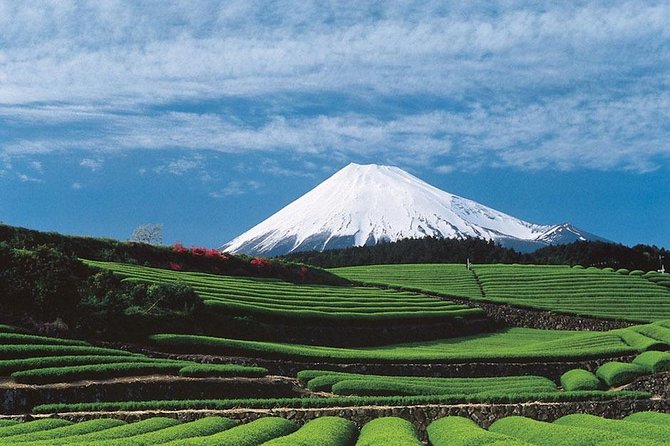
Nihondaira is a hilly area at about 300 meters above sea level, facing Suruga Bay. You get about 30 minutes here, and admission is free.
This stop is built for the romantic Fuji moment, with Mt. Fuji appearing beyond tea fields in a layered view. When visibility is good, the scene can feel like a postcard that you did not have to hunt for. When it is not perfect, you still get a scenic look at how Shizuoka sits between mountains and the sea.
Because the stop is short, this is not the place for a long meal break. It is more like a timed pause, so treat it like one: find your photo angle, take your pictures, and enjoy the view while your guide explains what makes this area special.
If you care about Mt. Fuji specifically, ask your guide where you should stand for the best shot based on the day’s conditions. The guide can often help you adapt when clouds or haze mess with your ideal angle.
Shizuoka Sengen Shrine, the vermilion gateway kind of detail
Shizuoka Sengen Shrine is actually a grouped set of three shrines: Kanbe, Asama, and Otoshimioya. It is free to enter and you spend about an hour here.
One detail that makes this stop memorable is the presence of a bright vermilion Romon gate in the precincts. In plain terms, it gives you a clear, photo-friendly anchor, so you are not wandering around trying to figure out what matters most.
These shrines also tie into the broader theme of Mt. Fuji worship. Since the tour includes related shrine visits later, this stop helps you build context, so the later sites feel more connected instead of random.
If you like religious architecture, take your time walking through the grounds. This is a good stop to slow down because it is not only about a single building, it is about understanding how the site works as a whole.
Sumpu Castle Park, Shizuoka’s former power center
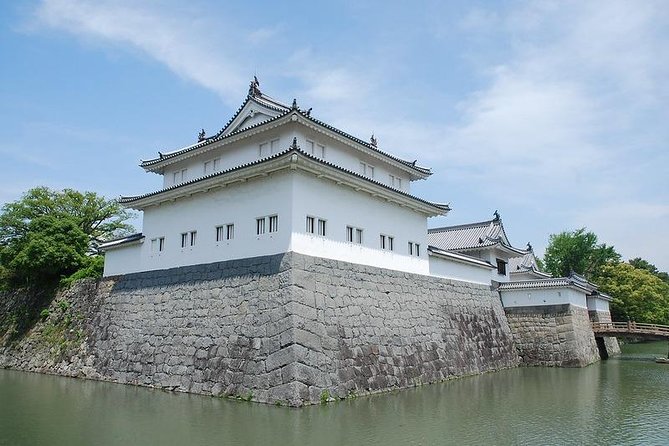
Sumpu Castle Park sits in central Shizuoka City and is built on the grounds of the former Sumpu Castle. You get about 30 minutes, and admission is free.
This is not a museum-style stop, and that is a positive. You get a historical setting you can walk through, which often helps the stories your guide tells land better in your head. The castle originally dates back to the late 16th century, and later served as a base tied to the region’s leadership.
This is a good choice if you want a bit of history without extending your day. It also gives you a natural break between heavier shrine stops and more view-focused areas.
Practical advice: if it is hot or humid, this short park stop can be a smart place to rest and reset. You can enjoy the setting and keep moving without feeling like you missed something.
Mt. Fuji World Heritage Centre, the meaning side of the mountain
If you want more context than photos, add the Mt. Fuji World Heritage Centre. It is about a 30-minute visit, and admission is not included.
The museum focuses on the cultural, historical, and spiritual significance of Mt. Fuji, especially since it was designated a UNESCO World Heritage site in 2013. This is your chance to connect what you learned at the shrines to the larger idea of why Mt. Fuji is worshipped, not just admired.
This stop works especially well when visibility on Mt. Fuji is limited. Even then, you still come away understanding what people came to this place for.
If you are not into museums, you can skip it and keep the day more outdoor and scenic. Your guide can help you decide based on your energy and time.
Fujisan Hongu Sengen Taisha, the head shrine of 1,300+
Finish with Fujisan Hongu Sengen Taisha, a major shrine tied directly to Mt. Fuji worship. It is free and about 30 minutes.
This site is described as the head shrine of more than 1,300 Sengen shrines across Japan, which is a strong clue that you are seeing more than a local stop. The scale of that connection is exactly why this makes a good final anchoring point for the whole tour theme.
Even on a short visit, a guide can help you connect the dots. By now, you have already seen Sengen Shrine groupings, Tokugawa connections at Kunozan Toshogu, and Fuji viewing viewpoints. This final stop brings the themes together in a way that feels less like checking boxes.
Oigawa Railway, the steam locomotive wildcard
The tour overview highlights Oigawa Railway and its steam locomotive ride as a key highlight. Since it is included as one of the selectable experiences, you can treat it as your wildcard.
This matters because it breaks the rhythm of shrine precincts and viewpoint stops. If you want a more classic Japan “activity” feel in the middle of a heritage-focused day, steam rail can be a great contrast.
Because the exact timing for the rail ride is not spelled out in the basic outline, I would plan to keep your selection flexible. If you want steam rail plus multiple shrine stops, ask your guide which 3 to 4 sites fit best within your 6-hour window.
Guide quality is the difference between a good day and a great one
This tour is really about your guide. It is private, and your guide is the person who decides how to sequence stops, how to pace breaks, and how to explain what you are seeing.
From what gets praised, several patterns show up. Guides like Acchan and Grace are frequently described as excellent at planning, staying flexible, and communicating clearly. Kaz and Mariko also come up for thoughtful prep, including keeping the day smooth so you are not spending your time figuring things out.
There is one downside to keep in mind. One experience raised an issue with English clarity on a particular day. That does not mean it is a constant problem, but it is a good reminder to tell your tour provider what you need from explanations. If you want very detailed history, say so ahead of time.
What to budget on your own, so there are no surprises
Here is the practical reality: entrance fees, lunch, and transportation are not included. Many of the scenic and grounds-based stops are free, but a few paid attractions are part of the options.
From the site details:
- Free admission: Miho-no-Matsubara Beach, Nihondaira Parkway, Shizuoka Sengen Shrine, Sumpu Castle Park, and Fujisan Hongu Sengen Taisha
- Not included: Kunozan Toshogu Shrine, Mt. Fuji World Heritage Centre
- You cover: transportation fees and lunch
So, if you pick all the free stops plus one paid one, your day costs less in entrances. If you add multiple paid options, you should expect entrance and transit costs to rise.
Value check: is $155.26 per person a smart move?
For me, the value depends on two questions.
First, do you want someone to handle the flow? With a private guide, you are buying time and decision-making support, not just walking alongside you. When the guide helps you choose the best mix of stops and keeps you on track, that is where the price earns its keep.
Second, are you okay covering some costs yourself? Because transportation and entrances are mostly on you, you will get better value if you like the idea of paying for transit and a couple entry tickets while keeping most of the day outdoors and scenic.
If your ideal day is quiet walking, meaningful explanations, and Mt. Fuji viewpoints without the stress of juggling routes, then this is a strong option.
Who this tour fits best
This tour makes sense if you:
- Want a custom route without having to research every connection yourself
- Care about Mt. Fuji but also want shrines, history, and city highlights, not only a single lookout
- Prefer a private setup so you can go at your own pace
It may be less ideal if you:
- Have very limited mobility, since it is a walking tour
- Expect everything to be fully paid, since entrances and transport are not included
- Want a single long museum day, because most of the experience is built around short, focused visits
Should you book it
Book it if you want an easy, well-supported Fuji day that mixes scenic stops and shrine history, with a guide who can adapt your 3 to 4 choices to your interests. This is especially appealing when you are trying to make the most of a limited time window in Shizuoka and Shimizu.
Skip or adjust your plan if you dislike paying extra for transit and entrances, or if you want to spend most of the day at one location. In that case, you might do better building a DIY day around the free viewpoints and using a ticketed entry only once.
If you do book, I suggest you message your guide early with your priorities, for example Mt. Fuji photos first, then shrines, then museum time. That small step helps your 6 hours feel like your day, not a checklist.
FAQ
How many stops can I choose?
You can choose between 3 and 4 sites for your customized tour.
Is this tour all walking?
Yes. This is a walking tour, and pickup is on foot within a designated meeting area in Shizuoka.
Is private vehicle transportation included?
No. Transportation fees are not included, and a private vehicle is not provided.
Are entrance fees included?
Not generally. Entrance fees are not included. Some stops list admission as free, while others are marked as not included.
Which stops are free to enter based on the itinerary?
Miho-no-Matsubara Beach, Nihondaira Parkway, Shizuoka Sengen Shrine, Sumpu Castle Park, and Fujisan Hongu Sengen Taisha are listed with admission as free.
Which stops have admission not included?
Kunozan Toshogu Shrine and the Mt. Fuji World Heritage Centre are listed with admission ticket not included.
What is the tour duration?
The tour is about 6 hours.
Can I still enjoy the day if Mt. Fuji is cloudy?
You might not always see Mt. Fuji clearly depending on the day’s conditions. The tour still includes shrines and other cultural stops, so the day is not only about the view.
Are service animals allowed?
Yes, service animals are allowed.
Does the tour include a mobile ticket?
The tour details include a mobile ticket.
Latest write-ups near Shizuoka
- Private sightseeing tour from Shimizu Port / Van Taxi★ 5.0 · 114 reviews
- Full Day Tour to Mount Fuji in Spanish★ 5.0 · 279 reviews
- Mount Fuji Full-Day Private Tour from Shimizu Port (Customizable)★ 5.0 · 23 reviews
Mt Fuji Tours, compared.
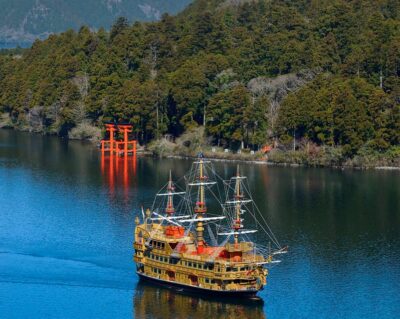
Mt Fuji and Hakone 1-Day Bus Tour Return by Bullet Train
Read our review →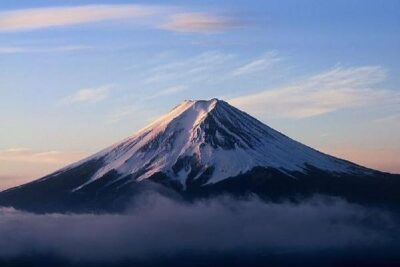
Mt Fuji & Hakone Cruise, Drum Show Bullet Train 1 Day from Tokyo
Read our review →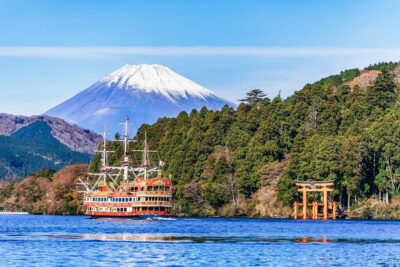
Tokyo Mt Fuji 5th St & Hakone Cruise Bus Tour w/Bullet Train
Read our review →
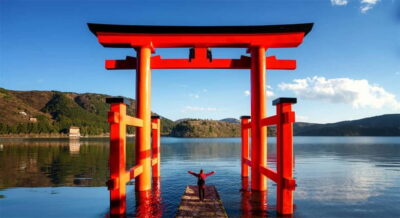
Mt. Fuji Tour, Hakone Ropeway, Owakudani, Lake Ashi
Read our review →
Mt.Fuji,Kawaguchiko Oishi Park,Arakurayama Sengen Park
Read our review →
Mt. Fuji 5th Station & Hakone Cruise 1-Day Bus Tour
Read our review →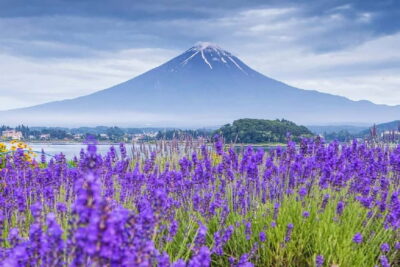
Mt Fuji Top 5 Spots Day Tour: Arakurayama Park,Oshino Hakkai
Read our review →Browse the lists this tour appears in