

Reviewed · MT FUJI TOURS
Tokyo:Mt.Fuji,Kawaguchiko Oishi Park,Arakurayama Sengen Park
Mt. Fuji day trips are common. This one is interesting because it stacks the views like a photo route, so you’re not pinning your whole day on one single viewpoint. I especially like the classic Fuji-and-pagoda frames at Arakurayama, and the way the day ends with the atmospheric Iyashi-no-Sato thatched village by Lake Saiko. The main drawback to plan around is that it’s a long day on the road, and Mt. Fuji visibility depends on weather, which you cannot control.
What makes this tour feel smoother is the human factor. Guides such as Omar and Koji are known for clear instructions, friendly humor, and keeping everyone organized, which matters when you’re moving through stair climbs, photo stops, and free time. Still, be realistic: some stops are excellent but time-boxed, so if you want to linger forever at the Mt. Fuji viewpoint, you may wish for a few extra minutes.
Key things I think you’ll enjoy most
- A route built for Mt. Fuji from multiple angles, including pagoda views and lake reflections
- Arakurayama’s iconic photo setup, with a big climb of stone steps (and a slope option exists)
- Lake Kawaguchi walking time, plus season-specific stops like the Maple Corridor
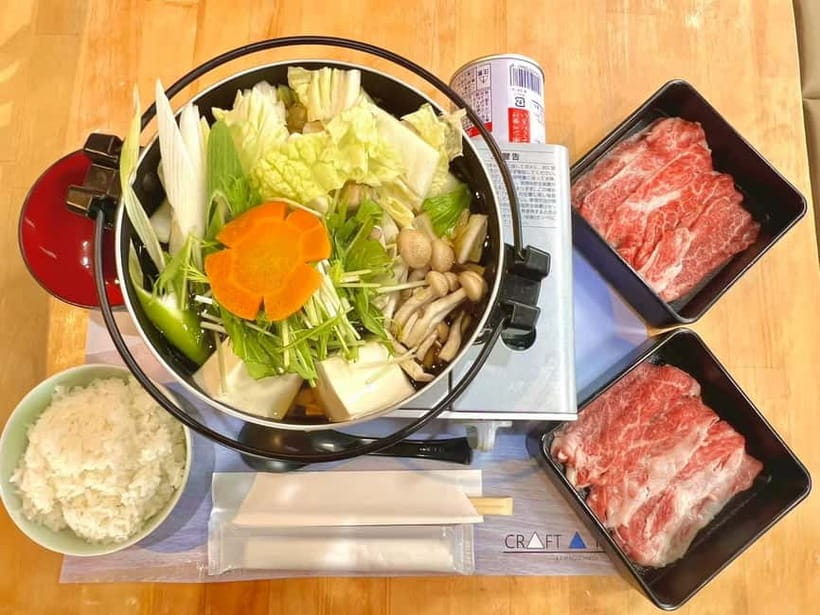
- Lunch at Kawaguchiko Craft Park with a view, and real local choices like Houtou
- Oishi Park’s Flower Road, seasonal color paired with Fuji in the background
- Saiko Iyashi-no-Sato Nenba, thatched-roof village atmosphere and hands-on photo fun
Why this Tokyo-to-Fuji circuit feels worth the time
This trip runs about 10 hours with pickup options around Shinagawa and the art spot listed as LOVE ロバート・インディアナ, then finishes back at Shinjuku Station. That route makes sense if you only have a short window and you want a lot of “Fuji per hour,” not just one viewpoint and a return bus.
The big win is variety. You get the hillside shrine-pagoda view, then you shift your angle to water at Lake Kawaguchi, and later you get the open lakeshore and flower-field scenery. By the time you reach Saiko Iyashi-no-Sato Nenba, the focus is cultural, not just panoramic photos.
The other win is that you get a guided day without losing all your freedom. You have photo stops, but you also get real free time to walk, take pictures, and decide how long you want to stay at each spot.
More Mt Fuji days:
- Mt Fuji and Hakone 1-Day Bus Tour Return by Bullet Train
★ 5.0 · 26,383 reviews - Mt Fuji & Hakone Cruise, Drum Show Bullet Train 1 Day from Tokyo
★ 4.0 · 7,413 reviews - Tokyo Mt Fuji 5th St & Hakone Cruise Bus Tour w/Bullet Train
★ 4.4 · 5,024 reviews
Meeting points and the pace of a long, organized day
This is one of those tours where punctuality matters. You’ll want to arrive about 10 minutes early at your designated meeting point because the bus leaves on time. The vehicle is air-conditioned, which is a nice touch for a day that can include early morning departure and a lot of standing around for photos.
If traffic slows things down, the schedule is not ignored. Your stop time at attractions can be adjusted if the bus is delayed. That’s practical, and it helps protect the overall flow of the day.
You’ll also notice how the tour handles language logistics. English and Chinese guides run the tour, and sometimes guests booked in different languages may be combined into the same car. In other words, you should not assume you’ll be in a private language bubble.
Finally, expect a moving day. Even when you have free time, you’ll be walking between viewpoints, climbing stairs, and using the bus to hop across the Fuji area efficiently.
Arakurayama Sengen Park, Hikawa Clock Shop, and the Chureito pagoda shot
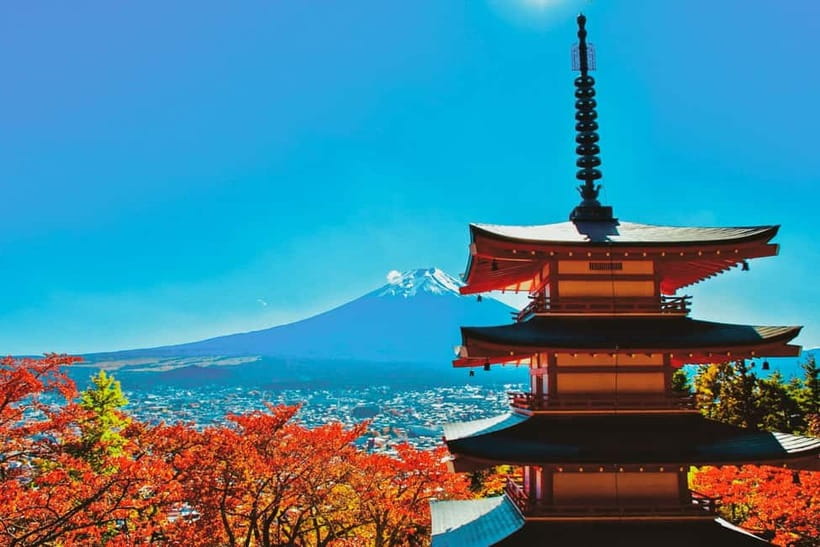
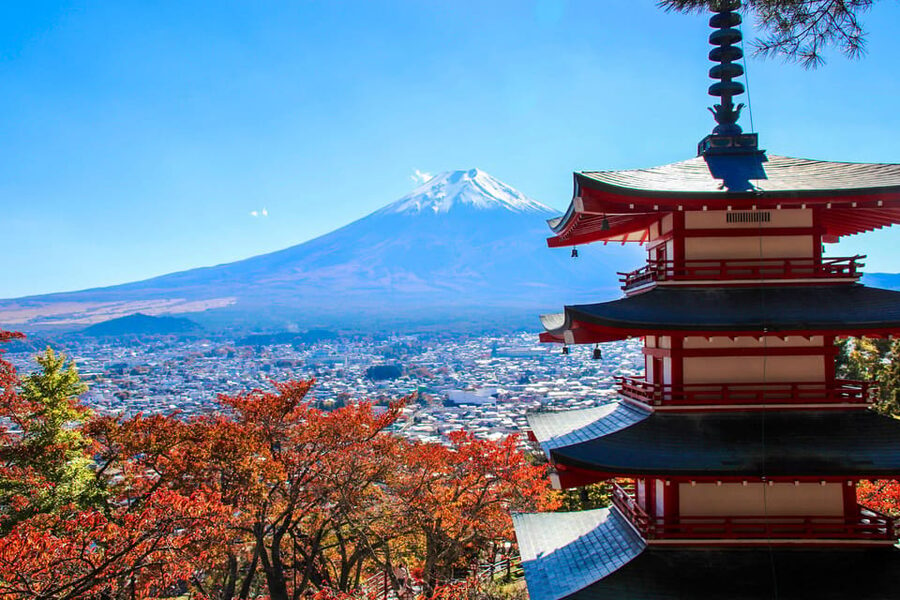
This is the part of the day that most people come for. Arakurayama Sengen Park is famous because it compresses the “classic” Fuji scene into one frame: Mt. Fuji, a five-story pagoda, and a scenic hillside all in view.
During late March to mid-April, the park is especially popular because around 650 cherry trees bloom there. In autumn, the scene changes to red and gold leaves that contrast with the vermilion pagoda, and in winter, you may catch snow-capped Fuji over the same structure.
To reach the observation area, you climb 398 stone steps from the park entrance. If stairs aren’t your thing, you’ll want to know there is a slope option reported as available, which can make the photo deck more reachable.
The tour also includes photo and sightseeing moments around the nearby streets tied to the Hikawa Clock Shop and the Arakura Fuji Sengen Shrine, and then you hit the Chureito Pagoda photo spot. This cluster is great because you can take photos from slightly different angles without changing locations much.
A realistic note: this area is designed for photos, not long lingering. If you love photography and want more time to hunt for the perfect frame, plan to use your free time efficiently, and don’t count on the weather cooperating.
Lake Kawaguchi time: reflections, walking, and the Maple Corridor season
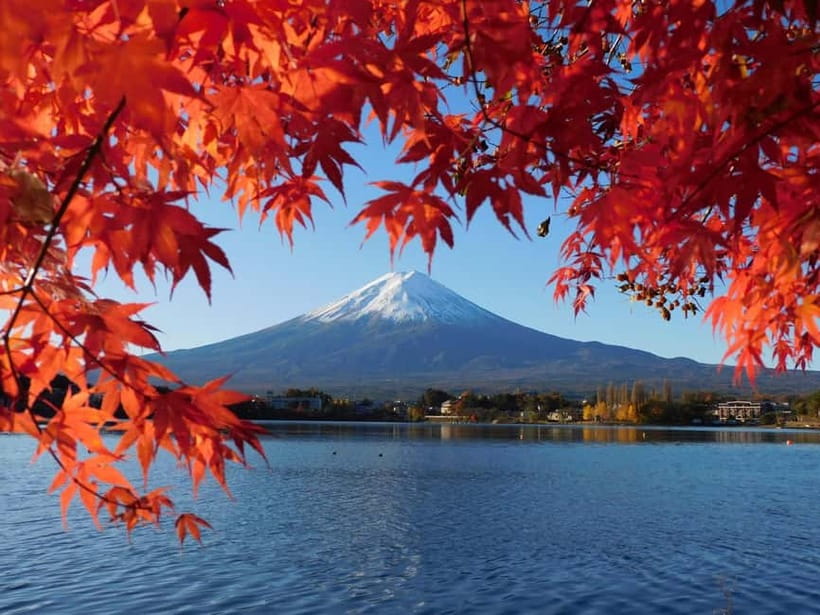
After Arakurayama, you shift from the hillside to the lakeshore. The tour stops at Lake Kawaguchi for about 2 hours, which is enough time to breathe and walk without feeling like you’re just getting dropped at a random corner.
Lake Kawaguchi matters because it offers the chance to see Mt. Fuji’s shape reflect on the water. The lakeside scenery is classic, and you get free time to explore nearby paths and viewpoints at your own pace.
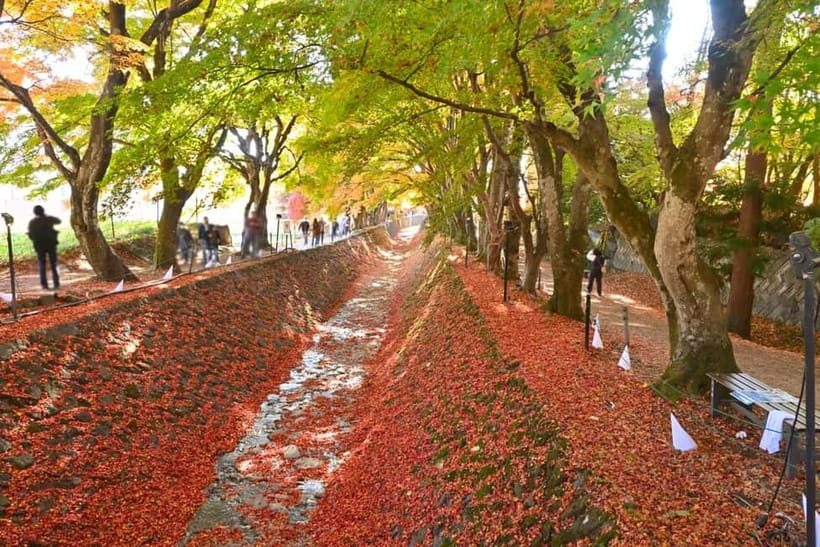
The next stop is the Lake Kawaguchi Maple Corridor, primarily a seasonal photo stop for autumn color. If you’re visiting in fall, this is one of the better ways to “theme” your Fuji day beyond just the mountain itself, because the surroundings become part of the picture.
In spring, you may also catch cherry blossoms around the lake paths, which adds softness and color to the same Fuji backdrop. In other words, even if Fuji is partially obscured, you still have strong scenery to work with.
Weather can still change everything. On clear days, this part of the route tends to feel magical. On cloudy days, you’ll need to shift from expecting Fuji to focusing on lakeside views, strolling, and the variety of angles the day gives you.
A change of pace from Tokyo:
- 1-Day Tokyo Bus Tour
★ 5.0 · 14,250 reviews - Tokyo: TOKYO SKYTREE® Admission ticket
★ 4.5 · 11,192 reviews - Tokyo: teamLab Planets TOKYO Digital Art Museum Entry Ticket
★ 4.6 · 9,779 reviews - Tokyo: Sumo Show Experience with Chicken Hot Pot and a Photo
★ 4.8 · 6,678 reviews
Kawaguchiko Craft Park lunch: where food meets Mt. Fuji views

You’ll spend time at Kawaguchiko Craft Park, a sightseeing facility that brings together craft experiences, restaurants, and shopping. The reason it works in a Fuji day is simple: it’s not only a meal stop, it’s also a “take a break while keeping a view” stop.
The park includes comfortable dining spaces plus open-air seating. That means you can eat while looking toward Mt. Fuji when conditions line up. Even if Fuji is shy, you still get a structured setting with plenty of nearby souvenirs and shops.
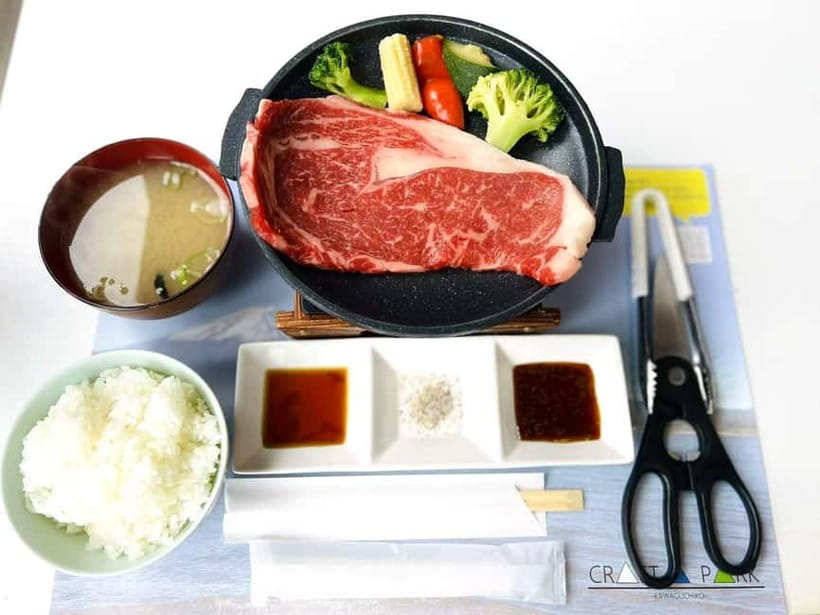
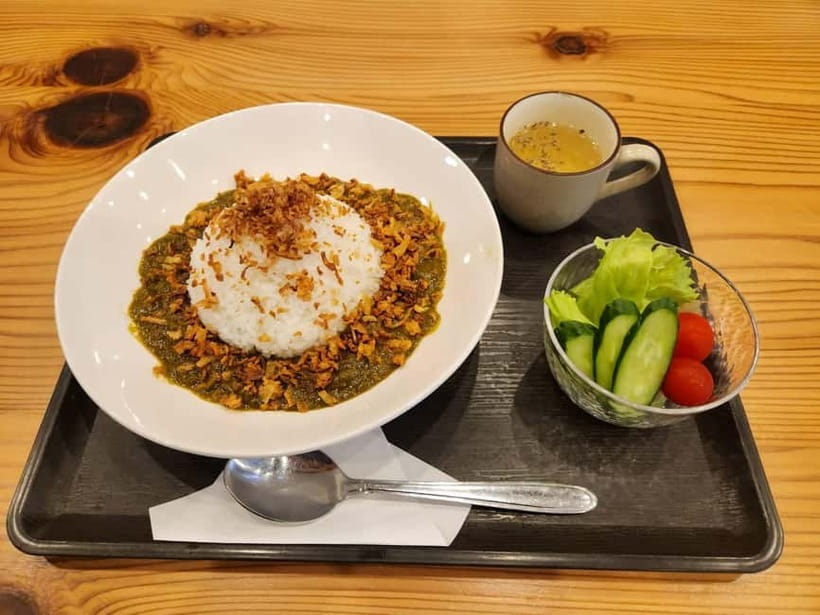
Lunch options are a real highlight here, especially if you want a “treat” rather than a basic bento-style meal. Your choices can include:
- Kobe beef shabu-shabu made with A5-grade Japanese black Wagyu
- Koshu wine beef steak, with Wagyu raised on grapes in Yamanashi
- Houtou noodles, a local specialty simmered in miso broth with vegetables and chicken
One practical tip: order the meal type that matches how you want your day to feel. Houtou noodles are the comfort-food move. Beef dishes feel like a proper upgrade. If you’re unsure, pick the one you’d normally be too cautious to pay for at home.
You also get shopping and a bit of extra free time here. People even mention a cheesecake stop idea from the guide, which is the kind of small local recommendation that turns a “lunch break” into a memory.
Oishi Park and the Flower Road: seasonal color with Fuji framing
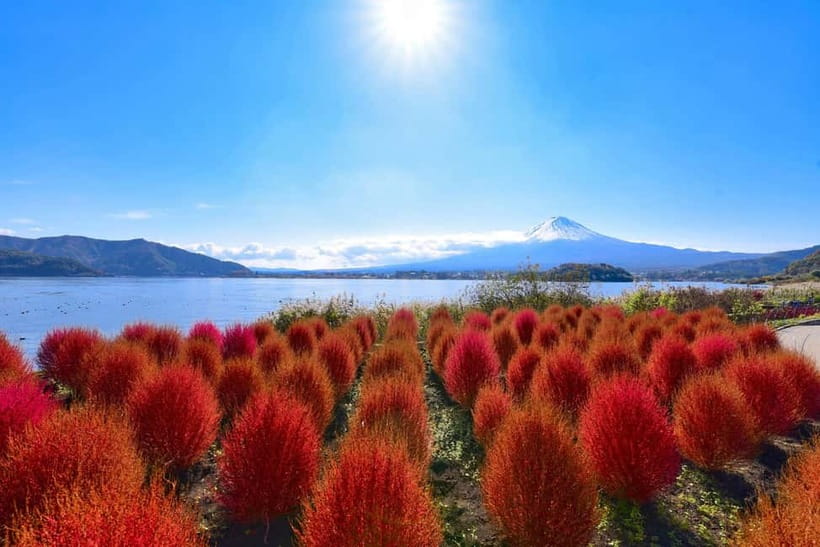
Oishi Park is all about wide views over Lake Kawaguchi, with the lake and mountain playing together in the background. The centerpiece is a 350-meter-long Flower Road along the shore.
The flowers change by season:
- Spring brings tulips
- Summer leans toward lavender
- Autumn is known for kochia (broom grass)
If you time it right for the Kawaguchiko Herb Festival (late June to mid-July), the lavender fields can look almost unreal against the Fuji backdrop. This stop is a good reminder that Mt. Fuji days are not only about the mountain, they’re also about how your eyes travel through color and spacing.
The tour gives you photo stop time and a chance to wander. You also get a short bus hop to the next stop, so you’re not stuck commuting forever between views.
One drawback to consider: this is a popular Fuji region, so if the day is clear, crowds can be part of the experience. You’ll want to walk a bit away from the most obvious camera spots to find angles where Fuji looks clean and unobstructed.
Saiko Iyashi-no-Sato Nenba: thatched-roof village photos you can actually enjoy
The day’s second “wow” moment for many people is Saiko Iyashi-no-Sato Nenba, located by Lake Saiko. This is a restored traditional village with thatched-roof houses that recall places like Shirakawa-go.
The site has about 20 houses that function as craft studios, souvenir shops, and eateries. That gives you choices beyond just taking pictures. You can browse, snack, and learn what style of crafts are being sold and made here.
One of the more fun parts is the photo-friendly experience. You can dress in kimono or ninja outfits and take pictures with Mt. Fuji in the background. Even if you’re not chasing an outfit photo, you still get the atmosphere of a slow, local-feeling village scene.
The village also shifts with seasons. People look forward to spring cherry blossoms and carp streamers, summer greenery, autumn leaves, and winter snow scenes. That matters because even on a cloudy day, this stop still feels like a destination.
Entry tickets are included in the tour, which helps the value. And because this stop is cultural rather than only scenic, it gives your eyes a break from constant mountain-frame photography.
Price and value: what $54 buys you in real terms
At $54 per person for a 10-hour guided day, this tour hits a sweet spot. You’re paying for four main things:
1) Transportation by air-conditioned vehicle from Tokyo out to the Fuji area
2) A tour guide who handles the flow and explains the stops
3) Admission to Saiko Iyashi-no-Sato Nenba
4) A structured itinerary with multiple scenic photo windows
Most DIY plans to this region either take a lot of time to coordinate or leave you scrambling between viewpoints. Here, you’re spared the transit stress. Guides like Omar and Koji are often praised for clear instructions and keeping things moving, which is exactly what you want when you’re spending the day walking and photographing.
Lunch is not automatically included. It depends on the lunch option you select at Kawaguchiko Craft Park, but the fact that premium local meals are offered makes it easier to pick something satisfying without hunting around for a restaurant after travel.
Is it perfect value if you only care about one Fuji shot? Probably not. If you truly only want the most famous photo and you’d rather spend your time elsewhere, you may want a different plan. But if you want options, variety, and less hassle, $54 is hard to beat.
Who this tour suits best, and who should rethink it
This tour is a strong match if you:
- Want to see Mt. Fuji from multiple viewpoints in one day
- Like guided explanations and a clear plan
- Appreciate a mix of scenery plus a cultural stop like Iyashi-no-Sato
- Prefer comfort and organization over DIY logistics
It may not be ideal if you:
- Have mobility issues and find stairs challenging, even with a slope option mentioned
- Need long, quiet time at each stop, since several moments are photo-focused and time-boxed
- Expect Mt. Fuji to be fully visible no matter the weather, because this region can hide the mountain behind clouds
If you’re traveling with kids, the stair climb and walking time may be a bigger factor than the attractions themselves. In that case, you’d want to be strategic with where you spend energy.
If you’re solo, it’s also a good pick. The structure and guide help you feel anchored, and you’ll likely share photo moments with friendly people from different places.
Quick tips to make your Fuji day feel easier
Bring a light layer. Fuji areas can feel cooler, especially if you’re near water. Wear shoes you can walk in for a while, because the day includes steps and steady walking between stops.
Use your free time well. Start with quick wide photos first, then circle back for calmer angles once you know where the best sightlines are.
If Mt. Fuji is hidden, don’t mentally lose the day. This route still gives you parks, lakeshore scenery, seasonal flower settings at Oishi Park, and the village experience at Saiko.
And if you have questions about timing or photo locations, ask the guide. People specifically praised guides for clear communication and practical help, and that can save you time.
FAQ
How long is the Mt. Fuji day trip?
The tour duration is listed as 10 hours.
Where does the tour start and where does it end?
The tour has starting points in Tokyo (including LOVE ロバート・インディアナ and a Kokuyo Tokyo Shinagawa office option) and it finishes at Shinjuku Station.
Is lunch included?
Lunch is included only if you select the lunch option. Lunch at Kawaguchiko Craft Park includes choices such as Kobe beef shabu-shabu, Koshu wine beef steak, or Houtou noodles.
Which tickets are included?
Entry tickets to Saiko Iyashi-no-Sato Nenba are included.
What languages is the guide available in?
The live tour guide is available in English and Chinese.
What if the bus is delayed because of traffic?
If the bus is delayed due to traffic or unexpected situations, the stop time at attractions will be adjusted.
Do I need to arrive early for the meeting point?
Yes. You should arrive at the designated location about 10 minutes before the scheduled departure time.
Is Mt. Fuji guaranteed to be visible?
No visibility is guaranteed. Conditions can change day by day, and the tour includes multiple viewpoints to improve your chances.
Can I cancel and get a refund?
Yes. You can cancel up to 24 hours in advance for a full refund.
Should you book this Mt. Fuji day trip?
If you want the Fuji highlights without the stress of planning trains and buses, I’d book this. The mix of Arakurayama, Lake Kawaguchi, Oishi Park, and Saiko Iyashi-no-Sato Nenba gives you variety, and the guide support often makes the day feel easier to handle. Just go in knowing it’s a full day with some walking, and remember that Mt. Fuji visibility depends on the weather that day.
Latest write-ups near Tokyo
- From Tokyo: Top 5 Scenic Spots of Mount Fuji Full-Day Tour★ 4.5 · 67 reviews
- Tokyo Customized Private Tour: See Top Attractions in 1 Day★ 4.8 · 67 reviews
- Traditional Japanese Music ZAKURO SHOW in Tokyo★ 5.0 · 67 reviews
- Tokyo: Shinjuku Izakaya and Golden Gai Bar Hopping Tour (2h)★ 4.9 · 67 reviews
- Tsukiji: Unlimited Sake Tasting Experience★ 4.9 · 67 reviews
- Tokyo: Not a show- a professional sumo practice with experts★ 4.9 · 67 reviews
- Samurai Ninja Museum Asakusa: Kid-Friendly Ninja Training★ 4.7 · 67 reviews
- Private Harajuku Omotesando Architecture Walking Tour★ 5.0 · 67 reviews
Mt Fuji Tours, compared.
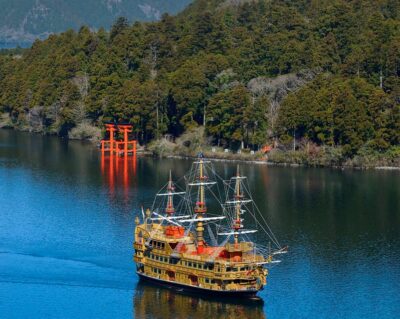
Mt Fuji and Hakone 1-Day Bus Tour Return by Bullet Train
Read our review →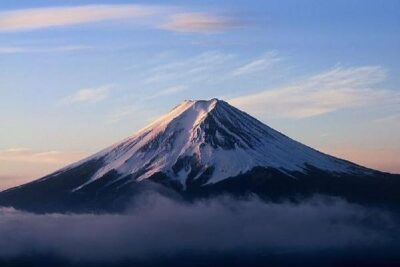
Mt Fuji & Hakone Cruise, Drum Show Bullet Train 1 Day from Tokyo
Read our review →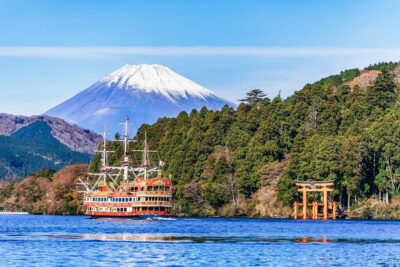
Tokyo Mt Fuji 5th St & Hakone Cruise Bus Tour w/Bullet Train
Read our review →
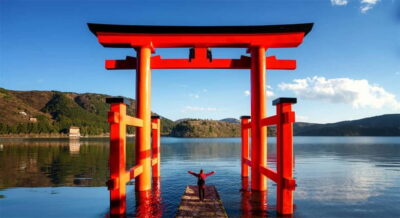
Mt. Fuji Tour, Hakone Ropeway, Owakudani, Lake Ashi
Read our review →
Mt. Fuji 5th Station & Hakone Cruise 1-Day Bus Tour
Read our review →
Mt Fuji Top 5 Spots Day Tour: Arakurayama Park,Oshino Hakkai
Read our review →
Private Tour to Mt. Fuji and Hakone (Fully Licenced Operator)
Read our review →Browse the lists this tour appears in