Reviewed · FULL-DAY
Nikko Full-Day Private Tour with Government-Licensed Guide
Nikko is a wow-day the moment you arrive, but it can also get crowded and confusing fast. I like that this is a private, flexible outing with a licensed local English guide, so you can shape the day around what you care about. One caution, it is a walking-based tour, so bring comfy shoes and expect to pay for transport and site tickets with cash.
You meet your guide in the Nikko Station area and build a route on the fly. In past days with guides like Yumi, Yoko, Yoshii, and Hit Suzuki, the best part was how well they handled timing, weather, and questions, so you spend your energy on Nikko instead of figuring out buses.
Key Points at a Glance
- Private pacing with 3 to 4 customizable stops, chosen from the Nikko shrine-and-nature lineup
- Meet in the Nikko Station area and get your bearings without wrestling the transit maze alone
- Mostly on foot, with local buses and taxis as needed, using cash for extra transit
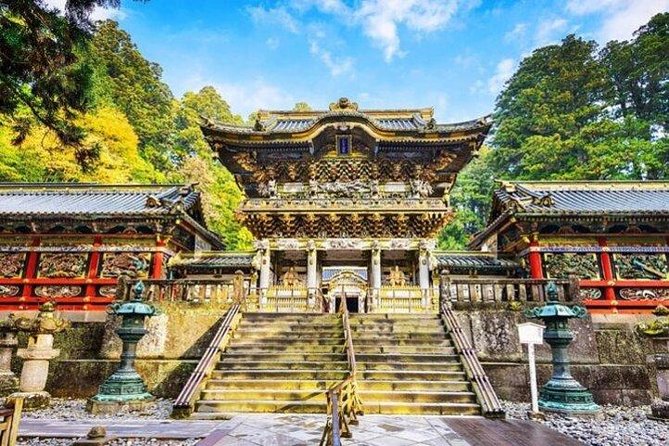
- A great mix of Tokugawa shrines and nature like Toshogu, Kegon Falls, Lake Chuzenji, and Shinkyō Bridge
- Guides who plan ahead and adjust quickly when trains run late or weather changes
Why This Nikko Private Tour Feels Easier Than DIY
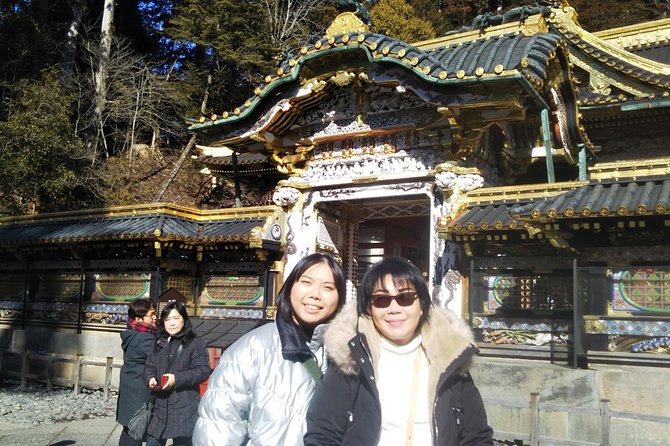
Nikko has two faces that work together: major shrine and temple heritage and huge swaths of outdoor scenery. The challenge is that those two themes pull you in different directions, and the timing between them can be tricky if you are moving on your own.
This is where a private format matters. Instead of a fixed route, you pick your priorities, and your guide builds a smart flow for the day. I also like that the guide is licensed and local, which shows up in the small stuff, like how the timing is handled and how you are guided through the sites so you do not miss the story.
The other big plus is crowd management. You can still enjoy famous places like Nikko Toshogu, Shinkyō Bridge, and Kegon Falls, but you are not stuck matching a large bus group’s pace.
Also on the shortlist for Nikko:
- Nikko – Beautiful Full-Day Personal and Private Tour
★ 4.9 · 119 reviews - Nikko Heritage & Nature Day Trip from Tokyo
★ 4.8 · 94 reviews - Tokyo: Nikko Private Customize Tour English Driver & Guide
★ 5.0 · 70 reviews
Meeting at Nikko Station and Getting Around With Cash in Hand
Plan to make your own way to Nikko. Then you meet your guide on foot within the designated meeting area around Nikko Station. If pickup is offered for your booking, you will get the details before the day, but the baseline plan is still station-area meet-up.
This tour is a walking tour at its core, so you will spend time on foot between stops. When you need to move farther, the tour uses local public transportation or taxis, and you should have cash ready for those costs. The practical tip is simple: do not rely on having everything covered on a card, keep some Japanese yen on you.
A couple of real-world timing lessons from previous days: weekdays tend to move smoother than weekends, and weather can shift the best order of stops. Your guide can help you react, which is especially useful if your train into Nikko runs late.
The Heart of Nikko: Nikko Toshogu and the Tokugawa Story
Most Nikko days start with the big one, Nikko Toshogu. This is the final resting place of Tokugawa Ieyasu, founder of the Tokugawa shogunate, and the complex includes nearby shrines and temples. You get a concentrated dose of symbolism here, and the guide helps you understand what you are looking at, not just where to stand for photos.
If your group loves history, Toshogu is the anchor stop. If your group loves art and architecture, it is also a great choice because the whole area is designed to slow you down. Admission is not included, so you will want to budget for tickets separately.
Practical time view: plan about 30 minutes at Toshogu as a typical allotment when your guide is balancing multiple stops.
Waterfalls and Lake Views: Kegon Falls and Lake Chuzenji
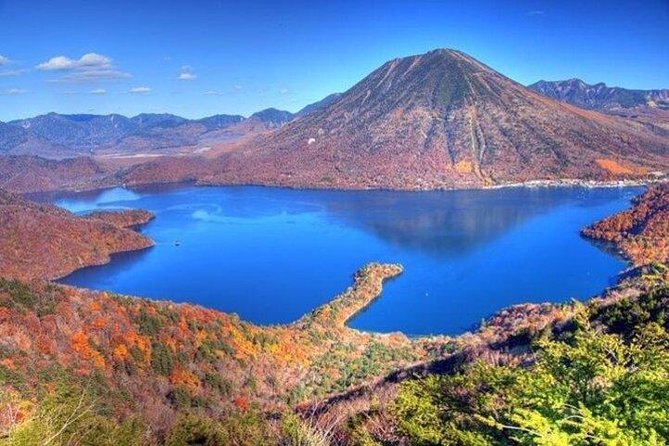
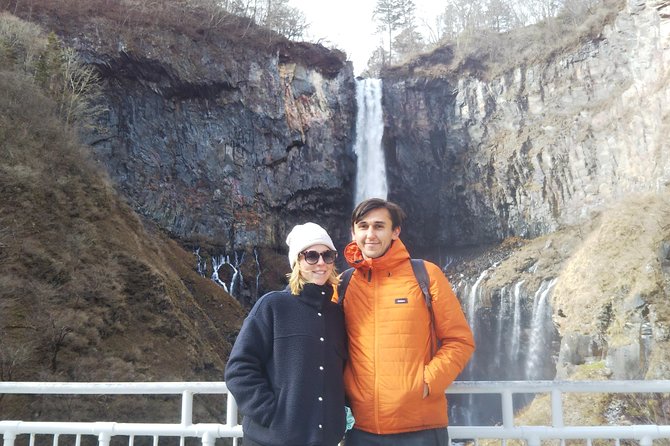
If shrines are your Nikko morning fuel, waterfalls are often the afternoon reset. Kegon Falls is one of the best-known sights in the area, fed by Lake Chuzenji, and the drop is about 97 meters straight down to the rocks below.
One reason this stop works well on a private tour is pacing. You can spend your time where it matters, whether that means getting the cleanest viewpoint or just taking a breather after walking through shrine areas. Admission is not included, so keep your ticket budget in mind.
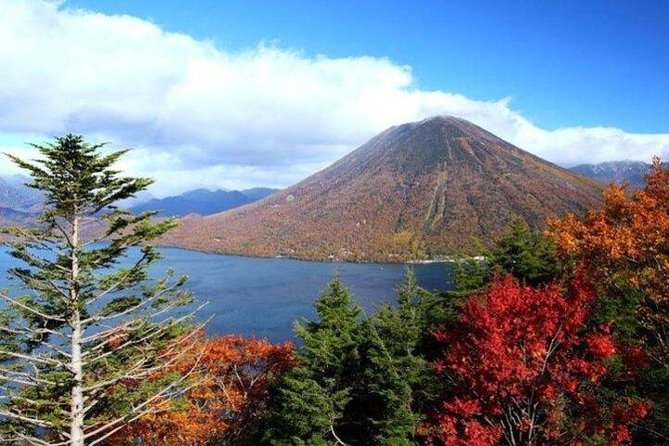
Lake Chuzenji is next in many day plans, and it is a natural contrast to the ornate shrine world. It is the largest lake in Tochigi, with about 25 kilometers of surrounding nature. You also get a hint of the area’s past as a summer resort for foreigners in the late 1800s and early 1900s, including mention of French villas.
Typical time here is short, around 15 minutes. Treat it like a scenic pause, not a full hiking day. If you want more time on the lake or more viewpoints, you and your guide can adjust which other stops you drop.
Senjogahara Field and Kanmangafuchi Abyss: Myth Meets Nature

Some Nikko stops are famous, but these two are the kind you remember because they feel different.
Senjogahara Field is tied to legend. The name translates to battlefield, and the area is linked to a mythical fight between gods of Mount Nantai and Mount Akagi over neighboring lakes. It is not just a quick photo stop. Your guide can give context so the place connects to the bigger Nikko story.
Kanmangafuchi Abyss is a riverside walk setting with a simple, satisfying idea: you explore along a pleasant trail by the gorge, which was formed by an eruption of nearby Mount Nantai. This is one of the easier nature add-ons because it is scenic without requiring a big commitment like a long hike.
Both stops are typically around 15 to 30 minutes in a 6-hour day, so they work well as “breathing stops” between the bigger monuments. Admission is generally not required for Kanmangafuchi, and Senjogahara is listed as free.
Shinkyō Bridge: The Entrance Photo That Has a Point
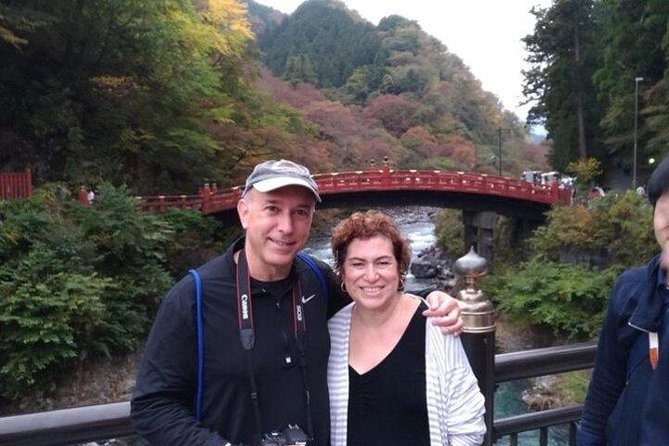
Shinkyō Bridge, the sacred bridge near the shrine-temple entrance area, is technically part of Futarasan Shrine. It is also ranked as one of Japan’s three finest bridges, so yes, people take photos here. But the bridge works better when your guide explains why it matters in the flow of Nikko’s sacred spaces.
In a private format, you can linger just long enough to get good angles and then move on before the area gets too packed. The time allotment is often around 30 minutes, with no admission fee listed for the bridge itself.
If your priority is photos, Shinkyō is worth including. If your priority is quiet moments, you can still include it but ask your guide to guide you to the less chaotic viewpoints in the same general area.
Choosing Your Temple Add-Ons: Rinnōji, Taiyū-in, and Futarasan Shrine
Nikko is not only Tokugawa, it is also Buddhist and Shinto, and you can feel that layered mix in the set of temple and shrine stops.
Rinnōji Temple is described as Nikko’s most important temple, founded by Shodo Shonin, who introduced Buddhism to Nikko in the 8th century. The main hall, Sanbutsudo, is part of what makes this a key stop, and admission is not included in the tour price.
Taiyū-in is the mausoleum of Tokugawa Iemitsu, the third shogun, and it is noted as having a lavish complex that resembles Toshogu’s layout and architecture. Admission is not included here either, and the time allotment is typically around 30 minutes.
Futarasan Shrine sits next to Toshogu and is older, founded in 782 by Shodo Shonin. It is a strong choice if you like understanding how Nikko’s sacred geography works across different faith traditions.
These stops tend to work best when you pick one or two, not all. You have 6 hours and your guide is building a 3-4 site day, so selecting based on your curiosity saves you from rushing.
Waterfall-Plus Options: Kirifuri Waterfall and the Highlands
If you want one more nature moment, Kirifuri Waterfall is an excellent option. It is a two-tiered waterfall about 75 meters high, located below Kirifuri Highlands a few kilometers from the main shrine area.
This is a great pick when your group wants less shrine time and more outdoor air. The time allotment is typically short, around 15 minutes, so it is best for viewpoint viewing rather than extended hiking.
Admission is not listed for Kirifuri Waterfall in the provided stop notes, but your transport to the area may cost extra depending on how your guide organizes the route.
Garden, Villa, and a University Connection: Botanical Garden and Tamozawa
Two stops that can change the feel of a Nikko day are the ones that slow you down without demanding a full-day hike.
Nikko Botanical Garden is owned and maintained by the University of Tokyo, which makes it special if you like the idea of research-grade plants. The time allotment is around 30 minutes, and admission is not listed as included.
Tamozawa Imperial Villa Memorial Park is for people who like architecture and how rulers shaped places. The villa blends Edo and early Meiji period architecture, with a note that it has 106 rooms and that it was erected in Nikko in 1899 using parts of a residence. Admission is not included, and time is around 30 minutes.
These are also useful “weather tools.” If it is raining or too hot, you might prefer indoor-feeling environments or curated walkways, depending on what your guide recommends that day.
Kanaya Hotel History House and Akechidaira Plateau: Short Trips With Big Payoff
These are the small-stops that often make the day feel more personal because they are easier to skip on a fast group tour.
Kanaya Hotel History House is a historical building in Nikko that served as the predecessor of the famous Kanaya Hotel. It is listed with about 15 minutes typical time.
Akechidaira Plateau is more of a viewpoint play. It is near the top of Irohazaka Slope, with sweeping views over the winding road and a dramatic mountain backdrop. There is a ropeway up to the observation platform, and it is listed as around 15 minutes with no admission mentioned for this stop. This can be an excellent choice when your group wants one scenic “wow” that complements waterfalls and shrines.
Price and Logistics: Is $155.86 Per Person Good Value?
At $155.86 per person, you are paying for three things: a licensed English-speaking guide, a private day with custom routing, and a smoother flow between far-flung places. You are not paying for all entrance fees, transport, and lunch, so your final cost will depend on your site selections and how much you use taxis or buses.
Here is how I think about value for this specific tour. If you go DIY, you save the guide fee, but you take on the time cost of planning and the frustration cost of missed timing. In a place like Nikko, that can be the difference between seeing 2 to 3 things well versus trying to cram 5 things and rushing.
In previous days, guides like Yumi and Yoshii were especially praised for customizing the itinerary to match the group, and for handling transportation timing when trains run late. That alone can save your day from unraveling.
One practical budgeting tip: have extra yen ready for public transport and entrance fees. A past tip suggested having at least 10,000 JPY for busses and entrance fees, which is a smart starting point for planning your day finances.
What the Best Day Feels Like: Custom Itinerary and Real-Time Adjustments
The most consistent theme with this tour type is that you do not get shoved into a rigid script. You talk with your guide about what you care about, and you get a route built for that. That means if your top priority is Tokugawa shrines, you can focus on Toshogu plus related mausoleum and temple stops. If your top priority is nature, you can lean into Kegon Falls, Lake Chuzenji, and Kirifuri, then add one or two spiritual stops at a pace that still feels relaxed.
From past tours, I also learned that good guides plan for communication ahead of time. Some guides were described as reaching out weeks in advance to lock in preferences and keep the day organized. On the day itself, flexibility matters too. One guide adjusted the itinerary around weather or traffic, and another managed to fit the whole plan after a train delay.
Small extras can matter: a previous guide brought items for comfort like towels for an onsen-style foot bath and ice packs for heat. That is not the kind of thing you can pack in a hurry when you are traveling light.
Season, Crowds, and Timing Tips That Actually Help
Nikko changes with the season, and that affects your comfort and what you want to prioritize.
In colder weather, snow can turn the shrines and paths into something almost cinematic. One past tour included snow during the visit, and it made the day feel extra special. In autumn, the same places can feel completely different thanks to color.
Crowd control is also real. One strong tip was to arrive on a weekday. Weekend timing can mean lines and traffic that chew up your short day.
Weather also affects the order. A guide who can swap the sequence based on conditions helps you keep the day flowing instead of standing around waiting for plans to work out.
Should You Book This Nikko Private Tour?
Book it if you want a Nikko day that feels planned, not stressed. This private setup is ideal for first-time visitors who want the big icons like Nikko Toshogu and Shinkyō Bridge, but also want meaningful nature stops like Kegon Falls and Lake Chuzenji, without spending your time figuring out transit.
Skip it if you are the type who loves pure DIY planning and already knows the area well. Also skip it if your group is not up for walking and you want every cost included, because transport and most entrance fees are not included.
If you fall in the middle, this is one of the smarter ways to experience Nikko in about 6 hours, with a licensed guide who can help you get the story and the timing right.
FAQ
How long is the Nikko private tour?
It runs about 6 hours.
How many attractions will we see?
Your guide will customize a route with 3 to 4 attractions from the available Nikko options.
Where do we meet the guide?
You meet your guide on foot within the designated area in the Nikko Station area.
Is the tour private or shared?
It is a private tour. Only your group participates, and you cannot combine multiple tour groups.
What is included in the price?
The price includes a licensed local English-speaking guide, a customizable tour for 3 to 4 sites, and a mobile ticket.
What costs extra during the day?
Transportation fees, entrance fees, lunch, and other personal expenses are not included. Private transportation is also not included.
Should I bring cash?
Yes. The basic tour is on foot, and you should bring cash for public transportation or taxis.
Is this mostly walking?
Yes, it is a walking tour, with the guide meeting you on foot and the route built around walking time.
Can I cancel for a full refund?
Yes. You can cancel up to 24 hours before the experience start time for a full refund.
Latest write-ups near Nikko
- Tokyo: Nikko Private Customize Tour English Driver & Guide★ 5.0 · 70 reviews
- Nikko – Beautiful Full-Day Personal and Private Tour★ 4.9 · 119 reviews
- Nikko Heritage & Nature Day Trip from Tokyo★ 4.8 · 94 reviews
Full-Day, compared.

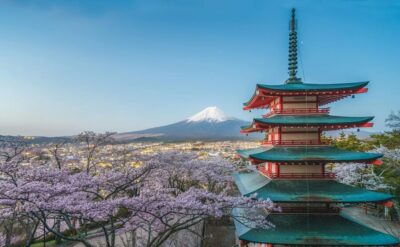
Mount Fuji Full-Day Private Tour from Tokyo (Customizable)
Read our review →
Hiroshima / Miyajima Full-day Private Tour with Government Licensed Guide
Read our review →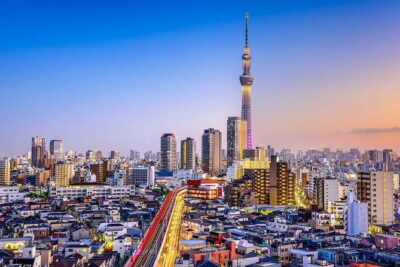
Tokyo Private Full-Day Tour by Car or Van
Read our review →
5 Top Highlights of Kyoto Full Day Bike Tour (E-bike option)
Read our review →
Full Day Biking Tour Exploring the Best of Kyoto
Read our review →