
A ticket for Nikko Toshogu Shrine is interesting because it is not just a temple stop. It is a UNESCO World Heritage site tucked into a forest, built to memorialize the man who shaped Japan for centuries.
I love two things right away. First, the sheer amount of wood carvings and gold leaf feels almost unreal in a country famous for restraint. Second, the shrine’s mix of Shinto and Buddhist symbols makes the experience feel layered and human, not like a single-note museum.
One possible drawback: this is an admission-only ticket. You still need to buy or plan anything else you want to see in Nikko, and you must exchange your digital ticket for a physical one at Tobu Nikko Station.
Key things to know before you go
- UNESCO Toshogu forest complex: more than a dozen buildings in a landscaped woodland setting
- Gold leaf and carvings: a visual style you rarely see elsewhere in Japanese shrine design
- Tokugawa memorial focus: built for Tokugawa Ieyasu, expanded later under Iemitsu
- Shinto and Buddhist blending: you will spot elements of both traditions in the same place
- Three monkeys are a must: the do not see, do not hear, do not speak theme is a standout detail
- You need a physical ticket: exchange at Tobu Nikko Station Tourist Center with your smartphone screen
Getting your physical Toshogu ticket at Tobu Nikko Station
This experience is tied to one very specific step: the digital ticket does not get you into Toshogu directly. You must exchange it for a physical ticket at the Tobu Nikko Station Tourist Center, located at Tobu Nikko Station.
The Tourist Center is open year-round from 8:20 AM to 5:00 PM. After exchanging your voucher, you will need to open the usage screen on your smartphone, press the Use button, and show that screen to staff. Screenshots and printed pages do not work, so plan to rely on your phone, not paper backup.
If you run into a technical snag, you are not stuck. One review mentioned the person could not click the hyperlink in the voucher email under the QR code, but staff helped once the staff member saw they were using the application on their phone. Translation: if something looks wrong on the link, still show the staff the usable screen you have, and ask for help calmly.
Also note the shrine visit itself follows normal site rules. Flash photography is not allowed, littering is a big no, and you cannot touch plants. It sounds obvious, but it is worth keeping in mind because the grounds are part of what makes Toshogu feel special.
More Temple & Shrine Tours in Nikko:
- Kyoto: Fushimi Inari, Kinkakuji, Bamboo Grove 1 Day Bus Tour
★ 4.8 · 4,316 reviews - Kyoto: Tea Ceremony Ju-An at Jotokuji Temple
★ 4.9 · 3,207 reviews - Tokyo: Meiji Shrine, Asakusa, Skytree Bus Tour and Cruise
★ 4.7 · 1,986 reviews
The easy trip from Tokyo area: train to Tobu Nikko Station, then bus to Omotesando
Getting to Nikko is often the hardest part of the day. Here, you have a clear route that keeps things simple: take the express train from Tobu Railway Asakusa Station to Tobu Nikko Station, about two hours.
From Tobu Nikko Station, take the Tobu Bus World Heritage Tour Route to the Omotesando bus stop, about 15 minutes. Then it is a short walk of about 10 minutes to the shrine area.
I like this because it avoids the guesswork of switching trains multiple times. You follow a straightforward flow, station to bus to on foot, and you spend your energy on the actual site, not transportation puzzles.
If you like planning with a map, the provided coordinates are 36.7580878, 139.5987466. You do not need to memorize them, but it is useful if you want to sanity-check your navigation when you step off the bus.
Timing matters too. The Tourist Center closes at 5:00 PM, so if your travel day gets delayed, you may want to aim to arrive at Tobu Nikko Station earlier rather than later.
First steps into the Toshogu UNESCO complex in the forest
Once you reach the shrine area, you are stepping into a large memorial complex rather than a single building. Toshogu consists of more than a dozen buildings arranged across the forest setting.
At its heart is the memorial to Tokugawa Ieyasu, the founder of the Tokugawa Shogunate. The Shogunate ruled Japan for over 250 years until 1868, so you are looking at a political and cultural statement, not only a religious site.
What I find most striking is the evolution of the place. Toshogu started as a relatively simple mausoleum, then was enlarged into the spectacular complex you see today during the first half of the 17th century, guided by Ieyasu’s grandson Iemitsu. In other words, the decorations and scale you see are tied to a specific moment when the Tokugawa family wanted their legacy to look permanent and powerful.
The forest setting also changes your pacing. You are not just walking between signs. The paths and surrounding trees help slow you down, and the architecture grabs your attention piece by piece.
A practical tip: take your time at the entrances and approach paths before rushing into the main buildings. The first views help you understand how the entire complex is laid out, so later you will feel less like you are hopping from one photo spot to another.
Tokugawa power made visible: wood carvings and gold leaf everywhere
Toshogu’s reputation is not hype. The amount of carving and gold leaf is the main reason the site feels so intense, even compared with other famous Japanese shrines.
You will notice countless wood carvings across building details. This is the kind of craftsmanship that usually takes a long look. If you skim, you miss the layered design work where small panels and sculpted figures build into a bigger picture.
Then there is the gold leaf. In Japan, simplicity is often the traditional shrine style. Toshogu goes the opposite direction, using gold leaf and ornate design in a way you typically do not see elsewhere. It is not just decoration, it is messaging, a visual way of saying the Tokugawa era deserved awe.
To make this easier to process, consider adding an audio guide if you want more structure. One review mentioned renting an audio guide for 500 yens, and that it helped the person understand each building better. Even if you are good at reading signs, an audio track can help you connect what you are seeing with what it is meant to represent.
If you go without an audio guide, you can still get a lot out of the visit. Focus on one building area at a time, then step back and look at how the carvings and colors work together. The best views often happen when you slow down and notice how details repeat across the complex.
A change of pace from Nikko:
- Nikko Full-Day Private Tour with Government-Licensed Guide
★ 5.0 · 259 reviews - Nikko – Beautiful Full-Day Personal and Private Tour
★ 4.9 · 119 reviews
Shinto meets Buddhism: what you will actually spot onsite
One of Toshogu’s most interesting qualities is that it contains both Shinto and Buddhist elements. You can treat this as a clue for how to interpret the symbolism.
Rather than expecting one strict theme, you will see overlapping religious iconography and spiritual storytelling. This is why Toshogu can feel more approachable than a purely academic history stop. You are seeing how different traditions shaped art and ritual practice in Japan.
A standout detail is the trio of famous monkeys. You will see the do not see, do not hear, do not speak theme. It is visually strong, easy to spot even among busy crowds, and it helps you understand why Toshogu is remembered as much for its character figures as for its gold.
This is also where an audio guide can pay off. When a site blends traditions, short explanations help you avoid the common problem of thinking you only need to identify what is Shinto or what is Buddhist. Instead, you start noticing patterns, like shared themes expressed through different visual languages.
When you are inside or near sensitive areas, remember the onsite rules. Flash photography is not allowed, and you cannot touch plants. Those rules keep the site intact, but they also help you focus on the art without distractions.
How to plan your day so the ticket is worth it
This is a one-day experience built around shrine admission. The biggest value comes from using your time well after you exchange your voucher.
Start with the practical order: arrive at Tobu Nikko Station, exchange your digital voucher for a physical ticket at the Tourist Center, then proceed toward the bus stop and walk in. Once you are at Toshogu, do not treat it as a quick photo run.
Plan for a slower pace around the decorative buildings. Toshogu is more than a single courtyard, with multiple structures spread out. If you give yourself time to circle and re-enter viewpoints, the gold leaf and carvings start to make more sense as a coordinated whole, not separate attractions.
Also remember this is not an all-inclusive Nikko pass. You will likely want other stops in the area, but those are not included with this ticket. That matters because Toshogu can be the centerpiece of your day, yet your overall Nikko budget depends on what else you add.
If you are debating whether to add something extra like an audio guide, think about your travel style. If you like reading architecture details and learning why each building looks the way it does, spending 500 yens for the guide can make the visit feel far less confusing and far more rewarding.
The shrine hours can vary by day and closing times can change by period. So check the hours before you commit to a late arrival, especially if you are traveling in peak season.
Price and value: what you are really paying for
The price is about $10 per person, and the included item is straightforward: admission to Toshogu Shrine.
That makes the value feel better than it looks at first glance. You are not paying for a complex guided tour format. You are paying for access to one of Japan’s most famous heritage sites and for the convenience of exchanging your voucher at Tobu Nikko Station Tourist Center.
Where value can drop a bit is if you expect this ticket to cover more than Toshogu itself. The ticket does not include other Nikko sites, so if your plan is to see multiple temples and attractions in one day, you will pay more separately. The upside is you can customize your day based on your energy and interests.
For many people, Toshogu is worth building the day around. The concentration of gold leaf, wood carvings, and Tokugawa memorial storytelling is not something you can replicate with a quick stop elsewhere. If you pick just one major Nikko attraction, Toshogu is the one that most often justifies the trip from Tokyo.
Should you book the Nikko Toshogu Shrine ticket?
Book it if you want a focused day built around one exceptional site. This ticket gets you into a UNESCO complex where the details are the point, and the Tokugawa Ieyasu story is visible in the architecture itself.
I would also book it if you are the type who enjoys looking longer than you photograph. Toshogu rewards that. If you are happy spending time with carvings, gold leaf, and symbolic figures like the three monkeys, you will get your money’s worth from the entry alone.
Skip or rethink if your plan depends on easy digital entry at the gate. You cannot enter with the digital ticket by itself, you must exchange it at Tobu Nikko Station, and you will need your smartphone screen for the use confirmation. Also, if you need fully predictable accessibility, note that the information provided includes both wheelchair-friendly wording and a note that it is not suitable for wheelchair users, so confirm directly before you go.
If you want a clean, heritage-first Nikko day, this is one of the simplest ways to make it happen.
FAQ
Where do I exchange the digital ticket for entry?
You exchange your voucher at the Tobu Nikko Station Tourist Center, at Tobu Nikko Station.
What are the Tourist Center hours for exchanging the ticket?
The Tobu Nikko Station Tourist Center is open year-round from 8:20 AM to 5:00 PM.
Can I enter Nikko Toshogu Shrine with the digital ticket?
No. You must exchange the digital ticket for a physical ticket at Tobu Nikko Station Tourist Center. After that, you show the usage screen from your smartphone.
How long does the experience last?
The activity is valid for one day.
What is included in the ticket price?
It includes admission to Toshogu Shrine.
Are there rules I should follow during the visit?
Yes. Flash photography is not allowed, you cannot litter, and you cannot touch plants.
Latest write-ups near Nikko
- Nikko: Private Walking Tour with Local Guide★ 4.8 · 35 reviews
- Tokyo: Nikko Private Customize Tour English Driver & Guide★ 5.0 · 70 reviews
- Nikko – Beautiful Full-Day Personal and Private Tour★ 4.9 · 119 reviews
- Nikko Full-Day Private Tour with Government-Licensed Guide★ 5.0 · 259 reviews
- Nikko Heritage & Nature Day Trip from Tokyo★ 4.8 · 94 reviews
Temple & Shrine Tours, compared.
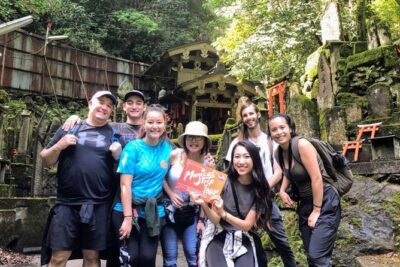
Fushimi Inari, Kinkakuji, Bamboo Grove 1 Day Bus Tour
Read our review →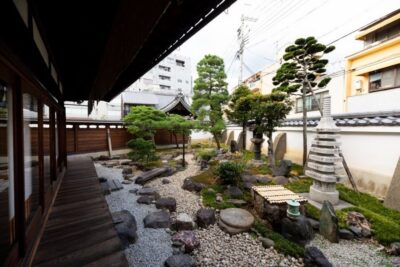
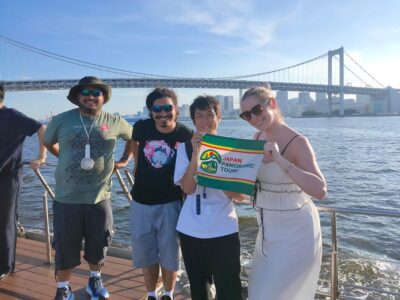
Meiji Shrine, Asakusa, Skytree Bus Tour and Cruise
Read our review →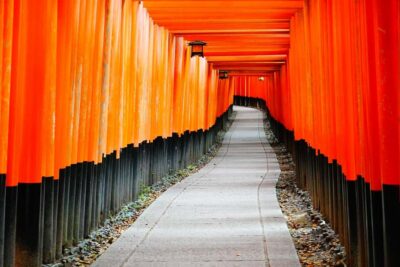
Osaka/Kyoto:Kinkakuji,Arashiyama,FushimiInariShrine,NaraPark
Read our review →
Asakusa Walking Tour with Sensoji Temple Visit
Read our review →
Nikko: Kegon Falls, Lake Chuzenji & Toshogu Temple
Read our review →
Kamakura & Enoshima Day Trip including Temple Tickets
Read our review →
Nikko Toshogu Shrine and Kegon Waterfall Tour
Read our review →Browse the lists this tour appears in