
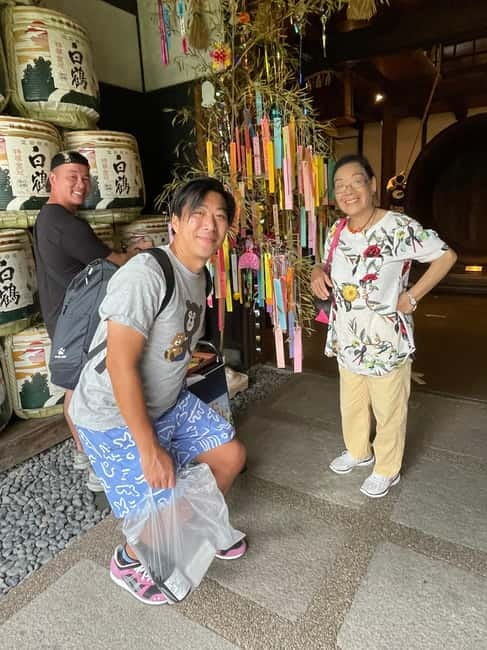
Reviewed · SAKE TASTINGS
Kobe: Guided Sake Breweries Tour with Tastings
Kobe’s Nada district is where Japan got serious about sake, and this tour gives you the geography and the taste in one walk. I love the small-group pace and how smoothly the stops flow. I also love that you get more than one brewery viewpoint, so your tasting makes sense, not random. One thing to plan for, it’s a walking tour with about 4 km on your feet.
I’d call the main watch-out the schedule timing. You start at Ishiyagawa Station and finish at Uozaki Station, and the stops can shift slightly due to regular closures or weather. Also, the tofu shop is closed on Sundays and public holidays, so that tasting may not happen.
Key highlights worth your time
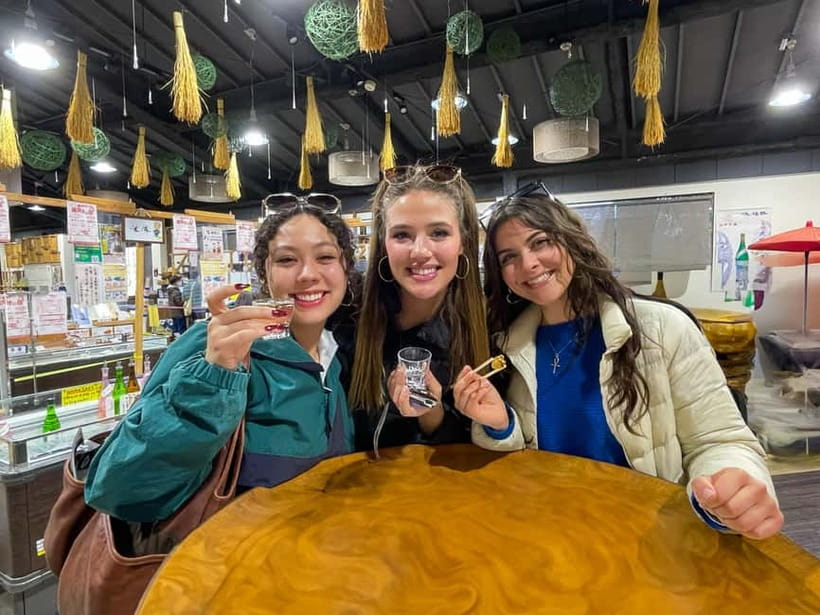
- Nada’s brewery belt: You’re in Kobe’s top sake-producing area, with lots of real brewing street scenes.
- 3 to 4 stops, not just one factory: Family makers plus a major-name brewery museum.
- English guide that keeps it lively: Recent groups mention guides like Hiro and Romi, plus big energy and clear explanations.
- Tastings with real learning: You’ll sample different styles from each stop and connect them back to process.
- Fresh local snack pairing: The tofu stop can be a standout, especially when it’s open.
- Souvenir-ready: You’ll want a plan for carrying bottles, especially if you shop after tastings.
Why Kobe Nada is a sake neighborhood you can feel
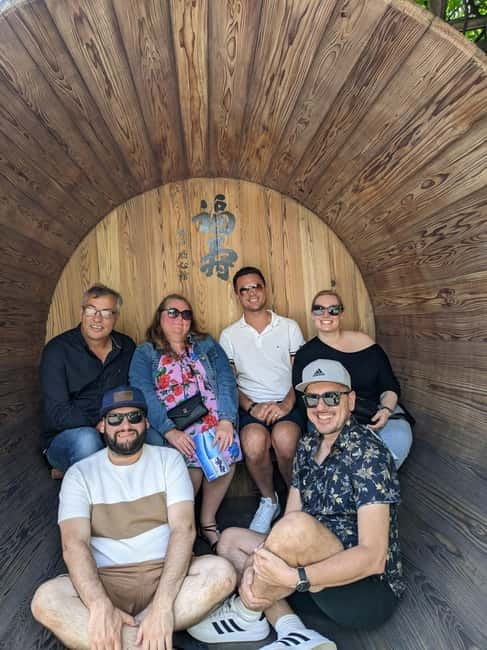
Nada, in Kobe, is not just a backdrop. It’s the reason Osaka can brag about its drinking culture. This area became a top sake production zone, and today you still find a dense cluster of breweries. That density matters because it makes your tasting experience sharper. You can compare styles without changing cities, without switching atmospheres, and without guessing where flavors come from.
The best part is the way the tour builds context while you walk. Sake is often sold like a label and a price tag. Here, you learn to think in categories. You start noticing how the same region can produce different results depending on ingredients, methods, and the brewer’s choices.
More Sake Tastings in Kobe:
- KOBE Sake Tasting Tour at Breweries (tasting fee included)
★ 5.0 · 154 reviews - Sake Brewery and Japanese Life Experience Tour in Kobe
★ 5.0 · 39 reviews - 1-Day Kobe Highlights Tour including Sake Tasting
★ 4.5 · 28 reviews
Getting oriented at Ishiyagawa Station, then walking into the brewery zone
Your tour meets at Ishiyagawa Station on the Hanshin line around 13:00. Look for the staff wearing a name tag with the KampaiSakeTours logo. From there, you’ll walk roughly 20 minutes toward the first brewery stop.
This isn’t a sit-and-watch day. You’ll be moving between locations on foot, about 4 km total, with comfortable-shoe advice for a reason. If your legs get tired fast, this is the part where you should build in a little cushion for slow pacing and bathroom breaks. The good news is that the walking segments are short and the tour keeps you busy with guide explanations and tasting moments.
You’ll also finish later in the day, around 16:30 at Uozaki Station on the Hanshin line. That matters for planning dinner. I’d schedule your next meal after you’ve had time to settle down from the taste wave.
Kobe Shushinkan (Fukuju): starting with a brewery founded in 1751
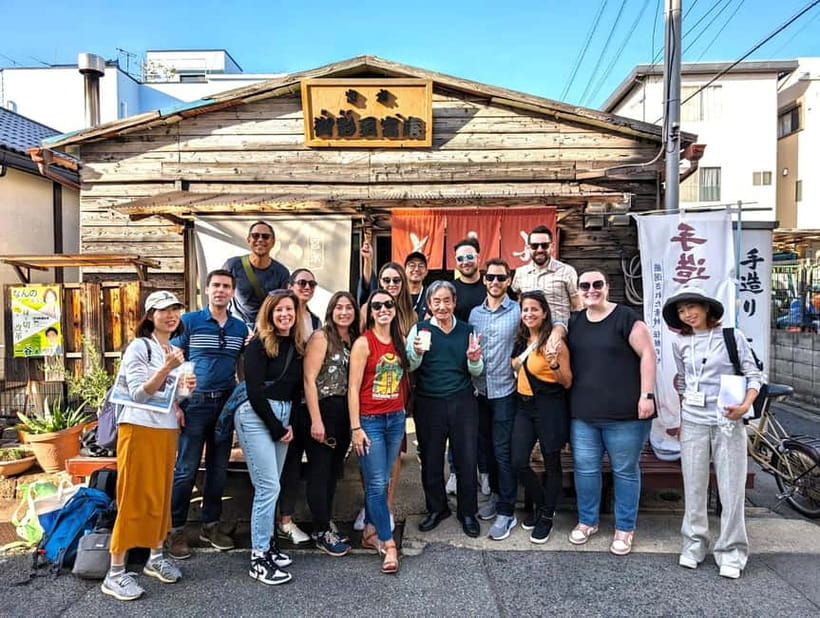
The first big stop is Kobe Shushinkan, best known under the Fukuju name. The story here is long, and that length shows up in how the brewery talks about its mission: careful, handcrafted production, high-quality inputs, and attention to what the drinker feels.
Practically, this stop sets your baseline. When you taste early, you’re still fresh and your palate is more forgiving. That’s where the guide’s explanations help most. You get language for what you’re sensing, so later tastings do more than taste good. They teach you what to notice.
If you care about tradition, this is a strong opener because it gives you the “why” behind the brand culture. It’s also a morale boost. Even before the biggest-name museum, you start with something rooted in the area’s long brewing identity.
Okage Tofu-an: a tofu tasting break that connects to sake water
Between brewery stops, you’ll hit Okage Tofu-an for a short food tasting. This stop is about more than snacks. The key idea is simple: tofu starts with water, and sake starts with water too. In other words, this is an easy way to connect local ingredients to local fermentation results.
The tofu part can be memorable because it’s fresh. The shop is described as making fresh tofu each morning and delivering it with care. If your timing is right, you can even get just-made ganmodoki (tofu and vegetable fritters) straight from the kitchen.
One important scheduling reality: on Sundays and public holidays, the tofu shop is closed. On those days, the tour will not stop there and the tofu tastings will not be available. So if your trip lands on a weekend or holiday, mentally prepare for the tour to feel more brewery-heavy.
More Food & Drink in Kobe:
- Kobe: 3-Hour Sake Breweries Tour with Special Tasting
★ 4.4 · 25 reviews - Tokyo: Shinjuku Food Tour (13 Dishes at 4 Local Eateries)
★ 5.0 · 6,603 reviews - Tokyo Tsukiji Fish Market Food and Culture Walking Tour
★ 5.0 · 3,184 reviews - Osaka: Shinsekai Food Tour with 13-15 Dishes at 5 Eateries
★ 4.8 · 2,204 reviews
Hakutsuru Sake Brewery Museum: Japan’s largest brewery as a museum stop
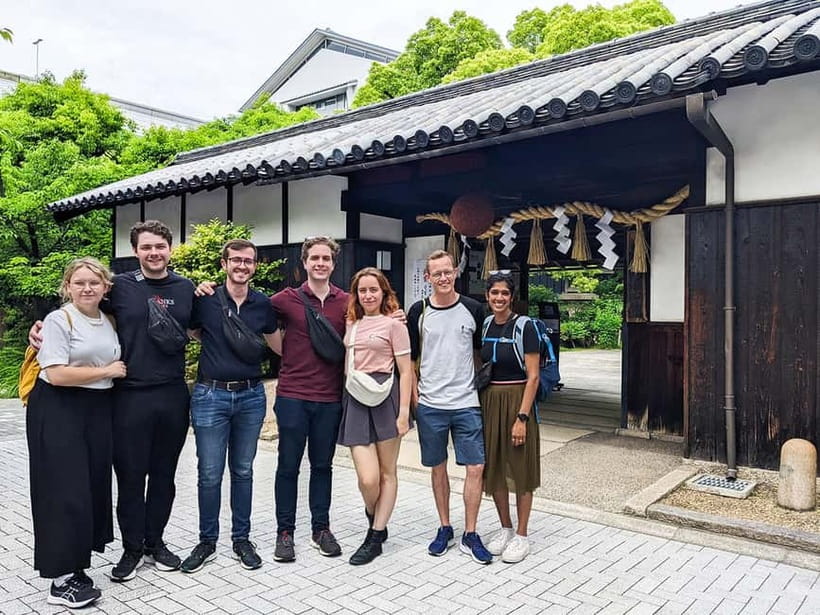
Next comes Hakutsuru Sake Brewery Museum, and it’s a big pivot. This is where you go from tasting as an activity to tasting as a lesson. Hakutsuru is described as Japan’s largest brewery, and the museum opens up an old brewhouse in its original form.
Why this matters for you: a museum stop anchors the science in place. It’s easier to understand brewing steps when you can picture tools, rooms, and the kind of environment a brewery is built around. You also get a tasting corner and a shop inside the same building, so it’s a comfortable place to take your time before moving on.
Expect a longer visit here, about one hour. This is also where the group energy often peaks, because you’re getting both history visuals and your first serious museum tasting moment in the middle of the route.
Kiku-Masamune Shuzo Kinenkan: kimoto-method, tools, and a garden breath
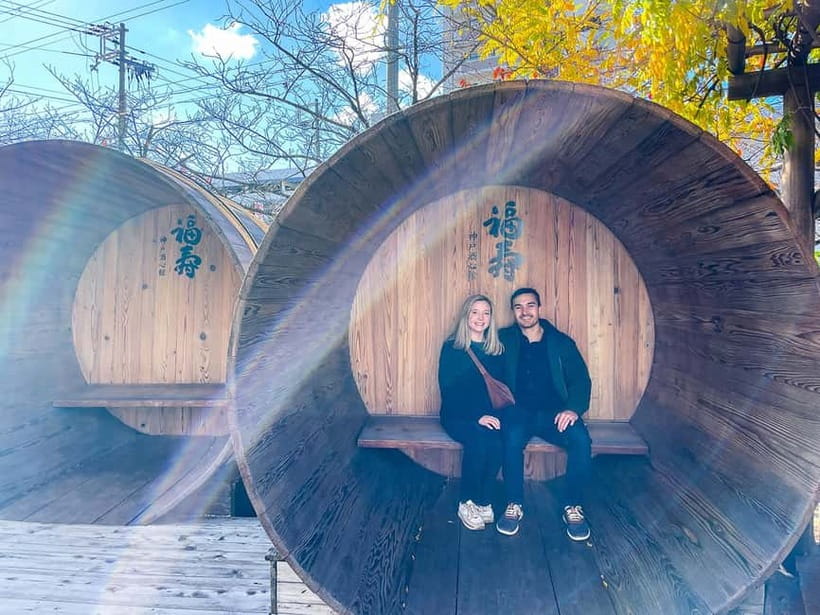
The next stop is Kiku-Masamune Shuzo Kinenkan, associated with brewing since 1625. This place focuses on the traditional kimoto-method approach. The museum includes wooden sake-making tools, which is a great change from tasting-only experiences. Even if you’re not a brewing nerd, seeing the tools makes the process feel less abstract.
You’ll also get a tasting moment in a calmer setting. The museum experience includes tasting in front of a Japanese garden, with a note to take a deep breath. That might sound like soft fluff, but it works. After a few tastings and a couple of walks, your brain needs a reset. A garden break helps you keep the flavors distinct instead of blending them together into one big happy haze.
In the itinerary, this stop is about 30 minutes, then you wrap up at Uozaki Station.
How the tastings work, and how to taste like you mean it
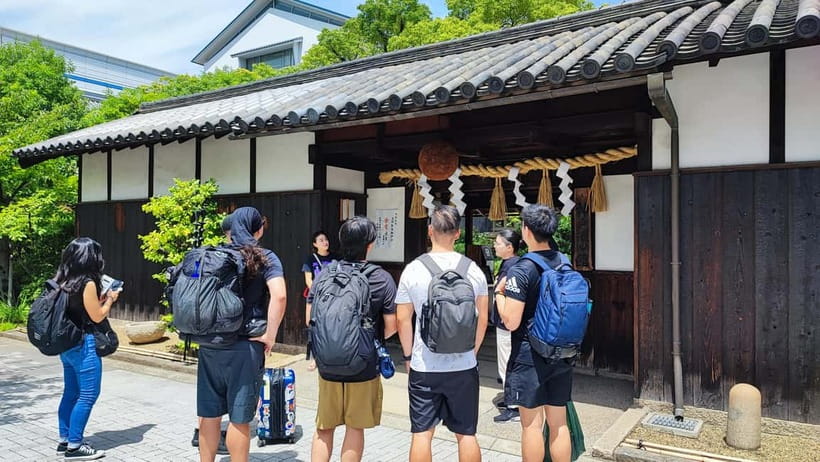
A guided sake tour can easily turn into, tasty, tasty, next stop. This one does better because you sample different types from each brewery stop and the guide ties the tasting back to brewing ideas.
Here’s the simple approach I recommend for your own tasting notes, even if you don’t write anything down:
- Take one small sip first, then wait a few seconds before deciding what you taste.
- Start describing what hits first (sweetness, dryness, aroma), then the after-feel.
- If something feels sharp, try another type soon after. That comparison is the point.
Snacks are included, which helps a lot. That said, you should still eat something before joining. Sake tastings plus walking can make even light drinkers feel it faster than expected.
Also, bring a practical plan for shopping. The tour specifically suggests bringing a backpack for souvenirs, because you can find great local sake to buy. If you want to buy bottles, think about padding, not just carrying.
One more practical detail: the tour notes that if you intend to spit during tasting for professional evaluation practices, you should contact them in advance. Most people won’t need that, but it’s worth knowing that the experience is built around normal tasting and enjoying.
Guides, energy, and why the English explanations change everything
The guide is a huge part of the value here, and the pattern in recent groups is consistent. English explanations are clear, and guides are described as fun, organized, and passionate. Names that show up often in recent departures include Hiro, Romi, Aya, Aki, Fuma, and Hiroman.
You’ll feel that in the small things:
- Clear step-by-step explanation during tastings.
- Humor and extra effort that makes the walk feel like a story, not a schedule.
- A guide who can answer questions beyond the basics.
One review also mentioned guides using costumes and accessories to bring the tour to life. That’s not essential for learning, but it does keep attention high on a day with several tastings.
There’s also a chance for special moments. Some groups reported private tasting space arrangements and even conversation opportunities with a master brewer. You can’t count on that every time, but it shows the kind of brewery cooperation you might experience.
Price and value: what $106 buys in the real world
At $106 per person for about 210 minutes, the cost can look like “just tasting.” But in practice, you’re paying for three things that add up:
- Multiple brewery visits in a single day, not a one-stop tasting.
- Guided English interpretation, which is the difference between drinking and learning.
- A structured tasting route that links process, place, and style.
Compare that to the cost of taking taxis between breweries on your own, plus buying tickets or paying for tasting activities separately. The walk route helps keep costs down, and the guide helps keep it coherent. You’re less likely to waste time guessing what to try.
Small-group size also matters. It’s limited to 10 participants, so you’re not one face in a crowd. That tends to improve the quality of explanations and the vibe during tastings.
My rule for value: if you’re interested in sake but you’re not sure where to start, a guided route like this is often the cheapest way to learn faster and taste more intelligently.
Logistics that actually matter: timing, weather, and what can change
The tour is built around a clear flow from Ishiyagawa to Uozaki, with several short walking links in between. But the tour also notes that breweries can change due to regular closing days or weather conditions. That means you should not plan a fragile schedule right after the tour.
Weather is a real factor with a walking route. One group described that during rain, the organizers arranged a car to get between breweries, which also helped them visit extra stops. You can treat that as a “good to know” possibility, not a guarantee.
Sunday or holiday timing also matters, because the tofu shop is closed then. If food is part of why you’re booking, pick a weekday if you can.
Who should book this tour, and who should skip it
This tour is a great fit if you:
- Like guided explanations and want a clearer tasting framework.
- Want to see Kobe’s brewery district without trying to map it all yourself.
- Enjoy structured experiences that combine walking, food, and tastings.
It’s less ideal if you:
- Are under 20.
- Are pregnant (this is listed as not suitable).
- Have mobility needs that make a walking day hard. If you use a wheelchair or a stroller, the tour asks you to let them know when you book. Do that early so they can plan appropriately.
If you’re traveling with a flexible spirit and you’re okay with a slow, drink-focused pace, you’ll likely love it.
Should you book KampaiSakeTours in Kobe?
I’d book this tour if you want Kobe sake culture the efficient way: a guided walk through Nada, tastings at multiple brewery stops, and explanations that turn your mouth into an instrument.
I’d think twice if you hate walking or you’re planning a tight schedule around dinner, because the route is a true afternoon activity. And if your trip includes a Sunday or public holiday, be aware that the tofu stop may not happen.
If your goal is to leave Kobe with better taste memory and better sake vocabulary, this is one of the cleaner ways to get it.
FAQ
Where is the meeting point?
The tour meets at Ishiyagawa Station on the Hanshin line. Staff wearing a name tag with the KampaiSakeTours logo will be there.
What time does the tour start and end?
The meeting time is 13:00, and the tour ends at Uozaki Station at 16:30 on the Hanshin line.
How long is the tour?
The duration is 210 minutes.
How many breweries do you visit?
The tour visits 3 to 4 locations, and it includes tasting at multiple sake breweries in the Nada district. Exact breweries can change due to regular closing days or weather conditions.
Do I get an English guide?
Yes. The tour includes a live guide in English.
What is included in the price?
Included items are the walking tour, guide, sake tasting, and snacks.
Is there food besides sake?
Yes. There is a tofu shop food tasting stop, but it is not available on Sundays and public holidays because the shop is closed.
What should I bring?
Bring comfortable shoes. The tour also recommends bringing a backpack for souvenirs.
Can I buy sake and get it tax-free with a passport?
Yes, a tourist with a passport is exempt from tax on purchases over JPY 5,500 at breweries.
Is this tour suitable for everyone?
It is not suitable for people under 20 and for pregnant women. If you use a wheelchair or bring a stroller, you should let the tour know when you make your reservation.
Latest write-ups near Kobe
- Kobe: Private Tour – Excursion to Osaka / Kyoto possible★ 4.7 · 27 reviews
- Uzushio Cruise★ 4.6 · 28 reviews
- 1-Day Kobe Highlights Tour including Sake Tasting★ 4.5 · 28 reviews
- Naruto & Boruto Shinobi-zato Light Ticket★ 4.5 · 29 reviews
- 4-Hour Multicultural Kobe Walking Tour with Genuine Kobe Beef★ 5.0 · 29 reviews
- Shore excursion: Full Day Private Kyoto Tour From Osaka/Kobe Port★ 4.5 · 36 reviews
- Next-Generation Local Guide: Private Kobe Tour★ 5.0 · 39 reviews
- Kobe 4hr Private Tour with Government-Licensed Guide★ 5.0 · 59 reviews
Sake Tastings, compared.
Kyoto Night Foodie Tour in Gion (9+ dishes + 6 Sake tastings)
Read our review →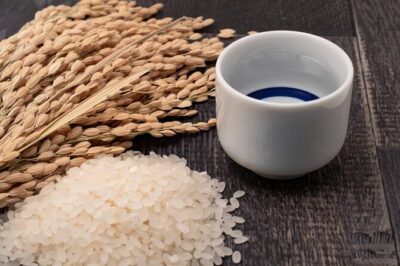
1-Day Snow Monkeys, Zenko-ji Temple & Sake in Nagano
Read our review →
3-Hour Kyoto Insider Sake Brewery Tour with Tastings & Pairings
Read our review →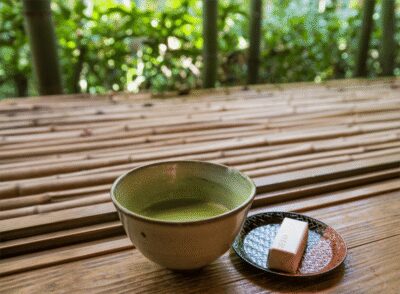
Arashiyama Bamboo, Temple, Monkeys, or Secret Sake Brewery
Read our review →

Insider Sake Brewery Tour with Sake and Food Pairing
Read our review →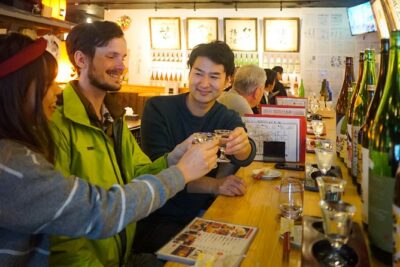
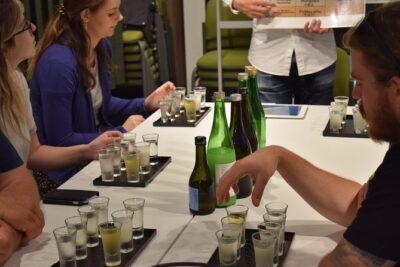
1.5-Hour Kyoto Insider Sake Experience with 7 Tastings & Pairings
Read our review →Browse the lists this tour appears in