
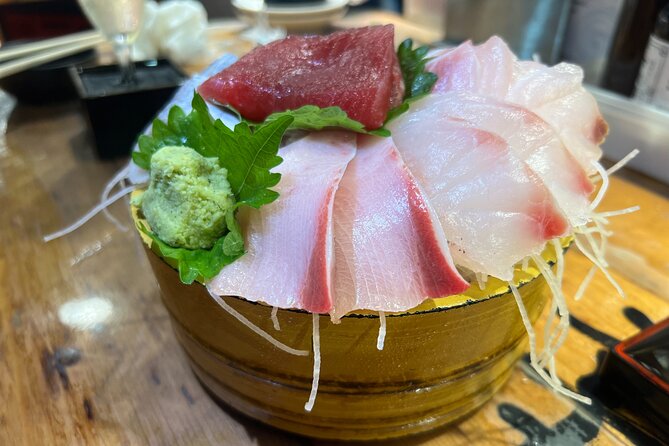
Reviewed · FOOD & DRINK IN TOKYO
Tokyo: Shinjuku Food Tour (13 Dishes at 4 Local Eateries)
Shinjuku can feel like sensory overload. This food tour works because it gives you a planned route through the neighborhoods, then pairs it with 13 included dishes so you are not wasting vacation time comparing menus. You get guided context as you walk, not just a food pile with no explanation.
What I like most is the mix of settings. You move from the tiny-stall world of Omoide Yokocho to the nightlife lanes of Kabukicho and Golden Gai, then you sit down and eat at a traditional place along the way. In the best moments, guides like May and Hoshi bring the area to life with clear stories and practical food ordering tips.
One thing to keep in mind: you are eating a lot in about 3 hours, so go hungry but not reckless. If you want super detailed explanations for every single bite, your experience can depend on the guide that night, so bring a curious attitude and ask what something is before you start eating.
Key highlights to know before you go
- 13 dishes across 4 local eateries, so you sample variety without paying one item at a time
- Omoide Yokocho, Kabukicho, and Golden Gai, three very different Shinjuku “moods” in one walk
- 2 complimentary drinks (alcohol and non-alcohol) included with tastings
- Small group size with a maximum of 12 people, which keeps lines and seating manageable
- Professional expert guide, with English described as excellent by many guests
- Mobile ticket, making the check-in step quick
Why this Shinjuku food tour is a smart shortcut
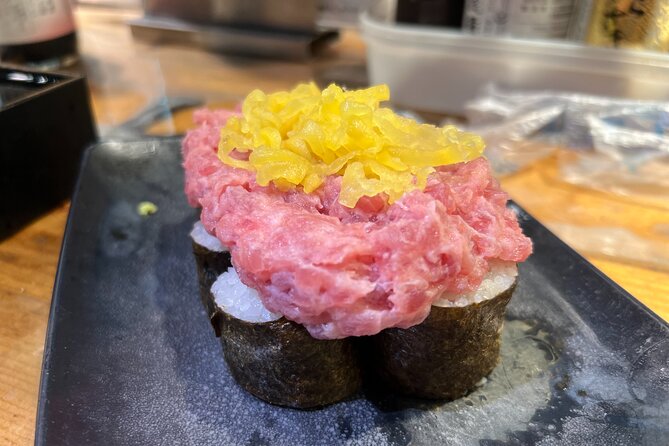
Shinjuku is great for food, but it is also chaotic. You can spend hours wandering and still end up in the wrong place for your mood or budget. This tour tries to solve that problem with a simple formula: walk a tight route, stop at four real eateries, and eat 13 dishes that are already built into the price.
The value is not just the quantity. It is that you get a “guided decision” in advance. Instead of you choosing every shop while you are hungry and jet-lagged, your guide does that work. Then you get to focus on the fun part, eating, listening, and sampling local favorites.
It also helps that Shinjuku food is not one style. In one evening you can run into skewers at a stall, a dish at an izakaya, a meal at a traditional restaurant, and something like a gastrobar bite. That variety matters because it lets you learn what Japanese food feels like across different dining formats.
More Food & Drink in Tokyo
- Tokyo Tsukiji Fish Market Food and Culture Walking Tour
★ 5.0 · 3,184 reviews - Tokyo: Shinjuku Food Tour (15 Dishes and 4 Eateries)
★ 4.9 · 2,033 reviews - Best of Shinjuku: Izakaya Food Tour (4 Stops, 14+ Tastings)
★ 5.0 · 1,863 reviews
Price, timing, and what the $86.22 buys you
At $86.22 per person, you are paying for three things at once: a guide, food, and drinks. The schedule is about 3 hours, which is a very workable block for an evening.
Here is the practical math in plain terms. Thirteen included dishes plus two complimentary drinks means you are not paying separately for each stop. Shinjuku can be pricey when you keep adding “just one more” snack, so being locked into an included tasting plan can save money as well as time.
Also, you are not just walking with a map. The tour is described as city walking plus culture storytelling, and several guides have been praised for giving good restaurant context and ordering help. That means the price is not only for food. You are also buying the shortcut to understanding what you are eating and where you are eating it.
If you have a tight itinerary, this one slot can do a lot. It is also a good “first night” tour because you finish near Shinjuku Station, so you can pivot to dinner plans or transit without a long detour.
Meeting point and the end-of-night reality check
The tour starts at AOKI Shinjukunishiguchi Honten, at 1-chōme-8-5 Nishishinjuku, Shinjuku City, Tokyo 160-0023. It ends near the Southeast Exit of JR Shinjuku Station.
Two practical benefits here:
- You start close to a known landmark rather than a vague alley.
- You end in a transit zone. That reduces stress when you are tired and ready for your next stop.
There is also a nice detail for anyone with a simple plan: if you want to return to the meeting point at Starbucks, tell your guide. They will escort you back. It is the kind of small care that makes the whole evening smoother.
Omoide Yokocho: tiny stalls, short lines, big flavor energy
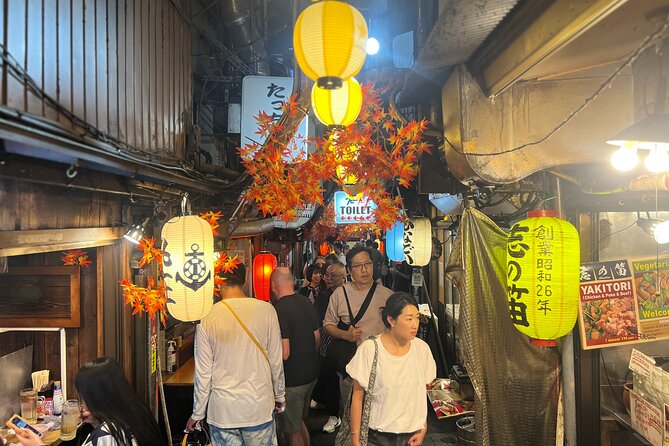
Your first stop is Omoide Yokocho, famous for narrow lanes lined with tiny izakayas and food stalls. The vibe is all about quick, friendly eating and people-watching, and it is easy to see why this place is a draw.
What you can expect:
- You will spend about 1 hour here.
- You are tasting food on the spot. The tour design is built around not stopping to pay, so you can focus on trying what the guide brings you.
- You get a look at how an alley can function like its own neighborhood dining room.
The main drawback to consider is also the most obvious one. This type of alley gets crowded. You will be in close quarters. If you want lots of personal space while you eat, you might feel a little cramped. But if you are okay with the “walk in, eat, chat, move” pace, it is one of the most memorable parts of the evening.
A change of pace from Tokyo:
- Mt Fuji and Hakone 1-Day Bus Tour Return by Bullet Train
★ 5.0 · 26,383 reviews - 1-Day Tokyo Bus Tour
★ 5.0 · 14,250 reviews - Tokyo: TOKYO SKYTREE® Admission ticket
★ 4.5 · 11,192 reviews - Tokyo: teamLab Planets TOKYO Digital Art Museum Entry Ticket
★ 4.6 · 9,779 reviews
Kabukicho: entertainment district walks plus a traditional meal stop
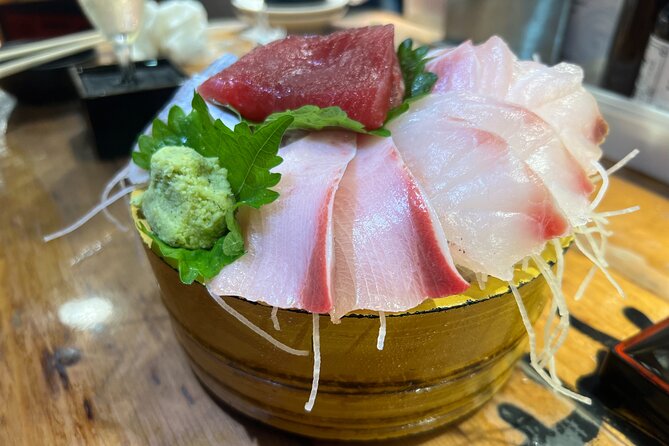
After Omoide Yokocho, you move to Kabukicho, Tokyo’s entertainment district. This area is loud in its own way, and the tour uses that contrast on purpose. You are not just taking pictures. The guide explains the district’s key establishments as you walk and then you visit a traditional Japanese restaurant.
What makes this stop useful for you:
- Kabukicho can be confusing if you do not know what you are looking at. A guide gives you a quick map of the neighborhood language.
- The traditional meal stop breaks up the “stall and snack” rhythm from earlier.
This is also where the pacing starts to feel balanced. You are still on your feet, but you are in a setting that is more like a sit-down meal. That gives your stomach a breather and gives you a more “normal” dining moment, which is welcome in a city that can otherwise feel nonstop.
One caution. Some people prefer very detailed explanations for each dish. If that is you, you can set yourself up for success by asking the guide what you are about to eat and how to eat it properly. The best guides will answer, and you will get more out of the experience.
Golden Gai: narrow alleys, post-war bar scene, and a lesson in Tokyo survival
Next is Shinjuku Golden Gai, known for historic nightlife and its narrow alleys with over 200 tiny bars. This is one of those places where you can walk through and think, how does anyone find anything here. That is exactly why a guided stop helps.
The tour framing here matters. Golden Gai is described as an area where post-war architecture of Tokyo is preserved. In other words, this is not just about trendy bars. You are seeing a slice of Tokyo that stayed recognizable while the city around it kept changing.
Expectations for your evening:
- About 1 hour in Golden Gai.
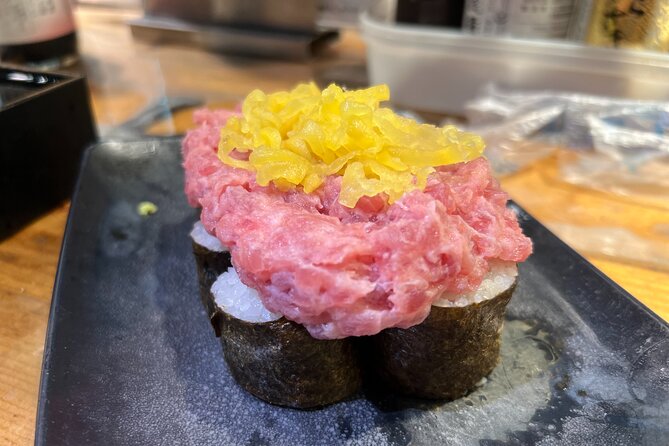
- You get walking time through the alleys, plus a restaurant stop as part of the broader tastings.
A smart consideration: Golden Gai is listed as an official stop. If that specific neighborhood is your top reason to book, it is worth confirming with the provider before you go, especially if you are traveling on a day where crowds or schedule changes could affect what gets emphasized.
Food-wise, Golden Gai can be more atmosphere-driven than plate-driven. If you are the kind of eater who wants one perfect dish, this stop still works, but you should treat it as a storytelling stop as much as a tasting stop.
The 13 dishes across 4 eateries, and how to get more out of each one
The core promise is simple: 13 Japanese dishes at 4 local eateries. The tour includes food at:
- 1 stall
- 1 izakaya
- 1 traditional restaurant
- 1 gastrobar
That breakdown is more than marketing. It teaches you how Japanese eating styles differ by setting. A stall dish tends to be straightforward and quick to grab. An izakaya often feels communal and paired with drinks. A traditional restaurant dish can be slower and more formal. A gastrobar often adds a modern touch while still staying in the Japanese flavor lane.
Two practical ways to make this work for you:
- Pace yourself like a chef’s tasting, not like you are trying to win a food challenge.
- Ask what each dish is. Some diners want more commentary during the tour, and you can help by asking before the first bite.
One dish detail you might encounter at the end is taiyaki (a waffle-like pastry often filled). It is not guaranteed based on the general description, but it has shown up as a dessert moment on tours with other guides and groups, so it is something to expect you might see.
Dietary needs are not listed in the tour summary, but multiple guests have praised guides for being attentive to preferences and restrictions. If you have dietary restrictions, message the provider ahead of time. Then tell your guide at the start of the tour. The sooner you say it, the easier it is to adjust.
Drinks included: how the tasting plan stays fun (not chaotic)
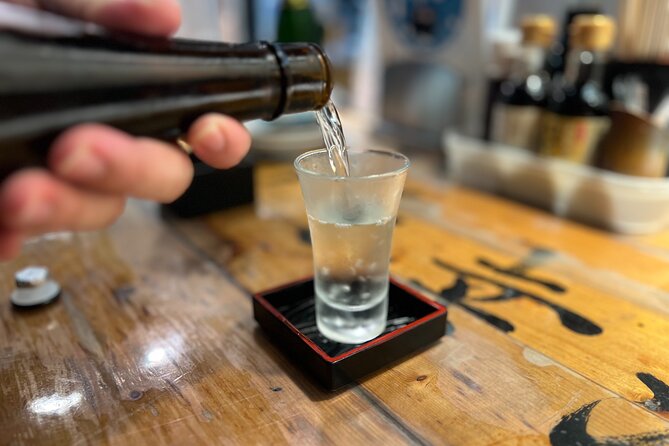
The tour includes 2 complimentary drinks, with both alcohol and non-alcohol options. This is a big deal for first-timers because it adds variety without requiring you to negotiate menus in Japanese while hungry.
It also helps you enjoy the izakaya portion. Izakaya culture is drink plus snacks. By including drinks, the tour keeps the pacing consistent and reduces the temptation to skip water and “just power through.”
If you do not drink alcohol, you still get options. If you do drink, remember this is an active walking tour. Drink slowly. You will want your legs and your brain working for Golden Gai’s alley maze.
Guides: where the best parts of the tour really come from
The guide is the engine. The tour includes a professional expert guide, and the biggest compliments focus on two things: clear communication and real care for the group.
You will see names pop up in guest experiences, like May, Agathe, Hoshi, Lloyd, Kei, and Igor, and the common thread is that the guide made people feel comfortable while still delivering local context. Many guides are described as giving good English explanations, practical ordering guidance, and extra neighborhood tips beyond the food.
One particularly helpful theme is support for solo travelers. With a maximum of 12 people, you are not swallowed by a huge crowd. People have even reported swapping contact info and making plans after the tour, which is a nice bonus if you like meeting other travelers.
There is also a practical “care” angle. In at least one experience, a guide helped coordinate cabs for a mobility issue so a guest could keep enjoying the night. That is not a promise you should assume, but it is a sign of the way some guides respond when needs come up.
Still, here is the balanced take. Some diners wanted more detail about the food items themselves. That does not mean you will get zero information. It means you should take the initiative. If you care about what you are tasting, ask the guide, What is this? and How do you eat it?
Who should book this Shinjuku route (and who might want a different plan)
This tour fits best if you:
- Want a guided shortcut to Shinjuku eating.
- Like trying different formats, stalls to sit-down meals.
- Prefer a structured evening where food and drinks are handled.
- Travel solo and would like a smaller group setting.
It might be less ideal if you:
- Have a sensitive stomach or you do not handle lots of food in one night.
- Need very deep, dish-by-dish explanations in a classroom style.
- Are extremely picky about specific cuisines or cooking styles, because tastings are already planned and included.
Also, Golden Gai is part of the experience. If you are not interested in that nightlife alley atmosphere at all, you might prefer a food tour focused only on restaurants.
Tips to make your tour night smoother
A few small choices can make a big difference.
- Eat a light meal before you go. Then you start hungry, but not stuffed.
- Wear comfortable shoes. Shinjuku is walk-heavy by nature, and this tour is designed around a steady walking route.
- Bring a curious attitude. Ask what you are eating and how it fits into local food culture.
- If you care about a specific stop like Golden Gai, confirm it matters to you up front.
- Plan your next move after the tour. Because you finish near JR Shinjuku Station, it is easy to head onward without backtracking.
And one more real-world detail, the meeting point is near major transit areas, so it should be easy to arrive on time if you give yourself a little buffer. Shinjuku crowds can throw off timing.
Should you book this Shinjuku Food Tour?
If you want one strong evening that combines food variety with neighborhood storytelling, I think it is a solid booking. The value is in the bundle: 13 included dishes, 2 included drinks, and a guide to help you navigate Shinjuku without the guesswork. The smaller group size and the fact you end near Shinjuku Station make it practical too.
I would say book it if your style is to walk, taste, and learn a bit as you go. You will probably love the feeling of eating in places you might not find on your own, especially in the alley worlds of Omoide Yokocho and Golden Gai.
If you only want a couple of dishes and a long sit-down dinner, or you need very detailed explanations for every plate, consider whether another food tour style would match you better. But for most first-timers and curious eaters, this is a well-structured way to experience Shinjuku in about three hours.
FAQ
How long is the Shinjuku Food Tour?
The tour lasts about 3 hours.
How many dishes do you try?
You try 13 Japanese dishes.
How many eateries do you visit?
You visit 4 local eateries.
Are drinks included?
Yes. You get 2 complimentary drinks, with alcohol and non-alcohol options.
Where does the tour start?
It starts at AOKI Shinjukunishiguchi Honten, 1-chōme-8-5 Nishishinjuku, Shinjuku City, Tokyo 160-0023.
Where does the tour end?
The tour concludes near the Southeast Exit of JR Shinjuku Station.
Is the food something you have to pay for during the tour?
No. Tastings are included, so you do not need to stop and pay for food.
Is gratuity included?
No. Gratuity is optional.
What is the maximum group size?
The maximum group size is 12 travelers.
Is there free cancellation?
Yes. You can cancel up to 24 hours in advance for a full refund.
Latest write-ups near Tokyo
- Harajuku Private Tour: Kawaii Fashion & Animal Cafe Included★ 5.0 · 69 reviews
- Mt Fuji Customizable Private Tour English Speaking Driver Pick-up★ 5.0 · 69 reviews
- Tokyo Night Cooking Class: 5 Home-Cooked Japanese Dishes★ 5.0 · 70 reviews
- Tokyo: Sumida Aquarium Entry Ticket★ 4.6 · 70 reviews
- Private Customizable Walking Tour of Tokyo★ 5.0 · 70 reviews
- Official Japan Go-Kart Through Tokyo Bay / Ginza (IDP Required)★ 4.5 · 71 reviews
- Wagyu Beef and Sake Pairing Foodie Tour in Tokyo★ 5.0 · 71 reviews
- Experience Big soba knife Soba Making Class in Tokyo Kappabashi★ 5.0 · 71 reviews
Food & Drink in Tokyo, compared.
Tokyo Tsukiji Fish Market Food and Culture Walking Tour
Read our review →
Shinjuku Food Tour (15 Dishes and 4 Eateries)
Read our review →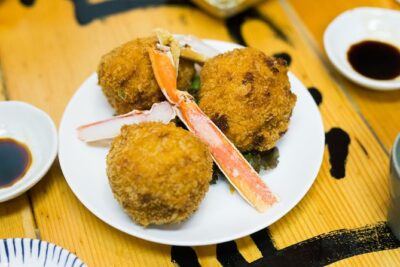
Best of Shinjuku: Izakaya Food Tour (4 Stops, 14+ Tastings)
Read our review →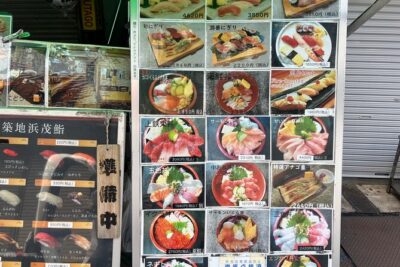

Eat and Drink Like a Local: Tokyo Ueno Food Tour-Taverns&Ramen
Read our review →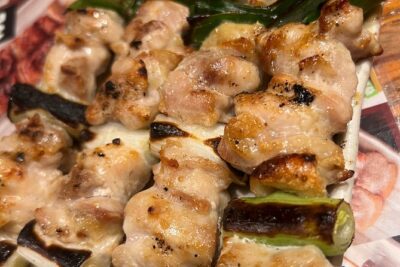
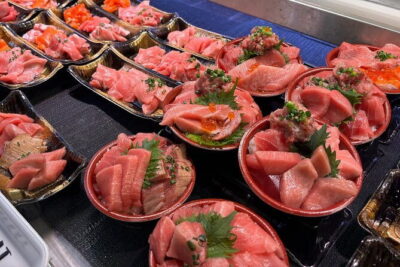
Tsukiji Fish Market: Street Food & Culture Walking Tour
Read our review →Shinjuku Food Tour – 15 Dishes, 3 Drinks, 4 Eateries
Read our review →Browse the lists this tour appears in