
Reviewed · SAPPORO & HOKKAIDO TOURS
Hokkaido: Lake Toya, Bear Ranch and Sapporo Otaru Full Day Tour
This is an easy way to pack serious Hokkaido variety into one full-day loop, from volcanic steam at Noboribetsu to the Otaru canals with red-brick warehouse streets. I love that the day is guided and timed, so you spend your energy seeing things instead of figuring out buses and connections all day. I also like that you get both the big nature sights and a real town stop at the end, not just photo stops from the bus window.
The only real drawback to plan around is the pacing. You get limited time at each stop, so if you want long hangs, extra shopping time, or a slow meal, you might feel a bit rushed.
Key highlights worth your attention
- Yellow Gogoday flag meeting point, plus clear guidance to arrive 15 minutes early
- Multilingual guide service (English, Japanese, Chinese) and strong on-the-spot tips from guides like Sophia, Rii, and Jay
- Showa Shinzan facts you can actually use, including that it’s active and was formed after the 1943 earthquake
- Bear Ranch is a separate $6 ticket, so budget for it and plan what you want to do at the site
- Otaru free time is real, with the canal area and red-brick Meiji-era warehouse streets as the main draw
- Long bus days with seasonal weather, and the tour has still run on schedule even during heavy snowfall
A one-day route through volcano steam, bears, and Otaru canals
If you want a Hokkaido “greatest hits” day without over-planning, this tour is built for that. You start in Sapporo and end back there, covering three distinct moods in roughly 10 hours: heat and sulfur at Noboribetsu, volcanic scenery around Lake Toya and Showa Shinzan, and then the calmer, strollable canal lanes of Otaru.
What makes it work is the sequencing. You hit Noboribetsu earlier in the day, when crowds are usually more manageable and you still have daylight for photos. Then you move to Lake Toya area and Bear Ranch around midday, when you can warm up and make the most of your time at Showa Shinzan. Finally, Otaru lands in late afternoon, which is a good setup for dinner plus a slow canal wander if the group keeps moving at a sensible pace.
One more practical thing I appreciate: you do not just get “sit on a bus and look.” The stops are structured around what you can see and do, and guides tend to give location-level advice like where to go first, how to shorten backtracking, and what to prioritize when time is tight.
Also on the shortlist for Sapporo:
- Sapporo Bar Hopping Food Tour
★ 5.0 · 232 reviews - Hokkaido Seasonal: Lake Toya & Noboribetsu Jigokudani Valley
★ 4.7 · 173 reviews - Sapporo Private Tour with a Local – Highlights & Hidden Gems
★ 5.0 · 91 reviews
Getting there from Sapporo: meet-up, timing, and the bus reality
The day starts at 8:00 AM, and you meet at 3 Chome Kita 7 Jonishi, Kita Ward, Sapporo. Look for the tour guide holding a yellow Gogoday flag, and arrive about 15 minutes early. The guide will help you confirm the booking under your name so you can load up smoothly.
Logistics-wise, expect a guided coach day. The tour includes air-conditioned transportation and pickup and drop-off from designated areas, and the maximum group size is 45 travelers. That’s large enough for variety, small enough that you will usually still feel like you are part of the group instead of lost in a crowd.
Now for the bus reality. Several reviews praise the scenery during the drive, with one person describing it as almost like a scene from a storybook. But there are also complaints about seat condition and general comfort, including reports of broken cup holders and even sharp edges. If you are sensitive to comfort or you travel with mobility gear, bring something simple to cushion a seat, and wear clothing that does not mind bumps. Also keep an eye on how you sit if roads feel icy or slick. One negative review flagged an unsafe-feeling drive, so if you are worried about motion sickness, consider taking that seriously before you board.
Weather is another factor. One review specifically mentions heavy snowfall and says the tour still ran safely and on schedule. Still, dress like you might be outside longer than you planned. Volcanic areas and seaside-ish viewpoints can feel colder, and Otaru canal streets get chilly fast once evening approaches.
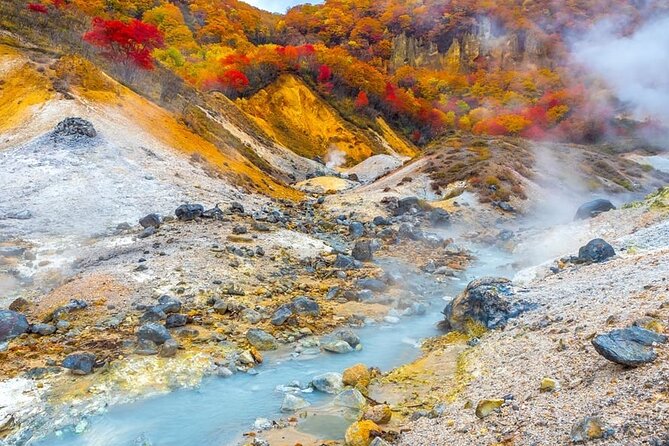
Noboribetsu Hell Valley: a great first hit for volcanic sights
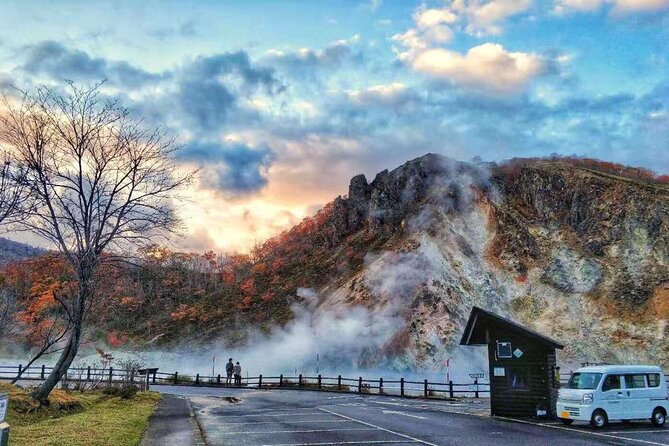
Noboribetsu is usually why people choose Hokkaido in winter and shoulder seasons, and this tour gives it the right “first stop” role. You depart Sapporo around 8:00 AM and reach Noboribetsu at about 9:30 AM, with roughly 60 minutes on site. Admission at this stop is listed as free, which helps the value feel more immediate.
In this area, the big draw is volcanic scenery. You will see the classic Hell Valley experience, along with steaming areas like Oyunuma Pond that create that sulfurous, otherworldly vibe. The key for you is timing and temperature. Go prepared to walk on uneven ground, and keep your camera ready, because steam changes the look of the scene every few minutes. If you want crisp photos, you often need to choose your angle quickly and then wait for steam to drift the way you like.
Because your time here is short, do not plan on trying to “see everything.” Instead, I recommend you pick two priorities: one viewpoint for atmosphere and one spot that matches your photo style. If you keep moving smartly, you will come away with photos and context without feeling like you hurried through your own vacation.
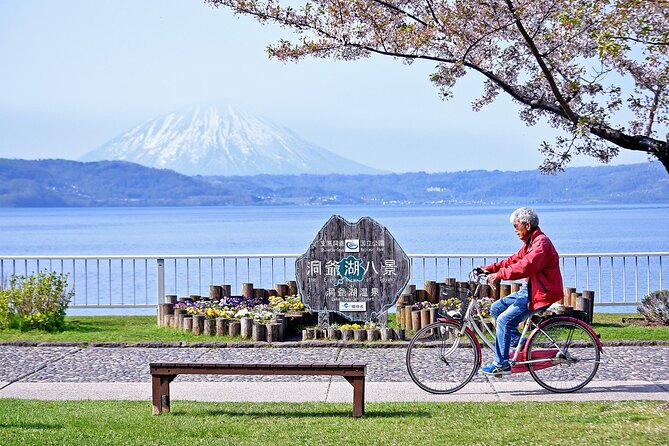
Lake Toya area: Showa Shinzan’s smoking peak and why Bear Ranch needs planning
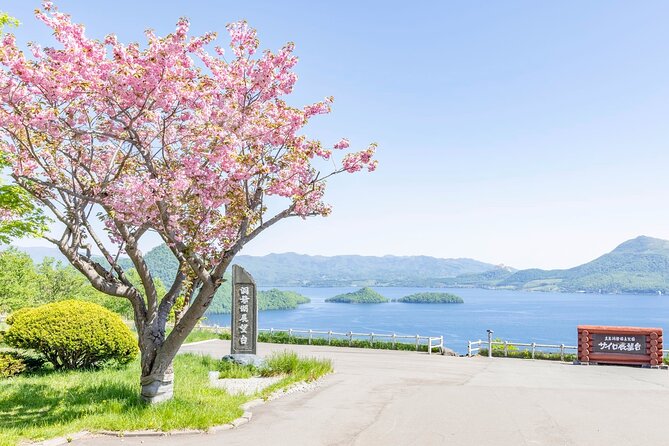
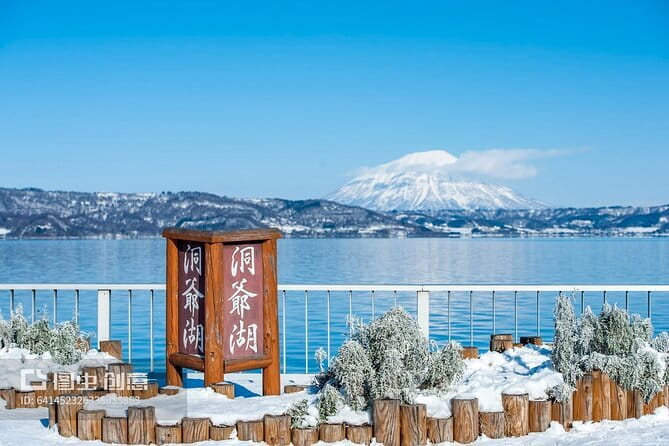
After Noboribetsu, you head to the Lake Toya area around 12:00 PM. This is where the tour shifts from hot steam to a broader volcanic panorama, plus a very human-scale experience at the end of the day’s nature portion.
Your stop here is about 2 hours, and admission at this stop is not included. That matters most because Bear Ranch is a separate ticket costing $6 per person. If you are traveling with kids, or if you know you really want the bear interaction, treat the Bear Ranch portion as the “must-do” and do not leave it for last minute.
A change of pace from Sapporo:
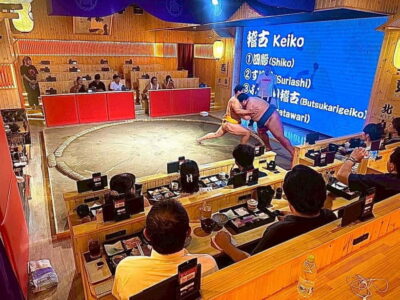
- Sapporo: Sumo Show Experience with Japanese food & Photo
★ 4.9 · 81 reviews - Popular in SapporoExperience authentic hand-made soba at a real soba shop!
★ 5.0 · 77 reviews - Mondo’s most popular plan! Experience making soba noodles and the king of Japanese cuisine, tempura, in Sapporo!
★ 5.0 · 71 reviews - 【Private Car】Asahiyama Zoo, Blue Pond, Shirahige Falls, Ningle Terrace (from Sapporo)
★ 5.0 · 60 reviews
Showa Shinzan: what to notice besides the scenery
Showa Shinzan is a volcanic wonder that forms the “wow” centerpiece of this stop. It was formed after a strong earthquake in 1943, and it’s listed at 398 meters. The mountain remains active and you can see white smoke rising.
This is one of those places where having a guide actually improves your visit. You are not just looking at a smoking mountain, you’re learning what happened, why the shape is dramatic, and why it still matters today. When a guide keeps the story clear, the hike from spot to spot feels purposeful instead of random.
Bear Ranch: the ticket and the practical timing issue
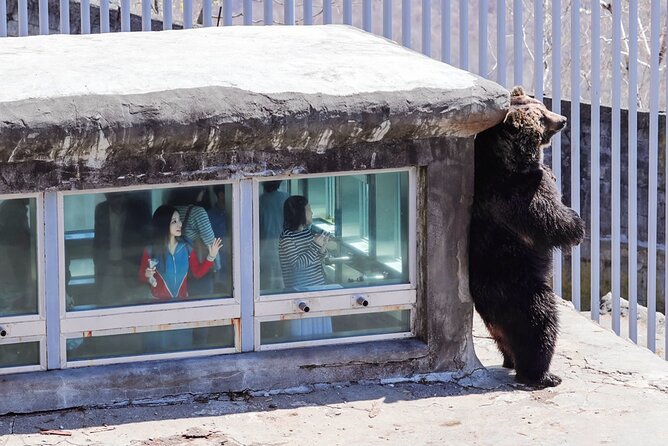
The Bear Ranch experience is the warm, playful contrast to volcanic steam. You get to see Hokkaido’s native brown bears. The ticket is not included, so you pay $6 per person on top of the tour price.
What you should know in advance: the bear ranch area can be popular, and there is often a restaurant component where seating can fill up. One review highlighted that the restaurant fills up, so if you want food, plan to go when you first arrive rather than assuming you can browse for long and still eat. Even if you are not eating, you may still want to prioritize where you stand and how you move so you do not miss the most active moments.
Also wear comfortable shoes. One review specifically called that out, and it makes sense because you will be walking on paths and around viewing areas. If you go in winter conditions, give your feet extra support because traction can be variable.
Otaru in late afternoon: canals, red-brick streets, and dinner timing
You arrive in Otaru at about 4:30 PM, with approximately 90 minutes for free time, including time for dinner. Admission is listed as free for this segment, but the value is in how Otaru is structured: you get time to stroll, pick food, and do your own thing without constantly checking a schedule.
The main pull here is the canal area and the surrounding architecture. Expect to see Otaru’s canals lined with red-brick warehouses from the Meiji era. It creates that European-feeling street vibe that many people love, especially when you pair the brick buildings with the moving water and winter light.
How to make the most of 90 minutes
Ninety minutes sounds like a lot until you are standing in a line for snacks, taking photos, and deciding where to eat. I suggest you do this math when you step off the bus:
- Decide your dinner area fast, then head to the canal for photos.
- If you want a canal walk plus a meal, keep the canal loop simple.
- If you are traveling with kids, be honest with yourself about energy. You might need shorter walking loops and easier snack stops.
A recurring theme in feedback is that Otaru can get busy, so your group time matters. When guides are good at pacing, you feel it here most. Guides like Sophia were praised for managing time precisely, and that kind of skill is what helps you fit canal time plus dinner without ending up with only one of the two.
Value and what your $85.66 actually buys you

At $85.66 per person, this tour price is less about paying for a single attraction and more about buying convenience plus guided structure.
Here’s what you are getting for the money:
- A multilingual guide in English, Japanese, and Chinese
- Air-conditioned group transport between major stops
- Pickup and drop-off from designated areas
- Fees and taxes included
- A route that stacks multiple big Hokkaido experiences in one day
The trade-off is that you do not get unlimited time at each location, and you still need to pay for items not included, especially Bear Ranch ($6) and your own food and drinks.
In my view, it becomes good value if you fit the tour’s style: you want a planned day, you like having someone help you prioritize, and you are okay with “see the key sights” rather than “linger in every corner.”
It’s less of a bargain if you prefer slow travel, you are very picky about comfort, or you dislike any kind of time pressure. Then you might be happier doing a more flexible self-guided plan and spending your money on fewer, longer stays.
Who this tour suits best, and who should think twice
This tour is a strong match for:
- First-time visitors to Hokkaido who want a lot of variety without planning every leg
- Families who can handle a long day, enjoy bears, and like guided stops
- People who appreciate interpretive commentary, especially when it’s delivered well in multiple languages
- Anyone who likes getting practical tips on the ground, including where to go first and how to manage stop time
It may not fit as well if:
- You hate tight schedules. Some feedback points out that stop times can feel too short to do what the guide suggests at each place.
- You are extremely sensitive to bus comfort. There are complaints about seat condition, and one review described a driving experience that felt unsafe. That may not happen to every group, but it’s a real signal for comfort-minded travelers.
- You want a lot of interaction. Most guides seem engaged, but at least one review said the guide felt impersonal.
One small but important practical tip: bring some cash for small purchases if you can. One unhappy review called out issues with cash-only spots. You might still be fine using cards in many places, but having yen helps you avoid awkward pauses.
Tips to make the day smoother, especially in winter
Based on what works in this kind of itinerary, you’ll be happiest if you prepare for cold and tight timing.
Wear:
- Comfortable shoes with solid grip
- Warm layers, because you will be outside at volcanic sites and around water in Otaru
- Simple outerwear you can manage if you get steam mist or if snow picks up later
Bring:
- A small snack or drink plan for stretches where you are walking before lunch and before dinner
- A bit of cash in case you hit a cash-only purchase point
- A light umbrella or rain cover, since weather can change and steam areas can feel damp
And mentally plan for:
- A “choose your priority” approach at each stop. You will enjoy the highlights more than trying to do everything on the spot.
Should you book this Hokkaido full day tour?
If you want a guided, one-day sampler of Noboribetsu Hell Valley, Lake Toya and Showa Shinzan, Bear Ranch, and Otaru canals, this is worth serious consideration. The strongest signal in feedback is consistent praise for guide quality, including named examples like Sophia, Rii, Jay, Shirley, and XiXi, with people highlighting clear pacing and helpful recommendations. The other big positive is that even in snow, the tour seems to keep to schedule.
I’d book it if your ideal day looks like: see the big sights, walk around with a plan, eat when you get your window, and then come back to Sapporo without stress.
I would think twice if your comfort standards are high for bus seating, you dislike time pressure, or you are planning to squeeze in another activity right after the tour. The itinerary notes that traffic can push the return later than expected, so plan your evening with breathing room.
FAQ
How long is the Hokkaido: Lake Toya, Bear Ranch and Sapporo Otaru Full Day Tour?
It runs about 10 hours, starting at 8:00 AM and returning around 6:00 PM. Weekend and holiday traffic may delay the return past 9:00 PM.
Where do I meet the tour?
Meet at 3 Chome Kita 7 Jonishi, Kita Ward, Sapporo, Hokkaido 060-0807, Japan. The guide holds a yellow Gogoday flag, and you should arrive about 15 minutes early.
What is included in the tour price?
The price includes a multilingual guide (English, Japanese, Chinese), transportation by air-conditioned vehicle, pickup and drop-off from designated areas, and all fees and taxes.
What is not included?
Food and drinks are not included. Also, the Bear Ranch ticket costs $6.00 per person.
Do I need to pay for Noboribetsu admission?
The Noboribetsu stop lists admission as free (ticket free).
How much time do I get in Otaru?
You arrive around 4:30 PM and have about 90 minutes of free time for dinner and exploring.
How big is the group?
The tour has a maximum of 45 travelers.
Do I get a mobile ticket?
Yes. The tour includes a mobile ticket.
Latest write-ups near Sapporo
- Private Japanese Cooking Class in Sapporo with Local Host Kanae★ 5.0 · 20 reviews
- Authentic Sapporo: Nijo Market Seafood Lunch & History Tour★ 4.8 · 20 reviews
- Hokkaido, Sappro, Otaru & Cape Kamui One-day Tour★ 4.4 · 21 reviews
- [Otaru & Yoichi] Let’s go to Otaru Canal, Sakaimachi Street, Music Box Hall, and Yoichi Nikka Whiskey by private car (arriving and departing from Sapporo)★ 5.0 · 21 reviews
- Sapporo: Custom Highlights and Hidden Gems Tour with a Local★ 4.9 · 21 reviews
- Full Day Indigenous Ainu of Hokkaido and Jozankei★ 5.0 · 25 reviews
- Sapporo: The Indigenous Ainu People & Jozankei walking tour★ 4.9 · 25 reviews
- Sapporo Winter : Asahiyama Zoo (Penguin Fun & Snowmobile)★ 5.0 · 28 reviews
Sapporo & Hokkaido Tours, compared.

Hokkaido Seasonal: Lake Toya & Noboribetsu Jigokudani Valley
Read our review →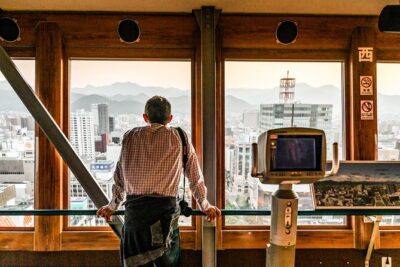
Sapporo Private Tour with a Local – Highlights & Hidden Gems
Read our review →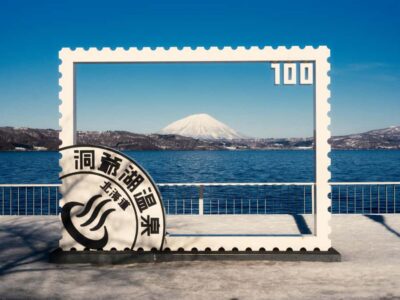
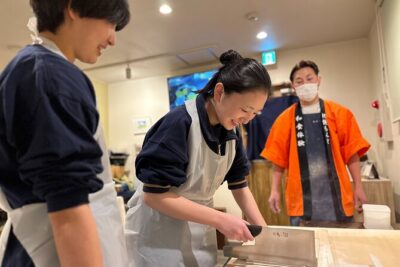
Popular in SapporoExperience authentic hand-made soba at a real soba shop!
Read our review →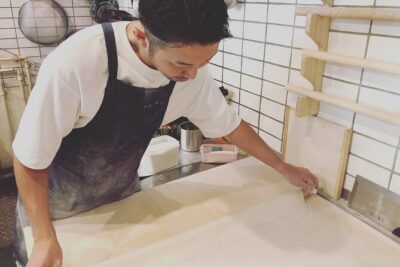
Mondo’s most popular plan! Experience making soba noodles and the king of Japanese cuisine, tempura, in Sapporo!
Read our review →
【Private Car】Asahiyama Zoo, Blue Pond, Shirahige Falls, Ningle Terrace (from Sapporo)
Read our review →Browse the lists this tour appears in