
Reviewed · HAKONE TOURS
Hakone 6 hour Private Tour with Government-Licensed Guide
Hakone is one of Japan’s easiest places to get wowed, because you can stack views, hot-spring culture, and art in one day. This private, licensed guide setup is interesting because it’s built around your choices, not a fixed bus-style route. I particularly like the customizable plan (pick 3 to 4 places), and I also like how the guide helps you pace it so you are not stuck in line after line for the wrong things. The main drawback to consider is that it is a walking day, so you will want to bring good shoes and accept that timing can get tight if you pick multiple sites far apart.
My other favorite part is the human factor: you are with an English-speaking guide who can explain what you are looking at and adjust on the fly. In the past, I’ve seen guide names like Yumi, Hiro, Kumiko, Kate, and Sho come up with themes like friendly conversation, smart routing, and proactive problem-solving when the weather messes with ropeway plans. One more reality check, though, is that most major paid sights (ropeway, museums, Owakudani activities) are not included, so you should budget for those once you lock in your stops.
What You’ll Like Most in This Hakone Private Tour
- Pick 3 to 4 places so your day matches your interests, not someone else’s itinerary
- Multiple morning start times so you can work around your Hakone plan
- Licensed local English guide who can explain the history and practical details as you move
- Crowd reduction by design, you move on your own pace within a private group
- Weather-aware flexibility, especially around ropeway timing when winds hit
Why Hakone Works Best With a 6-Hour Private Plan
Hakone can feel like a choose-your-own-adventure, because you are dealing with volcano valleys, lake views, museums, and temple stops all in one compact area. A full day on your own is doable, but it’s also easy to waste time on the wrong transport connections or to misunderstand which areas connect smoothly. With a private walking format, the value is that you are getting a plan that is tailored to how you want to spend your time.
You also get something that group tours often cannot: pacing. If you want to linger by the water at Lake Ashinoko, your guide can build that in. If art museums are your thing, you can swap in museums like the Hakone Open-Air Museum or one of the private collections. The best version of this day feels like you are moving through Hakone like a local would, with just enough structure to keep it stress-free.
One important thing: this is not a private vehicle tour. It is designed around walking and public transportation, with the guide meeting you on foot within a designated area. That is good news if you like exploring up close, but it does mean your feet are part of the itinerary.
Also on the shortlist for Hakone:
- Custom Private Tour in Hakone with a Certified Local Guide
★ 5.0 · 91 reviews - Hike Japan Heritage Hakone Hachiri with certified mountain guide
★ 5.0 · 46 reviews - Hakone: Day Tour to View Mt Fuji & Wooden Culture Experience
★ 5.0 · 23 reviews
Price and What It Really Buys You at $175.76 Per Person
The listed price is $175.76 per person for about 6 hours, and that includes a licensed local English-speaking guide and help selecting your 3 to 4 sites. In other words, you are paying for guidance and time saved, not for everything you touch.
Here is what the price does and does not cover:
- Included: the guide, meeting on foot in Hakone, and the customized pick of 3 to 4 places
- Not included: transportation fees, entrance fees, lunch, personal expenses
- Not included: a Hakone Freepass (so you will decide if it fits your plan)
- Not included: the private vehicle piece (so you are doing the walking and transit part yourself)
This is where the math gets personal. If you pick mostly free stops, the guide portion becomes the real value. If you pick several paid attractions, the overall cost climbs, but you might still find it worth it because you are paying for smooth timing and decision-making.
If you want the best value, choose stops that match how you naturally move. For example, if you are drawn to the volcanic core and geothermal views, you can build your day around Owakudani and nearby stops. If you care more about art and gardens, stack art museums and temple or botanical areas into a tighter route. Your guide can help you avoid inefficient backtracking.
Meeting, Morning Options, and the Walking Reality
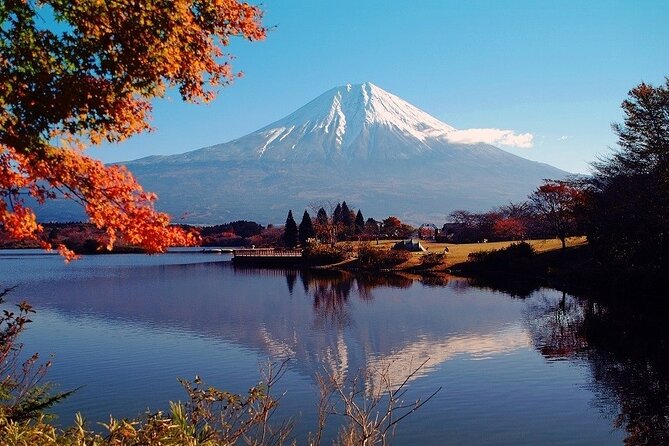
You get to choose a morning start time, which matters in Hakone. Mornings can mean calmer crowds and better odds for clear views, including Mt. Fuji when conditions cooperate.
Pickup is described as being offered, but the key detail is that the guide meets you on foot within a designated area. The tour is private, meaning only your group participates. Also, you will be near public transportation, which helps if you need to hop on buses, trains, or cable systems between chosen stops.
The walking component is a core design feature. It is not a long-distance hike, but you should still plan for a lot of steps. The most common practical advice I’d give you is to wear supportive shoes and carry a small bottle of water. If you bring a daypack, keep it light so you do not feel weighed down while switching between sights.
Also, because Hakone gets crowded, transit can get busy. A strong guide helps you move at the right times, and that can be the difference between a pleasant day and a day spent jostling for seats.
Stop-by-Stop: How to Choose Your 3 to 4 Hakone Favorites
This tour works because you pick your stops. Below is a practical guide to what each option is good for, and what you should think about before you select it.
A change of pace from Hakone:
- Hike Japan Heritage Hakone Hachiri (Half Day)
★ 5.0 · 18 reviews - Odawara Castle and Town Guided Discovery Tour
★ 5.0 · 15 reviews - Hakone Adventure: Explore Nature’s Beauty and Tranquility
★ 4.2 · 14 reviews
Lake Ashinoko (Symbol Views, Easy Starting Point)
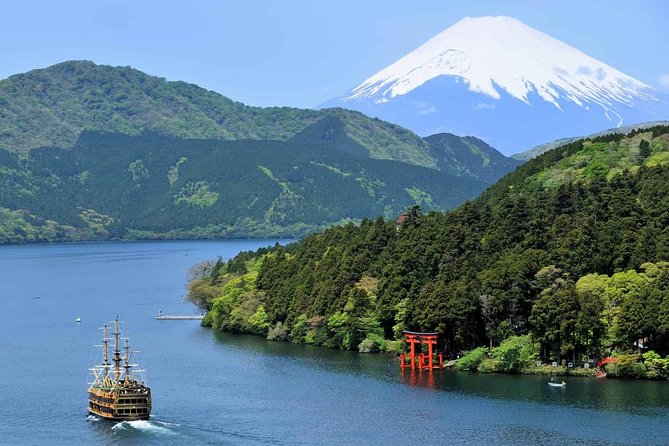
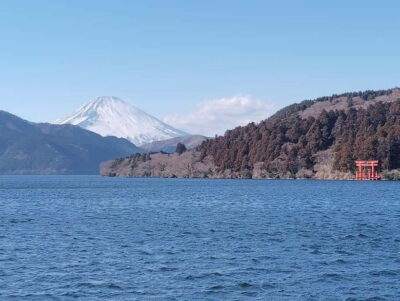
Lake Ashinoko is a lake formed in Hakone’s volcanic caldera, with Mt. Fuji often framed in the background. Even when Fuji clouds roll in, the lake setting still feels like a signature Hakone moment.
Best for: people who want the postcard view without overplanning, and anyone who likes quiet scenery.
What to watch: boat and ropeway conditions can vary with weather. If you want the best shot at Fuji, you might consider starting your day early.
Hakone Shrine (Calm, Historic, and Photo-Friendly)
Hakone-jinja is a tranquil shrine with centuries behind it, and it has been rebuilt after fires in past eras. The grounds around it feel peaceful compared with busier areas.
Best for: culture lovers who want a breather before the more kinetic parts of the day.
What to watch: it is a short stop, so decide whether you want a quick look or a slow stroll around the grounds.
Hakone Ropeway (Great Views, Can Be Weather-Dependent)
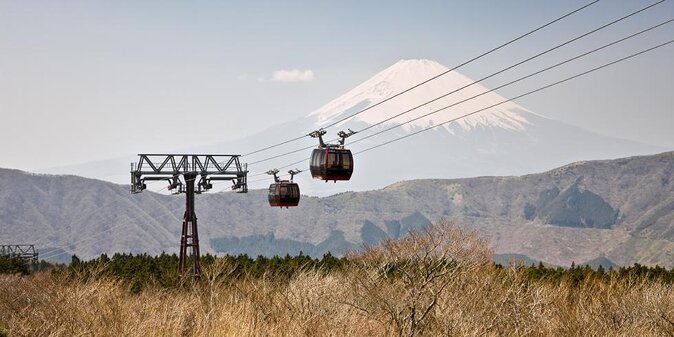
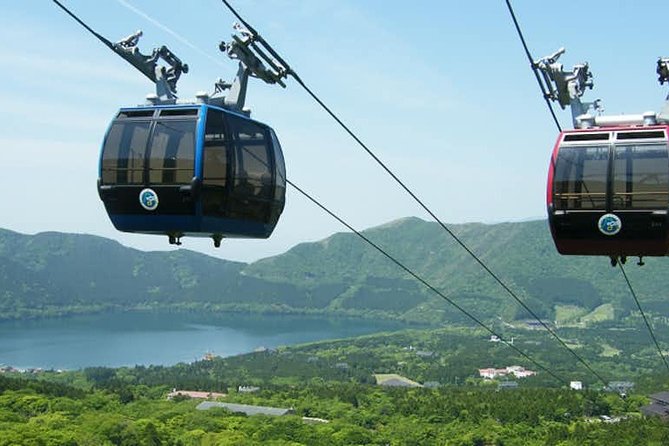
The ropeway is part of the Hakone Round Course, connecting key stations around the valley area. It is a classic way to see the volcanic region from above.
Best for: people who want aerial views and like efficient sightseeing.
What to watch: winds can shut it down. This matters in Hakone more than you might expect, because the region runs on ropeways and boats for certain connections.
The Hakone Open-Air Museum (Art in Nature, Not in a Room)
This is Japan’s first open-air art museum, and it is built to blend art with the surrounding landscape of Hakone. If you love sculpture, outdoor installations, or just wandering slowly with good views, this stop is a strong pick.
Best for: families (with older kids), art lovers, and anyone who wants a break from geothermal intensity.
What to watch: it is not included in admission, so factor in ticket costs if you choose it.
Owaku-dani Valley (Active Volcano Core and Hot-Spring Energy)
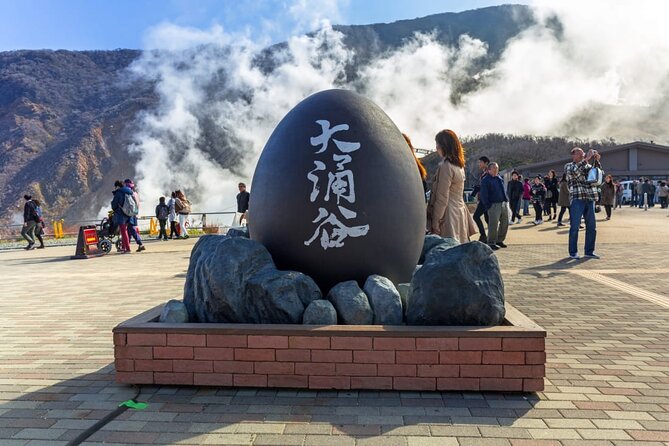
Owaku-dani is an active volcano area connected to local hot springs. You ride up toward observatory viewpoints, learn how the geothermal system powers the region, and you might even try the area’s famous black boiled eggs.
Best for: anyone who wants the volcano in your face and likes learning how the hot springs connect to the earth.
What to watch: ropeway closures can change the plan, and some areas may require advance reservation depending on which path you pick.
POLA Museum of Art (A Private Collection Feel)
The POLA Museum of Art displays a large private collection connected to the POLA group. It is a museum stop that leans more toward art viewing than scenic wandering.
Best for: people who want a museum block in the middle of an outdoor day.
What to watch: admission is not included, and you may want to pick this if you know you want indoor time.
Okada Museum of Art (Another Strong Art Stop Option)
Okada Museum of Art is a private collection covering art from antiquity through modern eras. If you are looking for an art stop with a curated feeling, this is one of the options you can add.
Best for: art-focused days where you are happy spending time indoors.
What to watch: like the other museums, admission is separate.
Sengokuhara (Pampas Grass and Big-Season Scenery)
Sengokuhara is known for pampas grass, most stunning in fall. It is a great option if you want a softer, plant-driven Hakone stop.
Best for: fall timing, nature lovers, and photographers.
What to watch: it is more seasonal, so pick it when it fits your travel month.
Hakone Venetian Glass Museum (Walking Gardens Plus Italian-Style Buildings)
The Hakone Glass no Mori blends a museum and shops inside Italian-styled buildings, with a strolling garden that includes a canal-like pond.
Best for: people who like glass art, plus anyone who enjoys browsing in a pretty setting.
What to watch: admission is not included, so you should treat it as a paid add-on you choose on purpose.
Hakone Museum of Art (A Classic Hakone Museum Stop)
This museum in Gora traces back to Okada Mokichi’s involvement and is often chosen as a dependable art stop.
Best for: travelers who want a museum that fits well into a morning or afternoon block.
What to watch: admission is not included.
Choanji Temple (Quiet Zen Atmosphere)
Choanji Temple is a Soto school Zen Buddhism temple established in the 1300s. It sits in a quieter area at the base of a hill in the Sengokuhara zone.
Best for: anyone who wants a calm temple pause, especially if you are doing geothermal and art later.
What to watch: it is listed as a longer stop (compared to some others), so it can eat time if you also want several paid attractions.
Hakone Shisseikaen Botanical Garden of Wetlands (Short, Nature-Centered Break)
Hakone Shisseikaen is a botanical garden in the highlands focused on preserving plants, with a wetland angle.
Best for: nature lovers who want something low-key and not overly strenuous.
What to watch: it is short listed duration, and admission may be extra.
Gora Park (Gentle Views and a Reset Button)
Gora Park is a western-style landscape park above Gora Station, meant for a relaxing pause and scenic views.
Best for: a break between heavier stops like museums and Owakudani.
What to watch: this is more of a wander and rest stop, so pair it intentionally.
Dollhouse Museum Hakone (Oddball Fun, Small-Time Commitment)
If you like quirky museums, the Dollhouse Museum keeps collections from around the world, including very old pieces. It is a good “change of pace” stop.
Best for: families and anyone who enjoys unusual museums.
What to watch: duration is longer than some other options, so pair it with only 2 or 3 other stops if you want breathing room.
Narukawa Art Museum (Nihonga Painting Focus)
Narukawa Museum of Art focuses on nihonga, Japanese-style painting. If that style appeals to you, this is a meaningful art option.
Best for: people who want Japanese art rather than mixed collections.
What to watch: admission is not included.
Owakudani Nature Research Trail (Closer to Geothermal Activity, But With Requirements)
There is a special walking path through the active volcanic area, with close-up geothermal activity views. The key detail: advance reservation is required, and there is an 800 yen entrance fee.
Best for: you want more than the observatory viewpoints, and you enjoy walking in active areas with guidance.
What to watch: reservation requirements and the extra fee. Also, weather and access matter in an active geothermal zone.
Weather, Ropeway Closures, and How the Day Can Change
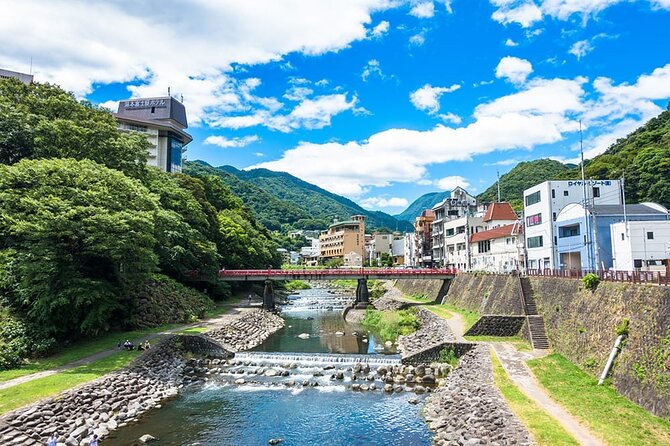
Hakone has a reputation for high drama, mostly because nature controls the schedule. When strong winds shut down ropeways, the plan may shift. In past experiences, guides have handled this by swapping destinations and reorganizing transit so you are not stuck waiting forever in the wrong place.
This is exactly the moment where a good guide earns their keep. They can steer you toward alternatives that still fit your interests, rather than leaving you to figure it out while hungry and frustrated. If you are traveling at a season with more wind or you hate uncertainty, keep your expectations flexible. You might not get every ride, but you can still get a satisfying day.
Mt. Fuji Odds: Planning Around a View You Cannot Force
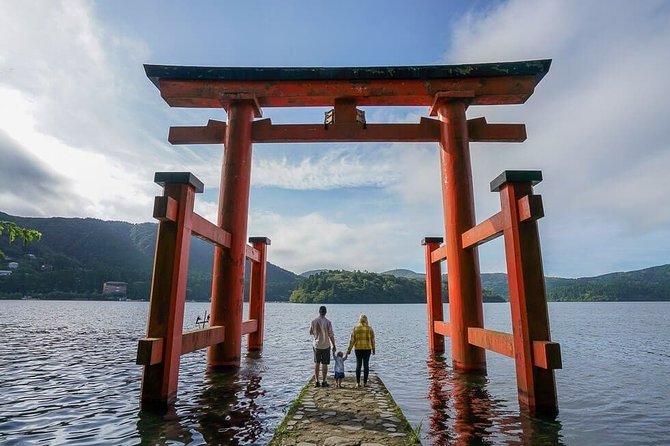
Mt. Fuji is the big lure in Hakone, and sometimes you get it clean and crisp. Other times it is there, but softened by clouds. The realistic approach is to pick a morning start time and know that clouds can change fast.
A smart way to work this into your plan is to anchor your first stop near places where you have a reasonable chance at seeing Fuji when conditions allow. Your guide can also help you decide whether it makes sense to move earlier or later based on your chosen stops.
Choosing What to Do Based on Your Travel Style
If you want an easy decision, use this simple filter.
- Choose a lake and a shrine if you want a calm, classic Hakone day with strong atmosphere.
- Choose ropeway plus Owakudani if your priority is volcano views and geothermal culture.
- Choose two art options (like Open-Air Museum plus one of the private collections) if you want your day to feel like walking through curated creativity.
- Choose one indoor museum and surround it with outdoor scenery if you want a balance between sun and shade.
- Choose Sengokuhara in fall if seasonal views are your thing.
- Choose Owakudani Nature Research Trail if you want the more serious geothermal walk, and you are willing to handle reservation requirements.
This tour works best when you pick stops that actually fit together geographically and thematically. That is where your guide’s planning matters, because Hakone is a place where one wrong choice can send you zig-zagging across town.
Should You Book This Hakone Private Tour?
I think this is a good booking if you meet two conditions. First, you want a day that feels custom, not standardized. Second, you value having someone handle timing, transit flow, and on-the-spot decision-making in a busy tourist hub.
It might not be your best choice if you strongly prefer to travel at your own total pace with zero guidance, or if you hate walking and want everything driven and door-to-door. Also, keep in mind that many of the most famous sights here have separate admission, so your final day cost will depend heavily on which 3 to 4 stops you choose.
If you want a Hakone day where you can go from lake views to shrine calm to volcano energy, and still feel like it was planned for you, then booking this private guide setup is a solid move.
FAQ
Is this a private tour or a group tour?
It is a private tour, meaning only your group participates. You pick 3 to 4 sites from the options in the tour plan.
How long is the Hakone tour?
The tour runs for about 6 hours.
What is included in the tour price?
Included items are the licensed local English-speaking guide, meeting the guide within a designated area on foot, and a customizable tour of 3 to 4 selected sites.
What is not included?
Transportation fees, entrance fees, lunch, and other personal expenses are not included. A private vehicle is also not included.
Are there any paid attractions or transport elements?
Yes. Hakone Ropeway and most museums in the option list are not included, and there are also entrance fees for certain stops.
Do I need to reserve for Owakudani Nature Research Trail?
Yes. The Owakudani Nature Study Path requires advance reservation and has an 800 yen entrance fee.
Latest write-ups near Hakone
- Custom Private Tour in Hakone with a Certified Local Guide★ 5.0 · 91 reviews
- Hakone: Day Tour to View Mt Fuji & Wooden Culture Experience★ 5.0 · 23 reviews
- Hakone Adventure: Explore Nature’s Beauty and Tranquility★ 4.2 · 14 reviews
- Odawara Castle and Town Guided Discovery Tour★ 5.0 · 15 reviews
- Hike Japan Heritage Hakone Hachiri with certified mountain guide★ 5.0 · 46 reviews
- Hike Japan Heritage Hakone Hachiri (Half Day)★ 5.0 · 18 reviews
Hakone Tours, compared.

Custom Private Tour in Hakone with a Certified Local Guide
Read our review →
Hike Japan Heritage Hakone Hachiri with certified mountain guide
Read our review →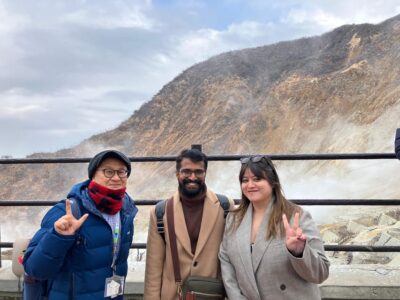
Hakone: Day Tour to View Mt Fuji & Wooden Culture Experience
Read our review →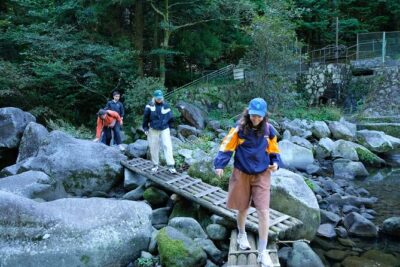

Hakone Adventure: Explore Nature’s Beauty and Tranquility
Read our review →Browse the lists this tour appears in