
Reviewed · ONSEN & HOT SPRINGS
Snowshoeing and Onsen Adventures in a Winter Wonderland -Sapporo.
Sapporo in winter has a special kind of calm, and this snowshoe and onsen day turns that calm into something physical. You start in the city, then trade street noise for quiet snow trekking just outside town.
I really like the small-group size and how it feels personal, not crowded. I also love that you get full support, including gear, lunch, and onsen admission, so you can focus on the day instead of logistics. One thing to consider: it’s a winter outing, so you need to show up properly dressed, and conditions can make “moderate” feel more challenging.
Key things that make this day work in winter
- Maximum group size of 5, so you get real coaching and pacing
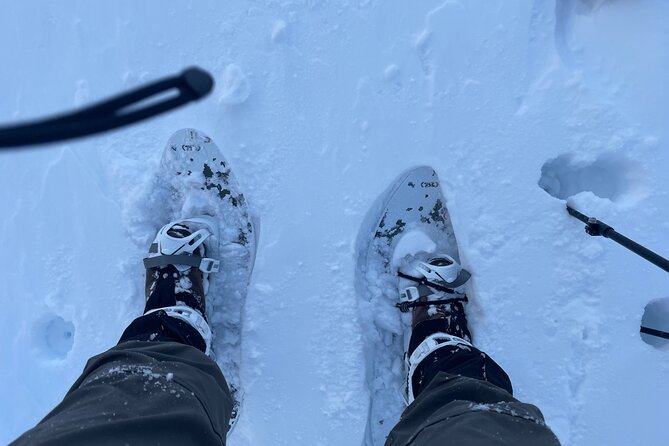
- Snowshoes, trekking poles, and gaiters provided, which saves you a lot of hassle
- Lunch included so you don’t burn out before the onsen
- Onsen admission included to warm up after time in the snow
- Meet at Makomanai Station at 7:30am, then head out by private transport
Why snowshoeing plus an onsen is the perfect Sapporo winter combo
This is one of those Sapporo days that does two jobs at once: you get outside for real winter scenery, then you recover the right way. Snowshoeing asks your body to work, and an onsen is the clean, simple payoff after.
The best part is the rhythm. You trek in the morning, stop for lunch before you get cold and tired, then finish with a soak at Koganeyu Onsen. It’s not just about checking off two activities. It’s about timing your energy so you actually enjoy both.
More Onsen & Hot Springs in Sapporo & Hokkaido:
- From Osaka: Himeji Castle, Arima Onsen & Mt. Rokko Day Tour
★ 4.6 · 339 reviews - Osaka: Nara and Uji Day Trip with Deer Park and Hot Spring
★ 4.4 · 302 reviews - From Tokyo: Private Tour to Fuji/Hakone – Onsen, Art, Nature
★ 5.0 · 116 reviews
The 7:30am Makomanai start, and why the timing matters
You meet at Makomanai Station at 7:30am. From there, you head to the trail area by private transport, around half an hour. That early start matters because winter snow is best when the day is still fresh and the light is nice.
This also helps with comfort. Instead of waiting around in cold weather, you get moving. And since the meeting point is near public transportation, you are not stuck guessing how to reach a remote trailhead.
Plan to treat this like a full morning activity, not a late breakfast kind of outing. It’s about getting into the cold, then warming up on schedule.
Small-group touring, with a coach who keeps you safe and moving
This is capped at a maximum of 5 travelers, and that changes everything. With fewer people, it’s easier to adjust pace, give clear snowwalking tips, and keep an eye on who is struggling.
In the stories from past guests, the guide name Chris comes up a lot, especially for being patient and communicative. That matters on snowshoes. Deep snow can make your footing feel different fast, and beginners tend to relax when someone is directly watching what you are doing.
You also get a safety brief before you set off. That’s not fluff. In winter trekking, small adjustments like how you place your steps and how you handle uphill and downhill snow can prevent the usual slip-and-stall moments.
Gear provided: what you get, and what you still need to bring
The tour covers key winter trekking items: snowshoes, snow trekking poles, and gaiters. Those gaiters are a big deal in snowy conditions because they help keep powder from finding its way up your legs.
What is not provided is equally important: you need to bring cold weather clothing and hiking footwear for cold or snowy conditions. This is one of the biggest value points for you. If you show up underdressed, even a well-run tour will feel miserable.
If you’re trying to decide what to wear, prioritize layers that you can vent or tighten, plus footwear that works on snow and packed ground. Snowshoes can do a lot, but they cannot fix boots that lack traction.
A change of pace from Sapporo & Hokkaido:
- Sapporo Bar Hopping Food Tour
★ 5.0 · 232 reviews - Hokkaido Seasonal: Lake Toya & Noboribetsu Jigokudani Valley
★ 4.7 · 173 reviews - Sapporo Private Tour with a Local – Highlights & Hidden Gems
★ 5.0 · 91 reviews - Sapporo: Hokkaido, Noboribetsu and Lake Toya Day Tour
★ 4.1 · 88 reviews
The Bankei Sanso circuit: what the 5-hour route feels like
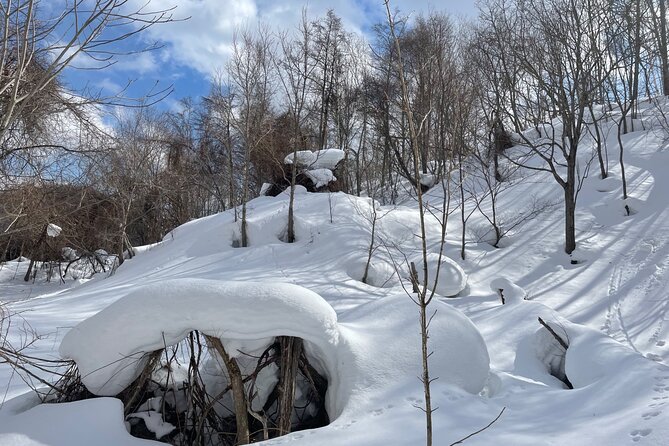
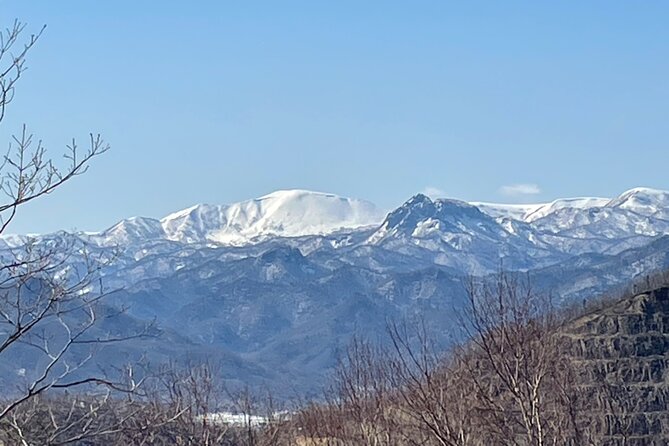
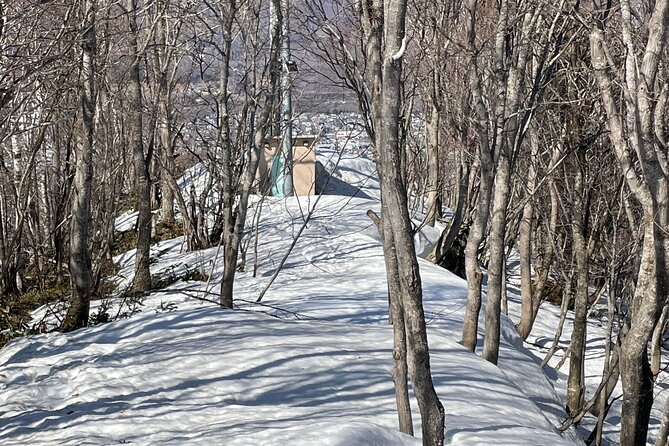
The trekking portion runs about 5 hours total for the day. It’s described as a circuit starting from the trail area connected with Bankei Sanso, with equipment prep, a safety briefing, then a loop trek that includes a lunch stop.
Difficulty is listed as 4/10. That number is helpful, but snowshoeing has its own “honest math.” Even when the route is not extreme, deep snow can make every step heavier. One guest experience noted they found it tougher than expected and did not make it as far as the highest point, but still enjoyed the day.
So here is the practical way to think about it:
- If you can walk steadily for a few hours and you are okay with winter footing, this is doable.
- If you expect a light stroll, you might find the snow and slopes add effort.
You’ll likely get quiet stretches too. One review described feeling like they saw just a couple people early, then a lot of solitude in the snow forest. In winter, that feeling of space is part of why snowshoeing hits so hard.
Lunch stop: fuel that keeps the onsen fun instead of stressful
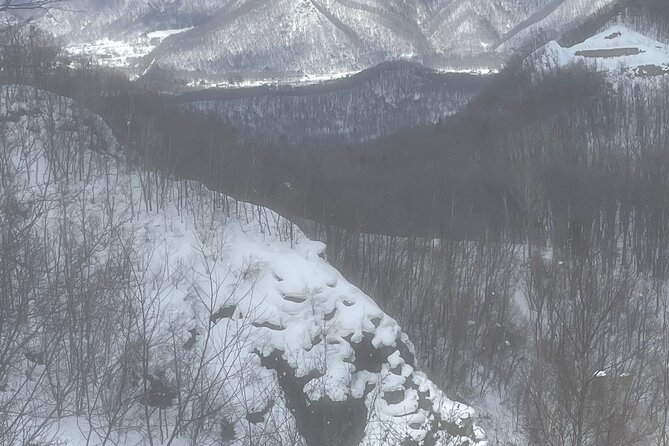
Lunch is included, and it’s timed so you don’t hit the onsen drained. After a morning in snow, eating warm food is not optional. It’s the difference between relaxing at the bath and sitting there thinking about your next nap.
From the experiences shared, the lunch stop includes warm food such as curry, sometimes with hot cocoa. That fits the reality of cold trekking. You want something filling, hot, and not fussy to eat outside.
Also, the lunch stop gives you a mental reset. Snowshoeing can get repetitive in a good way, but after a while you focus on one step at a time. Lunch helps you come back refreshed and ready for the final stretch.
Koganeyu Onsen after snow: why the ending hits so well
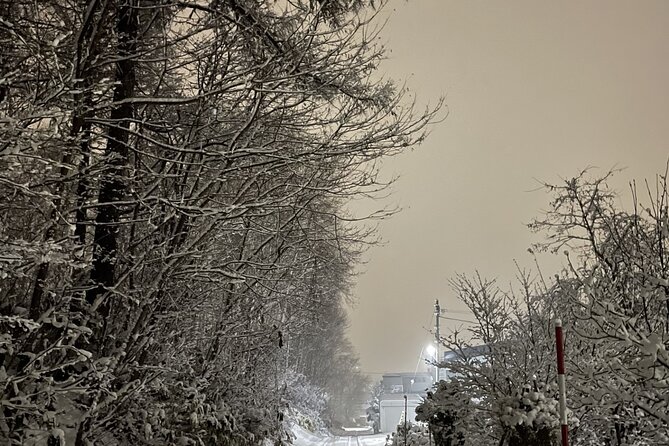
You finish with onsen time and onsen admission is included. This is the part many people remember most, because the soak is instant recovery. Your legs cool down, your muscles loosen, and you go from cold and stiff to warm and human again.
One key detail from past guests: etiquette guidance is part of the experience. That reduces stress for first-timers, especially if you are new to onsen culture or you are unsure what to do at the bathing area.
The setting can also be a big part of the payoff. A review mentioned a view from the soak over a lake. Even if your exact view depends on the specific bath and season, the basic idea stays the same. After snow trekking, a scenic onsen feels earned.
Price and value: what $224.02 buys you in real-world terms
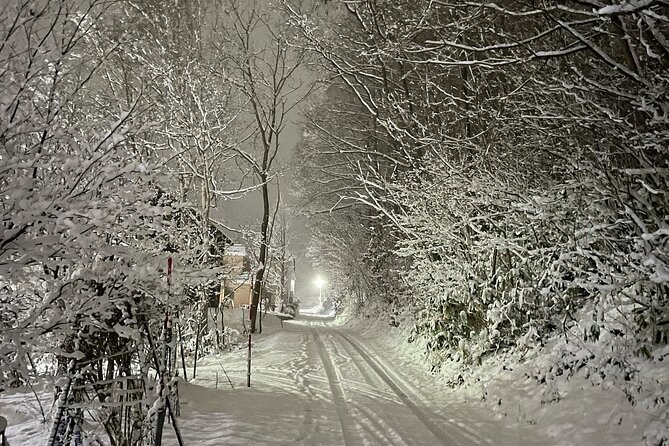
At about $224.02 per person, you are paying for more than a snow walk. You are paying for a complete winter day package that would otherwise be expensive and annoying to assemble yourself.
Here is what that price realistically covers, based on what you are given:
- Guided snowshoeing with small-group support (max 5)
- Pickup and private transport from the Makomanai area to the trail
- Snowshoes, poles, and gaiters
- Lunch
- Onsen admission at the end
If you were to rent snow gear, find a guide, arrange transport, buy lunch, and pay an onsen ticket yourself, the total often starts stacking quickly. This tour’s value is that it bundles those pieces into one smooth plan.
Is it cheap? No. But it’s not overpriced when you compare what you actually get: guidance, gear, warmth, and a proper winter recovery finish.
Who this tour suits best, and who should think twice
This is a great fit if you want a real winter experience without needing to be a trail expert. It’s listed as suitable for most travelers, and past guests included people trying snowshoeing for the first time. The guide’s patience and safety focus also makes it feel welcoming.
You should think twice if:
- You are very sensitive to cold, because you spend real time outdoors.
- You do not have the right snowy footwear.
- You expect an easy stroll the whole way. Snowshoe routes can feel tougher than their numeric rating.
It’s also a good choice for anyone who wants “nature time” near Sapporo. You get out of town without taking on the stress of planning your own winter transport and trail logistics.
The one planning tip that makes or breaks your day
Show up ready for winter. The tour provides important gear, but you supply the cold-weather clothing and footwear. I would rather you slightly overdress than underdress.
Also, lean into the guide’s pace. A bunch of past guests praised Chris for tailoring the hike to fitness and weather. If you try to muscle through at your own speed, you’ll miss the point. Snowshoeing feels better when you move like you belong out there.
Should you book this snowshoeing and onsen day from Sapporo?
Yes, I think you should book it if your idea of a perfect Sapporo winter day includes three things: a small group experience, real time in snowy nature, and an onsen soak that feels like part of the plan.
If you want an action-packed day that ends warm, this fits. If you want a chill, low-effort walk, look closely at the cold conditions and know that snowshoes add effort even on moderate routes. For most people who can walk, it’s a strong value because you get the full package, not just a “guide and good luck” situation.
And if you are lucky with weather, the day can feel like a full reset from city life.
FAQ
Where is the meeting point?
You meet at Makomanai Station in Sapporo, Hokkaido, Japan.
What time does the tour start?
The start time is 7:30am.
How long is the experience?
It runs for about 5 hours.
How many people are in the group?
This tour has a maximum group size of 5 travelers.
What is included in the price?
It includes snowshoes, snow trekking poles, gaiters, lunch, and onsen admission fees.
What should I bring?
Bring cold weather clothing and hiking footwear for cold or snowy conditions, since these are not included.
Is pickup available?
Yes, pickup is offered.
What onsen do you visit?
The onsen stop listed is Koganeyu Onsen.
What happens if weather is poor?
This experience requires good weather. If it is canceled due to poor weather, you will be offered a different date or a full refund.
Latest write-ups near Sapporo & Hokkaido
- Popular in SapporoExperience authentic hand-made soba at a real soba shop!★ 5.0 · 77 reviews
- Sapporo: Sumo Show Experience with Japanese food & Photo★ 4.9 · 81 reviews
- Sapporo: Hokkaido, Noboribetsu and Lake Toya Day Tour★ 4.1 · 88 reviews
- Hokkaido Seasonal: Lake Toya & Noboribetsu Jigokudani Valley★ 4.7 · 173 reviews
- Sapporo Bar Hopping Food Tour★ 5.0 · 232 reviews
- From Sapporo: Hokkaido Highlights Day Trip★ 4.6 · 56 reviews
- One Day Highlights Tour of Sapporo★ 5.0 · 41 reviews
- Sapporo: Otaru Asarigawa Ski Resort Day Trip with Gear★ 4.9 · 27 reviews
Onsen & Hot Springs, compared.
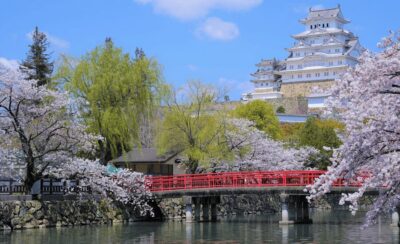
Himeji Castle, Arima Onsen & Mt. Rokko Day Tour
Read our review →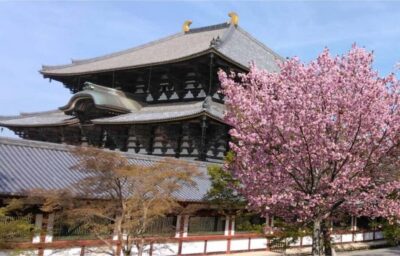
Nara and Uji Day Trip with Deer Park and Hot Spring
Read our review →
Private Tour to Fuji/Hakone – Onsen, Art, Nature
Read our review →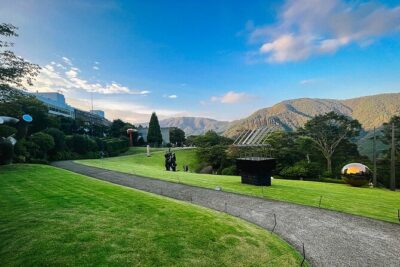
Mt. Fuji, Hakone Private Tour from Tokyo – Onsen, Arts and Nature
Read our review →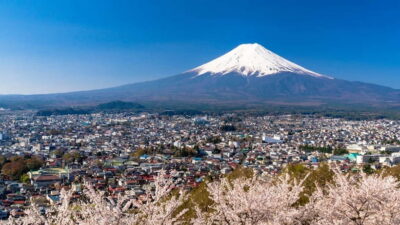
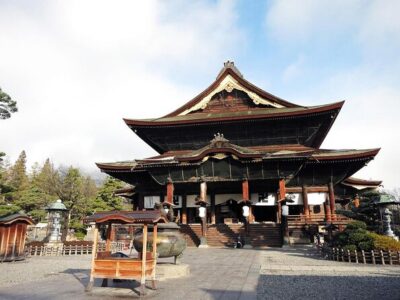
Private Nagano 1-Day Tour:Snow Monkeys,Zenko-ji,Obuse,Sake,Onsen
Read our review →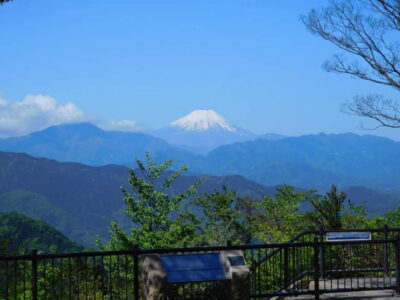
Mt Takao Tour with Ramen and Tattoo-Okay Hot Spring
Read our review →Browse the lists this tour appears in