
Reviewed · MT FUJI TOURS
Full Day Tour to Mount Fuji in Spanish
This Mount Fuji day tour feels like a guided day with friends, not a rushed checklist. You get Spanish explanations from the guiding team, including Dario and Tito, with Min sometimes helping out, and the focus stays on culture plus views across Shizuoka Prefecture. I like that it is built around Mt. Fuji area stories, from volcanic sites to shrines, while keeping the pace friendly.
My other big win: the route is designed to respond to the day you actually get. Depending on weather and daylight, the itinerary can shift so you spend your limited time where the conditions are best, and the group stays small with a maximum of 9 travelers. One drawback to plan for up front: there is no view guarantee, since this is a weather-dependent day in the Fuji region.
Key things that make this tour worth your time
- Spanish guidance with real local context, shared by Dario and Tito (with Min noted as part of the team)
- Small-group pace (max 9) that keeps questions and photo stops from feeling chaotic
- Weather-smart scheduling, with route choices adjusting to daylight hours
- A classic Mt. Fuji circuit, mixing waterfalls, lakes, shrines, and viewpoints
- Volcano geology in the day, including Fugaku Wind Cave with an included ticket
- Respectful stop at Aokigahara Forest, framed as a place with heavy stories
Starting in Mishima at 8:00 am, then staying on the move
The day begins at 8:00 am at the Tokai Bus Mishima Information Office in Mishima. The meeting point is near public transportation, which matters in a country where trains and buses can be easier than taxis, especially when you need to be punctual.
Expect a 10 to 11 hour full-day program, and then you return back to the same meeting point. That round-trip setup is convenient if you do not want to plan multiple buses or worry about timing between sites.
One thing I always check with tours like this is whether the hours feel squeezed. Here, each stop is timed in a way that gives you real time to walk, look, and reset your eyes between viewpoints. You are not just sprinting from one postcard to the next.
More Mt Fuji days:
- Shizuoka/Shimizu Mt Fuji View 6 hr Private Tour: Guide Only
★ 5.0 · 80 reviews - Mount Fuji Full-Day Private Tour from Shimizu Port (Customizable)
★ 5.0 · 23 reviews - Mt Fuji and Hakone 1-Day Bus Tour Return by Bullet Train
★ 5.0 · 26,383 reviews
Spanish guide team: Dario, Tito, and Min set the tone
The biggest value in this experience is not only where you go, it is how you understand it while you are there. The tour is explicitly run in Spanish, and the guiding approach is very human: the style described is basically an excursion among friends, with laughter and a relaxed learning rhythm.
You will hear deep, on-the-ground cultural and religious context. Dario and Tito are highlighted in the feedback, and Min is also mentioned as part of the team. The practical result: you are not stuck reading signs, and you are not left guessing what you are looking at.
I also like that the explanations are paced. The goal is to keep it interesting without turning every stop into a lecture. When the guide keeps the information focused, the day feels lighter even when it is long.
Weather and daylight decide what you see, and that is okay
This is a tour that depends on good conditions. Mount Fuji can disappear behind clouds, and the guide knows that. The itinerary can be adjusted based on weather and daylight hours, which is important because you only have one shot at a full day.
The practical takeaway: go with a flexible mindset. Your day is still full even if visibility changes. You are not paying for a single mountain photo, you are buying a structured Mount Fuji area day that includes culture stops, lake time, and volcanic geology.
If conditions are bad enough to cancel, the policy is to offer a different date or a full refund. Either way, you are not stuck with a wasted ticket when weather shuts the show.
Stop 1: Shiraito Falls, where Fuji’s volcanic past shows in water
You start with Shiraito Falls, a waterfall formed by past eruptions of Mount Fuji. The details here matter: the falls have that signature look, and the water is described as crystal clear coming from the Fuji and surrounding mountain area.
You get about 30 minutes and free admission. That means you can slow down, watch the water texture, and then move on without feeling like you missed something.
Why this stop is worth it: it connects the mountain to something you can actually see up close. Instead of only thinking about Fuji as a distant peak, you start with the physical effects of volcanic activity.
Stop 2: Motosuko Lake, a view tied to the Japanese 1,000-yen bill
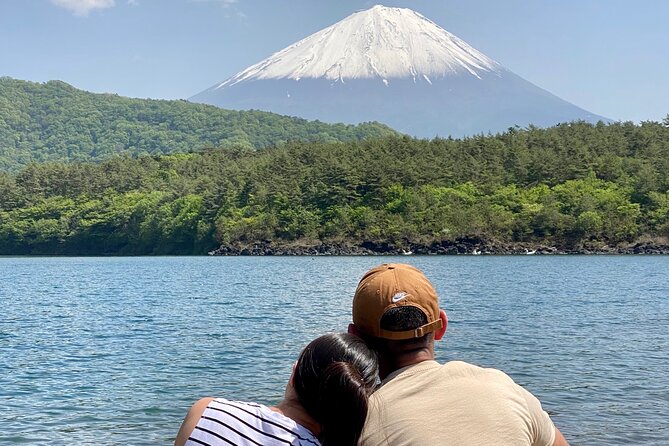
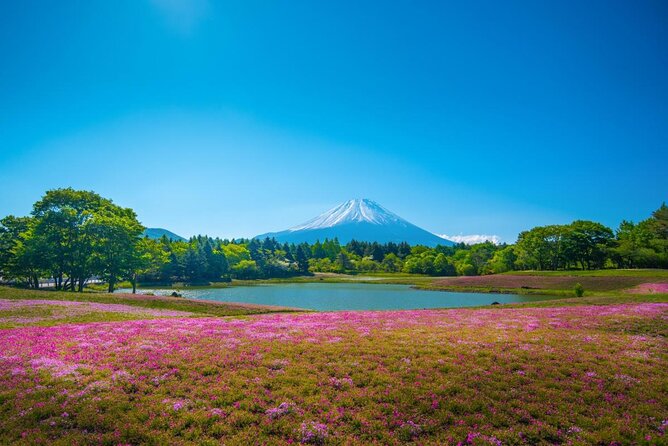
Next is Motosuko Lake. This stop comes with a fun, specific detail: the landscape here is the kind that appears on the back of the ¥1,000 bills. That is a quick way to anchor the place in pop culture, even if you are not a “bill collector” type.
You get 30 minutes and free admission. With a short stop like this, I treat it as a photo window and a mental reset. You can frame the lake against Fuji if the mountain shows, and if it does not, you still get the calm feel of the Fuji lake region.
Stop 3: Saiko Iyashi no Sato Nemba, a rebuilt ancestral town
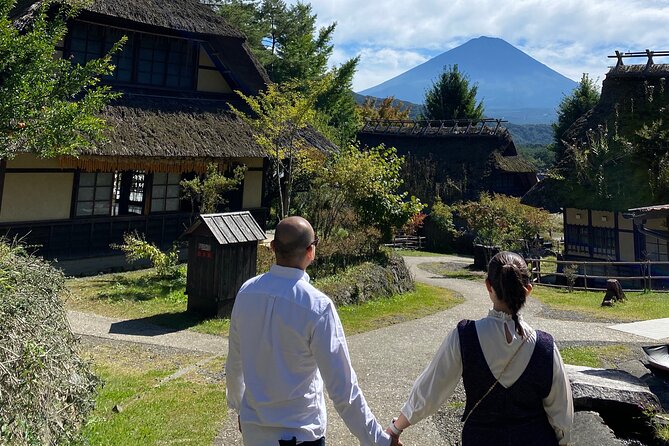
Then you head to Saiko Iyashi no Sato Nemba, an ancestral town called Iyashi no Sato, located between the mountains. The description focuses on two things: it was destroyed, and then after decades it was rebuilt.
You get about 1 hour, with admission included. For many people, this is where the day shifts from “views only” into “Japan you can walk through.” You can connect the lake area back to daily life and how communities recover after major events.
The drawback to keep in mind: if you are not into heritage villages, this stop might feel slower than the lakes and viewpoints. Still, it gives you a different kind of understanding of the region than just standing and looking.
Stop 4: Saiko Lake, a film location beside Aokigahara Forest
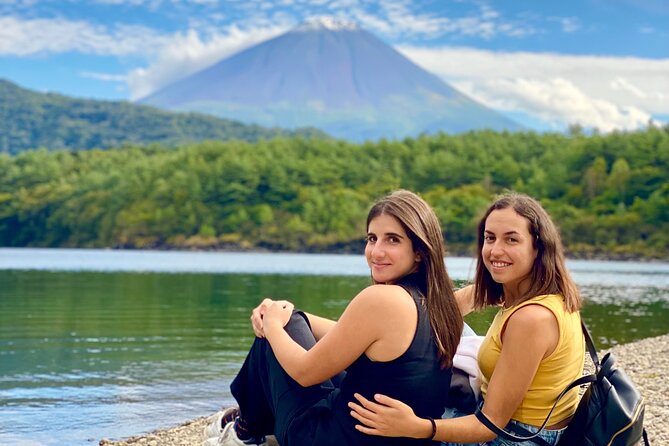
From the town, you move to Saiko Lake. Here, the highlight is that it has been used for movie shoots, and it sits on the side of the Aokigahara Forest area.
You get 30 minutes and free admission. Short, scenic, and useful for stretching your legs after the village stop.
This stop also sets expectations for what comes next. Since Aokigahara is part of the conversation in the region, you are not suddenly dropping into the topic without context.
Stop 5: Lake Kawaguchiko, with two extra spots the guide shares
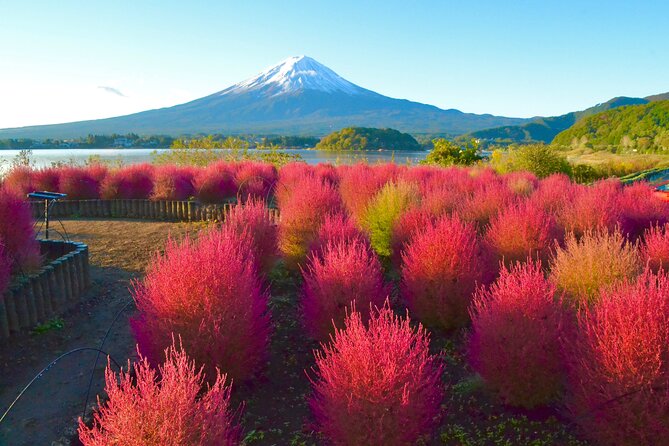
At Lake Kawaguchiko, you get around 50 minutes, free admission. This stop is where you often see the Fuji region at its most iconic.
A unique element of this tour is that the guide mentions exploring two hidden, beautiful places around Lake Kawaguchiko and then sharing them with the group. That is the kind of detail that turns a “standard area tour” into a “someone actually knows the area” day.
Also, Kawaguchiko is one of those lakes where small differences in location can change the feel of the view. Having time in and around the lake helps you catch the angle that works for your photos.
Stop 6: Oshino Hakkai, an ancestral town for food and spring water vibes
Next is Oshino Hakkai, described as an ancestral town where you can find a diversity of typical Japanese food. You get about 45 minutes, free admission.
Oshino Hakkai is often associated with traditional scenes and easy walking. Even if you only snack here, it is a good contrast to the heavier cultural stops earlier in the day.
I like that this stop gives you the chance to taste something without needing to plan lunch yet. Since lunch is not included, this town becomes an important moment to decide whether you will grab something now or later.
Stop 7: Aokigahara Forest, a common forest with sad stories
This is the stop with the heaviest tone: Aokigahara Forest, described as a forest of suicides. The tour also notes that while it has many stories, it is still a common forest with sad endings.
You get about 45 minutes and free admission. You should treat this as a reflective, respectful walk, not a casual sightseeing stroll. If you are sensitive to mental health topics or prefer lighter sightseeing, you might want to mentally prepare yourself before joining this part of the day.
The practical benefit is context. After learning about volcanic forces and heritage towns, you see how places around Fuji also hold darker human stories. That makes the day more complete, even if it is not always easy.
Stop 8: Chureito Pagoda, the classic Fuji postcard view
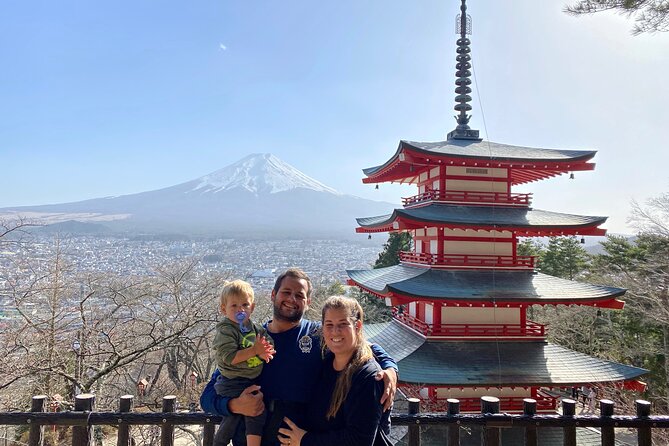
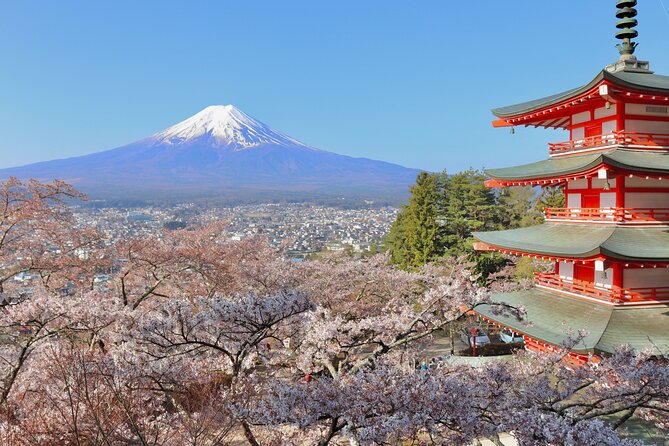
Now you get an iconic scene: Chureito Pagoda, the most representative view found in many tourist guides about Japan, and a symbol of the people of Fujiyoshida.
You get about 45 minutes, free admission. This is a strong photo stop, but it is also a moment where you can appreciate how Japanese religious structures sit with the mountain skyline.
If Fuji shows clearly that day, this becomes one of those “you get it, then you understand why people chase this view” stops. If the mountain is covered, you still get a meaningful cultural scene, and the guide’s weather-based routing matters here.
Stop 9: Kitaguchi Hongu Fuji Sengen Jinja, the shrine tied to climbers
Next is Kitaguchi Hongu Fuji Sengen Jinja. The shrine is dedicated to Mount Fuji and its climbers, and it is described as a starting point, with a climb route towards Mount Fuji.
You get about 30 minutes and free admission. This is a great pause because shrines tend to slow the body down. It also helps tie together the theme of Fuji as both a natural landmark and a spiritual one.
If you are curious about why people treat Fuji like more than a mountain, this stop does the job quickly. You can see how religion and climbing culture overlap here.
Stop 10: Yamanakako-mura, biggest of the five lakes and bird-feeding time
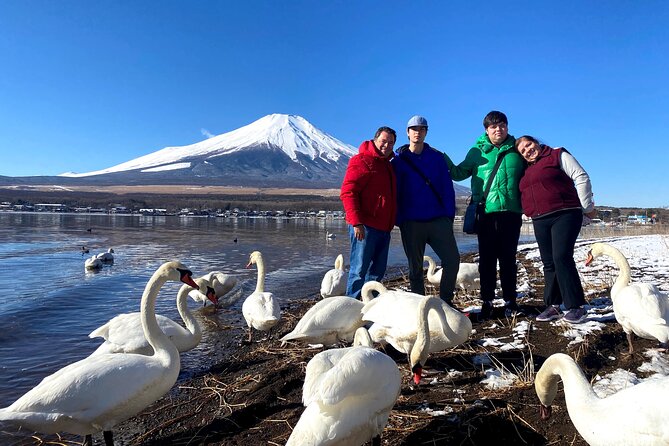
Then you head to Yamanakako-mura, described as the largest lake among the five lakes surrounding Mount Fuji. The stop includes swans, koi, and a variety of birds, and you can feed them.
You get about 30 minutes and free admission. This is a fun moment if you like animals and relaxed lake atmosphere, and it works well for families too, since it is interactive.
A small caution: feeding moments can be busy when groups gather. Keep your expectations simple. You are not here for a long session with animals, you are here for a short, pleasant pause in a long day.
Stop 11: Fugaku Wind Cave, volcanic lava you can stand inside
You end with Fugaku Wind Cave, a natural underground formation shaped by centuries of eruptions from Mount Fuji. The cave still keeps volcanic lava remains, and admission is included.
You get about 30 minutes, with included ticket. This is the most “geology you can walk through” stop on the day. After water, shrines, towns, and pagoda views, this cave brings you back under the mountain, in a literal way.
If you like physical explanations for how volcano landscapes form, this is a strong closer. It makes the day feel more educational than just scenic.
Price and value at $96.17 per person, what you get and what you skip
At $96.17 per person, you are paying for a full-day circuit with real structure: multiple stops, timed visits, and a Spanish guide who explains what you are seeing.
Included items are the big value points:
- Snacks
- Drinks
- All fees and taxes
- Ticketed admissions at the stops that require them (notably Saiko Iyashi no Sato Nemba and Fugaku Wind Cave)
Not included:
- Lunch
That last part matters. The day is long, and you should plan your food strategy in advance. You have snack and drink coverage, but you will likely want a proper meal. Oshino Hakkai can be one option to grab food, and the guide may help you decide where to eat based on the day’s route.
The “value” of this tour is not only the price per hour. It is also that the guide can adapt with weather and daylight. When you get Fuji in view, the payoff is huge. When you do not, the day still has cultural stops and volcanic geology to keep it worthwhile.
How to get the most out of your Fuji day
Because this is a weather-dependent day and the itinerary adjusts, your best move is to prepare for different scenarios.
A few practical habits I recommend:
- Dress for cool and changeable conditions around mountain areas, especially early morning.
- Wear comfortable shoes, since you will be walking between viewpoints and through town-style areas.
- Bring a charged phone or camera, but also bring patience. With Fuji, the clouds decide everything.
- Plan to eat. Lunch is not included, so make your meal choice early in the day when you have time.
Also, this tour is best when you want context. If you only care about standing in front of Fuji, you can do that on your own. If you want to understand shrines, ancestral towns, volcanic sites, and why this region feels the way it does, the guide’s Spanish explanations are the main reason to book.
Who this tour fits best
This is a strong match for:
- Spanish-speaking travelers who want a guided day without battling translations
- People who want one full day that covers the main Fuji area highlights
- Travelers who like culture and want more than just viewpoints
- Anyone who prefers a small group with time at each stop
It might be less ideal if:
- You hate longer bus days, since the program lasts up to 11 hours
- You cannot handle heavy topics, because Aokigahara Forest is part of the route
Should you book this Mount Fuji Spanish full-day tour?
If you want a structured Mount Fuji day with Spanish guidance, a friendly pacing, and a route that can respond to weather, I think this is a smart booking. The itinerary hits the essentials, but it is the guidance that makes it feel like you understand the region, not just pass through it.
I would book especially if:
- You want to see Fuji area icons like Chureito Pagoda, Oshino Hakkai, and the lake viewpoints
- You value culture stops like Kitaguchi Hongu Fuji Sengen Jinja and Iyashi no Sato
- You like adding geology to your sightseeing through Fugaku Wind Cave
Only hesitate if you strongly need lunch included, or if the Aokigahara topic is something you would rather avoid entirely.
FAQ
What time does the tour start and how long is it?
The tour starts at 8:00 am and runs for about 10 to 11 hours.
Where do we meet?
You meet at the Tokai Bus Mishima Information Office, 17-1 Ichibanchō, Mishima, Shizuoka 411-0036, Japan.
Is lunch included?
No. Lunch is not included, though the tour provides snacks and drinks.
Are tickets included for the main stops?
Some admissions are included, including Saiko Iyashi no Sato Nemba and Fugaku Wind Cave. Other stops list free admission for the visit times.
How big is the group?
This tour has a maximum of 9 travelers, which keeps the experience more personal.
What happens if the weather is poor?
This experience requires good weather. If it is canceled due to poor weather, you are offered a different date or a full refund.
Do I get a ticket on my phone?
Yes. The tour uses a mobile ticket.
Latest write-ups near Shizuoka
- Shizuoka/Shimizu Mt Fuji View 6 hr Private Tour: Guide Only★ 5.0 · 80 reviews
- Private sightseeing tour from Shimizu Port / Van Taxi★ 5.0 · 114 reviews
- Mount Fuji Full-Day Private Tour from Shimizu Port (Customizable)★ 5.0 · 23 reviews
Mt Fuji Tours, compared.
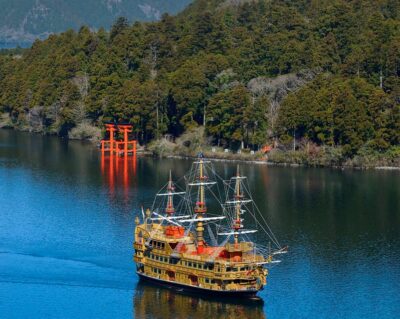
Mt Fuji and Hakone 1-Day Bus Tour Return by Bullet Train
Read our review →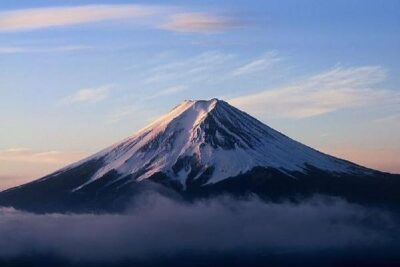
Mt Fuji & Hakone Cruise, Drum Show Bullet Train 1 Day from Tokyo
Read our review →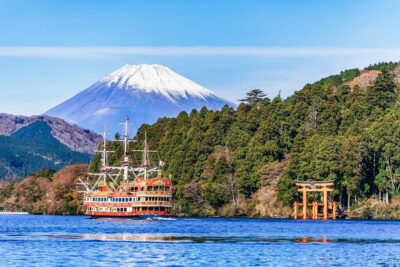
Tokyo Mt Fuji 5th St & Hakone Cruise Bus Tour w/Bullet Train
Read our review →
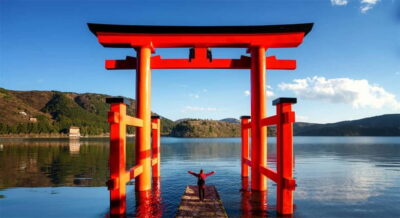
Mt. Fuji Tour, Hakone Ropeway, Owakudani, Lake Ashi
Read our review →
Mt.Fuji,Kawaguchiko Oishi Park,Arakurayama Sengen Park
Read our review →
Mt. Fuji 5th Station & Hakone Cruise 1-Day Bus Tour
Read our review →
Mt Fuji Top 5 Spots Day Tour: Arakurayama Park,Oshino Hakkai
Read our review →Browse the lists this tour appears in