
Reviewed · TEMPLE & SHRINE TOURS
Ise Jingu(Ise Grand Shrine) Half-Day Private Tour with Government-Licensed Guide
Ise Jingu is interesting because it is not just a pretty shrine stop, it is a working spiritual complex where the details matter. A private, half-day tour helps you see what is going on and why it matters, from the Amaterasu Omikami shrines to the seaside legend of Meoto Iwa. Ise Jingu feels alive, and guided context makes it easier to follow. Private also means you set the pace.
Two things I like a lot about this tour are the government-licensed English-speaking guide and the flexibility to tailor your day. You choose 2 to 3 sites from the core list, so you can match it to your energy level and what you actually want to see. The guide commentary also turns “look around” into “now I get what I am looking at.”
One possible drawback is simple: it runs about 4 hours, and entrance fees and transportation are not included. If you want a very heavy shopping and photo schedule, you may feel rushed near the end.
Key highlights to know before you go
- Government-licensed English-speaking guide who can explain Shinto worship in practical terms
- Pick 2 to 3 core sites from the main Ise Jingu area and nearby highlights
- Naiku and Geku in one half-day, with time to understand the difference
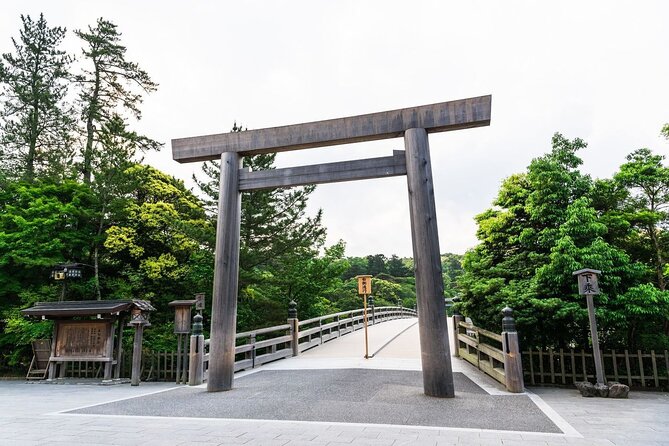
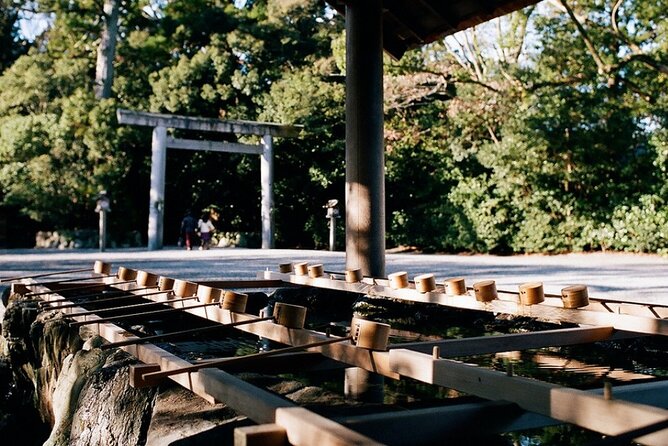
- Isuzugawa River stop for purification and nature along the shrine grounds
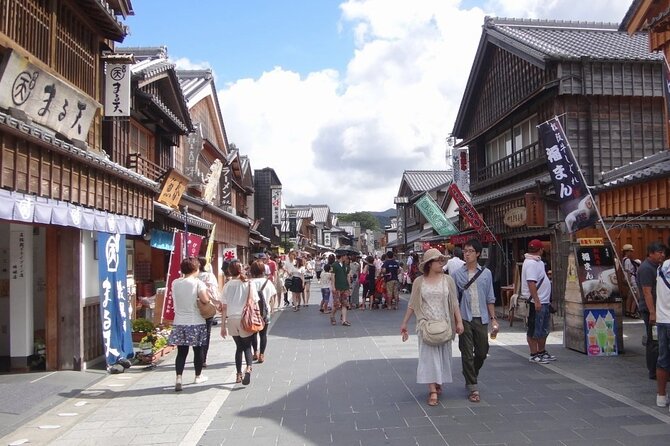
- Okage Yokocho streetscape recreating Edo to Meiji town atmosphere (built in 1993)
- Meoto Iwa and Futami viewpoints for the famous wedded rocks by the ocean
Why Ise Jingu feels different with a private guide
Ise Jingu is one of Japan’s most sacred places, and it is easy to miss the meaning if you only skim. The grounds are calm, but the symbolism is constant, from purification routines to the way worshipers move. With a private guide, you get a running commentary that helps you connect the physical details to Shinto beliefs.
I also like that this is not a generic “see the highlights” tour. The guide’s job is to help you read what you see and understand how people actually pray. In particular, Amaterasu Omikami, the sun goddess enshrined at Naiku, is not just a name on a sign. You learn what that devotion looks like on the ground.
The private format matters too. You can ask questions, adjust walking pace, and stay focused if your group is interested in worship etiquette, shrine architecture, or the cultural reasons behind certain paths and rules. Guides on this route also give small but crucial timing tips, like how to avoid wasting time when crowds surge.
Timing and the real flow of a 4-hour half day
This tour is built around a tight but doable arc: you cover the two main shrine compounds and then branch out to nearby context stops. The total time is about 4 hours, and it is paced like a focused visit rather than a slow wander.
A common practical pattern is:
- Start with Naiku (the main shrine complex, officially tied to Amaterasu)
- Then move to Geku (the other major shrine compound)
- Add one or two “context” stops nearby, like Isuzugawa River or a shopping street, depending on your selections
You should plan for walking on foot in the shrine areas and around the nearby neighborhoods. The meeting is within a designated Ise area, with pickup offered in some cases, and you connect using public transport. This matters because most of the value here is time spent at the sights, not time spent chasing logistics.
One useful heads-up: on busy days, staying efficient makes the difference between feeling relaxed and feeling rushed. A guide even offered concrete advice about taxi hiring because 4 hours can shrink fast if you rely on slow-moving connections.
Naiku at Ise Jingu, where worship meets symbolism
Naiku is the heart of Ise Jingu, and your visit starts here for a reason. The shrine is dedicated to Amaterasu Omikami, the sun goddess, and the worship atmosphere is the main story of the day.
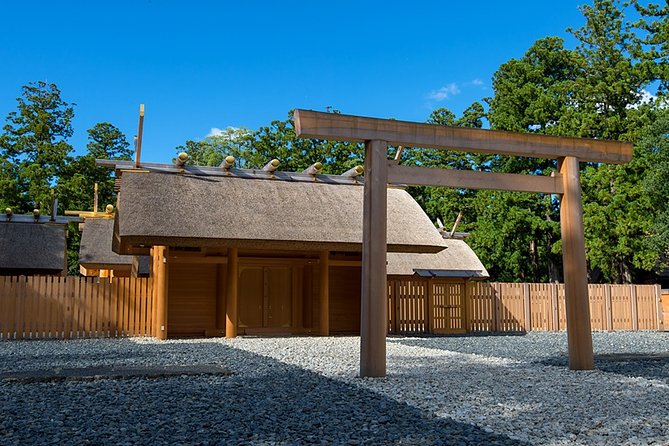
Even if you have visited other shrines, Naiku has a special feel. The guide will help you notice how shrine design and worship practice work together. You will also get practical guidance on what you are supposed to do and where attention goes during prayer.
What to focus on while you are there
I like thinking of Naiku in layers:
- Approach and purification mood: before you are fully inside, the way people move sets the tone
- Sacred structures and compound layout: you are not just looking at buildings, you are seeing a planned setting for devotion
- The role of Amaterasu in the story of Ise: the guide helps you connect the deity to what you experience
Admission tickets are not included in the tour price, so budget for that separately. It is usually not a deal-breaker, but it is part of the real cost of your day.
A small etiquette tip that helps
The tour format keeps you from doing random guesswork. You get to follow the guide’s timing and explanation, so you do not stand in the wrong place or linger at a moment when movement matters. In a sacred space, that saves both time and awkwardness.
Geku right after, understanding the two main compounds
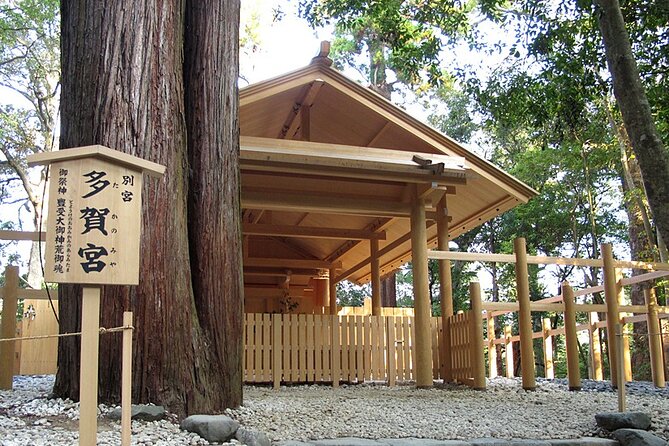
After Naiku, you shift to Ise Shrine Geku, the other major shrine complex at Ise. This stop is often where your understanding clicks, because you can compare what you learn at Naiku with how devotion is expressed at Geku.
The guide’s commentary tends to explain the relationship between the two compounds and why both matter. You are still within the larger Ise Jingu system, but the experience is not identical. That contrast is part of the value of doing both within a single half-day rather than picking just one.
Common “do I get it?” moments
If you have ever felt overwhelmed at Japanese shrines, this is the tour that helps you sort it out. A guide named Yoshi, for example, shared detailed explanations about Shintoism, including how people pray and what you are seeing at key points on the grounds. He also pointed out that there are specific paths with special rules, including a route reportedly used by the emperor at the biggest shrines.
You might not catch every detail without guidance, and that is exactly the point. You leave with clearer context instead of a memory of pretty gates.
Like Naiku, Geku is listed for about 1 hour, and admission is not included.
Isuzugawa River: the purification plus nature break you will appreciate
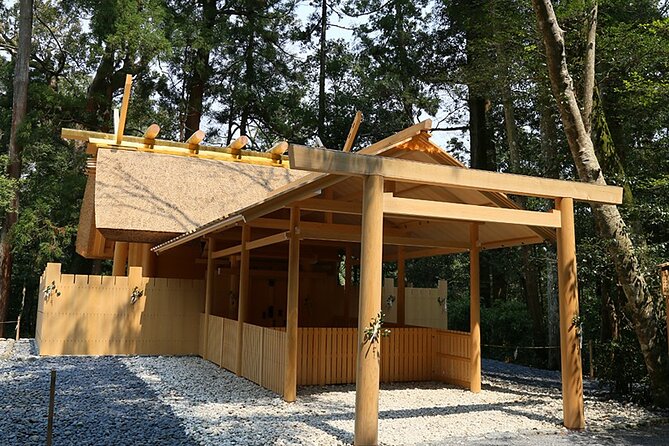
Between major shrine compounds and shopping streets, the Isuzugawa River stop gives your day shape. The river runs along the Naiku area grounds, and it is a widely visited spot for purification and for feeling the natural edge of the complex.
This stop is free of admission fees, and it is one of those moments where you slow down without needing to “stall.” If you are the kind of person who enjoys small sensory details, this is where you notice sound, water movement, and the way pilgrims move through the environment.
I like that this stop is not just another photo spot. It fits the logic of Ise, which blends worship, tradition, and nature. The guide can help connect the purification idea to what you see, so it feels purposeful rather than incidental.
Okage Yokocho: a recreated streetscape that still works
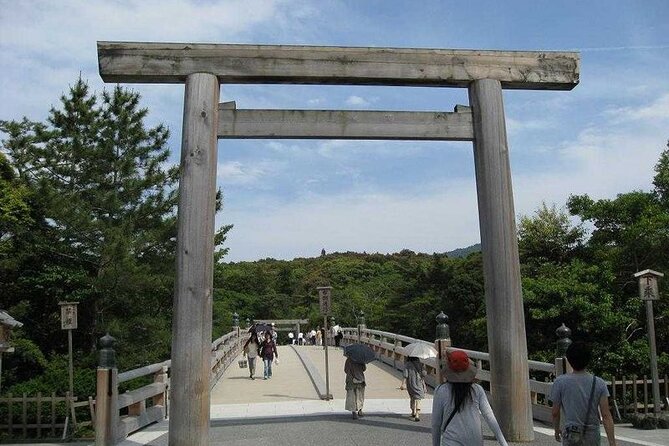
Then you transition to Okage Yokocho, a street built in 1993 in front of the Naiku gate. The street is designed to reflect the townscape from the Edo to Meiji periods, so it is a kind of living time machine built to bring cultural flavor near the shrine area.
This is the part of the day that lets you breathe and snack. You can treat it as:
- a short reset between shrine zones
- an easy place to browse without planning transportation
- a way to see how the Ise visitor experience connects to older eras
Expect shops and restaurant choices. Admission is not included, because it is essentially a neighborhood street experience.
The practical upside
If you go to Ise and only focus on formal shrine worship, you might feel like you missed the surrounding culture. Okage Yokocho is built for that connection. It is also a good place to pick up small souvenirs without turning the tour into an all-day shopping mission.
It is listed for about 1 hour, so you get time for wandering, not just a quick pass.
Meoto Iwa and Meoto Yokocho in Futami, the seaside payoff
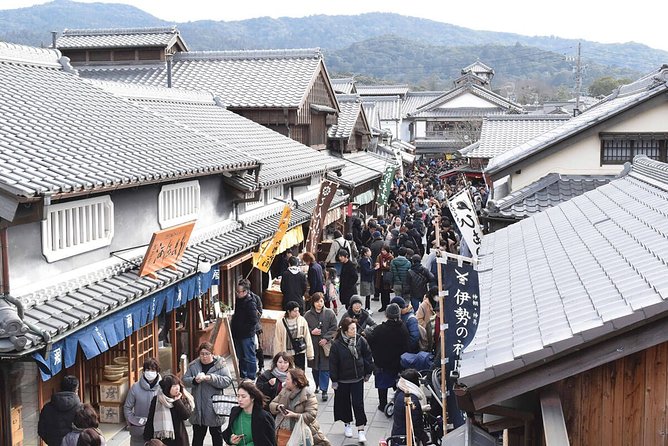
The best “landscape” moment in this tour is at Meoto Iwa, the wedded rocks, viewed from the ocean near Futami. These two sacred rocks are a famous sight, and the story behind them is part of why people make the trip beyond the main shrine compounds.
You also get the option to pair it with Meoto Yokocho, a nearby street area that supports the viewpoint experience. This is where your half-day ends on a visual high, especially if the weather cooperates.
The tour keeps this stop efficient, listed for about 1 hour. That means you get a real chance to take in the view and learn what you are looking at, without turning it into a long excursion.
Admission tickets are not included for this stop.
Taxi vs public transport, and how guides protect your time
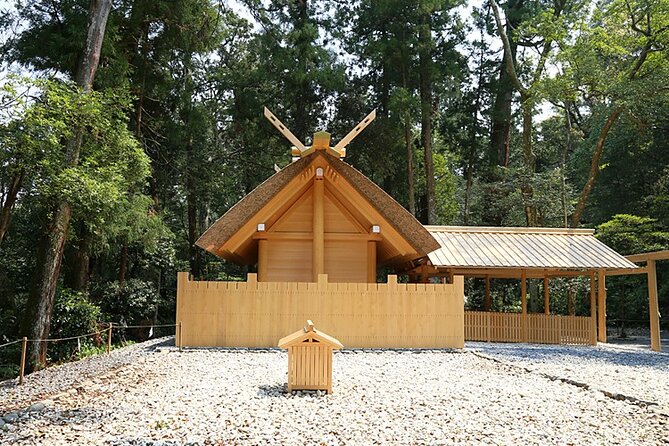
Transportation is where half-day tours can get tricky. Here, private transportation is not included, so you are relying on a mix of walking and public transit plus any pickup the organizer offers.
The practical lesson from guide feedback is that timing is everything. One guide, Tetsuya Tanahashi, specifically offered advice ahead of time about hiring a taxi because Sunday crowds can stretch your travel time. With only about 4 hours, you cannot afford to lose momentum between stops.
So here is what I suggest you do:
- Decide which extra stop matters most to you, like Okage Yokocho or Meoto Iwa
- If you are traveling on a busy day or with slower walkers, ask your guide for timing thoughts early
- Keep your schedule light on the day before and after, so the Ise day is not competing with other plans
If you are traveling as a group that can share a taxi, that can be an efficient way to protect your shrine time. If you are going solo or prefer public transport, you can still make it work, but you should accept a brisk pace.
What the guide does besides talk, etiquette and interpretation
The guide component is the heart of why this is worth doing privately. You are not paying for movement, you are paying for clarity and proper pacing through a sacred environment.
On this route, guides have provided:
- explanations tied to what you see at Naiku and Geku
- guidance on Shinto worship basics, including how people pray
- context about shrine structures and maintenance
- pointers about special routes and rules, including references to the emperor’s use of specific paths at the biggest shrines
- advice that prevents you from spending your energy on logistics instead of meaning
A guide named Nishio also coordinated by email and helped shape a route that used public bus connections from Ise City Station to Geku, then continued toward Naiku while passing Sarutahiko Shrine, and then through Oharai-yokocho on the way in. That kind of flexible planning is exactly what you want in a half-day format.
You will also notice the tour aims to keep you moving within a sensible area. The meeting is on foot within a designated area, and you do not get dropped into confusion and told to figure it out.
Price and value: is $108.38 per person fair for this day?
At $108.38 per person, this is not a budget “walk around alone” activity. But it is also not trying to replace a full-day private driver. The price is mainly paying for:
- a government-licensed English-speaking guide
- private, group-specific pacing
- a tailored set of 2 to 3 stops from the core list
- a guided experience that reduces the guesswork of sacred-site etiquette and interpretation
The costs not included matter for your total spend. Entrance fees, transportation, and lunch are not part of the package. So the real value equation depends on what you would otherwise pay and how much time you would waste without guidance.
This is where I think it can be a strong value:
- You want both Naiku and Geku within a half day and do not want to spend time researching
- You care about understanding Shinto worship, not just taking photos
- You are traveling with a group that benefits from clear explanations and a plan
It is less of a value if:
- You are comfortable self-guiding every step and you only want the broadest highlights
- Your group wants a long, slow day with lots of extra detours, since the tour time is fixed at about 4 hours
Who should book this private Ise Jingu tour
You will likely enjoy this if:
- you want a structured half-day that still feels respectful
- you like learning cultural meaning as you go
- you want clear answers on Shinto practice and what shrine spaces are telling you
You might skip it if:
- you only want a casual stroll with no interest in worship etiquette or explanation
- you prefer a free-form schedule with lots of extra stops beyond the core sites
It is a private tour, so only your group participates. That alone can be worth it if you do not want to share guide time with strangers.
Should you book this Ise Jingu half-day private tour?
If your goal is to understand Ise, not just visit it, I would book this. The best part is not the fact that it is private, it is the way it helps you connect what you see at Naiku and Geku to real Shinto practice, and then wraps the day with smart nearby context like Isuzugawa River, Okage Yokocho, and Meoto Iwa.
Do it especially if you are short on time. Half-day is not much time, but with a licensed guide you can make it feel complete instead of rushed.
FAQ
FAQ
What does the tour include?
It includes a licensed local English-speaking guide, a customizable tour where you choose 2 to 3 sites, and meeting your guide on foot within a designated area of Ise.
Are entrance tickets included?
No. Entrance tickets are not included for the shrine stops listed in the plan.
How long is the tour?
It runs for about 4 hours.
Is transportation included?
No private transportation is included. Pickup may be offered, and the meet up is on foot/public transport within the designated area.
Can I choose which sites to visit?
Yes. You can customize your day by choosing 2 to 3 sites from the tour’s site list.
Is this tour suitable for most people?
Most travelers can participate, and service animals are allowed.
What is the cancellation window?
You can cancel for a full refund up to 24 hours in advance of the experience start time.
More Temple & Shrine Tours in Mie Prefecture
- Kyoto: Fushimi Inari, Kinkakuji, Bamboo Grove 1 Day Bus Tour
★ 4.8 · 4,316 reviews - Kyoto: Tea Ceremony Ju-An at Jotokuji Temple
★ 4.9 · 3,207 reviews - Tokyo: Meiji Shrine, Asakusa, Skytree Bus Tour and Cruise
★ 4.7 · 1,986 reviews - Osaka/Kyoto:Kinkakuji,Arashiyama,FushimiInariShrine,NaraPark
★ 4.1 · 1,596 reviews
Temple & Shrine Tours, compared.
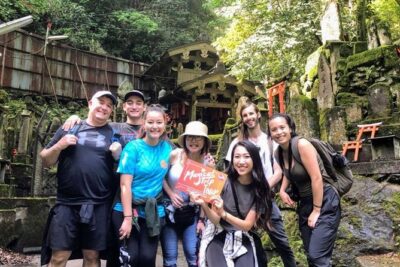
Fushimi Inari, Kinkakuji, Bamboo Grove 1 Day Bus Tour
Read our review →
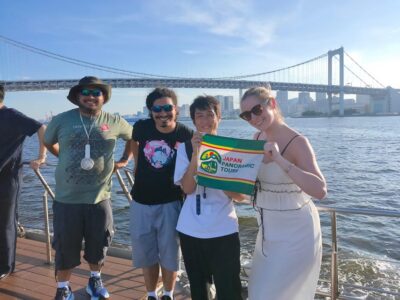
Meiji Shrine, Asakusa, Skytree Bus Tour and Cruise
Read our review →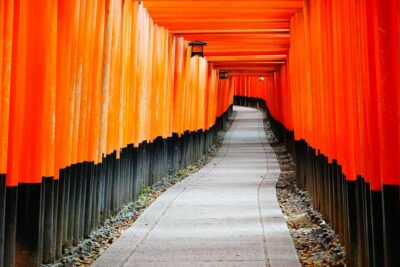
Osaka/Kyoto:Kinkakuji,Arashiyama,FushimiInariShrine,NaraPark
Read our review →
Asakusa Walking Tour with Sensoji Temple Visit
Read our review →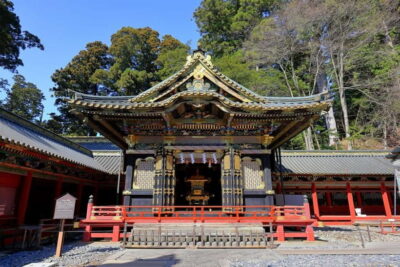
Nikko: Kegon Falls, Lake Chuzenji & Toshogu Temple
Read our review →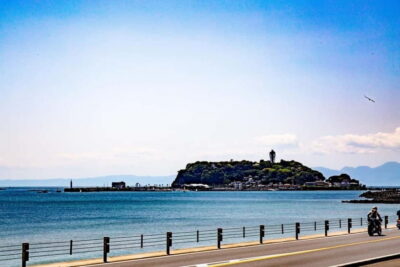
Kamakura & Enoshima Day Trip including Temple Tickets
Read our review →
Nikko Toshogu Shrine and Kegon Waterfall Tour
Read our review →Browse the lists this tour appears in