
Reviewed · ARASHIYAMA & BAMBOO TOURS
Osaka/Kyoto:Kinkakuji,Arashiyama,FushimiInariShrine,NaraPark
If you want a Japan sampler that still feels real, this one-day Osaka and Kyoto circuit is a smart way to do it. You get two UNESCO hits, plus iconic Kyoto scenery, and the whole day is built around guided timing so you spend less effort figuring things out and more time looking up. I especially like the Golden Pavilion moment at Kinkaku-ji and the Nara deer encounter, which is pure fun even if you are not a theme-park person.
I also like how the guide quality seems to be the main event. I saw plenty of praise for guides like Harry and Gary, with clear instructions, lots of context, and even extra photo tips and mini quizzes to keep the day moving. One drawback to plan for: it is a long day, and your time at each stop is tight, especially around the bamboo area when crowds stack up.
Key things that make this tour worth your time
- Two UNESCO World Heritage stops in one day: Kinkaku-ji and Todai-ji
- Fast entry and clear pacing: you get a structured plan and a guide tracking the return times
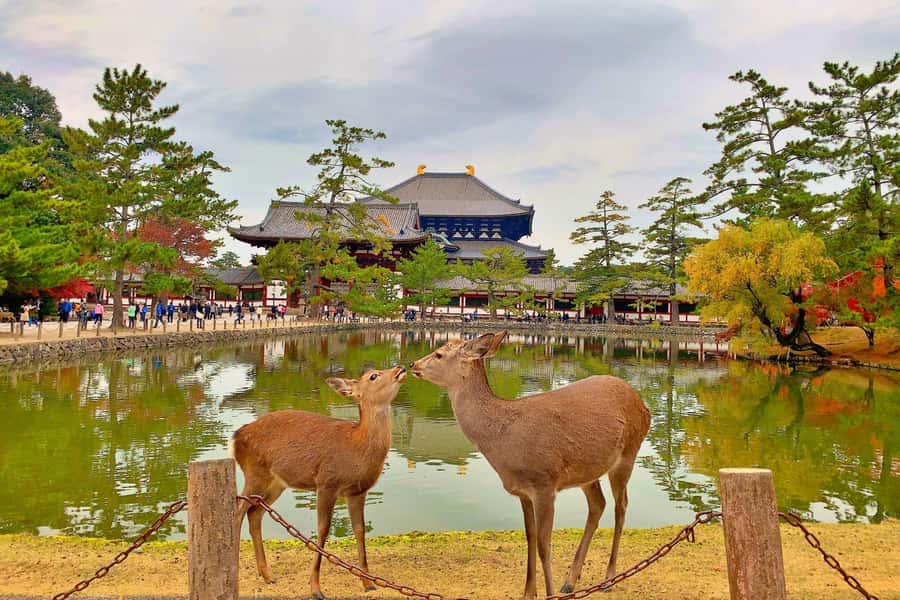
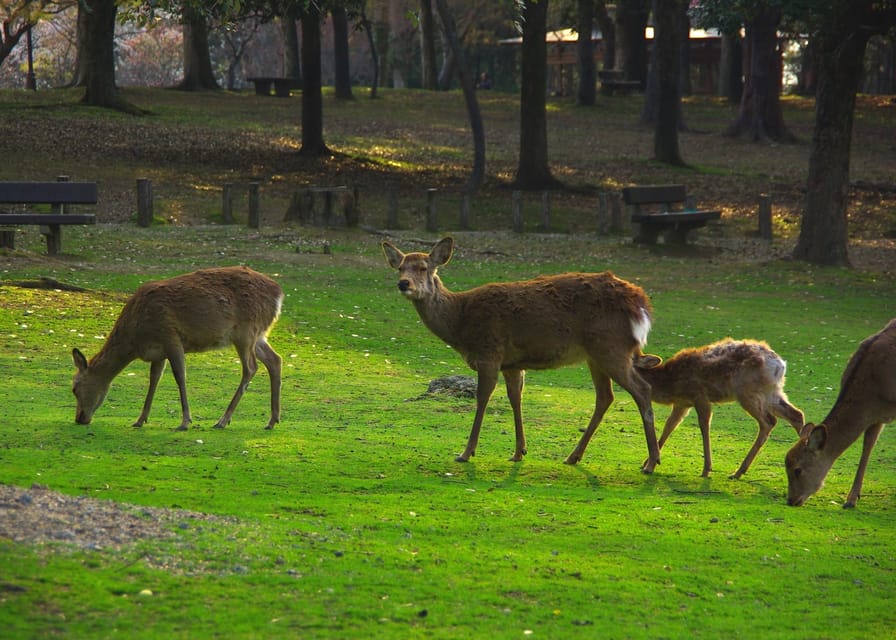
- Nara Park is more than photos: free-roaming deer and a memorable atmosphere
- Arashiyama Bamboo Grove with a timing trade-off: less time if you take lunch
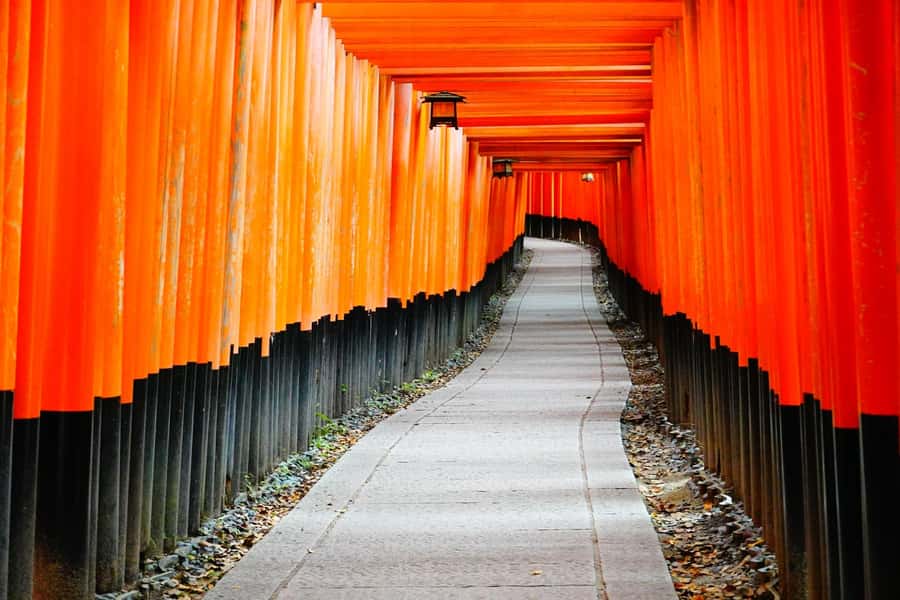
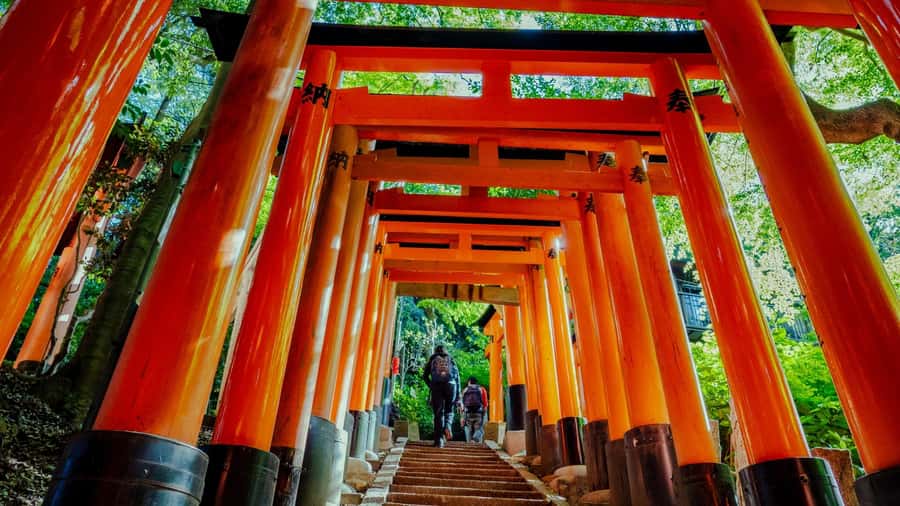
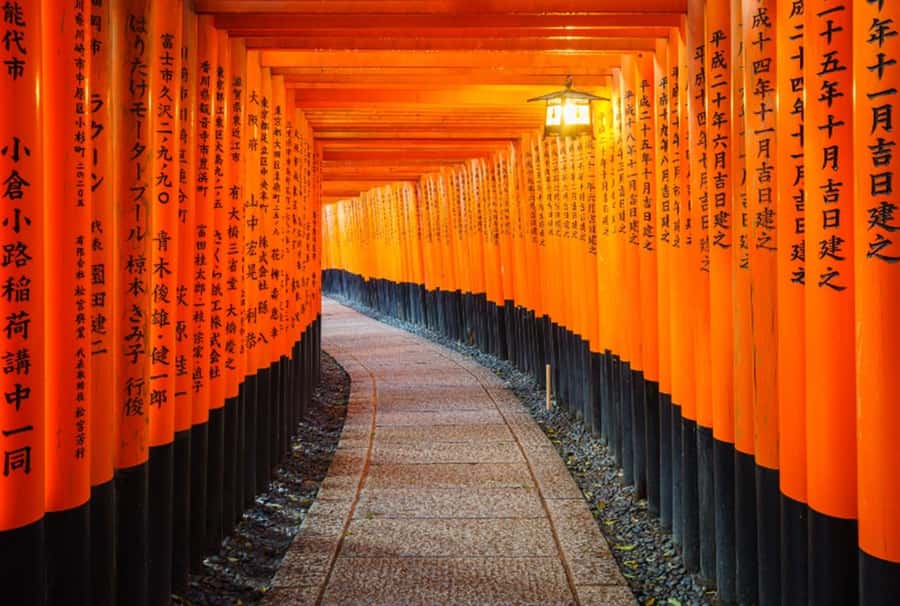
- Fushimi Inari’s 1,000 torii gates: a walk that builds step by step up the mountain
- Optional Kobe beef lunch (Osaka departures): Shabu-shabu, plus aburi sushi available if you want extra
A one-day hit list of Kansai icons, starting from Osaka or Kyoto
This tour is built for people who want the big names without the headache of multiple train rides, transfers, and missed connections. You start from a VIP Lounge in Osaka or Kyoto, then head out toward four major destinations on Honshu.
The schedule is roughly 9 hours, but it can stretch depending on traffic and other conditions. The good news is you are not spending that time hunched over maps. You are on an air-conditioned bus with an English or Chinese-speaking guide (and sometimes both languages, depending on group size).
The practical vibe: this is a guided day with short walks and scheduled free time. If you like to wander slowly for hours, you might find it a bit compressed. If you want the highlights handled for you, it is a great setup.
More Temple & Shrine Tours in Kyoto
- Kyoto: Fushimi Inari, Kinkakuji, Bamboo Grove 1 Day Bus Tour
★ 4.8 · 4,316 reviews - Kyoto: Tea Ceremony Ju-An at Jotokuji Temple
★ 4.9 · 3,207 reviews - Arashiyama Bamboo, Temple, Monkeys, or Secret Sake Brewery
★ 4.8 · 886 reviews
Nara Park and Todai-ji: deer first, then the Great Buddha
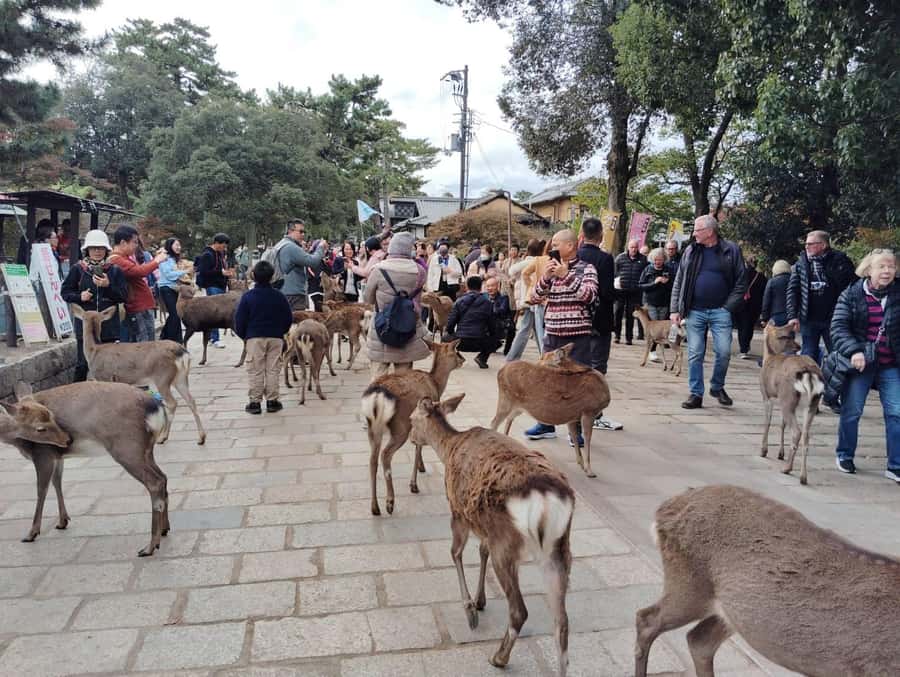
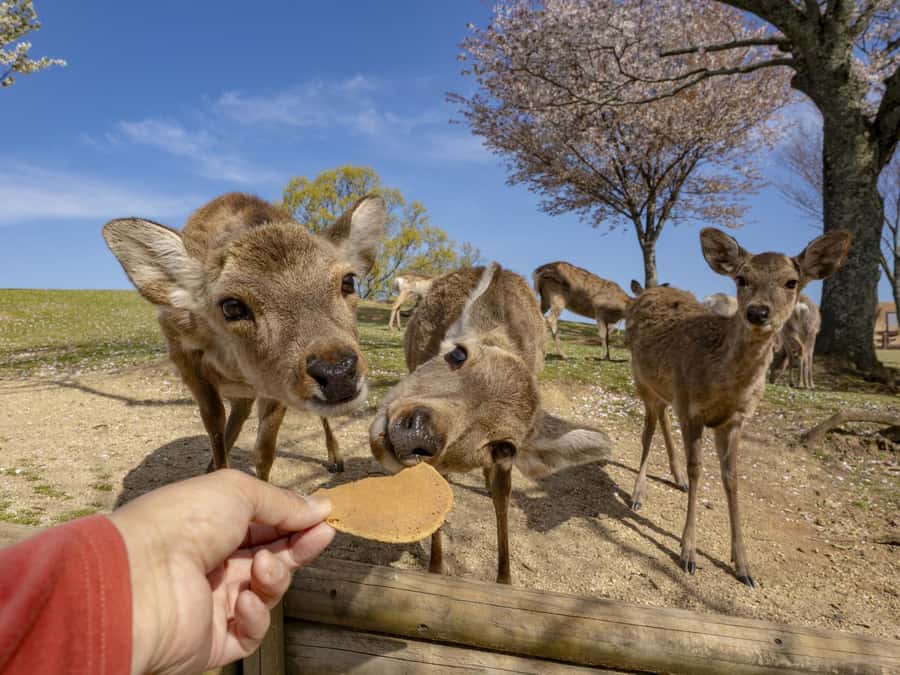
Nara Park is where the day turns playful. You arrive in time to enjoy the park atmosphere and the famous deer, which are free-roaming and wild. Keep your hands to yourself, do not chase or crowd them, and follow whatever guidance your guide gives on how to behave around them. It is respectful tourism, and it keeps the experience pleasant for everyone.
After the park, you move to Todai-ji, a UNESCO World Heritage site known for being the largest wooden structure in the world. The headline inside is the Great Buddha statue, a 15-meter-tall presence that you feel as much as you see. Even if you are not a temple person, the sheer scale is hard to ignore.
Important budget note: the tour includes Kinkaku-ji entrance, but it does not include Todai-ji entrance. So you should expect to pay that separate ticket cost on-site.
Kobe Beef Shabu-Shabu lunch, if you depart from Osaka
If you choose the lunch option, it is available only when the tour starts from Osaka. You get 50 minutes for lunch, and the format is Japanese Wagyu Kobe beef shabu-shabu, with an explanation of what makes Kobe beef special.
Here is what you can actually plan around. Shabu-shabu is cooked at the table, so your meal experience is part of the event, not just the taste. The guide also gives the story of how Kobe beef meets strict standards among Japan’s major wagyu breeds, and you get to connect that with what you see in the marbling once it cooks.
You also have an add-on option. On the day, Kobe beef aburi sushi is available for additional on-site orders. If you are a meat fan, this is a good place to indulge without derailing your whole schedule.
Trade-off you should notice: taking lunch reduces your Arashiyama time. With lunch, you get 60 minutes in Arashiyama. Without lunch, you get 120 minutes there, which matters if you want to browse shops and slow-walk the bamboo area.
Arashiyama Bamboo Grove: the plan works, but crowds are real
Arashiyama is one of those places where the scenery does the storytelling. You walk through the famous Bamboo Forest, where tall stalks create a calming tunnel effect and the light filters through. It feels a bit like stepping into a green corridor.
The tour gives you enough time to experience the grove and get your bearings, but you should be ready for crowds. The bamboo area is popular, and the line flow matters. If you are the type who likes to stop for every photo, build in a little extra patience, especially near the busiest pinch points.
If you chose the no-lunch option, you get 120 minutes here. That extra hour can make a real difference. You can step away when it gets crowded, eat something local, and still come back to the main bamboo stretch without feeling rushed.
If you chose the lunch option, plan to focus on the grove itself. With less time, you will likely spend more effort getting your timing right and less effort browsing side streets.
More of Arashiyama:
- Kyoto/Osaka: Nara, Fushimi Inari Taisha, Arashiyama Bus Tour
★ 4.7 · 1,275 reviews - Kyoto Arashiyama Walking Tour: Bamboo, Monkeys, Gardens & Secrets
★ 5.0 · 1,216 reviews - Kyoto: Arashiyama Bamboo Forest, Monkeys, Matcha & Temple Tour
★ 5.0 · 759 reviews - Osaka/Kyoto: Arashiyama, Nara & Fushimi Inari Shrine w/Lunch
★ 4.4 · 754 reviews
Kinkaku-ji Golden Pavilion: gold-leaf reflections and ticket clarity
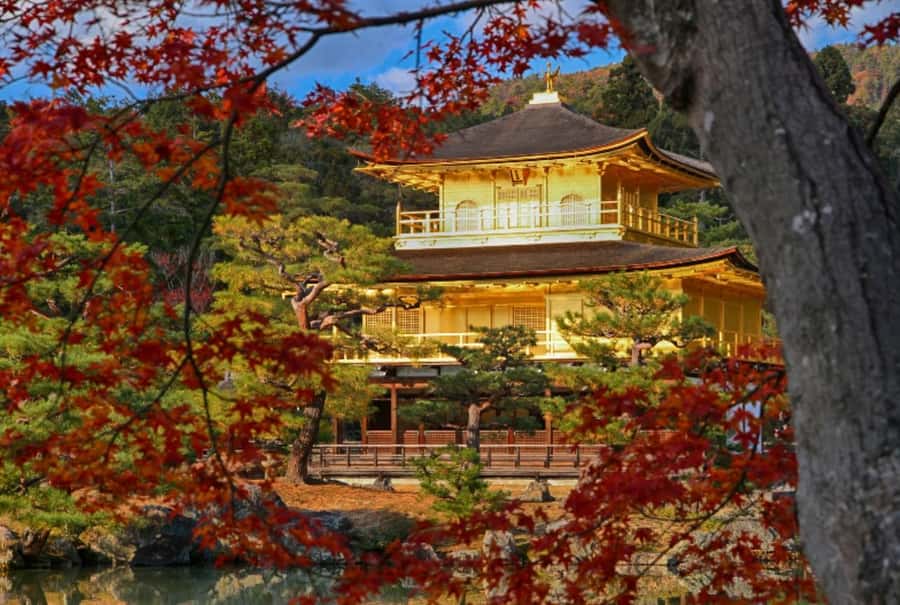
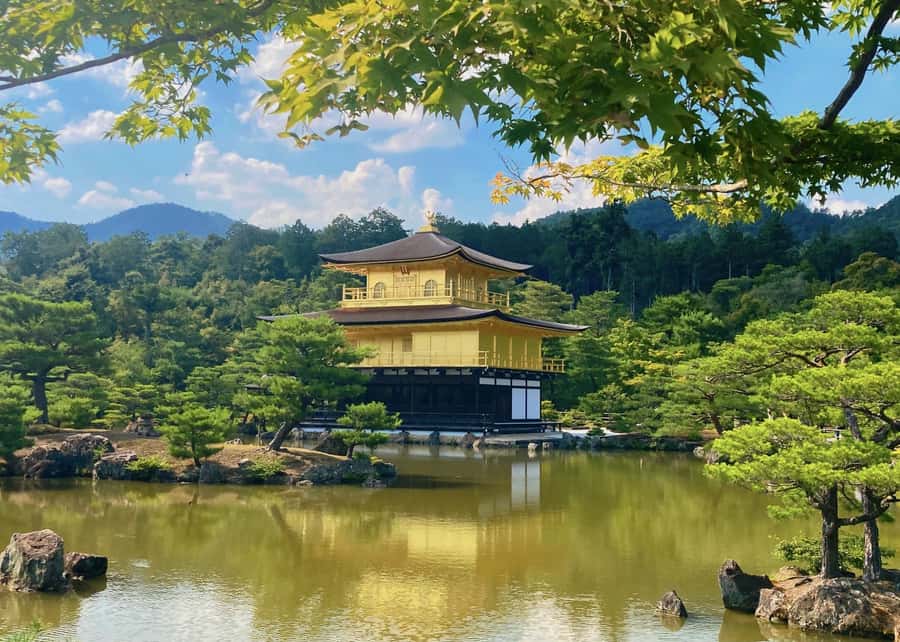
Kinkaku-ji, also known as the Golden Pavilion, is a UNESCO World Heritage site that many people rate as the moment they finally understand why Kyoto keeps selling postcards. The exterior is known for its gold-leaf look, and the gardens add a calm frame around it.
Your ticket is included for Kinkaku-ji, so you do not need to budget for that entrance fee. Once you are there, the “wait, that is stunning” part is not only the pavilion itself. It is the way the reflections show up on the surrounding pond. That mirror effect is why your timing on-site can feel magical, even on an ordinary weather day.
This is also where a good guide adds value fast. If you listen to the orientation, you can place yourself for the best viewing angles without wasting time wandering. Guides like Gary and Harry were praised for giving clear directions, and that kind of pacing matters here, because the crowd moves in waves.
Fushimi Inari Shrine: walking the 1,000 vermilion torii gates
Fushimi Inari Shrine is the iconic one. The shrine is known for its tunnel of vermilion torii gates, described here as 1,000 gates that wind up Mount Inari.
You do not just “see” this place. You walk through it, gate after gate, and the experience becomes physical. Each torii represents a prayer or offering to Inari Okami, the deity linked with prosperity, household safety, and success. That meaning helps the walk feel more than scenic.
Practical note: this is typically a place where you keep moving and your shoes matter. Even if you do not climb far, the path inside the torii corridor creates a slow burn of steps. A guide will help with when to move and where to pause.
Also, expect crowds at peak times. The good part is that the torii tunnel is wide enough to keep you moving even when the pace is brisk. If you get separated in busier areas, follow your guide’s meeting instructions closely.
How the day really feels: timing, bus logistics, and group pace
This is a full day. You will likely do a lot of walking, and it can add up. One common theme in the feedback I took note of is that people end up around the tens of thousands of steps. The day feels more like a structured hike with stops than a lazy sightseeing cruise.
The bus part is generally smooth. The guide keeps a timeline and makes sure everyone returns before the bus leaves, which is key on a schedule this packed. You should still treat meeting points seriously. The bus departs promptly, and late arrivals can miss the tour. If you are worried about where to meet, it is worth getting clarity early rather than guessing.
Group size is the other thing to know. A large bus means you may occasionally feel a bit split during busy transitions, especially around the bamboo forest and torii corridor. The solution is simple: stay close to the guide group when moving between sights, and when you have free time, confirm exactly where you will meet again.
The languages are helpful too. You will get English or Chinese commentary, and in bigger groups you might hear both.
What you get for the price: value for a packed highlight day
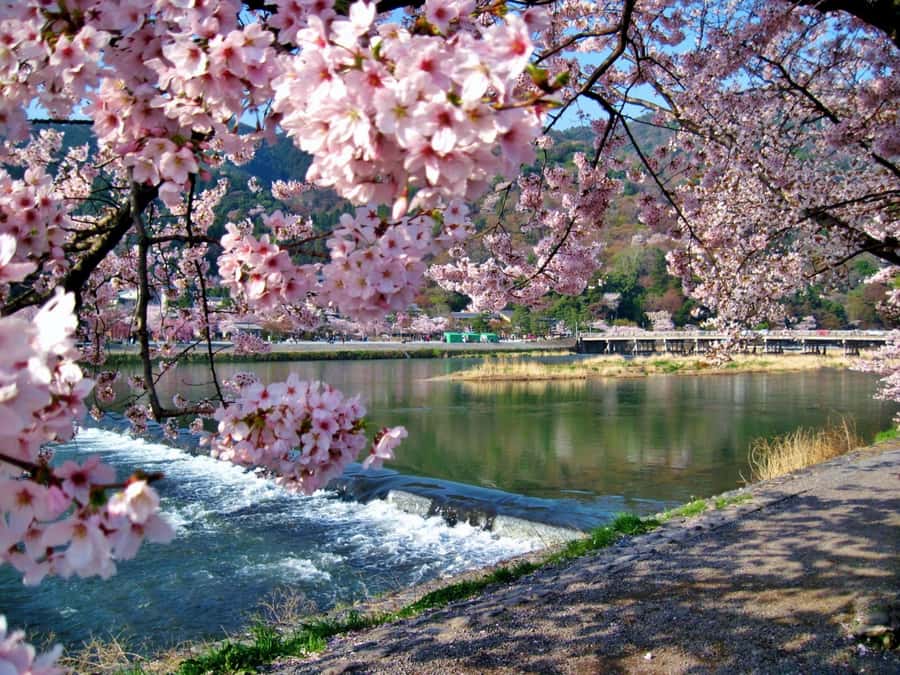
At $66 per person, this tour sits in the “value if you use it right” category. Why? Because you are paying for transport plus a guide plus at least one included temple ticket, and you are compressing four major destinations into one day without the mental load of planning transfers.
Here is what is included that matters for value:
- Entrance fee to Kinkakuji
- An English or Chinese-speaking guide
- Air-conditioned vehicle
- All taxes, fees, and handling charges
Here is what is not included:
- Entrance fee to Todai-ji
- Hotel pickup and drop-off
So the real math is not only the sticker price. It is whether you are the type who would otherwise spend time, tickets, and effort arranging transport yourself. If that sounds like you, this is a strong deal.
If you add the Kobe beef lunch, your day becomes more about food and less about free time in Arashiyama. That is not bad. It is just a choice. If you want more scenery time, skip lunch. If you want a sit-down treat with a guided explanation, the Osaka lunch option is the one that adds the most “wow” for the money.
Who this tour suits best, and who should tweak the choice
This tour fits you well if:
- You have limited time in Kansai and want the major sights handled in one day
- You prefer a clear timeline over DIY navigation
- You like having a guide explain what you are seeing, not just where to walk
It might frustrate you if:
- You hate group schedules and want long stays in each place
- You are easily annoyed by crowds, especially at Arashiyama and Fushimi Inari
- You prefer independent travel with lots of flexibility
If you are traveling with kids, the guided structure can be a benefit because the bus rhythm and meeting points keep everyone from drifting too far.
If you are a solo traveler, this kind of day trip often feels like the best compromise between seeing a lot and staying organized. The bus gives you the easy part, and the guide handles the hard part.
Should you book this Osaka and Kyoto day tour?
Book it if you want a high-coverage highlights day with a guide, one included temple ticket, and a clear route that connects Nara, Arashiyama, Kinkaku-ji, and Fushimi Inari. With guidance from instructors like Harry and Gary, the day tends to feel organized and worth the effort, even if you are walking a lot.
Skip it or consider an alternative if you want slow travel, zero crowds, or long independent time at each stop. This tour is not built for wandering. It is built for getting you to the places that make people say Kyoto is different, and Nara is fun, in a single long day.
If you do book, my best advice is simple: arrive on time at the right meeting point, listen carefully for the return instructions, and wear shoes you trust. Then you will get the best version of this kind of day, the one where you leave thinking, I saw it, and I understood it.
FAQ
What is the total duration of the tour?
The tour is approximately 9 hours, but it may vary due to traffic or unforeseen conditions. Extra stops might be made to cover all sights.
Are entrance fees for Todai-ji included?
No. Entrance to Todai-ji is not included, so you should expect to pay that entrance fee on-site.
Is Kobe beef lunch included, and who can choose it?
The Kobe beef shabu-shabu lunch option is available for travelers whose tour departs from Osaka only. There is also an option to order Kobe beef aburi sushi for additional purchase on-site.
How much time do I get in Arashiyama?
If you choose the lunch option, you get 60 minutes in Arashiyama. If you choose no lunch, you get 120 minutes in Arashiyama.
Where does the tour start and end?
Your start meeting point may vary depending on the option booked, and the tour ends back at the meeting point. You can also choose to finish in Kyoto or Osaka for your return.
Do I get hotel pickup or drop-off?
Hotel pickup and drop-off are not included. You should plan to arrive at the designated meeting point on time.
Latest write-ups near Kyoto
- Kyoto: Nishiki Market Tour with a Local Foodie & Tastings★ 4.5 · 67 reviews
- Kyoto Kimono Rental mimosa |Kimono/Yukata Rental Couple Plan★ 4.8 · 67 reviews
- Kyoto: Traditional Kimono Fabric Handicrafts Workshop★ 5.0 · 67 reviews
- Kyoto Tea Ceremony and Samurai Photo Session★ 5.0 · 70 reviews
- Kyoto: Replica food making experience★ 4.8 · 70 reviews
- Kyoto: Kinkakuji, Golden Pavilion Guided Tour★ 4.7 · 71 reviews
- Private departure transfer from Kyoto city to Kansai International airport★ 5.0 · 72 reviews
- Uji: Green Tea Tour with Byodoin and Koshoji Temple Visits★ 4.8 · 72 reviews
Arashiyama & Bamboo Tours, compared.
Fushimi Inari, Kinkakuji, Bamboo Grove 1 Day Bus Tour
Read our review →
Kyoto/Osaka: Nara, Fushimi Inari Taisha, Arashiyama Bus Tour
Read our review →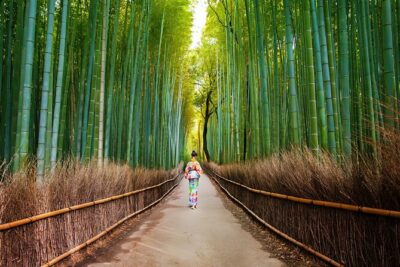
Kyoto Arashiyama Walking Tour: Bamboo, Monkeys, Gardens & Secrets
Read our review →
Arashiyama Bamboo, Temple, Monkeys, or Secret Sake Brewery
Read our review →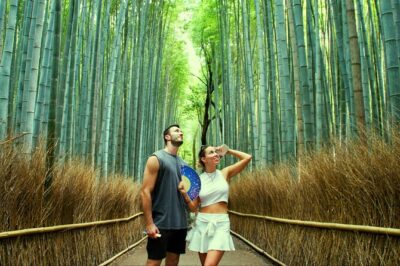
Arashiyama Bamboo Forest, Monkeys, Matcha & Temple Tour
Read our review →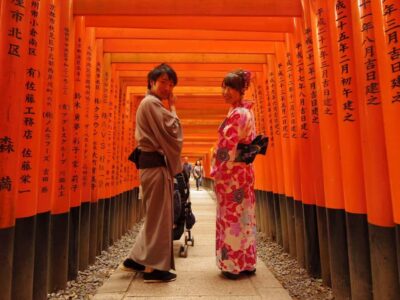
Osaka/Kyoto: Arashiyama, Nara & Fushimi Inari Shrine w/Lunch
Read our review →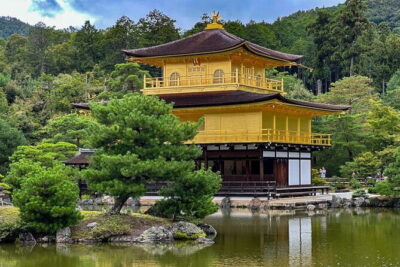
Nijo, Kinkaku-ji, Arashiyama, Kiyomizu & Fushimi Inari
Read our review →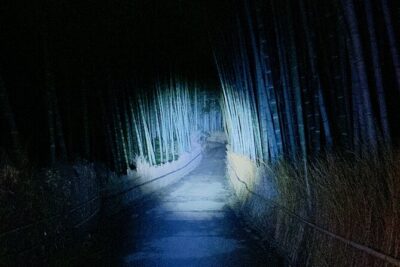
Kyoto Ghost Tour: Dark Tales, Urban Legends, Bamboo Forest Night
Read our review →Browse the lists this tour appears in