Reviewed · TOURS
Fukushima Daiichi Nuclear Power Plant visit 2 day tour
If you want to understand Fukushima after March 11, 2011, this tour takes you far past headlines. The big hook is safe entry to the Fukushima Daiichi Nuclear Power Plant while using a Geiger counter, plus time hearing what locals went through.
I love how the experience balances science and human impact. The guides you might meet, like Yoko, Noriko, and Fumi, are praised for answering questions and keeping the mood thoughtful, even when the topic is heavy. And the opportunity to meet residents and hear firsthand accounts is often the part people remember longest.
One possible drawback: this is not casual sightseeing. You’ll need to follow strict rules for the plant visit (ID checks, clothing, shoes, and no filming), and the subject matter is emotionally serious.
Key highlights and what you should actually care about
- Inside access at Fukushima Daiichi with a Geiger counter, plus an estimate of radiation exposure for this portion of the day
- Local resident conversations that focus on lived experience, not just big-picture explanations
- A guided, paced program from Koriyama Station with air-conditioned vehicle transport and an English and Japanese speaking guide
- Real constraints on-site, including restricted area rules and filming prohibitions
- Group size capped at 20 people, which usually keeps questions possible and the tour from feeling like a moving crowd
Why this Fukushima Daiichi tour feels different from standard sightseeing
A nuclear plant tour can sound like a one-note checklist. Here, it is really a story you move through step by step, starting with the region itself and then moving toward the plant site with clear safety boundaries.
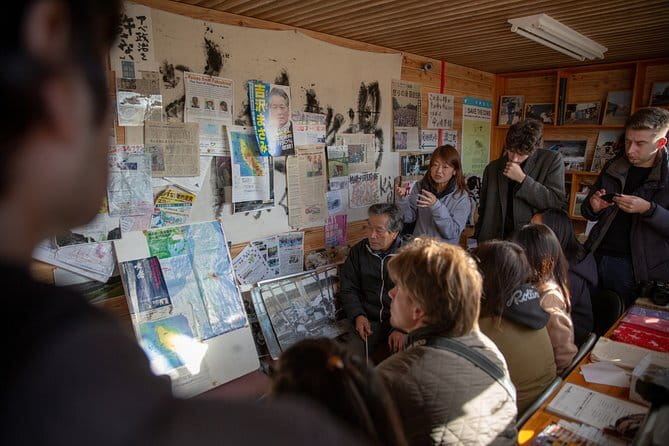
You’re learning about the events of March 11 and the lasting impact, but the experience is guided with an eye toward perspective. The route includes time in the Fukushima coast area and structured visits that help you connect what happened to what life looks like now. In other words, you get context before and after the plant access.
Also, you’re not just watching a lesson. You’re going with a guide equipped with a Geiger counter, and you’ll be asked to show your actual ID (not a copy) when entering the plant area. That small detail changes the tone. It makes the radiation topic concrete, and it reminds you that this visit is regulated for a reason.
Day 1 from Koriyama Station: coast area context and local voices
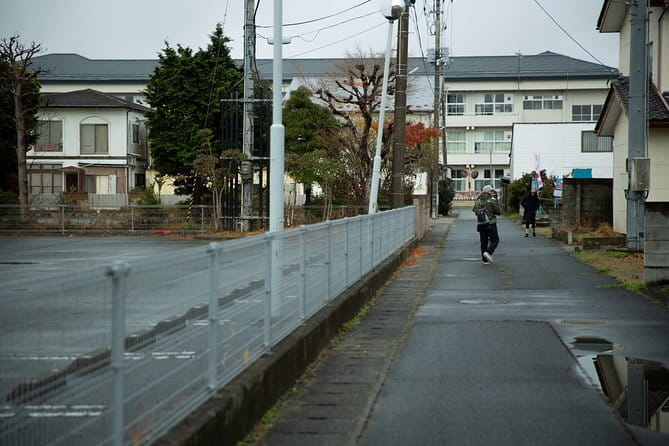
The tour starts at Koriyama Station, with the meeting time listed as 10:00 am. From there, you move into the Fukushima coast area, guided by a bilingual team and traveling by air-conditioned vehicle.
On Day 1, you can expect an emphasis on understanding daily life and community impact. The program includes conversations with local people who experienced the disaster, with an aim of helping you grasp what changed and why it still matters. This is where the tone often shifts from abstract history to real, specific human accounts.
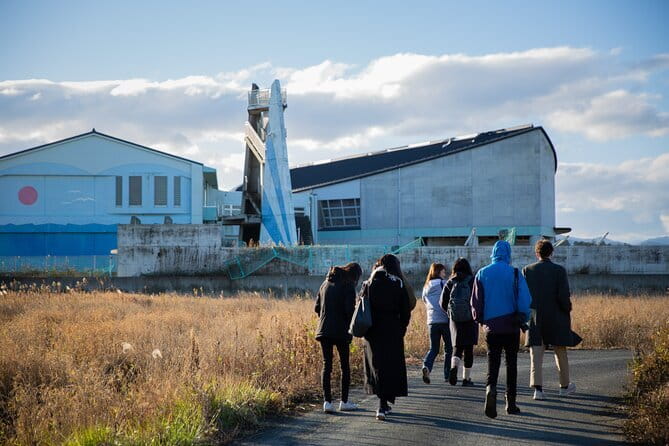
Some departures may include stops tied to community rebuilding, like places referenced in the route such as Ranch of Hope, Namie Town Flower Project, and Ukedo Elementary School. If your schedule includes them, treat these as emotional waypoints. An elementary school visit, for example, can hit harder than museums because you’re seeing what education and routine look like after disruption.
One practical note: the Fukushima Daiichi plant visit can happen on Day 1 or Day 2, depending on the schedule. So on Day 1, don’t be surprised if you’re building context while waiting for the main site visit later.
Day 2 and the “inside the fence” moment at Fukushima Daiichi
Day 2 continues the coast-side learning and then brings you to the main site. The tour ends back at Koriyama Station, listed as Koriyama Station East Exit Plaza, with a short final wrap rather than a long sightseeing free-for-all.
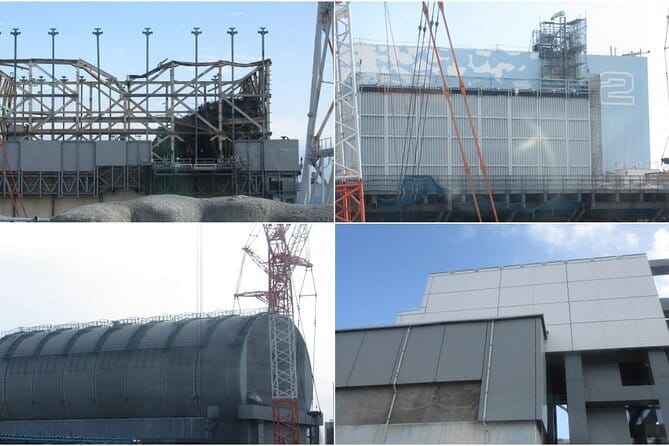
When you get to Fukushima Daiichi, the rules are the point. You do not get special permission to enter restricted areas beyond the Fukushima Daiichi Nuclear Power Plant visit. Filming around the plant and in restricted areas is prohibited, and you’ll be briefed on respectful conduct in a place that still carries deep meaning for locals.
What I appreciate is that the tour provides a realistic safety framework. You are estimated to be exposed to about 0.02 mSv on the plant portion of the trip. That number won’t turn anyone into a radiation expert, but it signals that the tour is tracking exposure, not guessing.
The ID check is strict. You’ll need to show your ID upon entering, and you may be asked to send a copy of your ID after booking. Bring the original document listed as acceptable, such as a driver’s license, passport, or other specified cards with photo.
Geiger counter and radiation rules you should take seriously
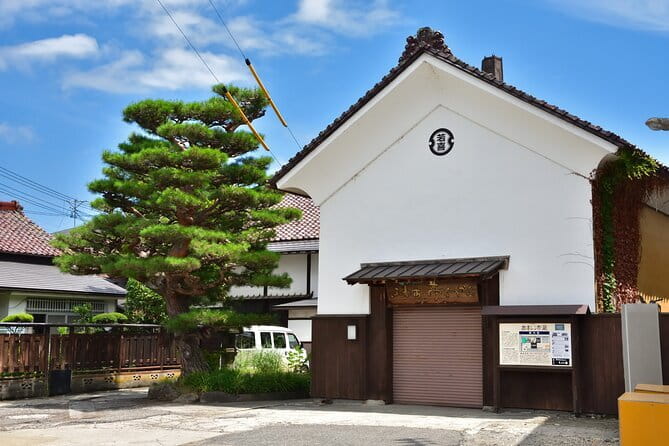
The Geiger counter isn’t just a prop. It’s part of how the guide measures radiation dose during the visit, giving you a real-time, hands-on way to understand what you’re being exposed to. The tour’s approach is meant to be safe and transparent, and it changes how you experience the site.
Dress rules matter because you’ll likely be moving through areas with required coverage. You are asked to bring long sleeved tops and long pants that cover your skin, plus socks to cover your ankles. For shoes, flat shoes like sneakers are required, and sandals and high-heels are prohibited for the Fukushima Daiichi Nuclear Power Plant visit.
Also, keep your expectations grounded about what you can do at the site. You can’t treat it like a normal photo outing. If you’re the type who documents everything, plan to rely on your notes and what the guide explains rather than trying to film everything you see.
The quiet power of meeting locals in Fukushima
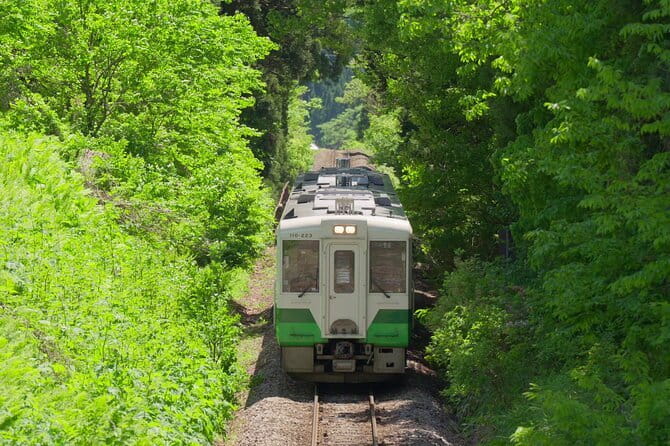
The most highly praised parts of this tour tend to be the human conversations. People often highlight meeting residents and hearing their stories, and the guides are frequently praised for setting a respectful tone when questions get personal.
This matters because Fukushima is not a single viewpoint. Some people emphasize recovery, others focus on lasting loss, and almost everyone talks about the long tail of uncertainty. That’s why it helps that the tour aims to explain the events of 3/11 and their lasting impact, not just the technical facts.
If the idea of disaster tourism makes you uneasy, good. You should treat this tour as learning with consent and sensitivity. The instructions ask you to respect privacy, avoid photographing people or private properties without permission, and be considerate when discussing the disaster and its aftermath.
If you follow those expectations, you’ll probably get more out of the conversations. You’ll listen better, ask questions more carefully, and notice details you would otherwise rush past.
Accommodation, meals, and how the schedule actually feels
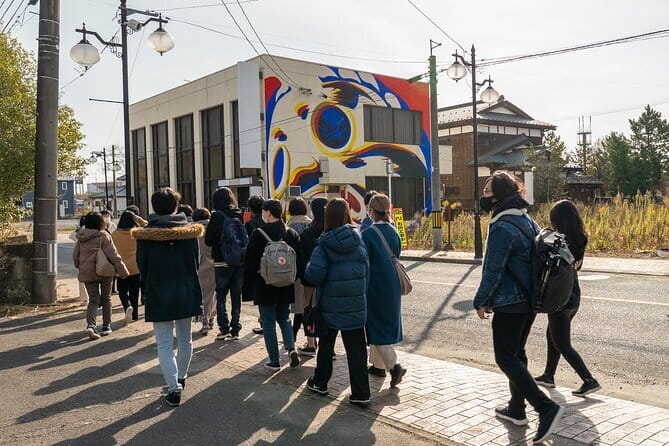
The tour includes breakfast and dinner, along with accommodation for the overnight part. Lunch is not included, so you’ll want to plan for that either by purchasing nearby or using whatever time the guide builds in for food.
You’ll travel by an air-conditioned vehicle between stops, which matters in real life. This route is built around a few key moments, so the comfort piece isn’t fluff. It helps you arrive ready to listen at sensitive sites.
The overall feel is busy because it is a guided 2-day program with multiple stops. The upside is clear planning. The downside is that you won’t have long empty hours to wander alone. If you like a strict itinerary, you’ll probably enjoy the momentum.
Guides you might meet, and why their style matters here
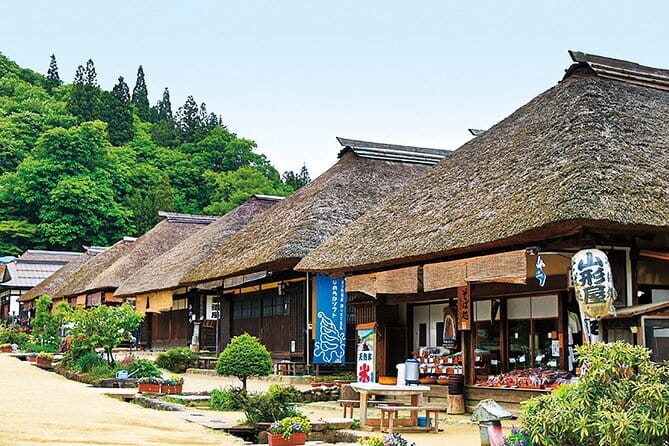
The guide experience is one of the strongest signals that this tour is worth your time. In the reviews, names like Yoko, Noriko, and Fumi come up, and the pattern is consistent: people feel the guides are ready to answer questions and guide you with care.
One guide style mentioned is a balanced approach, showing different sides of what happened and what happened next. That matters in Fukushima because you’ll run into complicated narratives, including perspectives connected to TEPCO and the recovery ecosystem around the region.
There’s also a sense that the guides use humor and warmth to keep things human. That’s not trivial. When you’re dealing with fear, loss, and radiation anxiety, a guide who can hold the room can make the difference between a tense experience and a thoughtful one.
Price and value: what you’re really paying for at $579.82
At $579.82 per person, the price is not cheap for Japan. But it does include several big-ticket items that add up fast if you tried to DIY it: English and Japanese speaking guide, Geiger counter, air-conditioned vehicle, accommodation, and breakfast and dinner.
What is not included is also clear. Lunch is not included, and transportation from Tokyo to Koriyama and back is not included in the listed price. So part of your real cost will be getting yourself into position for the Koriyama start.
Also, the tour is described as typically booked about 90 days in advance on average. That’s a clue that the best dates can go quickly, and you should plan your Tokyo-to-Fukushima logistics early so you’re not scrambling.
So is it good value? If you want inside access tied to an organized safety framework, plus guided context and local conversations, it starts to make sense. If you mainly want casual photos and broad history, the cost may feel steep. This tour is priced for a specific type of experience: regulated access, guided interpretation, and real human stories.
Who should book this tour, and who should think twice
This tour is a strong fit if you:
- Want a guided explanation of March 11 and its lasting impact
- Are comfortable with a serious topic and following on-site rules
- Like structured days with time to ask questions and learn from local voices
- Want the rare angle of Fukushima Daiichi access with measured dose context
You should think twice if you:
- Are uncomfortable with radiation concepts and strict dress and ID requirements
- Need flexible, solo time rather than a paced guided schedule
- Are hoping to film freely at a sensitive site, because filming is prohibited in restricted areas
And one more requirement to note: you must be at least 20 years old to participate.
Practical packing checklist for the Fukushima Daiichi visit
Plan your packing around what you’ll wear during the plant portion. Bring long-sleeved tops and long pants that cover your skin, plus socks that cover your ankles. Wear flat shoes, like sneakers, and skip sandals or high heels.
Bring your actual ID with you the day of the tour. The tour rules also indicate you may need to send a copy of your ID after booking. If you forget the original, you risk not being able to enter.
And bring the mindset to respect the area. The tour asks you to avoid taking photos or videos of people or private properties without explicit permission. That means you should be ready to experience the place with your attention, not just your phone.
Should you book this Fukushima Daiichi Nuclear Power Plant 2-day tour?
If you want to understand Fukushima in a grounded, guided way, I think this is a worthwhile booking. The inside access with a Geiger counter, the regulated safety rules, and the time spent with local voices are exactly the kind of combination that you can’t replicate easily on your own.
Book it if you are serious about learning and you can handle the emotional weight of the topic. Skip it if you’re looking for light entertainment or unrestricted photo time, because this is a careful, rules-based experience in a place that still matters to the people who live there.
FAQ
FAQ
How long is the tour and where does it start?
The tour runs for about 2 days. It starts at Koriyama Station, with a listed start time of 10:00 am.
What does the price include?
The price includes breakfast and dinner, an air-conditioned vehicle, an English and Japanese speaking guide, a Geiger counter, and accommodation.
Is lunch included?
No. Lunch is not included.
Do I need to bring ID?
Yes. You must bring your actual ID (not a copy) and you will need to show it upon entering during the Fukushima Daiichi visit.
What should I wear for the Fukushima Daiichi Nuclear Power Plant visit?
Bring long-sleeved tops and long pants that cover your skin, plus socks to cover your ankles. Wear flat shoes like sneakers, and avoid sandals and high heels.
How much radiation does the tour estimate you will be exposed to?
The tour estimates about 0.02 mSv of radiation for the part of the trip that includes the Fukushima Daiichi Nuclear Power Plant visit.
Can I film or take videos at the Fukushima Daiichi site?
No. Filming around the Fukushima Daiichi Nuclear Power Plant and in restricted areas is prohibited.
What age limit and group size should I expect?
You must be at least 20 years old. The tour has a maximum group size of 20 travelers.
Tours, compared.
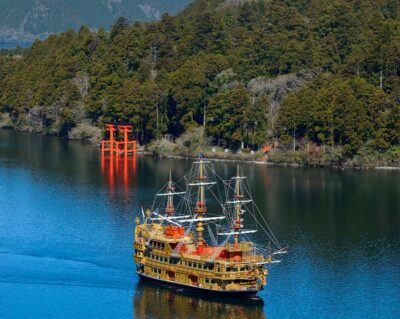
Mt Fuji and Hakone 1-Day Bus Tour Return by Bullet Train
Read our review →
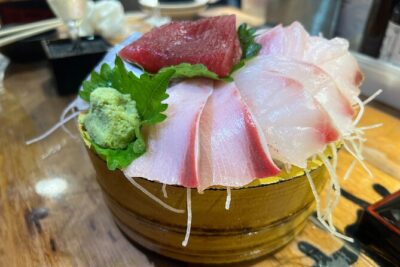
Shinjuku Food Tour (13 Dishes at 4 Local Eateries)
Read our review →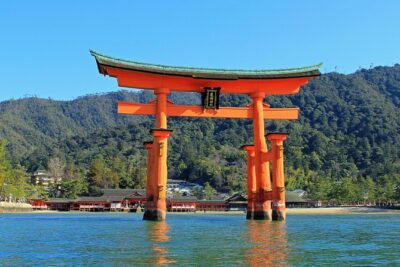
Peaceful Hiroshima & Miyajima UNESCO 1 Day Bus Tour
Read our review →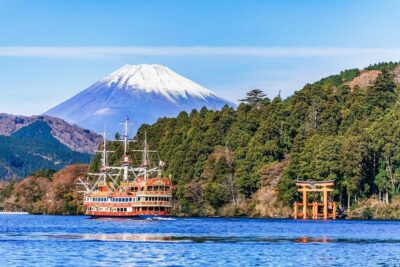
Tokyo Mt Fuji 5th St & Hakone Cruise Bus Tour w/Bullet Train
Read our review →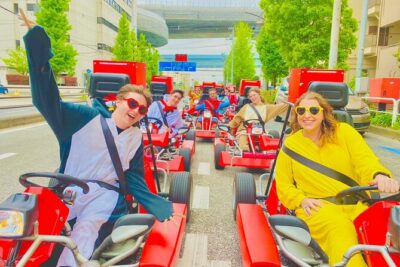
Flagship 2-Hours Official Street Go-Kart Tour – Tokyo Bay Shop
Read our review →