
Reviewed · ARASHIYAMA & BAMBOO TOURS
Kyoto/Osaka: Kinkakuji, Bamboo Forest, and Nara Deer Park
A Kyoto-Nara day trip is interesting when it strings together three big visual moments in one loop: the hush of Arashiyama bamboo, the flash of Kinkaku-ji Golden Pavilion, and then the chaos-cute deer hangout in Nara. I love seeing Kinkaku-ji in real life, because the gold-leaf shine and the mirror-like pond make it look almost unreal. I also like the bamboo forest walk, where you can hear the leaves rustle as you follow the path. The one drawback to plan for is time: this is a “see a lot” day, so if you want to linger forever, you may feel a bit pushed through the crowds.
This kind of day trip lives or dies by the guide and the group pace. Guides like Eiko and Yuki get praised for adding local context and keeping you pointed in the right direction, and many people also mention photo help and clear meetup instructions. The trade-off is simple: you will move together by bus on a schedule, so you are trading freedom for convenience.
Quick hits
- Kinkaku-ji Golden Pavilion with gold-leaf and pond reflections, plus gardens laid out from the 14th century
- Sagano Bamboo Forest in Arashiyama, with the Katsura River area and Togetsukyo in the mix
- Nara Park deer rules that keep the experience smooth, including feeding only shika-senbei
- Todaiji Temple and the Great Buddha, part of a UNESCO World Heritage site
- A/C coach with Wi-Fi that makes a long day easier, especially between Kyoto and Nara
- English-speaking guides who often help with photos and group coordination
Why this Kyoto and Nara loop makes sense
If you only have one day in the region, this route is a smart hit list. Kyoto gives you the postcard icons, and Nara gives you the playful, human-scale side of Japan’s sacred landscape. You are not just checking boxes either. The day moves from nature, to temple splendor, to something uniquely silly and memorable, deer.
Also, the format is practical. You get an English-speaking guide and an air-conditioned coach with Wi-Fi, so you skip the stress of figuring out trains and transfers while also trying to read station signs. It is a good choice if you value comfort and a clear plan.
One more thing: you will feel the contrast between stops. Arashiyama is about walking and atmosphere. Kinkaku-ji is about light, surfaces, and symmetry. Nara is about people, deer, and a very specific feeding etiquette. That variety is the point.
More Nara park visits:
- Osaka: Nara and Uji Day Trip with Deer Park and Hot Spring
★ 4.4 · 302 reviews - E-Bike Nara Highlights – Todaiji, Knives, Deer, Shrine
★ 4.8 · 186 reviews - E-Bike Nara Highlights – Todaiji, Knives, Deer, Shrine, and Gems
★ 4.5 · 34 reviews
Meeting points and how the day starts (Kyoto Station vs Osaka Namba)
Your departure depends on where you start. From Kyoto, the meeting time is 9:05 AM at Kyoto Station, Hachijo Exit Tourist Bus Parking. From Osaka (Namba), it is 8:50 AM at the OCAT building, 1F.
Two practical tips if you want the morning to feel calm:
- Be at the meeting point a few minutes early. Some travelers reported the first finding step can be a little tricky, mostly because bus-day crowds can hide small details.
- Wear shoes you can stand in. You will have multiple walking segments, including a bamboo path and temple grounds.
Hotel pickup is not included, so you do need to get yourself to the start location. The good news is that the meeting spots are set at major hubs, so you can plan around them without extra transfers.
Coach comfort, Wi-Fi, and the real value of having tickets handled
The coach is air-conditioned and has Wi-Fi. That matters more than it sounds when you are traveling between cities and then waiting at busy places. You can cool down, recharge your phone, and keep your bearings.
The value angle is this: you are paying not just for transport, but for the guide plus the effort of handling key admissions. The entry ticket to Kinkaku-ji and the entrance ticket to Todaiji are included only if you select those options. If you see those add-ons, it is often worth taking them, because they remove one more line from your day.
A balanced note: the day can feel tight. Some people say it is organized well, but the schedule still has to fit three major sights plus travel time. That means you should treat free time as “enough for the essentials,” not “time to fully wander and rethink everything.”
Arashiyama bamboo forest: what to expect on the Sagano walk

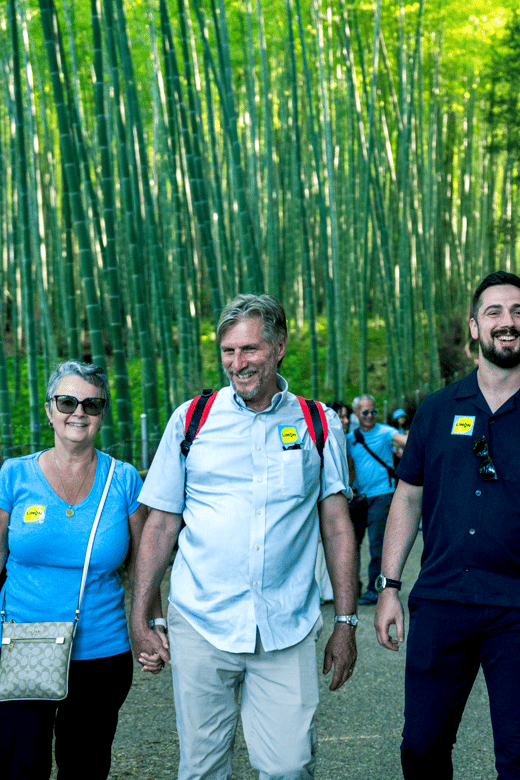
Arashiyama is one of those places where the scenery does the talking. In this day trip, you go first to the Sagano Bamboo Forest area in Arashiyama, and you get a traditional lunch of seasonal Kyoto specialties if you choose the lunch option.
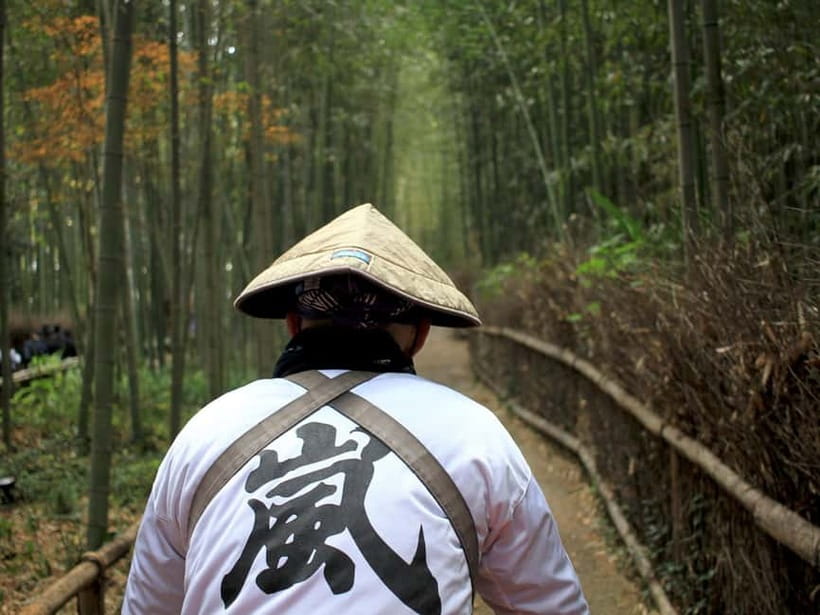
Then you head into the bamboo. The biggest “how it feels” detail is the sound. Even when it is crowded, you can still notice the distinct rustle of bamboo leaves as you move along. It gives the walk a texture, not just a photo.
You will also pass by or see connections to the broader area:
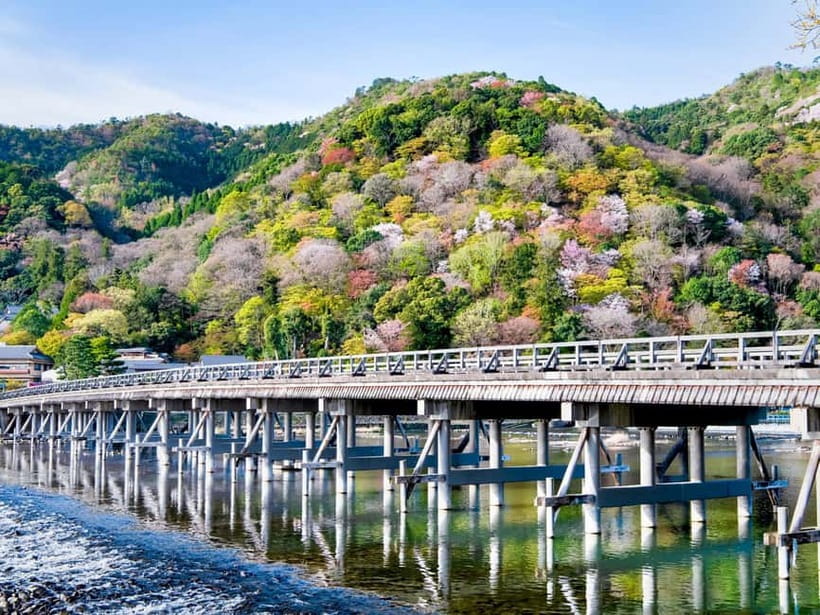
- Togetsukyo (the moon-crossing bridge) as you walk near the river setting
- The Katsura River area that gives context to where the bamboo sits in the landscape
Crowd reality check: bamboo is popular. If you are hoping for solitude, you may not get it. If you go with a photo plan (and a flexible attitude), it still feels special.
Photo tip that will save you: go early in your thinking. Once you reach the main dense sections, stopping becomes slower because of foot traffic. If you want that classic “bamboo tunnel” shot, aim to capture it early in your walking time.
More of Arashiyama:
- Kyoto: Fushimi Inari, Kinkakuji, Bamboo Grove 1 Day Bus Tour
★ 4.8 · 4,316 reviews - Osaka/Kyoto:Kinkakuji,Arashiyama,FushimiInariShrine,NaraPark
★ 4.1 · 1,596 reviews - Kyoto/Osaka: Nara, Fushimi Inari Taisha, Arashiyama Bus Tour
★ 4.7 · 1,275 reviews - Kyoto Arashiyama Walking Tour: Bamboo, Monkeys, Gardens & Secrets
★ 5.0 · 1,216 reviews
Kinkaku-ji Golden Pavilion: gold-leaf, pond reflections, and a 14th-century garden plan
Next comes Kyoto proper and the headliner for many people: Kinkaku-ji, the Golden Pavilion. This is the temple where gold-leaf coverage turns sunlight into drama. The main visual is the way the pavilion shines against the sky, plus the way it reflects in the mirror-like pond below.
What I like about this stop as a visitor is that it is easy to understand, even when you do not read signage perfectly. The pavilion is the focal point. Then you work your way through the gardens, where you can see how the design holds onto an original layout going back to the 14th century.
That “original design” detail is what makes the gardens more than an accessory. You are not just walking pretty paths. You are moving through a planned composition meant to be seen from certain angles, with the pond and buildings acting like stage props.
How to make the most of your time:
- Look up from the pond reflections to the rooflines and then back again. Your eyes adapt fast, and the gold effect changes with distance.
- If the grounds feel crowded, shift your attention. In busy places, the best photos can come from small changes in viewpoint, not from trying to force yourself to the same spot everyone else wants.
If you are sensitive to tight timing, Kinkaku-ji can be where you feel it most, because it is a major draw. But even in a busy day, it still delivers.
Nara Park and deer etiquette: shika-senbei only
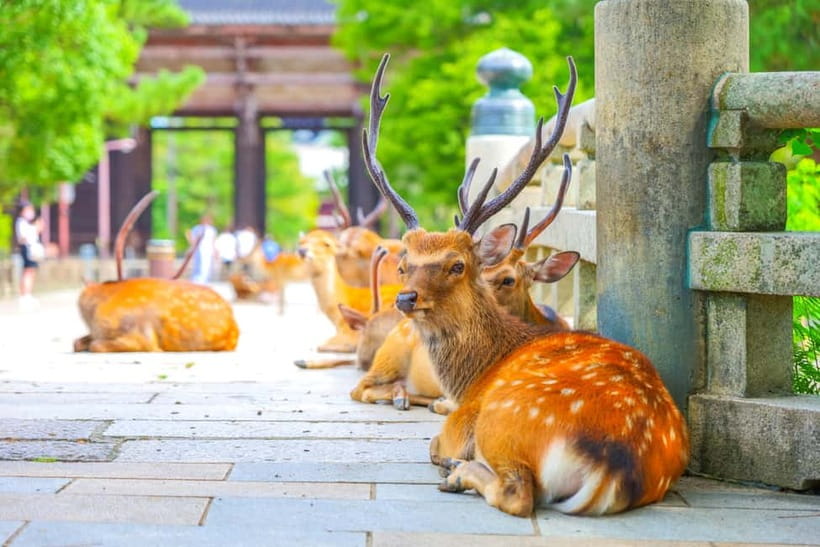
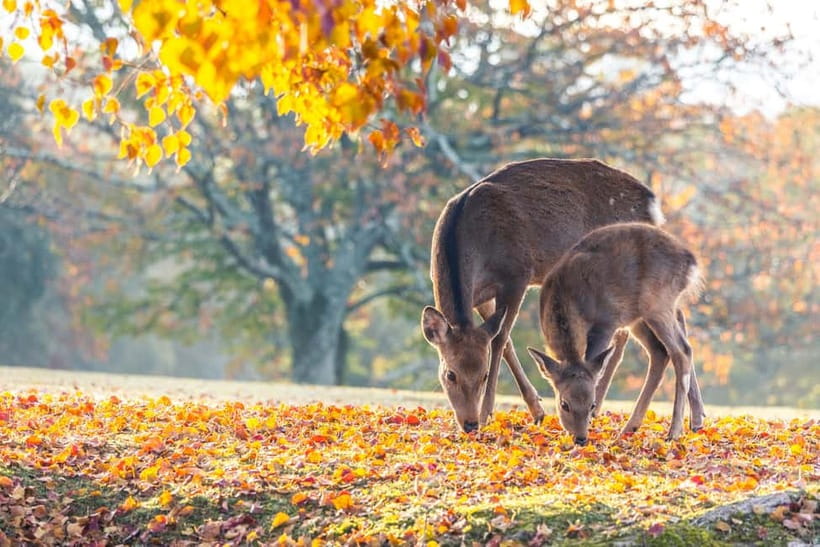
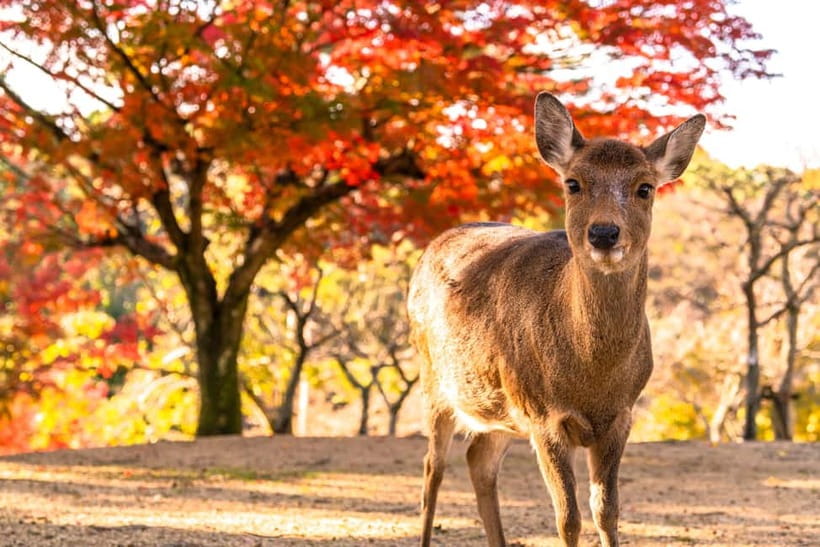
Then it is south to Nara and Nara Park. The big headline here is the deer. Think around 1,200 wild deer living freely in the park. They are famous for bowing, and part of the experience is feeding them using the special crackers called shika-senbei.
Here is the rule that really matters: you should not feed the deer anything other than shika-senbei. That guidance is not about being picky. It is about keeping the interaction safe and controlled for the deer and for you.
Practical way to enjoy the deer moment without drama:
- Keep the crackers easy to access, so you do not fumble when a deer approaches.
- Stay aware of where other people are standing. Deer move fast, and the busiest photo spots can turn into slow chaos.
One more reality check: food supply can be an issue. Some people experienced a time when deer cracker stores were sold out later in the day, and others reported their guide helped them find crackers even when it seemed difficult. That means your best move is to assume you might run into scarcity, and plan your feeding time early rather than treating it as a last-minute add-on.
Todaiji Temple and the Great Buddha scale you can feel
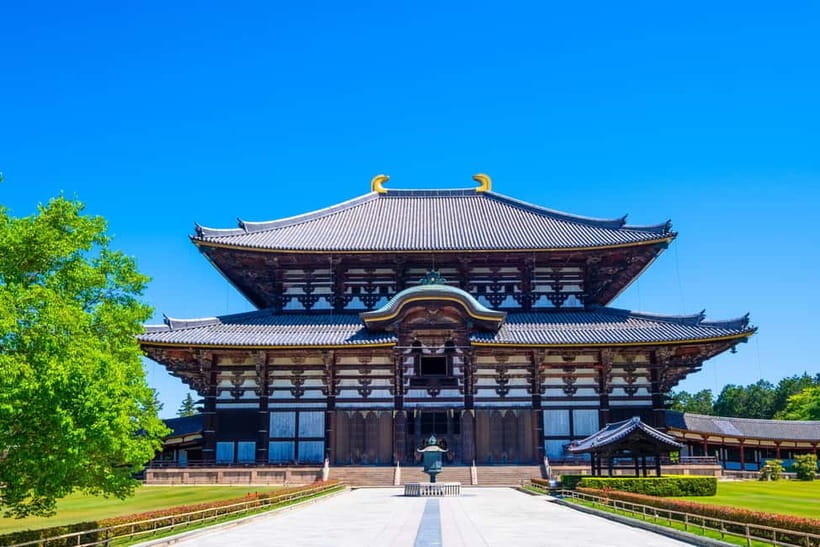
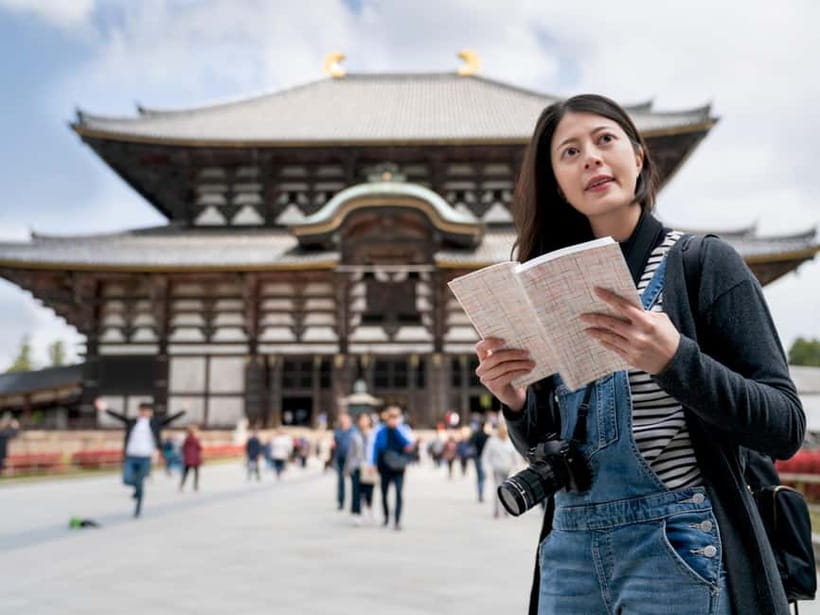
After Nara’s deer energy, you go to Todaiji Temple, which is part of a UNESCO World Heritage site. This is where you shift from cuteness to scale.
Todaiji is home to one of the three titanic Great Buddha Statues of Japan. The key word is titanic, because even when you know it in theory, your brain needs a moment to calibrate once you are in front of the statue.
As a visitor, I think Todaiji hits in two ways:
- You get a sense of how big religious art was meant to impress.
- The surroundings help you slow down after the deer crowd.
If your day has been fast so far, use Todaiji as your mental reset. It is worth taking a full minute to look, not just snap a picture and move on. The statue rewards that.
Price, tickets, and what you are paying for
The listed price is $69 per person. On paper, that might feel like a lot for just a bus and a few sites. In practice, this price category makes sense because you are buying time, coordination, and admissions support.
You get:
- An English-speaking guide
- An A/C coach with Wi-Fi
- Temple tickets if you select the entry options for Kinkaku-ji and Todaiji
- Lunch if you select that option
So the real value question is where you would lose time or effort on your own. Without a tour, you would still have to manage transport between Kyoto and Nara and stand in lines for the biggest temples. This tour compresses that work into one plan.
Lunch is the wildcard. Some people loved the buffet style options. Others felt the lunch experience was less than ideal, and a common theme is that it can feel a bit tight or plain depending on the setup. Also, halal and vegan lunches are not available, and vegetarian requests need advance contact at least 3 days before.
My advice: if you are picky about food, skip the lunch add-on and eat separately near where you want to pause. If you want everything handled and you are open to a standard buffet-style meal, include it and move on with your day.
Best for first-timers, and who might want to go your own way
This day trip is a great match for:
- First-time visitors who want the big Kyoto and Nara highlights without navigating trains
- People who prefer a clear plan and someone keeping time and meeting points organized
- Families who want a low-stress structure (with the note that small kids under 2 are free but must sit on an adult’s lap, and meals are not included for those ages)
It may be a less ideal match if:
- You hate crowds and you want slow, quiet temple time. The bamboo forest and major temple areas will bring people.
- You need lots of independent free time to wander. The schedule is built to fit key sights, not to stretch.
Also consider lunch expectations. If you are food-driven, you might be happier controlling your own meal stops rather than relying on the included buffet arrangement.
Small details that can make or break your day
A few “know this and you will enjoy it more” items from the tour rules:
- Bring comfortable shoes and water. Temple grounds and the bamboo path both ask for good footing.
- Pets are not allowed.
- Oversize luggage is not allowed.
- Smoking is not allowed in the vehicle.
- Only foldable strollers are allowed, and they are stored under the bus with luggage.
If you are traveling with kids, note that the tour allows ages 0 to 2 for free (seat and meal not included). That is useful information when you are building your budget, but plan on sitting arrangements.
Weather matters too. The schedule can change due to traffic or weather for safety, so do not schedule a tight, same-day connection right after you expect to return.
Should you book this tour?
Book it if you want an efficient, guided Kyoto and Nara day where you get the main icons with less planning stress. The combo of Kinkaku-ji, the Sagano Bamboo Forest, and Todaiji plus deer interaction is exactly the kind of one-day overview that helps you decide what you want to revisit later.
Skip it or adjust your expectations if you are the type who needs long, quiet time in each place. This is not a slow-tempo tour. Also, if you are particular about meals, think carefully about adding lunch.
If you go, do two things: keep your eyes on the meetup details, and treat the bamboo and temple highlights as photo and atmosphere stops, not as chances to fully relax for hours.
FAQ
What time does the tour start in Kyoto and Osaka?
Kyoto departure meeting time is 9:05 AM at Kyoto Station Hachijo Exit Tourist Bus Parking. Osaka (Namba) departure meeting time is 8:50 AM at OCAT Building 1F.
Is hotel pickup and drop-off included?
No. Hotel pickup and drop-off are not included.
Is lunch included, and are halal or vegan lunches available?
Lunch is included only if you select the lunch option. Halal and vegan lunches are not available.
What should I bring for the day trip?
Bring comfortable shoes and water.
Can I feed the deer anything besides shika-senbei?
No. You should not feed the deer anything other than shika-senbei.
Are pets and strollers allowed?
Pets are not allowed. Only foldable strollers are allowed, and they are stored under the bus with the luggage.
Are temple entry tickets included for Kinkaku-ji and Todaiji?
Entry ticket to Kinkaku-ji Temple and entrance ticket to Todai-ji Temple are included only if the option is selected.
More Temple & Shrine Tours in Nara
- Kyoto: Tea Ceremony Ju-An at Jotokuji Temple
★ 4.9 · 3,207 reviews - Tokyo: Meiji Shrine, Asakusa, Skytree Bus Tour and Cruise
★ 4.7 · 1,986 reviews - Tokyo: Asakusa Walking Tour with Sensoji Temple Visit
★ 4.8 · 1,583 reviews - Nikko: Kegon Falls, Lake Chuzenji & Toshogu Temple
★ 4.6 · 1,577 reviews
Latest write-ups near Nara
- Nara Highlight Walking Tour with Furoshiki Experience with Lunch★ 5.0 · 73 reviews
- Nara – Highlights Bike Tour★ 4.5 · 89 reviews
- All must-sees in 3 hours – Nara Park Classic Tour! From JR Nara!★ 5.0 · 108 reviews
- Nara:Authentic Tea Ceremony(Max 5 ppl) -Master Matcha Making★ 5.0 · 119 reviews
- Nara Early Bird Tour (Kyoto Departure Option Available)★ 4.9 · 142 reviews
- Nara 6hr Private Tour with Government-Licensed Guide★ 5.0 · 219 reviews
- Nara Early Morning Tour (Kyoto or Osaka Departure Available)★ 5.0 · 676 reviews
- Nara Half Day Trip Walking Tour (Private Option Available)★ 5.0 · 937 reviews
Arashiyama & Bamboo Tours, compared.
Fushimi Inari, Kinkakuji, Bamboo Grove 1 Day Bus Tour
Read our review →
Osaka/Kyoto:Kinkakuji,Arashiyama,FushimiInariShrine,NaraPark
Read our review →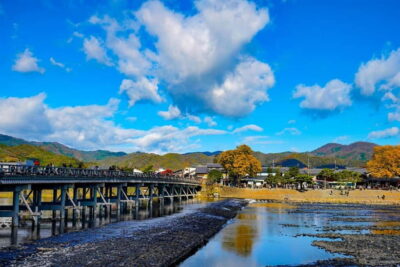
Kyoto/Osaka: Nara, Fushimi Inari Taisha, Arashiyama Bus Tour
Read our review →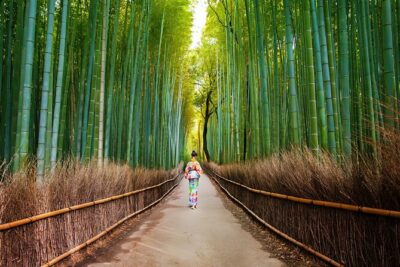
Kyoto Arashiyama Walking Tour: Bamboo, Monkeys, Gardens & Secrets
Read our review →
Arashiyama Bamboo, Temple, Monkeys, or Secret Sake Brewery
Read our review →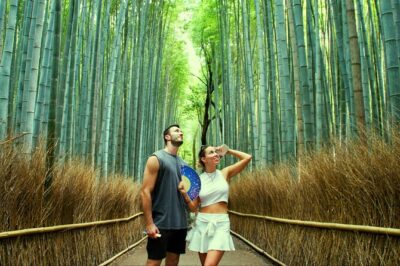
Arashiyama Bamboo Forest, Monkeys, Matcha & Temple Tour
Read our review →
Osaka/Kyoto: Arashiyama, Nara & Fushimi Inari Shrine w/Lunch
Read our review →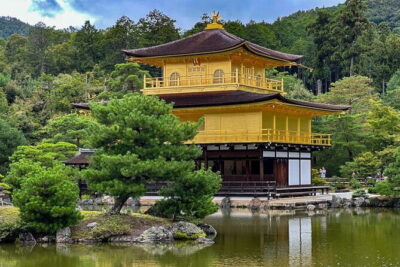
Nijo, Kinkaku-ji, Arashiyama, Kiyomizu & Fushimi Inari
Read our review →Browse the lists this tour appears in