Reviewed · FULL-DAY
Naoshima Full-Day Private Tour with Government-Licensed Guide
Naoshima is interesting because it is not your typical museum day. It is an island where contemporary art lives in real places, old homes, concrete buildings, and even a bathhouse, and you can feel how the island rebuilt itself after going close to collapse.
I like that this tour is private and built around you, not a fixed group route. I also like that you get a licensed local English-speaking guide who can steer you between sites and keep the day logical. One consideration: it is a walking tour with no bicycles, so you will want solid shoe comfort and realistic pacing for a full day.
The time frame is about 8 hours, and you choose 3 to 4 sites from the art island menu. That flexibility is what makes this work, especially if Chichu Art Museum and Benesse House are on your personal must-see list, but you also want breathing space.
Key Points to Know Before You Go
- Private, custom itinerary: choose 3-4 sites so the day matches your art tastes and energy level.
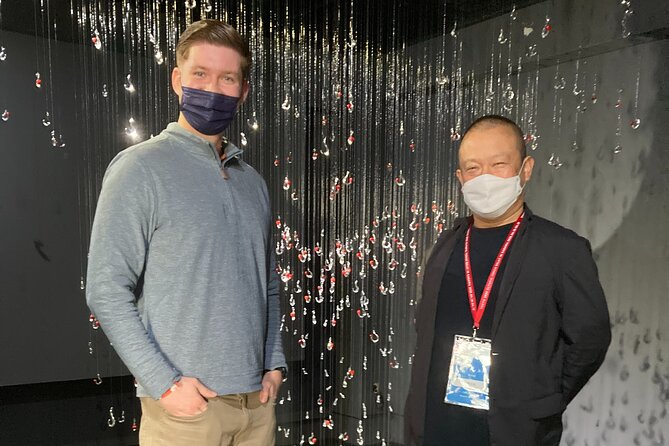
- Licensed English-speaking guidance: guides like Kaji, Sato, Yoko, Reiko, and Ray bring practical context and clear explanations.
- Chichu and Benesse House are strong anchors: plan around Chichu’s light and Benesse’s art-hotel setting.
- Walking only on Naoshima area: pickup is on foot, and bicycles are not allowed.
- Option to island-hop: Teshima and Inujima are possible add-ons by ferry if time and routing work.
- Bring cash: it comes up as a helpful tip for getting through the day smoothly.
Entering Naoshima With a Private Plan That Actually Makes Sense
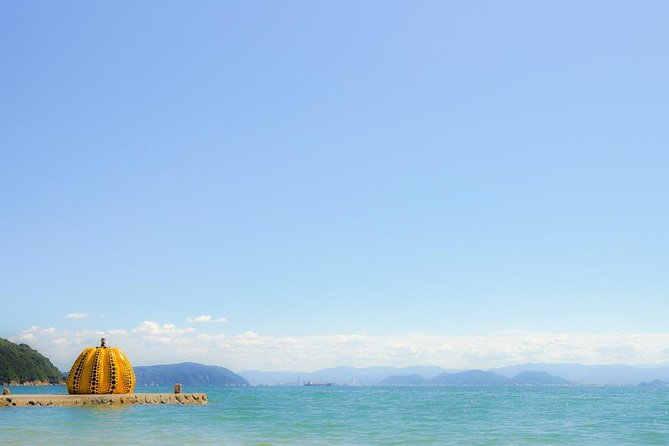
Naoshima is famous for art, but it is also famous for logistics. The sites are spread out, ferries connect islands, and your best order of stops can change based on crowds, opening times, and how much walking you can comfortably do. A private day tour helps because you are not fighting the clock alone.
This experience also has a strong “why this place matters” angle. The island’s contemporary art scene is tied to a bigger comeback story, so the guide’s explanations can connect the buildings, the artists, and the empty spaces you see around you. In practice, that turns a photo stop into a better understanding of what you are standing in.
And you get real English support, not just a basic script. Guides such as Kaji and Sato are praised for explaining local history and art context, and for adapting when the day gets hot or crowded. If you are visiting during the Setouchi Triennale period, plan for heavier foot traffic, and trust that a flexible plan is what keeps the day feeling smooth.
How an 8-Hour Naoshima Day Typically Gets Built
You start the day from the Takamatsu side with pickup offered, then you meet your guide within a designated area in the Naoshima zone on foot. Expect it to feel like one long, well-paced circuit across key sites rather than a stop-and-run checklist.
Your guide builds a route around your choices, usually selecting 3 or 4 sites. That means you can mix major museums with lighter stops, like a bathhouse, or add a ferry island if the schedule works.
A practical note: entrance fees and transportation are not included, so your budget needs to cover tickets to the places you pick, plus lunch if you want it. The guide’s job is to get you to the right places in the right order, and to help you understand what you are seeing once you arrive.
Honmura Art House Project: A Fishing Village That Feels Like a Living Museum
Honmura is the kind of first stop that sets the tone. On the eastern edge of Naoshima, this tiny fishing village holds the Art House Project, a collection of abandoned houses and workshops, plus a temple and a shrine. The point is not polish. The point is transformation.
In a private day plan, this stop is valuable because it gives you context early. You start to notice how art is not just displayed, it is integrated into everyday structures, and how the island’s emptiness became an invitation to reinterpret space.
The tradeoff is time and walking. If Honmura is one of your chosen sites, I’d plan to take it slowly. You want a few moments to look across doorways, hallways, and garden corners without rushing to the next headline museum.
Chichu Art Museum: Underground Rooms, Bright Light, and Architectural Calm
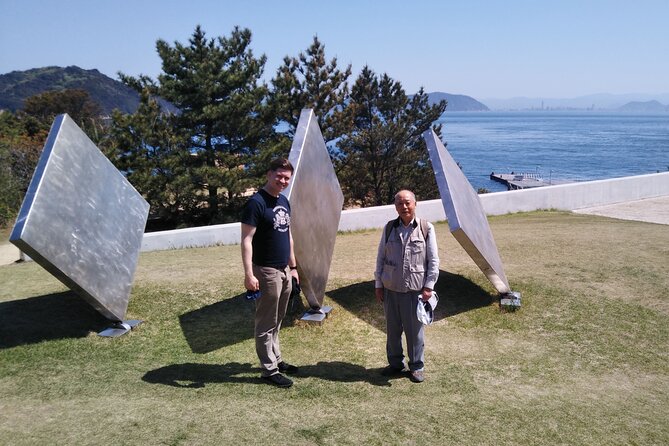
For many people, the highlight of Naoshima is Tadao Ando’s Chichu Art Museum. Much of the building is underground, and Ando designed it to let in natural light that changes how art is experienced over time. That is the heart of why Chichu feels different from most museums. You are not just viewing objects, you are viewing light.
If Chichu is on your list, treat it as an anchor stop. In a custom itinerary, I like that you can spend the right amount of time here without sacrificing everything else. The Chichu experience is also easy to pair with nearby art spots because the architecture is so distinct, it creates a strong theme for the day.
A drawback to consider is crowding. If you are traveling on a busy date, your pacing inside may feel slower than you planned. A private guide helps because the route can be adjusted, and you spend less time guessing what is worth rushing past.
Lee Ufan Museum and Benesse House: Art Built Into a Sense of Place
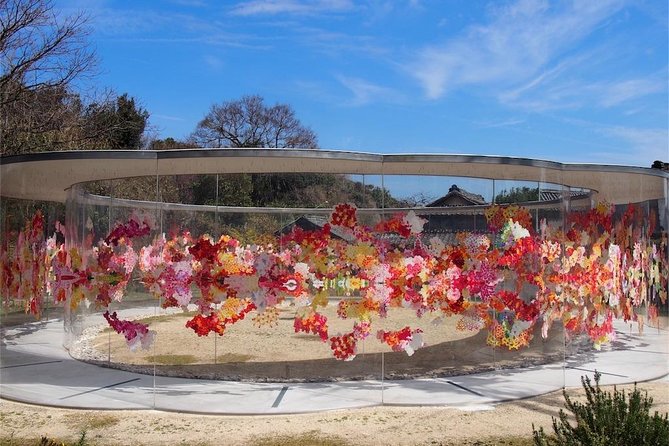
After Chichu, the route often shifts toward two very different vibes.
First is the Lee Ufan Museum. It is a good match if you want art that feels more like quiet presence than spectacle. It also breaks up the day so you are not stuck in the same museum mood for hours.
Then you reach Benesse House, which you can think of as the island centerpiece for a lot of visitors. It is a museum-hotel setting, home to works by Hiroshi Hir… (the guide will cover the full scope during your stop). In plain terms, Benesse House changes how you experience art because the building is not isolated. It is part of a lived-in property feel, where you can sense the pace of staying and returning to the same spaces.
One key benefit of having a guide here: a good plan can prevent you from losing time to confusing signage and long walks. Benesse House is exactly where you want someone to explain what you are looking for and why it sits where it sits.
I♥YU Sento: The Most Fun Way to End a Museum-Filled Day
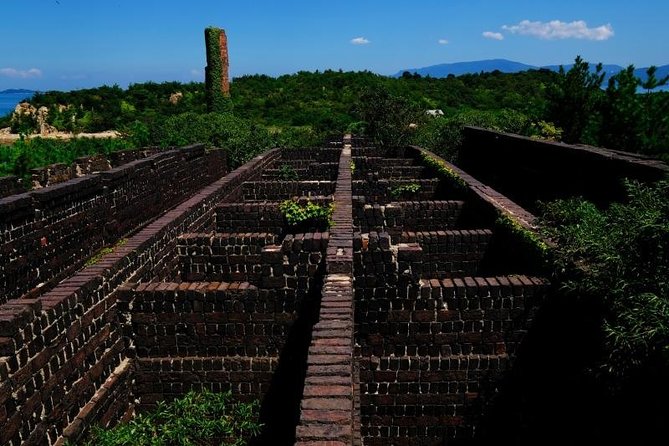
Once you have done your indoor art stops, you may want something human and local. Time and energy permitting, the best fit is I♥YU, a kitschy but beloved Naoshima sento, where yu means hot water.
In a private day plan, this stop works because it turns your day from visual overload into a reset. The name alone is a conversation starter, and the bathhouse setting feels like part of the island’s culture rather than another art ticket.
This is also one of those stops where I’d listen to your guide on timing. If you are choosing it, you want it late enough that you are ready to relax, but not so late that the day runs past what you can manage comfortably.
Adding Teshima by Ferry: The “Drop of Water” Art Museum Option
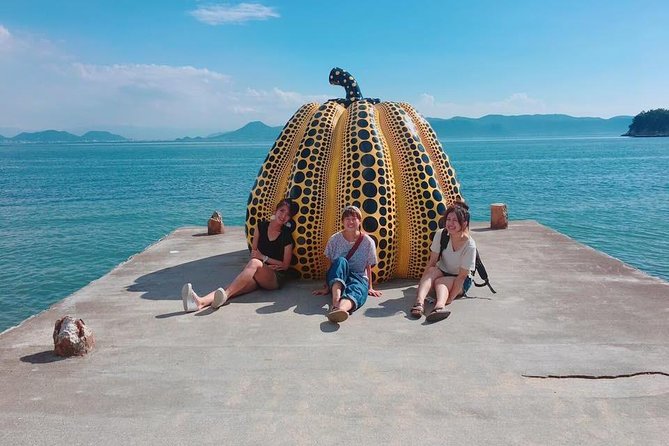
If your chosen sites leave room, the tour can include Teshima, about thirty minutes by ferry from Naoshima. The heart of Teshima is the Teshima Art Museum, described as an incredible structure shaped like a drop of water by an arc-like form.
This is a strong add-on if you want your art day to feel architectural and site-specific. A museum like this tends to give you that wow moment, but it can also eat time because ferry timing and how you connect onward matter.
Here is where planning with a guide pays off. One guide experience stood out for helping with travel arrangements between and on each island, especially on Teshima where buses can be far and infrequent. If Teshima is a major goal, it is worth asking your guide ahead of time how you will handle the island-to-museum routing.
Inujima by Ferry: A Small, Low-Key Art Stop With Seirensho
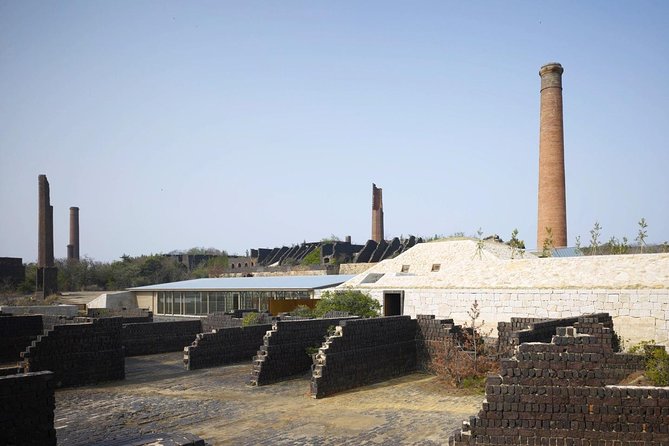
Another option is Inujima, a small island about forty minutes by ferry from Naoshima, or about ten minutes by ferry from the mainland port of Hoden. Inujima is known for being less crowded and more of a calm contrast to the bigger art draws.
The standout here is the Seirensho Art Museum. It is a natural pairing for people who want the art island vibe but prefer something quieter. In a private itinerary, it is also easier to fit Inujima when your guide has flexibility, since adding an island means you need the day to run cleanly.
A caution: because Inujima is a longer ferry add-on, it may affect how many Naoshima sites you can comfortably include. If you are walking at all limits, I’d treat Inujima as either a single major add-on or skip it and keep your Naoshima museum time balanced.
Price and Value: When $200.96 Per Person Actually Feels Fair
At $200.96 per person, the price is not cheap, but it can feel fair if you look at what is included.
You are paying for:
- a licensed local English-speaking guide
- a customizable route where you pick 3 to 4 sites
- pickup offered from your Takamatsu hotel
- a mobile ticket option
- a private format for just your group
What you pay separately:
- transportation fees
- entrance fees
- lunch and personal expenses
So the value comes from avoiding wasted hours and wrong turns, and from getting good explanations once you are at each site. If your goal is Chichu plus Benesse House, a private guide can help you protect your time, especially on crowded days.
The “group discount” feature is a bonus if you are traveling with friends or family and can split the cost, but even as a couple, the private control can be worth it if you hate rigid schedules.
Practical Tips That Make the Day Easier
Because this is a walking tour with no bicycles, comfort matters more than you might think. Bring shoes you trust for long stretches, and plan to move at the pace your guide builds for you.
A few other practical pointers that help:
- Bring cash for smoother spending during the day. (It is specifically suggested as a helpful item.)
- If you are doing a ferry add-on like Teshima or Inujima, ask your guide about the bus situation early. One guide experience highlighted long gaps between buses on Teshima, which can affect your timing.
- Expect crowds on busy art-event periods. During Setouchi Triennale season, the island can feel packed, so your best strategy is to stay flexible and let the route flow.
- Tell your guide your limits. People in different age ranges and even those managing pain have been guided successfully by adapting the pace, so you should speak up early.
Should You Book a Private Naoshima Art Day?
I’d book this tour if you want:
- a high-confidence plan for Naoshima art sites without scrambling
- a route built around what you actually care about, including whether you prioritize Chichu, Benesse House, or a more village-and-bathhouse mix
- English help that turns architecture and art into something you understand while you walk through it
I might skip it if:
- you are traveling with very limited walking ability and would rather not be on foot for a full day
- your group can reliably handle all your own routing and ticket timing and you do not value interpretation
- you are only interested in one or two quick stops and do not want to pay for a full guide day
If you like art enough to want context and you prefer a calm, guided flow, this is one of the more sensible ways to experience Naoshima for the money, because you spend less time figuring things out and more time seeing what the island is trying to say.
FAQ
What is the duration of the Naoshima private tour?
The tour is approximately 8 hours.
Is this tour private or shared?
It is a private tour. Only your group participates.
How many sites can I choose to visit?
You can customize your day by choosing 3 to 4 sites.
Do I get picked up in Takamatsu?
Pickup is offered from your Takamatsu hotel.
Is the tour mostly walking?
Yes. It is a walking tour, and pickup is on foot. Bicycles cannot be used.
Are entrance fees included?
No. Entrance fees are not included.
Are transportation and ferry costs included?
No. Transportation fees are not included.
Does the tour include a licensed English-speaking guide?
Yes. The tour includes a licensed local English-speaking guide.
Are service animals allowed?
Yes, service animals are allowed.
What is the cancellation policy?
Free cancellation is available. You can cancel up to 24 hours in advance for a full refund. If you cancel less than 24 hours before the start time, the amount paid is not refunded.
Full-Day, compared.
Mount Fuji Full-Day Private Tour from Tokyo (Customizable)
Read our review →
Hiroshima / Miyajima Full-day Private Tour with Government Licensed Guide
Read our review →
Tokyo Private Full-Day Tour by Car or Van
Read our review →
5 Top Highlights of Kyoto Full Day Bike Tour (E-bike option)
Read our review →
Full Day Biking Tour Exploring the Best of Kyoto
Read our review →