
Reviewed · SAPPORO & HOKKAIDO TOURS
Popular in SapporoExperience authentic hand-made soba at a real soba shop!
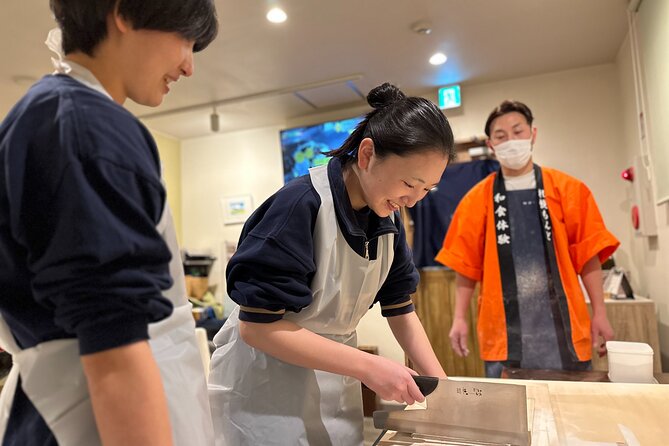
Sapporo has plenty of food experiences, but this one is different because you’re not watching soba being made. You’re doing it at a real, working soba restaurant with pro guidance and clear, visual instruction. My favorite part is the hands-on flow, from mixing buckwheat flour and water to stretching and cutting, and then tasting what you made right there.
I also like that the explanations are designed for English-speaking visitors while still feeling like authentic craft. The only real drawback to plan for is timing, the hands-on portion is short and the shop runs during lunch, so being late can disrupt your start (and in some cases gets treated as a no-show).
This is the kind of activity that makes you understand soba, not just eat it. You’ll leave with real appreciation for the texture, the firmness, and why Hokkaido buckwheat and clean cold-water growing conditions matter.
Key things that make this soba experience worth your time
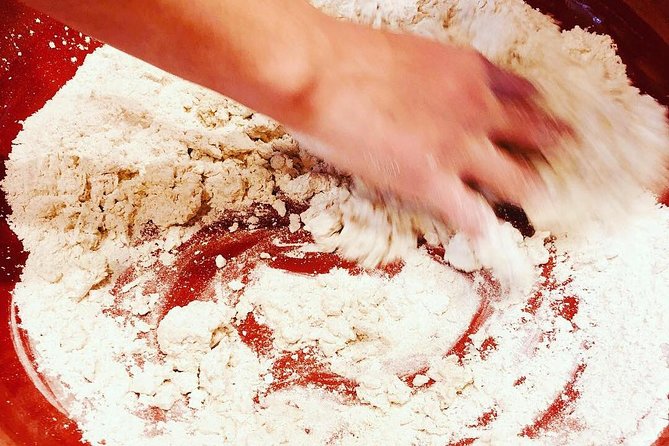
- You make the noodles from scratch: mixing, kneading, stretching, and cutting with real tools used in the shop
- You eat your own soba immediately: the tasting happens right after you finish cutting
- English-friendly, visual teaching: concise explanations plus demonstrations, not long lectures
- A real soba restaurant setting: the class happens in an active shop, not a staged workshop
- Support for beginners and kids: careful instruction helps novices keep up (kids under 2 are free to visit)
Why Sapporo soba making feels like artisan craft, not a tourist show
If you’ve only ever ordered soba, you might think it’s just noodles. This experience changes that fast. The whole point is learning the 100% manufacturing process, the kind that usually happens inside a working kitchen where speed and precision are normal. Here, the chef slows things down so you can learn, but you’re still surrounded by the tools and rhythm of a restaurant that serves customers every day.
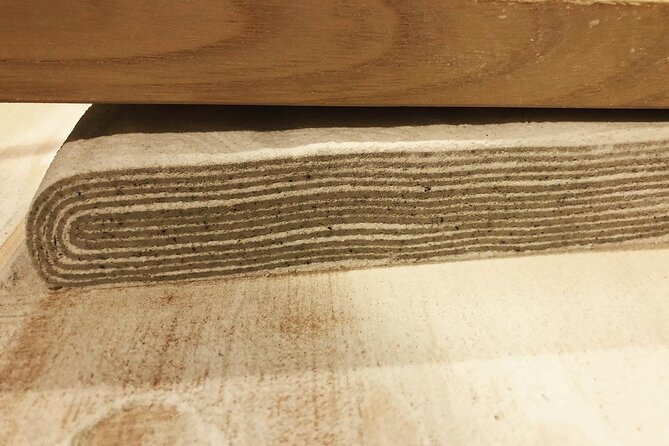
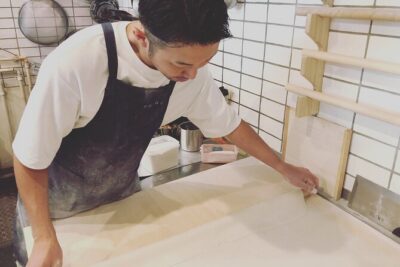
What really clicks is that you experience each practical step yourself. You start with buckwheat flour and water, then you knead and work the dough, stretch it into workable sheets, and cut it into small pieces using a kitchen knife. It’s not a “tour performance.” It’s a real shop process, explained in a way that your hands can follow.
And because it’s at a restaurant with a history of more than 10 years in Sapporo, it feels grounded. The craft isn’t presented as a novelty. It’s presented as what the shop does well every day, which is exactly what makes it memorable in a good way, not a forced way.
One small note: you should come with a hands-on mindset. If you want a long, personal biography of the chef or constant chatting, you might have to ask questions. The focus is on technique and getting you to the bowl.
Also on the shortlist for Sapporo & Hokkaido:
- Sapporo Bar Hopping Food Tour
★ 5.0 · 232 reviews - Hokkaido Seasonal: Lake Toya & Noboribetsu Jigokudani Valley
★ 4.7 · 173 reviews - Sapporo Private Tour with a Local – Highlights & Hidden Gems
★ 5.0 · 91 reviews
Getting to the shop by Miyazawa Station (and keeping your timing smooth)
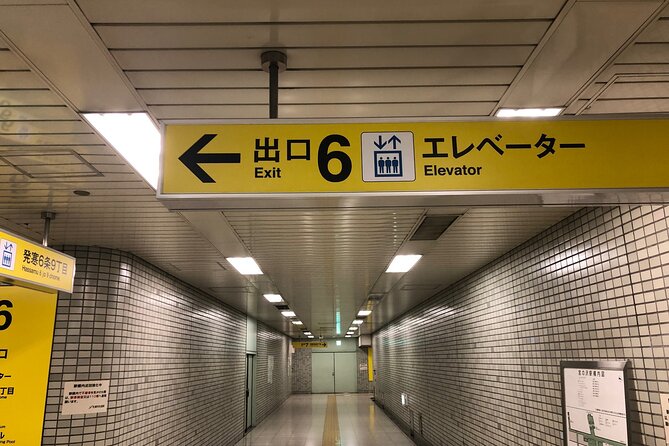
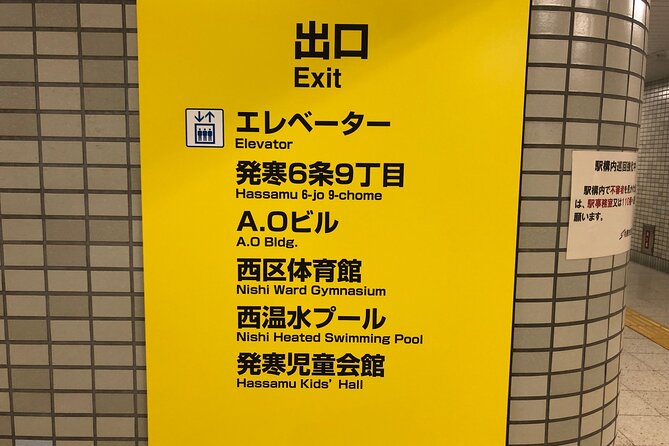
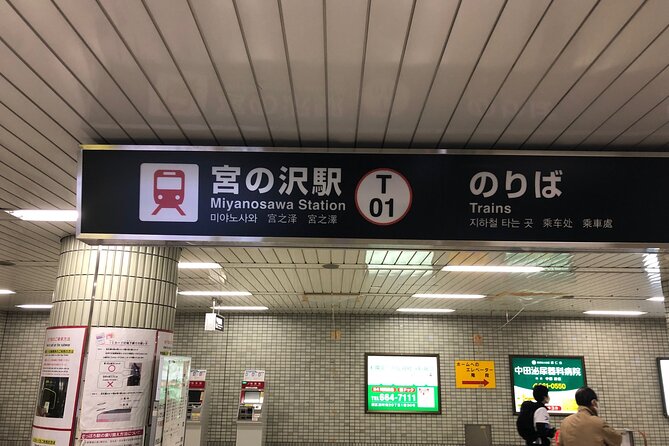
The meeting point is in Nishi Ward, and it’s close to the Miyazawa Station stop on the Tozai Line. The walk is short, around 3 to 5 minutes. There’s also parking in front, but only four spaces, so don’t count on a car spot unless you’re traveling with the confidence of an early arrival.
Timing matters here because the shop operates as a handmade soba restaurant during lunch hours, and start times are coordinated for multiple groups. The experience start time is firm. If you show up late, it can cause inconvenience to other start times, and if you cannot arrive before the start time, it may be treated as a no-show.
My practical advice: plan your transit to get there early, not on the dot. In Sapporo, weather and walking pace can add minutes quickly, especially if you’re also planning park time at nearby spots like Sapporo Shiroi Koibito Park. Also, double-check the address on your confirmation. There has been at least one real-world case of an address mismatch causing major delay, so it’s worth verifying before you leave your hotel.
What you actually do: the step-by-step handmade soba flow
This is the part that makes the experience click for most people. You’re not just touching dough for a photo. You’re guided through a real sequence that mirrors how soba is made in serious shops.
1) Mix buckwheat flour and water
You begin with buckwheat flour and water, learning how to combine them into a dough you can work. This is where many first-timers realize soba isn’t the same as wheat noodle dough. The buckwheat character shows up in how the dough feels and behaves, and your chef’s guidance matters.
You’ll likely pick up quick cues like how to handle the texture and when you’re close to a workable stage. Since the explanations are designed to be easy to follow in English and supported with visual demonstrations, you shouldn’t feel lost even if you’ve never made noodles before.
A change of pace from Sapporo & Hokkaido:
- Sapporo: Hokkaido, Noboribetsu and Lake Toya Day Tour
★ 4.1 · 88 reviews - Sapporo: Sumo Show Experience with Japanese food & Photo
★ 4.9 · 81 reviews - Mondo’s most popular plan! Experience making soba noodles and the king of Japanese cuisine, tempura, in Sapporo!
★ 5.0 · 71 reviews - From Sapporo: Hokkaido Highlights Day Trip
★ 4.6 · 56 reviews
2) Stretch the soba noodles
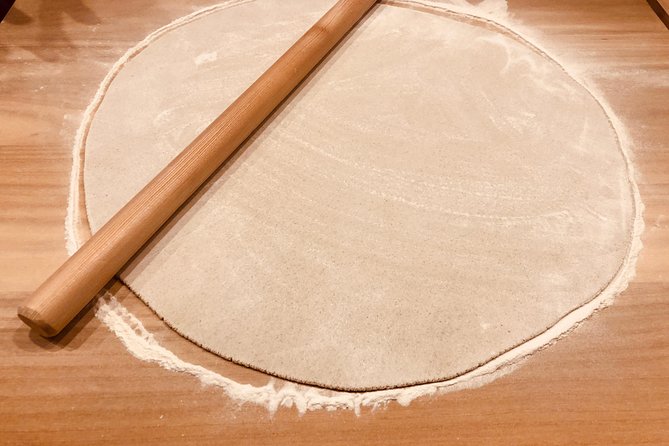
Next comes stretching. This step is all about creating the right thickness and feel so you can cut cleanly later. It’s also where you start to understand why technique matters more than force. Stretching too aggressively or too unevenly makes cutting harder and affects the final texture.
This is also where you’ll appreciate that the chef and staff guide you carefully. Many people enjoy this step because you can see the transformation from lump to sheet.
3) Cut the soba noodles
Then you cut the noodles into small pieces with a kitchen knife. This is one of the most satisfying steps because it turns your work into something unmistakably soba-shaped.
You don’t need perfect knife skills. The instruction is meant to help you get a good result within a limited time window. One of the best parts, based on the typical feedback this experience gets, is that you’re given room to make small mistakes and then adjust.
4) Sample the soba you made
Finally, you eat what you made. The tasting part comes after the hands-on work, and that tasting is a key part of why this experience is better than a short “try a few bites” deal.
Expect a chance to taste soba immediately so you can connect technique to flavor and mouthfeel.
Timing and pace
Plan for about 30 minutes of active making, then tasting and finishing time on top of that. In total, it runs around 1 hour and 15 minutes. The overall duration is often listed shorter, but in practice, the tasting and wrap-up take time.
So if you’re juggling trains and dinner reservations, don’t schedule yourself only 30 minutes afterward. Build a buffer.
What you eat after: your soba, plus optional add-ons
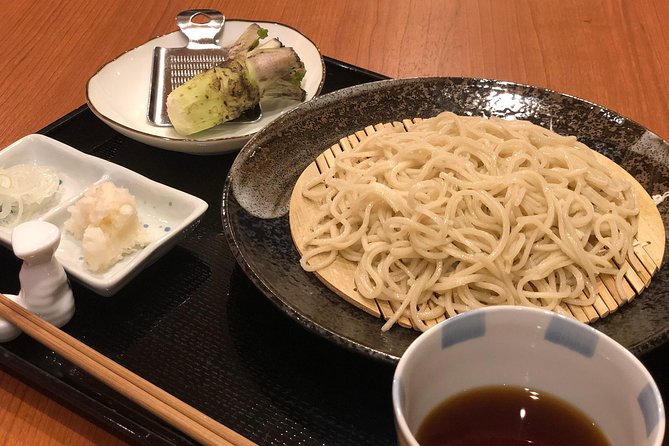
After you finish, you enjoy your own handmade soba noodles. That’s the main meal outcome, and it’s the reason to book this rather than just buying soba in a shop.
Also, there are optional extras you can add. Tempura is mentioned as a recommended pairing, and one common way people describe it is ordering tempura vegetables and shrimp to go with their soba. Tempura can be an extra cost option, so it’s not automatically included. Duck soup also comes up in recommendations, so if you see it on the menu, you can ask about it.
If you’re on a budget, stick to the soba you make, because the core value here is the noodles and the satisfaction of eating your own work. If you’re there to go all-in on a Hokkaido meal, add tempura. It’s a classic pairing for a reason: crunchy texture plus savory sauce works well with buckwheat noodles.
English support and what makes it beginner-friendly
This experience is built for guests who want learning they can actually do. English explanations are concise and supported by visual demonstrations. That means you get the key instruction you need without a long backstory lecture eating up your practical time.
It’s also designed for people who might not realize how traditional soba making usually happens. Soba-making is traditionally an artisanal process done in a more enclosed workshop with longer training. This is different. You get a condensed, structured version of the craft, refined for guests to learn earnestly in a real restaurant environment.
And it’s not just for adults. You can participate confidently even as a beginner, and children can join with guidance. One key detail: children under 2 years old are free of charge but can only visit.
In other words, it’s family-friendly, but it’s still a hands-on activity. If you bring a young toddler, set expectations that they won’t be cutting noodles.
The teaching style I’d bank on
Based on the consistent pattern of feedback, the chef and hosts tend to be patient and encouraging, with clear instruction that keeps you moving step by step. One theme that comes up often is that the teaching is welcoming and understanding when someone struggles with timing or technique, which is exactly what you want in a class where your hands are learning something new.
Price and value: is $72.67 a fair deal?
At $72.67 per person, this soba experience isn’t a budget snack tour. But the value case is pretty strong if you compare what’s included.
First, you’re paying for time with a pro who runs a soba restaurant, not a demo with a pre-made product. You’re making noodles from raw buckwheat flour and water through cutting, then eating them. That’s more labor and more instruction than most “try-it-once” food experiences.
Second, the tools and process are real. You’re not using toy equipment. You use utensils the shop normally uses, and that matters because the feel and result are part of the craft. Third, you’re in a private format for your group, so you’re not stuck waiting for crowd pacing.
There are also ways value gets even better if you’re traveling with friends or family, because group discounts are available. And since it’s often booked about a month in advance, you should consider reserving early if you want a specific day.
My practical take: if you love food craft, you’ll find this price easier to justify because you leave with a skill you understand, not just a meal you consumed.
Hokkaido soba context, and why cold-water buckwheat actually matters
One reason people obsess over soba in Hokkaido is the growing conditions. Hokkaido is Japan’s number one soba producer, supported by nature and clean water. The cold weather and mineral-rich water from the soil help buckwheat grow into something with excellent flavor and texture.
That’s not just trivia. It’s part of the taste you’ll notice when you eat your noodles. The goal of this experience is not only to teach the technique, but to help you understand why Hokkaido soba is known for its firmness and crunch.
So when you taste your final product, you’re tasting the result of process and ingredients, not just the act of making noodles.
Also, soba traditions connect back to older Japanese food culture, including Edo-period style eating. You’re basically getting a hands-on bridge between tradition and something you can do yourself.
Who should book this Sapporo soba experience
This fits best if you want an authentic food activity that doesn’t feel like a sightseeing checkbox.
Book it if:
- You like hands-on learning and want to make your own food from scratch
- You want an experience inside a real soba restaurant, not in a staged classroom
- You’re traveling with family or a friend group and want an activity that feels different from just eating meals
- You appreciate Hokkaido food culture and want to connect technique to local ingredients
It might not fit as well if:
- You hate hands-on tasks and only want tasting
- You need a very flexible schedule, because the start time is important and the shop runs during lunch
- You expect a long, personal storytelling segment from the chef, rather than technique-heavy instruction
Should you book it? My practical verdict
Yes, I’d book it if you’re in Sapporo and you care about learning through doing. The combination of a real restaurant setting, a clear step-by-step process, and the chance to taste what you made right there is exactly the kind of activity that turns into a story you can tell later.
Just plan like a smart traveler: arrive early near Miyazawa Station, give yourself extra minutes for weather and walking, and avoid scheduling a tight connection immediately afterward. If you want the full Hokkaido meal feel, consider adding tempura, since it’s a common pairing, and ask about menu options like duck soup if you see it.
FAQ
How long does the soba-making experience take?
The hands-on soba-making time is about 30 minutes, and then there is tasting afterward. The full experience takes around 1 hour and 15 minutes.
Is this a private activity?
Yes. This is a private tour or activity, and only your group participates.
Where is the meeting point, and is it near public transportation?
You meet at 9-chōme-17-28 Hassamu 6 Jō, Nishi Ward, Sapporo, Hokkaido 063-0826, Japan. It is near public transportation, with Miyazawa Station on the Tozai Line about a 3 to 5 minute walk away.
Do you explain things in English?
Yes. English explanations are concise and include visual demonstrations, designed to be easy to follow without long lectures.
What do I eat at the end?
After making the noodles, you can enjoy soba noodles you made yourself. Tempura and duck soup are mentioned as options you can order, with tempura noted as an extra cost option.
Can children join?
Children can participate with careful guidance. Children under 2 years old are free of charge, but they can only visit.
What is the cancellation policy?
You can cancel up to 24 hours in advance for a full refund. If you cancel less than 24 hours before the experience start time, there is no refund.
Latest write-ups near Sapporo & Hokkaido
- Sapporo: Sumo Show Experience with Japanese food & Photo★ 4.9 · 81 reviews
- Sapporo: Hokkaido, Noboribetsu and Lake Toya Day Tour★ 4.1 · 88 reviews
- Hokkaido Seasonal: Lake Toya & Noboribetsu Jigokudani Valley★ 4.7 · 173 reviews
- Sapporo Bar Hopping Food Tour★ 5.0 · 232 reviews
- From Sapporo: Hokkaido Highlights Day Trip★ 4.6 · 56 reviews
- One Day Highlights Tour of Sapporo★ 5.0 · 41 reviews
- Sapporo: Otaru Asarigawa Ski Resort Day Trip with Gear★ 4.9 · 27 reviews
- Wherever you want! 1-Day Private Tour from Sapporo to Furano more★ 5.0 · 20 reviews
Sapporo & Hokkaido Tours, compared.

Hokkaido Seasonal: Lake Toya & Noboribetsu Jigokudani Valley
Read our review →
Sapporo Private Tour with a Local – Highlights & Hidden Gems
Read our review →
Mondo’s most popular plan! Experience making soba noodles and the king of Japanese cuisine, tempura, in Sapporo!
Read our review →
Browse the lists this tour appears in