
Reviewed · SAPPORO & HOKKAIDO TOURS
Otaru 4hr Private Trip with Government-Licensed Guide
Otaru is a great choice for a private tour because it’s compact, scenic, and full of history you can actually see on foot. This 4-hour private Otaru trip with a government-licensed English-speaking guide helps you pick what matters most, instead of trying to guess your own route. I especially like that you can focus on a short list of stops, and you get explanations that turn pretty streets into useful context. One consideration: it is not a private car tour, so you will rely on walking and possibly public transport for any hops between areas.
You also get real flexibility. You choose 2 to 3 sites from the highlights, then your guide shapes the timing around what you want to see, shop for, and taste. And yes, it is a walking tour, so comfortable shoes matter, especially if weather turns.
If you come to Hokkaido to slow down and understand places, not just collect photos, this works well. You will leave Otaru with a clearer sense of why the canal mattered, how old buildings became today’s attractions, and how sake culture fits into the town’s identity.
Key highlights to plan around
- Private, 4-hour format with only your group, so the pacing stays on your side
- Customize 2 to 3 attractions, instead of feeling locked into a fixed route
- Walking-focused tour with pickup potentially offered, but meeting is on foot in a designated area
- Canal stop is free, which helps you keep costs down
- Entry fees are extra for several major sights, so budget for tickets
- Local government-licensed guides who can adjust to your group and energy level
How this Otaru private trip really works (no private car, still smooth)
This is a private half-day in Otaru, designed for people who want more than a casual stroll but do not want a full-day commitment. The tour runs about 4 hours and is led by a licensed local English-speaking guide. Only your group participates, which means you are not stuck with someone else’s pace or priorities.
The big logistics point is transportation. This experience does not include a private vehicle. The good news: Otaru’s central sights are walkable. The practical consideration: depending on your chosen stops, you may need to pay for some public transport. That is normal for a town this size, but it means the tour is best when you stay realistic about timing.
Plan your expectations around walking. The tour is explicitly a walking experience, and the pickup is handled by meeting the guide on foot within a designated area. Also note that the experience is near public transportation, which is helpful if you need to regroup or adjust after a break.
Finally, tickets. The Canal visit is free, but several stops have admission fees that cost extra. If you are the type who loves to see everything, you may feel the ticket costs add up. If you pick just a couple of paid sights, you can keep the overall spend controlled.
Also on the shortlist for Sapporo & Hokkaido:
- Sapporo Bar Hopping Food Tour
★ 5.0 · 232 reviews - Hokkaido Seasonal: Lake Toya & Noboribetsu Jigokudani Valley
★ 4.7 · 173 reviews - Sapporo Private Tour with a Local – Highlights & Hidden Gems
★ 5.0 · 91 reviews
Otaru Canal: the free start that sets the tone
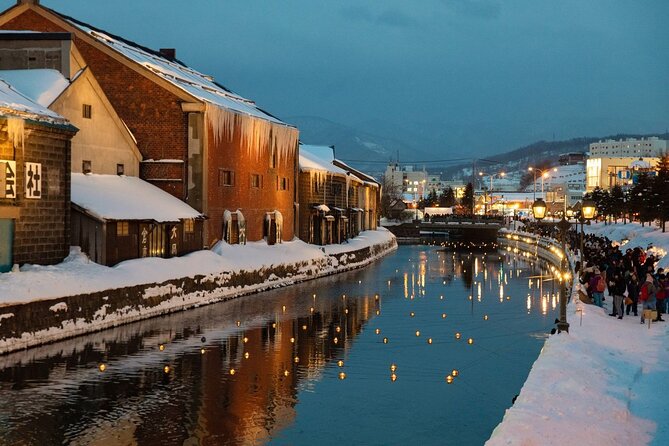
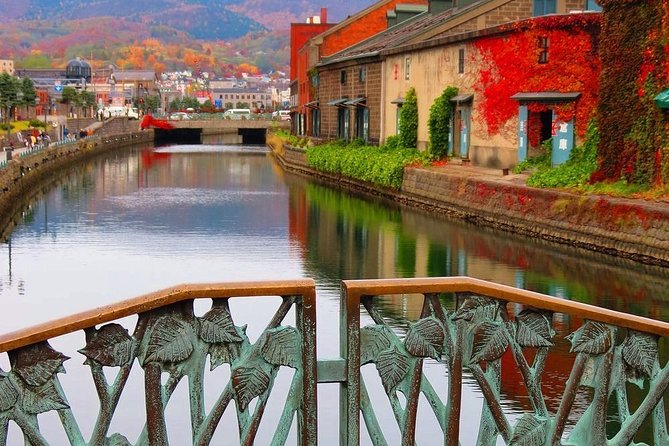
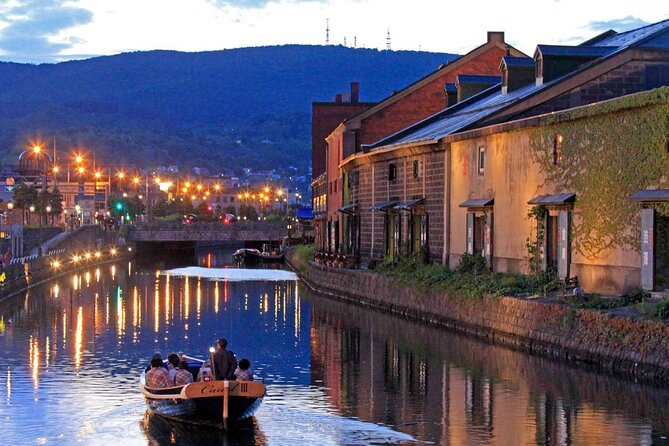
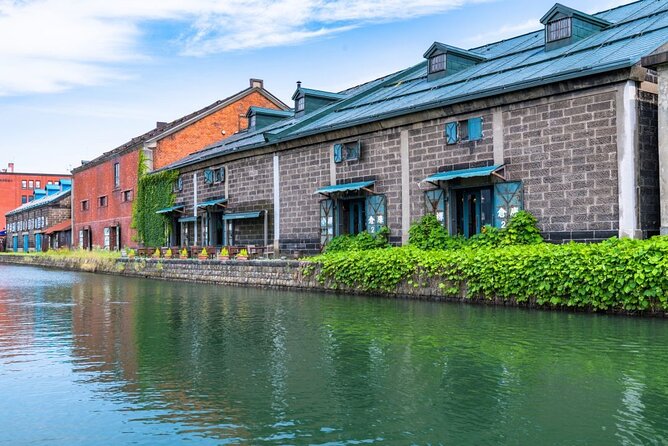
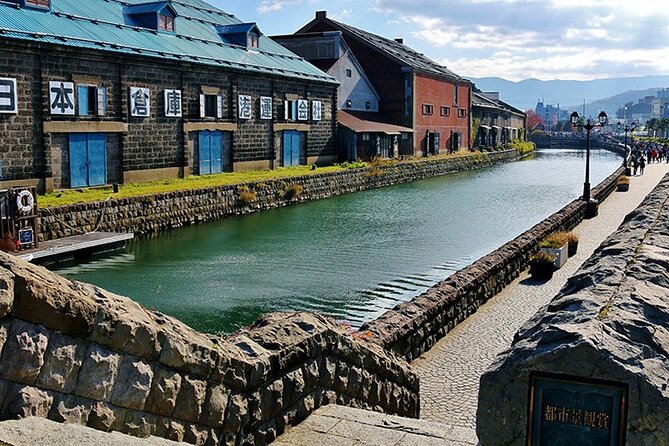
The Otaru Canal is the easy win. It is the classic first stop because it gives you immediate context for what this town used to be. Long ago, the canal functioned as a distribution hub, helping move goods through the region. Standing here, you can almost map the town’s geography in your head, and you can connect the dots to the preserved streets nearby.
What I like about starting here on a guided route is that the guide can explain why the canal shape and surrounding buildings matter. The canal itself is free to visit, so it is a low-risk “yes” at the start of your half day. Even if you later decide to cut back on paid attractions, you still get a meaningful Otaru highlight.
This is also a smart place to gauge your energy. If it is cold or wet, you can decide whether to go heavy on museums or shift toward street-level wandering and food stops.
Practical tip: dress for walking outdoors. Even on a short tour, the weather can change quickly in Hokkaido, and you will likely spend time outside between stops.
Otaru Art Base: early 20th century buildings given new purpose
The Otaru Art Base is a stop that feels like it belongs in a small town with big personality. This attraction uses early 20th century historical buildings as part of its tourism setup. It is located opposite the Otaru Canal across Rinkosen Street, so it is convenient without feeling like a detour.
Expect a slower, more interpretive hour. The value here is not just the building exterior, it is how the guide helps you notice details. One of the strongest themes from excellent guide experiences in Otaru is the way they connect visual design to local identity, so if you enjoy art, architecture, or just learning how cities reuse older spaces, this fits.
A small budgeting note: this stop’s admission is not included. So if you are watching costs, decide in advance whether you want to use one of your 2 to 3 site picks on an indoor ticketed attraction. If you do, it is a good anchor for the half-day because it shifts you from outdoor scenery to a more story-driven visit.
Sakaimachi Street: shopping and snacks on the inland side
Sakaimachi Street, also called Sakaimachi Dori Shopping Street, is where you go when you want Otaru to feel like a place where people actually live and buy things. It runs parallel to Rinkosen Street, on the inland side of the canal area. That layout makes it easy to connect walking routes while still feeling like you moved into a slightly different vibe.
This is a great fit for food lovers. You will have room to nibble, browse, and plan what you want to take home. It is also a sensible choice if your group includes mixed interests. One person can do more browsing while another focuses on tasting, and your guide keeps you moving without turning it into a race.
Admission is not included for this stop, which helps keep your “must pay” list smaller. The main cost here is what you choose to buy.
If you like souvenirs, go at a relaxed pace. If you prefer photos over shopping, use Sakaimachi as a gentle transition between ticketed sights.
A change of pace from Sapporo & Hokkaido:
- Sapporo: Hokkaido, Noboribetsu and Lake Toya Day Tour
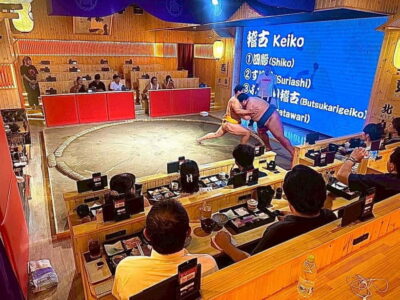
★ 4.1 · 88 reviews - Sapporo: Sumo Show Experience with Japanese food & Photo
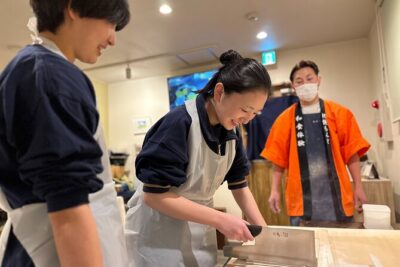
★ 4.9 · 81 reviews - Popular in SapporoExperience authentic hand-made soba at a real soba shop!
★ 5.0 · 77 reviews - Mondo’s most popular plan! Experience making soba noodles and the king of Japanese cuisine, tempura, in Sapporo!
★ 5.0 · 71 reviews
Tanaka Sake Brewing Kikkogura: why Otaru’s sake stop matters
Otaru is known for nostalgic streets and glass crafts, but it is also a sake town. Tanaka Sake Brewing Kikkogura is the kind of stop that adds depth fast, because it brings history out of the buildings and into a living tradition.
The most practical benefit is how it balances your half day. You already have the canal and street areas. A sake brewery stop gives you an indoor, structured experience where the guide can explain how brewing culture connects with the town’s identity and past trade role.
Expect about an hour. The admission fee for this stop is not included, so again, it is a paid commitment. But this is also one of those experiences that gives you something concrete. It is harder to “accidentally” understand sake culture by walking alone, and a guide can help you make better sense of what you see.
If you are traveling with non-drinkers, you can still enjoy the history and the atmosphere. If you are a sake fan, this is often the highlight that makes Otaru feel like more than a pretty day trip.
Mt. Tengu Ropeway Ski Museum: a view stop that needs energy planning
The Tenguyama area is about views and atmosphere. Mt. Tengu overlooks the seaside city and the Sea of Japan, and it is around a 15 minute car ride from Otaru IC. The Ropeway Ski Museum sits in that bigger Mt. Tengu zone, making this stop feel like a “sky-level” add-on to the canal-and-street portion of your day.
This stop also reflects the reality of a 4-hour tour: you need to think about timing. It is tempting to pick everything, but viewpoints take time for travel, waiting, and just standing there long enough for the photos to feel worth it.
Admission is not included for this stop, so it is another ticketed decision. If you are choosing only 2 to 3 attractions, this is the one to select if your priority is the scenic payoff. If your group hates uphill walking or long waits, you might swap it out for more canal area time and food.
Practical tip: if it is cold or windy, plan your layers. A viewpoint stop can be the most uncomfortable part of the day if you dress for street shopping instead of open-air weather.
Guide quality: what you should look for from a local expert
The biggest reason this tour scores high is not just the places. It is the guide experience. When the tour goes well, it is because the guide knows how to translate Otaru into understandable stories.
You will hear strong examples of what great guidance looks like from real guide names associated with this experience, including Kazuo Sumi, Roy Aoki, Kumiko-san, Teri, and Kenji. Across excellent experiences, the common thread is patient pacing and clear explanations, especially when groups include elderly parents or when weather changes mid-tour.
One standout real-life moment: when rain started and the temperature dropped, the day could have felt like a disaster for a walking plan. Instead, good guidance turned it around by keeping everyone on track and still finding time for the meaningful parts of the town.
That is what you are paying for when you book a private, licensed guide. You are buying efficiency and context. You are also buying a human who can help adjust when the day does not cooperate.
Price and value: when $108.38 per person feels fair
At $108.38 per person for about 4 hours, this is not a budget-only experience. But private guiding has a clear logic: you pay for your time and your group’s attention.
Value depends on two things.
First, you need to decide whether Otaru is a “learn it with a guide” destination for you. If you like history, architecture, and food culture, the guide’s explanations can genuinely multiply what you get out of the same streets you would otherwise walk.
Second, think about the ticket add-ons. The Canal is free, but other stops have admission fees that are not included, and lunch is also not included. So the total day cost is the base tour fee plus any paid sights you choose, plus whatever you eat. If you go with 2 paid attractions plus the free Canal, you can keep the spend predictable.
The tour also offers group discounts, and the booking pattern suggests it is a popular choice, often booked about 93 days in advance. If you travel in a small family group, private guiding can still be excellent value because everyone benefits from one shared itinerary and one shared set of local knowledge.
What to budget besides the tour fee
From the tour details, you should expect these extra costs:
- Transportation fees, since there is no private car included
- Entrance fees for selected attractions, since not everything is free
- Lunch, and other personal expenses
This list matters because it affects your planning style. If you like to eat at a specific place, decide whether lunch is part of your tour time or a separate plan. If you budget for snacks as you go, you will enjoy the street sections more without feeling rushed.
If you are trying to keep costs tight, choose paid stops intentionally. For example, start with the free Canal, then select one or two paid experiences that match your interests best, and fill the rest of the time with the street-level atmosphere.
Timing tips for a 4-hour walking day
Because this is a walking tour, you will feel every minute. A clean strategy:
- Pick 2 or 3 attractions and treat everything else as optional. The point is focus.
- Wear shoes you could walk in for 90 minutes to 2 hours without complaint.
- Bring layers even in “mild” weather. Otaru can shift quickly, and outdoor portions do not pause just because clouds roll in.
- If you are sensitive to cold, plan the more scenic viewpoint options earlier, so you do not freeze halfway through the day.
Also remember that meeting is on foot in a designated area, and the tour is near public transportation. That helps if you need to adjust, but it still means you should show up ready to walk.
Who this tour suits best
This is a strong match if you want:
- A private half-day where you do not waste time deciding on the fly
- A guide who can explain what you are seeing, including culture and how old spaces function today
- A route built for a mix of interests, like canal sightseeing plus a sake stop and street shopping
It is also practical for many travelers since the tour notes that most people can participate. That said, it is still a walking tour, so if mobility is limited, you may want to think carefully about your chosen stops and how much time you will spend outdoors.
Should you book this Otaru private trip?
Book it if you want to get more than sightseeing. If you care about understanding why Otaru looks the way it does, and you want a licensed local guide to shape the day around your interests, this is a solid choice.
Skip or rethink if your goal is purely low-effort wandering and you do not want to pay for a guide. Also reconsider if you hate paying for multiple ticketed stops, because several of the main sights in the highlight set require extra admission.
If you do book, make your life easier by choosing your 2 to 3 attractions in advance based on what you actually enjoy: canal views and street life, a sake or culture stop, and possibly one ticketed viewpoint. Then let the guide handle the pacing so your 4 hours feel like a win, not a rush.
FAQ
How long is the Otaru private trip?
It lasts about 4 hours.
Is this tour walking-based?
Yes. It is a walking tour, and the guide pickup is on foot in a designated area of Otaru.
Is a private car included?
No. There is no private vehicle included, but you can pay to use public transport if needed.
What is included in the price?
A licensed local English-speaking guide and a customizable tour of 2 to 3 sites. You also receive a mobile ticket and meet the guide within the designated area on foot.
What is not included?
Transportation fees, entrance fees, lunch, and other personal expenses are not included.
Can I choose which attractions to visit?
Yes. You choose 2 to 3 attractions from the highlights list.
Are entrance fees included for the stops?
Some are free and some are not. The Otaru Canal is listed as free, while several other stops show admission ticket not included.
Is pickup offered?
Pickup is offered, but you still meet the guide on foot within the designated area in Otaru.
Can I cancel for a full refund?
Yes. You can cancel up to 24 hours in advance for a full refund.
Are service animals allowed?
Yes, service animals are allowed.
Latest write-ups near Sapporo & Hokkaido
- 3hours Primeval Forest and Stunning Views of Cliff Trekking Tour★ 5.0 · 20 reviews
- Private Japanese Cooking Class in Sapporo with Local Host Kanae★ 5.0 · 20 reviews
- Authentic Sapporo: Nijo Market Seafood Lunch & History Tour★ 4.8 · 20 reviews
- Hokkaido, Sappro, Otaru & Cape Kamui One-day Tour★ 4.4 · 21 reviews
- [Otaru & Yoichi] Let’s go to Otaru Canal, Sakaimachi Street, Music Box Hall, and Yoichi Nikka Whiskey by private car (arriving and departing from Sapporo)★ 5.0 · 21 reviews
- Sapporo: Custom Highlights and Hidden Gems Tour with a Local★ 4.9 · 21 reviews
- Hokkaido Tour:Sapporo to Noboribetsu, Lake Toya,Ice Festival★ 4.5 · 21 reviews
- Full Day Indigenous Ainu of Hokkaido and Jozankei★ 5.0 · 25 reviews
Sapporo & Hokkaido Tours, compared.

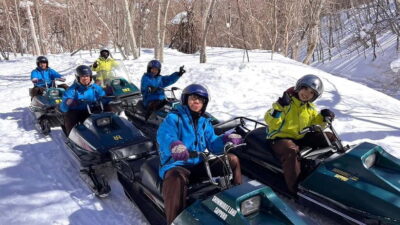
Hokkaido Seasonal: Lake Toya & Noboribetsu Jigokudani Valley
Read our review →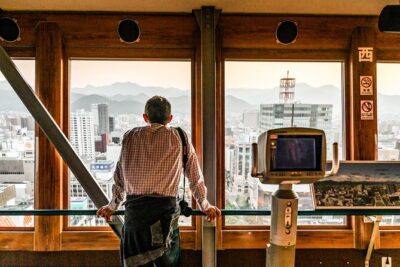
Sapporo Private Tour with a Local – Highlights & Hidden Gems
Read our review →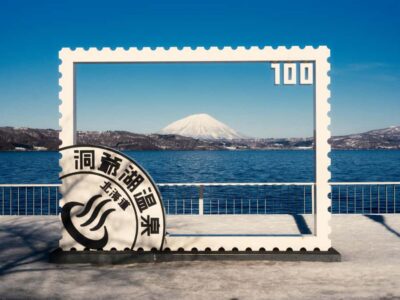
Popular in SapporoExperience authentic hand-made soba at a real soba shop!
Read our review →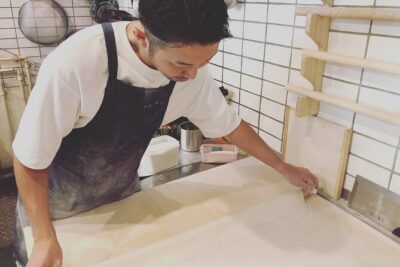
Mondo’s most popular plan! Experience making soba noodles and the king of Japanese cuisine, tempura, in Sapporo!
Read our review →
【Private Car】Asahiyama Zoo, Blue Pond, Shirahige Falls, Ningle Terrace (from Sapporo)
Read our review →Browse the lists this tour appears in