
Reviewed · FUKUOKA TOURS
Fukuoka Full-Day Private Tour with Government Licensed Guide
Fukuoka can feel like a lot at once, unless someone local helps you pick the right mix. This full-day private tour is built for exactly that, 3 to 4 chosen stops in about 6 hours, with a government licensed English guide who keeps the day running smoothly and answers your questions on the spot.
What I like most is the freedom. You choose from a menu of classic sights like Kushida Shrine and Kyushu National Museum, plus city views, temples, markets, and even seaside time. Second, the pacing is smart for walking, so you’re not stuck in “see it, rush out” mode.
The main thing to consider is that it’s not a checklist tour of everything in Fukuoka. You’ll likely see only a few highlights well, and you’ll also pay for what you choose in terms of transport and entrance fees.
Quick Take: What Makes This Fukuoka Day Work
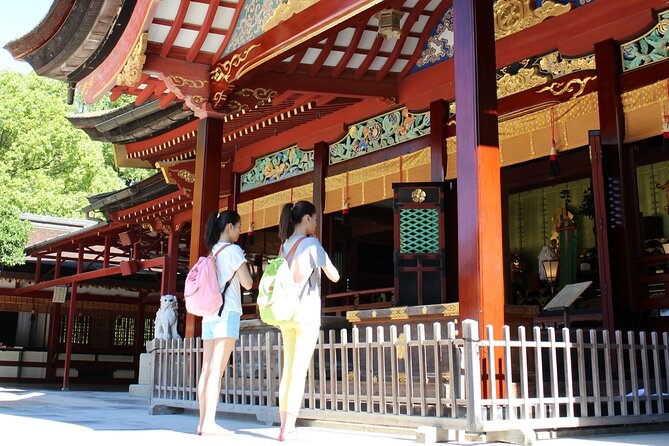
- Private, licensed English guiding means you can ask real questions and change plans when you want.
- Pick 3 to 4 sites from a strong list, so the day matches your interests instead of the guide’s script.
- Walking-focused route around central areas, with free stops like shrines, parks, and museum exteriors on the menu.
- High-value highlights like Kyushu National Museum, Dazaifu Government remains, and Nanzoin Temple (entry costs vary).
- Food culture included by design, with yatai and Hakata market energy as options.
- Guides handle practical tips, like how to move faster using local transit cards.
A Government Licensed Guide, and Real One-on-One Time
This is a private tour, so it isn’t about blending into a crowd and hoping you catch the best bits. You meet your guide on foot within a designated area, near public transportation, and you build a day around what you actually want to see.
In practice, this kind of guiding shines in two moments. First, when you reach a shrine or temple and everyone else is just snapping photos, you get the meaning behind what you’re looking at. Second, when you’re short on time, the guide helps you make choices that save energy and money. Past visitors also called out how their guides were upbeat, flexible, and willing to adjust for weather or tight schedules, including cruise-day timing.
If you’re the kind of traveler who likes culture but also wants local know-how, this is a nice match.
Also on the shortlist for Fukuoka:
- Mt. Aso & Takachiho Gorge Tour with Optional Boat Ride
★ 4.7 · 222 reviews - Fukuoka: Takachiho Gorge & Scenic Railway One Day Tour
★ 4.8 · 178 reviews - Private Fukuoka Tour with a Local, Highlights & Hidden Gems 100% Personalised
★ 5.0 · 143 reviews
How the Custom 6-Hour Plan Fits Fukuoka (Without Wasting Your Day)
The tour runs for about 6 hours, and the “full-day” part is real, but with a key twist: you generally pick 3 to 4 sites from the list. That’s what keeps the day from turning into endurance sightseeing.
Here’s how I’d think about your planning:
- Choose one big anchor (a museum, a major temple like Nanzoin, or a signature view like Fukuoka Tower).
- Add one or two culture stops (shrines, Zen temples, or a historic site like Dazaifu Government remains).
- Leave room for one lifestyle stop (yatai atmosphere, Yanagibashi market area, or a park walk).
The tour is designed to be customizable. One traveler might want shrines and Buddhist sites only. Another might want a blend of architecture, gardens, and a market stop. Either way, the guide’s job is to keep it coherent, not to rush you.
The Stops You Can Choose, and What They’re Really Like
Below is the menu of potential stops. Your exact mix depends on your interests and what you select, since you’re picking a few, not all of them.
Fukuoka Castle Remains: Ruins, Moat Memory, and a Big View
Fukuoka Castle remains are mostly stone walls, gates, and moats from a former Edo-period stronghold. Today, what you notice is the shape of history, not preserved interiors.
This stop works well as a light opener or a breather between temple visits. Admission is free, and you get a panoramic look over the city from Fukusaki Hill, which helps you understand how Fukuoka is arranged.
Potential drawback: if you dislike ruins or prefer fully restored sights, you might treat this as a short photo stop rather than a long sit-down.
A change of pace from Fukuoka:
- Fukuoka Your Way: 100% Customisable Private Tour with Local Guide
★ 5.0 · 83 reviews - November Sumo Tournament tour in Fukuoka (Tickets Included)
★ 4.5 · 76 reviews - Day Tour to Miyazaki Takachiho Gorge & Shrine depart from Fukuoka
★ 4.5 · 61 reviews - Fukuoka: Nakasu Food Stall Private Guided Tour with Tastings
★ 4.8 · 48 reviews
Sumiyoshi Shrine: Seafarers’ Protection in a Very Old Setting
Sumiyoshi-jinja is dedicated to protective divinities of seafarers. It’s one of the older shrines on Kyushu, and the theme gives you a different lens on the region, especially if you like how places reflect local livelihoods.
It’s a quick stop, about 15 minutes, with free admission.
Kyushu National Museum: Modern Architecture Plus Kyushu Culture
Kyushu National Museum opened in 2005 and is known for its standout architecture. Even if you don’t plan to spend a lot of time inside, the building alone makes it feel like a destination.
Admission is not included, so budget extra if you want to go in. This is one of the best options on the list if you want context for Kyushu beyond daily city life.
Potential drawback: museums take time. If you choose this as your anchor, you may feel the squeeze on other stops unless your guide keeps the rest tight.
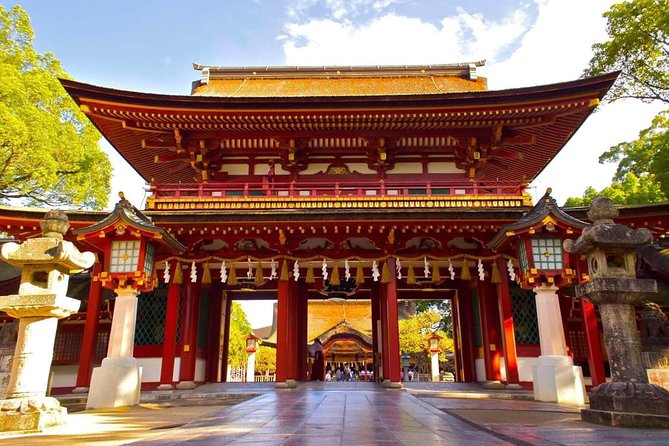
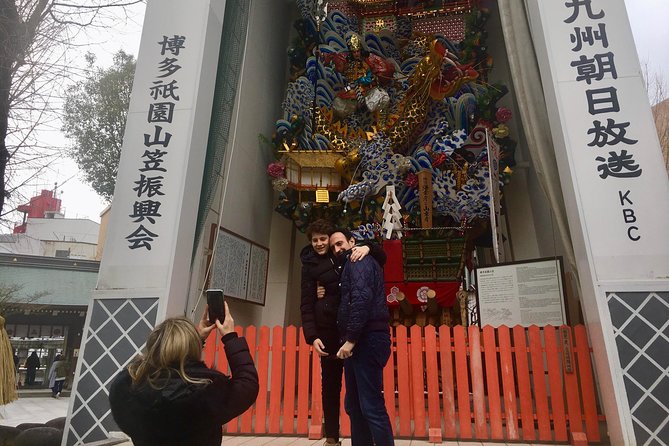
Kushida Shrine: One of Fukuoka’s Oldest, with Details Worth Slowing Down For
Kushida-jinja dates to AD 757, and it’s one of Fukuoka’s best-known shrines. The carvings, including zodiac-related details, make it the kind of place where a guide can point out what most people miss.
It’s free and usually a strong cultural payoff for the time. Consider it if you want “classic Fukuoka” without needing a whole afternoon.
Tochoji Temple: Shingon Roots and a Famous Buddhist Connection
Tochoji Temple is tied to Shingon Buddhism and is associated with the monk Kobo-Daishi (Kukai). If you’re interested in how Japanese Buddhism took shape regionally, this is a meaningful pick.
Admission is not included, so expect an added cost if you enter. Even without a long visit, you’ll get the atmosphere of a working temple setting.
Yatai: The Atmosphere of Hakata Night Food Culture
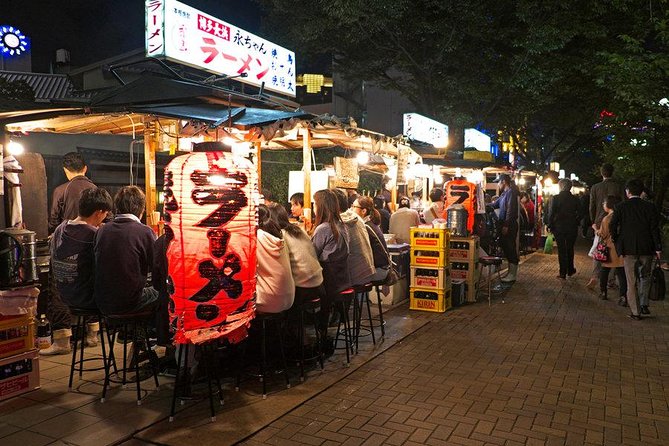
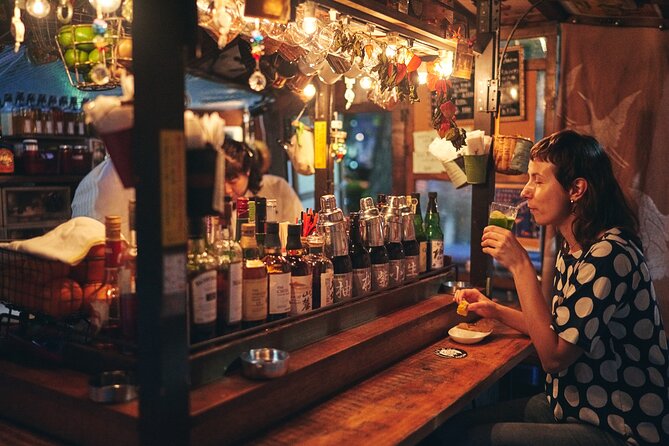
Yatai are Fukuoka’s open-air food stalls, and they’re one of the city’s symbols. You’re not meant to treat this like a formal attraction. It’s more like a chance to experience local rhythm.
Admission is free. What you pay for is your food, and that’s on you since lunch is not included. This is a great choice if your day needs one easy, fun payoff.
Parks and Waterfront Views: Ohori, Momochi, and Uminonakamichi
If you’re walking-heavy, parks can reset your day.
- Ohori Park: a central city park with a pond and a walking loop a bit over 2 kilometers. It’s free and easy to pace.
- Momochi Seaside Park: a modern waterfront on reclaimed land along Hakata Bay, tied to the 1989 Asia Pacific Expo site. Great for breezes and skyline views.
- Uminonakamichi Seaside Park: a sprawling public park on a peninsula across the bay. Good if you want nature time without needing a long train.
All of these are free admission options in the list. Potential drawback: parks can eat time if you keep wandering. I’d choose one park stop max, unless your other stops are short.
Shofukuji: A Zen Temple With First-Mover Cred
Shofuku-ji is often described as the first Zen temple constructed in Japan, founded in 1195 by Eisai, who helped bring the Rinzai sect of Zen from China to Japan.
Admission is free, and it’s a strong pick for travelers who want spiritual history with a direct timeline.
Canal City Hakata: A City-Within-a-City Break Between Culture Stops
Canal City is a large shopping and entertainment complex. It’s not a temple, but it’s useful on a private tour because it gives you a place to pause, grab a snack, and regroup.
Admission is free. If you like browsing, this can also be a low-effort cultural window into modern Hakata life.
Potential drawback: if you hate malls and crowds, you may prefer a park or market instead.
Hakozaki-gu: Major Shrine Grounds, With an Entry Cost
Hakozaki Shrine is important in this region. It has layers of history, including destruction from the Mongolian invasion era and rebuilding afterward.
Admission is not included in the tour info. This stop can be worthwhile if you want a big shrine with a strong setting, but you’ll want to factor in the extra cost.
Fukuoka Tower: A Clean City-View Anchor
Fukuoka Tower rises to about 234 meters, and the view is one of the best ways to orient yourself. If you want a “seen-the-city” moment without a long hike, this fits.
Admission is not included. If you want indoor observation, this is the kind of cost that can feel worth it because the payoff is time-efficient.
Nokonoshima Island: Ferry Time for Coastal Breathing Room
Nokonoshima is one of the offshore island options. The tour info notes you can get there by ferry, described as relaxing.
Admission is free on the list, which is nice. The key practical point is that ferry schedules can shape how much time you truly have on the island.
Potential drawback: it can feel like a “travel to it” stop, so don’t pair it with too many inside-the-building sights unless your day has slack.
Atago Jinja: A Hilltop Shrine With Views
Atago Shrine is less visited and is also described as one of the prettier spots. Being on a hillside helps, because you can combine shrine time with a view.
Admission is free. It’s a nice counterbalance to museum and temple stops because it gives you open-air scenery.
Dazaifu Government Remains: History Without the Crowds of a Full Castle
Dazaifu Government remains lets you see the former governmental grounds where buildings stood. It’s a historical stop that tends to feel grounded, less like a theme site.
Admission is free. This is a smart choice if you want history, but you don’t want to spend your whole day in one museum building.
Yanagibashi Rengo Market: The Kitchen of Hakata
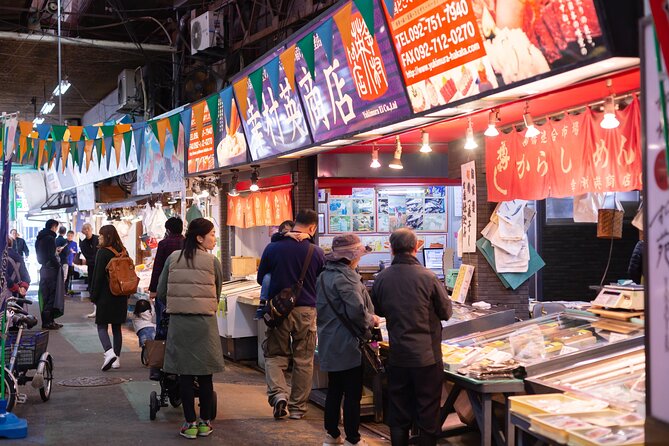
Yanagibashi Rengo Market is packed with greengrocers and fishmongers, with lots of fresh produce options and food-focused shops nearby. It’s a great place to snack, browse, and get a sense of local daily life.
Admission is free. It’s also flexible: you can do a short walk for atmosphere, or you can pause for snacks depending on your energy.
Potential drawback: it can be crowded at certain times, especially on weekends, and that can slow down photo-taking.
Nanzoin Temple: Peace, Spiritual Power, and the Reclining Buddha
Nanzoin Temple draws more than a million visitors and pilgrims each year, and it’s often associated with the big reclining Buddha. This is the stop that tends to be the “bucket list check” moment for many people.
Admission is not included, so plan extra. The payoff is the setting and the sense of ceremony.
If you pick Nanzoin, consider it your anchor. Pair it with only one or two other stops so you don’t feel rushed.
Rakusuien: Matcha, Tea, and a Garden Tea House Stop
Rakusuien is a Japanese-style garden and tea house where you can have traditional matcha and sweets. The tour info includes pricing details: matcha and sweets for around 500 yen, and entrance for 100 yen (not included in the tour).
This is a good “pause” stop. It gives you a break from walking and a chance to enjoy a local ritual without a huge time commitment.
Hakata Machiya Hometown Museum: How Locals Lived in Old Hakata
Hakata Machiya Hometown Museum focuses on traditional lifestyle and local history. It’s set in restored structures, and it’s brief, listed at about 5 minutes in the tour info.
Admission is not included. It’s a good choice if you want a quick cultural reset and a sense of domestic life, not just religious sites.
Price and Value: What $155.22 Buys You in Real Life
At $155.22 per person for a private, licensed English guide for about 6 hours, the value comes down to one question: will you use that guide time well?
I think the price makes sense when:
- You want 3 to 4 stops done efficiently, including a mix of shrine meaning, temple context, and practical transit guidance.
- You’d rather pay for guidance than spend your time planning, sorting transit, and decoding signs.
- You’re visiting with family members who would benefit from explanations and smoother pacing.
It may feel less worth it if you only want “photo stops” and you’re comfortable planning everything on your own. Also remember that entrance fees and transportation are not included, so the final cost can grow depending on what you choose, especially for places marked as not included.
For many people, the guide’s ability to keep the day on track, plus the chance to ask questions in English without hesitation, is what justifies the price.
Walking, Rain, and Getting From Point A to Point B
This is a walking tour. The meet-up is on foot, and the tour is near public transportation. That means you should expect walking time between stops and come with footwear you trust.
A practical tip that shows up across guide experiences: plan for small weather changes. Several guides handled rain with calm adjustments. If it’s pouring, your guide can often shift the order of stops so you’re not stuck waiting in bad conditions.
Another practical edge: guides often share fast ways to move around, including advice around transit cards and how to use them for quicker rides. If you’re the type who hates wasting time at train gates, take that advice seriously.
Who This Tour Suits Best (And Who Might Want Something Else)
This tour is ideal for:
- First-timers in Fukuoka who want a guided path through culture and city highlights.
- People who want choice, not rigid scheduling.
- Travelers who like temples and shrines but also want parks, coastal views, and food culture like yatai.
It’s less ideal if:
- You want to see a huge number of sites regardless of time.
- You hate walking or you need lots of long seated museum time every hour.
- You’re trying to keep costs ultra-low, since entrance fees for some stops and transportation are on you.
Should You Book This Private Fukuoka Tour?
If your goal is a smart, personal day that uses your limited time well, I think this is a strong pick. The structure, 3 to 4 selected sites, is exactly what prevents Fukuoka from feeling like a blur. Add a licensed English guide, and you get the context behind the shrines and temples instead of just standing in front of them.
Book it if you want to:
- pick the right mix of shrines, temples, and views
- enjoy yatai or market atmosphere at a pace that feels human
- have someone help with route decisions so you’re not constantly checking directions
Skip it if you’re hoping for a wide sweep of everything, or if you’re more comfortable self-guiding with zero explanations.
FAQ
How long is the Fukuoka full-day private tour?
It runs for about 6 hours.
Is this tour walking-based or does it use a private vehicle?
It is a walking tour. You meet the guide on foot within a designated area, and transportation fees are not included. A private vehicle is not included.
What does the tour include?
You get a licensed local English speaking guide and a customizable tour where you choose 3 to 4 sites. Pickup is on foot within the designated meet-up area.
Are entrance fees included?
Not all of them. Entrance fees are not included in general, and places like Kyushu National Museum, Tochoji Temple, Hakozaki-gu, Fukuoka Tower, Nanzoin Temple, Rakusuien, and Hakata Machiya Hometown Museum are marked as not included.
What about food during the tour?
Lunch is not included. Yatai and market stops are listed as free to access, but what you buy there is your own expense.
Can I cancel for a full refund?
Yes. You can cancel up to 24 hours in advance for a full refund.
Is this tour private?
Yes. It is a private tour/activity, and only your group participates.
Latest write-ups near Fukuoka
- Fukuoka Sumo Tournament November 2025 with a Sumo Expert Guide★ 5.0 · 21 reviews
- Fukuoka: Takachiho or Minami Aso Customizable 1-Day Tour★ 5.0 · 21 reviews
- Fukuoka Evening Tours: Yatai, Izakaya, Karaoke and more★ 5.0 · 21 reviews
- Fukuoka: Customized Tour with Local Guide★ 4.9 · 22 reviews
- Kyushu Grand Sumo Tournament Viewing Tour with English Guide★ 5.0 · 22 reviews
- Kyushu Tour From Fukuoka: Itoshima Nature & Coastal Scenery★ 4.7 · 24 reviews
- Fukuoka: Hakata Doll Painting Experience★ 4.8 · 30 reviews
- Fukuoka: Mount Aso Volcano, Kumamoto Castle, Grasslands Day Tour★ 4.5 · 33 reviews
Fukuoka Tours, compared.
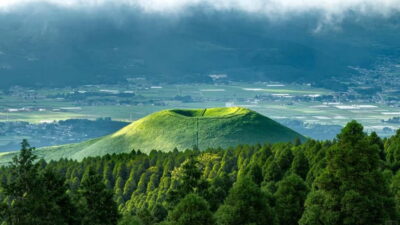
Mt. Aso & Takachiho Gorge Tour with Optional Boat Ride
Read our review →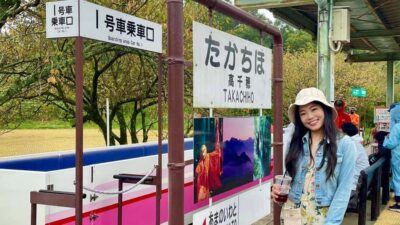
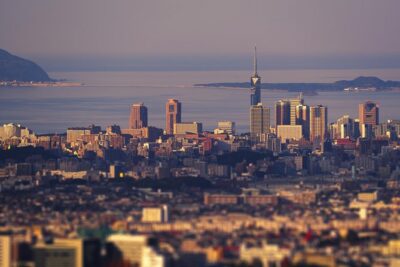
Private Fukuoka Tour with a Local, Highlights & Hidden Gems 100% Personalised
Read our review →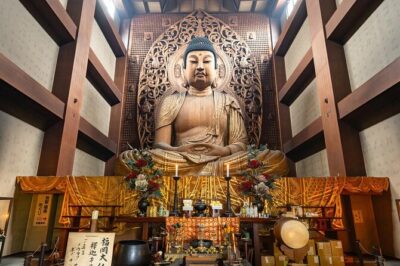
Fukuoka Your Way: 100% Customisable Private Tour with Local Guide
Read our review →November Sumo Tournament tour in Fukuoka (Tickets Included)
Read our review →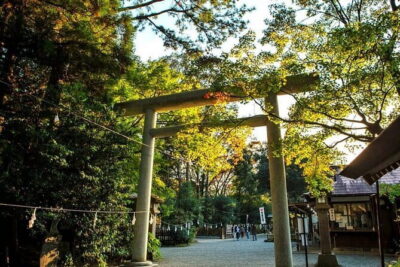
Day Tour to Miyazaki Takachiho Gorge & Shrine depart from Fukuoka
Read our review →
Nakasu Food Stall Private Guided Tour with Tastings
Read our review →
Fukuoka Private and Personalized Walking Tour with a Local
Read our review →Browse the lists this tour appears in