
Sumo in Japan is not just a sport, it is a full ritual day, right down to the entrances, the gestures, and the way the ring is treated like sacred space. This Kyushu Grand Sumo Tournament viewing tour in Fukuoka pairs that excitement with an English-speaking, National Government Licensed guide so you understand what you are seeing instead of just reacting. I really like that the tour is built around a comfortable, reserved seat and a small-group format.
Two things I like a lot here. First, the guide does a focused warm-up lecture before you ever walk into the arena, and I loved hearing that guide Mimi made the rituals feel personal and easy to remember. Second, you get a structured set of learning tools, including an English booklet and a banzuke-hyo ranking table, so you can track wrestlers and context as the day unfolds.
One drawback to consider is that your access to the best moments depends on what is happening in the arena schedule. You can have short waits to be escorted to your chair if ceremonies or processions are underway, and some ceremonial entrances depend on whether a Yokozuna is present.
Key points to know before you go
- English guide with real licensing so rules, ranks, and ritual details make sense fast
- Pre-event lecture at Sunpalace Hotel gives you the vocabulary before the matches start
- A-class reserved chair seating on the 3rd floor for a solid view without last-minute stress
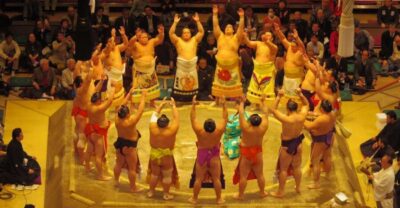
- Ceremonial moments included, like the bow-twirling ceremony at 18:00
- You receive an English booklet plus banzuke-hyo, which helps you follow bouts and wrestlers
- Max 9 travelers, which keeps the experience calmer and easier to ask questions
A 20-minute sumo starter session at Sunpalace Hotel
The tour begins at the Fukuoka Sunpalace Hotel and Hall, near Hakata Ward, with a short but useful lecture session. You are not just being dropped off at a stadium and hoped you figure it out on your own. The goal is simple: help you read sumo like a pro by the time you are seated.
This stop runs about 20 minutes and includes your admission ticket. Expect the guide to explain what makes sumo different from many other sports, including how the match format works and what the rituals are signaling. When the guide is doing it well, you start noticing details like ring entering behavior and the rhythm of pre-bout formalities.
A practical advantage is that you can ask questions early, while you still have time to regroup. If you are the type who wants to know the difference between ranks or what a banzuke is before watching, this time slot is there for you.
More Sumo Experiences in Fukuoka:
- November Sumo Tournament tour in Fukuoka (Tickets Included)
★ 4.5 · 76 reviews - Fukuoka Sumo Tournament November 2025 with a Sumo Expert Guide
★ 5.0 · 21 reviews - Tokyo: Sumo Show Experience with Chicken Hot Pot and a Photo
★ 4.8 · 6,678 reviews
Ceremonial entrances and bouts at Fukuoka Kokusai Center
The main event happens at Fukuoka Kokusai Center, and the schedule is built around the big moments. You will move into the venue with your guide, then settle in for the ceremonies and the matches from the Makuuchi division, plus the tone-setting rituals.
At around 15:40, you may see the Makuuchi wrestler ceremonial entrance and the Yokozuna grand champion ring entrance. The Yokozuna entrance will not take place if there are no Yokozuna present, so do not treat it as guaranteed. Still, you will be there for the core Makuuchi matches and the arena rhythm that makes sumo feel like a living tradition.
At 16:00, the Makuuchi division matches begin. This matters because the Makuuchi tier is where many of the headline wrestlers compete, so it is the best place to see top-level sumo action in a single afternoon. Then at 18:00, the program includes the bow-twirling ceremony, a distinctive part of the day that you would miss if you only arrived for the later bouts.
One important note on flow: if a match or an entrance ceremony is in progress when you arrive, you might wait to be escorted to your chair until it ends. The guide will get you seated afterward, so plan to stay flexible and do not treat the seating handoff as instantly painless.
How A-class reserved 3rd-floor seating shapes your view
Your ticket is for A-class reserved chair seating, located on the 3rd floor. That is a big deal for two reasons. First, you avoid the hassle of hunting for views in a crowded venue. Second, reserved seats let you focus on the action rather than constantly adjusting your angle.
That said, 3rd-floor seating is still seating with distance, not a front-row, eyes-on-the-dohyo experience. In sumo, where the atmosphere and ritual matter as much as the grip and momentum, distance can be a plus because it lets you take in the full form. The best use of these seats is to watch both wrestlers, not just the one you assume will win.
Also note that requests for specific seats are not accepted, and depending on reservations, members of the same group may not sit together. If you are traveling with a close friend and want to be side-by-side, keep expectations flexible.
The guide makes sumo click, from rules to ranks
This tour’s real value is the English guidance, not just the ticket. Your guide is a National Government Licensed English guide interpreter, and the structure is designed to help you follow what is going on as it happens. When you understand the rules and the meaning behind rituals, the experience becomes less like watching strangers compete and more like watching a system at work.
You also receive printed tools that support what the guide is teaching. There is an English booklet called The Sumo, and you get a banzuke-hyo, which is a table of rankings. If you can glance at the ranking context during the day, you will start recognizing why certain matchups feel heavier than others.
From the reviews, the standout theme is how personal and clear the guide explanation feels. Mimi, for example, was praised for explaining rituals and sumo history in a way that gave people backstories and helped them root for favorite wrestlers. That is exactly the kind of payoff you want: you walk in with curiosity and walk out with names you will remember.
One more small but helpful detail is that the guide is also described as a sumo fan. That tends to show up in the way they talk about what is exciting, not only in the factual explanations.
A change of pace from Fukuoka:
- Mt. Aso & Takachiho Gorge Tour with Optional Boat Ride
★ 4.7 · 222 reviews - Fukuoka: Takachiho Gorge & Scenic Railway One Day Tour
★ 4.8 · 178 reviews - Private Fukuoka Tour with a Local, Highlights & Hidden Gems 100% Personalised
★ 5.0 · 143 reviews - Fukuoka Your Way: 100% Customisable Private Tour with Local Guide
★ 5.0 · 83 reviews
What to expect minute by minute on tour day
Your start time is 1:45 pm at the Sunpalace Hotel area. The tour then splits into two main blocks, the short lecture followed by the long arena time.
Stop 1 is about 20 minutes, then you head to the arena. Because this is time-boxed, you will want to be on time at the meeting location. If you arrive late, you can disrupt the group rhythm.
Stop 2 includes a total of about 3 hours 30 minutes at Fukuoka Kokusai Center, with admission ticket included. During that window, you will encounter the ceremonial events and the Makuuchi matches, then the bow-twirling ceremony at 18:00.
After the matches, the tour ends. You head to your next destination on your own. If you want help with station directions, you can ask the guide for how to get to the nearest station, which is a nice practical touch if you are switching to dinner plans right after.
Price and value for an English-guided reserved-seat experience
At $261, this is not a budget tour, so you should be clear about what you are paying for. You are paying for a reserved A-class chair, a licensed English guide interpreter, and included learning materials (The Sumo booklet and the banzuke-hyo ranking table).
If you were to go on your own, you might save money on the guide. But the hard parts would still be hard, especially the ritual context and the ability to follow ranks and meaning in real time. With this tour, you are buying time and clarity.
The other value angle is comfort and confidence. Prebooking matters because grand sumo tickets can be competitive. Having guaranteed admission and a good viewing spot means you do not waste your trip day on uncertainty.
This is also a small-group experience with a maximum of 9 travelers, which usually improves the overall feel. You are not stuck in a massive crowd where questions are impossible.
Getting there, luggage, and the small frictions that matter
This tour is near public transportation, which makes it easier to add to your day. Still, you have two fixed addresses to plan around: the start at Sunpalace Hotel at 2-1 Chikkōhonmachi in Hakata Ward, and the end at Fukuoka Kokusai Center at 2-2 Chikkōhonmachi.
If you are coming from Kyoto, Hiroshima, or elsewhere and trying to stack plans, leave enough time. The tour runs about 4 hours 15 minutes total, and the arena timing matters.
At the venue, smoking is not allowed inside. That is pretty standard, but it is still worth knowing if you are making decisions about breaks.
The big logistics friction is luggage. There are no coin lockers or luggage storage at the venue. If you show up with a big suitcase, you will need to store it elsewhere before the arena. Keep your bag light, or reduce what you bring.
Also, there is no free Wi-Fi access mentioned, and the mobile ticket format is used. Plan to have your phone charged and ready for the ticket access you need.
Is this tour good for families and first-timers?
For first-timers, it is one of the easier ways to get into sumo without feeling lost. The guide explanation plus the printed ranking material helps you follow both the rules and the story lines at your own pace. If you like cultural sports, not just sports highlights, this format fits.
For families, there are specific limits. Only one child age 0 to 3 per adult can join for free, and those free children will not be given tournament seats, they must sit on a parent or guardian’s lap. If seats are required, children must book at the adult rate.
There are also age and parental rules. Parental permission in writing is necessary for all participants under 18. Anyone under 15 or not yet enrolled in middle school must be joined by a parent or guardian.
If you are traveling with kids, consider how ceremonies and waiting time might feel. The tour includes possible waiting to be taken to your seat when events are underway, so bring patience and comfort tools like water where allowed and a basic plan for keeping kids calm.
Who should book this Kyushu Grand Sumo Tournament viewing tour
Book this if you want sumo as culture, not just a match. You will get the best outcome if you like understanding what you are seeing, learning ranks, and catching ritual details like ceremonial entrances and the bow-twirling ceremony.
This is also a good choice if you want confidence. Reserved A-class seating on 3rd floor plus prebooking admission means you avoid the anxiety of trying to figure out tickets once you arrive.
You might skip it if you already know sumo well and you simply want the cheapest way to watch a bout. In that case, the guide value might feel like extra spending. You might also reconsider if you dislike any possibility of waiting in between ceremonies and seat escorts, or if you are unwilling to travel light due to the lack of venue storage.
Should you book? My honest take
I think this is a strong buy for most visitors who are new to sumo or who want the meaning behind the spectacle. The combo of English guide interpreter, reserved admission, and printed help like The Sumo booklet and the banzuke-hyo makes it much easier to enjoy the day without constantly guessing.
The price is not low, but the structure is practical. You are not paying only for a ticket, you are paying for an explanation that turns match time into understanding time.
If you want an afternoon that mixes top-level Makuuchi competition with the ritual side of sumo, this tour gives you a clean path to do it in comfort.
FAQ
Where is the tour start and end?
The tour starts at Sunpalace Hotel, 2-1 Chikkōhonmachi, Hakata Ward, Fukuoka, and ends at Fukuoka Kokusai Center, 2-2 Chikkōhonmachi, Hakata Ward, Fukuoka.
What seating do I get for the grand sumo viewing?
You receive A-class reserved chair seating, located on the 3rd floor. Requests for specific seats are not accepted, and group members may not be seated together depending on reservations.
Is the tour all in English?
Yes. The tour is accompanied by a National Government Licensed English guide interpreter.
What ceremonies might I see during the event?
The schedule includes a Makuuchi wrestler ceremonial entrance at about 15:40, and a Yokozuna grand champion ring entrance if a Yokozuna is present. The tour also includes Makuuchi division matches starting at about 16:00 and a bow-twirling ceremony at about 18:00.
Do I need to bring lunch or snacks?
Meals and drinks are not included. You will need to plan food on your own.
Is there luggage storage at the venue?
No. There are no coin lockers or luggage storage service in the venue, so you should leave large luggage elsewhere or travel with minimal belongings.
Latest write-ups near Fukuoka
- Fukuoka Sumo Tournament November 2025 with a Sumo Expert Guide★ 5.0 · 21 reviews
- Fukuoka: Takachiho or Minami Aso Customizable 1-Day Tour★ 5.0 · 21 reviews
- Fukuoka Evening Tours: Yatai, Izakaya, Karaoke and more★ 5.0 · 21 reviews
- Fukuoka: Customized Tour with Local Guide★ 4.9 · 22 reviews
- Kyushu Tour From Fukuoka: Itoshima Nature & Coastal Scenery★ 4.7 · 24 reviews
- Fukuoka: Hakata Doll Painting Experience★ 4.8 · 30 reviews
- Fukuoka: Mount Aso Volcano, Kumamoto Castle, Grasslands Day Tour★ 4.5 · 33 reviews
- Fukuoka Essentials: History, Culture, & Charms★ 4.8 · 39 reviews
Sumo Experiences, compared.
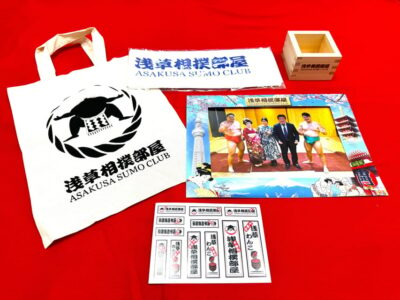
Sumo Show Experience with Chicken Hot Pot and a Photo
Read our review →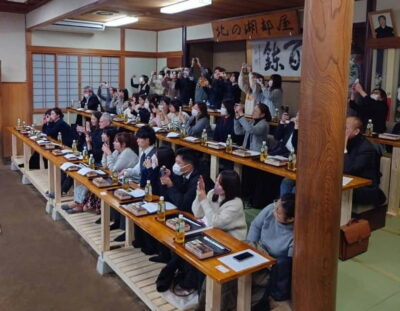
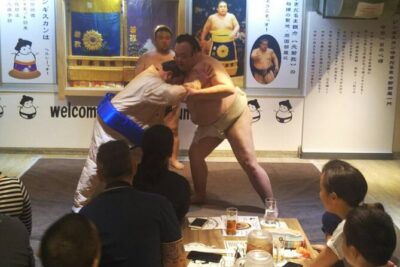
Tokyo Shinjuku Sumo Show & Experience with Photo
Read our review →
Sumo Show & Experience w/ Optional Kimono & Hot Pot
Read our review →
Authentic Sumo Experience in Tokyo: Enter the Sanctuary
Read our review →Browse the lists this tour appears in