
Reviewed · MUSEUMS
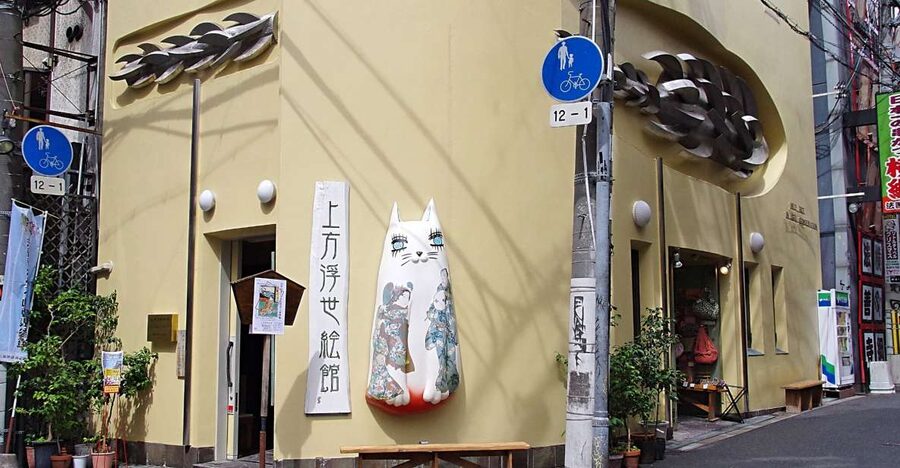
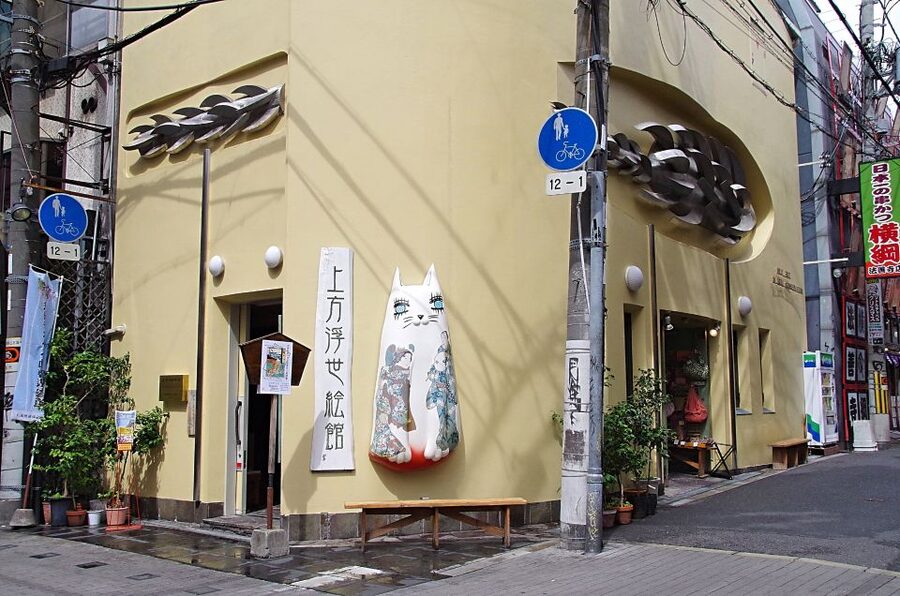
Kamigata Ukiyoe Museum:Ukiyo-e Woodblock Printing Experience
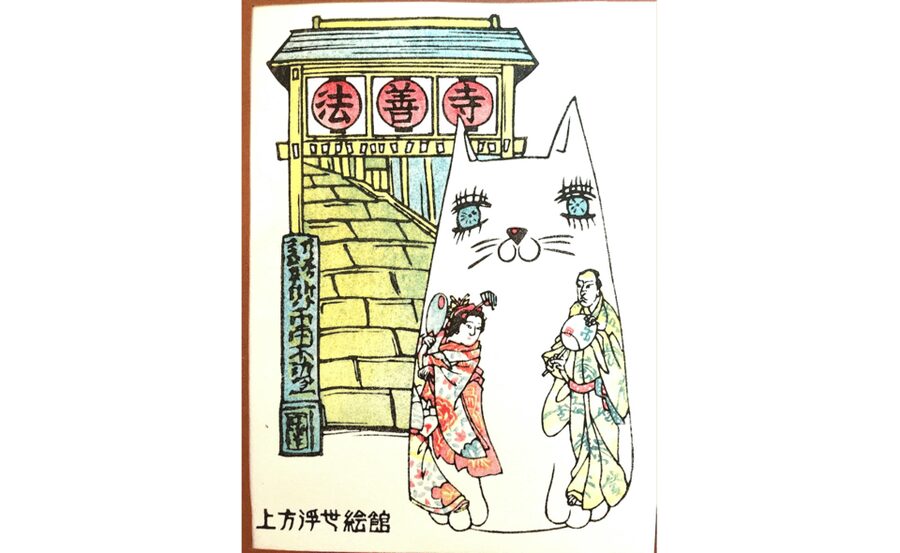
A hands-on ukiyo-e woodblock printing class is a fun break from just looking at art. You do the work yourself, using the museum’s original woodblocks to make a multi-color print on quality Japanese paper.
What I like most is that the process uses real museum woodblocks, not replicas. And you leave with your own finished print as a take-home souvenir, ready to keep in a clear file.
The main thing to consider is that the session is short and very practical. If you want a long, in-depth lecture, you may find it more hands-on than background heavy, and you will need a separate museum admission ticket to do the course.
Key Things That Matter Most Here
- Original woodblocks in the studio so your print experience feels authentic
- 3 to 4 color printing on high-quality Japanese paper
- Three course levels (beginner, intermediate, advanced) with guided instruction
- Tatami seating and zabuton cushions in the Japanese-style exhibition room
- One group per class which helps keep the attention focused on your printing
- A finished souvenir you take home in an included clear file
Where You Print: The 4th Floor Tatami Room Setup
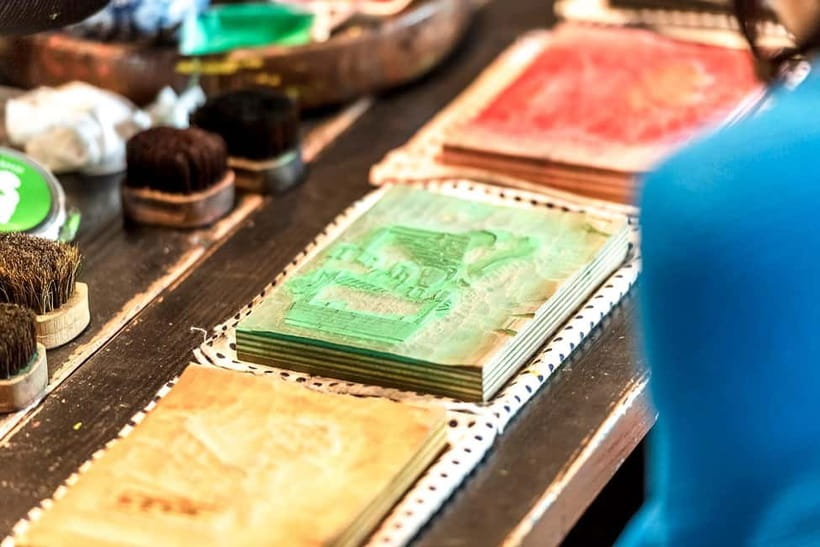
The woodblock printing experience happens in the museum’s Japanese-style exhibition room on the 4th floor. Plan for a very traditional seating setup. You will sit on zabuton cushions on tatami, and small stools are available, but they are limited.
That detail matters more than you might think. If your legs get stiff easily, take a quick moment before you start to adjust your posture and use a stool if one is available. Also, give yourself a little time to settle in, because the workshop is all about doing careful steps in order.
You are in a private group experience, and the museum keeps it small enough that it is not a noisy assembly line. One group runs in the class at a time to maintain quality, and that usually makes instruction easier to follow.
More Museums in Osaka:
- Osaka Castle: Museum and Tower Entry Ticket
★ 4.5 · 2,380 reviews - Osaka: Osaka Castle & Historical Museum Guided Tour
★ 4.8 · 28 reviews - Tokyo: teamLab Planets TOKYO Digital Art Museum Entry Ticket
★ 4.6 · 9,779 reviews
Price and Value: $5 for the Printing Course, Plus Admission
The printing experience fee is listed at $5 per person, and the workshop includes an instructor (English and Japanese). For most art workshops in Japan, you are paying for skill and time, plus the materials and tools. Here, you are paying a low fee for instruction and access to the museum’s woodblock printing process.
One catch: you need a separate Kamigata Ukiyo-e Museum admission ticket for participation in the course. So your total cost is the museum ticket plus the $5 workshop fee.
Still, the value is strong because you are not leaving empty-handed. You get your finished print to take home in an original clear file. For a short session, that souvenir is a real payoff.
Picking the Right Level: Beginner, Intermediate, or Advanced
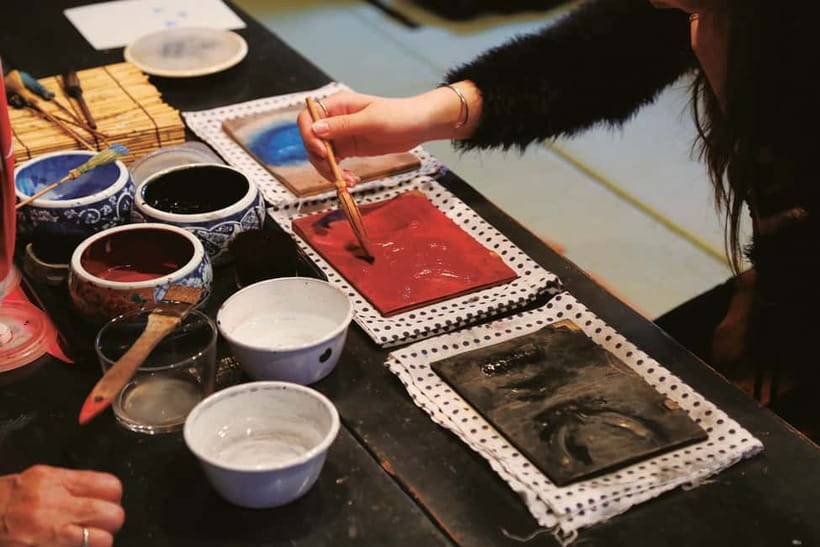
You get to choose from three courses: beginner, intermediate, and advanced. This is useful because woodblock printing is part craft, part technique, and part patience.
For the beginner course, the experience is designed so you can still make something unique even if you have no prior experience. The workshop encourages you to experiment with painting techniques, baren rubbing, and how much pressure you apply. In other words, you are learning by doing, not by watching forever.
The intermediate course is a natural step up if you want more technique focus. One participant did the intermediate class despite having no prior experience with woodblock painting, and the instructor gave clear guidance throughout. That suggests the intermediate option can work for motivated beginners too, as long as you listen closely and follow steps.
The advanced course is described as not easy, but still fun. It tends to include more steps and, based on how people talk about it, more complexity in the process. If you love precision and you want a deeper challenge, advanced is the pick.
If you are deciding between beginner and intermediate, ask yourself how you like to learn. If you enjoy quick wins, start with beginner. If you want more guidance on technique details, go intermediate.
How the Woodblock Printing Works: 3 to 4 Colors and Careful Pressure
Here is the real magic: you are not just painting a picture. You are learning the role of printing in ukiyo-e itself.
The workshop uses the museum’s original woodblocks. During your session, you print 3 to 4 colors onto high-quality Japanese paper. That color layering is what makes ukiyo-e look so crisp and intentional.
You will also get hands-on practice with the core actions behind the process:
- Using the baren for rubbing (a key technique for transferring ink to paper)
- Experimenting with pressure and control so the print looks clean
- Following the instructor’s step-by-step timing so colors line up properly
This is why the class is worth doing even if you do not consider yourself artistic. The experience teaches you how prints are made as a craft system. Once you understand that workflow, you tend to see the museum displays differently afterward, because you can recognize the labor behind each finished image.
One practical thing: because you print multiple colors, the session depends on doing steps in sequence. If you try to rush, your result can suffer. The upside is that the instructor guides you through the process, and the small group setup helps you get corrections quickly.
A change of pace from Osaka:
- Osaka Go Karting Tour with Funny Costume
★ 5.0 · 2,658 reviews - Osaka: Shinsekai Food Tour with 13-15 Dishes at 5 Eateries
★ 4.8 · 2,204 reviews - Osaka Food Tour: 13 Dishes at 5 Local Eateries
★ 5.0 · 2,149 reviews - Hungry Osaka Street Food Tour:15 Tastings & 3 Drinks with a Local
★ 5.0 · 1,727 reviews
Your Instructor and the Pace of a Private Workshop
The instructor is included, and the experience lists English and Japanese instruction. Some participants mentioned language barriers and still felt supported, which is a good sign that the teaching style is patient and encouraging.
One name you may hear in this workshop context is Mrs. Saya, mentioned by name by at least one participant. That matters because it hints that the museum staff genuinely care about the results, not just getting people through the motions.
The pace is also worth noting. The total time is 30 minutes to 1 hour. That means you are focused on printing rather than a long museum lecture. If you are the kind of person who wants hands-on instructions, you will probably love it. If you want deep historical background, you may need to add time for museum viewing on your own.
Also, because there is only one group per class, you are not competing for attention while the instructor is switching stations. That tends to make corrections easier and makes the session feel more personal.
Tatami Time: What Sitting on Zabuton Feels Like
Tatami rooms are part of the cultural experience, and here they are not just decor. You will be seated on zabuton cushions in a tatami room while you print in the Japanese-style exhibition space.
If you are comfortable sitting on the floor, you will probably settle in quickly. If you are not, plan to use a small stool if it is available. Since the stool count is limited, you might want to arrive ready to sit and make adjustments fast once you are in your space.
This is the kind of detail that can make or break your comfort level in a short workshop. It is worth thinking about before you sit down, especially if you plan to do more museum time afterward.
Taking Home Your Ukiyo-e Print: A Clear File Souvenir
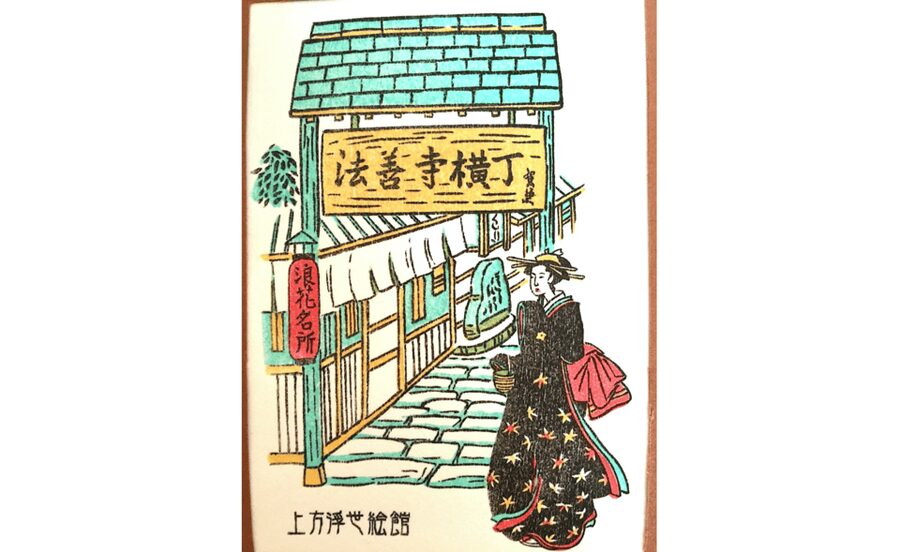
This workshop includes a finished artwork you take home. When you finish printing, you receive your piece in an original clear file. That is a simple but smart inclusion. You get a ready-to-carry solution so your artwork does not get bent or smeared while you head back to your hotel.
It also changes the way you experience the class. Knowing you will physically leave with a print makes the technical steps feel more meaningful. You are not just learning how to do something. You are creating something that will sit on your desk later, which is a great way to keep the memory of the process alive.
And because the finished print is yours, your version is genuinely yours. Even beginners are encouraged to experiment with technique and pressure, which means two prints can look different even when people use the same basic setup.
Pair It With Museum Time: Get More Out of the Displays
The workshop is part of a larger ukiyo-e experience at the Kamigata Ukiyo-e Museum. A smart move is to visit the museum exhibits and then do the printing, or do printing first and then return to look with new eyes.
Either way, the key is the same: after you print 3 to 4 colors yourself, the details in the museum galleries start to make more sense. You can spot how layering, ink transfer, and careful alignment shape the final image. The result is that the museum viewing feels less like a flat gallery walk and more like following a process you just performed.
If you have time, I would not rush right back out after printing. Give yourself a short window to look around. You may even recognize the craft logic behind what you previously thought was just an illustration.
Practical Tips for a Smooth Session
A few small things can help you get the most out of a short workshop.
First, arrive on time. If you do not arrive within 30 minutes of your reservation time, the reservation is treated as canceled, and no refund is provided. That rule is firm, so plan buffer time.
Second, pick a level that matches your energy. Beginner is built so you can produce something unique without experience, and you get to experiment with pressure and baren rubbing. Intermediate is a good step if you want more technique focus. Advanced is for people who like a challenge and do not mind more steps.
Third, expect tatami seating and dress accordingly. You do not need special gear mentioned in the details, but comfortable clothing helps when you are sitting in a traditional position for a focused activity.
Finally, be aware of seasonal closures. The experience is unavailable from December 29 to January 3. If you travel around New Year, build your timing around that.
Should You Book This Kamigata Ukiyo-e Printing Workshop?
Book it if you want a genuinely hands-on way to understand ukiyo-e. For the $5 printing fee, you get a guided process using original museum woodblocks, you print 3 to 4 colors, and you take home a finished print in a clear file. That combination is hard to beat for value.
Also book it if you like learning by doing. The class is practical, short, and focused on technique, and the private class setup means you can get help when you need it.
Skip it or adjust expectations if you mainly want a long lecture. This is not positioned as a slow, info-heavy tour. It is centered on printing, so you will get the most value if you pair it with museum time before or after.
FAQ
How long does the ukiyo-e woodblock printing experience take?
The experience runs for 30 minutes to 1 hour, depending on the course start time and class flow.
What course levels can I choose?
You can choose beginner, intermediate, or advanced.
Is the museum admission included in the price?
No. A separate Kamigata Ukiyo-e Museum admission ticket is required for the course.
What will I actually print during the workshop?
Using the museum’s original woodblocks, you will print 3 to 4 colors onto high-quality Japanese paper.
Where does the workshop happen, and what will I sit on?
It takes place in the Japanese-style exhibition room on the 4th floor. You sit on zabuton cushions in a tatami room, with small stools available but limited.
Is there an English option for the instructor?
Yes. The instructor provides instruction in English and Japanese.
Latest write-ups near Osaka
- PRIVATE 6hr, Food tour from Osaka Castle, Kuromon, Dotonbori.★ 5.0 · 68 reviews
- 90 min Shared Handmade Udon Experience★ 5.0 · 70 reviews
- Ramen and Gyoza Cooking Class in Osaka Dotonbori★ 5.0 · 73 reviews
- Osaka: Sushi Making in Spacious Studio (SAME-DAY OK!)★ 5.0 · 75 reviews
- Osaka E-Bike Tour With A Local Guide★ 4.7 · 75 reviews
- 1.5〜2 Hours Traditional Kintsugi Work Shop in Namba Osaka★ 5.0 · 75 reviews
- Retro Osaka Street Food Tour: Shinsekai★ 4.5 · 77 reviews
- Osaka: Osaka Castle Guided Tour with Local Guide★ 4.7 · 78 reviews
Museums, compared.
teamLab Planets TOKYO Digital Art Museum Entry Ticket
Read our review →
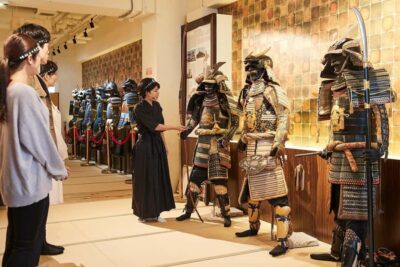
Samurai Ninja Museum Guided tour and Experience
Read our review →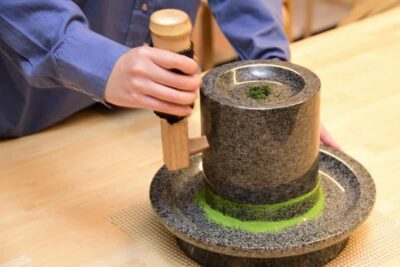
Tea Museum Tickets and Matcha Grinding Experience
Read our review →
Skip the lines Basic Ticket at SAMURAI NINJA MUSEUM KYOTO
Read our review →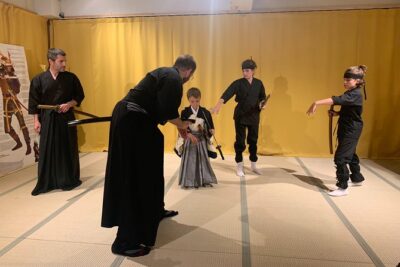
Ninja Experience (Family Friendly) at Samurai Ninja Museum TOKYO
Read our review →
Tokyo Studio Ghibli Museum and Ghibli Film Appreciation Tour
Read our review →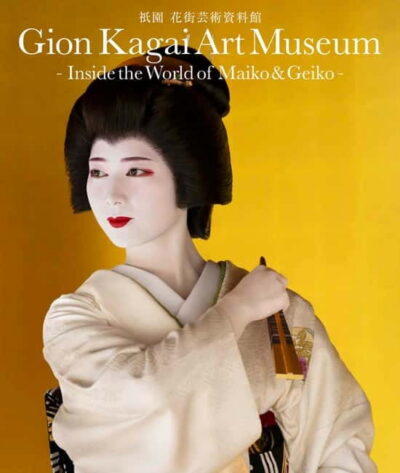
Geiko Maiko Dance of Kyoto & Visits of Gion Museum
Read our review →Browse the lists this tour appears in