
Reviewed · SUMO EXPERIENCES
Tokyo: Sumo Show and Experience in Shinjuku
Tokyo can feel like a theme park, then this Sumo show in Shinjuku shows you something real. I love that you get the power of pro sumo live, not just staged highlights, and I love that the experience includes a traditional sumo outfit plus a chance to step in and challenge a wrestler. The one drawback is this is not a tournament, so you are here for skill, ritual, and entertainment, not for championship stakes.
The format is tight, about 90 minutes, and it moves fast once the show starts. You meet at the second floor of Sekisaku Building in Shinjuku, and entry is only allowed through the front facing the main door next to Daiso, so arriving late can be a problem.
If you want a first look at sumo that still feels like culture, this is a strong bet. I especially like how the English-speaking MCs explain what you are seeing, with plenty of crowd interaction, humor, and explanations that make the rules click.
Key highlights you will actually feel in the room
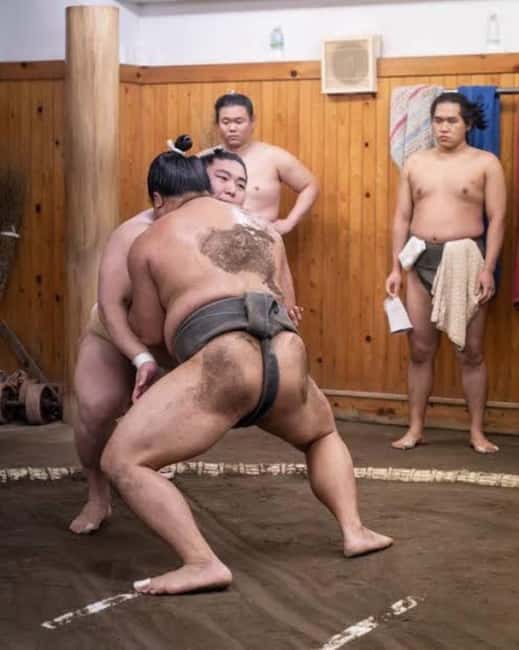
- Live sparring energy from professional rikishi, with big moments like stomping and salt-throwing
- English MC guidance that turns rituals into something you can follow right away, with hosts such as Dai and Paula
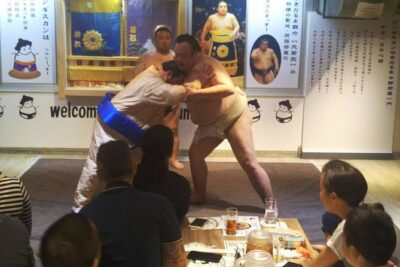
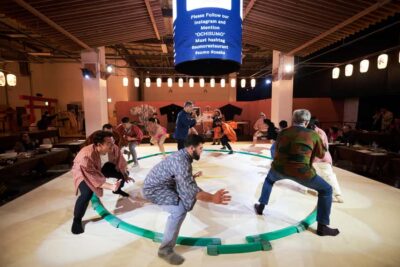
- Suit up and get personal with traditional sumo clothing, then step into the ring area
- A real challenge moment where you try to go toe-to-toe with a wrestler in a fun, memorable way
- Crowd energy and humor driven by the wrestlers and MC, including names like George, Guchi, and Ide from past sessions
Why a Shinjuku sumo show is more fun than you expect
Sumo in Japan is not just a sport. It is theater with rules. This is why the Shinjuku format works: you watch what matters, then you get pulled into the story.
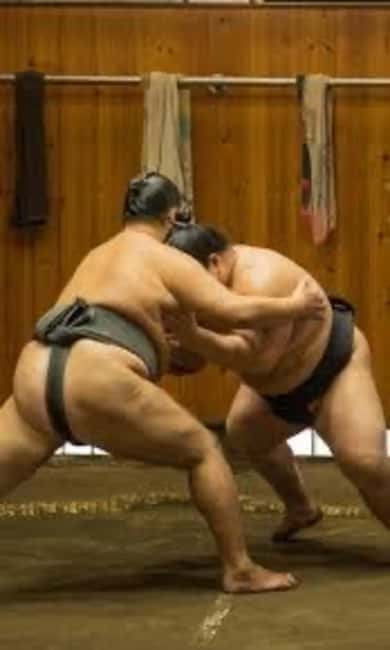
The show mixes demonstration with live action. You see the rituals people train for, like shiko foot stomping and dramatic salt throwing, then you watch live sparring that feels different from watching a match on a screen. When you hear the rhythm of feet and the thump of contact up close, you get it in your body, not just your brain.
Two things make this stand out. First, the event is guided in English, so you are not stuck guessing. Past sessions have been hosted by MCs such as Dai, Paula, Ali, and Ari, and the consistent theme is clear explanations plus jokes that keep the room relaxed. Second, you do not just spectate. You wear a sumo outfit and get a chance to challenge a wrestler, which turns the experience into an actual memory, not a blur of seats and noise.
The only thing to keep expectations straight: this is not a tournament. You are not following bracket pressure or season consequences. Instead, you are seeing the craft, the discipline, and the showmanship, in a way that stays welcoming for first-timers.
More Sumo Experiences in Tokyo:
- Tokyo: Sumo Show Experience with Chicken Hot Pot and a Photo
★ 4.8 · 6,678 reviews - Tokyo: Sumo Show and Dining Experience
★ 4.8 · 2,742 reviews - the SUMO show
★ 5.0 · 1,960 reviews
How the 90 minutes usually move, from arrival to ring time
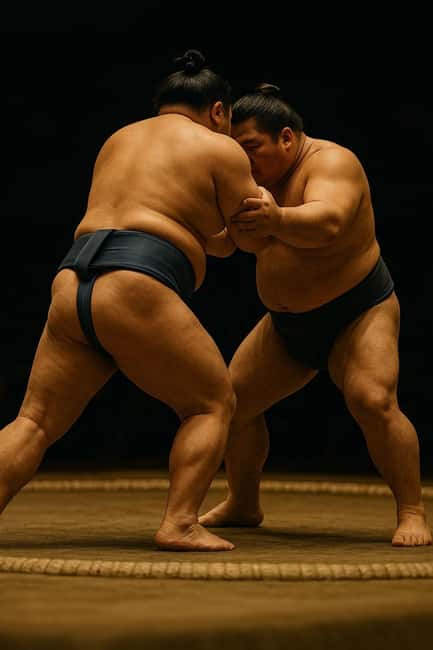
You should picture this as a well-paced program with a start, a middle, and a payoff.
You meet at the second floor of Sekisaku Building in Shinjuku. Once you are in, the MC leads you through a sequence: intro to how sumo works, rituals and techniques, then live sparring and demonstrations, and finally the part most people remember, the suit-up and challenge.
The schedule matters. The show runs on a time plan, and late entry may not be accepted by the front desk. That is why I treat this like an attraction with a showtime, not like something you can wander into whenever.
Because the whole experience is about 90 minutes, it is also a nice fit for a Shinjuku evening. You can do it before dinner plans without turning your day into logistics math.
The English MC makes sumo rules feel simple
If you only know sumo from TV, you probably know the basics: push, pull, win by forcing an opponent out or making them touch down. What you might not know is why the setup is so formal and how much of the sport is mental.
That is where the MC earns their keep. The show explains rituals and techniques in plain English, so you understand what each moment means. Hosts have helped people notice strategy and mental strength, not just size and strength.
You get explanations tied directly to what you see in front of you. That matters because sumo is full of small signals. Even when techniques look similar, the intent and timing are different. In the room, you can watch for those details because the MC keeps linking the talk to the action.
A bonus from prior sessions: the MCs often encourage questions and crowd interaction. Names that have appeared in past experiences include Dai and Paula, plus Ali and Ari. The vibe is friendly, not lecturing, so it works well even if your Japanese is basic.
Watching pro sparring: where you learn the real rhythm
The live sparring portion is the heart of the experience. It is not random. It is skill shown in motion, with enough intensity that you see why sumo is more technical than people assume.
You will notice three layers coming together:
- Ritual first, with motions that look ceremonial but are part of the sport’s discipline.
- Technique in motion, with throws, grips, and footwork that look slow until you see how fast the decisions happen.
- Decision under pressure, where one misstep changes everything.
The show also highlights how hard wrestlers train. In past sessions, people were genuinely shocked by the effort and the conditioning. That reaction makes sense, because sumo training builds explosive power and balance, not just bulk.
And yes, it is entertaining. The wrestlers have a sense of performance, especially with audience interaction. Names that have stood out in past sessions include George, Guchi, and Ide, often described as hilarious or highly engaging. If your session includes them, you will likely feel that energy in the room.
One thing to keep in mind: since this is not a tournament, the pacing can feel more like an exhibition with lessons built in. If you want constant high-stakes eliminations, you might feel the difference. If you want to understand the sport, this format is actually easier to follow.
A change of pace from Tokyo:
- Mt Fuji and Hakone 1-Day Bus Tour Return by Bullet Train
★ 5.0 · 26,383 reviews - 1-Day Tokyo Bus Tour
★ 5.0 · 14,250 reviews - Tokyo: TOKYO SKYTREE® Admission ticket
★ 4.5 · 11,192 reviews - Tokyo: teamLab Planets TOKYO Digital Art Museum Entry Ticket
★ 4.6 · 9,779 reviews
Suit up in a sumo outfit and challenge a rikishi
This is the part that turns the experience from watching into doing.
You get the chance to wear a traditional sumo outfit. That alone is memorable, but the real value is what happens next. The event gives you a moment in the ring area where you challenge a sumo wrestler. You will not win on strength, and that is not the point. The point is the closeness, the feel of the stance, and the reality check of how seriously these athletes move.
This experience works because it is set up for fun and respect at the same time. The wrestlers and staff are friendly, and the atmosphere stays welcoming rather than intimidating. People often leave laughing, then also quietly impressed by how coordinated the wrestlers are.
Practical tip: wear something you can move in easily beneath the outfit and be ready to follow instructions quickly. When it is your turn, there is no time to overthink. Just go with the moment.
Also, if you are traveling with kids or you like hands-on culture, this is a strong pick. A lot of families go home with the same story, the kid saw the match, then stepped in, then started asking real sumo questions.
Price and value: is $69 worth 90 minutes in Shinjuku?
At $69 per person for about 90 minutes, this is not the cheapest thing in Tokyo. But it is also not paying for a long, expensive evening with just seats and silence.
You are getting several things bundled together:
- Professional sumo matches and demonstrations
- An English-speaking MC who explains what you are seeing
- A welcome drink (bottled water)
- Time to wear a traditional sumo outfit
- A chance to challenge a wrestler
If you compare that to how much it can cost to see a sport in Japan without any language support, plus the added value of the suit-up and challenge moment, the price starts to make sense. You are paying for access and interpretation, not only for entertainment.
The main reason I call it good value is that you leave with more than photos. You leave understanding how sumo rituals and techniques connect, and you have done something most people only watch from behind a barrier.
If you are the type who only wants competition stakes, you may decide it is too light on tournament drama. But for first-timers, it is a friendly, high-satisfaction route.
Where it fits in your Tokyo day (and who it suits best)
I think this is a great activity for:
- First-time visitors who want sumo without the confusion
- Families who want culture plus an interactive payoff
- People who like live performance with explanations, not just a silent show
- Anyone curious about Japanese traditions but unsure where to start
It may be less ideal if:
- You only care about watching official tournament matches
- You dislike audience interaction
- You are short on time and know you will arrive late
Shinjuku is a smart home base for this kind of activity. The area is easy to reach compared with some other cultural neighborhoods, and the show’s 90-minute duration makes it simple to plan around dinner.
Getting in on time: the one logistics detail that can ruin your night
This show follows a time schedule, and late entry may not be accepted. Entry is only permitted through the front of the building facing the main door next to Daiso.
So here is how to reduce stress:
- Aim to arrive early enough that you are not rushing up to the second floor right at the start time
- Use the Sekisaku Building second-floor meeting point as your anchor
- If you are running late, assume you will have a problem with entry, because the show is timed
This is one of those places where being a little early turns into a calm, pleasant start. You will likely enjoy the explanation and settle in better.
What kind of reviews vibe you should expect
The consistent feel of past sessions is: engaging, funny, and educational without being dry. MCs like Dai and Paula are often mentioned for keeping things lively while explaining the meaning behind rituals and technique. Wrestlers such as George, Guchi, and Ide show up as crowd favorites, especially during the interactive moments.
People also tend to leave with a different view of sumo. They come expecting sheer size. They leave seeing the sport as strategy and mental strength, plus discipline.
That matters because it means you are not just spending time in a room. You are gaining a lens for watching sumo elsewhere in Japan later.
Should you book this Tokyo Sumo Show in Shinjuku?
Book it if you want a first sumo experience that mixes live action, clear English explanations, and an actual hands-on moment in the ring area. It is also a good value when you consider the suit-up and challenge component.
Skip it, or at least lower expectations, if you are specifically hunting for tournament stakes. This is a show built around tradition, training, and crowd connection, not a bracket-style competition.
If you are in Shinjuku and you want something distinctly Japanese that you can understand quickly, this is one of the easiest “yes” decisions in Tokyo.
FAQ
What is the duration of the Tokyo Sumo Show and Experience in Shinjuku?
The experience lasts 90 minutes.
Where is the meeting point?
You meet at the second floor of Sekisaku Building in Shinjuku.
Is this a sumo tournament?
No, this is not a tournament.
What is included in the $69 price?
Included are professional sumo wrestling matches, an English-speaking MC, a welcome drink (bottled water), the chance to wear a traditional sumo outfit, and the opportunity to challenge sumo wrestlers.
Is food included?
No, food is not included.
What language is the tour guide?
The show is guided in English.
What is the cancellation policy?
Free cancellation is available up to 24 hours in advance for a full refund.
Latest write-ups near Tokyo
- From Tokyo: Top 5 Scenic Spots of Mount Fuji Full-Day Tour★ 4.5 · 67 reviews
- Tokyo Customized Private Tour: See Top Attractions in 1 Day★ 4.8 · 67 reviews
- Traditional Japanese Music ZAKURO SHOW in Tokyo★ 5.0 · 67 reviews
- Tokyo: Shinjuku Izakaya and Golden Gai Bar Hopping Tour (2h)★ 4.9 · 67 reviews
- Tsukiji: Unlimited Sake Tasting Experience★ 4.9 · 67 reviews
- Tokyo: Not a show- a professional sumo practice with experts★ 4.9 · 67 reviews
- Samurai Ninja Museum Asakusa: Kid-Friendly Ninja Training★ 4.7 · 67 reviews
- Private Harajuku Omotesando Architecture Walking Tour★ 5.0 · 67 reviews
Sumo Experiences, compared.
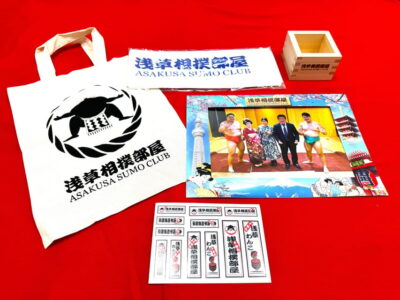
Sumo Show Experience with Chicken Hot Pot and a Photo
Read our review →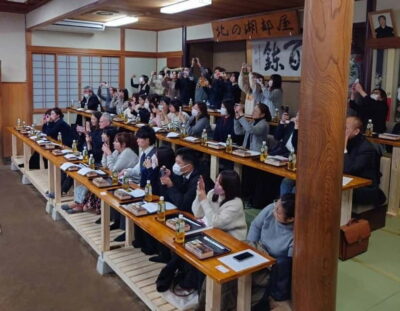
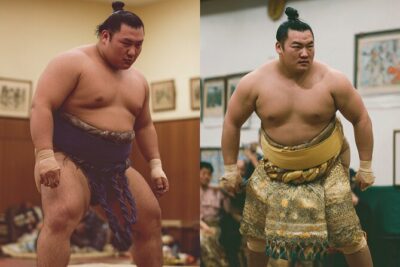
Tokyo Shinjuku Sumo Show & Experience with Photo
Read our review →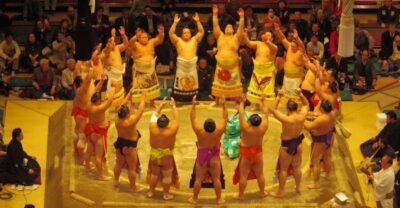
Sumo Show & Experience w/ Optional Kimono & Hot Pot
Read our review →
Authentic Sumo Experience in Tokyo: Enter the Sanctuary
Read our review →
Luxury Sumo Show Experience & Japanese cuisine & Drink
Read our review →Browse the lists this tour appears in