
Reviewed · CASTLE TOURS
Matsumoto Castle Tour & Soba Noodle Experience
This experience is interesting because it links two very Matsumoto things into one smooth half-day: a visit to Matsumoto Castle and then a hands-on soba noodle session. You start with Japan’s feudal past, then switch gears to something you can actually make with your own hands.
I especially like the way the tour builds context first, so the noodles do not feel random. And I like that the soba part is structured in clear stages, with a short intro video before you get to work.
One possible drawback: you are in a small group of two, and the soba comes as a shared serving (they need enough dough), so you may not get a solo-by-default experience. Also, side dishes and drinks are listed as not included, so plan on buying those separately if you want extra food and water.
Key Things I’d Prioritize
- A National Treasure start at Matsumoto Castle, keeping the history piece grounded and real.
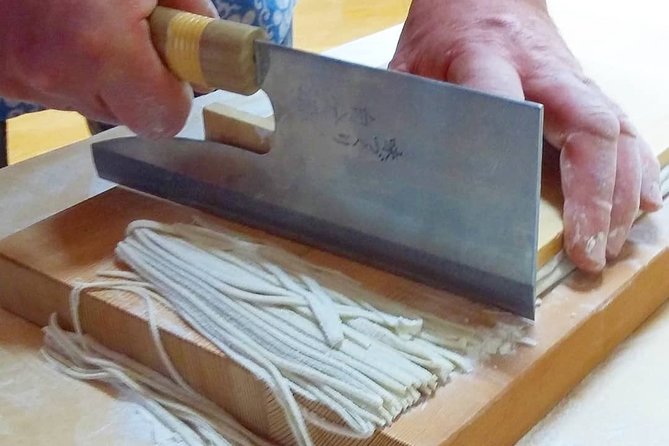
- Step-by-step soba training from a soba master, including cutting techniques with the right tools.
- Hands-on noodle time, not just watching, then you eat what you made.
- Hot or chilled tasting styles, plus options like tempura and other sides during the meal.
- Small groups (two people), which often makes the experience feel more personal than big tours.
Why Matsumoto Castle and Soba Make a Perfect Combo
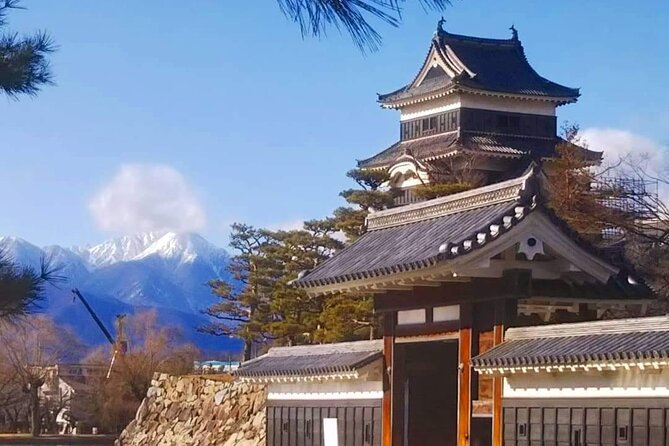
Matsumoto is one of those Japanese cities where you can feel layers of time at once. You get the feudal-era atmosphere at Matsumoto Castle, and then you step into a culinary tradition built on buckwheat and technique, the kind of food that connects to regional identity.
What I like about pairing these two is that the tour doesn’t treat soba like a gimmick snack. It treats it like a craft. That matters, because once you understand the steps and the tools, you taste with your brain turned on instead of just your stomach.
The timing is another reason it works. The whole thing is about 3 hours, so you’re not committing to a full day just to see one site and eat one meal. It’s short enough to fit into a packed Nagano itinerary, but long enough to feel like you learned something you can repeat later.
More Castle Tours in Matsumoto:
- Matsumoto Castle Tour & Samurai Experience
★ 4.9 · 128 reviews - Matsumoto Castle Tour & Samurai Experience
★ 5.0 · 69 reviews - Matsumoto Castle Town Walking Tour
★ 4.8 · 58 reviews
Getting There and What a 3-Hour Visit Actually Means
You meet at the Matsumoto Castle admission area, right at the ticket counter. The address listed is 4-1 Marunouchi, Matsumoto, Nagano 390-0873, Japan, and the tour ends back at the same spot.
This helps on two fronts. First, you don’t have to play transportation Tetris afterward. Second, because it is near public transportation, you can keep your day simple, especially if you are arriving from Matsumoto Station or the surrounding neighborhoods.
The tour is capped at a maximum of 15 travelers, and the soba activity runs in groups of two people. In practice, that smaller setup is a big quality signal. It usually means less waiting, more attention, and fewer “watch from the side” moments.
Matsumoto Castle: What You’ll See and Why It’s Worth Your Hour
You spend about one hour at Matsumoto Castle. This isn’t just a quick outside photo stop. The tour includes entry, and you’ll get guided access that helps you understand what you are looking at.
Even if you have only seen a few Japanese castles before, Matsumoto Castle is known for being well-preserved, and it’s described as a National Treasure. That combination matters. It means you can focus on real structure and layout rather than imagining what used to be there.
In the route between the meeting area and the castle, guides may add context with short stops along the way. One guide named Tom is specifically mentioned as meeting people at the station and making that walk more interesting by pointing out details en route. That’s the kind of add-on I appreciate because castles are easier to appreciate when your feet have already started learning the city.
How to approach this hour: don’t rush it for photos. Slow down once or twice and look at the overall shape before you zoom in on details. The value here is the “you can read this place” feeling you get when you learn where to look.
Soba-Making Stage One: The Dough, the Steps, and the Soba Master
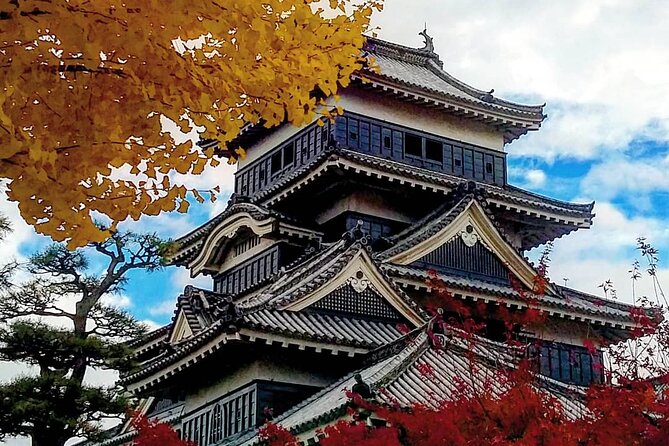
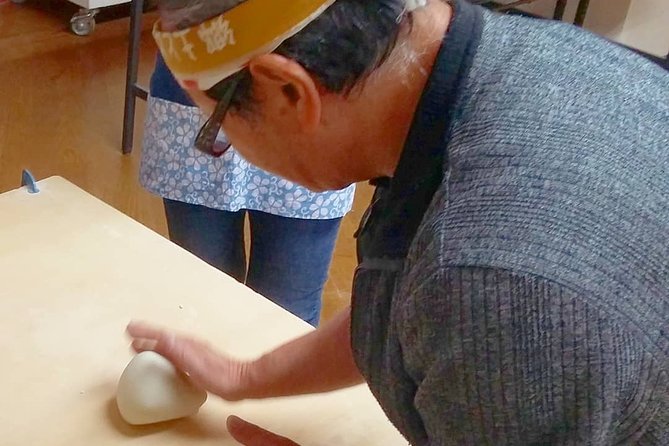
After the castle, you move into soba-making, which takes about another hour. The class starts with a short video introduction that explains the steps, from dough preparation to cutting the noodles.
Then comes the part that makes this tour more than a demo: you get hands-on instruction from a soba-making master. You’ll work through the process with step-by-step guidance, using the tools required for soba preparation and cutting.
This is where you get the most “skill transfer” value. You do not just taste; you practice. That helps you understand why buckwheat noodles can taste earthy and slightly nutty rather than just plain noodles.
One more practical note: the class requires a minimum of 500 grams to prepare soba, so the experience includes a shared serving for about two or three people (they mention one bucket as serving for two people). Translation: you might not get a fully separate portion for every participant. You are participating, but it’s still a shared production.
A change of pace from Matsumoto:
- Matsumoto Discovery – Half Day Walking Tour
★ 5.0 · 43 reviews - From Matsumoto/Nagano: Nakasendo Trail Walking Tour
★ 4.9 · 33 reviews
Hands-On Cutting and Tools: The Part You’ll Remember
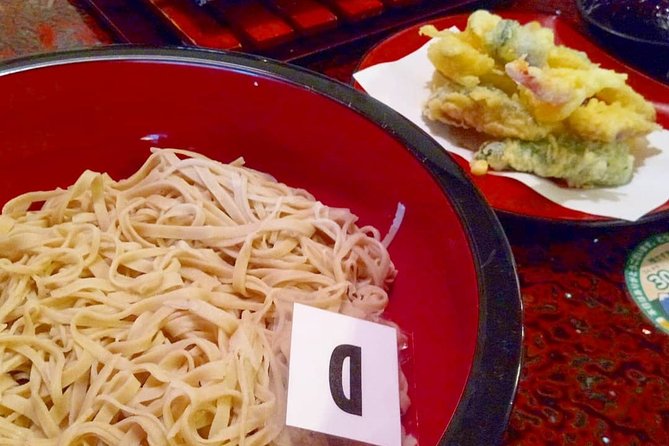
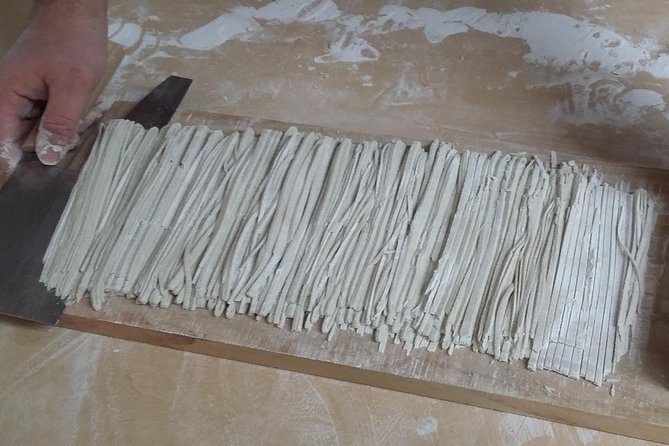
Once the dough is ready, you shift to cutting. This tour’s soba section emphasizes how to use various soba-making tools, not just mixing ingredients.
It’s worth mentally preparing for tactile work. Cutting noodles is not like cooking something in a kitchen at home where you can rely on familiar rhythms. It’s closer to learning a small craft. You’ll likely feel awkward at first, then improve as the guide walks you through what to do.
That “guided correction” is usually what people love most in cooking classes. If you have a guide who keeps things clear and engaging, the whole hour feels easier. One review highlights a guide named Tom as being clear and keeping people engaged, and another mentions a guide with life-long local familiarity. The consistent theme in the feedback is that a good guide makes the steps click quickly.
Language level can be a variable in any tour with local guides. One report mentions limited English from a guide named Kai and that it was harder to fully understand despite effort. If you are very dependent on detailed explanations, go in expecting some moments of simplified instruction, and lean on the hands-on guidance even if the phrasing is not perfect.
Soba Tasting Stage Two: Hot, Chilled, and Served With Options
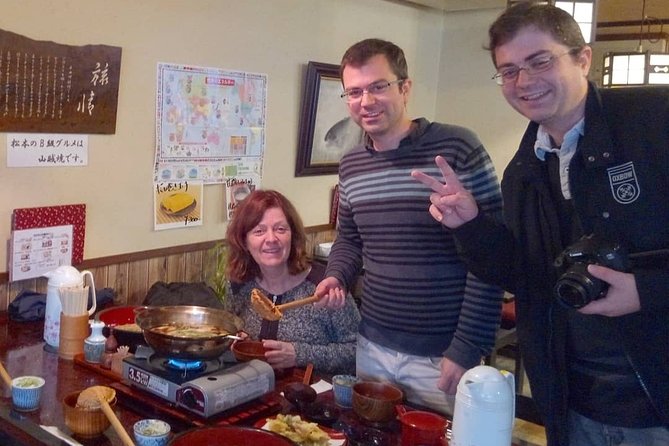
After you cut the noodles, you move to the restaurant where the soba master cooks what you made. This is a smart flow because it protects your results. You do the difficult, skill-based part (dough and cutting), and the master handles the final cooking so you get tasty results instead of uncertain experiments.
The tasting part takes about one hour. You will taste soba in several forms, including hot or chilled options. The menu also includes possibilities like tempura and other side dishes alongside the noodles.
You also get soba tasting plus 1 extra. That extra matters. Many cooking tours have you taste one small serving and call it lunch. Here, the added serving makes the meal more satisfying, especially if you skip breakfast or arrive hungry.
One careful point: the details provided say side dishes (like oyaki and snacks) and drinks are not included. So yes, you might see tempura and sides served as part of the tasting experience, but don’t assume unlimited add-ons. If you want specific snacks or beverages, budget for them separately.
Price and Value: Is $93.93 Fair for What You Get?
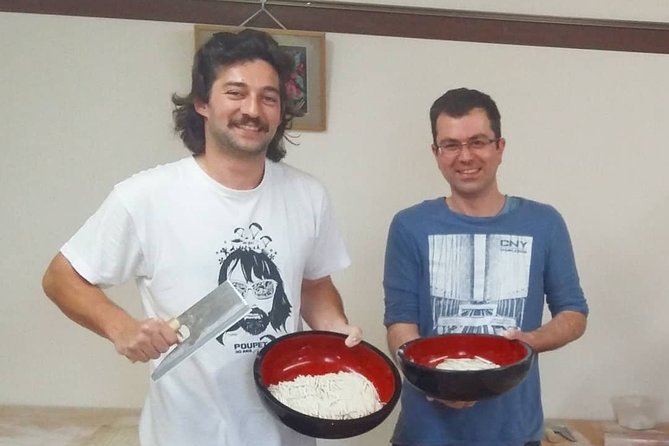
At $93.93 per person, this tour sits in the “worth considering” zone rather than the bargain bin. The value comes from three things you normally pay separately for in Japan.
First, you get castle entry plus a guided visit at Matsumoto Castle. That’s not just sightseeing; it’s a scheduled, explained stop at a major site.
Second, you get the training from a soba master, including the tools and the hands-on cutting. Cooking classes add cost because the instructor time is real and the supplies are used on-site.
Third, you get a meal-like tasting, including multiple soba styles and an extra portion, rather than one bite and done.
Now, what about the shared-portion setup? Because they require enough dough (minimum 500 grams), your soba production is shared across two or three people. That can sound less personal, but it also keeps the class manageable and ensures everyone eats properly cooked noodles.
My take: if you care about food craft and you want a short, structured cultural experience, the price looks fair. If you only want photos at the castle and you do not enjoy cooking or learning technique, you might feel the cost is higher than the payoff.
Also note timing demand. The average booking window is 71 days in advance, which suggests the tour sells steadily. If you are traveling in a popular season, I’d book early so you can lock in the time you want.
Group Size, Feel, and the Chance of a More Private Experience
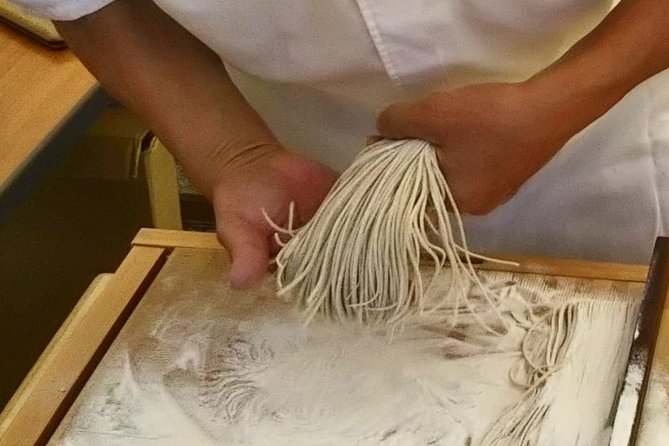
Even with a max of 15 travelers, the soba activity itself runs in small groups of two. That setup changes the experience. It’s easier for the instructor to watch your hands, correct your cutting, and keep you moving through the steps.
One review describes the tour becoming a private experience, which can happen with small-group operations like this. You should not count on private by default, but the small group format makes it more likely you will feel less like you are waiting in line and more like you are participating.
If you like learning with attention rather than speed, this size is a plus. If you prefer a big social atmosphere, you might find the vibe quieter than group bus tours.
Practical Tips That Improve Your Results
These tips are about getting the most from a hands-on class and a castle visit in one go.
- Arrive with comfortable shoes. You walk from the meeting area to the castle, and you’ll likely stand and maneuver during the soba prep.
- Expect to work with your hands. Even if you have zero cooking background, the structure is designed for beginners, and the soba master guides you step by step.
- Keep your appetite in check. The schedule includes a tasting meal, so avoid heavy snacks right before you arrive.
- Don’t count on drinks or extra snacks being included. Side dishes and drinks are listed as not included, so plan accordingly.
- If English details are important to you, ask for clarification during the class moments when you’re working. Hands-on guidance is usually the easiest way to understand even if explanations are slightly limited.
Who This Tour Suits Best (And Who Might Skip)
This is a strong match if you want a city experience that is more than checking boxes.
You’ll likely love it if:
- You want a castle visit with meaningful context, not just a quick walk around.
- You enjoy cooking or at least want to learn a real technique you can repeat at home.
- You like regional food that has a clear identity, like Matsumoto’s earthy soba made from buckwheat.
You might skip it if:
- You only want a fast sightseeing stop and dislike structured activities that require learning.
- You are not interested in hands-on food work and would rather spend that time eating more freely on your own.
The best part is that it offers both. You get history and you get a craft. And you leave with the memory of cutting noodles, not only the taste of them.
Should You Book This Matsumoto Castle and Soba Experience?
I’d book it if you want a compact, high-satisfaction day: a National Treasure style castle visit plus a soba-making experience where you actually cut the noodles and then eat what you made. The small group size, the clear two-stage flow, and the fact that the master cooks your finished noodles all point to a tour designed to land well for most people.
If you are budget sensitive or you hate hands-on activities, you could feel the cost and structure are more than you need. But for most food-minded travelers and history fans, this is a solid use of time in Matsumoto.
If you do book, plan for comfortable walking, come hungry, and save room for the hot and chilled soba tastings.
FAQ
How long is the Matsumoto Castle Tour and Soba experience?
It takes about 3 hours total, with around 1 hour at Matsumoto Castle and around 1 hour for soba preparation plus 1 hour for soba tasting.
What is included in the price?
The price includes soba noodle making with the soba master, soba noodle tasting plus 1 extra, and entry or admission to Matsumoto Castle.
Are side dishes and drinks included?
No. Side dishes like oyaki and snacks, plus drinks, are listed as not included.
Do I need to bring a ticket?
You’ll use a mobile ticket.
Is this tour a small group?
Yes. The soba activity takes place in groups of two people, and the overall tour maximum is 15 travelers.
Will I actually make soba noodles, or just watch?
You’ll do hands-on soba preparation and cutting with guidance from the soba-making master, and then the master cooks the soba for you to taste.
Why is the soba serving shared?
They require a minimum of 500 grams to prepare soba, so the class includes a shared serving suitable for 2 or 3 people.
Where do we meet, and where does it end?
You meet at the Matsumoto Castle admission ticket counter at 4-1 Marunouchi, Matsumoto, Nagano 390-0873, Japan, and the tour ends back at that same meeting point.
Is the tour near public transportation?
Yes, it is listed as near public transportation.
What is the cancellation policy?
Free cancellation is available. You can cancel up to 24 hours in advance for a full refund.
Latest write-ups near Matsumoto
- Matsumoto Discovery – Half Day Walking Tour★ 5.0 · 43 reviews
- Matsumoto Castle Town Walking Tour★ 4.8 · 58 reviews
- Matsumoto Castle Tour & Samurai Experience★ 5.0 · 69 reviews
- Matsumoto Castle Tour & Samurai Experience★ 4.9 · 128 reviews
- From Matsumoto/Nagano: Nakasendo Trail Walking Tour★ 4.9 · 33 reviews
Castle Tours, compared.
Tokyo Castle & Imperial PalaceーShogun Walking Tour
Read our review →
Nijo-jo Castle and Ninomaru Palace Guided Tour
Read our review →
Ultimate Osaka Walking Tour: Castle, Dotonbori & Hidden Gems
Read our review →
Nijo Castle, Kiyomizu & Fushimi Inari Guided Tour
Read our review →
Osaka Castle Walking Tour and Castle Tower Admission
Read our review →
Imperial Palace East Garden and Edo Castle Walking Tour in Tokyo
Read our review →
Imperial Palace & Nijo Castle Guided Walking Tour
Read our review →Browse the lists this tour appears in