
Reviewed · FUSHIMI INARI TOURS
Kyoto: Nijo Castle, Kiyomizu & Fushimi Inari Guided Tour
This Kyoto day tour is interesting because it string-connects several of the city’s biggest landmarks into one practical route, with built-in timing to help you beat peak chaos. I especially like the early Arashiyama Bamboo Grove access and how a guide like Cesar keeps the story clear in English and Spanish without losing the flow.
The main consideration is simple: it is a long day with a good amount of walking and crowded temple areas, so you’ll want comfortable shoes and a flexible pace.
Quick hits
- Early Arashiyama timing: You get time in the bamboo grove before the busiest waves arrive.
- Bilingual guide support: Guides like Cesar, Angeles, Paula, and Alex switch languages smoothly and keep the group together.
- Nijo Castle’s nightingale floors: A real shogun-era security feature, plus castle gardens and tatami rooms.
- Kiyomizu-dera from the wooden stage: Big valley views and time to roam the classic streets around the temple.
- Fushimi Inari free time: Red torii gates with a focused 1.5-hour window to walk at your own pace.
- Solid coach ride: Many reviews highlight a comfortable bus and drivers like Ken and Hamada handling Kyoto traffic well.
A One-Day Kyoto Route That Makes Hard Choices for You

If you only have one day in Kyoto, the hardest part is not picking what to see. It is fitting it all together without wasting time. This tour solves that by running a single coach route that hits the city’s signature mix: bamboo, gold-leaf temple views, a castle tied to shogun power, and shrine gates that climb a mountain.
The big idea is value through structure. You show up at the meeting point, the coach takes care of the transport between areas, and the guide gives enough context that you’re not just photographing signs. At each stop, you get guided context plus free time, so you’re not trapped in a rigid line.
You’ll be dealing with crowds at the famous sites, especially near Kinkaku-ji and the Kiyomizu-dera area. The good news is the tour plans around timing, including early access for Arashiyama.
More Castle Tours in Kyoto
- Kyoto: Nijo-jo Castle and Ninomaru Palace Guided Tour
★ 4.7 · 1,020 reviews - Kyoto: Imperial Palace & Nijo Castle Guided Walking Tour
★ 4.7 · 453 reviews - Kyoto: Nijo Castle World Heritage Guided Tour with Admission
★ 5.0 · 128 reviews
Starting at Hotel Keihan Kyoto Grande, Then Settling In
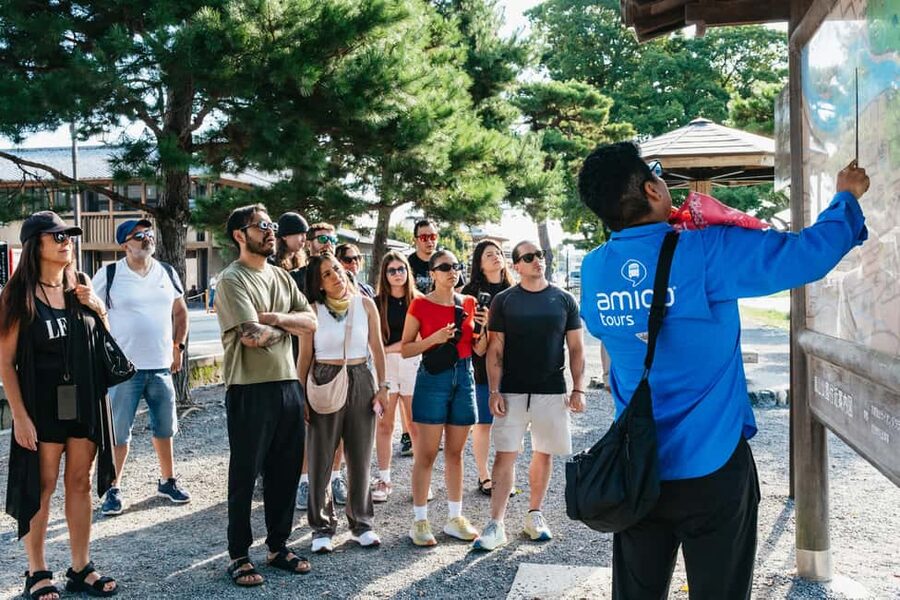
You meet outside Hotel Keihan Kyoto Grande, with the guide waiting with an Amigo Tours sign. Arrive about 10 minutes early to check in and avoid a last-minute scramble. From there, you’ll move by coach straight into the day.
The transfer time between stops is built into the schedule, including a short bus ride before Arashiyama and regular 30-minute style legs around Kyoto. That matters because Kyoto traffic can be unpredictable, especially when multiple tour groups pile into the same districts. Reviews repeatedly praise the driving and the comfort of the bus, which is a big deal on an 11-hour day.
One more practical point: you will have a long walk at multiple sites, plus some steps that can feel uneven. Bring shoes you can stand and move in for hours.
Arashiyama Bamboo Grove Before the Crowd Wave
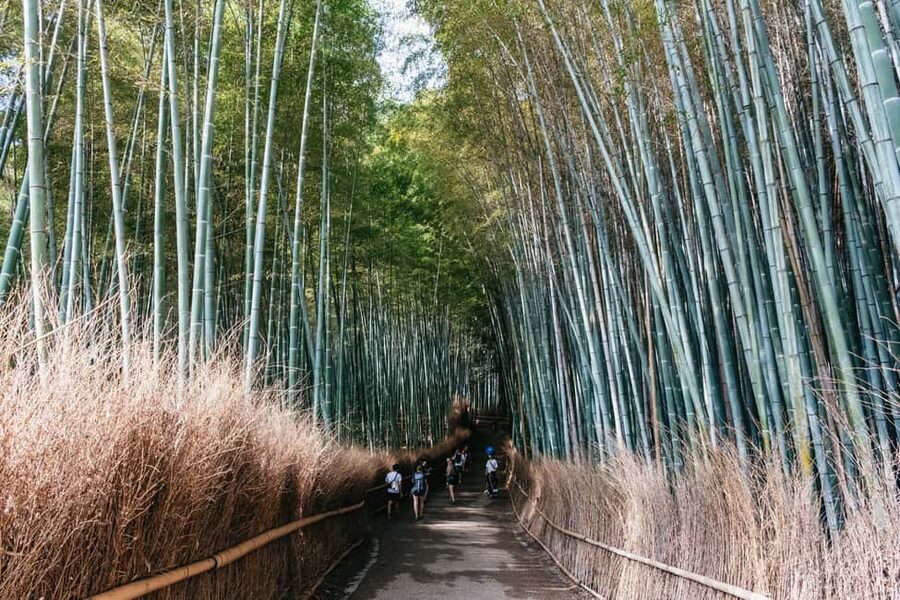
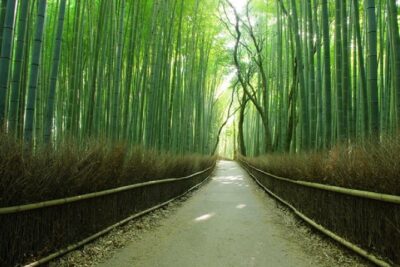
Arashiyama is often a zoo by midday, so the schedule’s early start is the smartest feature here. You get around 70 minutes of free time in the bamboo grove area, and the goal is to enjoy the bamboo paths with fewer people in your photos.
What you’re looking for is atmosphere. The bamboo stalks create a soft, almost tunnel-like rhythm, and the paths can feel calmer than you’d expect for a famous spot. You’ll have time to stroll, take pictures, and pause when the light hits the stalks at different angles.
Photo tip: in early hours, the shade can fool your camera exposure. If your photos look too dark, raise exposure slightly or let your phone camera do a quick re-focus before snapping.
The one drawback is that bamboo grove paths still get busy, just less so than later. If you want ultra-quiet, you’ll still want to walk a little away from the first photo cluster.
Kinkaku-ji Golden Pavilion: What You’re Actually Paying For
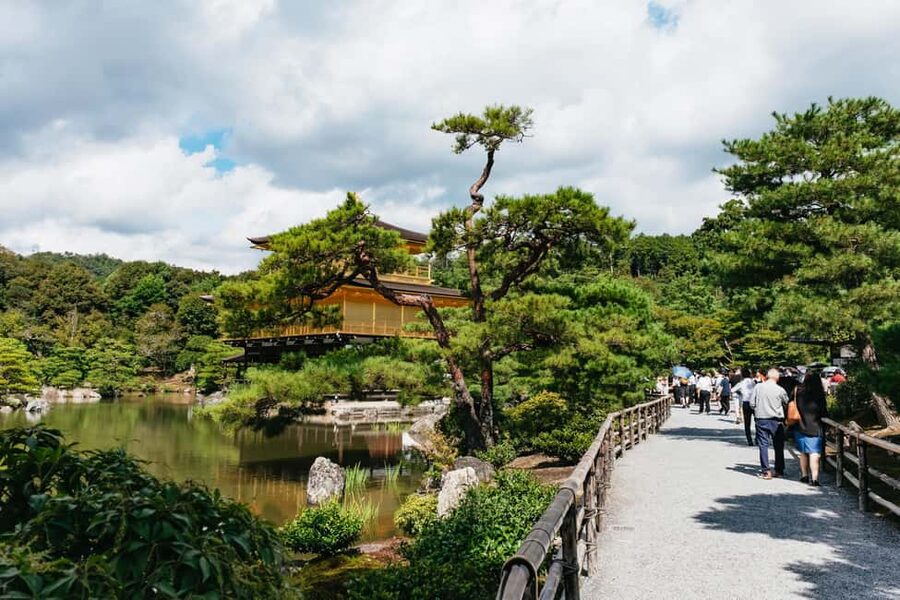
The tour includes a stop at Kinkaku-ji, also called the Golden Pavilion. You typically get about 45 minutes of free time there, which is enough to see the main composition from key angles and spend time in the gardens area.
Two important details affect your experience. First, admission to the Golden Pavilion is included only if you choose the option that covers it in advance. Second, you’ll want to treat this as a high-demand stop, since it is one of Kyoto’s most recognized images.
Why it’s worth it anyway: Kinkaku-ji is all about contrast, the gold-leaf look against the pond and surrounding garden. Even if you’ve seen photos before, standing close to the structure changes the scale. You also get to notice how the building’s layers sit in the setting, not just on top of it.
If you do not have the ticket option set up correctly, you may miss the visit. Make sure you confirm what’s included before you go, so this stop stays a highlight rather than a disappointment.
More Fushimi Inari visits:
- Kyoto: Fushimi Inari, Kinkakuji, Bamboo Grove 1 Day Bus Tour
★ 4.8 · 4,316 reviews - Fushimi Inari Hidden Hiking Tour (Private Option Available)
★ 5.0 · 1,750 reviews - Kyoto/Osaka: Nara, Fushimi Inari Taisha, Arashiyama Bus Tour
★ 4.7 · 1,275 reviews - Osaka/Kyoto: Arashiyama, Nara & Fushimi Inari Shrine w/Lunch
★ 4.4 · 754 reviews
Nijo Castle and the Nightingale Floors
Next up is Nijo Castle, the shogun’s former residence and a major piece of Japan’s political theater. You’ll get about 1.5 hours here, which sounds generous until you remember you’re walking through palace spaces, gardens, and interpretation areas.
The signature detail is the nightingale floors. These are security floors built to create sound when someone steps on them, a clever alarm system from the castle’s era. It’s the kind of feature that turns a building tour into something you can feel under your feet.
This stop has a catch: access to Nijo Castle depends on having the right ticket option purchased in advance. If you purchased the version that includes castle admissions, you’ll be set. If not, this is where substitution can happen.
And substitution does happen. If Nijo Castle is not accessible due to circumstances beyond the operator’s control, the tour swaps in Sanjūsangen-dō Temple instead. That’s not the same as castle life, but it still gives you a high-impact Kyoto cultural visit rather than a wasted schedule.
Kiyomizu-dera From the Wooden Stage, Plus Time for the Streets
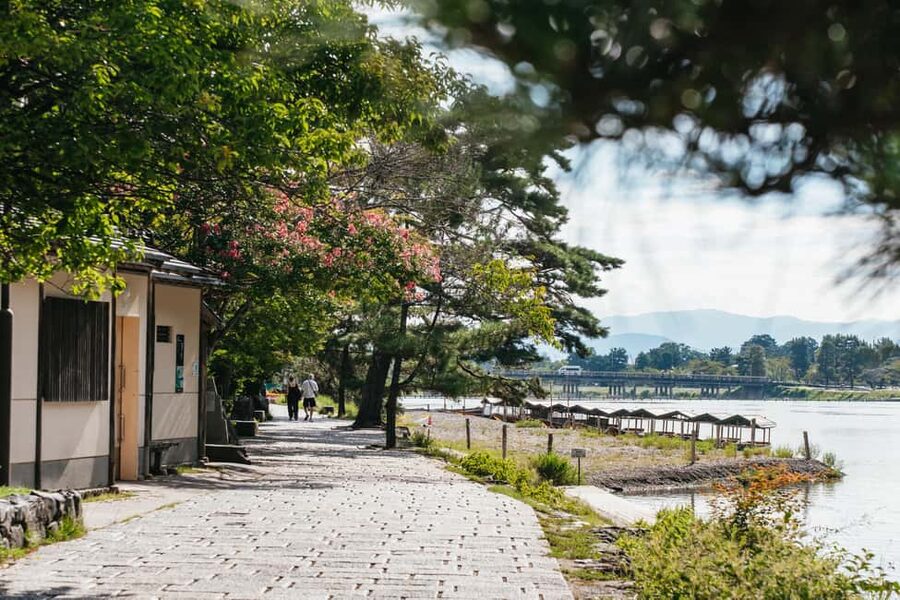
Kiyomizu-dera is the stop where Kyoto starts to feel cinematic. You’ll spend around 2.5 hours at this area, including the temple visit plus time for lunch on your own and wandering.
The key feature here is the wooden stage overlooking the valley. Even if the weather is flat, you still get a sense of how the temple’s design frames the view. On a clear day, the perspective is stronger, and you’ll notice why Kiyomizu-dera became such a pilgrimage magnet.
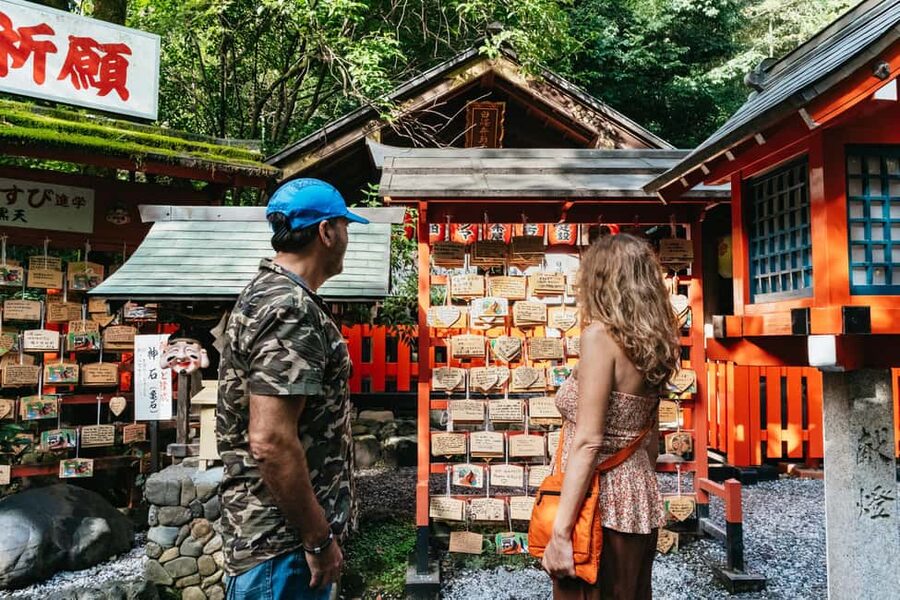
Also, this area is not just stone and timber. It is a lively stretch of traditional sweets and craft shops right around the temple grounds. That is where your free time pays off. You can move at your own pace, stop for something you want, and still meet the group back at the agreed time.
One more practical note: the Kiyomizu-dera area is often crowded. Keep your group rendezvous time in mind, and don’t assume you can drift forever without checking your watch.
Fushimi Inari Taisha: Use Your 1.5 Hours Wisely
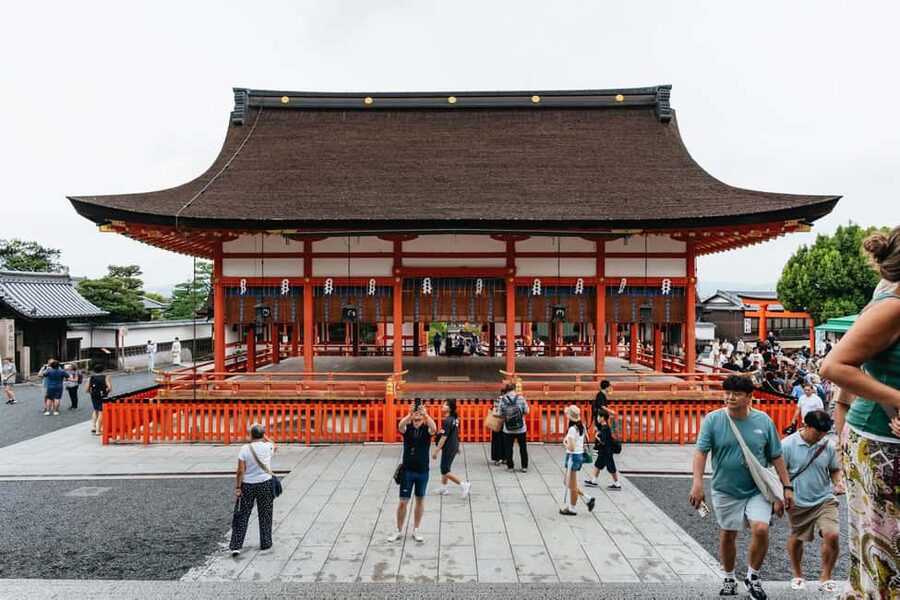
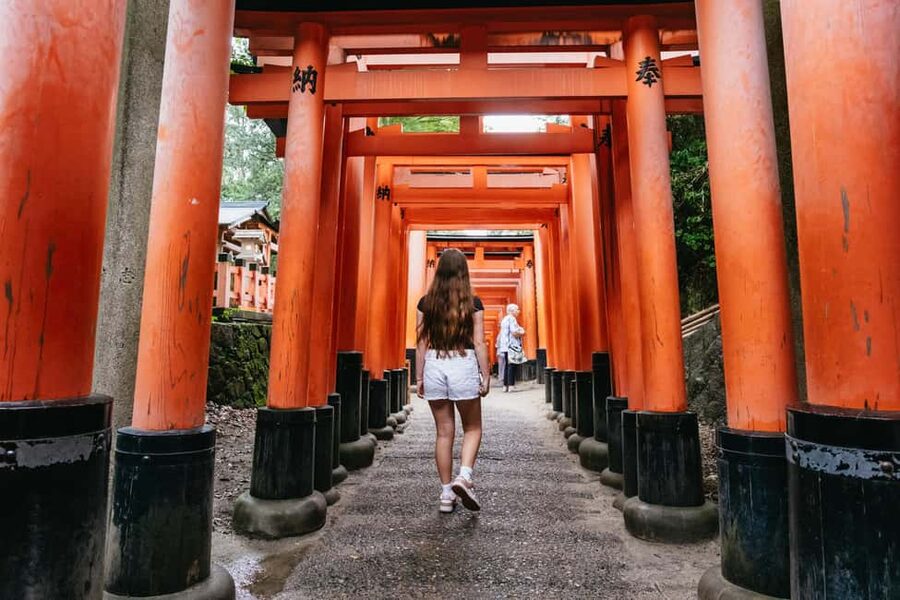
The tour ends with Fushimi Inari Taisha, famous for its thousands of bright red torii gates climbing the mountain trails. You get about 1.5 hours of visit time with room to explore on your own.
This is the best kind of free time stop. You can choose your pace. If you want a quick circuit for the iconic gate tunnel, you can do that. If you want deeper walking for more quiet angles, you can also do it, as long as you stay within the schedule.
What to pay attention to: the gates make the whole place feel directional, like a path that keeps going even when you think you’re reaching the next corner. Each section shifts the view and the density of people, so your best photos might come from a turn you almost skip.
In practical terms, start earlier in your free time if you want fewer people in your immediate walkway shots. Later in the session, density can increase near the most photographed segments.
How the Bilingual Guide Actually Changes Your Day
This is where the reviews go from praising sightseeing to praising people. Guides such as Cesar, Angeles, Alex, and Paula are repeatedly highlighted for handling English and Spanish smoothly, sometimes switching quickly in the middle of explanations. That matters because Kyoto sites are rich in details, and translation that feels smooth keeps the group engaged.
Many guides also help with group pacing. You hear a common theme: the day is long, but it does not feel chaotic. Stops have enough time to see the main sights, plus free time to breathe, buy a snack, or take photos.
You’ll also notice the difference between a guide who just reads facts and one who connects the site to the larger story of Kyoto. Here, that connection often includes palace power at Nijo Castle, religious meaning at Kiyomizu-dera, and spiritual symbolism at Fushimi Inari.
If you’re sensitive to hearing in crowds, consider using your phone earphones for music only during bus rides, then turn them off in temple queues so you can follow instructions. That simple habit helps you stay oriented when sound gets messy.
Price and Value: When $54 Makes Sense
At $54 per person for an 11-hour guided coach tour, the value depends on what you want out of Kyoto.
This price is easier to justify because the tour includes admission to Golden Pavilion, Nijo Castle, and Kiyomizu-dera if you pick the options that cover them. That means you’re not piecing together multiple ticket systems, and the guide helps you use the time in each place instead of just waiting around.
It also includes transportation from the meeting point, which in Kyoto is not a small advantage. Distances between the key districts can chew up your day, especially if you are hopping between Arashiyama, the northwest temple zone, and the eastern shrine areas.
Is it always the cheapest way? No. But if you only have a short visit and you want to hit the big names without stress, this kind of one-day loop often wins on practical value.
What you do pay extra for: food and drinks are not included. So build in a lunch budget, and bring water. The tour guidance lists sunscreen and a hat for a reason.
Timing, Walking, and What to Pack for a Long Day
This is a full day. Even though the tour is organized, you’re still moving between distinct neighborhoods with time on foot at each one. Expect comfortable shoes to be your main survival gear.
Here’s what to pack based on the tour’s practical list:
- Comfortable shoes for temple steps and bamboo-path walking
- Hat and sunscreen for sun-exposed stretches
- Camera for the gate corridors and golden reflections
- Water, because Kyoto days can get warm and queue-heavy
Also plan your energy. Bus rides help, but you still need to handle multiple stops and crowd flows. If you like slow travel, consider whether your next day in Kyoto can handle a deeper, less structured exploration afterward.
When This Tour Fits You Best, and When It Does Not
This tour is a good fit if you:
- Want to see top Kyoto highlights without building a complicated route
- Appreciate bilingual interpretation, especially English/Spanish
- Prefer organized pacing with free time that you can use flexibly
It is not a great fit if you:
- Need wheelchair access or mobility support, since it is not suitable for mobility impairments or wheelchair users
If you’re traveling with older relatives or anyone with limited walking ability, you might want to plan a more flexible option with fewer stops.
Should You Book This Kyoto Nijo and Shrine Day Tour?
I’d book this tour if you want a structured Kyoto day that still leaves room to wander, and you’re comfortable doing temple walking in a single long session. The best reason is practical: early Arashiyama timing plus expert-guided context across Nijo Castle, Kiyomizu-dera, and Fushimi Inari is a lot of return for one day of effort.
If you care about Golden Pavilion and Nijo Castle specifically, make sure you choose the ticket option that includes those admissions. Otherwise, you can lose key pieces of the route.
If you hate crowds or you want a slow, quiet Kyoto morning, this might feel like too much structure. In that case, consider splitting Kyoto into fewer sites across multiple days.
FAQ
How long is the Kyoto Nijo Castle, Kiyomizu, and Fushimi Inari guided tour?
The duration is 11 hours.
Where is the meeting point for the tour?
Meet outside Hotel Keihan Kyoto Grande. The guide will be waiting with an Amigo Tours sign.
Which sites are included in the tour?
You’ll visit Arashiyama Bamboo Grove, Kinkaku-ji (if the Golden Pavilion option is selected), Nijo Castle (if the with tickets option is selected), Kiyomizu-dera, and Fushimi Inari Taisha.
Is admission included for Kinkaku-ji, Nijo Castle, and Kiyomizu-dera?
Admission to Golden Pavilion, Nijo Castle, and Kiyomizu-dera is included only if you have selected the option that includes those tickets.
What happens if Nijo Castle is not accessible?
In that case, the tour will include a visit to Sanjūsangen-dō Temple instead.
Are food and drinks included?
No. Food and drinks are not included.
What languages are the guides?
The tour provides a live guide in English and Spanish.
Is the tour suitable for wheelchair users or people with mobility impairments?
No, it is not suitable for people with mobility impairments or wheelchair users.
What should I bring for the day?
Bring comfortable shoes, a hat, a camera, sunscreen, and water.
Latest write-ups near Kyoto
- Kyoto: Nishiki Market Tour with a Local Foodie & Tastings★ 4.5 · 67 reviews
- Kyoto Kimono Rental mimosa |Kimono/Yukata Rental Couple Plan★ 4.8 · 67 reviews
- Kyoto: Traditional Kimono Fabric Handicrafts Workshop★ 5.0 · 67 reviews
- Kyoto Tea Ceremony and Samurai Photo Session★ 5.0 · 70 reviews
- Kyoto: Replica food making experience★ 4.8 · 70 reviews
- Kyoto: Kinkakuji, Golden Pavilion Guided Tour★ 4.7 · 71 reviews
- Private departure transfer from Kyoto city to Kansai International airport★ 5.0 · 72 reviews
- Uji: Green Tea Tour with Byodoin and Koshoji Temple Visits★ 4.8 · 72 reviews
Fushimi Inari Tours, compared.
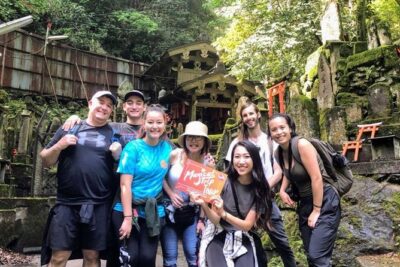
Fushimi Inari, Kinkakuji, Bamboo Grove 1 Day Bus Tour
Read our review →Fushimi Inari Hidden Hiking Tour (Private Option Available)
Read our review →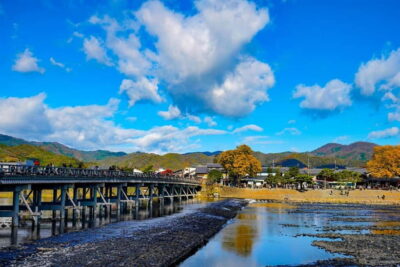
Kyoto/Osaka: Nara, Fushimi Inari Taisha, Arashiyama Bus Tour
Read our review →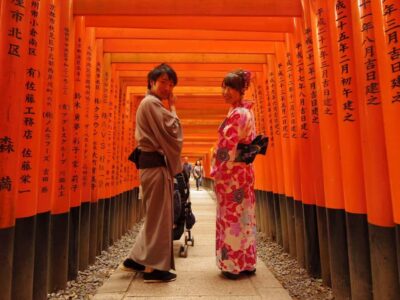
Osaka/Kyoto: Arashiyama, Nara & Fushimi Inari Shrine w/Lunch
Read our review →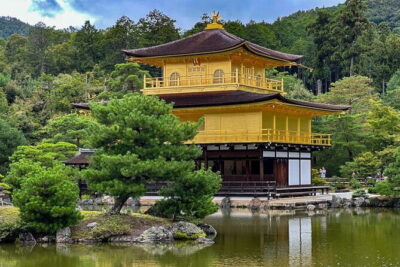
Nijo, Kinkaku-ji, Arashiyama, Kiyomizu & Fushimi Inari
Read our review →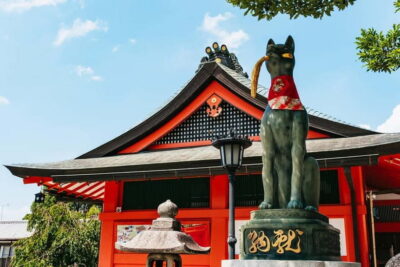
Sagano Romantic Train & Arashiyama, Kiyomizudera, Fushimi Inari Taisha Day Tour
Read our review →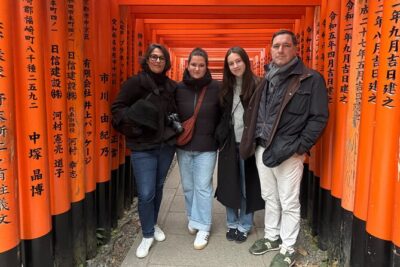
Kyoto Early Bird English Tour: Fushimi Inari & Gion(Private opt)
Read our review →Browse the lists this tour appears in