
Reviewed · CYCLING TOURS
Tokyo: Hidden Gems Guided Bike Tour with Lunch
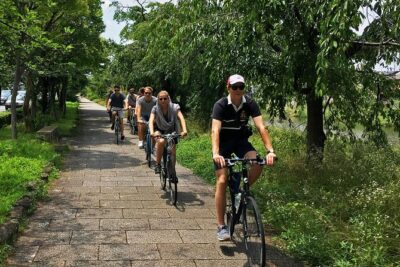
If you like your Tokyo with a mix of old-school stories and real local rhythm, this 5-hour bike tour is a strong pick. It’s structured like a guided walk, but you cover more ground on a rental bike, with Edo-era landmarks and river views that many people only see from the train window.
I particularly like the way the guide sets you up for success right away, starting with a quick talk on Japanese traffic rules. I also like the fact that lunch is already handled, so you’re not hunting for a decent meal while the schedule keeps rolling. One thing to consider: vegetarian options are limited, so if you eat strictly vegetarian, you’ll want to plan ahead.
Key Things You’ll Notice on This Ride
- Small group of up to 5, so the pace stays human and questions are easy
- A practical traffic rules briefing before you start rolling
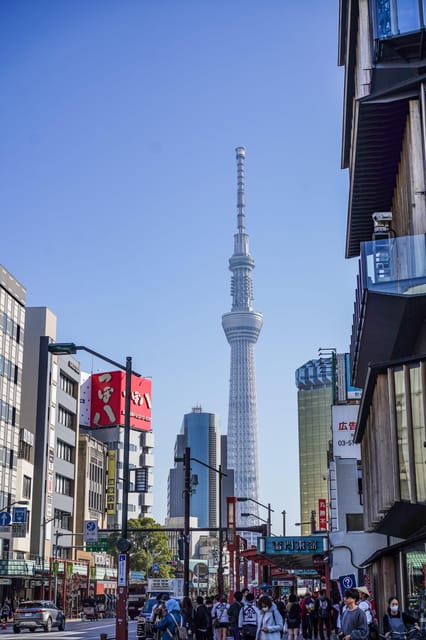
- Sumida River + Skytree views from the bike, not just from afar
- Stops that pair Shinto and Buddhist sites with Edo-period context
- A lunch stop in a local restaurant, then more sightseeing immediately after
- The Fukagawa Edo Museum gives you a clear picture of daily life about 150 years ago
A 5-Hour Bike Tour That Feels Like Edo Tokyo With Real Movement
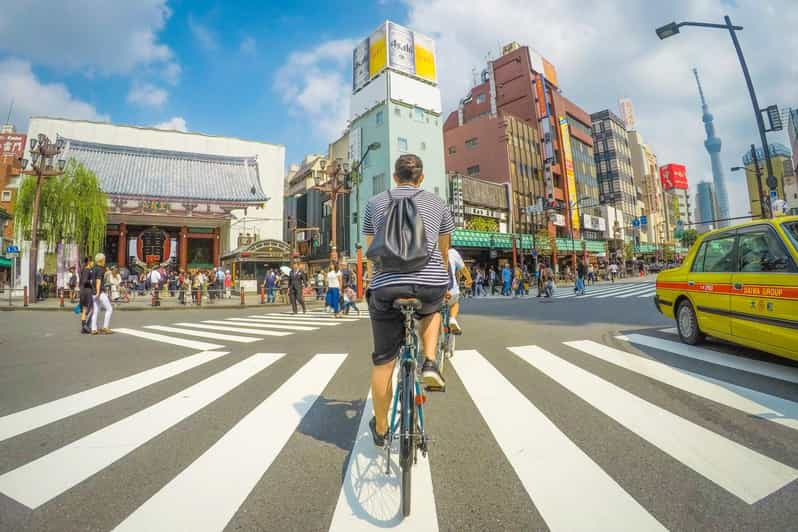
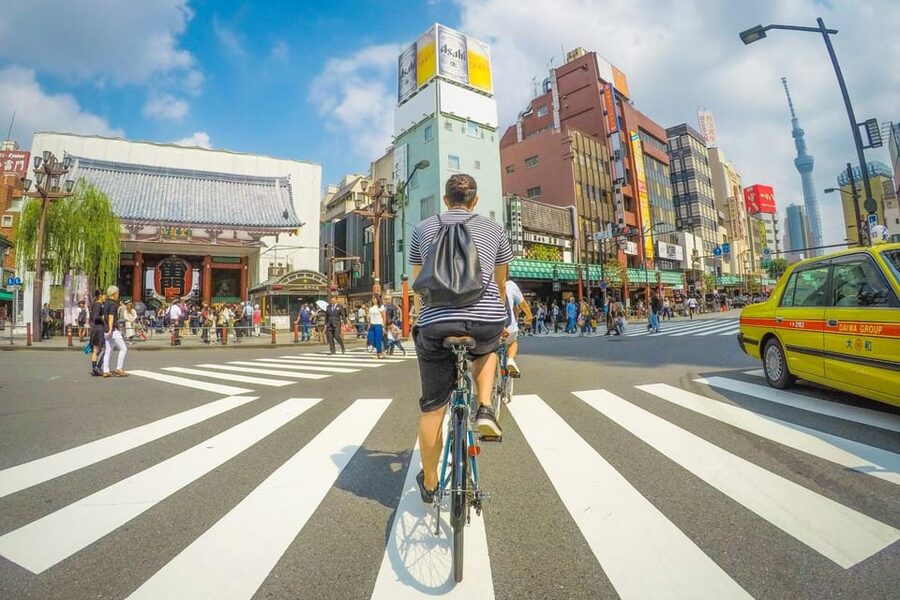
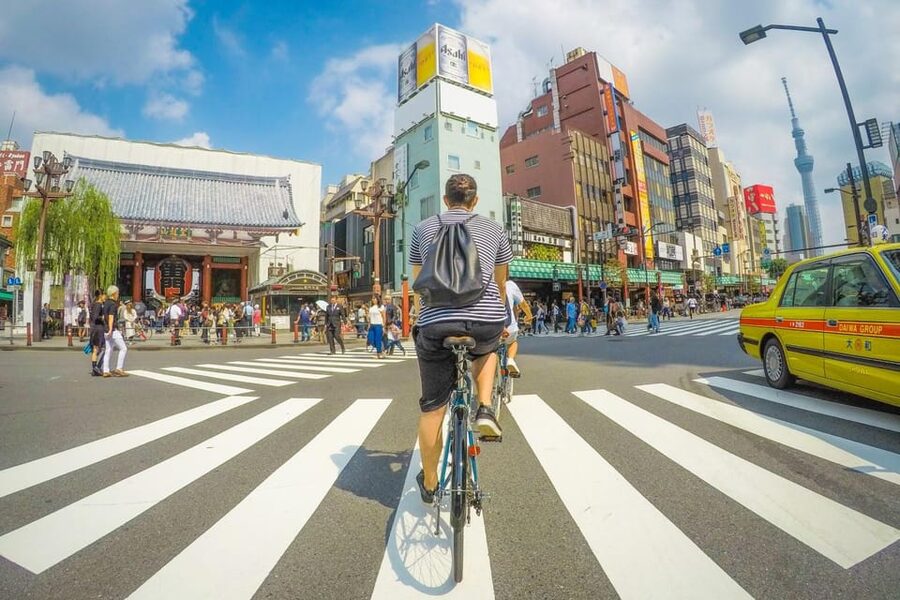
This tour is interesting because it uses bikes to connect different Tokyo neighborhoods in a way that walking can’t match, while still keeping the experience intimate. You start in the Asakusa area, then roll toward Ryogoku and Fukagawa, and along the way you get classic Tokyo “wow” moments like Skytree, but seen from the street level where locals move.
The tour’s core strength is balance. You get the famous sights like Kaminarimon Gate and Sensō-ji Temple, but you also spend time on the kind of places that tend to stay off most first-time itineraries. The bike plan helps you skip a chunk of crowd time, then reset your brain with river air and local streets.
And yes, it is guided, so you’re not doing guesswork. The guide keeps the day on track, explains what matters, and makes sure you get back to the meeting point without chaos.
More Cycling Tours in Tokyo
- Tokyo Guided Small-Group Biking Tour
★ 5.0 · 1,250 reviews - Tokyo Great Cycling Tour
★ 5.0 · 811 reviews - Tokyo Top Highlights 3h Guided E-bike Tour
★ 5.0 · 714 reviews
Meeting at Asakusabashi Station and Learning the Tokyo Rules of the Road
You meet at Asakusabashi Station, Exit A3 (Toei Asakusa Line). The guide waits outside the exit, so you’re not wandering around trying to spot a logo.
Before the wheels really start turning, there’s a short lecture focused on traffic rules in Japan. This matters more than people expect. Tokyo bike behavior can be different from what you’ve seen back home, and that briefing helps you feel confident from the first few minutes. If you’re riding for the first time in Japan, this part is a big stress reducer.
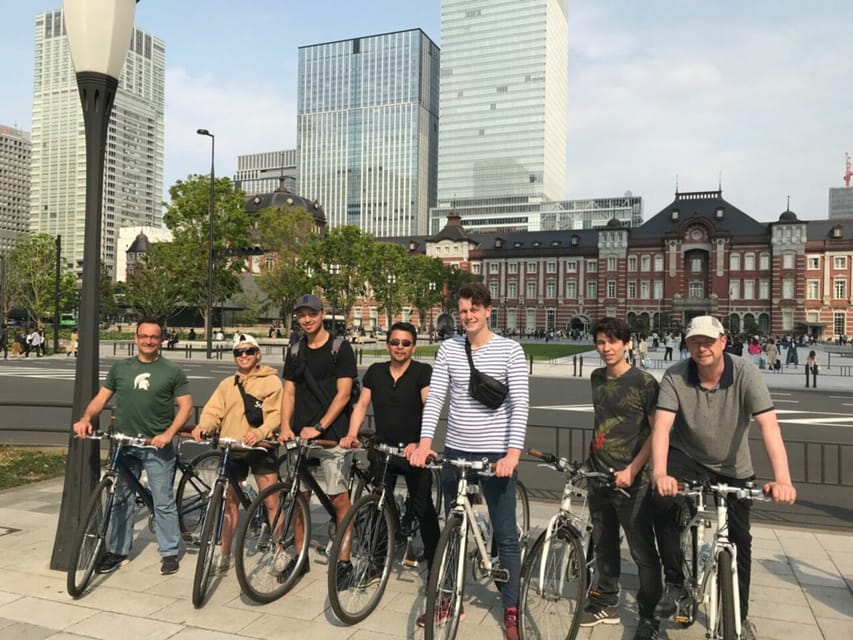
Bike rental is included, and the group size is limited to 5, which helps the guide keep eyes on everyone. The tour also notes that all levels are welcome, so you can expect a guided pace rather than a fitness boot camp.
Practical note: you’ll want comfortable shoes. You’ll spend time walking around temple grounds and museum areas, and you don’t want your feet to be the limiting factor.
Bandai Headquarters, Toy Figures, and a Photo Break With Edo-Era Energy
The ride starts with a stop at Bandai Co., Ltd. Head Office for about 20 minutes. It’s not the kind of stop you’d assume would belong on an “Edo Tokyo” tour, but that’s exactly why it works. Tokyo is layered. History doesn’t replace pop culture, it coexists with it.
This stop also gives you a quick, fun landing point before the more solemn temple time. You’ll see large anime figure references like Dragon Ball and Doraemon, and the photo moment is quick and easy, with no special pressure.
Is it “historical” in the strictest sense? Not really. But as a traveler, I love when a tour shows you how Tokyo thinks now, while still walking you through what Tokyo was like then. Think of it as tonal variety so the day stays enjoyable.
Asakusa’s Kaminarimon Gate and Sensō-ji Temple, With Less Crowd Anxiety
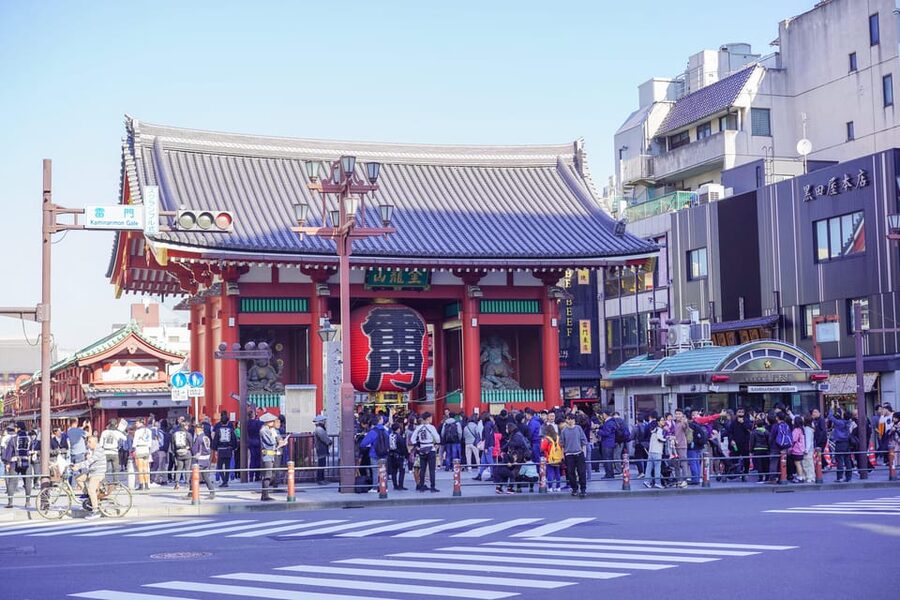
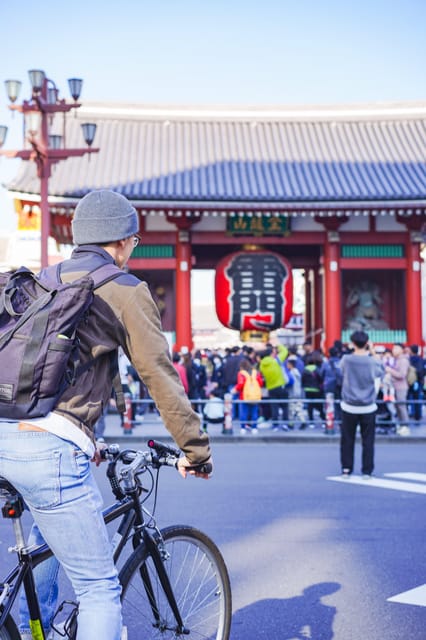
From Bandai, the tour moves to Kaminarimon (about 10 minutes). This is one of the most recognizable gateway views in the city, and you’ll get the classic scene without it taking over your whole day.
Then it’s on to Sensō-ji Temple for roughly 30 minutes. Here’s where the tour’s approach stands out: you’re not just checking a box. You’re there as part of a bigger route that connects Asakusa to Edo-period travel habits. The guide helps you see the temple area as part of a long continuum, not a one-off postcard.
What to watch for at Sensō-ji: expect pedestrian movement and a mix of tourists and locals. The bike portion is what keeps you from feeling stuck in a single area for too long. When you’re done, you’ll have that “I get it now” feeling, not just “I took a picture.”
More Lunch Experiences in Tokyo
- Tokyo: Mt.Fuji & Lake Kawaguchiko 1-Day Bus Tour w/Optional Lunch
★ 4.5 · 839 reviews - Tokyo: Sumo Experience and Chanko Nabe Lunch
★ 4.8 · 257 reviews - Tokyo: Tsukiji Fish Market Tour with 6 Stops & Seafood Lunch
★ 4.5 · 165 reviews - Tokyo: 1 Day Bus Tour with Meiji-Jingu,Odaiba,lunch&Skytree
★ 4.6 · 156 reviews
Lunch in Ryogoku: Local Food Beats Quick Snacks
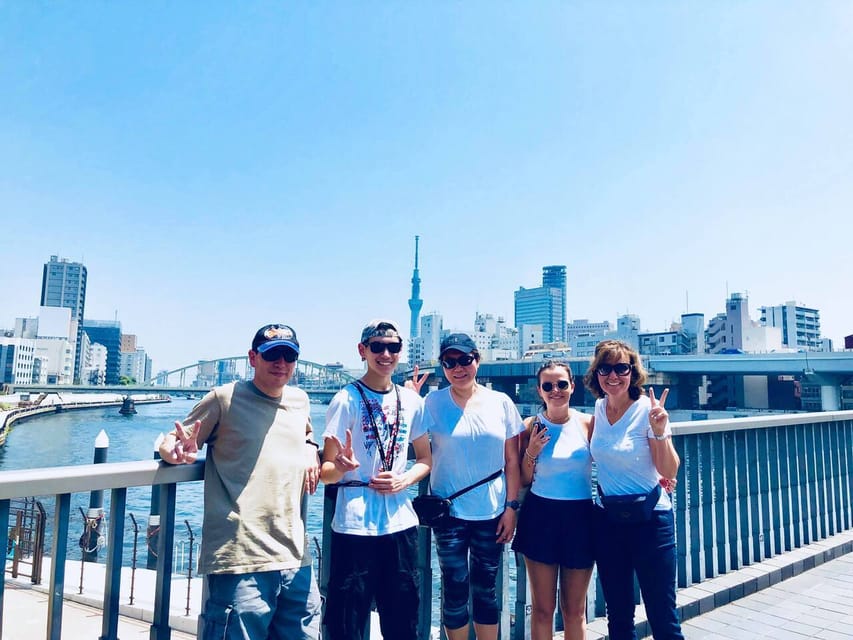
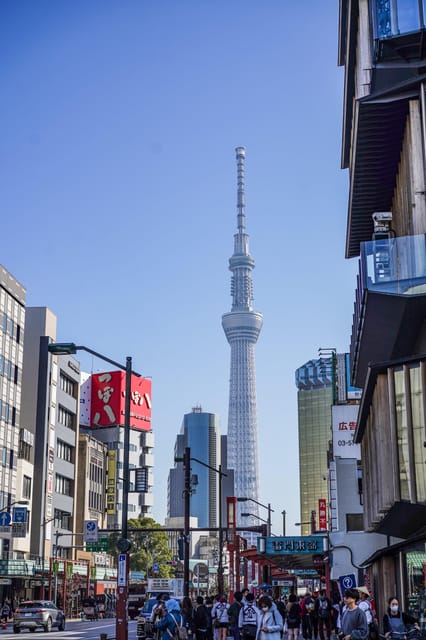
The ride heads toward the Sumida River area and continues toward Ryogoku, a neighborhood associated with sumo history. As you move, you’ll cross a beautiful bridge with big views of Skytree, including its 634 m height. It’s a great moment to look up and then keep rolling without losing the day’s momentum.
Once you reach Ryogoku, there’s a short walk focused on sumo history before lunch. The lunch itself is around 45 minutes at a local restaurant.
This is one of the most praised parts of the experience, and I get why. Having lunch included in a tour like this usually means you end up with something bland or forced. Here, the schedule and the restaurant choice are better balanced. You’ll get a meal that feels like it belongs to the neighborhood, not a stop designed only to keep you moving.
Diet note: vegetarian choices are limited. Japanese restaurants might not be set up with robust vegetarian menus, so the tour warns you there may be limited options. If you’re vegetarian, I’d treat this as a “confirm first” situation, and be ready to adjust your expectations.
Fukagawa Fudōdō: Worship, Daily Ritual, and a Temple Stop That Feels Personal
After lunch, you shift to the Fukagawa area. First on the list is Naritasan Fukagawa Fudōdō (about 35 minutes). This temple is a good contrast point after Ryogoku, because you’re stepping into a more everyday-style religious space rather than a major landmark that lives on tourist attention.
The guide helps you understand how worship fits into daily life, and you’ll likely notice how many visitors come with quiet intentions, not just sightseeing energy. Even if you’re not a religious traveler, it’s worth paying attention to etiquette here. Quiet tone, respectful distance, and following the flow of people makes the whole visit smoother.
This stop is also practical for the day. You’ll have a change of pace, some walking time, and a cultural break before the museum component.
The Fukagawa Edo Museum: Where Edo Life Actually Gets Specific
Next comes Fukagawa Edo Museum for about 45 minutes. If you want Edo Tokyo to feel real, this is the part that does the heavy lifting.
The museum is described as showing how the streets looked around 150 years ago, so it’s not just a “here are artifacts” approach. Instead, it helps you visualize daily routines: what neighborhoods felt like, how spaces were used, and the texture of life in that era.
I like this museum stop because it closes the loop on the day’s theme. You see the modern city while riding, but then you get a grounded sense of what everyday life might have looked like during Edo times.
This is also a relief if you’re tired of constant walking. You get a structured indoor break without losing the historical thread.
A Small Café Stop and the Calm Ending Back at Asakusabashi
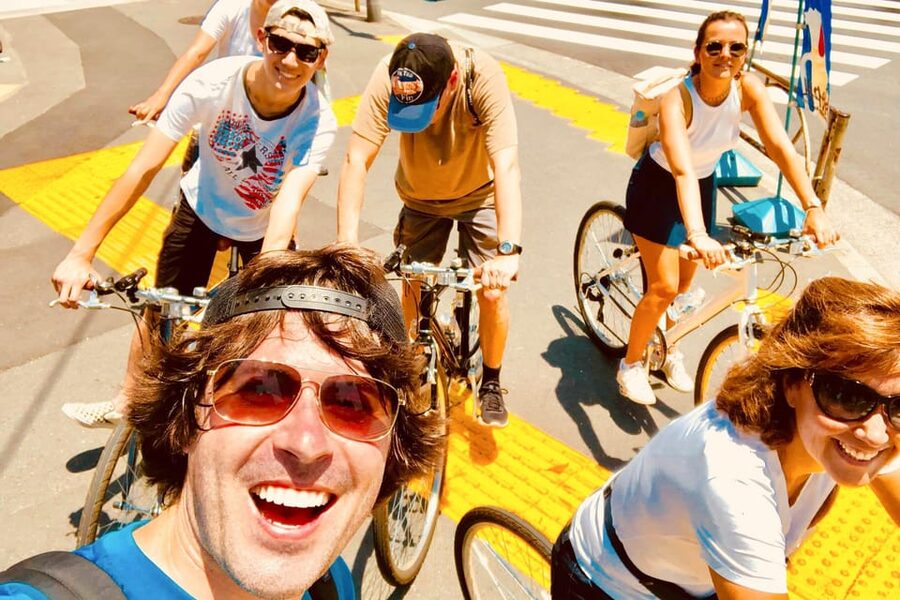
After the museum, there’s a local café stop (about 15 minutes). This is brief by design, but it helps you regroup after walking and museum time. You’ll be ready for the final push back toward Asakusabashi Station.
The day ends back at the meeting point, so you’re not left navigating unfamiliar connections at the end of a long half-day.
Why This Tour’s Price Feels Reasonable (Even at $96)
At $96 per person for about 5 hours, this isn’t a bargain bike rental. But it also isn’t just “pay for a guide and hope for the best.”
What you’re getting for the money:
- Bike rental (so you don’t have to hunt down equipment)
- English live guide (and the guide does the hard work of translating context)
- Lunch included (big time saver, and a cost you would otherwise pay)
- Edo Museum entry fee included
- Insurance included
When you add up what each of those typically costs separately, the price starts to make sense. You’re paying for a full, planned half-day with a small group and a route that links multiple neighborhoods efficiently.
Also, this is one of the few tours where the reviews point to the guide quality. One standout review mentions a guide named Shogun, praised for taking the group at speed while still giving a strong historical tour, plus a lunch that didn’t feel like an afterthought. That “no hard-sell warehouse stop” vibe matters if you’re trying to keep your Tokyo time focused on people and places, not product.
Who This Tour Is Best For
This tour is a great fit if you:
- Want to cover multiple areas of Tokyo in a single half-day
- Like mixing classic sights with less crowded local streets
- Are comfortable with bike travel for a few hours
- Appreciate guided history that connects sites, instead of listing facts
It’s probably not ideal if you:
- Need fully vegetarian meals with lots of choices
- Expect a purely famous-sights-only itinerary
There’s also a note that it’s not suitable for children under 15, and anyone over 150 cm tall can join. If you’re taller and comfortable riding, you’re set.
Quick Tips Before You Go
- Bring comfortable shoes for temple and museum walking
- Plan for limited vegetarian options if you eat that way
- If you have luggage, you cannot leave it at the rental bike office during the tour. Use lockers before you start
- Get to the start on time, since the tour says you cannot join, get a refund, or reschedule if you’re late and miss the group
- If weather turns unsafe, the tour may be canceled for safety
Should You Book It?
I’d book this tour if you want a structured Tokyo day that still feels personal. The combination of small-group pacing, real navigation on bikes, and a museum stop that explains what Edo life looked like about 150 years ago makes it more satisfying than a basic sightseeing loop.
The biggest “maybe” is food. If you’re vegetarian and rely on careful meal planning, double-check your options with the operator before you go, since the tour warns menus may not be fully accommodating.
If you want Tokyo without the feeling of being herded, and you like when the guide’s storytelling ties the route together, this one is worth your time.
Latest write-ups near Tokyo
- Tokyo Nights: Shibuya Photo Adventure★ 5.0 · 20 reviews
- Wagyu & Sake 8 Course Tasting Dinner in Shinjuku★ 4.9 · 20 reviews
- Making Japanese desserts Nerikiri & drinking matcha in Tokyo★ 5.0 · 20 reviews
- Japanese Whisky Hunting《HIGH-QUALITY-ONLY》Rare Tasting Class★ 5.0 · 20 reviews
- Mt. Fuji 5th Station, Owakudani Ropeway, Pirate Ship plus Outlet shopping!★ 4.5 · 20 reviews
- Kintsugi Experience with Arita Ware in Tokyo (English Guide)★ 4.8 · 20 reviews
- This is Asakusa! A Tour Includes the All Must-Sees!★ 5.0 · 20 reviews
- Tokyo: Karate Experience with Former All-Japan Champion★ 5.0 · 20 reviews
Cycling Tours, compared.
3h Tokyo E-Bike Tour: Hidden Gems, and Local Life with guide
Read our review →
Arashiyama Bamboo Forest & Hidden Gems Bike Tour (Early Bird)
Read our review →
Hiroshima in a Nutshell: Morning Bike Adventure
Read our review →Browse the lists this tour appears in