
Reviewed · KINTSUGI WORKSHOPS
Kintsugi Experience with Arita Ware in Tokyo (English Guide)
This experience is fascinating because it turns broken pottery into something you actually want to display. You’ll learn Kintsugi at Nihonbashi Mutoh Main Store, then take home a finished piece that shows the gold repair like part of the design.
I like two things most. First, you get an English-speaking instructor and a small group (limited to 10), so you’re not stuck guessing what to do. Second, you work with Arita ware, tied to a 400-year tradition and the kind of porcelain people come to Japan to hunt down.
One thing to consider before you book: you’ll need to treat the finished item with care for about a week while it dries indoors, and it’s for decoration, not eating or drinking.
Key highlights you should know
- English instruction that keeps the hands-on work clear even if you’ve never done crafts before
- Small group size (up to 10), which helps the workshop feel calm and not rushed
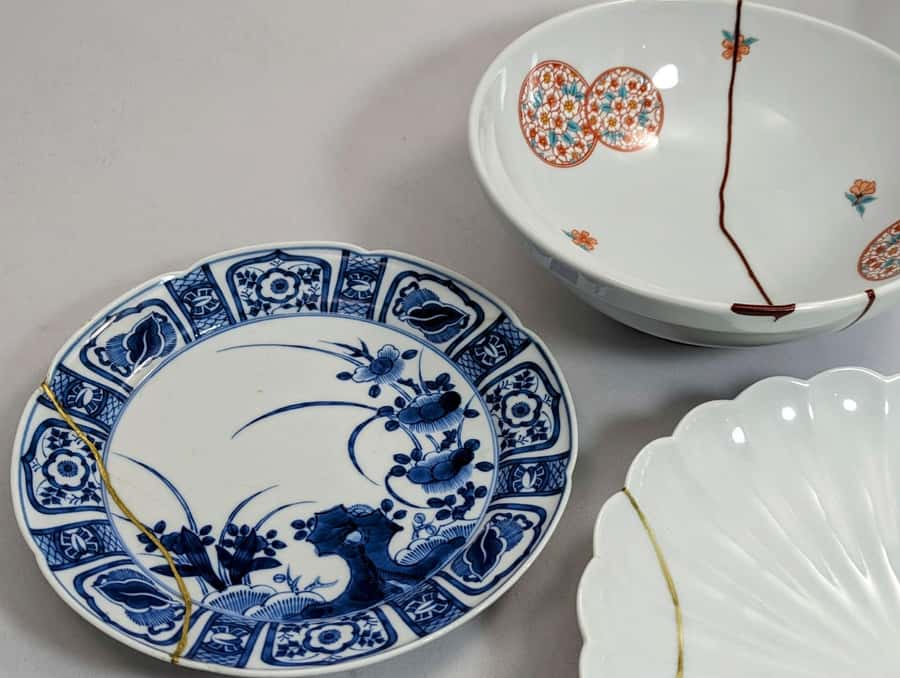
- Arita ware experience, using porcelain with a 400-year background and strong collector appeal
- Take-home souvenir, including a plate used during the experience
- Optional bring-your-own repair piece, with specific size and damage limits
- Real shop setting, at a store with about 100 years of craft and retail history (plus regular customers may be there)
Where Kintsugi Meets Traditional Tokyo Craft at Nihonbashi Mutoh
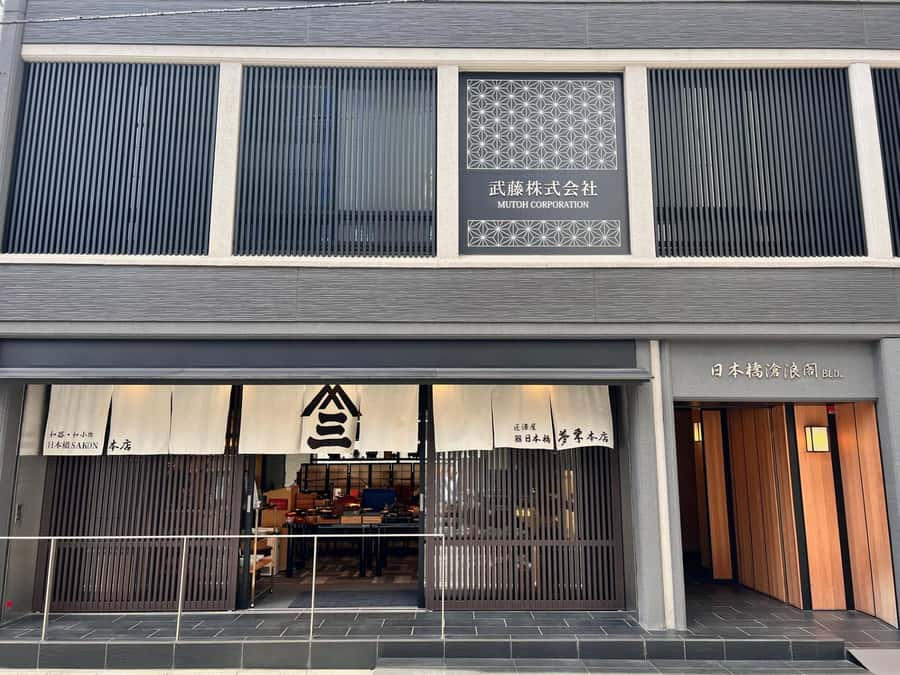
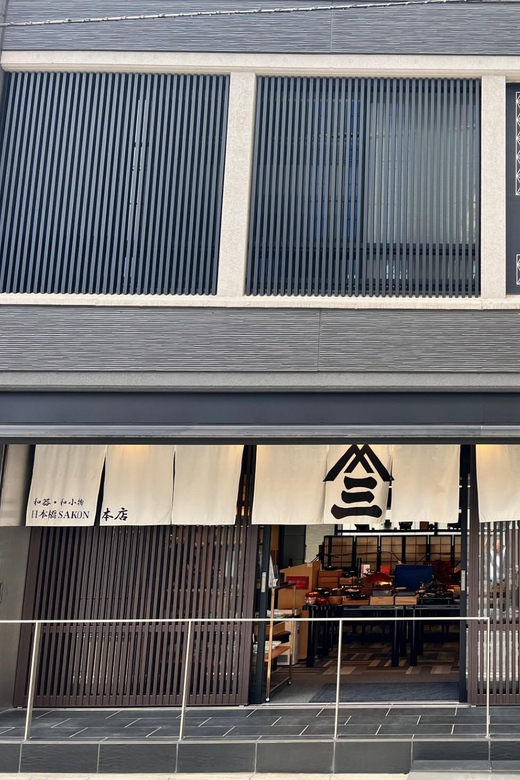
Start your workshop at Nihonbashi Mutoh Main Store in central Tokyo. The address is 1-8-3 Honcho, Nihonbashi, Chuo City, Tokyo, and it’s easy to slot into a day around Tokyo Station and the Nihonbashi area.
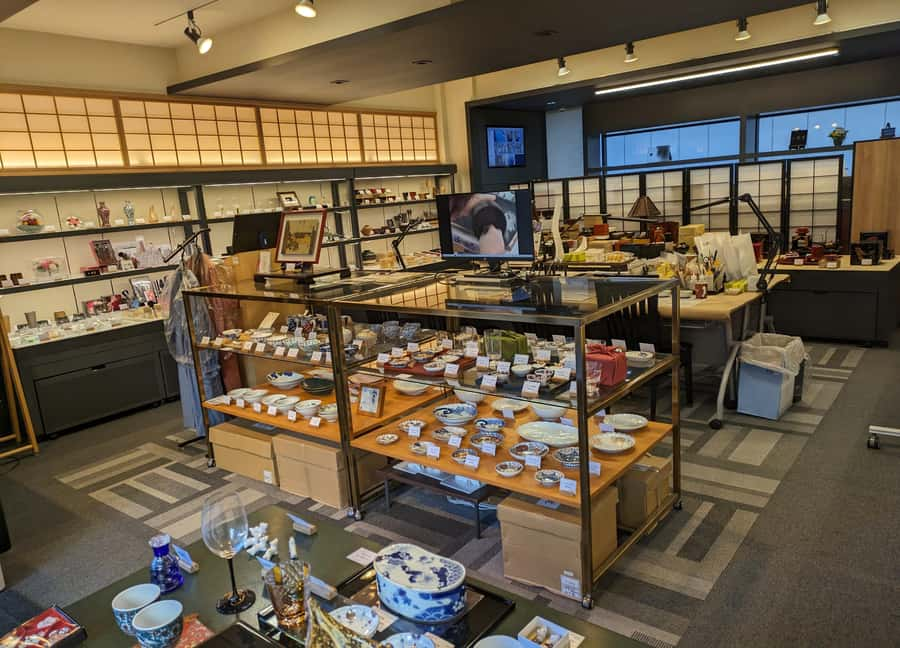
What makes this more than just a class is the setting. You’re not doing Kintsugi in a generic studio. You’ll be in a shop environment connected to traditional crafts, with displays of high-quality lacquerware and glassware. Nihonbashi Mutoh Main Store has been established since 1923, and it’s known as a wholesale dealer of lacquerware and glassware. That matters because Kintsugi, at its best, is tied to how Japanese artisans view objects, wear, and time.
Also, the workshop may run alongside regular customers. That can be a plus if you like real, everyday shop energy instead of a sealed-off tourist bubble. Just plan to keep your focus on the craft part when it’s your turn.
Finally, there’s a practical timing piece. The workshop runs in three daily windows, so you can pick what fits your day:
- 10:30 to 12:00
- 13:30 to 15:00
- 15:30 to 17:00
Those start times also affect how smoothly you’ll get there, especially if you’re pairing it with other Nihonbashi or Tokyo Station plans.
More Kintsugi Workshops in Tokyo
- Kintsugi Experience: Art of Golden Joinery in Tokyo
★ 5.0 · 467 reviews - Authentic Pure Gold Kintsugi Workshop with Master Taku in Tokyo
★ 5.0 · 217 reviews - Kintsugi Workshop Class in Shibuya, Tokyo with mon cadeau
★ 5.0 · 74 reviews
Arita Ware: The Porcelain Backdrop for Your Gold Repair
A big part of the appeal here is the match between technique and material. You’re not repairing just any ceramic. You’ll experience Kintsugi using Arita ware, which is described as the first porcelain produced in Japan, with about a 400-year history.
This matters for two reasons. First, Arita ware is the kind of porcelain that people recognize instantly when they see it. It has a reputation that goes beyond Japan, which means your finished repair feels like it belongs in a serious craft collection, not just a craft table souvenir.
Second, the shop’s brand connections add weight. The experience is based on beautiful Arita ware pieces from Shobido Honten, a popular name with fans both in Japan and internationally. That means you’re working with materials chosen for their look and quality, so the gold repair isn’t going to end up on something plain.
And since Kintsugi is about celebrating the break instead of hiding it, the porcelain you start with influences the overall feeling of your final piece. When the base is already visually strong, your gold seams look intentional rather than like a patch.
The 90-Minute Workshop Flow, in Plain Terms
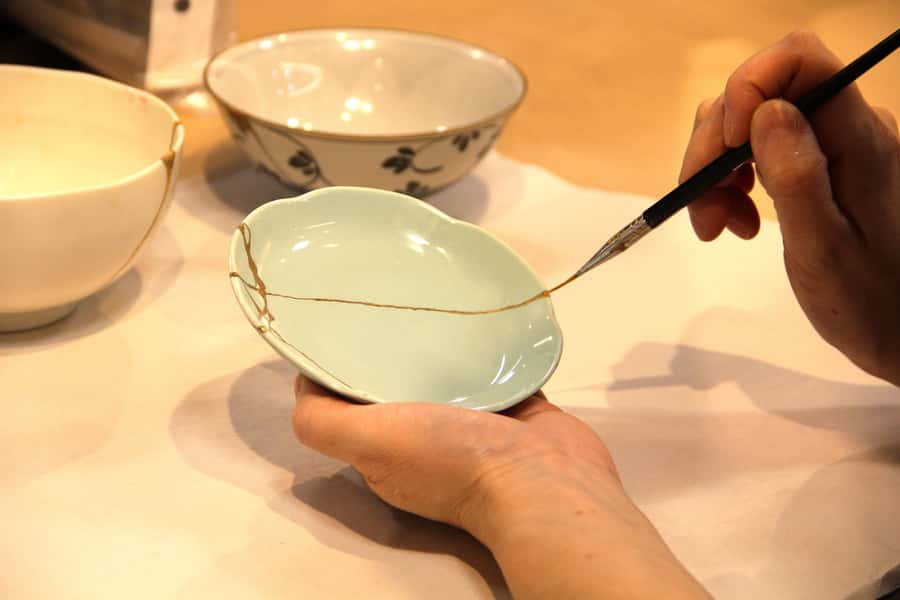
This is a 90-minute Kintsugi experience with an English-speaking instructor. The workshop is designed so you can complete one object within the time, which is one reason it works well as a “do it now” activity rather than a multi-day commitment.
Here’s what you can expect, step by step, without getting lost in technical mystery:
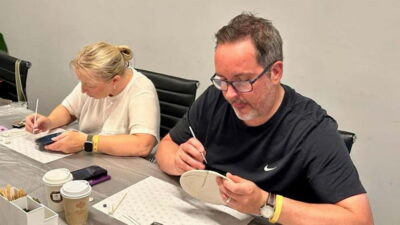
You’ll begin with guidance from the instructor on the method and the handling rules. The class uses clear instruction, and the English explanation is meant to keep you moving forward even if you’re new to the craft. In a small group, you can also ask questions without shouting over a crowd.
Then you’ll do the actual hands-on work. Kintsugi is the Japanese art of repairing broken pottery pieces back together using gold. The core idea is that the repaired areas become part of the object’s story, not something covered up.
You’ll finish with a takeaway item. Included in the experience is a plate used in the workshop, and you’ll be able to bring it home as your souvenir.
One subtle point: the workshop may run alongside regular customers. That doesn’t usually interfere with instruction, but it can affect the atmosphere. Think of it as learning inside a real craft shop day, not a quiet museum classroom.
Choose Your Piece: Work With the Included Plate or Bring Your Own
You’ll have options, which is great if you want your souvenir to feel personal.
A change of pace from Tokyo:
- Mt Fuji and Hakone 1-Day Bus Tour Return by Bullet Train
★ 5.0 · 26,383 reviews - 1-Day Tokyo Bus Tour
★ 5.0 · 14,250 reviews - Tokyo: TOKYO SKYTREE® Admission ticket
★ 4.5 · 11,192 reviews - Tokyo: teamLab Planets TOKYO Digital Art Museum Entry Ticket
★ 4.6 · 9,779 reviews
What you’ll get by default
The workshop includes a plate used in the experience. That’s the simplest route: show up, do the Kintsugi, and you leave with a completed plate.
Bringing your own broken item
You’re welcome to bring an item if it fits the rules. The allowed size is up to about φ15 cm in diameter and 15 cm in height. The damage should be 1 to 2 broken parts, and the item needs to be ceramic or porcelain.
That brings a reality check. If your break is more complicated than 1 to 2 parts, or the piece is larger than those limits, you might not be able to use it in the workshop. So if you’re hoping to repair a prized heirloom, it’s worth thinking carefully about whether it matches the constraints.
Practical tip: when you bring your own piece, bring it with the break(s) intact. Missing shards usually make the repair harder, and the workshop’s time window is only 90 minutes.
Caring for Your Gold Repair After You Leave Tokyo
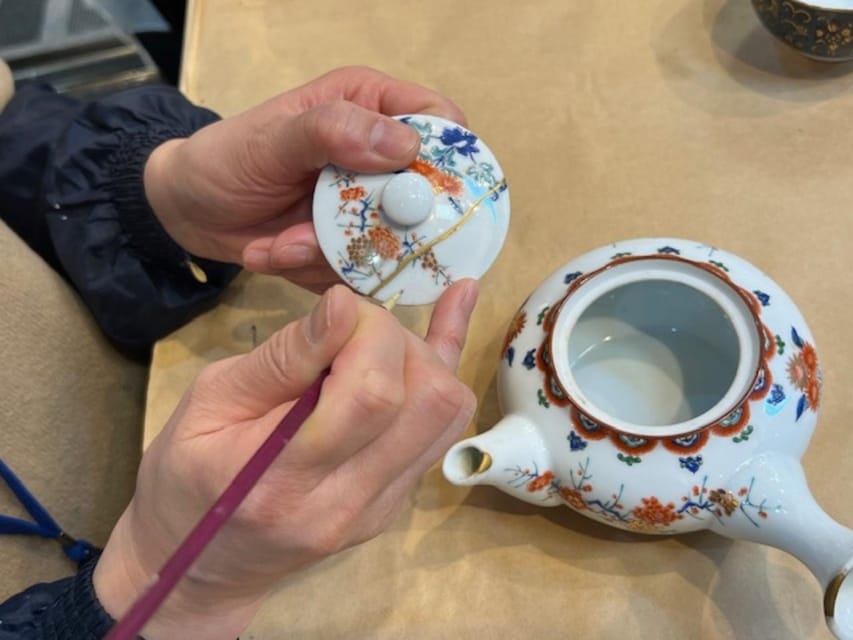
Kintsugi doesn’t end when you finish the workshop. The care period is part of the experience, and the instructions are very specific.
After your Kintsugi work, you should bring the piece home and dry it indoors for about 1 week. That drying time affects how you pack and store it, especially on travel days. Plan a spot at home where it won’t get bumped.
For cleaning and daily handling:
- Hand wash only, using dishwashing detergent
- No microwave and no dishwasher
- Please use it for decoration, not for eating or drinking
This is important for value and expectations. You’re not buying a functional dinner plate. You’re making a repaired art object, with a gold-finished repair line meant to be seen and admired.
Also plan your clothing. You’ll want clothes you don’t mind getting a bit dirty, since workshop crafts can mean minor mess even when everything is controlled.
Lastly, timing matters. If you arrive late, the experience will still end at the original scheduled time. So aim to arrive early enough that you’re not flustered when you start.
Price and Value: What $139 Really Buys You
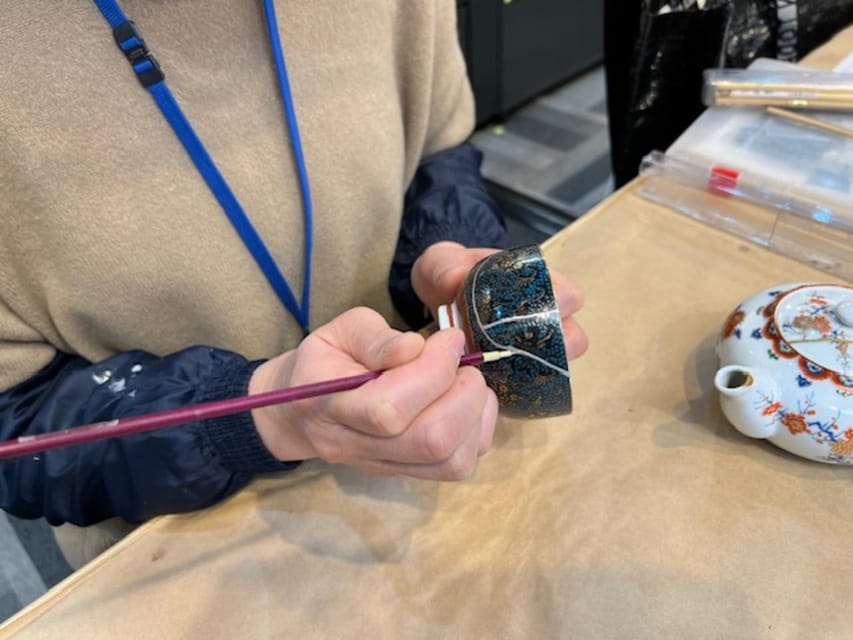
At $139 per person, this is not a budget craft. But it can feel fair if you look at what’s included and what you’re creating.
You’re paying for:
- A 90-minute guided Kintsugi session in English
- Materials and a plate used in the workshop
- A small-group setting (limited to 10)
- A take-home souvenir with real craft labor behind it
That’s a different product than a souvenir shop object. This is a guided, hands-on handmade repair, and you’re leaving with an item that has meaning because you made the visible repairs.
You’re also paying for access to materials and a craft shop context. Using Arita ware with a described 400-year background changes the feel of your final piece, even if you don’t know much about Japanese porcelain before you arrive.
If you’re the kind of traveler who wants one meaningful craft to bring home, this sits in the “worth it” category. If you just want a quick memento, there are cheaper options. But this one is the type you can display without feeling like it was mass-produced for tourist foot traffic.
As a quick reality check, the activity has a strong overall rating, with a 4.8 average across 20 reviews, which usually signals consistent execution and a good instructor experience.
Who This Workshop Fits (and Who Should Rethink It)
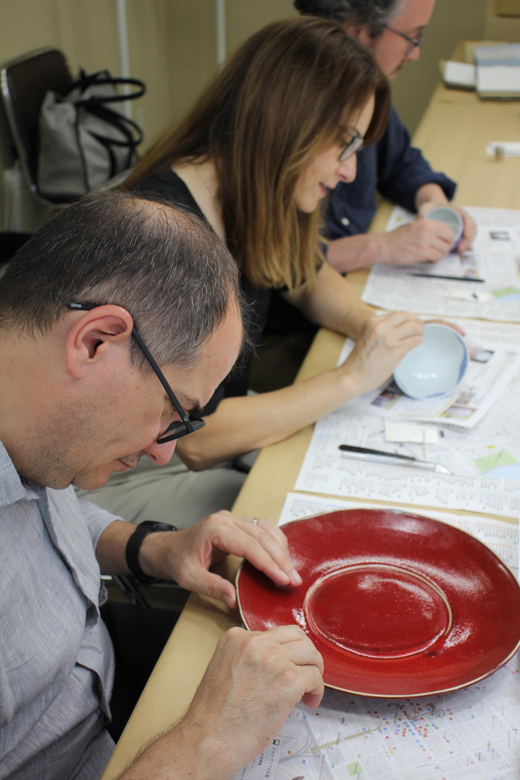
This Kintsugi experience is designed for adults and older teens. It’s not suitable for children under 13.
It also pairs well with a few traveler styles:
- You want a calm craft activity that feels thoughtful, not chaotic
- You like making something small enough to pack, but meaningful enough to keep
- You prefer English instruction so you can focus on the work instead of translation
The small group limit helps a lot. With up to 10 participants, it’s easier to get clear instructions and keep your attention on the steps you’re doing.
Accessibility is also mentioned as supported. It’s wheelchair accessible, which is helpful if mobility needs require planning.
One caution for anyone who doesn’t like object-care rules: the piece is decoration-only, and you’ll need to hand wash gently. If that sounds annoying, it might not match your lifestyle once you get home.
Final Take: Should You Book Kintsugi With Arita Ware in Tokyo?
I’d book this if you want one hands-on Japanese craft that gives you a take-home object with visible meaning. The combination of English instruction, a small group, and Kintsugi done on Arita ware is exactly the kind of practical souvenir that doesn’t feel generic.
I might skip it if you’re only looking for something functional or if you’re not willing to plan for the week-long indoor drying and the decoration-only care rules. It’s also less ideal if you expect tons of different object options, since the structure is designed around completing one object in the workshop time.
If you do book, show up on time, wear clothes you can relax in, and decide ahead of time whether you’ll repair the included plate or bring your own ceramic or porcelain piece that fits the size and damage limits.
FAQ
How long is the Kintsugi workshop?
The experience lasts about 1.5 hours, with a 90-minute workshop time.
Is there an English-speaking instructor?
Yes. The instructor provides the workshop in English.
How many people are in the group?
The group is limited to 10 participants.
Where is the meeting place?
You’ll meet at Nihonbashi Mutoh Main Store, 1-8-3 Honcho, Nihonbashi, Chuo City, Tokyo 103-0023.
Can I bring my own damaged item for Kintsugi?
Yes, you may bring your own ceramic or porcelain item if it is up to about φ15 cm in diameter and 15 cm in height, with 1 to 2 broken parts.
What kind of care does the finished piece need?
After the workshop, dry it indoors for about 1 week. Then hand wash only with dishwashing detergent, and do not use a microwave or dishwasher.
Is the finished item meant for eating and drinking?
No. Please use it for decoration, not for eating or drinking.
What’s the price and what’s included?
The price is $139 per person. Admission, necessary materials, an English-speaking instructor, and a plate used in the experience are included.
Latest write-ups near Tokyo
- Tokyo Nights: Shibuya Photo Adventure★ 5.0 · 20 reviews
- Wagyu & Sake 8 Course Tasting Dinner in Shinjuku★ 4.9 · 20 reviews
- Making Japanese desserts Nerikiri & drinking matcha in Tokyo★ 5.0 · 20 reviews
- Japanese Whisky Hunting《HIGH-QUALITY-ONLY》Rare Tasting Class★ 5.0 · 20 reviews
- Mt. Fuji 5th Station, Owakudani Ropeway, Pirate Ship plus Outlet shopping!★ 4.5 · 20 reviews
- This is Asakusa! A Tour Includes the All Must-Sees!★ 5.0 · 20 reviews
- Ebisu Local Food Tour: Shibuya’s Most Popular Neighborhood★ 5.0 · 20 reviews
- Tokyo: Karate Experience with Former All-Japan Champion★ 5.0 · 20 reviews
Kintsugi Workshops, compared.
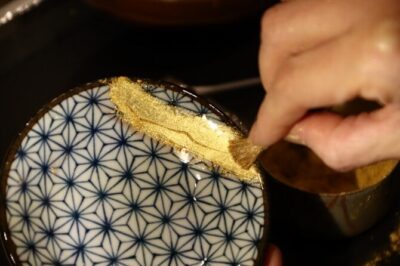
Kintsugi Experience: Art of Golden Joinery in Tokyo
Read our review →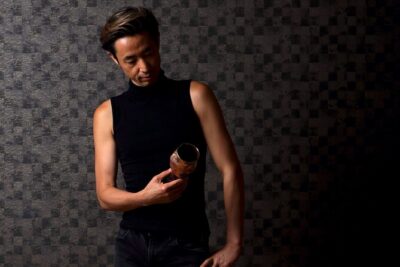
Authentic Pure Gold Kintsugi Workshop with Master Taku in Tokyo
Read our review →
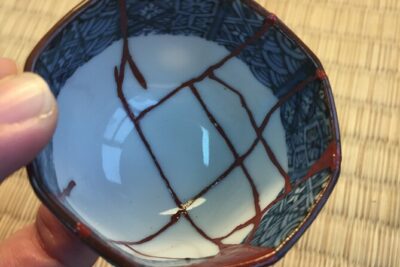
1.5〜2 Hours Traditional Kintsugi Work Shop in Namba Osaka
Read our review →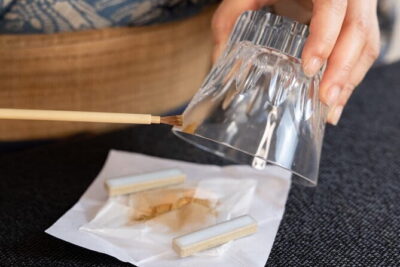
Kintsugi Workshop Class in Shibuya, Tokyo with mon cadeau
Read our review →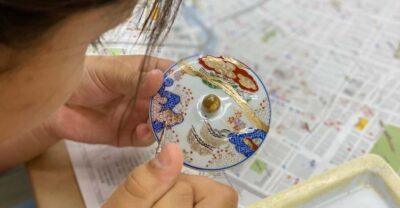
Browse the lists this tour appears in