
Reviewed · FULL-DAY TOURS IN TOKYO
Full-Day Accessible Tour of Tokyo for Wheelchair Users
Tokyo works best when you can move through it without constant problem-solving. This full-day accessible tour is built around that idea, with a wheelchair-friendly route and a guide who helps you keep your day on track. You get classic sights plus the fun, modern neighborhoods that make Tokyo feel like Tokyo.
I like that it includes train tickets as part of the tour, so you are not juggling fares and figuring out transit while also managing mobility needs. I also like the simple structure, because you get scheduled time at major stops and still have room to ask questions and go at a comfortable pace.
One thing to consider: the day covers popular districts, including crowded Shibuya-area crossings, so you will want to plan for some waiting, slow foot traffic, and sensory overload.
Key things to know before you go
- Hotel pickup and drop-off within Tokyo’s 23 wards reduces stress right from the start
- Train tickets included means fewer logistics and easier navigation
- Private tour with undivided attention works well when you need flexibility
- A route focused on wheelchair users ties together temples, parks, shrine time, and city energy
- Plenty of time at Meiji Jingu gives you a real breather from the bustle
A wheelchair-first Tokyo day that keeps your momentum
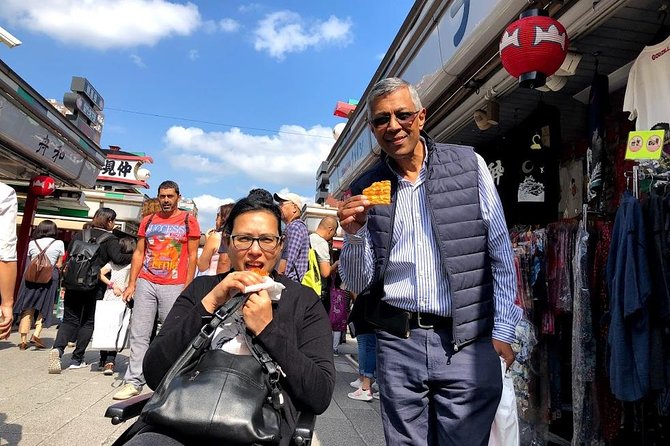
Tokyo is not a city designed around one ideal route. It is layered: old lanes in Asakusa, neon-and-speed in Shibuya, then a quieter reset at a major shrine. This tour strings those worlds together in a way that is practical for wheelchair users, with a professional guide doing the heavy lifting on routing and timing.
What I appreciate is how the day is set up for comfort. Instead of rushing you through a checklist, the guide builds in time to ask questions and adjust as needed. That matters because with mobility needs, your schedule is not just about distance. It is also about waiting, transfers, and the pace you can sustain.
The day is also private. That sounds like a marketing line, but in Tokyo it is a big deal. When you are dealing with ramps, station assistance, and tight crowd areas, having your own guide means less shuffling and more control.
More Full-Day Tours in Tokyo
- From Tokyo: Mount Fuji Full-Day Sightseeing Trip
★ 4.5 · 4,970 reviews - Mount Fuji Full-Day Private Tour from Tokyo (Customizable)
★ 4.9 · 1,470 reviews - Tokyo Private Full-Day Tour by Car or Van
★ 5.0 · 684 reviews
Price and logistics: what $191.08 buys you in real terms
At $191.08 per person for about 7 hours, you are paying for a guided, accessibility-focused plan plus key transport pieces. The tour is not just someone walking beside you. It is also hotel pickup and drop-off within the 23 wards, and train tickets included so you can focus on seeing the city.
This can be better value than planning independently if you need help with transit navigation. One review highlighted how the guide handled meeting up at the hotel, getting everyone on the correct trains, and taking care of tickets. In Japan, the rail network is excellent, but it can be confusing on day one, especially in busy stations.
You also get a mobile ticket and group discounts are offered. Even if you are not thinking about group pricing now, it is nice to see the operator planning for smoother day-of logistics.
Food and drinks are not included. That is normal for Tokyo sightseeing tours, but it does matter. You will want to budget for lunch and snacks, and you may want to ask your guide for a practical lunch suggestion that fits your mobility needs and timing.
Your day begins in Asakusa: Kengo Kuma, thunder gate energy, and Senso-ji
The tour starts at the Asakusa Culture Tourist Information Center in Kaminarimon. This is a smart first stop because it is designed to orient you. You get a quick look at a modern architectural landmark, then the guide can set expectations for the neighborhood you are about to enter.
Stop 1: Asakusa Culture Tourist Information Center
This center is designed by Kengo Kuma and is an eight-story building. Even though the visit is short, it works like a helpful staging area. It is free, and it is a good place to get your bearings before the temple street crowds.
Stop 2: Nakamise Shopping Street and Kaminarimon
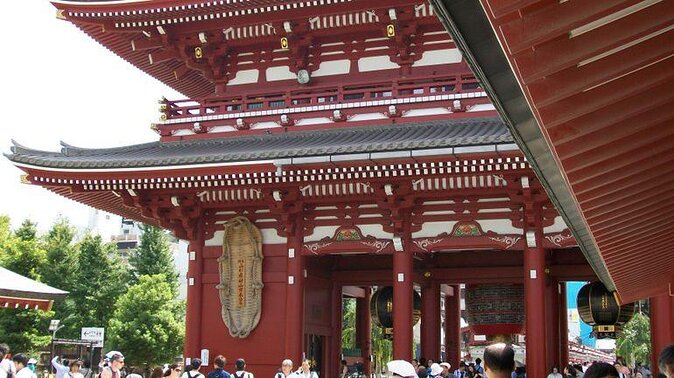
You walk into the Asakusa experience through Kaminarimon, the outer gate to Senso-ji and a symbol for both the area and the city. Nakamise Shopping Street is the classic approach to the temple, full of stalls and motion. Expect it to feel busy and lively, because that is part of its appeal.
Stop 3: Senso-ji Temple
Senso-ji is one of Tokyo’s most popular and colorful temples. The guide uses the context of what you are seeing, and you get a focused window to take it in without losing time to indecision. If you like temple atmosphere, lantern glow, and that layered mix of sacred space plus city life, Senso-ji is the payoff.
A small practical note: Asakusa can be crowded, and crowd density is not always predictable. In reviews, guides were praised for staying on track in busy areas and keeping everyone together. That is the kind of reassurance you want when you are going to be moving through popular streets.
Stop 4: Sumida Park by the river
From Asakusa toward Sumida Park, you shift from temple-street energy to river views. Sumida Park runs along the Sumida River and is close to Asakusa Station. You can see Tokyo Skytree from here, and cherry blossom season is especially scenic.
This stop is short but valuable. It gives you a visual break and a calmer moment to regroup. Even if you are not traveling in spring, a riverside pause helps the day feel less like a sprint.
Shibuya Crossing and Cat Street, minus the panic
Then the tour turns to modern Tokyo: Shibuya. This is where the city’s pace can feel loud, fast, and overwhelming. The good news is that your guide’s job becomes extra important here.
Stop 5: Shibuya Crossing
Shibuya Crossing is famous for how many people use it every day, and how intense it can feel at peak moments. The numbers often shared are huge: hundreds of thousands per day, and thousands crossing at a single green light. That spectacle is exactly why it is on most Tokyo highlights lists.
In practice, what you should expect is crowd flow. You might get windows where it clears a bit, then it fills again. Your guide helps you navigate it without turning the crossing into a stress test.
Stop 6: Shibuya Cat Street
Next is Cat Street, a fashion-adjacent walkway between Harajuku and Shibuya. The half-mile stretch is known for stores that fit the style of people in their 20s and 30s. Even if shopping is not your priority, the street is a fun way to see Tokyo’s youth culture in a more walkable format than the major shopping malls.
The key value here is variety. After temple time and river views, Cat Street gives you a different texture of Tokyo: street-level, fashion-driven, and full of small storefront energy.
A change of pace from Tokyo:
- Mt Fuji and Hakone 1-Day Bus Tour Return by Bullet Train
★ 5.0 · 26,383 reviews - 1-Day Tokyo Bus Tour
★ 5.0 · 14,250 reviews - Tokyo: TOKYO SKYTREE® Admission ticket
★ 4.5 · 11,192 reviews - Tokyo: teamLab Planets TOKYO Digital Art Museum Entry Ticket
★ 4.6 · 9,779 reviews
Meiji Jingu: the long reset that makes the day work
Stop 7: Meiji Jingu Shrine
This is the slow, calming anchor of the tour, with about 50 minutes on site. Meiji Jingu is dedicated to the deified spirits of Emperor Meiji and Empress Shoken. It sits near JR Yamanote Line, busy Harajuku on the edges, but the shrine experience itself is designed to feel like a pause inside the city.
Why this stop is so important: it changes the rhythm. After Shibuya’s intensity, a longer shrine window lets you breathe and absorb details you might otherwise skip. Even if you are mostly interested in atmosphere and photos, the time you get here is generous compared to many quick sightseeing passes.
If you are traveling with older family members or a mix of mobility tools, this kind of extended break can be the difference between a great day and a miserable one.
Omotesando: trees, slope, and the fashion district feel
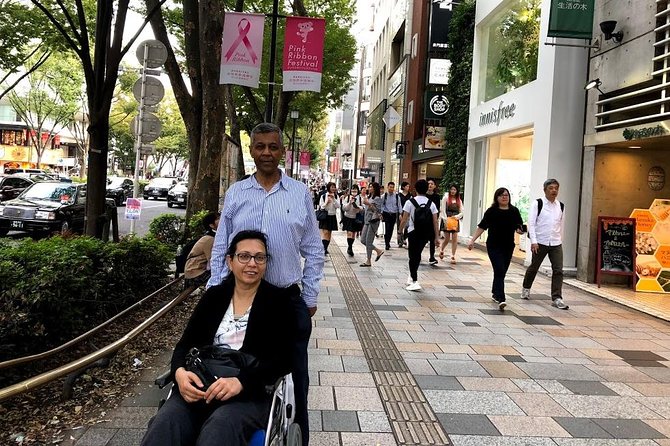
Stop 8: Omotesando
Omotesando is a sloping, tree-lined boulevard in the Aoyama district. It connects parts of Shibuya and Minato wards, and it has that sleek fashion avenue vibe. If you like architectural lines and street design that feels intentional, Omotesando is worth the stop.
This is also where you get a final “Tokyo now” impression after the classic and spiritual parts of the day. The tour keeps the timing reasonable at about 20 minutes here, so you get the essence without exhausting your battery.
What the best guides do for wheelchair users in Tokyo
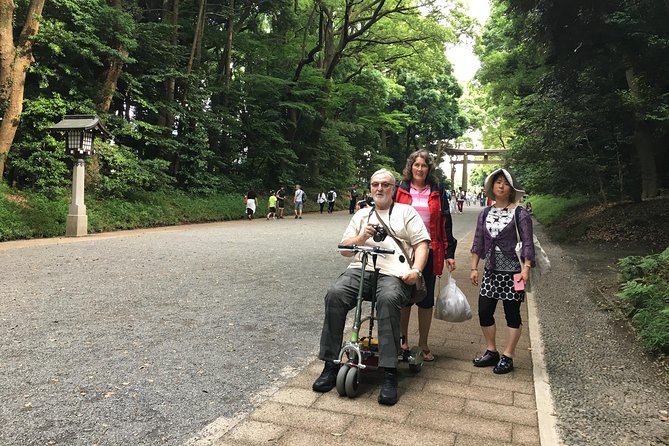
A big part of why this tour earns strong ratings is the guidance. Multiple guides were praised for being friendly, organized, and attentive to mobility needs. Names that come up include Michiko, Machiko, Fumiko, Kaori, Emiko-san, Yumi, and Keita Mizuri.
Here is what that means for you on the ground:
- They take your pace seriously. Reviews specifically mention guides adjusting to mobility needs and keeping things comfortable as legs get tired.
- They help with transit navigation. Several reviews point to guides helping with meeting at the hotel, getting train tickets, and routing through the Japan rail system.
- They stay aware in crowd conditions. Asakusa and Shibuya can be intense, and one review praised a guide for keeping track of everyone even when the group was easy to lose in a crowd.
- They coordinate with station support. One review noted that station attendants provided a slope ramp at every station used. That kind of real-time help is exactly what makes a difference.
Even if your route skills are strong, a guide who knows how to plan for accessibility saves energy. And in Tokyo, energy is the real currency.
How much walking and effort to plan for
The tour is labeled for wheelchair users and designed as a barrier-free experience. Still, the tour description also says travelers should have a moderate physical fitness level. That is a hint that you will likely do more than stay completely seated the whole time.
What I recommend is thinking in terms of “transfer moments” rather than only “walking minutes.” Even short ramp stops, waiting for movement, and maneuvering through tight crowd areas add up.
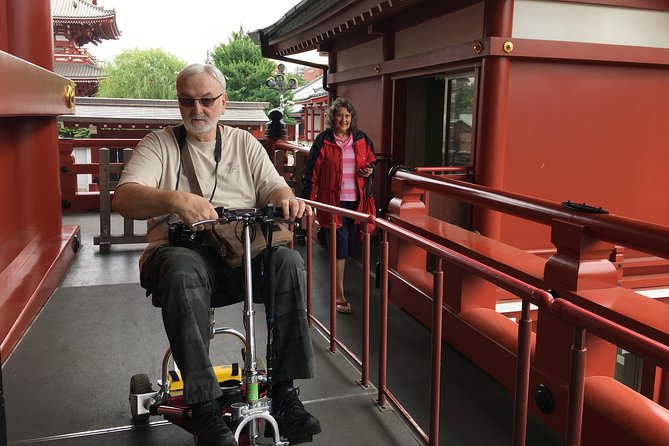
If you use a wheelchair full time, go in with confidence, because the day is built for it. If you are using a combination rollator-wheelchair, you will likely appreciate how the guide can slow down, manage transitions, and help you get the most from each site without sprinting.
Who this tour is best for
This is a great fit if you want a Tokyo highlight day without the logistics headache.
It is especially good for:
- Wheelchair users who want a private plan with a guide who has done this kind of routing before
- Families traveling with mixed mobility needs, since caregiver count is included in the minimum group size rule
- First-time visitors who want to see Asakusa, Shibuya, and a major shrine without figuring out trains all day
- Anyone who prefers going step-by-step with a guide in crowded areas
It might be less ideal if you want total independence. Because it is private, it is flexible, but it still follows a structured day. Also, since food is not included, you will need to handle meal planning yourself.
Should you book this accessible Tokyo day?
If you value a guided, accessible route and you want the day to feel organized from pickup to drop-off, I think you should book it. The strongest proof is in what people highlight: guides who make meeting up and train navigation easy, plus real accommodation for wheelchair access and pacing.
The price is not cheap, but you are buying multiple high-friction pieces at once: hotel pickup within Tokyo’s 23 wards, train tickets, and a guide who can manage accessibility through crowded zones. For many travelers with mobility needs, that trade feels worth it.
Book it if:
- you want wheelchair-first sightseeing with minimal transit stress
- you care more about comfort and clarity than DIY route planning
- you want a private guide for a full-day plan that still allows questions and adjustments
Skip it or consider alternatives if:
- you need a fully food-inclusive package
- you are hoping for a mostly quiet, low-crowd day, since Shibuya-area stops are part of the plan
- your group cannot meet the minimum of 2 people per booking, since it includes caregivers
FAQ
How long is the Full-Day Accessible Tour of Tokyo for Wheelchair Users?
The tour lasts about 7 hours.
What time does the tour start?
The start time is 9:30 am.
Where does the tour meet?
The meeting point is the Asakusa Culture Tourist Information Center at Kaminarimon, Taito City, Tokyo.
Is hotel pickup included?
Yes. Hotel pickup and drop-off are included within Tokyo’s 23 wards.
Are train tickets included?
Yes. Train tickets are included as part of the tour.
Is food included?
No. Food and drinks are not included.
Is this a private tour?
Yes. It is private, and only your group participates.
What is the minimum number of people needed per booking?
A minimum of 2 people is required per booking, and caregivers are included in that count.
Is the tour wheelchair-friendly?
Yes. The route is designed with wheelchair users in mind, aiming for a barrier-free experience.
Are service animals allowed?
Yes, service animals are allowed.
What is the cancellation policy?
You can cancel for a full refund if you cancel at least 24 hours before the experience’s start time.
Latest write-ups near Tokyo
- Tokyo Customized Private Tour: See Top Attractions in 1 Day★ 4.8 · 67 reviews
- From Tokyo: Top 5 Scenic Spots of Mount Fuji Full-Day Tour★ 4.5 · 67 reviews
- Tokyo: Shinjuku Izakaya and Golden Gai Bar Hopping Tour (2h)★ 4.9 · 67 reviews
- Traditional Japanese Music ZAKURO SHOW in Tokyo★ 5.0 · 67 reviews
- Tsukiji: Unlimited Sake Tasting Experience★ 4.9 · 67 reviews
- Samurai Ninja Museum Asakusa: Kid-Friendly Ninja Training★ 4.7 · 67 reviews
- Tokyo: Not a show- a professional sumo practice with experts★ 4.9 · 67 reviews
- Private Harajuku Omotesando Architecture Walking Tour★ 5.0 · 67 reviews
Full-Day Tours in Tokyo, compared.

Mount Fuji Full-Day Private Tour from Tokyo (Customizable)
Read our review →
Tokyo Private Full-Day Tour by Car or Van
Read our review →
Mt. Fuji, Hakone Full-Day Private Tour with English Driver Guide
Read our review →
Mount Fuji Full-Day Customizable Private Tour
Read our review →
Mount Fuji Full Day Sightseeing Tour from Tokyo
Read our review →
Nikko World Heritage Site Private Full-Day Trip
Read our review →Browse the lists this tour appears in