
Reviewed · TEMPLE & SHRINE TOURS
Day Tour to Miyazaki Takachiho Gorge & Shrine depart from Fukuoka
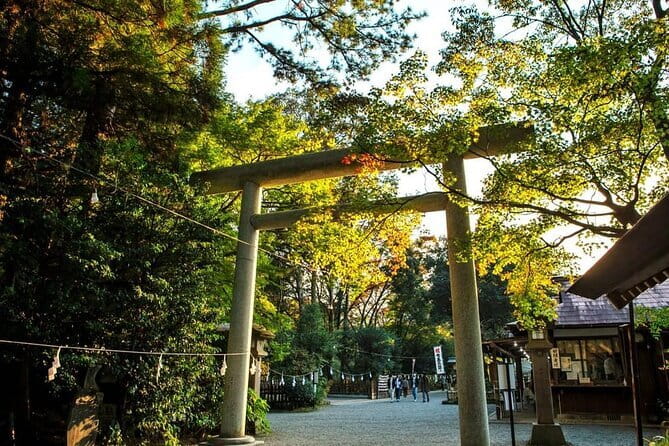
Fukuoka is a great base, but this day tour is interesting because it takes you far beyond the usual city stops, straight into Kyushu’s spiritual heartland. The long drive is part of the deal, yet you get peaceful private-vehicle comfort and a real temple-and-myth focus rather than random sightseeing.
I especially like the way the guide turns shrine visits into a story you can follow, not just a walk-and-photo stop. When guides like Emi, Helen, Sun, Mao, Suki, and Ame explain the background and etiquette, you start understanding why places like Amanoiwato and its cave matter to Japanese spirituality.
The main drawback to plan for is effort and timing. This can feel like a long day with bus time, and some stops involve stairs and steep walking, so it is not a great match if mobility is limited or if you want lots of slow, unhurried wandering.
Key things you will notice on this tour
- Private-vehicle ease from Fukuoka so you spend less time figuring out trains and transfers
- Amaterasu mythology made practical with explanations at Amanoiwato and Amanoyasukawara
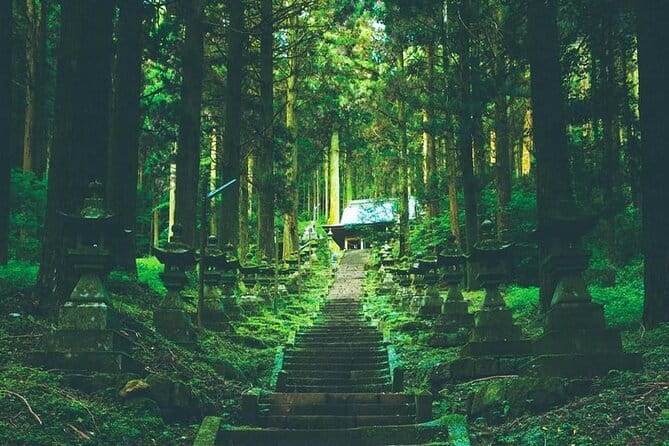
- Forest-shrine calm at Kamishikimi Kumanoza under cedar trees away from crowds
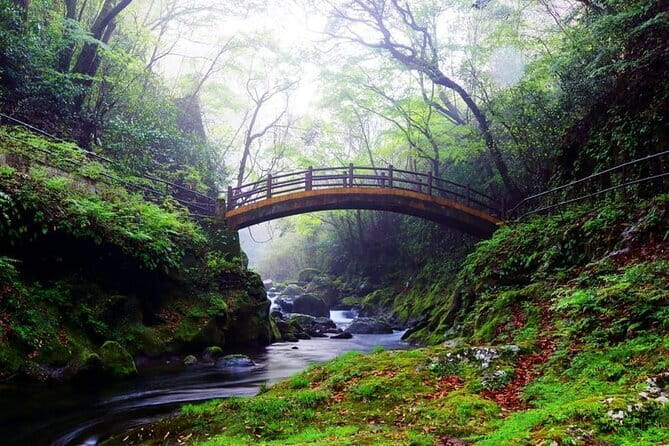
- Takachiho Gorge as the big nature payoff, including waterfall scenery and photo-ready viewpoints
- A day schedule that can feel packed, especially if you dislike steps or want extra lunch time
Why the shrines here feel more meaningful than you expect
This is not a shrine tour in the vague sense. The places you visit connect to specific myths and worship linked to Japan’s sun goddess, Amaterasu, and the dramatic legend of how light returned to the world. Once you know the story, each site makes more sense, and you read the landscape with your imagination switched on.
You also get a guide who frames what you are seeing. In good moments, you feel like the guide is “setting the scene” before you arrive, then giving you just enough context to notice details on-site. That storytelling factor is a big reason people come away feeling the day was worth it.
There is also a practical side to the experience. Shrines in Japan are not theme parks, so timing and expectations matter. A clear guide helps you understand when to move, when to pause, and how to behave respectfully so you do not slow everyone down.
More Temple & Shrine Tours in Fukuoka:
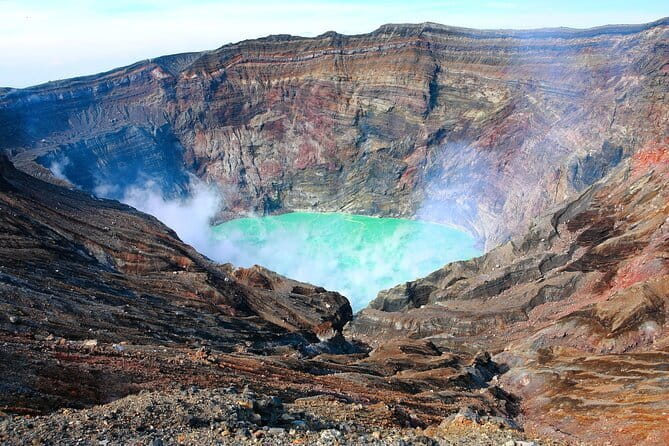
- Kyushu: Aso Vocano, Grassland,Onsen and Aso shrine 1-Day Tour
★ 4.5 · 23 reviews - Kyoto: Fushimi Inari, Kinkakuji, Bamboo Grove 1 Day Bus Tour
★ 4.8 · 4,316 reviews - Kyoto: Tea Ceremony Ju-An at Jotokuji Temple
★ 4.9 · 3,207 reviews
Price and value when you are basing yourself in Fukuoka
At $99.40 per person, this is positioned as a value day. You are paying for three things that usually cost time or stress when you do them alone: transportation out of Fukuoka, a live guide, and the structure to see four major stops in one go.
What is included matters. You get an air-conditioned vehicle, a guide, and during July to September there is ice-cream. Admission at the shrines and the cave listed on the itinerary is free. What is not included is food and drinks, so you will want to plan for lunch on your own when there is a break.
The “gotcha” on value is simple: you must accept travel time. This tour’s total duration includes the road time, and Kyushu is not small. If you are the type who hates buses, this could feel like you are paying mostly for transit rather than experiences. If you can relax and treat the day like a planned outing, the math works out.
Day plan at a glance, and how to survive the long road
The day starts at 8:00 am at the LAWSON Oriental Hotel Fukuoka Store near Hakata. The tour ends back at the same meeting point.
A key point for setting expectations: this is not an easy, stop-by-stop afternoon stroll. You are looking at a 9 to 10 hour day on the clock, sometimes feeling longer depending on traffic and conditions. The upside is that the schedule is built for sightseeing in one direction, and you do not deal with route planning after the early start.
A few practical tips that help with the “long day” reality:
- Bring water and snacks if you have dietary needs. Food is not included, and breaks can be limited.
- Wear shoes you can walk in for stairs and uneven ground. More than one stop involves climbing.
- Have your camera battery ready. Takachiho Gorge is one of the big photo moments, and you will want to move quickly when viewpoints open up.
Kamishikimi Kumanoza Shrine: cedar forest, calm, and quiet rules
Your first major stop is Kamishikimi Kumanoza Shrine in Kumamoto Prefecture, reached by going into the forested area near Takamori. The big impression here is atmosphere: ancient cedar trees and a shrine tucked away from the obvious tourist path. It feels like you are crossing from modern Japan into something older and slower.
You also get enough time to settle in. The schedule lists about 3 hours here, which is generous compared to many long-distance day tours. That time buffer is useful because the setting is peaceful, and you might naturally linger at spots where you can just look and listen.
A guide matters at this stop for one reason: shrines have routines. You might see people purify themselves, bow, and follow their own flow. With the guide’s etiquette reminders, you can move confidently without feeling like you are doing it wrong.
If you want a “best use of your time” strategy at this shrine, it is simple. Start with the main approach, then pause to look back into the cedar shadows. This place reads better when you slow down for a minute.
A change of pace from Fukuoka:
- Mt. Aso & Takachiho Gorge Tour with Optional Boat Ride
★ 4.7 · 222 reviews - Fukuoka: Takachiho Gorge & Scenic Railway One Day Tour
★ 4.8 · 178 reviews - Private Fukuoka Tour with a Local, Highlights & Hidden Gems 100% Personalised
★ 5.0 · 143 reviews - Fukuoka Your Way: 100% Customisable Private Tour with Local Guide
★ 5.0 · 83 reviews
Amanoiwato Shrine: Amaterasu’s story made visible
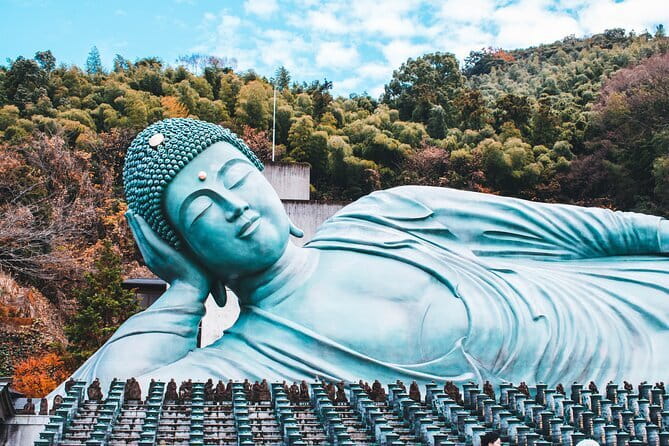
Next comes Amanoiwato Shrine in Takachiho, Miyazaki Prefecture. This shrine is dedicated to Amaterasu, the sun goddess at the center of Japan’s myth about darkness and the return of light.
This stop is powerful because the story is not abstract. Amanoiwato is associated with Amaterasu’s hiding, and you can feel how that myth shaped beliefs about light, renewal, and order. When the guide explains the legend before you arrive, you tend to “notice” more, like the meaning of the route, the way people pause, and the mood of the space.
The time here is about 1 hour, plus whatever buffer the guide gives for photos and movement. That is enough to take in the shrine area and understand the basics. If you are the type who wants to stand and watch quietly, you may want to keep your expectations realistic. This is still a one-day schedule with multiple stops.
One more practical note: dress respectfully and keep your pacing steady. When everyone is moving through sacred spaces in a single group, your rhythm helps the whole day stay smooth.
Amanoyasukawara: the sacred cave where the gods met
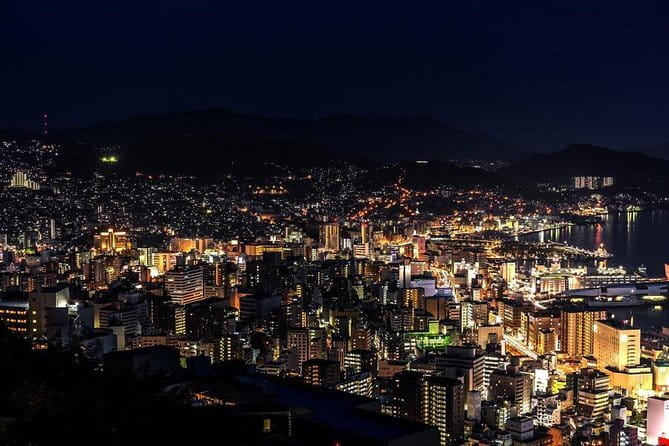
Just near Amanoiwato is Amanoyasukawara Shrine, described as a sacred cave site. The myth connection is the reason people remember this stop. According to Japanese mythology, it is where the gods gathered to solve how to coax Amaterasu back.
Even if you already know the outline of the Amaterasu story, this is a useful moment because it connects belief to geography. You start to see how myths turn into “places you can visit,” not just chapters you read.
The schedule lists about 1 hour 20 minutes here, and this stop often pairs well with the previous one in your mind. Amanoiwato feels like the emotional center of the legend, and Amanoyasukawara feels like the planning and problem-solving side.
Watch your footing. Caves and shrine approaches can involve steps and uneven ground. You do not need to sprint. A calm pace keeps you from getting tired too early for Takachiho Gorge.
Takachiho Gorge: the big nature highlight, plus how to handle crowds and timing
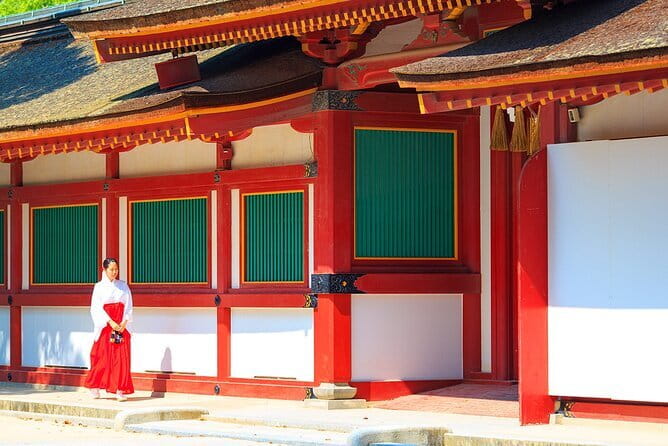
Finally, you reach Takachiho Gorge, with dramatic cliffs and emerald-green waters. The scenery is the headline, and the tour description calls out Manai Falls as one of Japan’s top 100 waterfalls. This is the stop where you will hear your camera roll more than your feet.
Time on this stop is about 4 hours, which sounds good until you remember two realities: you want photos, and you may run into crowd flow. Several people noted that even when the gorge is stunning, it can feel busy and you may not have long to wander wherever you like.
There is also walking involved. Some reviews mention that it can be strenuous, with stairs and steep slopes, so treat the gorge day like a hike day, not a casual sightseeing day. If you are saving your energy for this moment, plan your pace early in the day so you do not burn out.
If you can, focus your photo plan. Decide which angles matter most to you before you move. When groups are involved, it is easy to spend 30 minutes chasing the perfect shot and then realize you have drifted away from the best views.
The guide experience: why certain names came up again and again
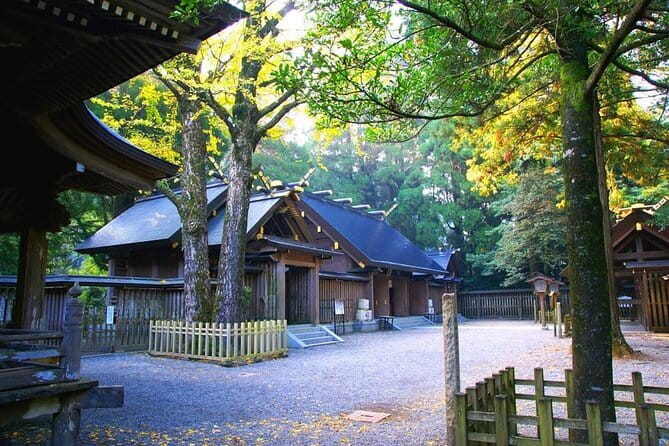
One of the strongest parts of this tour is guide performance. People repeatedly praised guides for being energetic, careful about time, and clear about what to do at each stop. That combination sounds basic, but it is what makes a long-distance day feel manageable.
A few examples of how that guide work showed up for others:
- Emi was praised for historical facts and keeping the day enjoyable.
- Thomas stood out for time and traffic management, plus humor.
- Helen was praised for responsibility and attention to details.
- Mao was praised for managing the group so people could move at different paces, which matters when you have different abilities in one bus.
- Sun was praised for clear expectations before each stop and for photo support that kept people from struggling with tripods.
You do not need to memorize guide names. The takeaway is this: a good guide keeps you oriented. You are not just waiting for the next location. You understand why each stop matters and what you should do when you arrive.
What to pack, and what your body should expect
This is where you should be honest with yourself. Even though it is a bus tour, it is still a day of walking, stairs, and uneven paths.
Based on what people emphasized:
- Some shrine areas can involve many steps, including the last part of the day for some visitors.
- There are uphill and downhill sections, plus steep slopes at certain points.
- If you struggle with stairs, this may not be the right choice, even with a careful guide.
Packing checklist that makes sense for this exact style of day:
- Comfortable shoes with grip
- A small day bag for water and any snacks (food and drinks are not included)
- A light rain layer. The schedule runs in weather conditions that require decent conditions, but it is Kyushu, so prepare.
- If you are taking photos, keep your tripod optional. If the guide is helping with group photos, you can often simplify your setup.
Also consider your pace preference. Some people felt the day was rushed because of bus time and crowd movement at Takachiho Gorge. If you want maximum lingering time, you may need to accept that this tour is a “see a lot, then move on” style.
Who this tour suits best
I think this is best for you if:
- You are staying in Fukuoka and want a structured day trip to Takachiho without the hassle of transfers.
- You like spiritual context, not just postcard scenery.
- You enjoy guided storytelling and want to understand myths tied to worship sites.
- You are comfortable with long road time and moderate walking.
I would think twice if:
- You have mobility limits or you do not handle stairs well.
- You hate packed schedules and prefer slow meals and long stops.
- You want unhurried time at only one site. This tour gives you variety, not one long deep relaxation.
If you are the “I want to maximize my days” type, this is a strong match. It is also a good choice if your itinerary in Fukuoka is short. With only a few days, this kind of day trip can prevent your Kyushu trip from feeling incomplete.
Should you book the Day Tour to Miyazaki Takachiho Gorge and Shrines from Fukuoka?
Book it if you want the best kind of day tour, guided and efficient, with shrine meaning and a major nature payoff. At $99.40, with free admissions, an included guide, and a comfortable vehicle, it has solid value for the distance you cover from Fukuoka.
Skip it or look for a gentler alternative if stairs and long walking would make you dread the day. Also, if you are the kind of person who cannot handle feeling rushed at the end, know that the schedule is designed to fit multiple sacred sites plus Takachiho Gorge.
If you go in with the right mindset, you leave with more than photos. You leave with a clearer picture of why Amaterasu’s myth is still part of how people think and worship in Kyushu.
Latest write-ups near Fukuoka
- November Sumo Tournament tour in Fukuoka (Tickets Included)★ 4.5 · 76 reviews
- Fukuoka: Takachiho Gorge & Scenic Railway One Day Tour★ 4.8 · 178 reviews
- Mt. Aso & Takachiho Gorge Tour with Optional Boat Ride★ 4.7 · 222 reviews
- Private Fukuoka Tour with a Local, Highlights & Hidden Gems 100% Personalised★ 5.0 · 143 reviews
- From Fukuoka Kyushu Itoshima Hidden Gems Day Tour★ 4.5 · 18 reviews
- Fukuoka: Private Walking Tour with Local Guide★ 4.8 · 22 reviews
- Kyushu: Aso Vocano, Grassland,Onsen and Aso shrine 1-Day Tour★ 4.5 · 23 reviews
- Fukuoka: Yufuin & Beppu Day Tour (Dazaifu / Brewery Options)★ 4.6 · 31 reviews
Temple & Shrine Tours, compared.
Fushimi Inari, Kinkakuji, Bamboo Grove 1 Day Bus Tour
Read our review →

Meiji Shrine, Asakusa, Skytree Bus Tour and Cruise
Read our review →
Osaka/Kyoto:Kinkakuji,Arashiyama,FushimiInariShrine,NaraPark
Read our review →
Asakusa Walking Tour with Sensoji Temple Visit
Read our review →
Nikko: Kegon Falls, Lake Chuzenji & Toshogu Temple
Read our review →
Kamakura & Enoshima Day Trip including Temple Tickets
Read our review →
Nikko Toshogu Shrine and Kegon Waterfall Tour
Read our review →Browse the lists this tour appears in