
Reviewed · TAKAYAMA TOURS
Takayama Half-Day Private Tour with Government Licensed Guide
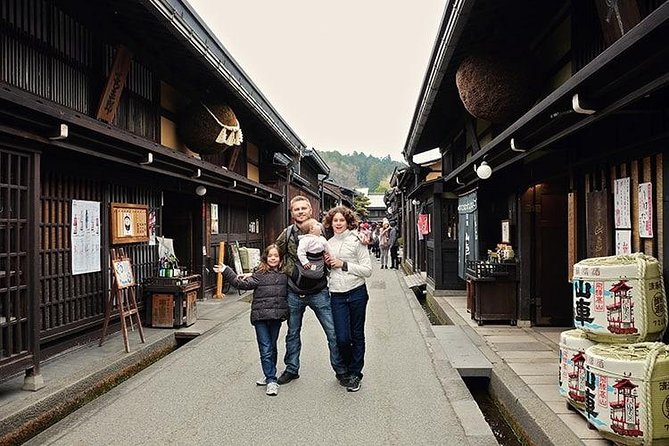
A Takayama half-day that feels like a friendly local conversation is the point here. You get a private pace with a government-licensed English-speaking guide, and you can shape the route around what you actually want to see.
I love that you pick 2-3 sites, so you are not stuck sprinting between places you did not care about. I also like the way the guide ties sights together, especially around the town’s famous festival floats, with guides such as Yuko and Lily known for making the story easy to follow.
One possible drawback: it is a walking tour, so you’ll want solid shoes. If weather turns (or you tire fast), you may prefer fewer stops or more indoor time.
Key Things You’ll Like Right Away

- Choose 2-3 stops from a menu that ranges from Edo-era streets to museums and shrines
- Festival context with real details around the Takayama yatai floats and where to see them
- Morning market timing built into the options, including the Miyagawa Morning Market
- A “small town, big meaning” route that links government, religion, and daily life
- Short, efficient visits (10 to 30 minutes each) that help you cover highlights in 4 hours
A Private, 4-Hour Walk Through Takayama’s Top Old-Town Scenes
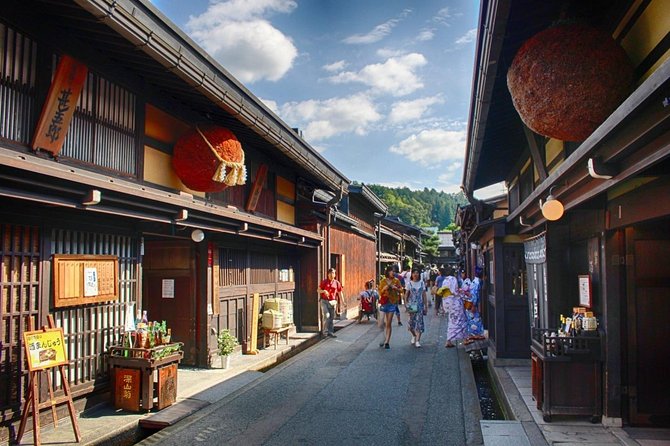
What makes this experience interesting is the format. Instead of a one-size-fits-all group bus tour, you get a customizable private plan that works inside Takayama’s walkable center. In a half day, you are aiming for a fast but meaningful taste of the town’s old districts, festival culture, and mountain-country lifestyle.
You are also not stuck guessing. A licensed local guide can help you read what you are looking at: why a street feels like the past, why shrines and government buildings matter, and why people still care about the floats come spring and autumn. If you have the kind of trip where you want your questions answered in real time, this setup fits well.
Also on the shortlist for Takayama:
- Kanazawa: World Heritage Shirakawa-go Morning Guided Tour
★ 4.9 · 988 reviews - Kanazawa: World Heritage Shirakawa-go & Two Local Experience
★ 4.9 · 274 reviews - Kanazawa/Takayama: Shirakawago & Takayama Private Day Tour
★ 4.8 · 172 reviews
Price and What $122.23 Buys You in Takayama
At $122.23 per person for about 4 hours, the headline price is not “cheap,” but it is also not pretending to be. You are paying for a private, licensed guide plus a focused route inside the city. That matters because Takayama is compact, and the best parts are often about context, not just photographs.
What you get includes:
- a licensed local English-speaking guide
- a route that you choose from 2-3 sites
- a meet-up on foot within a designated area in Takayama
What you do not get includes:
- transportation fees
- entrance fees and lunch (some stops are free, others are not)
- private transportation (this is walking-first)
If you are a couple, a small family, or a group that wants control, the value tends to rise fast. You can skip anything that feels like filler and spend those minutes where you actually want to linger.
One more practical note: the tour mentions group discounts, so if you’re traveling with friends or planning to book multiple spots, it may help to check how the discount applies.
Meeting Up and the Reality of a Walking Tour
This is a walking tour. The included plan is designed so you meet the guide within a designated area and then explore on foot. Pickup is listed as offered, and in real situations some guides have coordinated meeting points closely to where you are staying, but you should still treat the “on foot meet-up” detail as the default.
So, plan like this:
- Bring comfortable walking shoes. Several stops are on foot close together, but you still cover real ground.
- Dress for weather. Takayama can be rainy, and you’ll appreciate having fewer, better-chosen stops if conditions are rough.
- If you want the markets, think about your start time. The Miyagawa Morning Market runs daily from around 7:00 (or 8:00 in winter) until noon.
Also, the experience includes a mobile ticket, which is handy when check-in is quick.
Sanmachi Suji: Edo-Era Streets in a 15-Minute Hit
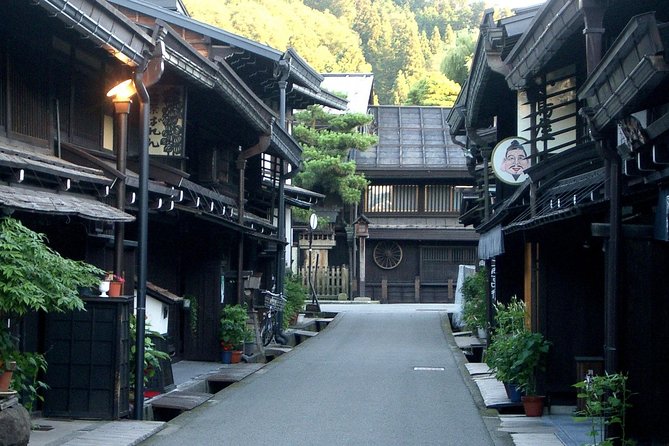
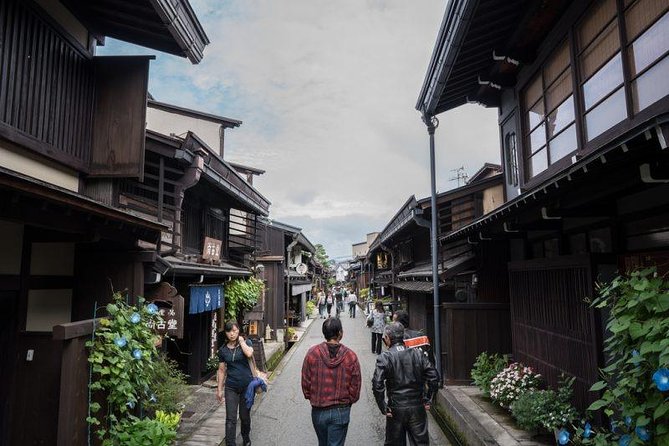
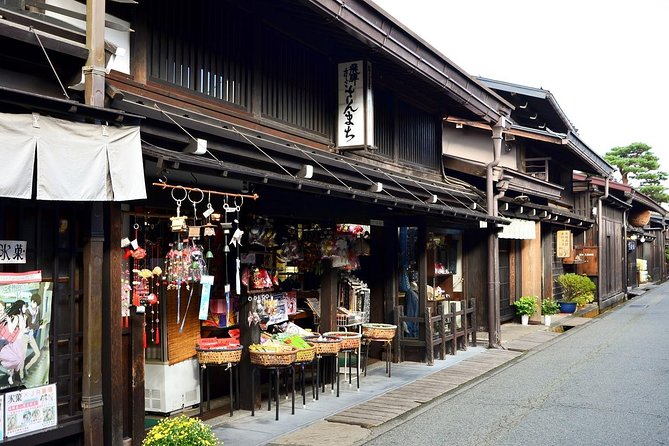
Your quick-stops tour option begins with Sanmachi Suji. This is the classic old-town feel in Hida-Takayama: homes and shops from the Edo period (1603-1868) lined along the street. It’s the kind of place where you can see why people fall for Takayama’s “old streets” reputation before you even get to museums.
In about 15 minutes, you’ll get:
- an easy introduction to the old merchant streets
- shop-front flavor, including local specialties you can browse
The practical drawback is also obvious: 15 minutes is not enough to shop deeply or take long photo pauses. Use Sanmachi Suji as an orientation stop, then decide if you want to return later on your own.
A change of pace from Takayama:
- Departing from Takayama [Regular sightseeing bus] World Heritage Sites Shirakawago and Gokayama Ainokura
★ 4.5 · 137 reviews - From Takayama: Guided Day Trip to Takayama and Shirakawa-go
★ 4.9 · 113 reviews - 1-Day Takayama Tour: Explore Scenic Takayama and Shirakawago
★ 5.0 · 113 reviews - Private Afternoon Cycling Tour in Hida-Furukawa
★ 5.0 · 109 reviews
Hida no Sato and the Folk Village Feel of Gifu’s Mountains
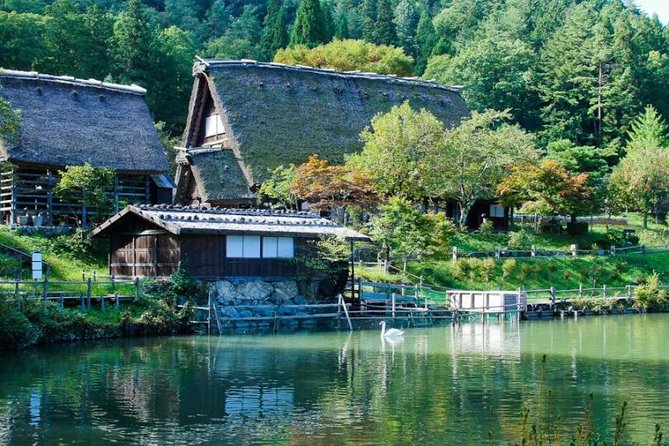
Another great 15-minute option is Hida Folk Village, also called Hida no Sato. This is an open-air museum showing over 30 traditional houses from the Hida region, the mountainous part of Gifu Prefecture around Takayama.
What I like about this stop is that it gives you a “sense of place.” You are not only seeing buildings, you are understanding how life fit into the landscape and how regional architecture differs from what you might expect in a big city.
It’s listed as free and typically scheduled for about 15 minutes. That short duration is both good and limiting:
- Good: you won’t freeze or overdo it
- Limiting: you’ll probably want more time if you love architecture
Takayama Jinya: When Timber and Tokugawa Power Moved In
Takayama Jinya is one of the more history-and-government coded stops on the list. The area’s valuable timber resources led the region to come under direct control of the Tokugawa Shogunate in 1692. Takayama Jinya served as the local government office.
Why this matters even if you are not a hardcore history person: when you understand who had authority here, you understand why the town grew in certain directions and why some buildings feel like they carry weight.
Plan about 15 minutes. Entrance is marked as not included, so budget for admission if you choose it. The drawback is simple: it is a shorter, specific stop, so if you mainly want food, markets, or shopping, you might feel it less than the old street options.
Festival Forest and the Yatai Float World
If your interest in Takayama includes the famous festivals, the Festival Forest museum option is a strong match. Matsuri no Mori, or Festival Forest Museum, offers a glimpse into the festival world with full-sized replica floats called yatai.
This is listed for about 15 minutes, and it is marked as not included for admission. That makes it a “value check” for you: do you want festival context enough to pay entry? If yes, this stop can be a highlight. If you are festival-curious but not festival-obsessed, you might prefer the float hall later.
A small pro tip: if you do Festival Forest and then later visit the float exhibition hall, you’ll understand what you are seeing twice, in two different ways.
Higashiyama Walking Course: Temples, Shiroyama Park, and a Breather
The Higashiyama Walking Course is a calmer option and a smart way to balance a half day of “culture stops.” It’s described as a temple-town route through Teramachi, plus the city’s rural outskirts and Shiroyama Park, a wooded hill area.
This one is listed for about 30 minutes and marked free. That makes it a good choice when you want:
- a scenic reset between museums
- time outside without paying another ticket
- a chance to stretch a bit
The possible drawback: you’re still walking. If you are tired, treat this as your “main walking stop” and keep the number of other stops low.
Takayama Festival Floats Exhibition Hall: Where the Real Story Shows Up
The Takayama Festival Floats Exhibition Hall (Takayama Festival Floats Exhibition Hall, or Yatai Kaikan) is where festival culture becomes concrete. The Takayama Festival runs in spring (April 14 and 15) and autumn (October 9 and 10), and it’s described as one of Japan’s three most beautiful festivals.
This stop is scheduled for about 30 minutes and admission is marked as not included. You are paying for access and interpretation, which is why it pairs so well with a guide.
Also, it’s not just a museum-type visit. The float display is connected to the surrounding shrine area, which can make your whole visit feel linked rather than random.
Miyagawa Morning Market: Food, Local Rhythm, and a Time-Sensitive Choice
If your trip timing can work, the Miyagawa Morning Market option is one of the best ways to see how locals start the day. Two markets run daily in Takayama: the Miyagawa Market along the Miyagawa River in the old town, and the Jinya-mae Market.
Miyagawa Market is listed as about 30 minutes, and admission is free. The time window is about 7:00 (or 8:00 in winter) until noon.
This is a huge practical factor. If your tour schedule lands you later in the day, the “market magic” is less likely. But if you can make it early, you’ll get an easy look at local snacks, ingredients, and the general pace of the city.
Hida Kokubun-ji Temple: The Three-Storied Pagoda Moment
Hida Kokubun-ji Temple is a well-known Buddhist temple close to JR Takayama Station, with an iconic three-storied pagoda constructed in 1820. This stop is listed as about 30 minutes and free.
Why it’s worth considering: a temple like this gives you a different Takayama tone than the merchant streets. It’s quiet, rooted, and visually memorable because the pagoda is a real landmark.
One consideration: it’s a religious site. If you prefer markets and shops only, it might feel slower. But if you want balance, this is a solid choice that does not cost extra.
Sakurayama Hachimangu Shrine: Festival Venue and a Logical Next Stop
Sakurayama Hachimangu Shrine is tied directly to the autumn Takayama Festival. Next to the shrine, you also have the Takayama Festival Floats Exhibition Hall (Yatai Kaikan), which is noted as the place where four of the actual floats can be seen.
This stop is listed for about 20 minutes and marked free.
If you choose only a few sites, pairing Sakurayama Hachimangu with Yatai Kaikan can feel efficient and satisfying, because the geography supports the story. The drawback is that it can become “same-theme back-to-back” if you also choose too many festival-related stops. Keep the mix balanced.
Kusakabe Folk Museum and Yoshijima Heritage House: Short, Ticketed Heritage
Two quick indoor heritage options can add depth without eating your whole half day.
Kusakabe Folk Museum
This is a historic private residence opened to the public. It’s described as built in the Meiji period with Edo architectural style. The listed stop time is about 10 minutes, and admission is not included.
This one works best if you like architecture or if you want a break from outdoor walking.
Yoshijima Heritage House
Yoshijima Heritage House was built in 1908 (Meiji 41). It has been a sake brewery since old times, and a huge sakabayashi sign made of Japanese cedar leaves is hung under the eaves.
Stop time is about 10 minutes, and admission is not included.
The practical drawback with these 10-minute museum stops: you won’t get a slow, deep experience unless the guide helps you focus. Pick them if they match your interests, like crafts, architecture, or sake culture.
Takayama Showa-kan and the Two Retro Museum Options
If you feel like switching gears, Takayama also offers a different kind of cultural window: retro 1950s Japan and general Showa-era pop culture.
Takayama Showa-kan
This museum reconstructs retro streets from the 1950s and revives the lifestyle and culture of that era. It includes places like Midget Alley, a barbershop, and photo-type activities (the details are listed, but exact formats depend on the day). Stop time is about 10 minutes, admission is not included.
Hida Takayama Retro Museum
This one is described as having an old-good atmosphere with a set of Showa movies, and it includes items you can see, snap photos of, and play with, like figures, magazines, posters, toys, games, showa retro pachinko, and other memorabilia. Stop time is about 10 minutes, admission is not included.
These short museum windows are great when:
- the weather is bad
- you want something different than temples and markets
- you are traveling with kids or teens who like photo opportunities
The drawback is that retro museums might feel more like fun than essential history, so choose one, not both, unless you’re sure you love this style.
So, Which 2-3 Sites Should You Choose?
Because the tour is built around 2-3 sites, your selection is the whole game. Here are three simple ways to choose based on what you care about:
If you want Takayama’s postcard streets
Pick Sanmachi Suji plus one heritage stop like Hida no Sato or Jinya. Add the Miyagawa Morning Market if you can schedule a morning start.
If you came for festivals and floats
Go with Festival Floats Exhibition Hall (Yatai Kaikan) and Sakurayama Hachimangu Shrine. If you want more float context before you see the big display, add Festival Forest.
If you want a balanced day with breaks
Pair Higashiyama Walking Course with a temple stop like Hida Kokubun-ji. Then choose either a museum break (Showa-kan or Retro Museum) or a heritage stop (Kusakabe or Yoshijima) depending on your energy.
Guides You Might Encounter, and Why Their Style Matters
This tour is led by licensed English-speaking local guides, and the names that have shown up include Yuko, Lily, Yuki, Annie, Mitsu, Yoko, Yuriko, and Tatsuya Ito, among others.
What matters for you is not the name on a webpage. It’s the working style:
- Guides have been noted for adjusting pacing to match your needs.
- Some have helped with weather planning by sending a heads-up about expected showers.
- Many are good at connecting festival details to the real sites you’re standing in front of.
If your trip depends on thoughtful explanations, it’s worth showing up with 2-3 questions ready. Things like what you should look for on the floats, why a shrine matters in a certain season, or how government-era timber power affected the town. The best guides can answer without making it a lecture.
Should You Book This Takayama Half-Day Private Tour?
Book it if you want a private, guided, half-day plan that stays flexible and focuses on meaningful sights. The biggest reason is the pairing of context plus control: you choose 2-3 stops, and the guide helps you understand what you’re seeing.
Skip it, or adjust your stop choices, if you hate walking, or if you want a “museum marathon.” The timing per stop is short, from 10-minute heritage/museum choices to 30-minute anchors like markets and the float hall. You are not buying time to wander aimlessly. You are buying a guided route that keeps moving in the right direction.
My call: if Takayama is your first or only stop in the region and you want to leave with clear memories, this is a smart way to do it without wasting your limited hours.
FAQ
How long is the Takayama half-day private tour?
It runs for about 4 hours.
What does the tour cost per person?
The price is listed as $122.23 per person.
Can I customize which stops we visit?
Yes. You can choose 2-3 sites that match your interests.
Is this tour mostly walking?
Yes. It’s a walking tour, and pick up is on foot, with you meeting the guide within a designated area.
Are entrance fees included?
Some stops are free, like Sanmachi Suji and Hida no Sato. Other stops are marked as not included for admission fees, such as Takayama Jinya and multiple museums and exhibition halls.
Is lunch included?
No. Lunch is not included.
Do I get a mobile ticket?
Yes, a mobile ticket is included.
What is the cancellation timeline?
You can cancel for a full refund up to 24 hours in advance of the start time.
Latest write-ups near Takayama
- From Takayama: Alpine Splendor – Shinhotaka Ropeway and Kamikochi★ 5.0 · 91 reviews
- Takayama: Onigiri and miso soup making at a buddhist temple★ 4.9 · 93 reviews
- Private-group Morning Cycling Tour in Hida-Furukawa★ 5.0 · 105 reviews
- Private Afternoon Cycling Tour in Hida-Furukawa★ 5.0 · 109 reviews
- From Takayama: Guided Day Trip to Takayama and Shirakawa-go★ 4.9 · 113 reviews
- Departing from Takayama [Regular sightseeing bus] World Heritage Sites Shirakawago and Gokayama Ainokura★ 4.5 · 137 reviews
- 1-Day Takayama Tour: Explore Scenic Takayama and Shirakawago★ 5.0 · 113 reviews
- From Nagoya: Shirakawa-go & Hida-Takayama Full Day Trip★ 4.3 · 24 reviews
Takayama Tours, compared.
World Heritage Shirakawa-go Morning Guided Tour
Read our review →
World Heritage Shirakawa-go & Two Local Experience
Read our review →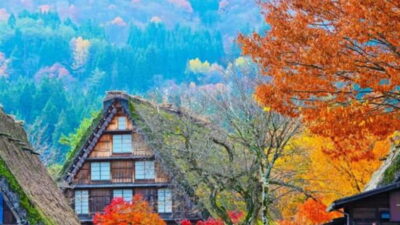
Kanazawa/Takayama: Shirakawago & Takayama Private Day Tour
Read our review →![Departing from Takayama [Regular sightseeing bus] World Heritage Sites Shirakawago and Gokayama Ainokura](https://f1.japantourreviews.com/wp-content/uploads/departing-from-takayama-regular-sightseeing-bus-world-heritage-sites-shirakawago-and-gokayama-ainokura-400x267.jpg)
Departing from Takayama [Regular sightseeing bus] World Heritage Sites Shirakawago and Gokayama Ainokura
Read our review →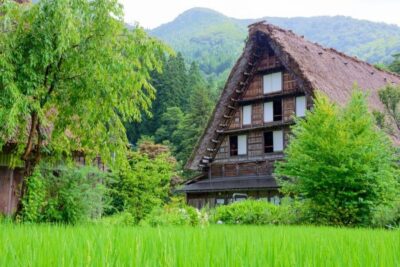

1-Day Takayama Tour: Explore Scenic Takayama and Shirakawago
Read our review →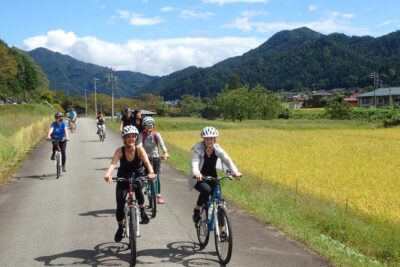
Private Afternoon Cycling Tour in Hida-Furukawa
Read our review →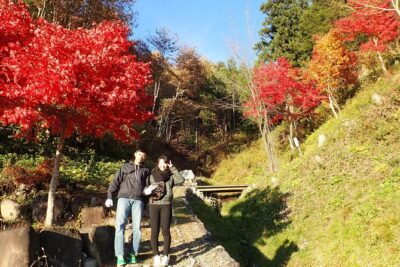
Private-group Morning Cycling Tour in Hida-Furukawa
Read our review →Browse the lists this tour appears in