
Reviewed · MIYAJIMA TOURS
Miyajima Half-day Trip Historical Walking Tour
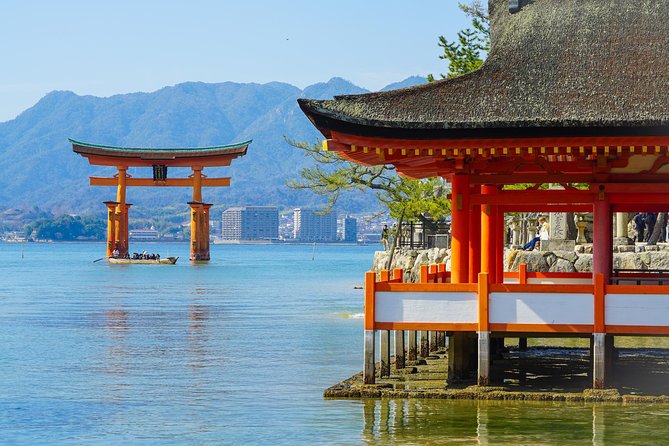
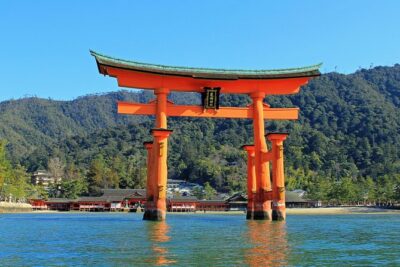
Miyajima is one of those places where the scenery feels spiritual before you even start walking. You get the iconic Ōtorii and Itsukushima Shrine up close, then move through smaller, quieter spots like Daishoin and Senjokaku, with a guide steering you away from time-wasting guesswork.
I like two things a lot here. First, the tour is built for easy pacing with a max group of six, so questions do not get lost. Second, the included meal is actually local, with oyster options plus momiji dumplings, not a generic “tourist lunch.”
One thing to consider: you still have to budget the ferry fee to get to the island, and food has limits for allergies and gluten-free needs.
Key highlights worth your time
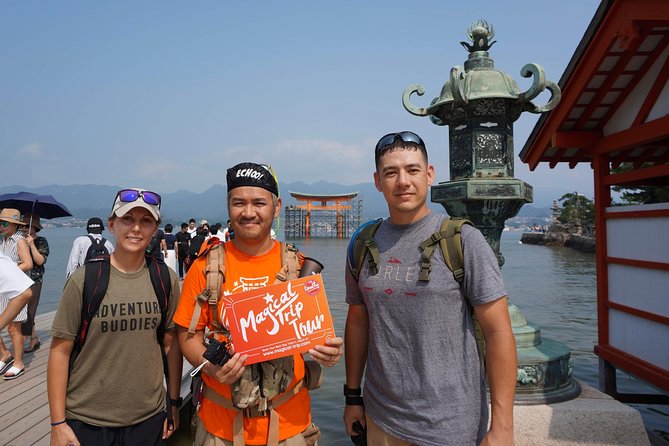
- Small group size (up to 6), which keeps the walk flexible and questions answered
- Ōtorii plus Itsukushima Shrine with clear photo moments and practical guidance
- Daishoin Temple with explanations tied to Buddhism and the statues you’ll see
- Oyster lunch and momiji dumplings included, with limited vegetarian and vegan choices
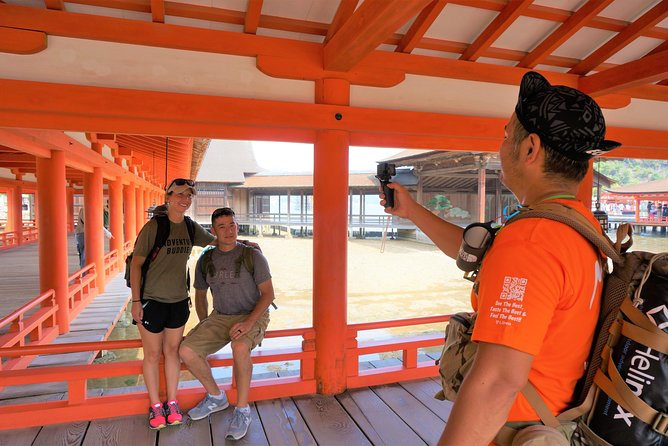
- Photo support plus guide-taken tour photos so you spend less time fiddling with your camera
- A guide that handles the “where next” problem, including coastal routes and shopping stops
Why Miyajima Feels Different Before You Even Walk
The day starts with the ferry crossing, and that matters more than you might think. From the water, you get the Seto Inland Sea views and the famous Ōtorii angle that Miyajima is known for. It’s a good warm-up too, because the island walk includes stairs and some uphill sections later.
What you are really buying with a guided tour is context. Miyajima is not just pretty buildings and deer. It’s a living spiritual landscape where tides, architecture, and rituals all connect, and a good guide helps you notice what you would normally miss.
More Miyajima crossings:
- Peaceful Hiroshima & Miyajima UNESCO 1 Day Bus Tour
★ 5.0 · 5,309 reviews - Hiroshima: Hiroshima and Miyajima UNESCO Sites 1-Day Tour
★ 4.9 · 2,330 reviews - Hiroshima / Miyajima Full-day Private Tour with Government Licensed Guide
★ 5.0 · 1,298 reviews
Price and Value: What Your $109.43 Actually Includes
At $109.43 per person, this isn’t a budget option. But it also isn’t just a walking tour where you pay extra for the guide’s “presence.” Your price includes key costs that add up quickly on Miyajima.
Here’s what is covered in the ticket price:
- Entrance fees to the shrines, temples, and museum included on the tour
- A certified guide
- Tour photos
- A Hiroshima local lunch
On top of that, you get a mobile ticket, which is convenient when you are moving between ferry, gates, and temples. You are not stuck with paper receipts, and it tends to reduce little last-minute problems.
The one extra cost you should plan for
The ferry is not included. Expect 500 yen round-trip. If you forget this, you’ll feel surprised at the end of the planning, so I treat it as part of the real total.
Meeting Point and Getting There Without Stress
The meeting point is at 1-chōme-3-26 Miyajimaguchi, Hatsukaichi, Hiroshima 739-0411, Japan. It is described as near public transportation, which is what you want for a half-day plan.
This kind of tour works best when you show up calm and early. Miyajima has a steady flow of people at many times, and your guide’s timing is what keeps the walk smooth.
Tip: take a screenshot of your confirmation and keep your phone battery topped up. You’ll use the mobile ticket, and it’s one less thing to think about.
More Historical Tours in Hiroshima:
- Hiroshima Historical Walking Tour – Why A-Bomb was Dropped
★ 4.8 · 893 reviews - Hiroshima Peace (Heiwa) Walking Tour at World Heritage Sites
★ 5.0 · 872 reviews - Hiroshima: History of Hiroshima Group Walking Tour
★ 4.8 · 266 reviews - Hiroshima: Peace Walking Tour of World Heritage Sites
★ 4.9 · 190 reviews
The Walk Timeline: How the Route Keeps Photos and Meaning in Balance
This is about 5 hours 30 minutes total, which is a sweet spot for first-timers. Long enough to see the main icons and a few deeper stops, short enough that you still feel like you did something, not just survive it.
The core rhythm goes like this:
1) Ferry ride with the signature Ōtorii views
2) Coast walk to Itsukushima Shrine
3) Temple visit focused on Buddhism and statues
4) Photo stops at parks and shrine halls
5) Time for local food on the Omotesando shopping street
You’ll also get plenty of chance to take photos, and the tour includes tour photos so you don’t have to aim and shoot every second.
Ferry Views: Seto Inland Sea + the Ōtorii Moment
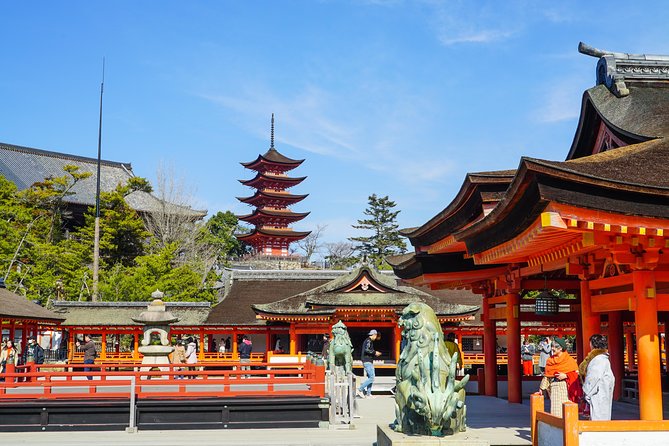
The ferry portion is where Miyajima starts to click. Even if you have seen the Ōtorii gate in photos, seeing it framed by water and distant hills changes the feel instantly.
You’ll likely notice two things:
- The shrine structures seem to relate to the sea in a way that’s hard to fully understand from land.
- The timing of your visit can change how much of the gate area you can experience, especially around tide timing.
One extra note I picked up from guide stories and past experiences: if conditions line up, you may get a rare perspective where you can get closer to the gate area. Don’t assume it every day, but it’s worth being alert if the tide is favorable.
Itsukushima Shrine: Where Architecture Meets the Tides
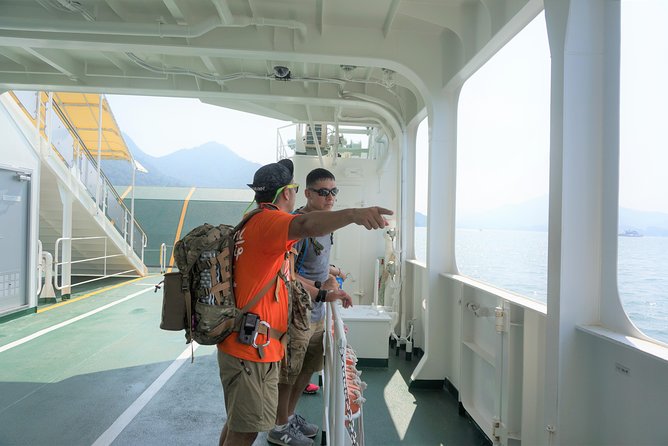
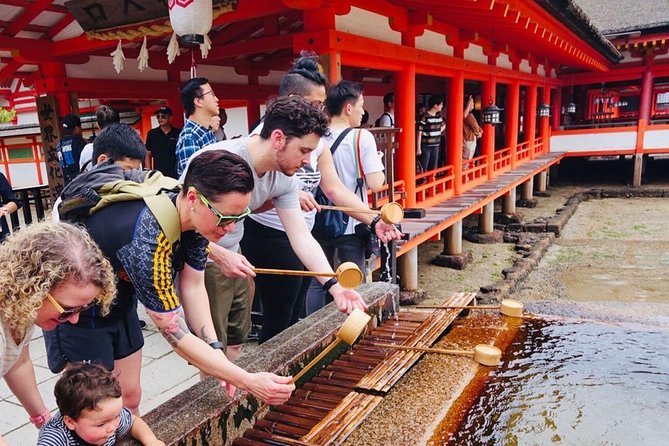
Itsukushima Shrine is the headline for a reason. You’ll stroll along the coast, get the classic Ōtorii setting, then step into the shrine area where the whole place reads like a “designed for the sea” statement.
Here’s what makes it more than a photo stop:
- You learn how the architecture relates to the tides. The shrine is known for being built to endure changing water conditions.
- You get a clear picture of what you are looking at, so you’re not just guessing which hall is which.
You should also plan for time to take photos without feeling rushed. The best pictures come when you pause and let your guide point out angles and what to notice.
Daishoin Temple: Stair Climb + Buddhism Explanations
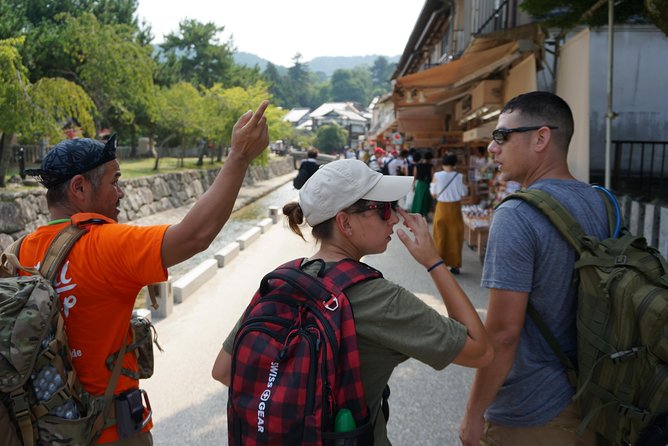
Daishoin is where the tour shifts from icon photos to spiritual meaning. You’ll spend about 30 minutes here, and the guide explains Buddhism and the statues you see.
This stop is also one of the reasons to wear real walking shoes. There are stairs, and some parts feel steep enough to slow you down. That is not a bad thing, it just changes the pace from “stroll” to “work a bit, then reward yourself.”
The temple is described as the main temple of the Omuro school of Shingon Buddhism. Understanding that helps your brain place what you’re seeing, instead of treating it like random temple decoration.
If you are coming in on a hot day, bring water and take breaks. The tour can be tiring if you treat it like an easy stroll.
Momijidani Park and Senjokaku: Short Stops With Big Payoff
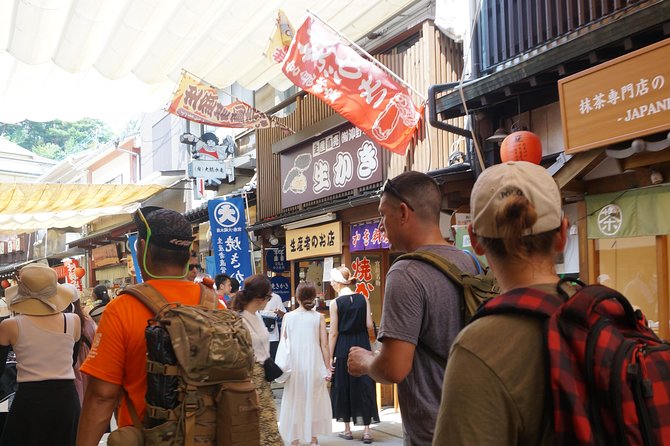
These are quick stops, but they can be some of the most memorable moments because you’re not only chasing the biggest sites.
Momijidani Park
This is a photo-focused break. You’ll get time to take pictures and enjoy the views without committing to a long detour. Even if your photography style is simple, this helps you recharge for the final leg of the walk.
Senjokaku
Senjokaku is the common name for the main hall connected with Itsukushima Shrine’s terminal shrine, Toyokuni Shrine. The building is tied to the spiritual complex here, and your guide’s explanation helps it make sense beyond “another hall on an island.”
If you like history told in plain terms, this stop is a good one. It’s short, but it connects ideas.
Miyajima Omotesando: Food You Did Not Have to Hunt Down
At the end, you’ll have time on Miyajima Omotesando Shopping Street for local snacks. This is where the island’s flavor becomes very real, and it also helps you pick up souvenirs that are edible, practical, and easier to carry than ceramics.
Expect grilled oyster options at stalls, plus other island treats. The guide’s role here is underrated. Instead of wandering into tourist traps, you can follow a route that makes sense and gets you to food quickly.
If you want that “I found the place” feeling, this portion still gives it to you, just with less stress.
A small bonus you might notice
Miyajima is known for deer roaming around. You might see them while walking, and they add to the lived-in, island-feeling atmosphere.
Food on the Tour: Oysters, Momiji Dumplings, and Realistic Options
Food is a big part of this tour, and it is included. Your lunch is described as a Hiroshima local meal that features fresh or grilled oysters, plus momiji dumplings.
That’s excellent value because oyster dishes can be expensive when you buy them later. Here, you get a planned meal inside the tour price.
Vegetarian and vegan
Vegetarian and vegan lunch options exist, but they are limited. If you need this, you should inform the operator at least one day before the tour.
Gluten-free and allergies
Gluten-free lunch is not available. Allergy-free meals also cannot be guaranteed, since food is prepared in kitchens not controlled by the tour provider.
My practical take: if you have serious allergies or gluten concerns, treat this as a “plan carefully” situation. Email or message in advance, and be ready to adapt with food you purchase separately.
Extra snacks
Additional foods and drinks are available to buy during the shopping street portion. That flexibility matters because you can adjust if you get hungry between stops or if your lunch is not exactly what you expected.
Guides and Small Groups: Why People Come Back in Their Feedback
The tour caps at six travelers, and that changes everything. You can slow down when you need a break. You can ask questions when something catches your eye. Most importantly, you do not end up feeling like you are moving through a checklist.
The guide quality is also a consistent theme in feedback. Names that pop up include Mariko, Hiro, Yuji, Kaori, Hika, Eri, Shun, Meri, Kiki, and Tomohiro (Tommy). Across those different guides, the common thread is clarity, friendly pacing, and helping people find the best spots and food without fuss.
Another small detail that I value: tour photos are included. If you do not want to spend your entire day switching between selfie mode and camera mode, this is a relief.
And yes, weather is not always perfect. People describe rainy day experiences as still being enjoyable, with guides adjusting so the day doesn’t fall apart.
Practical Notes: Heat, Footwear, and When to Bring a Plan B
Japan’s seasons can be extreme. The tour advice is clear: summer can be very hot and humid, with highs that can reach around 40°C (110°F). Bring water and wear a hat to reduce heat risk.
For winter, lows can go down around -5°C (20°F), so dress accordingly.
Shoes matter
Because this is a walking tour with temple stairs, wear shoes you trust. If your feet get tired easily, plan on taking short breaks.
Camera ready, but do not obsess
This tour is built for photos, and the guide will help with good angles and moments. Still, keep your eyes up, not just through a viewfinder. The emotional feel of Miyajima comes from seeing it, not only recording it.
One Caution From the Feedback
There is one serious negative example in the review set where a guide did not show up at the meeting point. That is rare compared to the overall rating, but it is worth taking seriously.
My advice is simple:
- Confirm your day-of plan the evening before.
- Arrive a few minutes early.
- Keep your booking details handy in case you need support quickly.
Should You Book This Miyajima Half-Day Historical Walking Tour?
If you want Miyajima without the stress of route planning, this is a strong choice. The combination of icon sights, temple context, and an included oyster-based lunch makes the time feel well spent.
Book it if:
- You like walking tours but prefer someone else handling the order of stops
- You want the Ōtorii and Itsukushima Shrine explained in plain language
- You care about food, and you’d rather have the lunch lined up than hunt for it
Skip it or approach carefully if:
- You have severe dietary restrictions, especially gluten-free needs or allergy concerns that require strict ingredient control
- You dislike any walking on stairs and hills, since Daishoin can be tiring
- You strongly prefer total independence and want to fully self-direct every stop
Overall, I think this tour earns its place in a Hiroshima trip. It gets you onto Miyajima fast, keeps your day organized, and helps you understand why these places matter, not just what they look like.
Latest write-ups near Hiroshima
- An Amazing set of Cultural experience: Kimono, Tea Ceremony and Calligraphy★ 5.0 · 69 reviews
- Hiroshima: Private Walking Tour with a Local★ 4.6 · 70 reviews
- Hiroshima: Miyajima Island Half-Day Tour with Guide★ 4.9 · 71 reviews
- Kimono and Tea Ceremony in Miyajima★ 5.0 · 73 reviews
- Hiroshima and Miyajima Private Guided Tour★ 4.5 · 75 reviews
- HIROSHIMA ORIZURU TOWER Admission Ticket★ 4.6 · 75 reviews
- Hiroshima & Miyajima: UNESCO A-Bomb Dome & Itsukushima★ 5.0 · 76 reviews
- Hiroshima to Miyajima: Private Custom Tour with Ferry Ride★ 4.9 · 77 reviews
Miyajima Tours, compared.
Peaceful Hiroshima & Miyajima UNESCO 1 Day Bus Tour
Read our review →
Hiroshima and Miyajima UNESCO Sites 1-Day Tour
Read our review →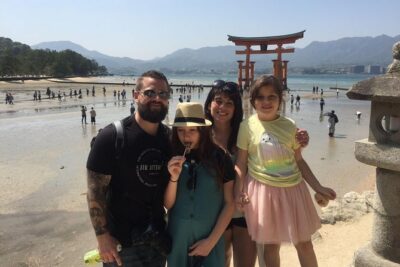
Hiroshima / Miyajima Full-day Private Tour with Government Licensed Guide
Read our review →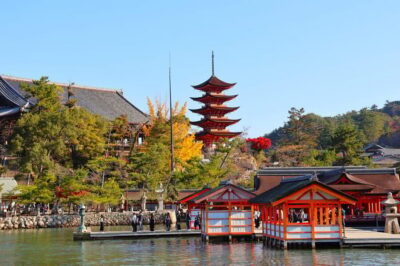
Osaka/Kyoto: Hiroshima Miyajima Bus Tour & Shinkansen Ticket
Read our review →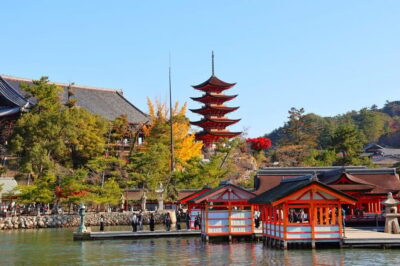
Hiroshima and Miyajima Day Trip with Itsukushima Shrine & Ferry
Read our review →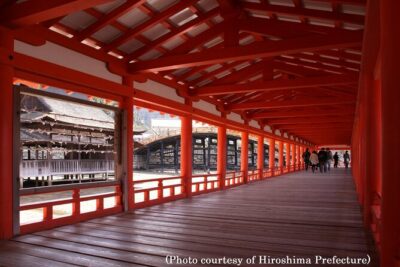
Full Day Hiroshima and Miyajima Bus Tour from Hiroshima
Read our review →
Browse the lists this tour appears in