
Reviewed · WALKING TOURS
Takayama: Private Walking Tour with a Local Guide
Takayama is interesting because the town feels like a time capsule, but it is also surrounded by real mountain scenery in Gifu Prefecture. A private walking tour with a licensed local guide helps you read the town fast, from Edo-era streets to today’s daily life along the river.
I especially like two things. First, you get history you can see in front of you, not just names on a sign, with stops like Sanmachi Street and Takayama Jinya. Second, your guide can steer the day toward what you care about most, and guides like Lily, Annie, Mitsu, and Yoko are praised for pacing, storytelling, and smart food recommendations.
One possible drawback: this is a walking tour, and entrance fees plus food are not included, so your final cost will depend on which museums and tastings you add during the 4 to 6 hours.
Key things to know before you go
- A private route you can shape, not a fixed checklist, with guidance in English or Japanese
- Sanmachi Street and the old town give you Edo period architecture and shopping vibes in one compact area
- Hida Folk Village brings you face to face with Hida region life through 30 plus traditional houses moved to the museum site
- Takayama Jinya shows how Edo-era officials ran local government, until the complex stopped official use in 1969
- Morning markets (Miyagawa and Jinya-mae) help you see Takayama as it’s lived, not just preserved
- Festival culture lives here too, with the floats exhibition hall and shrine context tied to the Takayama Festival
Why Takayama feels best with a guide on your feet
Takayama, also called Hida-Takayama, sits in Gifu Prefecture on Honshu. It’s a place where old timber buildings, temple steps, and river paths come in quick succession, so walking is the smart way to do it. A private guide matters here because the town is full of small details, and those details are what make it click.
You’ll notice the difference right away in how you move through the day. A good guide helps you spot what to look at, why it mattered, and what to do next without wasting time. That time-saving is extra valuable when you only have a half-day, like the 4 to 6 hour window.
I also like that you are not locked into one “theme.” Want more temples and cultural sites? Great. Want more food and market moments? Easy. Want to focus on the festival legacy? You can. The tour is designed to be customized to your interests and preferences.
More Walking Tours in Takayama:
- Takayama Old Town Walking Tour with Local Guide
★ 4.5 · 50 reviews - Explore Kiso Valley : Magome – Tsumago Mountain Trail Walk
★ 5.0 · 33 reviews - Takayama: Takayama Jinya & Old Town Private Walking Tour
★ 4.5 · 32 reviews
Sanmachi Street and the Edo-period streets you can actually feel
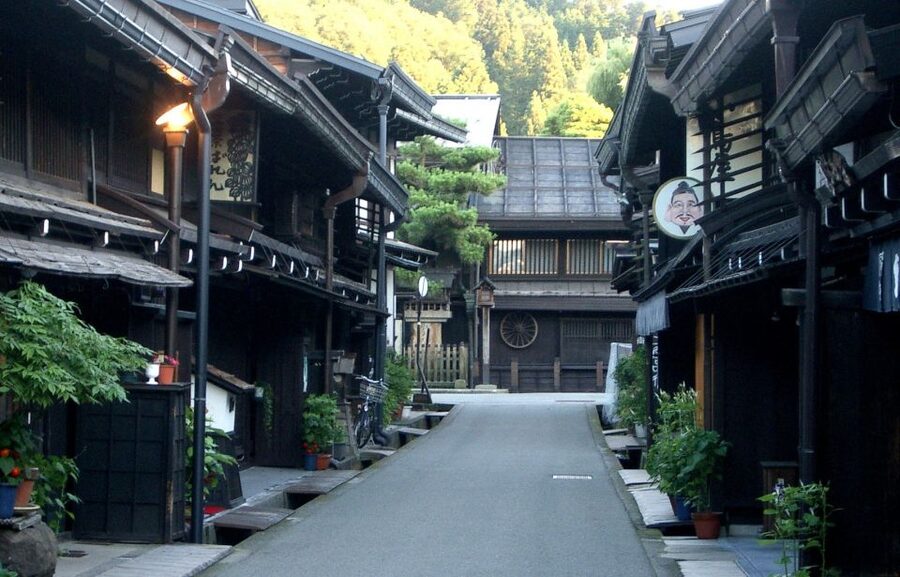
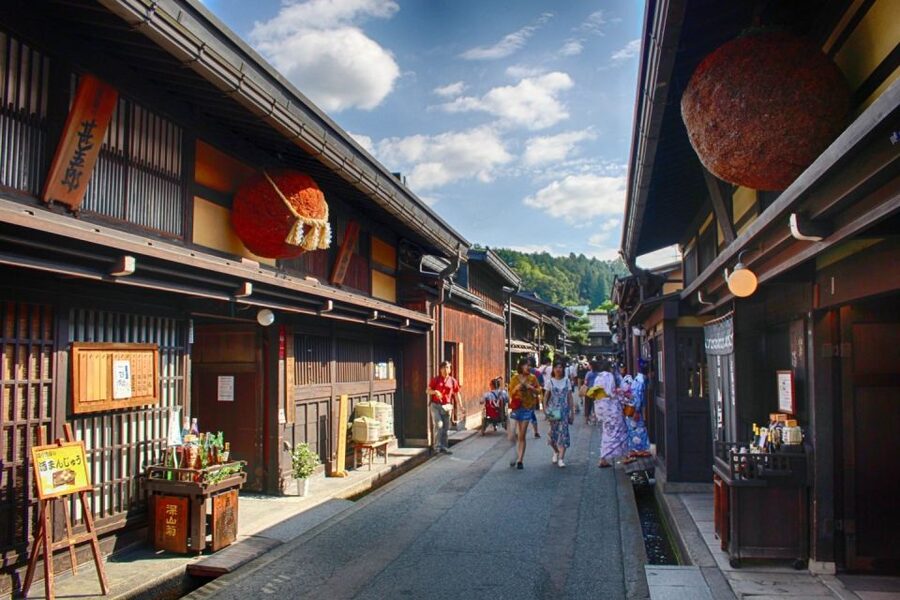
Most Takayama first impressions happen on foot in the old town, and Sanmachi Street is the usual starting point. This lane is lined with houses and shops dating to the Edo period, which ran from 1603 to 1868. It’s not just pretty. It’s functional history, the kind you can walk through and picture as a living street.
What I like about this stop is how naturally it sets the pace. You can slow down without feeling behind schedule because Sanmachi is made for browsing: small storefronts, traditional facades, and lots of chances to try local snacks. If you have even a mild interest in how Japanese towns worked before modern zoning, you’ll get it fast here.
The one consideration is that this area is popular. If you are sensitive to crowds, I’d plan to arrive when you are not competing with peak foot traffic, or I’d ask your guide to time your stroll around your preferred pace. A private guide makes that sort of adjustment much easier.
Hida Folk Village: why relocated houses still tell a true story
Next, you’ll likely head to Hida Folk Village, an open-air museum built around traditional houses from the Hida region. The museum displays over 30 houses, and you’ll learn that they were moved to this location, with the museum created in 1971.
This stop is valuable because it explains architecture as culture. You’re not just seeing a building, you’re seeing how people lived in a mountainous area and how those lifeways shaped household design. Watching how rooms and layouts relate to the climate of Gifu Prefecture makes the place feel logical, not random.
There is also a practical benefit. Open-air sites are easier to enjoy at your own rhythm than indoor museums, especially if you want photos but also want time for context. The possible drawback is that open-air walking can feel tiring if your day is already packed, so it helps to pace yourself and bring a calm, unhurried mindset.
Takayama Jinya: the local government of Edo days
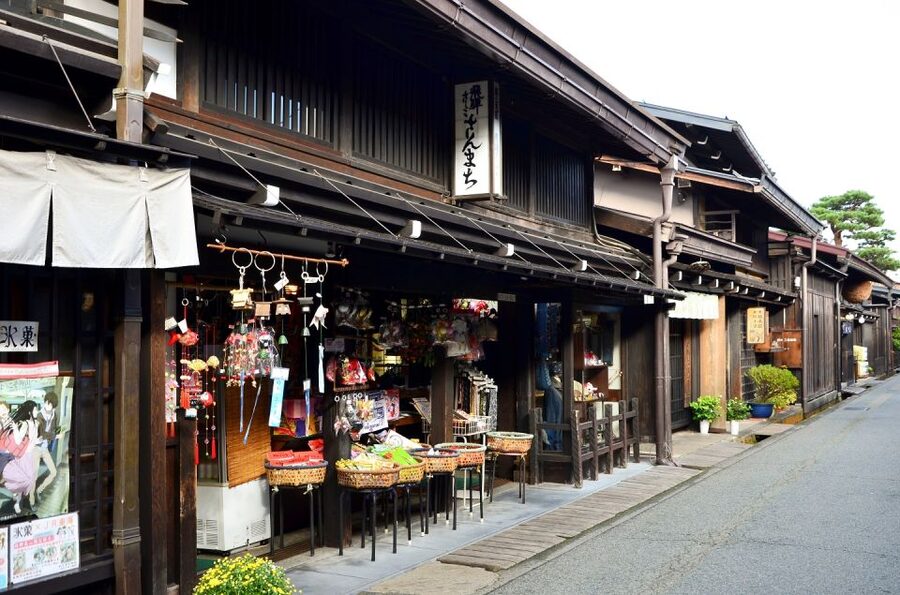
Another strong stop is Takayama Jinya, a complex that served as the local government office headed by officials dispatched from Edo, present-day Tokyo. The building complex was in official use until 1969 and is now open to the public as a museum.
If you think “government buildings” sounds boring, you are doing yourself a disservice. Takayama Jinya is where you can connect power, administration, and everyday life. You can also understand why Takayama became such a durable center in the region. The buildings help you picture how authority was organized, not just who ruled.
This is also a good place to ask your guide questions. A skilled guide can translate what you see into plain language, and the best ones turn it into a story you remember later when you spot similar architectural cues elsewhere in Japan.
A change of pace from Takayama:
- Kanazawa: World Heritage Shirakawa-go Morning Guided Tour
★ 4.9 · 988 reviews - Kanazawa: World Heritage Shirakawa-go & Two Local Experience
★ 4.9 · 274 reviews - Kanazawa/Takayama: Shirakawago & Takayama Private Day Tour
★ 4.8 · 172 reviews - Departing from Takayama [Regular sightseeing bus] World Heritage Sites Shirakawago and Gokayama Ainokura
★ 4.5 · 137 reviews
Morning markets in Takayama: food, crafts, and daily rhythm
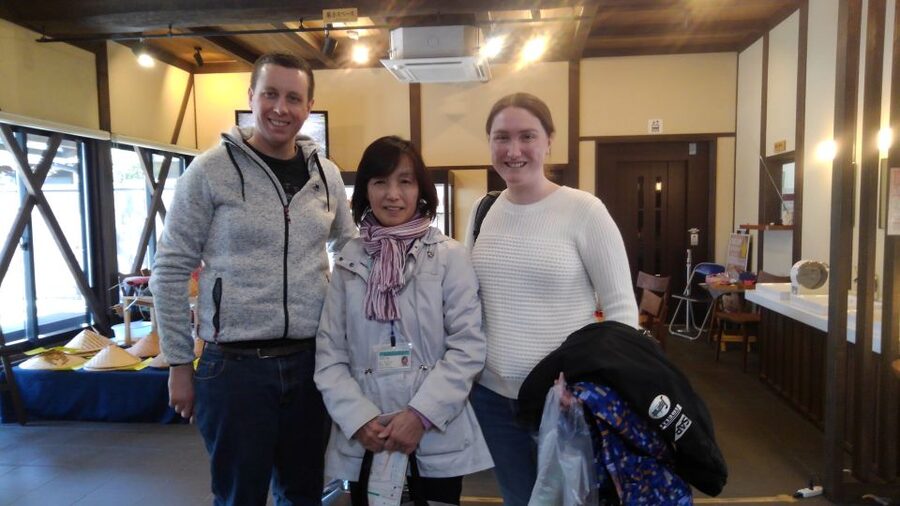
If your timing works, one of the most enjoyable parts of the day is visiting Hida-Takayama Miyagawa Morning Market, which runs daily from 7:00 AM, or 8:00 AM in winter, until 12:00. You’ll find it along the Miyagawa River in the old town, and there is also the Jinya-mae Market in front of Takayama Jinya.
This is valuable because markets show you the living side of “heritage.” Yes, you can buy crafts, but you can also watch what people snack on, what produce looks freshest, and how sellers pitch simple local products. It’s not a staged performance. It’s daily rhythm.
If you are short on time, markets can tempt you into random buying, which is fun but can also eat your schedule. My advice: decide in advance what you want from the market, one or two edible items and maybe one small craft. Then let your guide steer you to stands that match what you like.
Temples and shrines: Kokubunji and Hachimangu with real specifics
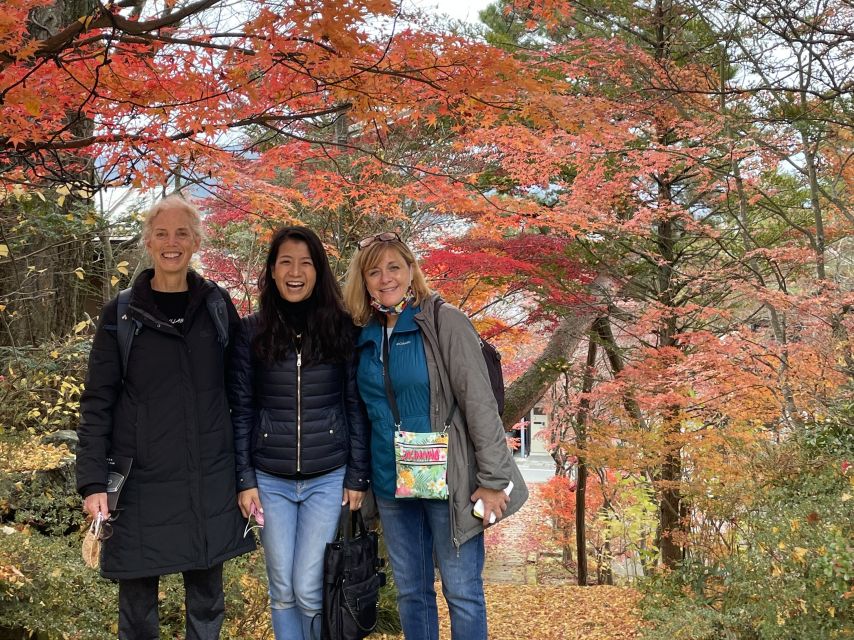
Takayama’s religious sites are not just postcard stops. With a guide, they become a tour of symbols, materials, and long timelines.
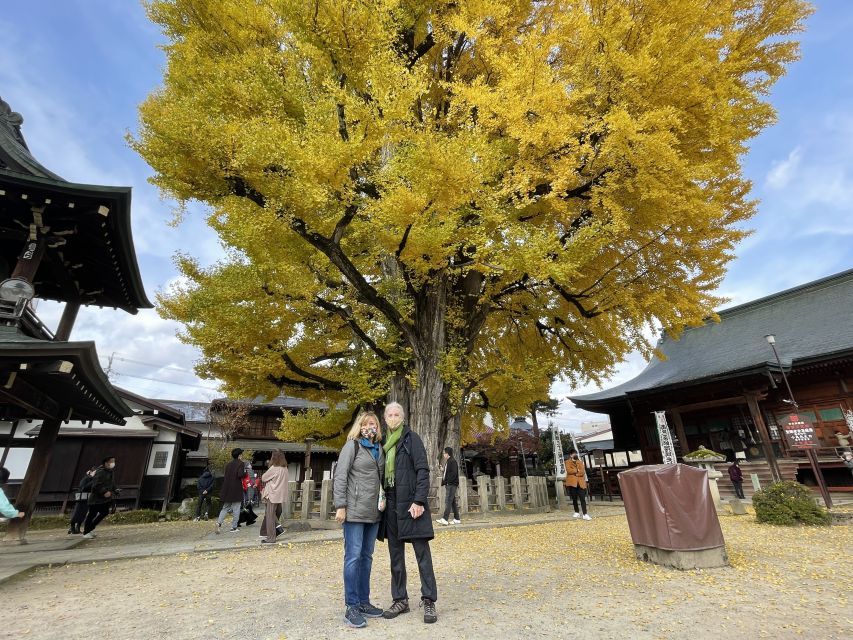
Hida Kokubunji Temple is one of the highlights. You’ll learn about its iconic three-storied pagoda, constructed in 1820. In the main building, there is a Buddhist statue thought to have been made in the Heian period. On the grounds, there’s also a huge ginkgo tree over 1260 years old.
This kind of detail matters, because it turns your photos into markers of time. You start seeing why people respected certain places for centuries. If you’ve ever wondered why some temples feel “anchored” while others feel more temporary, this is where the answer becomes obvious.
Then there’s Sakurayama Hachimangu Shrine. It is the venue for the Takayama Festival in autumn. Next to it is the Takayama Festival Floats Exhibition Hall, or Yatai Kaikan, where four actual floats used in the festival are on display. Together, the shrine and float hall connect “where the festival happens” with “what the festival actually carries.”
Practical note: if you visit in a season when the festival is not running, that’s still fine. The shrine context and the float hall display give you the meaning, even when you’re not seeing the full festival parade in action.
Yatai Kaikan: festival floats you can study up close
For many people, the float hall is the emotional anchor of the whole half-day. Takayama Festival Floats Exhibition Hall shows key aspects of the Takayama Festival, which takes place for two days each spring and autumn. With Kyoto’s Gion Matsuri and Chichibu Yomatsuri, it’s considered one of Japan’s three most beautiful festivals.
You’ll see four actual floats. That’s a big deal because floats are engineering objects, carved craft, and community identity all at once. Up close, you can look at how woodwork, shape, and decorative elements combine into a single, readable form.
If you care about art and design, budget extra attention time here. If you are more into history and stories, ask your guide to explain how the festival fits into Takayama’s seasonal calendar and local pride. Either way, you will leave with clearer context than if you just snap a photo and move on.
Kusakabe Folk Museum: Meiji-era house, Edo-style structure
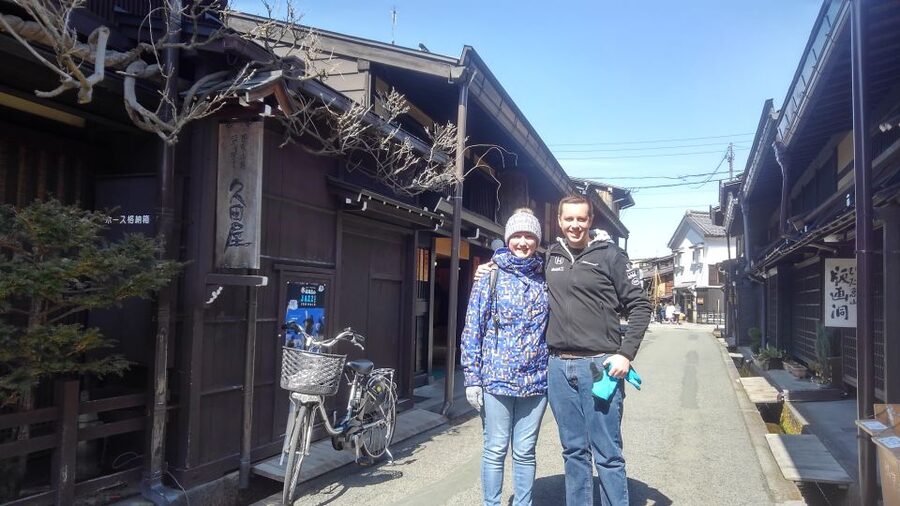
Another memorable stop is Kusakabe Folk Museum, a historic private residence opened to the public. The building was constructed during the Meiji period, but it uses Edo architectural style. The whole property is designated an important cultural property of Japan.
This is the kind of place where you realize how Japanese heritage is not always one strict era. It’s more like a thread that carries forward. The mix of Meiji timing with Edo design helps you understand how older building traditions stayed useful and respected even as the country changed.
The drawback here is simple: a residence museum can feel more reflective and slower-paced than outdoor streets. If you are the kind of person who wants constant movement, you might feel a bit “museum’d” for a while. The fix is to set your expectations. Treat it like a chapter break, then reset when you return to the streets.
How the 4 to 6 hour route usually flows, and how to customize it
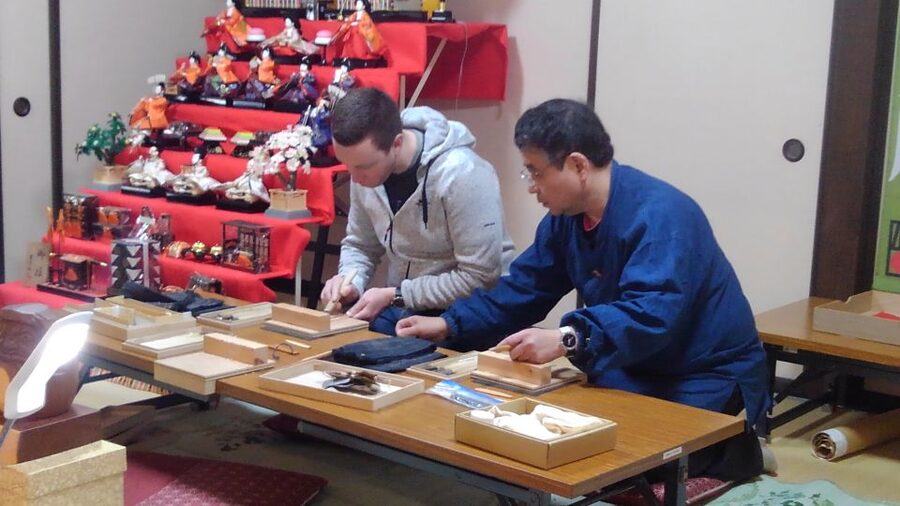
Because this is a private walking tour, the guide can shape the order based on what you want most. A practical flow often looks like an old town start, then a mix of museums and religious sites, with market time slotted in when your schedule makes sense.
Here’s the kind of day structure that works well in real life:
If you start in the morning, you can pair old town time with Miyagawa Morning Market and then move into sites like Takayama Jinya and Yatai Kaikan while you still have energy. If you start later, it’s smarter to focus on the Edo street atmosphere and the museums that don’t depend on morning hours, like Hida Folk Village, Kokubunji, and Kusakabe Folk Museum.
Your guide can also save you from the common half-day trap: doing too many “one and done” stops. Guides praised in English conversations like Annie, Lily, and Yoko are noted for keeping the pace right and tailoring the experience to your interests. That is what you should aim to feel, a guided day that feels intentional, not rushed.
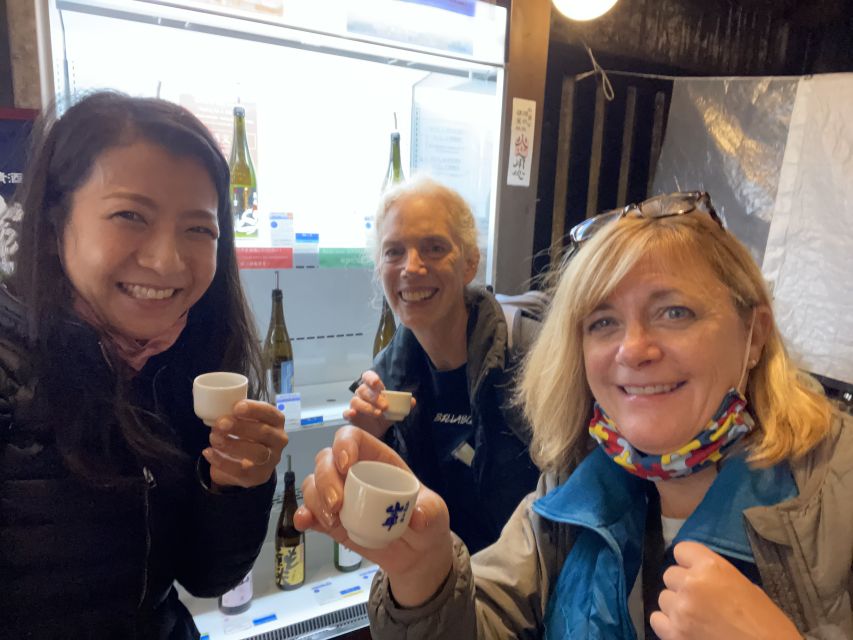
Food is another customization lever. Food and drinks are not included, but your guide may book or recommend local meals. In particular, some guides have taken visitors to Hida beef lunch spots, and they have also added sake tasting and green tea tasting where it fits the day. That’s a big value boost because you don’t waste time guessing what’s worth it.
Price and logistics: what $119 buys you, and what it doesn’t
The tour costs $119 per person for 4 to 6 hours. For a private guide in a smaller city, this is a fair price when you compare what you get: a licensed local guide, an itinerary you can customize, and a day plan that helps you focus on the right sights in the right order.
Here’s what is not included, and it affects budgeting. You’ll pay for food and drinks, entrance fees, and any public or private transportation fees during the tour. You also need to cover transportation to and from the meeting point.
So the smart way to think about value is this: you are paying for time saved, better context, and less guesswork. If you were independent, you could probably visit some of these sites. But you would spend more time figuring out what matters and less time understanding what you are looking at.
One extra thing to know up front: the tour is not confirmed until your guide contacts you about the booking. Most guides contact you within 7 days, and you’ll get updates until 24 hours before your tour if a guide has not accepted. That matters if your schedule is tight, but it’s also a normal reality for private guiding.
Who this private Takayama walk is best for
This tour makes the most sense if you want more than photos and want a day that feels guided and personal.
It fits especially well if:
- You want to understand Takayama’s Edo roots in plain language
- You like markets, temples, and craft culture as connected themes
- You have limited time and want to hit the best combination of streets, museums, and festival sites
- You want your pace controlled, not dictated by a group schedule
It may be less ideal if you already know the city well and just want a self-guided checklist, or if you prefer heavy, indoor museum time rather than a walk-and-stop rhythm.
Should you book this Takayama Private Walking Tour?
I’d book it if you value context and you want Takayama to feel like a real place, not a random set of landmarks. The mix of Sanmachi Street, Hida region architecture through Hida Folk Village, and the festival connection via Yatai Kaikan is a strong half-day recipe. Add in a guide like Lily or Annie who can guide your pacing and point you to good local food, and you get a day that feels smoother than doing it alone.
Don’t book it if you’re hoping for everything to be included and budget-free. Entrance fees, food, and any in-tour transport are on you. Also, since the market timing matters, be ready to choose a start time that fits your priorities.
If you want Takayama with fewer uncertainties and better stories per step, this private walk is a solid choice.
Latest write-ups near Takayama
- Ninja Experience in Takayama – Trial Course★ 5.0 · 20 reviews
- Magome & Tsumago Nakasendo Full-Day Private Trip with Government-Licensed Guide★ 5.0 · 20 reviews
- Ninja experience in Takayama – Special Course★ 5.0 · 20 reviews
- Frozen fall trekking★ 5.0 · 21 reviews
- Takayama: Edo-Period Old Town Walking Tour★ 4.5 · 22 reviews
- 1-Day Tour from Takayama: Hida Folk Village, Caves & Ropeway★ 5.0 · 24 reviews
- Sawanobori River Trekking Tour★ 5.0 · 30 reviews
- Takayama Private Custom Tour with Local Guide★ 5.0 · 31 reviews
Walking Tours, compared.
Kyoto Geisha Walking Tour: Gion District & Hidden Gems
Read our review →
Tokyo Tsukiji Fish Market Food and Culture Walking Tour
Read our review →
Gion Magical Night Walking Tour with Geisha Trivia
Read our review →
Imperial Palace and Shogun Historical Walking Tour
Read our review →
Gion Geisha District Walking Tour – Stories of Geisha
Read our review →
Shinjuku Local Bar and Izakaya Guided Walking Tour
Read our review →
Browse the lists this tour appears in