
Reviewed · YOKOHAMA TOURS
Yokohama and Kamakura 6hr Private Trip Government-Licensed Guide
A Yokohama and Kamakura day with a private, government-licensed guide is interesting because it compresses two very different regions into one half-day rhythm. I especially love the customizable stop list, so I can aim for the shrine, Buddha, Zen temples, and waterfront that actually match my mood. The one drawback is the physical side: it is a walking day with hills and lots of transit between areas, so you’ll want comfortable shoes and a flexible pace.
In practice, guides like Sami and Mami made the day feel smoother by adjusting the plan when stairs were an issue, and by helping with real-world travel basics like train direction and IC card use. That said, some sites are temple-and-shrine terrain, so you cannot make every corner flat. If you go in with that expectation, you’ll enjoy the mix of sacred stillness and big-city energy.
Key highlights worth planning around
- Government-licensed English-speaking guiding to save you from decoding transit and temple etiquette on the fly
- Choose 3-4 stops from a long list, instead of being stuck on a fixed route
- Kamakura Zen temples in a tight loop, from classic gates to bamboo and hydrangeas
- Enoshima as the coastal palate cleanser, quick access from Kamakura
- Yokohama waterfront time with parks like Yamashita plus major-city districts like Minato Mirai 21
- Guide-led pacing for stair levels, including plans made for slower walkers in rain or wet conditions
Why Yokohama Plus Kamakura Beats a DIY Half Day
Kamakura and Yokohama sit close enough that you can combine them without feeling like you’re speed-running Japan. Travel time is about 30 minutes one way, so your guide can realistically get you out to Kamakura for its religious sites and then bring you back to Yokohama’s modern neighborhoods and seafront.
What makes this trip work is not just “two places in one day.” It’s the way a guide turns you from tourist into informed visitor. Instead of you scanning signs and guessing what matters, you get the why as you walk: which shrine is tied to the Minamoto and samurai, which temples are major Zen institutions, and how Yokohama became Japan’s gateway during the end of isolation.
Also on the shortlist for Yokohama:
- Authentic Sumo Experience in Tokyo: Enter the Sanctuary
★ 5.0 · 603 reviews - EVO, WRX, Skyline – JDM Night Run to Daikoku Car Meet
★ 4.9 · 478 reviews - Tokyo: Best Price Daikoku Parking Area JDM Car Meet
★ 4.9 · 192 reviews
Price and what you are actually paying for
The price is $154.84 per person for about 6 hours. That cost is mainly buying three things: a licensed local guide, a private experience, and the flexibility to build a route from 3-4 selected sites.
What is not included is equally important. You’ll pay for transportation fees, entrance fees, and lunch on your own. Private transportation is not included either. Some sights are free (like Tsurugaoka Hachimangu and several other listed stops), but others are not, so your budget will depend on exactly which 3-4 you choose.
In value terms, I think this price makes sense when:
- you care about interpretation and pacing, not just checking boxes
- you want fewer decisions and less map time
- you are traveling as a pair or small group where the “private” part matters
Meeting up, trains, and the real walking pace of a 6-hour plan
This is a walking tour, with meet up on foot within a designated Yokohama or Kamakura area. Pickup is described as being offered on foot, not via a hotel car. You will also be using public transportation for parts of the day, including the trip between Yokohama and Kamakura.
Most travelers can participate, and service animals are allowed. Rain is possible, and one good signal from guide experiences is that they can adapt when wet ground makes stairs slippery. Still, you should treat this as an active day. Wear shoes you trust on stone steps and bring a water bottle.
A practical tip before you go
Tell your guide your pace and stair tolerance at the start. In one real example, Sami planned around fewer stairs for someone in the group, and that kind of adjustment is exactly what turns a “temples day” into a comfortable day.
A change of pace from Yokohama:
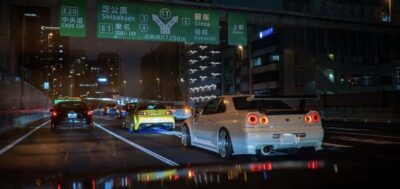
- Daikoku & Tokyo Private JDM Tour by 700HP R34 GT-R
★ 4.9 · 101 reviews - Tokyo 8hr Private Tour with Licensed Guide from Yokohama
★ 5.0 · 94 reviews - Tokyo: Authentic Sumo Wrestling Experience with Lunch
★ 4.9 · 88 reviews - 【Tokyo】JDM Daikoku Parking Area & Nissan Facility Tour
★ 5.0 · 87 reviews
Picking your 3 to 4 stops without missing the point
The big advantage here is choice. The tour is described as customizable, and you’ll pick 3-4 sites from the “what to expect” list. That means you can shape the day into a themed mini-trip.
Here are three ways I’d choose, depending on what you want:
- If you want the Kamakura essentials: go for Tsurugaoka Hachimangu Shrine plus Kotoku-in (Great Buddha), then add one Zen temple you feel drawn to.
- If you want temples with scenery: choose Hokoku-ji for the bamboo grove and pair it with another temple stop like Meigetsuin (Hydrangea Temple) if that theme interests you.
- If you want a Japan flavor mix: keep Kamakura more sacred (shrine and one Zen stop) and spend the rest of the time on Yokohama’s Chinatown and waterfront parks.
Because you only have 6 hours, I’d resist the temptation to add too many “similar-feeling” temple stops. A better plan is to vary your highlights, shrine plus Zen plus one coastal or city-side contrast.
Kamakura temples and shrines you can build into your route
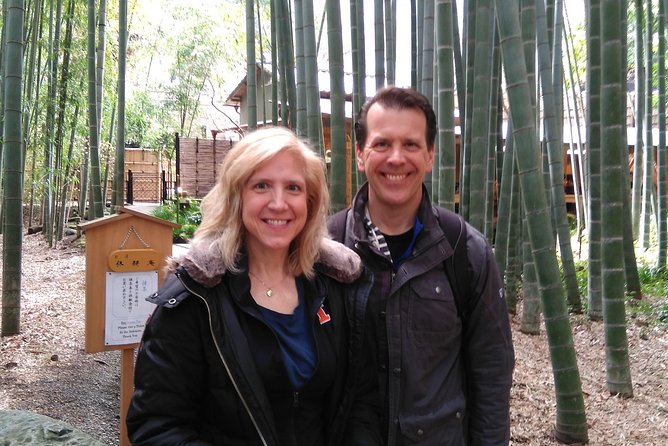
Below are the Kamakura-side stops and what each one is best for.
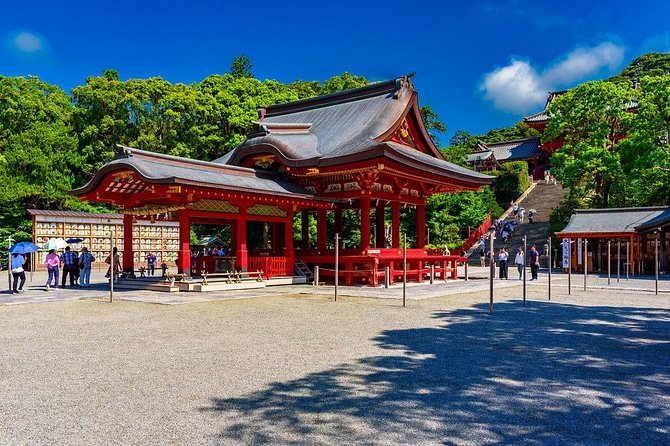
Tsurugaoka Hachimangu Shrine
This shrine is dedicated to Hachiman, the patron god of the Minamoto family and of samurai in general. It’s a great first stop because it gives you the cultural frame for why this town became a power center. Admission is listed as free, and the experience tends to feel ceremonial and easy to connect to the rest of your Kamakura day.
Possible consideration: it is a shrine you will likely linger at, so it can eat some of your limited 3-4 stop count. If you’re tight on time, aim to enjoy the main areas and then move on.
Kotoku-in, the Great Buddha of Kamakura
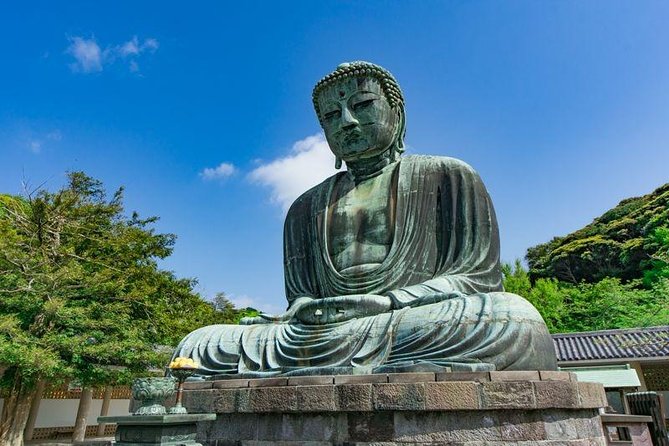
The Great Buddha is a bronze statue of Amida Buddha on the grounds of Kotokuin Temple, standing about 11.4 meters tall. It’s one of those sights where the scale does the talking. You’ll get a clear, iconic takeaway from Kamakura, even if you skip many other temple stops.
Possible consideration: the statue is the main event, so give it the right amount of time, and don’t assume you’ll want to spend hours in the surrounding areas.
Hasedera Temple
Hasedera is famous for its eleven-headed statue of Kannon, the goddess of mercy. The statue is described as a large gilded wooden work, and the temple is part of the Jodo sect. This is a strong choice if you like spiritual art and a more focused stop than pure Zen garden wandering.
Possible consideration: as with many temple grounds, you’ll likely move through uneven paths. If stairs or footing are a concern, ask your guide to steer you efficiently.
Hokoku-ji Temple and its bamboo grove
If you want one stop that feels immediately atmospheric, Hokoku-ji is it. The description calls out a small bamboo grove behind the main hall, with over 2,000 dark green bamboo stalks and narrow paths through the bamboo.
Possible consideration: the paths can be tight. If you’re in a group with mixed mobility, ask for a pace that keeps everyone comfortable.
Engaku-ji Temple
Engakuji is described as one of the leading Zen temples in Eastern Japan and the number two of Kamakura’s five great Zen temples. It was founded by ruling regent Hojo Tokimune in 1282. This is your choice when you want a major Zen institution with historical weight.
Possible consideration: Zen temples can be quieter and slower paced. If your group wants constant movement, you might pair Engakuji with a higher-energy stop like Enoshima or Yokohama Chinatown.
Kencho-ji Temple
Kenchoji is number one of the five great Zen temples and is described as the oldest Zen temple in Kamakura, founded in 1253 during the Kencho Era by ruling regent Hojo Tokiyori. This is a “name matters” stop, ideal for first-time visitors who want credibility and context fast.
Possible consideration: it’s a major temple. That often means the grounds can feel like a real walking circuit, so plan your time.
Zeniarai Benten Shrine
Zeniarai Benten is the one that feels a little playful. The meaning is coin washing, and the practice is visiting to wash money in a spring said to bring benefits, often described as doubling luck. Admission is listed as free, so it’s easy to add without burning your budget.
Possible consideration: the ritual itself is quick, but you may want a few minutes to understand what’s happening on-site.
Meigetsuin, Hydrangea Temple
Meigetsuin is a Rinzai Zen temple founded in 1160, and it is known as Hydrangea Temple because of abundant hydrangea blooms on the grounds. This stop is for people who like the seasonal flavor of Japan, even if you’re not sure you’ll catch the peak.
Possible consideration: even when hydrangeas are not the star, the grounds still reward slow looking. If you only like structured highlights, confirm how much time your guide plans here.
Ankokuronji Temple
Ankokuronji is a Nichiren sect temple in Kamakura’s hills in the southeast. It is connected to Nichiren, who founded the temple around 1253 when he first came to Kamakura. This is a good pick when you want variety beyond the biggest “Zen-only” storyline.
Possible consideration: it is a small temple context. If your group wants iconic big-scale sights, you may want to pair this with Kotoku-in or Hasedera.
Jomyo-ji Temple
Jomyoji is a Zen temple in the hills of eastern Kamakura, ranked fifth among the five great Zen temples. It was founded by the influential Ashikaga family, which gives it a power-politics angle beyond “pretty buildings.”
Possible consideration: hillside temples usually mean more steps. If your group includes someone who needs a slower route, ask early.
Zuisen-ji Temple
Zuisenji is described as in the far east of Kamakura, in a narrow valley surrounded by wooded hills, and it’s a branch temple of Engakuji. This is for people who like a quieter, more sheltered landscape feel.
Possible consideration: valleys can be damp on rainy days. Wear grippy shoes.
Myohonji Temple
Myohonji is a Nichiren sect temple along the southeastern hills. It was founded by Hiki Yoshimoto in 1260. If you are leaning into the Nichiren side of Kamakura’s religious map, this can add variety without repeating the same style.
Possible consideration: hills again. Plan for slower pacing or alternative routes if needed.
Jochiji Temple
Jochiji is number four of Kamakura’s five great Zen temples and described as a branch temple of the Engakuji school of the Rinzai sect. It is a good mid-list choice when you want to keep the Zen theme but spread out your stops.
Possible consideration: it may feel more “temple-in-the-background” than “must photograph landmark,” so you’ll want your guide’s context.
Tokeiji Temple
Tokeiji is a branch temple of the Engakuji school within Rinzai, and Engakuji is just a few hundred meters away on the opposite side of the town. In a route, it can be a great filler stop if you’re near Engakuji anyway.
Possible consideration: because it’s smaller and connected to nearby sites, it’s best as part of a logical routing plan, not a random add-on.
Jufukuji Temple
Jufukuji is number three of the five great Zen temples and described as a branch of the Rinzai sect’s Kenchoji school. It was established by order of Minamoto Yoritomo’s wife. This is another temple choice that ties into the Minamoto era story.
Possible consideration: the experience can feel quiet and contemplative. If you want more “busy energy,” balance it with something else like Enoshima.
Eishoji Temple
Eishoji is described as the only surviving nunnery in Kamakura, near Tsurugaoka Hachimangu. It was founded in the early Edo period by a woman connected to the Tokugawa family. It’s a strong choice if you want a different angle on who shaped religious life here.
Possible consideration: since it is a nunnery, it may feel more intimate and less “big attraction” focused.
Enoshima Island as your coastal palate cleanser
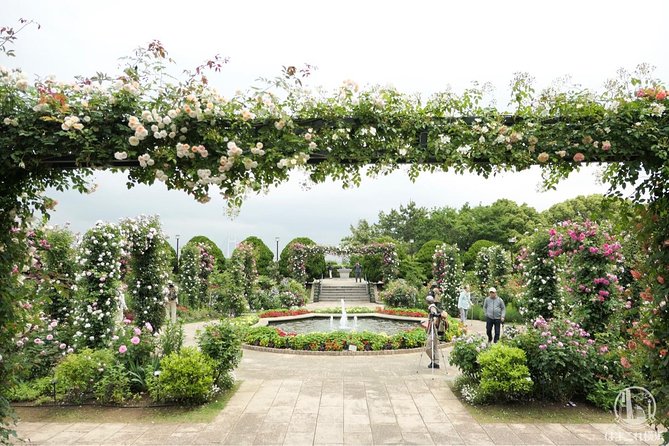
Enoshima is only a short train ride west of Kamakura. It’s described as a pleasant island connected to the mainland by bridge, and it includes a mix of attractions including a shrine. This is the best contrast stop when your Kamakura time starts to feel samey, because it shifts you from hillside temple quiet to sea-air views.
Possible consideration: you are adding transit plus island walking, so it can easily expand beyond your planned stop time. If you’re planning Enoshima, choose fewer other Kamakura temples.
Yokohama highlights that balance sacred calm with city energy
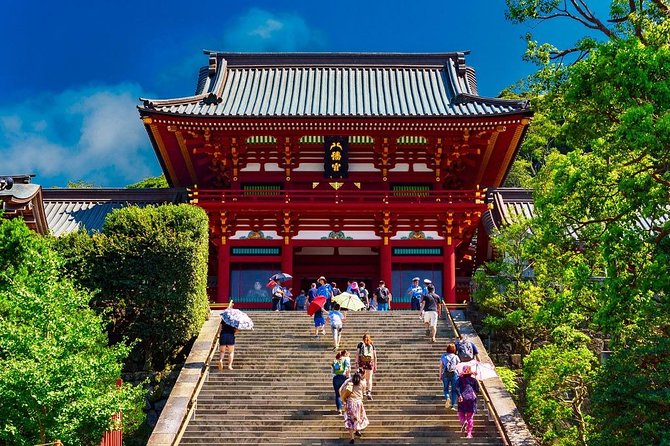
Now for the Yokohama side. This is where the day shifts from Kamakura’s religious atmosphere to a waterfront big-city vibe.
Sankeien Gardens
Sankeien is a spacious Japanese-style garden in southern Yokohama with historic buildings from across Japan. If you like traditional architecture and the “walk and look” pacing of gardens, it’s an easy match after temple time.
Possible consideration: gardens reward slow strolling, so it can be a time grab if you only like quick hits. Pick it if your group enjoys meandering.
Yokohama Chinatown
Yokohama Chinatown is described as Japan’s largest Chinatown and located in central Yokohama. It’s a colorful area of narrow streets with Chinese stores and restaurants, and it’s a great place to reset your energy and pick up snacks or a casual meal.
Possible consideration: it is likely more about food and atmosphere than deep sightseeing. If your group hates crowds or just wants photos, you might keep it shorter.
Minato Mirai 21
Minato Mirai 21 is the seaside urban area in central Yokohama, and the name means harbor of the future. It has major high-rises including Landmark Tower. This stop is for people who want Japan’s modern skyline feel and wide open city views.
Possible consideration: it can feel very urban compared to Kamakura’s calm. Pair it with Yamashita Park if you want a smoother visual transition.
Motomachi Park
Motomachi Park is connected to a key historical shift in Yokohama. During the isolation period from 1603 to 1867, almost all interactions with foreign countries were prohibited, and when that ended in the 1850s, Yokohama was one of the few places that opened up. It’s an interesting choice if you like seeing how history shows up in city spaces.
Possible consideration: without extra context, a park can feel like a break rather than a “must stop.” Ask your guide to connect it to the story.
Yamate 234ban Residence
The Yamate residence is also tied to Yokohama’s foreign opening era. That isolation-to-opening context helps you read the neighborhood better, because you understand why foreign-influenced areas formed where they did. It’s a good stop if you like architecture and historical setting.
Possible consideration: it is described as a residence. If you’re not into houses and period rooms, you might prefer the bigger atmosphere of Chinatown.
Cup Noodles Museum Yokohama
This is for people who want something fun and interactive after serious temples. The Cup Noodles Museum shows the history of instant ramen and is in Yokohama’s Minato Mirai District. It’s also a good “kid-friendly without feeling childish” option for adults who like food culture.
Possible consideration: it’s a museum experience, so it’s not just walking views. If your group wants outdoors time, keep it as a later stop.
Yamashita Park
Yamashita Park stretches about 750 meters along the waterfront and is mostly open green space with a wide view line over the harbor. It’s a great breathing space after city streets, and a good place to slow down and take in sea-air.
Possible consideration: it is outdoors, so adjust your clothing to the weather.
Osanbashi Yokohama International Passenger Terminal
Osanbashi Pier sits between Minato Mirai and Yamashita Park. It’s a terminal area, so it’s more about atmosphere and harbor views than “museum content,” but it’s useful as part of a waterfront loop.
Possible consideration: if ships or cruise activity is not happening, it may feel like a scenic walkway more than an event.
Shinyokohama Ramen Museum
This is a museum centered on ramen, a popular Japanese noodle dish. It’s in the Shin Yokohama area, and it’s described as tracing ramen’s story and culture. If you love food, this is a satisfying finale that ties together Yokohama’s modern identity with everyday Japanese life.
Possible consideration: it’s not a quick roadside stop. If your day is already tight, decide whether you want “museum energy” or “street energy.”
What to ask your guide so your day feels personal
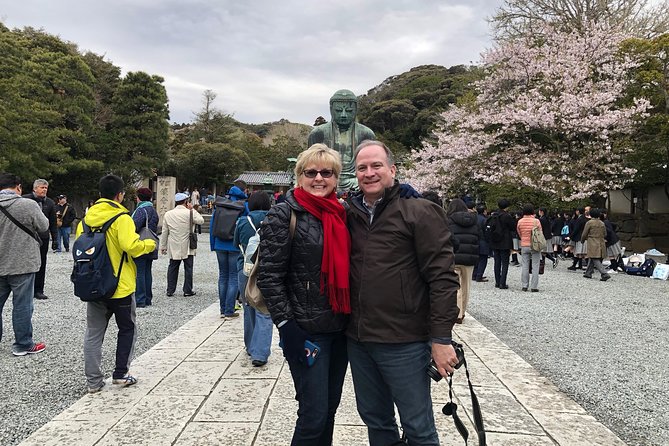
Here are my go-to requests when I want the day to feel like it was built for me, not like a checklist.
- Tell them your stair comfort level. In real experiences, Sami planned around fewer stairs when needed, and that makes a huge difference on temple hills.
- Ask for the most efficient sequence. Guides have handled routes involving trains and multiple local transfers, so don’t fear you’ll waste time figuring it out.
- If you want food, say so early. One guide, Yuichi, took a group to a delicious ramen meal, and that kind of suggestion can save you from hunting with everyone tired.
- If you like modern culture mixed into sightseeing, ask. Kozee included time at an art gallery in a department store for one group, showing that some flexibility can pop up beyond the classic sights.
Also, if you have a specific theme, say it plainly: historical, religious, contemporary. The tour description itself supports that style, and your guide should steer you toward the relevant stops.
Should you book this Yokohama and Kamakura private trip?
I’d book this if you want a guided, time-saving way to see Kamakura’s major religious highlights and a handful of Yokohama’s city and waterfront scenes in about 6 hours. It’s especially worth it when you value interpretation, flexible routing, and a guide who can help you manage pace.
I would skip it, or at least choose fewer stops carefully, if you do not enjoy walking on uneven terrain or if you want a deeper, slower temple day without transit between cities. Also, because you pick only 3-4 sites from a long list, you’ll get the best results when you choose with intention.
FAQ
How long is the Yokohama and Kamakura private trip?
It runs for about 6 hours.
What does the tour cost?
The price is $154.84 per person.
Is the itinerary fixed?
No. The tour is customizable, and you choose 3-4 sites from the available list.
Will I have a guide and language support?
Yes. It includes a licensed local English-speaking guide.
Is transportation included?
No. Transportation fees are not included, and private transportation is not included. The trip is described as a walking tour with public transportation used.
Do I need to pay for admission at the stops?
Entrance fees are not included. Some listed sights are free, while others are not.
Can I get picked up from my hotel?
Pickup is offered, but it’s described as meet up on foot within a designated Yokohama or Kamakura area rather than a car pickup.
Is this a private tour?
Yes. Only your group participates.
What if I need to cancel?
You can cancel for a full refund up to 24 hours in advance of the experience start time. Changes within 24 hours are not accepted, and cancellations less than 24 hours before start time are not refunded.
Latest write-ups near Yokohama
- Yokohama Half Day Tour with a Local Expert Guide★ 4.0 · 20 reviews
- Yokohama Private Food Tours with a Local: 100% Personalized★ 4.5 · 21 reviews
- Yokohama Private Tour with a Local: Highlights & Hidden Gems★ 4.5 · 21 reviews
- Yokohama Private Tour★ 5.0 · 21 reviews
- Yokohama Full Day Tour with a Local Expert Guide★ 4.3 · 23 reviews
- Tokyo Full Day Tour with Licensed Guide and Vehicle from Yokohama★ 5.0 · 26 reviews
- Daikoku & Tokyo JDM Night Tour in R34 or TopSecret R35 GT-R★ 4.8 · 27 reviews
- Japanese Tea Ceremony at Private Home in Yokohama, suburban Tokyo★ 5.0 · 32 reviews
Yokohama Tours, compared.

Authentic Sumo Experience in Tokyo: Enter the Sanctuary
Read our review →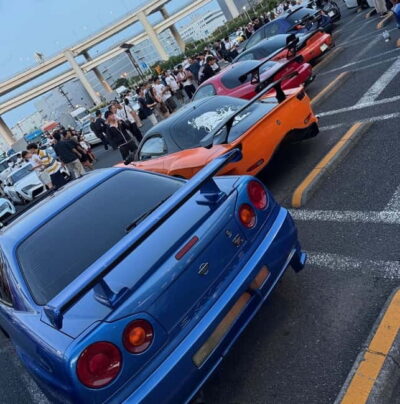
EVO, WRX, Skyline – JDM Night Run to Daikoku Car Meet
Read our review →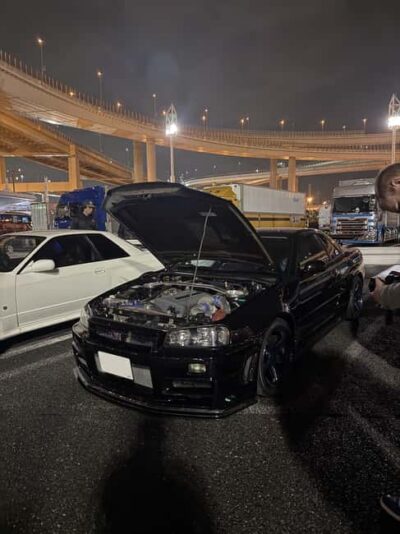
Daikoku & Tokyo Private JDM Tour by 700HP R34 GT-R
Read our review →
Tokyo 8hr Private Tour with Licensed Guide from Yokohama
Read our review →

【Tokyo】JDM Daikoku Parking Area & Nissan Facility Tour
Read our review →
Shuttle Van Transfer, Yokohama(Port)⇒Tokyo, Narita, Haneda, TDR
Read our review →Browse the lists this tour appears in