
Reviewed · TEA CEREMONIES
Japanese Tea Ceremony at Private Home in Yokohama, suburban Tokyo
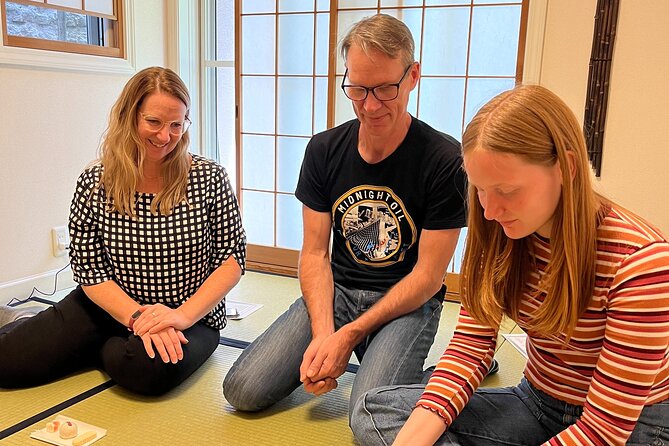
Few things teach Japan like a private tea ceremony in a Yokohama home, where you learn the rhythm of the ritual and sit on tatami. I love how personal it feels, because you are not just watching from the sidelines.
I also like that you get real practice: you whisk matcha, eat seasonal wagashi, and have time to ask questions. One simple consideration, bring socks, since you will be entering the tatami room barefoot.
Key things I think are worth your attention
- Rare charcoal procedure with charcoal added to boil the water
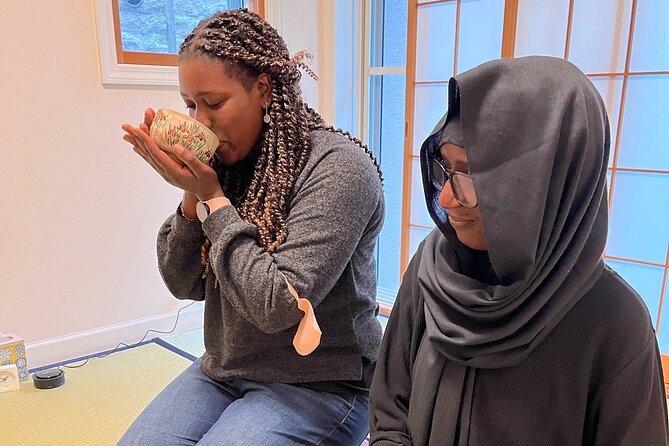
- Hands-on matcha making, then you drink what you make (two cups)
- Seasonal wagashi chosen by the tea master (examples can include nerikiri, gyuhi, manju)
- Tatami room tea pacing that feels calm, not rushed
- A long-time tea master with 40+ years of tea training and 15+ years teaching
- Good for many diets, since the included snacks are described as vegan and gluten-free friendly
A Yokohama tea ceremony that feels like a real home lesson
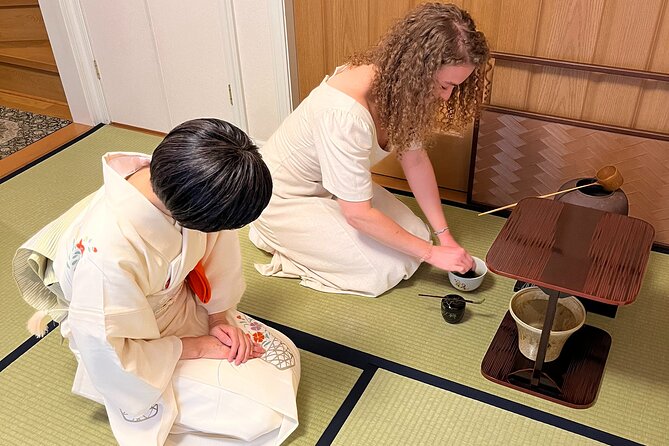
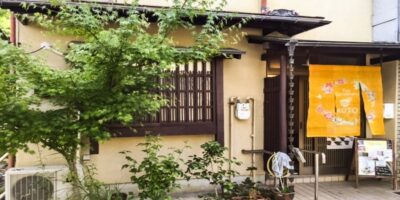
This workshop is interesting because it happens in a Japanese private home in Yokohama, suburban Tokyo, not in a big theater setting. You get the sense that the tea ceremony is still part of everyday cultural life. That matters, because tea is not just a drink here, it is manners, timing, and attention.
I like that the host, the tea master from the Kono Family, is not a quick presenter. The instructor is described as having learned Japanese traditional tea ceremony for more than 40 years and teaching for more than 15. That kind of long training usually means the explanations are clear, and the steps feel intentional rather than staged.
More Tea Ceremonies in Yokohama:
- Sencha-do the Japanese Tea Ceremony Workshop
★ 5.0 · 21 reviews - Kyoto: Tea Ceremony in a Traditional Tea House in Kiyomizu
★ 4.9 · 3,519 reviews - Kyoto: Tea Ceremony Ju-An at Jotokuji Temple
★ 4.9 · 3,207 reviews
Why the private-home setting changes your experience
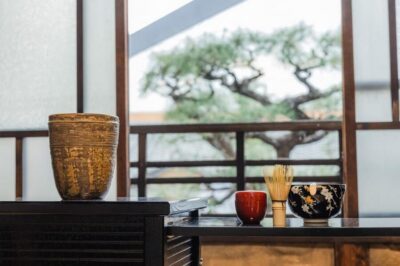
In a home, the tea ceremony naturally slows down. The tatami room, the way guests are seated, and the attention paid to each step makes it easier to follow along. It also makes the conversation feel more natural, and that shows up in the standout feedback about friendly talk with the Kono Family.
If you want a cultural activity that is not just photos and a checkbox, this is the kind of thing that helps you understand the behavior behind the ritual.
Tatami-room basics: socks, seating, and how to not feel awkward
The workshop happens in a tatami tea room, and you will need socks to enter. That is the main rule, but it is also a relief, because it tells you exactly how to prepare.
Here is how to make your life easier:
- Bring clean socks that fit well, because they matter on tatami.
- Plan to put your socks on before you reach the tatami area, so you are not scrambling at the last moment.
- Wear comfortable clothes you can sit in for about 1.5 hours.
Tatami etiquette is simple here in practice: move carefully, keep yourself quiet and respectful, and follow the tea master’s lead. The good news is that the teacher is the one guiding the room, so you are not expected to already know the ceremony.
The step-by-step flow: charcoal water, matcha whisking, and two cups you make yourself
The workshop runs about 1 hour 30 minutes and follows a clear sequence: demonstration, one rare process detail, then hands-on time. That pacing is a big part of why it is enjoyable. You learn by watching, then you do, so it actually sticks.
A change of pace from Yokohama:
- Authentic Sumo Experience in Tokyo: Enter the Sanctuary
★ 5.0 · 603 reviews - EVO, WRX, Skyline – JDM Night Run to Daikoku Car Meet
★ 4.9 · 478 reviews - Tokyo: Best Price Daikoku Parking Area JDM Car Meet
★ 4.9 · 192 reviews - Daikoku & Tokyo Private JDM Tour by 700HP R34 GT-R
★ 4.9 · 101 reviews
1) Demonstration and guest positioning
First, the tea master demonstrates how Japanese tea ceremony works, in the tatami room setting. You get to see how the movements are done and how the room is handled with calm attention.
This is not just about technique. It helps you understand what a guest is supposed to do, and what the host is trying to communicate through each step.
2) The charcoal procedure you will likely not see anywhere else
Next comes the standout detail: the charcoal procedure, where charcoal is added to boil the water. The description notes it can be a rare experience even for Japanese people, and that gives you a clue about how this lesson is different from many basic tea tastings.
In practical terms, this means you are watching an energy source and a water-heating method that feels closer to the traditional roots of the ritual. If you like cultural details that explain how something is made, this part will give you a story you can tell later.
3) Wagashi arrives, then the matcha ritual begins
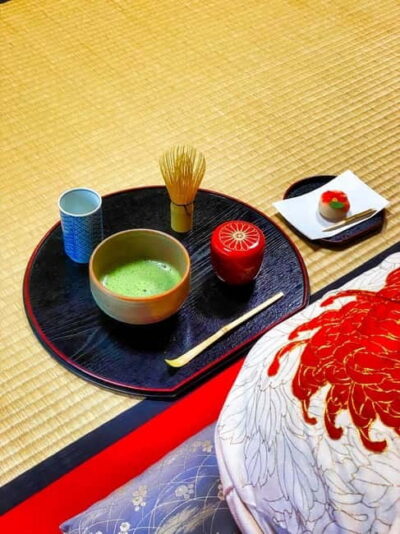
While you are in that flow, you will be eating wagashi that the tea master prepares. The sweets are selected based on season, which is one of the quiet themes of tea ceremony: what you experience changes throughout the year.
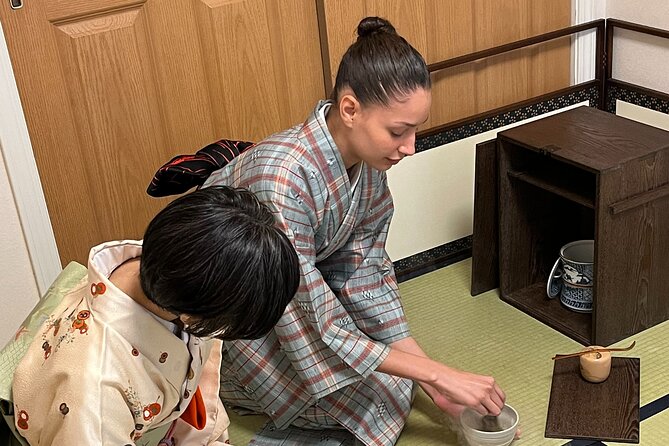
Then the tea master makes matcha for you using the appropriate steps. You will not just be handed a cup. You see how it is made and served, and you learn what makes matcha preparation different from plain tea.
4) You try mixing matcha and drink it yourself
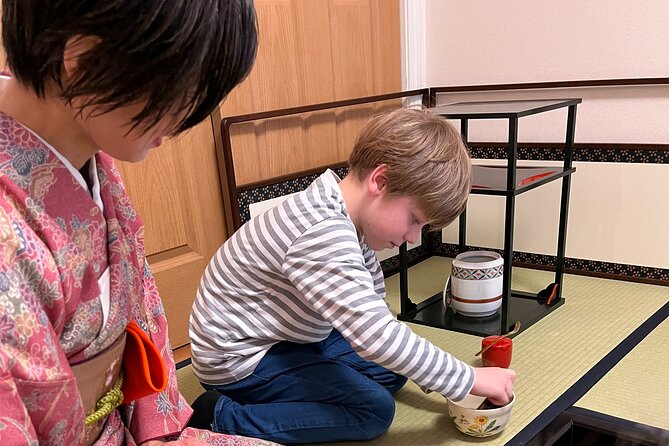
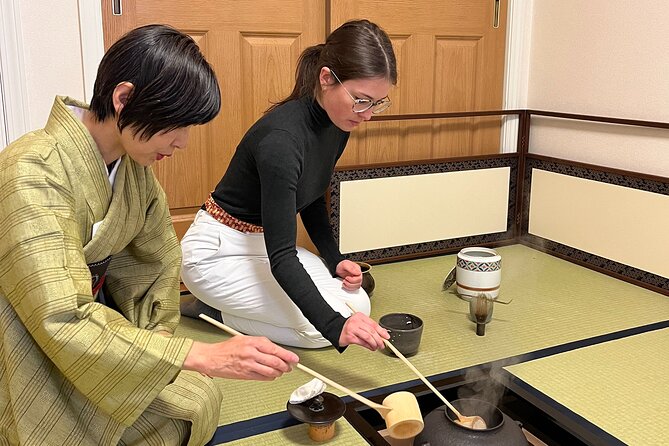
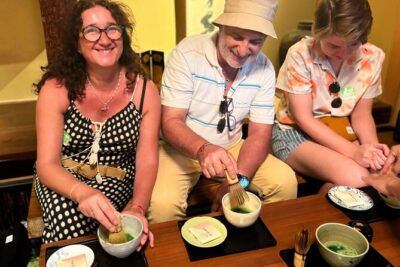
After watching, you get to try it. You can mix the matcha yourself and you will drink two cups of matcha that you make. That is key for value, because you are learning a skill, not just tasting.
If you are the type who likes to participate, you will probably feel the momentum here. You get to compare the tea master’s approach with your own, and you see how small steps influence the drink.
Wagashi by the season: what you might eat and why it matters
Wagashi is not an afterthought in this workshop. You are explicitly eating it as part of learning what it means to be a guest at a tea ceremony. The tea master chooses the kind based on the season, so the sweets are tied to time of year, not only to flavor.
Examples listed include:
- Nerikiri
- Gyuhi (mochi)
- Manju
You might not know what these all are before you go, and that is fine. The best part is that you get to taste them in context, right alongside the tea ritual.
Vegan and gluten-free friendly snacks
The included snacks are described as good even for vegan and gluten-free. That is a big help for planning, because Japanese sweets can be tricky with ingredients. Still, if you have strong dietary restrictions, I suggest messaging the provider in advance so you do not walk in guessing.
How to approach wagashi so you actually enjoy it
Wagashi is often designed to be eaten slowly. For most people, that means taking a small bite, tasting it, and letting the sweetness and texture land before switching to the matcha. In this workshop flow, the wagashi is timed into the ceremony, so you can follow the order without overthinking it.
If you usually go for savory snacks, lean into the texture differences. Nerikiri and mochi-style sweets can feel very different in the mouth, and that contrast is part of the cultural experience.
Tea ceremony history and questions: what you gain beyond matcha
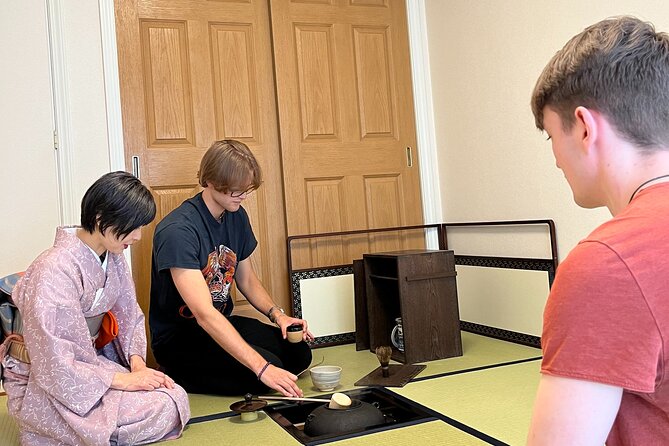
The tea master also shares the history of Japanese tea ceremony and gives you time to ask questions. This is where the workshop becomes more than a food activity.
Tea ceremony history can be dry if it is delivered like a lecture. Here, it is presented inside the learning process, which makes it easier to connect facts to what you are doing with the tools and the motions.
Ask about what you noticed. For example:
- Why the charcoal step is used, or what it changes about the water heating ritual
- What the tea master watches for when forming the matcha
- How seasonal wagashi selection fits into the guest experience
Based on the positive feedback, the conversation aspect is a big part of what people love, especially the friendly chat with the Kono Family. If you enjoy questions and casual back-and-forth, you will probably leave feeling like you met someone, not just a teacher.
Price and value: is $52.71 fair for this 1.5-hour private class?
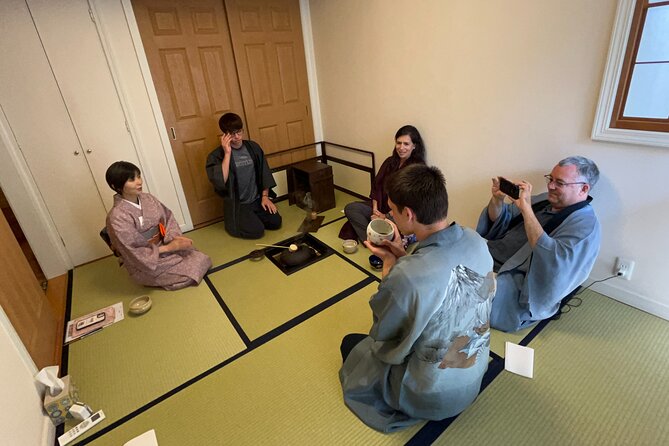
At $52.71 per person for about 1.5 hours, this is priced like a small, personal workshop with real instruction, not a tasting-only event. The value gets stronger when you consider what is included:
- Matcha and wagashi (with notes that the snacks work for vegan and gluten-free)
- You make matcha and drink two cups
- You get the charcoal procedure component
- A tea master with decades of practice teaches the steps
- Your group participates privately
Also, it is usually booked about 38 days in advance on average. That suggests the dates do fill up, so if you want a specific day, plan earlier rather than later.
How I judge the value for you
I think the value holds if you want participation plus context. If you only want a quick taste and photos, you might feel it is longer than what you expected. But if you want to learn how to be a guest, follow the ritual steps, and come away with something you can repeat, this price makes sense.
Where to fit it into your Yokohama and Tokyo plans
This experience is based in Yokohama, in the Aoba Ward area, and the meeting point is at Ōbachō in the Dorece Azamino Gardens area. It is described as near public transportation, so it should be doable as a part of a day trip without major hassle.
A practical pairing: Yokohama Ramen Museum
If you are already planning around Azamino, this pairs nicely with a dinner or earlier lunch plan. The info mentions Yokohama Ramen Museum around Azamino, and notes it is about 15 minutes by Yokohama subway from Azamino Station to Shinyokohama, the closest Shinyokohama station for access.
Tea first, then ramen can work well because tea ceremony is calm and slow, while ramen gives you the fun, casual payoff afterward. Just remember you will likely want a light, comfortable meal after tasting sweets and drinking matcha.
Pickup and mobile ticket, if you need them
Pickup is offered, and you also receive a mobile ticket. That is useful if you do not want to juggle transit timing. Still, even with pickup options, bring your socks and plan to be ready for tatami rules.
Who should book this tea ceremony workshop?
This is a great fit if you:
- Want a genuine cultural activity in a real home setting
- Like hands-on learning, especially whisking matcha yourself
- Appreciate seasonal food details, not just generic tastings
- Prefer small groups and private instruction
- Enjoy talking with your host and asking questions
It may be less ideal if you want something fast and high-energy. This class is designed for calm attention, and you should go into it expecting a gentle pace.
Should you book it? My take
If you want matcha and wagashi, sure, you could find that anywhere. The difference here is the combination of private-home teaching, the charcoal procedure, and the fact that you get to make matcha and drink two cups.
Book this if your goal is to understand how guests behave in the tea room, not just to sample sweets. If that sounds like your kind of cultural travel, this Yokohama workshop is an easy yes.
If you are on the fence, ask yourself one question: Do you want to participate, or do you only want a quick tasting? This experience is built for participation.
FAQ
How long is the Japanese tea ceremony workshop?
It is about 1 hour 30 minutes.
Is pickup available?
Yes, pickup is offered.
What is included in the price?
The included items are matcha (green tea) and wagashi (hand made Japanese sweets). The snacks are described as good even for vegan and gluten free.
What do I need to bring?
Please bring socks to enter the tatami room.
Is this a private tour?
Yes. It is a private tour or activity, and only your group participates.
Will I make and drink matcha?
Yes. After watching the demonstration, you can try mixing the matcha yourself and you will drink 2 cups of matcha.
Can I cancel for a full refund?
You can cancel for a full refund if you cancel at least 24 hours before the experience start time. Free cancellation is available up to 24 hours in advance.
Latest write-ups near Yokohama
- Yokohama Half Day Tour with a Local Expert Guide★ 4.0 · 20 reviews
- Yokohama Private Food Tours with a Local: 100% Personalized★ 4.5 · 21 reviews
- Yokohama Private Tour with a Local: Highlights & Hidden Gems★ 4.5 · 21 reviews
- Yokohama Private Tour★ 5.0 · 21 reviews
- Yokohama Full Day Tour with a Local Expert Guide★ 4.3 · 23 reviews
- Yokohama and Kamakura 6hr Private Trip Government-Licensed Guide★ 5.0 · 25 reviews
- Tokyo Full Day Tour with Licensed Guide and Vehicle from Yokohama★ 5.0 · 26 reviews
- Daikoku & Tokyo JDM Night Tour in R34 or TopSecret R35 GT-R★ 4.8 · 27 reviews
Tea Ceremonies, compared.
Tea Ceremony in a Traditional Tea House in Kiyomizu
Read our review →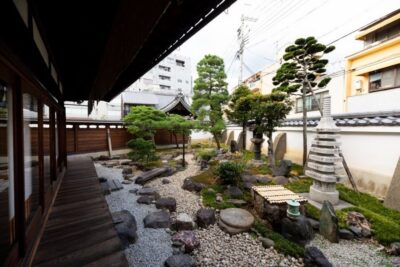
World Heritage Kyoto & Nara Uji Authentic Matcha Experience
Read our review →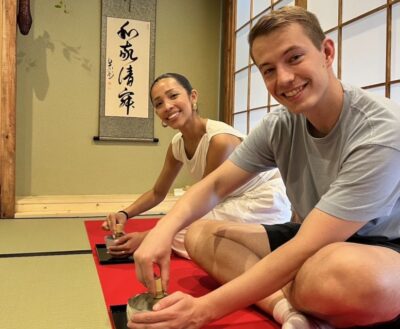
Browse the lists this tour appears in