
Reviewed · DINING EXPERIENCES IN TOKYO
Tokyo: Traditional Japanese Performing Arts Show and Dinner
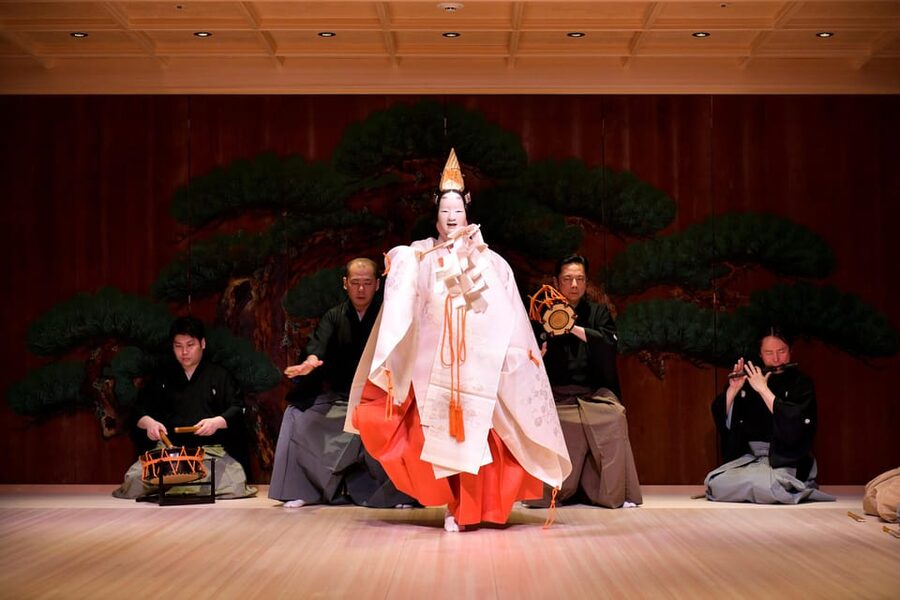
Tokyo has plenty of dinners. What makes this one different is that you watch traditional Japanese performing arts right where you eat, in a restaurant built for atmosphere, not just efficiency. You start in an old Tokyo setting, then settle into a Noh-style stage setup with short performance breaks timed around a full course meal.
I especially like the way the show feels close and intentional. You get a few mini performances across your meal, not one long block that drags, and the pacing helps the dinner stay relaxed. I also love the food approach, a seasonal omakase-style full course that’s served thoughtfully, with clear attention to presentation.
The main drawback to weigh is that this is not a quick, kid-friendly stop. The whole experience runs about 2 to 3 hours, and the menu can be challenging if you avoid seafood or have strict dietary needs unless you tell the restaurant in advance.
Key things to know before you go
- Hidden-in-plain-sight location: Enter near Fukutoku Garden, then find the SUIGIAN stairs and basement setting.
- Kagura or Nihon-buyo depending on the date: Pick your night based on which show schedule matches your travel days.
- Three short performances: Each segment runs about 10 minutes, designed to fit between courses.
- Noh-style stage, close seating: You choose from four seat options to watch up close.
- Seasonal kaiseki course structure: Appetizers, seasonal platters, soup, grilled Japanese beef, rice, and dessert.
- Food and service with an English-friendly touch: Explanations are part of the experience.
Stepping into SUIGIAN, down from Fukutoku Garden
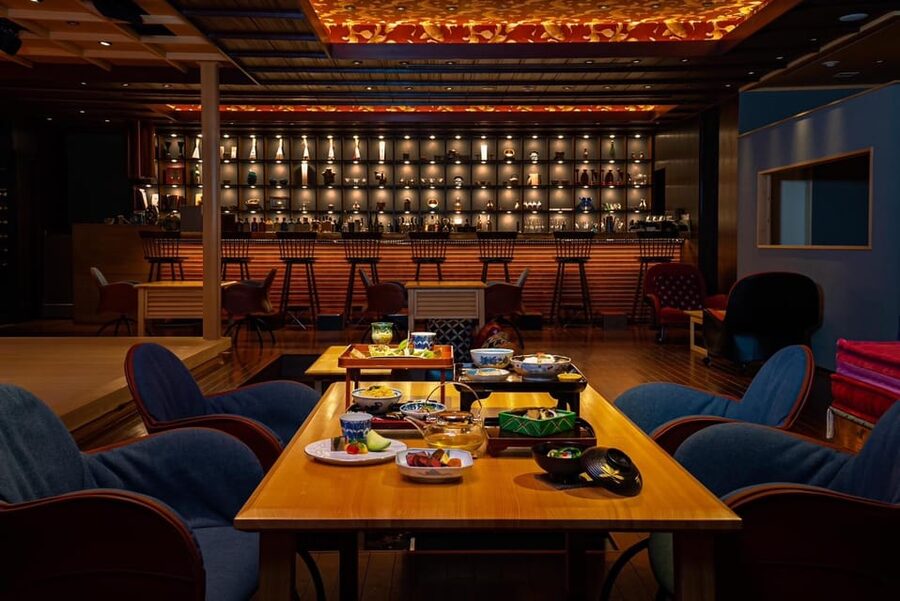
I like experiences that feel like a place, not a performance shoved into a random restaurant. SUIGIAN sits in the Nihonbashi area, in Fukutoku Garden, and you reach it by going down into the restaurant space located at Fukutoku Garden B1F. The approach is part of the charm. The listing describes the entry as at the bottom of stairs leading under a forest of the historic Fukutoku Shrine, and once you’re inside, it’s all about atmosphere and calm.
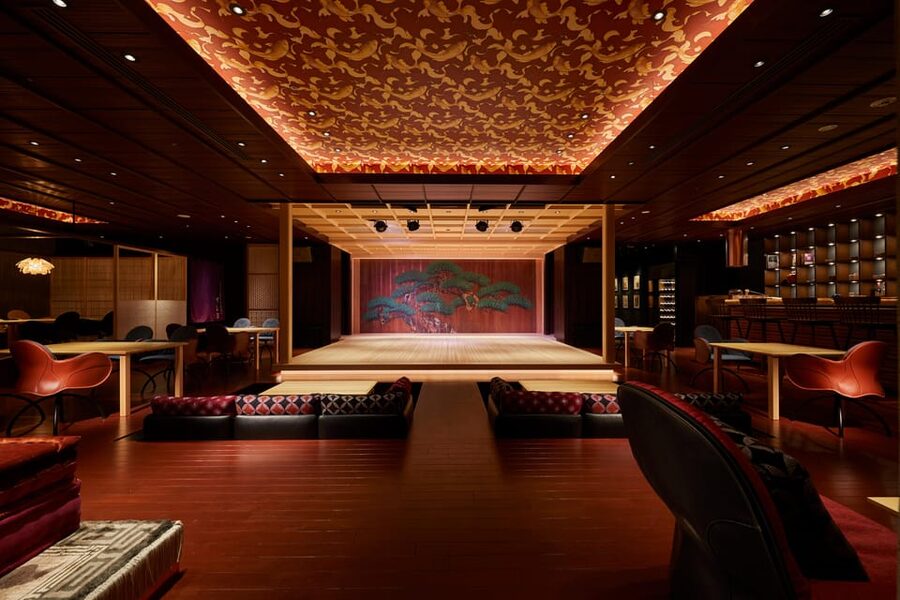
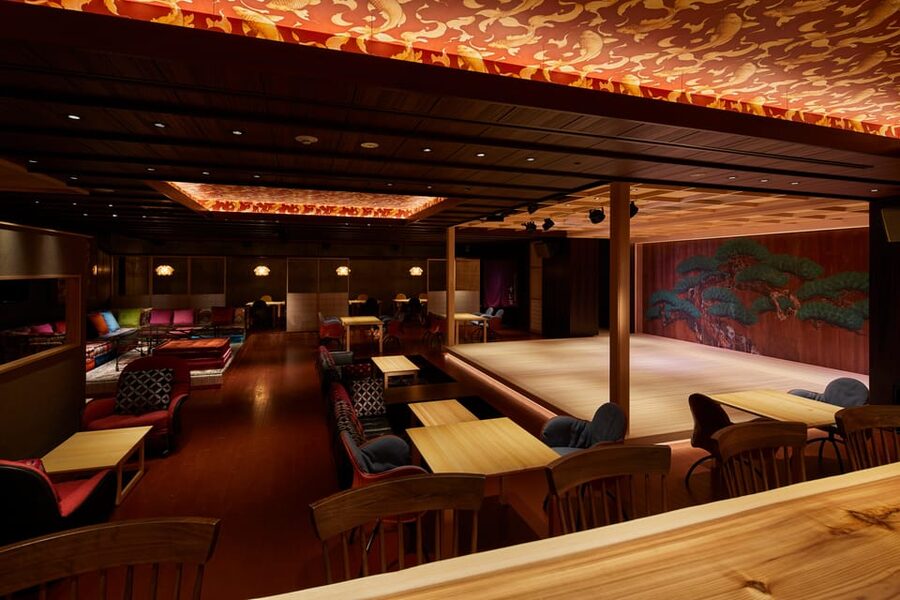
The venue itself matters because it frames how you enjoy the show. Instead of thinking of this as dinner plus entertainment from the back of the room, it feels like you’re in a curated theater space with dining integrated into the rhythm. The stage setup is Noh style, with a backdrop depicting an old pine tree, which gives the performances a traditional visual context even before a dancer takes the floor.
You’re also in a central part of Tokyo, so this doesn’t require a long trek out to the outskirts. As a practical matter, the easiest public transit option is Tokyo Metro Ginza Line or Hanzomon Line to Mitsukoshi-mae Station (Exit A6), about a 1-minute walk to Coredo Muromachi 2 B1F. If you’re closer to Tokyo Station, it’s roughly a 10-minute walk from Nihombashiguch Exit. That means you can plan this as a special evening without sacrificing your daytime sightseeing.
More Dining Experiences in Tokyo
- Tokyo Bar Hopping Tour in Shinjuku (All-You-Can-Drink + Dinner)
★ 5.0 · 3,587 reviews - Tokyo: Sumo Show and Dining Experience
★ 4.8 · 2,742 reviews - Tokyo: Samurai Restaurant Show Ticket with 2 Drinks
★ 4.5 · 1,307 reviews
Kagura vs Nihon-buyo: choosing the right night for the show
One of the most useful things you can do here is plan your date with the performance in mind. The show changes depending on the day, and the schedule is clear.
On specific dates, you’ll get kagura, described as ancient Shinto music and dance. The listing gives these exact dates:
- February 5 (Thu), 10 (Tue), 17 (Tue), 25 (Wed)
- March 10 (Tue), 17 (Tue), 24 (Tue)
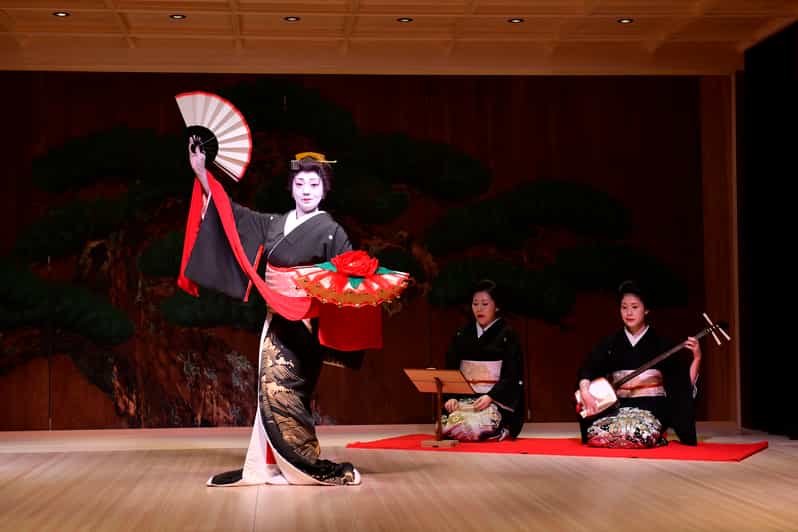
On other February and March dates, the regular performance is Nihon-buyo, a traditional Japanese dance.
In both cases, the structure is similar: you get three performances of about 10 minutes each, built into the dinner flow. That helps you avoid the trap of expecting a full-length theater show. This is more like cultural chapters between courses. If you’re the type who likes to sample without sitting for hours in one posture, that works in your favor.
If you’re excited by Shinto ritual or religious-influenced dance, aim for kagura nights. If you want traditional stage dance with a more mainstream performance feel, choose Nihon-buyo dates. Either way, the format is designed to be approachable even if you don’t read Japanese arts history.
Noh-style stage and four seat options you’ll actually care about
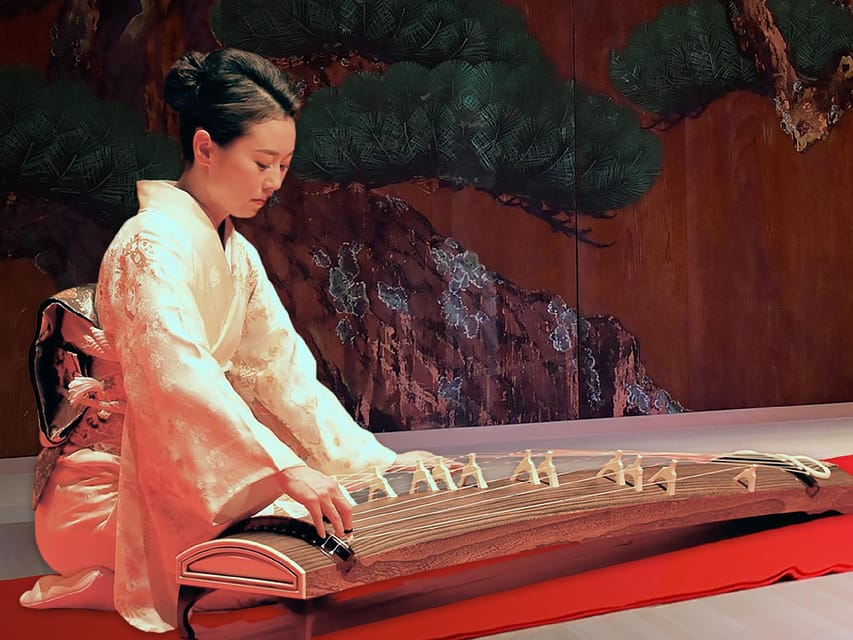
What you choose for seating can change the whole vibe. SUIGIAN offers four different seat options, and the big value is that the stage is close. The show is set up like Noh theater, with a dedicated stage space and a backdrop that supports the mood. That close proximity is a repeat theme in the experience accounts: people appreciate being able to see everything clearly.
When you’re near the stage, you notice small details: movement, costume cues, and how the performers project presence. If you’re taking photos, this closeness also helps you capture something more than a distant blur. A commemorative photo with the performers is included, so your seating choice can affect how easy it is to look natural in that moment.
Practical note: because this is a performance integrated with dinner, you’ll want to pick seats that match your comfort. If you don’t like turning your head constantly, choose options that keep the stage direction consistent. The listing says you’ll be assigned seats based on the option you select, so there’s no “maybe they’ll seat us right” uncertainty.
Your 2 to 3 hour evening: how the dinner and performances fit together
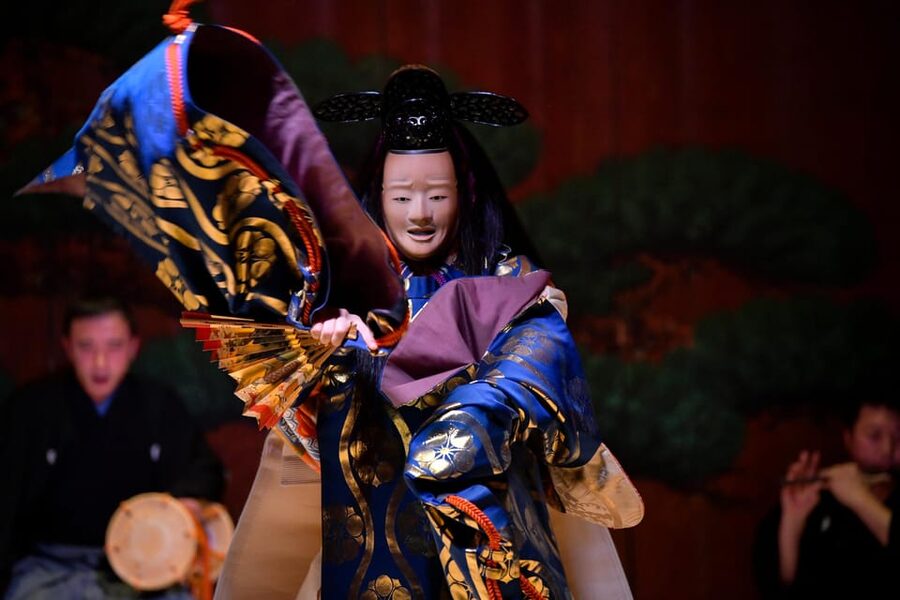
I like the timing here because it respects your evening energy. The whole event is designed to take about 2 to 3 hours, and the restaurant spaces out the experience instead of rushing you through. Dinner is a full-course meal, so expect time for multiple plates and courses. Then, instead of interrupting you with long shows, the performance segments appear in short bursts across the meal.
The structure, as described, usually follows a themed seasonal omakase-style course pattern. The listing doesn’t give a literal minute-by-minute schedule, but it does explain what matters: the courses come as part of a slow dining rhythm, and between them you get short traditional performances.
Reviews also underline that the serving pace is gentle and deliberate. That matters if you’re used to Japanese restaurants where courses flow fast. This one leans more toward relaxation, which is great if you want to end a packed Tokyo day calmly. The best match is an evening you’ve kept open on purpose, not one where you’re racing to another reservation.
A change of pace from Tokyo:
- Mt Fuji and Hakone 1-Day Bus Tour Return by Bullet Train
★ 5.0 · 26,383 reviews - 1-Day Tokyo Bus Tour
★ 5.0 · 14,250 reviews - Tokyo: TOKYO SKYTREE® Admission ticket
★ 4.5 · 11,192 reviews - Tokyo: teamLab Planets TOKYO Digital Art Museum Entry Ticket
★ 4.6 · 9,779 reviews
What you’ll eat: seasonal kaiseki, bonito broth, and grilled Japanese beef
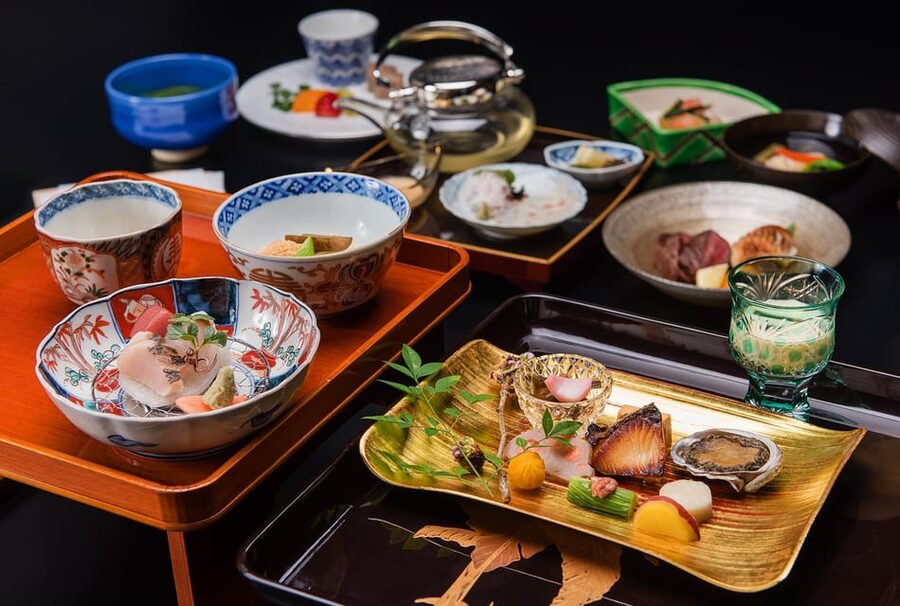
This is where the experience earns its keep. The dinner is described as a full-course authentic Japanese meal made with fresh ingredients and bonito broth. In general, the full-course meal includes:
- an appetizer
- a first seasonal platter
- soup
- a later seasonal platter
- a grilled dish (Japanese beef)
- rice
- dessert for the day
It’s themed by season. That seasonal logic is one of the reasons kaiseki works so well as a cultural experience, even for first-timers. You’re not just eating “Japanese food,” you’re tasting a structured menu that shifts across the year.
Also, pay attention to the way the restaurant frames the presentation. The listing notes that the trays and dishes boast a history of more than 350 years in Nagasaki, inherited by SUIGIAN from another Japanese restaurant. That detail is more than trivia. It helps explain why the plating feels intentional and why you’ll likely notice the table setting as part of the show.
From the information provided, dessert ends the meal with matcha green tea and dry sweets. That closing combination is classic and fits the slower, ceremonial tone of the evening.
Two practical considerations:
1) If you avoid seafood or have strong dislikes, you’ll want to decide if this menu style will work for you. The provided information emphasizes bonito broth and a seafood-forward feel in at least one account, and the course includes soup plus multiple seasonal elements.
2) If you have allergies or vegetarian needs, you must communicate them in advance when making your reservation. Because it’s a seasonal omakase-style course, special requests may not be accommodated if you ask after arrival.
Cuisine served with care: comfort, luxury, and thoughtful explanations
SUIGIAN positions itself as a place to slow down and enjoy. The highlight list promises comfort and luxury with the seat choices, and the experience account adds that staff are attentive and kind. If you’re hoping for staff who can explain what’s on your plate, there’s support for that too. One account calls out English-language explanations of both food and performances, which is a big help if you want meaning, not just aesthetics.
Here’s what that means for you in practical terms: you can order the “traditional” experience while still feeling oriented. Instead of guessing what each course is supposed to be, you can connect it to the performance pieces and the seasonal theme.
Pacing matters for the emotional side of this meal. When courses are served at a relaxed rhythm, you’re less likely to feel like you’re eating to keep up. You get time to look at the artistry of the dishes and to watch the performance segments without feeling rushed.
Drinks, photos, and the small moments that make it feel complete
The listing calls out a commemorative photo with the performers. That’s a straightforward souvenir, but it also gives the evening a sense of closure. It’s the kind of memory that’s better than just a table shot, especially in a venue where the stage and décor make photos meaningful.
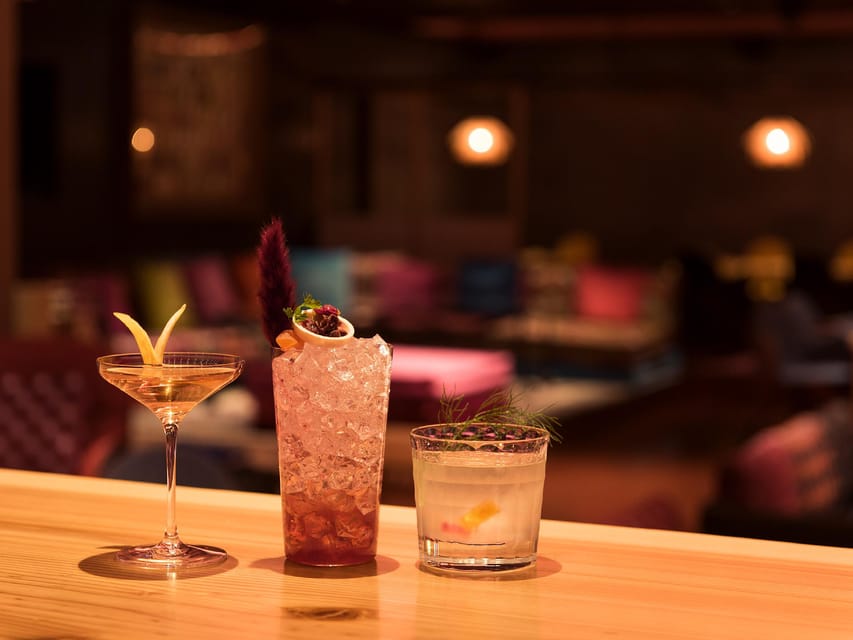
On drinks, the provided information does not state that a full bar package or alcohol is included with the meal. One account notes that no drinks other than water were included. So if you want sake, beer, or cocktails, plan to pay for those separately.
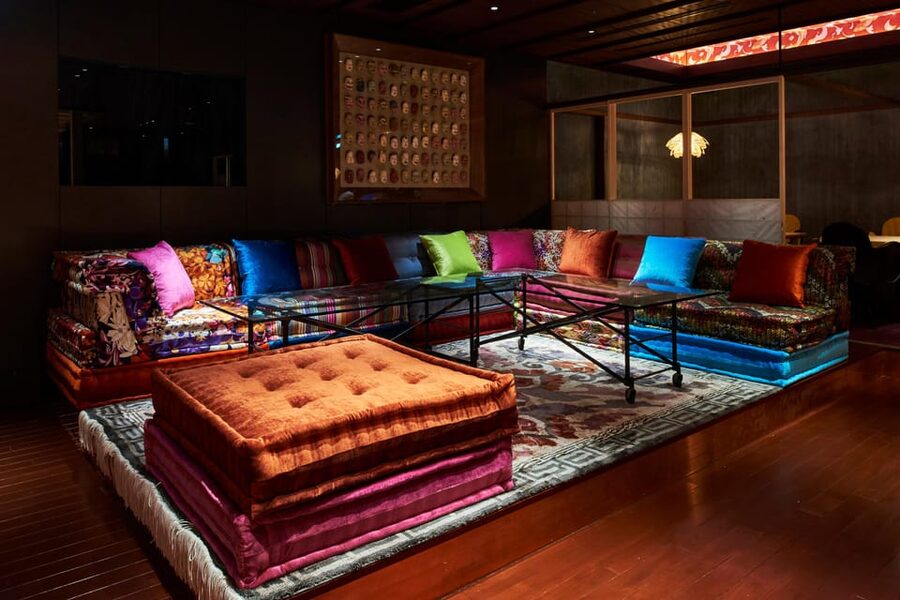
There’s also a décor-and-setting factor. SUIGIAN’s restaurant design is described in terms of Japanese tradition, with a Noh-style stage visual. One account compares the interior feel to a museum. Even if you’re not a décor person, that helps explain why this doesn’t feel like a generic dinner show.
Finally, consider the child age guidance. The listing says it’s not suitable for children under 10. That makes sense with the pace and the cultural format, and it usually means the room is calmer and better aligned with adult attention.
Price and value check for Tokyo: what $140 buys you here
Let’s talk money in a real way. The price is listed at $140 per group (up to 1), which can read confusingly depending on how your booking platform structures groups. The key value question is what you get for that spend.
You’re paying for three things at once:
- A full-course seasonal Japanese dinner built as an omakase-style sequence
- Traditional performing arts delivered as three short segments during the meal
- A seat assignment designed to bring you closer to the stage
In Tokyo terms, combining food plus cultural entertainment usually pushes you into the higher end of pricing. Here, the dinner is not a small snack plate. It’s described as a multi-course kaiseki meal with soup, multiple seasonal platters, grilled Japanese beef, rice, and dessert. Add the stage setting and close seating, and the cost starts to feel like you’re buying access to a specific kind of evening.
If you already planned to eat kaiseki at a specialty venue, this can be a clever way to fold in performance without adding a separate theater ticket. If your goal is only a quick meal or a flexible casual dinner, the time commitment and price might feel heavy.
Think of it as an occasion meal. Not everyday Tokyo.
Who this fits best, and who should skip it
This experience fits best if you want a structured, cultural evening with both food and art. It’s ideal for:
- couples looking for a special night that’s not a loud city bar
- first-time Japan food lovers who want a proper course flow
- people who enjoy Japanese performing arts, even if they are new to terms like kagura and Nihon-buyo
- anyone who prefers a relaxed pace over a rush
You might skip it if:
- you need a quick dinner stop, because the event runs 2 to 3 hours
- you’re traveling with kids under 10
- you have strict dietary restrictions and can’t or won’t notify the restaurant in advance
- you don’t like seafood flavors, since bonito broth and multiple course elements can lean that way
If you’re celebrating a birthday or anniversary, the photo and the careful service style can make it feel more personal.
Also, consider language comfort. The provided information includes English-language explanations, which helps a lot. If you want to understand what you’re eating and watching, this is a strong match.
Getting there smoothly: simple transit routes to SUIGIAN
No matter how good the show is, you want an easy arrival. From Mitsukoshi-mae Station on the Tokyo Metro Ginza Line or Hanzomon Line, Exit A6 gets you close. Walk about one minute and arrive at Coredo Muromachi 2 B1F.
If you’re coming from Shin-Nihonbashi Station on the JR Sobu line rapid, it’s about a 6-minute walk. From JR Tokyo Station, it’s about a 10-minute walk from Nihombashiguch Exit.
Taxi is also simple, roughly a 6-minute ride from Tokyo Station with an approximate fare of ¥600, based on the provided information.
One note I’d take seriously: the restaurant is described as hidden under the garden area. If you like walking with confidence, plan a few extra minutes to orient yourself before your reserved time.
Should you book this SUIGIAN dinner show?
I’d book it if you want a real cultural evening with real food, in a venue that’s built for atmosphere. The combination of seasonal kaiseki, a Noh-style stage, and three short performances makes this feel like more than a dinner add-on. You’ll likely come away with both a full stomach and something you can explain at home.
I wouldn’t book it if you need speed, if you’re traveling with young kids, or if your diet is so restrictive that you cannot provide advance details. Also, if you’re looking for a long, uninterrupted theater performance, this won’t be that. It’s short segments that fit between courses.
If your schedule works and you’re in the mood for an occasion meal, this is one of those Tokyo experiences that turns an evening into a story, not just a reservation.
FAQ
Where is SUIGIAN located in Tokyo?
SUIGIAN is at Fukutoku Garden B1F, 2-5-10 Nihonbashi Muromachi, Chuo-ku, Tokyo, 103-0022.
How long does the experience take?
The duration is about 2 to 3 hours.
What performances are offered, and does it change by date?
Depending on the day, you may see kagura (on listed February and March dates) or Nihon-buyo (on other days in February and March). Either way, there are three performances of about 10 minutes each.
What is included with the ticket price?
You get a Japanese full-course dinner, a traditional Japanese performing arts show, and a seat assignment based on the option you select.
Is the seating close to the stage?
Yes. You choose from four seat options, and the setup is designed for a close view of the stage.
What does the dinner include?
The meal is a seasonal full-course omakase-style format, typically including an appetizer, seasonal platters, soup, later seasonal platter, grilled Japanese beef, rice, and dessert, plus matcha green tea and dry sweets.
Can the restaurant accommodate allergies or vegetarian needs?
You should inform the restaurant in advance when making your reservation if you have allergies, vegetarian restrictions, or other dietary needs. Special requests may not be possible if you wait until after you arrive.
Is this activity suitable for children?
No. It is not suitable for children under 10.
Is SUIGIAN wheelchair accessible?
Yes, the experience is listed as wheelchair accessible.
Latest write-ups near Tokyo
- Tokyo Customized Private Tour: See Top Attractions in 1 Day★ 4.8 · 67 reviews
- From Tokyo: Top 5 Scenic Spots of Mount Fuji Full-Day Tour★ 4.5 · 67 reviews
- Traditional Japanese Music ZAKURO SHOW in Tokyo★ 5.0 · 67 reviews
- Tokyo: Shinjuku Izakaya and Golden Gai Bar Hopping Tour (2h)★ 4.9 · 67 reviews
- Tsukiji: Unlimited Sake Tasting Experience★ 4.9 · 67 reviews
- Private Harajuku Omotesando Architecture Walking Tour★ 5.0 · 67 reviews
- Samurai Ninja Museum Asakusa: Kid-Friendly Ninja Training★ 4.7 · 67 reviews
- Tokyo: Not a show- a professional sumo practice with experts★ 4.9 · 67 reviews
Dining Experiences in Tokyo, compared.

Tokyo Bar Hopping Tour in Shinjuku (All-You-Can-Drink + Dinner)
Read our review →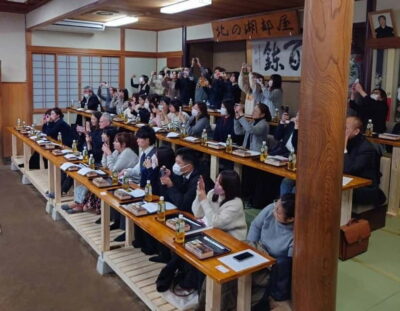
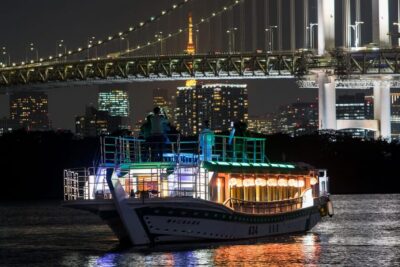
Sumida River: Japanese Traditional Yakatabune Dinner Cruise
Read our review →
Tokyo Bay Yakatabune Dinner/Day Cruise with Japan Show and Drinks
Read our review →
Shinjuku Bar Hopping with All-You-Can-Drink & Dinner
Read our review →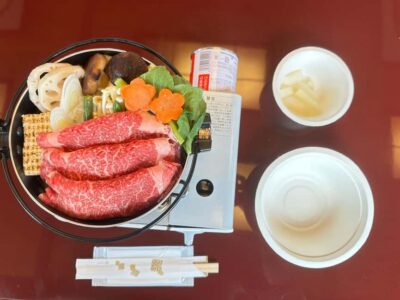
Tokyo Dinner Cruise & Tradition Show & Drinks & Tokyo Tower
Read our review →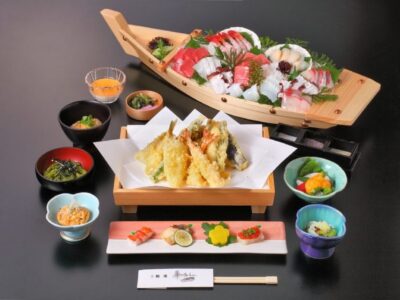
Tokyo Bay: Traditional Japanese Yakatabune Dinner Cruise
Read our review →Browse the lists this tour appears in