
Reviewed · SUMO EXPERIENCES
Tokyo Ryogoku Sumo Morning Practice + Photo Shoot with Wrestlers
Tokyo’s Ryogoku sumo morning practice is interesting because it shows you wrestlers in real daily training, not a tourist show. I like the unstaged closeness of watching technique and intensity up close, and I also appreciate that the experience includes tour photos so you’re not stuck with only your own shots.
I also like how you’re guided through the morning with a visible meeting point at Ryogoku JR Station East Exit, and the group stays small (max 7). One consideration: the stable can be strict about rules, and it can also limit what you’re allowed to photograph, plus schedules can shift last minute.
Key highlights that make this tour worth your morning
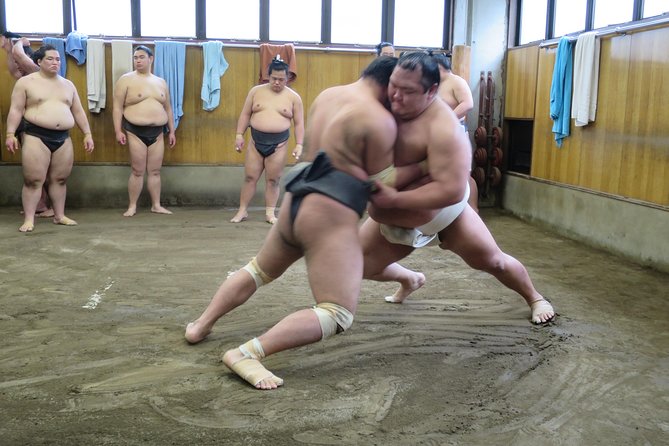
- Unstaged sumo practice access: you watch the training in a stable setting with real constraints and real discipline
- Tour photos are included, but stable permission can still affect what you can take yourself
- Small group size (max 7), which helps you actually hear the guide and follow the flow
- Easy Ryogoku meeting point: look for the red/orange MagicalTrip board at the JR East Exit
- Ryogoku sumo-town add-on: a short guided look around Ryogoku Kokugikan
- Floor seating on tatami: plan for an active, low-comfort stretch of sitting
Finding the stable: Ryogoku JR East Exit and the “MagicalTrip” board
Your morning starts at 8:00 am at Re.Ra.Ku Ryōgoku Ekimae, right by JR Ryogoku Station’s East Exit. Your guide will be holding a red/orange MagicalTrip sign, which matters because there are two Ryogoku stations, and you do not want the Ryogoku Oedo Line Station.
This is one of those tours where “close to transit” actually helps. You’re not wrestling with complicated transfers, and once you’re standing in the right spot, the guide should be easy to spot. Still, I’d give yourself a little buffer, because the tour has a strict start time, and you can miss your slot if you’re late by more than 15 minutes.
Then you’ll walk to a sumo stable. The timing can vary a lot, roughly 5 to 30 minutes, depending on which stable is available that day. Translation: wear shoes you can move in, even if you start the morning expecting to sit for most of the experience.
More Photoshoots in Tokyo
- Tokyo Sumo Morning Practice Tour w/ Ring-Side Seat + Photo Shoot
★ 5.0 · 93 reviews - Tour with Pro Tokyo Photographer and take Edgy Unique Portraits
★ 5.0 · 80 reviews - Tokyo Asakusa: Miu Kimono Rental and Optional Photoshoot
★ 4.9 · 54 reviews
The sumo stable visit: what you’ll actually watch (and what you must follow)
This is the main event, with about 1 hour 30 minutes inside the stable, and your admission is included. You’ll enter the stable together with your local guide and watch training up close. It’s not a “look, pose, smile” setup. It’s a working environment, and you’ll feel that immediately in the pace and the rules.
One thing I love about this kind of practice tour is the clarity it gives you. You can see that sumo training is not just physical work. From what guides explain and what you’re observing, you get a sense of order, hierarchy, and the discipline required to prepare for tournaments.
A big practical point: stables can be off-limits in many areas. You can only stay in areas allowed for guests, and the data specifically notes tatami (straw flooring) areas as the permitted zone. That means you should be ready for a setup where you see the action, but you do not wander. Stay where you’re directed and you’ll have a smoother time.
You’ll also want to remember that the stable can adjust the schedule at the last minute based on wrestler condition and tournament timing. If the practice is suddenly changed or canceled by the stable, the tour can be fully refunded. That uncertainty is part of experiencing an authentic, schedule-driven sport setting in Japan.
Sitting on tatami: how comfort and rules shape the experience
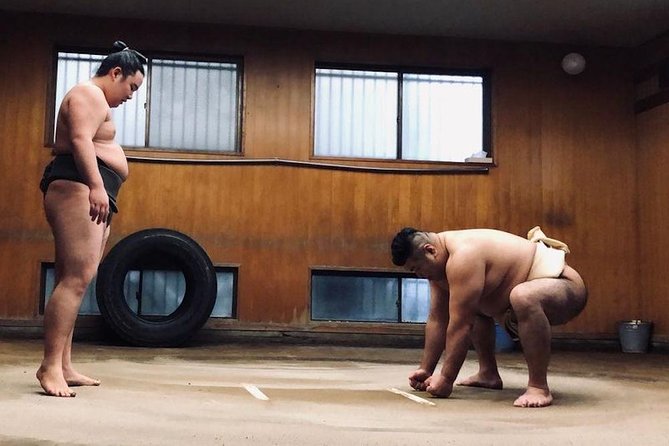
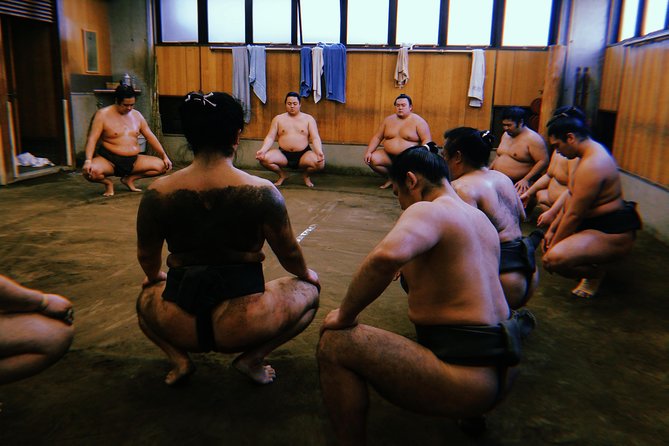
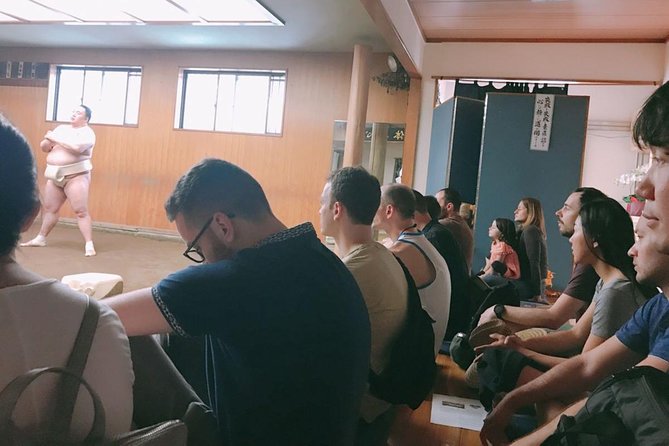
Most stables in this area do not offer chairs, so you should expect to sit on the floor for the duration of the practice. Some practical notes are pretty blunt for a reason: you may not be allowed to go to the toilet during practice, so use the restroom before you start.
Also, because stables often do not have chairs, your body becomes part of the logistics. Bring patience and consider a plan for your knees and lower back. If you know you struggle with long floor sitting, this is the moment to prep mentally, not later.
Seating is also part of the day’s quality. Seating is first come, first served, and late arrivals within the tour can end up a few rows back. The upside is you’re still close enough to see the training details. The downside is that your view can be slightly affected if you’re not among the first seated.
And during practice, you should expect quiet, because stable rules can be strict. One review specifically called out restrictions on talking during morning practice. So if you’re hoping to chat through the session, you might be disappointed. Treat it like a front-row lesson in observation, not a sightseeing stroll.
Photo permissions and the reality of included photos
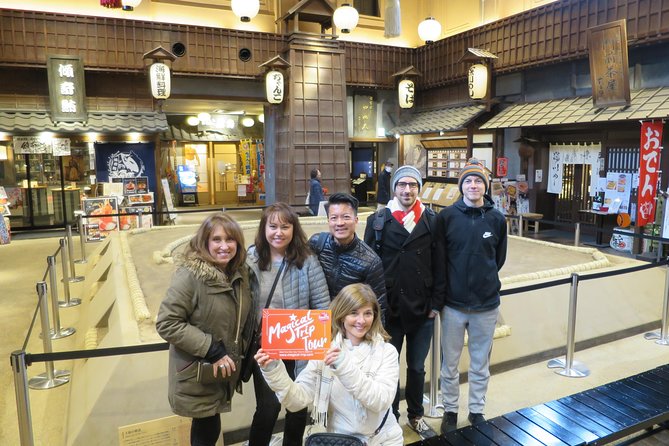
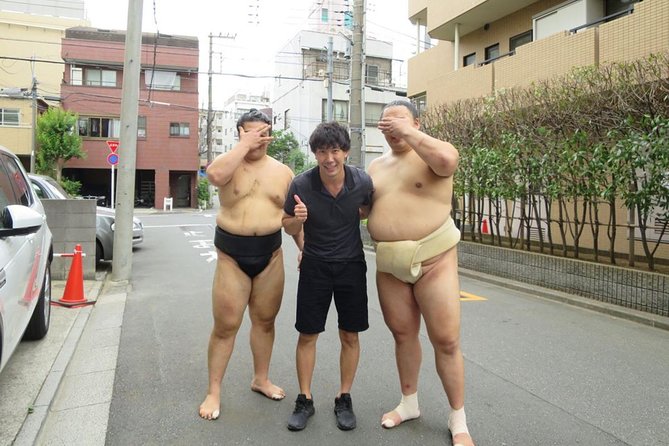
Tour photos are included, which is a real value point. However, stable rules can affect what you can photograph. The data is clear that the stable has the right to refuse guests taking photos of the wrestlers or photos with wrestlers.
That means you should treat your own camera plans as flexible. You can bring your phone and camera, but also be ready for the guide to tell you what is allowed that day. The “included photos” help fill the gaps when stable permissions are restrictive.
There’s another practical angle: timing. Photo opportunities, if allowed, often happen around the end of the practice rather than during the most focused training segments. So keep your attention on the guide, not on your camera settings. Getting the shot matters less than following the rules smoothly.
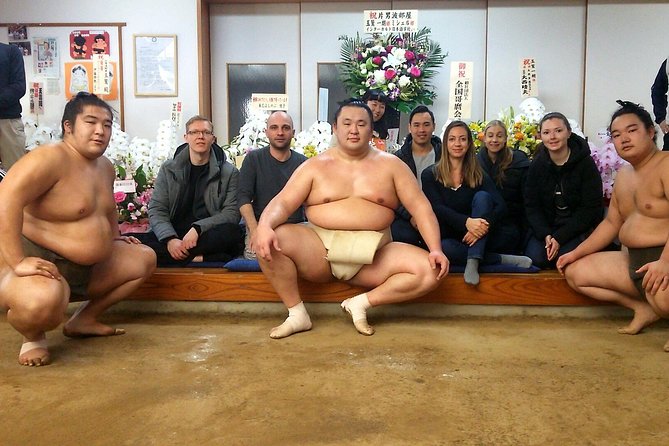
Finally, one review mentioned that a posed photo with wrestlers happened after practice ended, and wrestlers were friendly during that moment. Since permissions can vary by stable and day, think of it as possible, not guaranteed.
More Sumo Experiences in Tokyo:
- Tokyo: Sumo Show Experience with Chicken Hot Pot and a Photo
★ 4.8 · 6,678 reviews - Tokyo: Sumo Show and Dining Experience
★ 4.8 · 2,742 reviews - the SUMO show
★ 5.0 · 1,960 reviews - Tokyo Shinjuku Sumo Show & Experience with Photo
★ 5.0 · 1,750 reviews
Ryogoku Kokugikan: the short sumo town stop you should not skip
After the practice, you’ll head back toward Ryogoku, and the tour includes a brief stop at Ryogoku Kokugikan. This segment is only about 10 minutes with no admission ticket required, so it’s not a museum visit.
What it is, in practice, is a chance to orient yourself in sumo town. It helps connect what you just watched to the place where sumo culture lives day to day in Tokyo. Even as a short stop, it gives you a sense of where to look later if you want to see more.
Because it’s short, I treat this part like a quick orientation rather than a separate attraction. If you want big, structured sightseeing, you’ll need to plan other activities on your own after the tour.
Guide impact: what great explanations add to the close-up training
This tour is tightly tied to schedules, rules, and what a stable allows. So the guide matters more than you might expect. In the feedback you shared, guide names came up often, including Mayu, Masao, Ayaka, and Yumiko.
When the guide is on point, you get context while you’re watching. Several descriptions praised guides for explaining how sumo works, the training routine, and details you would miss if you only watched with a tourist lens. One review also mentioned that additional notes helped during the session, which is exactly what helps you follow what you’re seeing.
But not every session will feel equally explanatory. Some people said they wanted more background on practice origins and the way of life. Another said the session felt a bit under-informational. That doesn’t mean the practice isn’t interesting. It means your expectations for talk time and teaching might need adjusting.
My advice: arrive curious, and ask your guide questions at the right moments. During the practice, quiet rules can limit conversation. But before and after, guides often have more room to explain what’s happening and why.
Price and value: is $98.16 reasonable for two hours in Tokyo?
$98.16 per person is not a bargain, but it also is not random pricing. You’re paying for access to a stable, a trained local guide, the short guided walk, and included tour photos. You’re also paying for timing. Morning sumo practice is not something most people can simply drop into.
The value gets best if you do two things:
1) You sit through the full practice without expecting constant commentary.
2) You show up ready to follow rules and stay where you’re directed.
What you should weigh on the cost side: if you end up with more limited photo opportunities, you still have the included photos to soften that disappointment. If the practice day runs later than estimated sometimes, you get extra time watching, but you should still be flexible with your broader morning schedule.
So yes, I think this price can be fair for the experience you’re getting. It’s a “real access” tour. If you only want a casual sightseeing moment, you might decide it’s too structured and too rule-heavy for the money.
Who this tour suits best (and who should think twice)
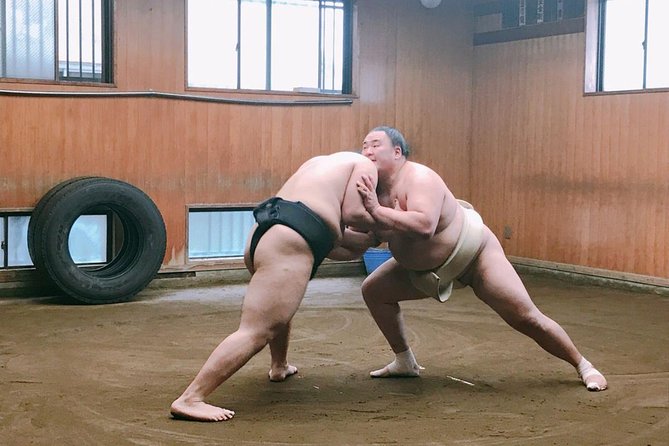
This is a strong choice if you’re a sumo fan, even a casual one. Being close to current athletes in a practice routine gives you a different understanding than a match day, and the sport’s intensity becomes visible in a way that’s hard to get from photos alone.
It’s also a good fit if you like cultural experiences that feel respectful and structured. Sumo stables can be strict about behavior, and this tour leans into that authenticity rather than trying to make everything comfortable for tourists.
Think twice if:
- You hate long floor seating and need chairs.
- You want lots of talk time and a full lecture style explanation.
- You cannot follow rules in quiet settings.
- You’re traveling with kids under 12, because those under 12 are not allowed inside the practice.
If you’re flexible, curious, and okay with a quiet, observant morning, you’ll likely get a lot out of it.
Should you book Tokyo Ryogoku Sumo Morning Practice?
Book it if your top priority is seeing real morning training in Japan’s sumo heartland, up close, with a guide who helps you make sense of what you’re watching. I’d especially recommend it for first-time sumo visitors who want more than a match day and who can handle floor seating.
Skip it if you expect constant storytelling, guaranteed photo freedom, or a highly comfortable experience. The stable controls the schedule and the rules, so your best day will come from going in calmly and with realistic expectations.
If you do book, show up early at the correct Ryogoku JR East Exit, plan your restroom stop before practice, and bring water for hot, humid weather in summer.
FAQ
Where do I meet the guide?
Meet your guide at Re.Ra.Ku Ryōgoku Ekimae at JR Ryogoku Station East Exit. The guide will hold a red/orange MagicalTrip board.
Which Ryogoku station should I use?
Use Ryogoku JR Station East Exit. Do not go to Ryogoku Oedo Line Station.
How long is the tour?
The tour is about 2 hours total. The sumo practice itself is about 1 hour 30 minutes, with a short stop at Ryogoku Kokugikan.
What’s included in the price?
Admission to the sumo stable is included, and tour photos are included. The Ryogoku Kokugikan stop does not require an admission ticket.
Are photos guaranteed during the practice?
Not always. The stable sets the rules and can refuse photos of the wrestlers or photos with the wrestlers, even though tour photos are included.
Can children join?
This tour is for age 12 and over. Guests under 12 are not allowed inside the sumo morning practice.
Do I need to bring anything?
Bring water, especially in hot and humid weather, and consider a hat. Wear clothing and shoes that work for walking and then sitting on the floor.
Will there be chairs?
Most stables do not offer chairs. You should expect to sit on the floor on tatami.
What if the stable cancels or changes the practice?
The stable can adjust the schedule last minute. If the practice is canceled due to sudden changes, you should receive a full refund shortly.
What if I’m late?
You must be on time. If you’re late by more than 15 minutes, you may not be able to join, and you would not receive a refund or reschedule.
Latest write-ups near Tokyo
- From Tokyo: Top 5 Scenic Spots of Mount Fuji Full-Day Tour★ 4.5 · 67 reviews
- Tokyo Customized Private Tour: See Top Attractions in 1 Day★ 4.8 · 67 reviews
- Traditional Japanese Music ZAKURO SHOW in Tokyo★ 5.0 · 67 reviews
- Tokyo: Shinjuku Izakaya and Golden Gai Bar Hopping Tour (2h)★ 4.9 · 67 reviews
- Tsukiji: Unlimited Sake Tasting Experience★ 4.9 · 67 reviews
- Samurai Ninja Museum Asakusa: Kid-Friendly Ninja Training★ 4.7 · 67 reviews
- Tokyo: Not a show- a professional sumo practice with experts★ 4.9 · 67 reviews
- Private Harajuku Omotesando Architecture Walking Tour★ 5.0 · 67 reviews
Sumo Experiences, compared.

Sumo Show Experience with Chicken Hot Pot and a Photo
Read our review →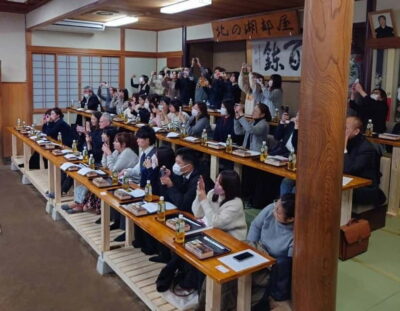
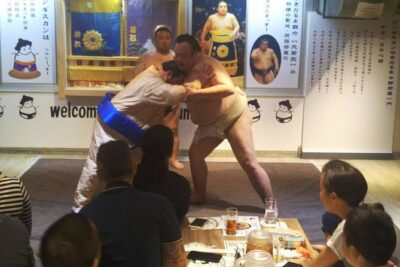
Tokyo Shinjuku Sumo Show & Experience with Photo
Read our review →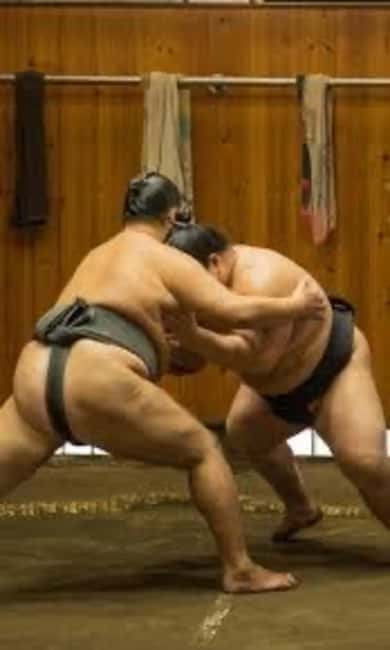
Sumo Show & Experience w/ Optional Kimono & Hot Pot
Read our review →
Authentic Sumo Experience in Tokyo: Enter the Sanctuary
Read our review →Browse the lists this tour appears in