
Reviewed · TEMPLE & SHRINE TOURS
Tokyo: Mt. Fuji, Owakudani, Hakone Shrine, & Open-Air Museum
Hakone in one day is interesting because it takes you from Tokyo city rhythm into volcanic steam and lake views without needing to plan connections. You get big visual variety, from sculpture gardens to geothermal valleys to the famous waterside torii setting.
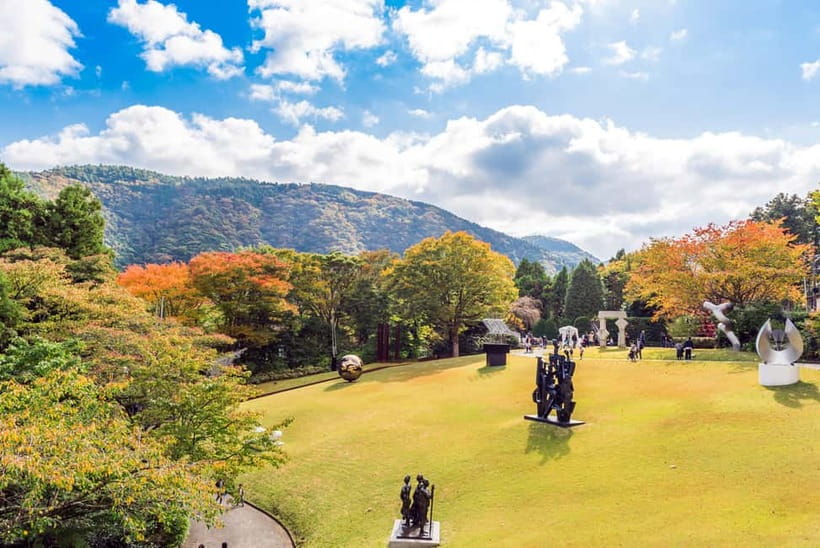
I especially like the Hakone Open-Air Museum for how art feels like part of the outdoors, with works by artists such as Henry Moore and Joan Miró. I also like that the route includes Owakudani, where you can see active volcanic activity that looks and smells unlike anything you’ll find in Tokyo.
The main drawback is that weather can play referee. If it’s cloudy or rainy, Mount Fuji views can fade, and optional add-ons like the Ropeway or Pirate Ship may be adjusted or not run.
Key things you’ll notice on this Hakone day tour
- Japan’s first open-air art museum, with sculpture gardens you can actually stroll through at your own pace
- Owakudani’s active volcanic valley, built for dramatic steam-and-sulfur geology
- Lake Ashi + Hakone Shrine, including the classic torii gate in the water for easy, iconic photos
- Guides who manage the day, often changing order to improve your chances for views
- Optional Ropeway and Pirate Ship, depending on conditions, so your plan stays flexible
A day trip that bundles Hakone art, volcanic scenery, and lake calm
Hakone is one of those places where the day doesn’t feel repetitive. You’re not just moving between viewpoints, you’re switching moods on purpose: art in open air, then the intensity of volcanic terrain, then a slower, quieter shrine moment by the water.
What makes this tour practical is that it ties together the big-hit stops that are otherwise time-consuming to string together yourself. With transportation handled and an English and Korean-speaking guide on board, you can focus on experiencing Hakone instead of juggling train changes and bus schedules.
It’s also a good fit for travelers who want a structured day, but still like breathing room. The stops are varied enough that even if you’re walking at a steady pace, you’ll still feel like you got something beyond a checklist.
More Museums in Tokyo
- Tokyo: teamLab Planets TOKYO Digital Art Museum Entry Ticket
★ 4.6 · 9,779 reviews - Tokyo: Samurai Ninja Museum Guided tour and Experience
★ 4.6 · 1,010 reviews - Ninja Experience (Family Friendly) at Samurai Ninja Museum TOKYO
★ 5.0 · 441 reviews
Hakone Open-Air Museum: where sculpture becomes part of the walk
Your day typically starts with the Hakone Open-Air Museum, and that order makes sense. When you arrive, you’re more likely to have energy for a longer stroll, and the museum is easiest to enjoy before the day gets hot or wet.
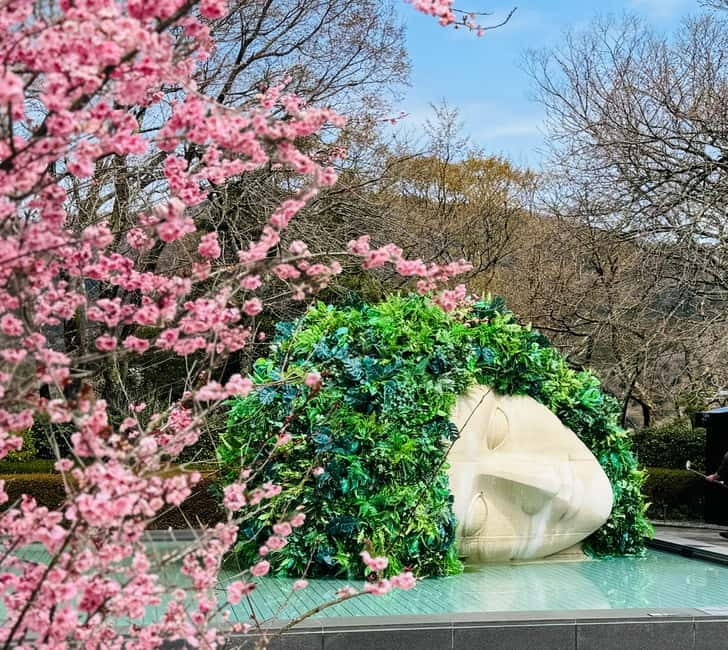
This museum is famous for a reason. It’s often described as Japan’s first open-air art museum, and the layout lets sculptures sit in gardens, paths, and open grounds where you naturally slow down. You’re not staring at objects behind glass, you’re moving through them, with nature around you.
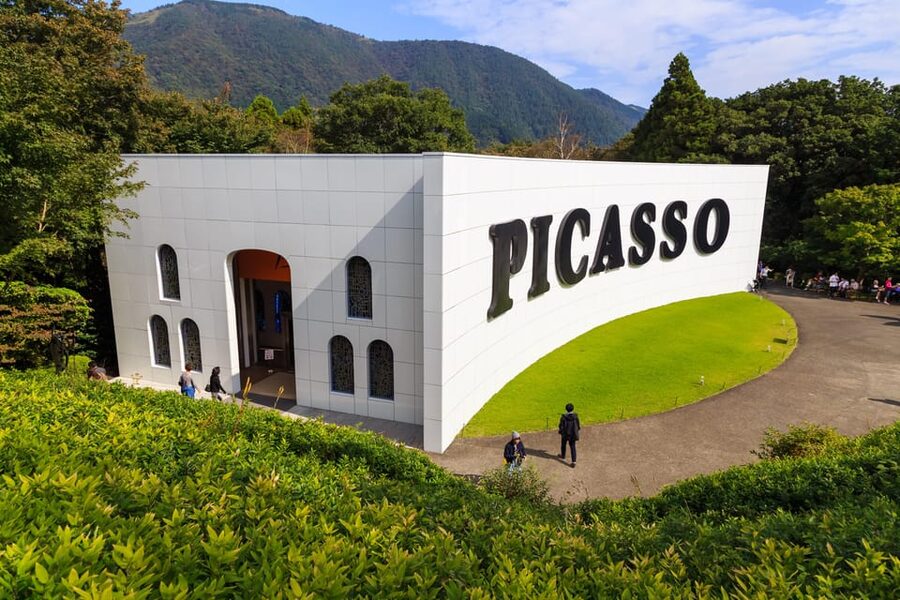
The art line-up is a highlight you can feel proud of when you tell people later. You’ll see major names such as Henry Moore and Joan Miró, plus a Picasso gallery area. Even if you’re not an art expert, it’s easy to appreciate how these works sit in the environment rather than fighting against it.
One practical note: wear comfortable shoes. The museum is the kind of place where you keep walking longer than you planned, because the grounds invite wandering.
A small drawback to consider is weather. If it’s raining, you might feel more constrained, since it’s still an outdoor setting. That said, the museum remains one of the best uses of time in Hakone, because it’s structured, timed around your tour, and usually easier than trying to plan it separately.
Owakudani volcanic valley: seeing active geothermal action up close
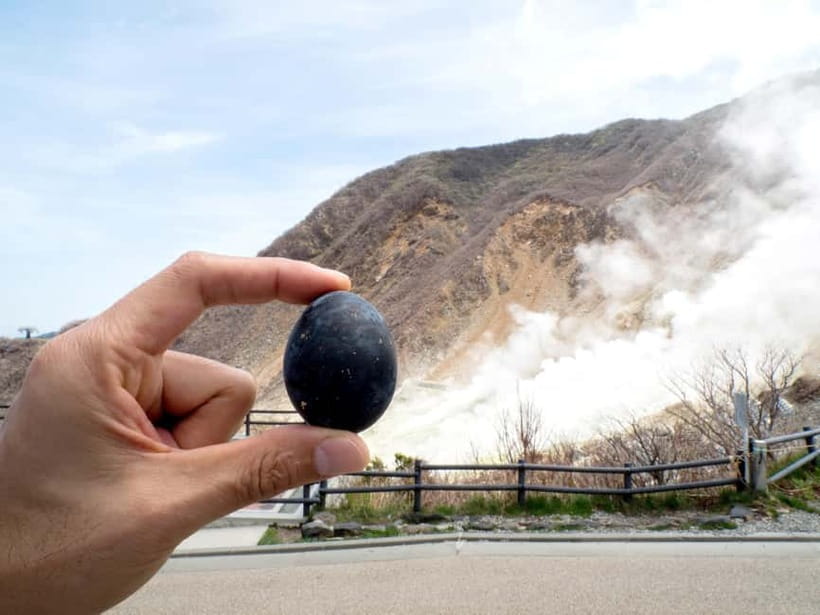
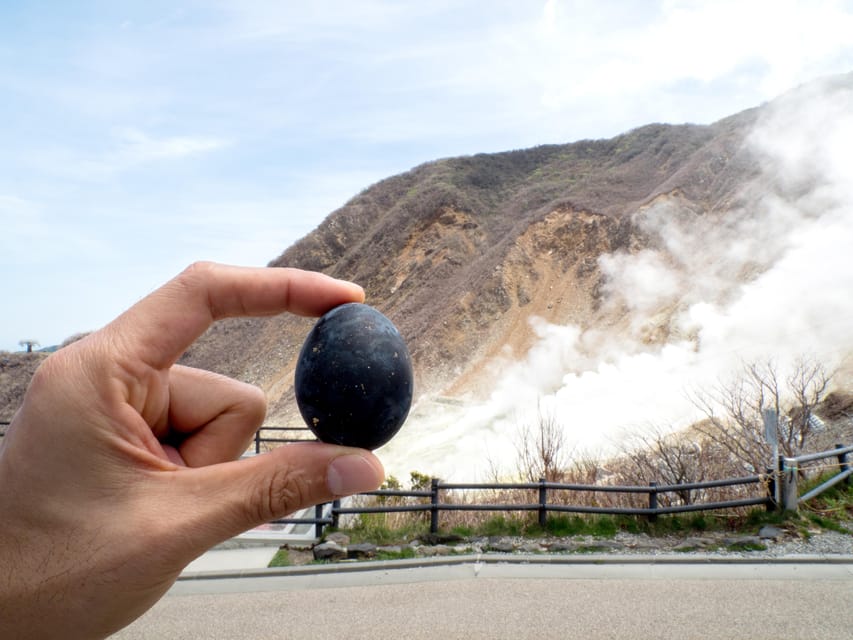
After the museum, the day shifts gears to Owakudani, the active volcanic valley known for steam vents and sulfurous hot springs. This is the part where the scenery looks and feels geologically real, not just scenic.
You’ll notice the dramatic effects of volcanic activity right away. It’s a place where the air seems different, and where the terrain looks shaped by recent geothermal forces. Even if you’ve seen volcano photos before, seeing it in person adds weight to the experience.
What I like about this stop is that it’s more than a viewpoint. It’s a destination with energy, where the environment itself does the storytelling. You’re not just looking at something from one angle, you’re moving through a zone defined by the volcanic features.
The main consideration is comfort and timing. Owakudani can be busy, and the weather can make surfaces slick. If it’s wet, slower walking is smart. If it’s clear, it’s easier to linger and absorb the details.
Also, if you’re sensitive to strong odors, it helps to know the area is linked to sulfur. The tour can’t change the natural setting, so pack accordingly and take breaks when you need them.
Hakone Shrine by Lake Ashi: the torii gate and the calm you came for
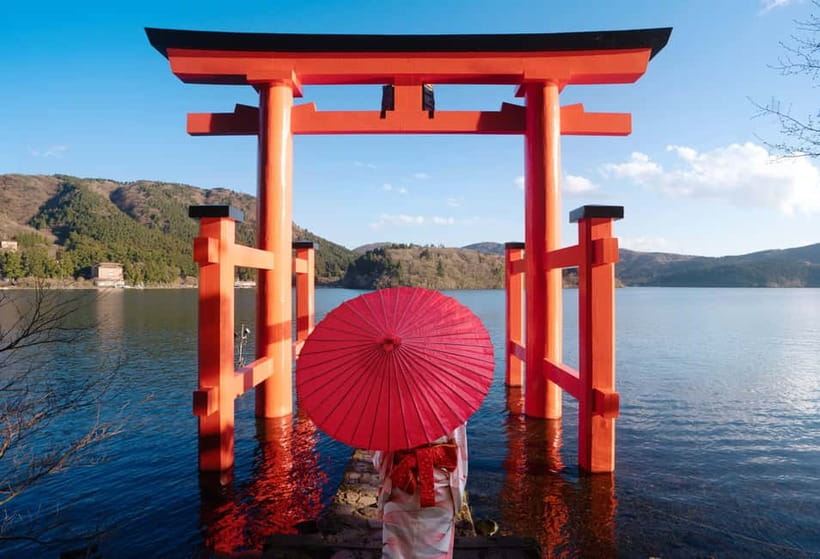
Next comes one of the most photogenic parts of the day: Hakone Shrine on Lake Ashi. The famous torii gate is placed in the waters, which makes it easy to capture that classic image without needing a complicated plan.
This stop works as a reset. After Owakudani’s intensity, Lake Ashi gives you a quieter rhythm. The shrine sits in a peaceful area at the foot of Mount Hakone, with forests and towering mountain views framing the scene.
I also like the cultural details, because they feel small and doable. For example, at the shrine there’s mineral water you can fill from, and it’s a nice little practical win on a travel day. One helpful tip I picked up from guides and guests is to bring a bottle so you can fill it there. Another detail to note is the offering custom, where having 5 yen is considered auspicious for offerings.
That said, shrine timing matters. In peak season or heavy crowds, it can be louder and more crowded than you’d like for slow photos. If you care a lot about atmosphere and pictures, arrive earlier rather than later, which is exactly why guides sometimes reorder the itinerary based on real-time conditions.
More Temple & Shrine Tours in Tokyo
- Tokyo: Meiji Shrine, Asakusa, Skytree Bus Tour and Cruise
★ 4.7 · 1,986 reviews - Tokyo: Asakusa Walking Tour with Sensoji Temple Visit
★ 4.8 · 1,583 reviews - Nikko: Kegon Falls, Lake Chuzenji & Toshogu Temple
★ 4.6 · 1,577 reviews - Tokyo: Nikko Toshogu Shrine and Kegon Waterfall Tour
★ 4.5 · 1,266 reviews
Ropeway and Pirate Ship options: how weather can change your best view
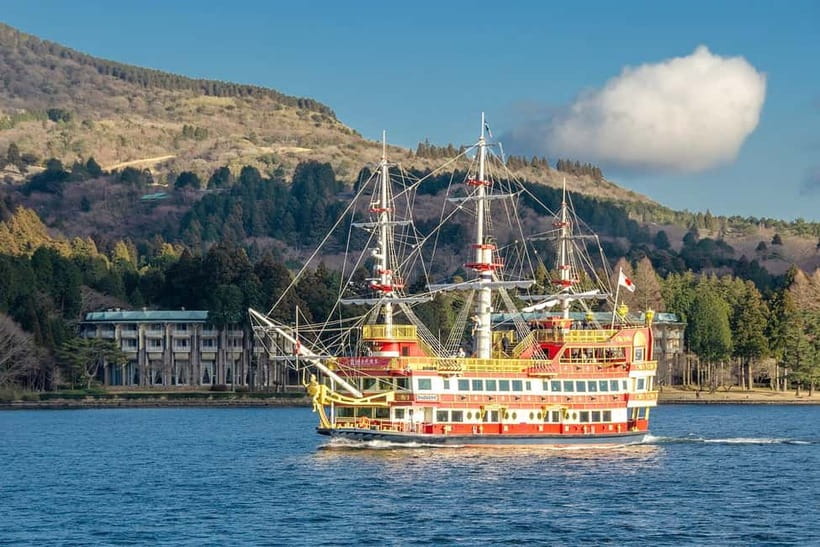
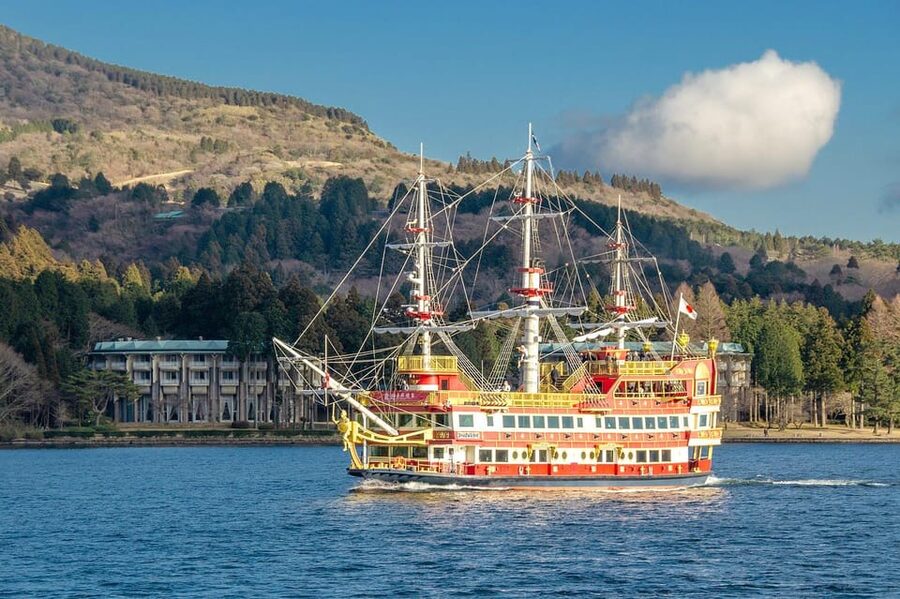
One reason this tour stays good value is that it doesn’t force one fixed script. Optional add-ons such as the Ropeway and the Pirate Ship may be available depending on weather and local operations.
In a perfect scenario, you’ll use these options to connect viewpoints efficiently. One smart plan that a guide can set up is to aim for earlier arrival at Lake Ashi, then use the lake crossing to get those mountain-and-lake perspectives. On clearer days, this is also a good way to improve your chances at seeing Mount Fuji in the background.
In practice, clouds and rain can limit visibility. That doesn’t ruin the day, because Lake Ashi and the shrine still deliver, but you should go in expecting that Mount Fuji might be shy. A cloudy day can still be beautiful, and your photos may lean more toward atmosphere than sharp skyline views.
Also, budget note: Ropeway and Pirate Ship tickets are not included, so you’ll pay extra on-site if you choose them. The upside is flexibility. If the weather is questionable, your guide can help you decide in the moment.
Guides and logistics: why the ride feels smoother than doing it alone
Transportation is included, and the biggest practical benefit is that you’re not figuring out how to connect Hakone stops by yourself. You’re on a shared route with a guide who keeps the day moving and helps you make sense of what’s next.
The quality of the guide seems to be one of the strongest parts of this experience. I’ve seen multiple examples of guides who are careful about timing and comfort, including names like Juna, Icchi, and Yuichi. The common thread is not just friendly talk, it’s real problem-solving when the day changes.
For instance, heavy rain can throw off travel plans. In one case, the itinerary was rearranged to help avoid the shrine getting too crowded for the most calm viewing time. In another case, the guide changed the timing so the group could see Mount Fuji, which is the kind of small scheduling win you remember later.
One more detail that matters for you: the vehicle time limit in Japan means the guide can adjust the itinerary based on real-time conditions. In plain terms, this tour is designed to work within time rules, traffic patterns, and weather. That’s a plus, not a threat, because it reduces the risk of arriving at one stop too late.
If you’re traveling with a stroller, let the operator know ahead of time. It’s not always mentioned in tourist reviews, but it affects how comfortably you move during pickups and station navigation.
Price and value around $79: what you get, what you should plan
At about $79 per person, the value is mainly in what’s bundled. You’re paying for transportation, an English and Korean-speaking guide, and admission tickets to the included sights. That combination can be hard to replicate cheaply if you have to buy tickets and coordinate transit on your own.
The part that can surprise first-timers is meals. Meals are not included, so you’ll want a plan. A simple approach is to bring some snacks or a light lunch, especially if your day is longer or if you want to avoid hunting for food between stops.
Another value angle is time. Hakone is doable as DIY travel, but doing it in a single day means you’re spending energy on logistics. This tour keeps that energy for the views and the walking you came to do.
Is it worth it if you’re only in Tokyo for a short window? For many people, yes. If you want multiple major Hakone sights without building a complex schedule, this kind of guided day trip often turns a stressful day into a clean, memorable one.
What to pack and wear for a comfortable Hakone day
This is a shoes-first day. You’ll walk at the open-air museum and likely move around at Owakudani and Lake Ashi. Bring comfortable shoes with grip if rain is possible.
If you like small practical wins, bring a bottle. Filling up with mineral water at the shrine is an easy habit that turns into a nice souvenir memory, and it saves you from buying water repeatedly during a long outing.
Also consider small cash for offerings if you want to participate in shrine ritual. A common tip is that 5 yen is an auspicious offering, so have a few coins ready.
If it’s hot, bring a light layer anyway. Weather can shift in the mountains, and you’ll appreciate being able to adjust while you’re waiting for optional add-ons like the Ropeway or ship.
Who this tour suits best, and when to choose something else
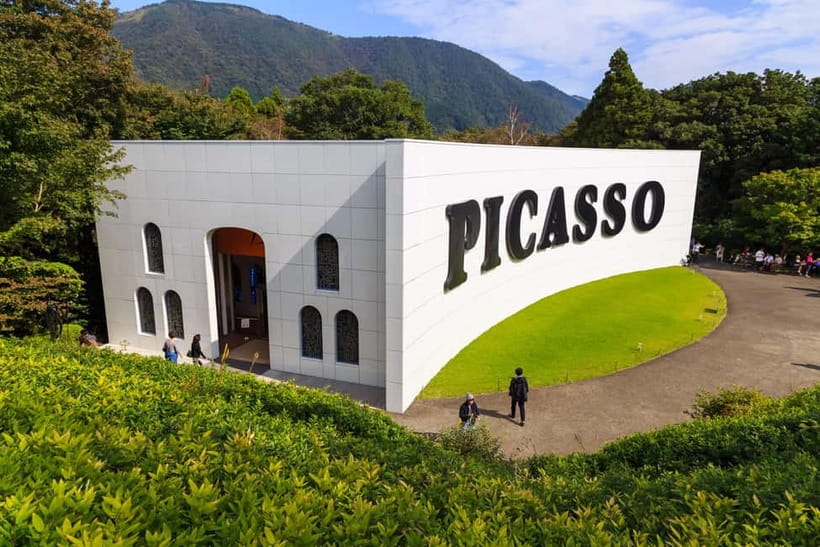
This day tour is best for people who want a well-run day without doing logistics homework. It’s also a strong choice if you care about art and scenery, because you get both the museum experience and the natural Hakone sides of the story.
You’ll probably love it if you:
- Want a single-day hit of major Hakone sights from Tokyo
- Prefer having a guide to handle timing and routing
- Like flexible options like the Ropeway and Pirate Ship, depending on weather
You might choose another approach if you:
- Plan to spend lots of time wandering slowly in one single place, not hopping between stops
- Are very weather-dependent about Mount Fuji views and hate the idea of cloud risk
That said, even when Mount Fuji is not clear, Lake Ashi and the shrine still give you a calm, photogenic payoff, and the museum and Owakudani deliver their own kind of satisfaction.
Should you book this Hakone day tour from Tokyo?
I’d book it if your goal is a high-value day that hits multiple must-see Hakone areas with smart timing and smooth transportation. The strongest reason is how the day is stitched together for you, and how guides like Juna, Icchi, and Yuichi tend to manage changes so you still get the best moments at the right time.
I’d think twice if your priority is one specific optional activity. Ropeway and Pirate Ship tickets are not included and availability depends on weather. Still, even without those add-ons, you’re getting the core trio: open-air art, volcanic action, and Lake Ashi shrine calm.
Bottom line: at $79, with admissions and transport included, it’s a solid deal for a first-time Hakone visit from Tokyo. If you want a day that leaves you feeling happy and not stressed, this is the kind of tour that does that.
FAQ
What is the price of this Tokyo to Hakone day tour?
The price is listed as $79 per person.
What’s included in the tour price?
Transportation, an English and Korean-speaking guide, and admission tickets are included.
What is not included?
Meals, traveler’s insurance, other personal expenses, the Hakone Ropeway ticket, and the Pirate Ship ticket are not included.
Are the Ropeway or Pirate Ship tickets included?
No. Those are optional experiences and tickets can be purchased on-site, depending on weather and local conditions.
What language will the guide speak?
The tour provides an English and Korean-speaking guide.
What should I bring for the day?
Bring comfortable shoes. It’s also recommended to bring snacks or a light lunch, and a bottle can be useful for mineral water at the shrine.
Will the itinerary always follow the same order?
Not always. The order can change due to traffic, weather conditions, peak season crowds, and real-time adjustments.
What if I’m traveling with a stroller?
Let the operator know if you will be bringing a baby stroller.
Are infants charged?
Infants are free of charge, but there is no seat available.
Where does the tour start and end?
The meeting point may vary depending on the option booked, and the tour ends back at the meeting point.
More ways to see Mt Fuji
- Mt Fuji and Hakone 1-Day Bus Tour Return by Bullet Train
★ 5.0 · 26,383 reviews - Mt Fuji & Hakone Cruise, Drum Show Bullet Train 1 Day from Tokyo
★ 4.0 · 7,413 reviews - Tokyo Mt Fuji 5th St & Hakone Cruise Bus Tour w/Bullet Train
★ 4.4 · 5,024 reviews - From Tokyo: Mount Fuji Full-Day Sightseeing Trip
★ 4.5 · 4,970 reviews
Latest write-ups near Tokyo
- Tokyo Nights: Shibuya Photo Adventure★ 5.0 · 20 reviews
- Wagyu & Sake 8 Course Tasting Dinner in Shinjuku★ 4.9 · 20 reviews
- Making Japanese desserts Nerikiri & drinking matcha in Tokyo★ 5.0 · 20 reviews
- Mt. Fuji 5th Station, Owakudani Ropeway, Pirate Ship plus Outlet shopping!★ 4.5 · 20 reviews
- Japanese Whisky Hunting《HIGH-QUALITY-ONLY》Rare Tasting Class★ 5.0 · 20 reviews
- Kintsugi Experience with Arita Ware in Tokyo (English Guide)★ 4.8 · 20 reviews
- This is Asakusa! A Tour Includes the All Must-Sees!★ 5.0 · 20 reviews
- Tokyo: Karate Experience with Former All-Japan Champion★ 5.0 · 20 reviews
Temple & Shrine Tours, compared.
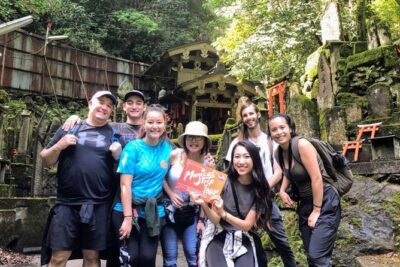
Fushimi Inari, Kinkakuji, Bamboo Grove 1 Day Bus Tour
Read our review →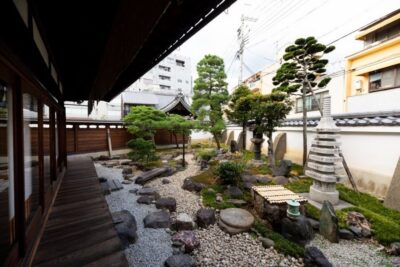
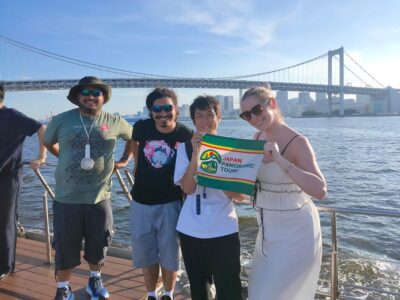
Meiji Shrine, Asakusa, Skytree Bus Tour and Cruise
Read our review →
Osaka/Kyoto:Kinkakuji,Arashiyama,FushimiInariShrine,NaraPark
Read our review →
Asakusa Walking Tour with Sensoji Temple Visit
Read our review →
Nikko: Kegon Falls, Lake Chuzenji & Toshogu Temple
Read our review →
Kamakura & Enoshima Day Trip including Temple Tickets
Read our review →
Nikko Toshogu Shrine and Kegon Waterfall Tour
Read our review →Browse the lists this tour appears in