
Reviewed · OSAKA TOURS
Osaka: Traditional Japanese Ceramics Private Experience
If you want a souvenir that feels like you actually touched Japan, this Osaka ceramics workshop is a great way to spend 2 hours. I love that you work with Shigaraki clay and traditional glazes, and I love that the class turns into a real conversation with your instructor, Anna. The main catch is that you may need shipping to get your finished, fired piece later, and shipping is not included.
You start with an easy rail meeting at Teradachō Station, then head on foot into a quieter local stretch near shops that sell everyday Japanese food. The studio itself sits in a century-old, two-story house, so the vibe feels very different from a cookie-cutter tourist workshop.
You’ll choose one project, either a sake set, a sushi set, or a tea bowl, then build it by hand with step-by-step help. This class also runs in English, Spanish, or Catalan, which is a big deal if you do not want lessons only in Japanese.
Key highlights to know before you go

- A private class in Osaka with step-by-step guidance, so you do the work, not just watch
- Shigaraki clay plus typical Japanese glazes, giving you an instantly Japan-appropriate look
- Pick your project: sake set, sushi set, or a chawan for tea
- Anna’s ceramic background includes studying ceramic making in Osaka and Barcelona
- A century-old house studio near local food shops, not in the main tourist strip
- A take-home gift plus an option to ship your finished piece if you want
Entering Osaka’s ceramics world, from Teradachō Station to a century-old studio
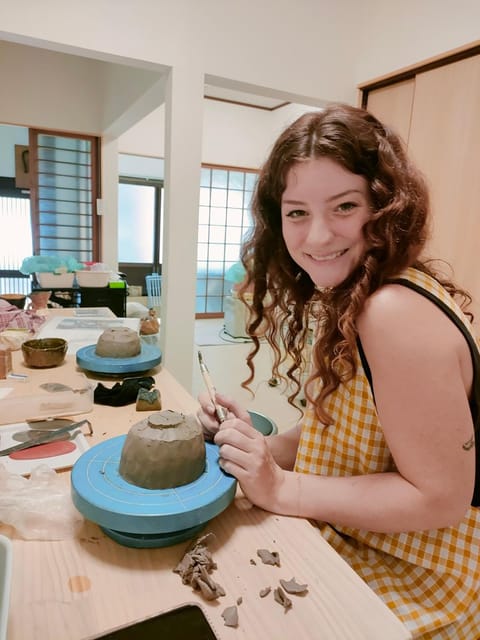
This experience starts in a practical way, which I really appreciate. You meet your guide at JR Teradachō Station’s north exit, then look for a sign that says Ceramics Tocoton. From there, you walk toward the studio, away from the most touristed blocks. It is the kind of stroll that helps you see a more local rhythm of Osaka, with daily-food shops along the way.
The workshop space is in a century-old two-story house next to a street with local shops. That matters more than it sounds. You are not just learning how to shape clay, you are doing it inside a setting that feels connected to Japanese daily life. A few people also noted the studio doubles as the instructor’s family home, which makes the whole thing feel personal rather than like a factory-style production.
Timing wise, plan to arrive on time. If you are more than 15 minutes late, it counts as a no-show. That is not meant to be harsh, but it helps the instructor keep the class on schedule for firing and finishing steps.
Also on the shortlist for Osaka:
- Osaka Go Karting Tour with Funny Costume
★ 5.0 · 2,658 reviews - Osaka Castle: Museum and Tower Entry Ticket
★ 4.5 · 2,380 reviews - Osaka: Shinsekai Food Tour with 13-15 Dishes at 5 Eateries
★ 4.8 · 2,204 reviews
What you actually make: sake set, sushi set, or a chawan
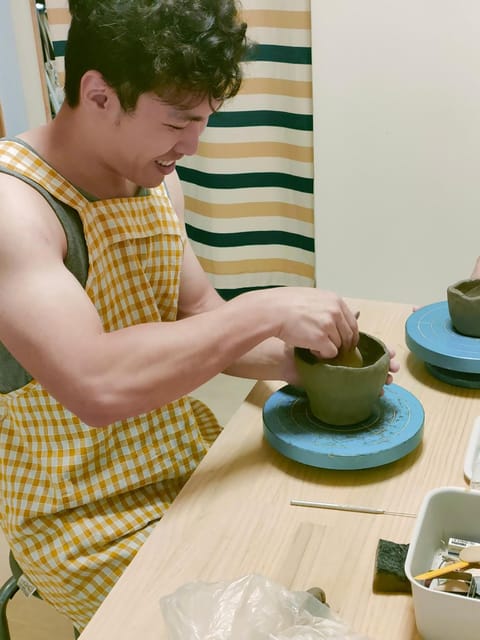
This is a hands-on, one-project workshop. You will get the explanation and then build one of these items from clay, using traditional approaches and glazes.
Sake set (small bottle and glass)
If you like the idea of something you can use when guests come over, the sake set is a fun choice. You build a small bottle plus a glass, which makes it feel like a “real set,” not just one random souvenir. One reviewer even described making their own sake set as the highlight of the trip, and I get why. The scale is small enough to feel manageable, yet it still looks like a proper Japanese table item.
Sushi set (sushi plate and chopstick holder)
The sushi set is ideal if you want something visually direct and easy to understand at a glance. You make a sushi plate plus a chopstick holder, and the chopstick holder includes a Sakura shape in the style used for the souvenir gift. This option also tends to appeal to people who want a ceramics piece that looks like it belongs on a dinner table.
A change of pace from Osaka:
- Osaka Food Tour: 13 Dishes at 5 Local Eateries
★ 5.0 · 2,149 reviews - Hungry Osaka Street Food Tour:15 Tastings & 3 Drinks with a Local
★ 5.0 · 1,727 reviews - Osaka: teamLab Botanical Garden Entry Ticket
★ 4.5 · 1,710 reviews - Osaka: Tea Ceremony Experience
★ 4.9 · 1,426 reviews
Chawan for tea
A chawan (tea bowl) is the calm, classic option. You create a bowl that fits daily Japanese tea culture and also works beautifully as a display piece. If you prefer something more understated than tableware shaped like food, this is the route. Multiple people described their chawan as one-of-a-kind and therapeutic, which makes sense when you are working at clay pace, with patient instruction.
Choosing is part of the fun, and your instructor will walk you through the differences before you start shaping. You are not locked into one option without guidance.
Shigaraki clay and Japanese glazes: the craft part that makes the souvenir last
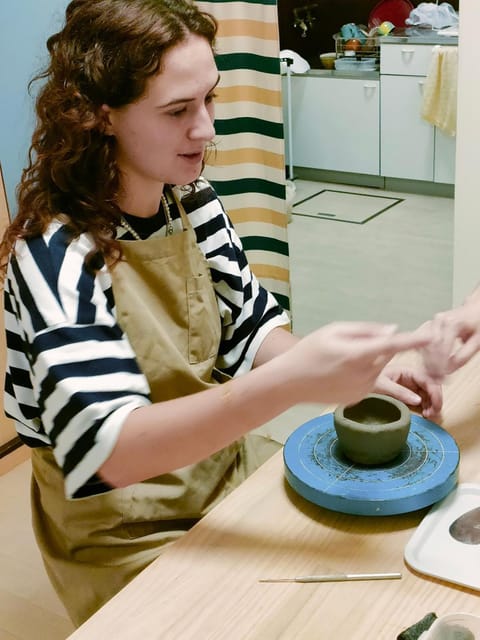
The base material is clay from the Shigaraki area, which is one of Japan’s well-known pottery production regions. That is a key detail, because clay origin often determines texture and behavior while you work. It also affects how your finished piece will feel in the hand later.
You also work with typical Japanese glazes. In plain terms, that means the decoration style is not random or “cute for tourists.” The colors are chosen to match Japanese ceramic traditions, and the workshop helps you understand why certain looks fit certain objects.
What I like here is that you are not just copying a sample. The guidance is hands-on, step-by-step, and you get to make creative choices within the craft process. People who had done pottery before also said the class adjusted to their level, which is reassuring if you are not a total beginner.
If you are expecting a quick, assembly-line demo, you might be disappointed. This class focuses on getting your hands moving correctly and learning how the materials respond. One person even said the instructions made molding from nothing to something easy and fun, which is exactly what you want from a beginner-friendly pottery workshop.
Meeting Anna: private instruction, culture talk, and real conversation
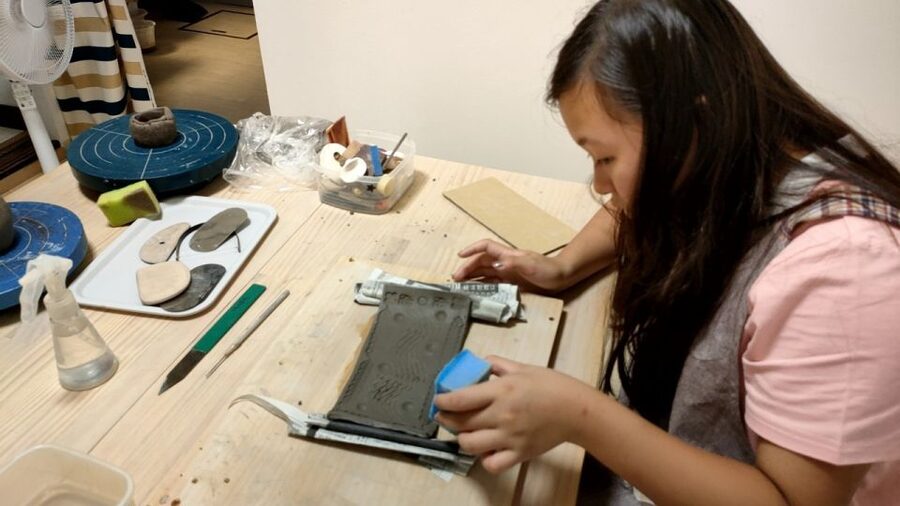
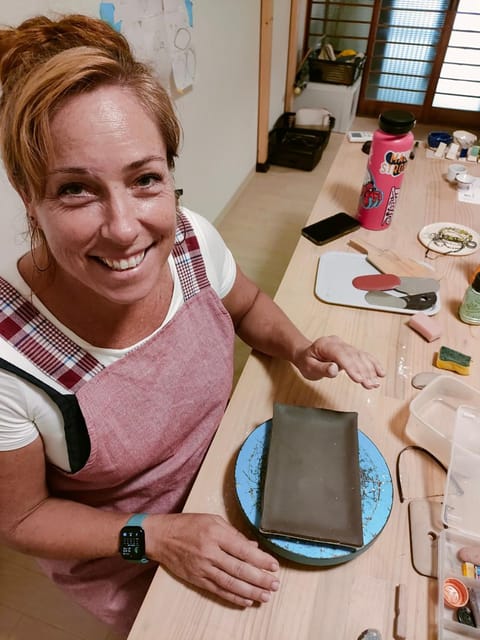
Your instructor is Anna, and she is central to why this class feels worth your time. Several people noted that Anna was punctual at the station, friendly, and very patient during the build. You get the clear kind of help you want when your hands are doing something new, and your brain is trying to remember the steps.
Anna also brings ceramic experience from outside Japan, with training that includes Osaka and Barcelona. That mix matters because it helps her explain technique in a way that connects craft to culture. You are not just shaping clay. You are learning how Japanese ceramics show up in everyday life, how gastronomy connects with table objects, and how design choices fit the purpose of the item.
A big theme across the class vibe is conversation. People said they chatted on the way from the station to the studio and discussed Japanese culture and cuisine as part of the experience. You also may have time for humor and Q and A while you work, which helps the class feel light even though you are learning something precise.
One practical plus: the studio setup is clean, and in winter, people mentioned there was heating, which makes a real difference when you are arriving from the street.
The final steps: choosing a glaze finish and handling your fired piece
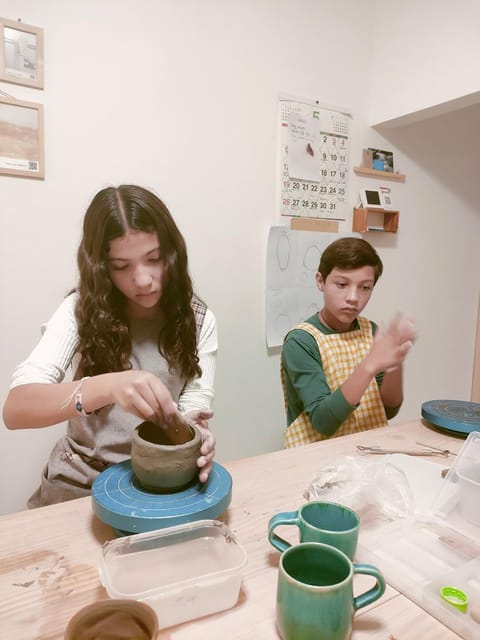
After you shape your item, you go through the part that often makes or breaks the outcome: deciding the glaze finish. You are guided through selecting how it will look once fired, and then you handle the cleanup before you leave.
Here is the key detail for your planning: the piece you make is not necessarily ready to pack up and go the same day. The workshop includes materials and a finished ceramic product as part of the experience, but you also have the option to have what you made shipped after firing.
Shipping option, explained simply
If you want your final pottery sent home, it takes about 1 month and a half. Shipping costs are not included, so you should budget for that if you do not want to travel with fragile pottery.
Because shipping timing is long, I suggest you also plan to travel light that day. You will have your small take-home gift in hand, and your main made piece can follow later if you choose shipping.
Your take-home souvenir: gift plate plus Sakura chopstick holder
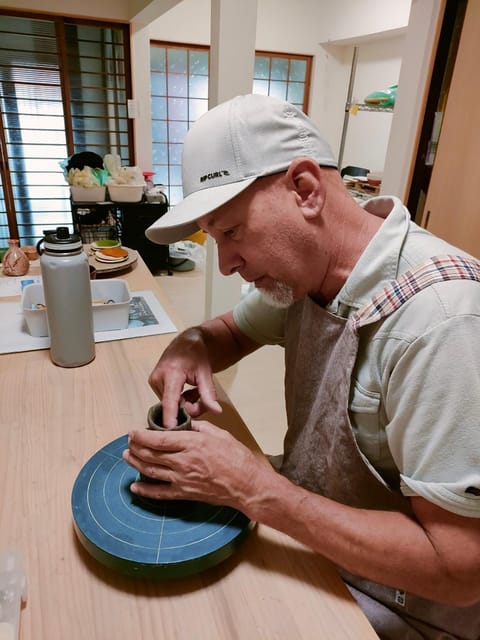
Even if you ship your main ceramic piece, you still leave with a gift made in the studio style. Your parting gift includes:
- A small dish with a traditional Japanese pattern
- A Sakura-shaped chopstick holder, made by your instructor
This is one of the smartest parts of the whole experience. It means you get a usable souvenir right away. It also gives you a little “proof” of the class style so you remember the choices you made while you waited for the final firing.
Many people come to a ceramics class hoping for one finished piece. Here, you get both the class outcome and an extra crafted gift, which makes the value feel more solid.
Price and value: is $96 per person worth it?
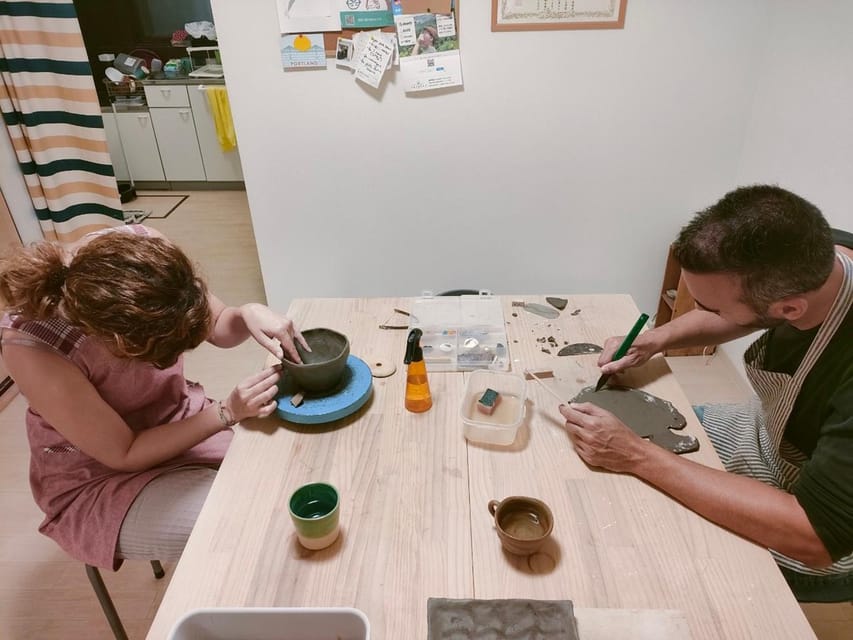
At $96 per person for a 2-hour private class, the value comes from what is included, not just the teaching.
What you get for that price:
- An instructor (with private, step-by-step help)
- Materials, including Shigaraki clay and typical Japanese glazes
- The ceramic item you make
- Pickup from Teradachō Station
- A take-home gift (pattern plate plus Sakura chopstick holder)
When you add those up, this starts to look less like “paying for a craft” and more like paying for a full small workshop package: guidance, materials, and a souvenir system. That is the difference between a good memory and one that also functions as a gift you can actually use.
The one cost consideration is shipping. If you want the main piece at home and you do not want to travel with it, you will pay shipping later, and shipping fees are not included. Still, if you treat the class as a hands-on cultural experience plus a crafted souvenir plan, the price feels fair.
Who this Osaka workshop suits best
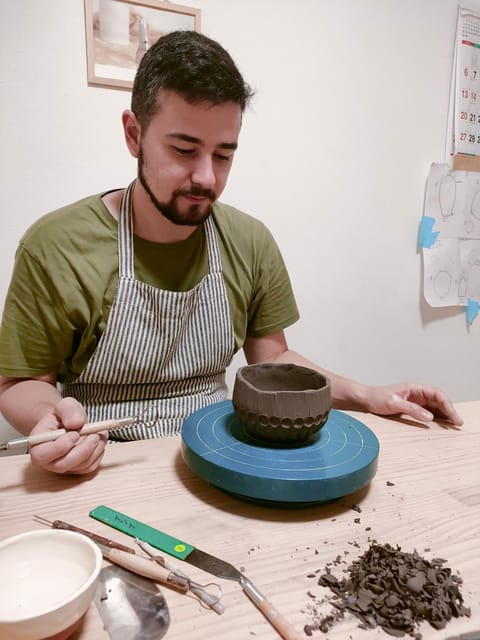
This class fits best if you like doing something with your hands and want your souvenir to look like it belongs in a Japanese home.
It is especially good for:
- First-time ceramic learners who want clear instructions
- People who like Japanese food culture, because the projects connect to gastronomy
- Anyone who wants a calmer alternative to Osaka’s busiest sightseeing
Two notes from the practical side:
- It is not suitable for children under 5
- It is a private group, so you avoid the feeling of being rushed in a large class
If you are traveling with a partner or a small group, private instruction gives you more attention and less waiting, which is where the value shows up.
Quick practical tips so you enjoy the class more
A few small things can make the day easier.
- Wear clothes you are comfortable getting a bit messy in, even though a clean studio setup is mentioned.
- Pick the project based on how you want to use it later: sake set for hosting, sushi set for table style, chawan for tea and quiet display.
- If you plan to ship, mentally treat shipping as part of the purchase, since it takes about 6 weeks and costs extra.
- Plan to be early at Ceramics Tocoton at the station. Your class timing depends on it.
Should you book this Osaka ceramics private workshop?
I think you should book it if you want a hands-on Osaka souvenir that is tied to Japanese materials and table culture, and you want private attention from an instructor who talks through the craft. The combination of Shigaraki clay, traditional glazes, and a real instructor-led culture chat is what makes this more than a quick activity.
Skip it only if you hate any uncertainty around transporting fragile items and you do not want to deal with the option of shipping. Also, if you need something child-friendly for toddlers, it is not suitable for kids under 5.
If those points fit your trip style, this is the kind of class that leaves you with something you can give to friends back home and something you can use yourself, long after you stop thinking about Osaka.
FAQ
How long is the Osaka ceramics private experience?
The workshop lasts 2 hours.
What can I make during the class?
You can create one of these: a sake set (small bottle and glass), a sushi set (sushi plate and chopstick holder), or a chawan for tea.
Where do I meet the guide?
Meet at JR Teradachō Station’s north exit. Look for the guide carrying a sign with the studio name, Ceramics Tocoton.
Is this experience private?
Yes. It is a private group class.
What languages are available for the workshop?
The class is offered in English, Catalan, Spanish, and Japanese.
What is included in the price?
The price includes the instructor, materials (Shigaraki-area clay and typical Japanese glazes), a finished ceramic product, pickup from Teradachō Station, and a take-home gift (a small dish with a traditional Japanese pattern and a Sakura-shaped chopsticks holder).
Can I ship my ceramic piece home?
Yes, you can request shipping for the pieces you made. Shipping costs are not included, and it takes about 1 month and a half to ship the pottery.
What are the late arrival and cancellation rules?
If you will be more than 15 minutes late, you should contact the team, and being more than 15 minutes late is considered a no-show. You can cancel up to 24 hours in advance for a full refund.
Latest write-ups near Osaka
- Osaka Private Tour with Government-Licensed Guide★ 4.8 · 20 reviews
- Guided Photography Tour in Osaka: Capturing Memories★ 4.5 · 20 reviews
- Osaka: Food Tour at Night with Tastings★ 4.9 · 20 reviews
- Kansai/KIX Airport to or from Osaka/Kyoto Private Transfer★ 5.0 · 20 reviews
- Osaka: City Highlights Bike Tour★ 4.7 · 20 reviews
- From Osaka/Kyoto: Amanohashidate Day Tour【Including tickets】★ 3.7 · 20 reviews
- Osaka Okonomiyaki Cooking Class “Learn here and make it at home”★ 5.0 · 20 reviews
- Volleyball in Osaka & Kyoto with Locals!★ 5.0 · 21 reviews
Osaka Tours, compared.



Shinsekai Food Tour with 13-15 Dishes at 5 Eateries
Read our review →
Osaka Food Tour: 13 Dishes at 5 Local Eateries
Read our review →
Hungry Osaka Street Food Tour:15 Tastings & 3 Drinks with a Local
Read our review →

Browse the lists this tour appears in