
Reviewed · TEA CEREMONIES
Osaka: Tea Ceremony Experience
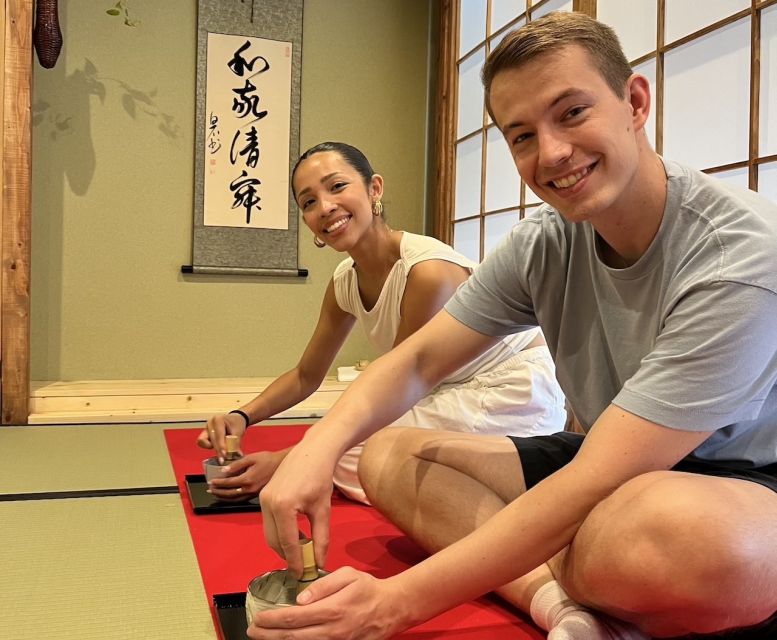
A tea ceremony in Osaka is interesting because it turns a busy sightseeing day into a slow, respectful ritual you can actually take part in. You learn in a traditional tatami room with Japanese instructors in kimono, and the whole thing is guided in clear English.
I love the hands-on payoff, not just watching. And I love that hosts like Yuki and Akiko (names you may hear during different sessions) explain the meaning behind each step, so you understand what you are doing, not just copy the motions.
One possible drawback: you are seated on the floor for the full session, so it is not the best fit if you have mobility issues or low patience for quiet rules.
Quick hits before you go
- English-led by Japanese instructors with 10+ years of tea ceremony experience
- Tatami room setting that keeps the mood calm and focused
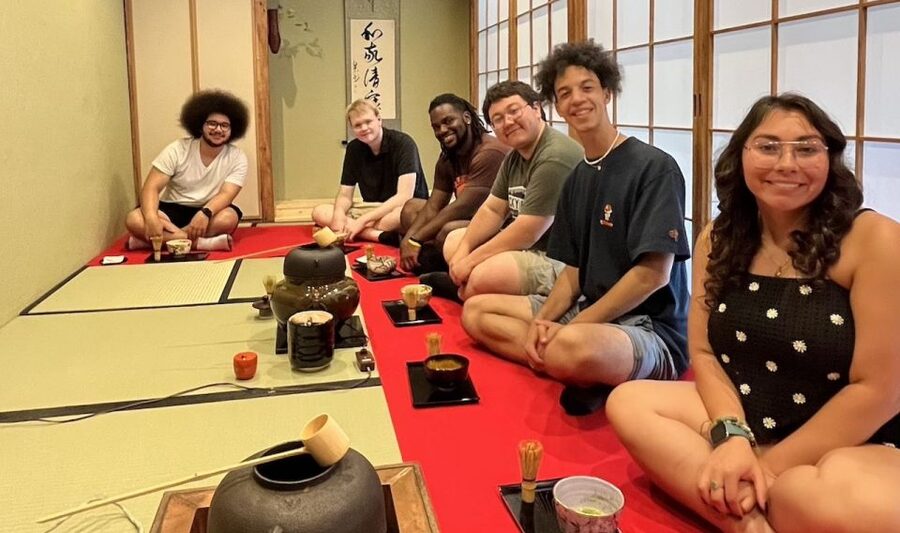
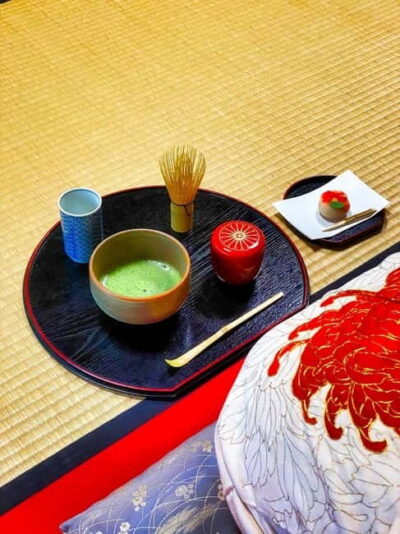
- Hands-on matcha making using traditional tools, then you drink what you made
- Seasonal Japanese sweets chosen to pair well with matcha
- Clear manners and etiquette taught step by step so you do not feel awkward
Stepping into Osaka’s matcha ritual, not just a show
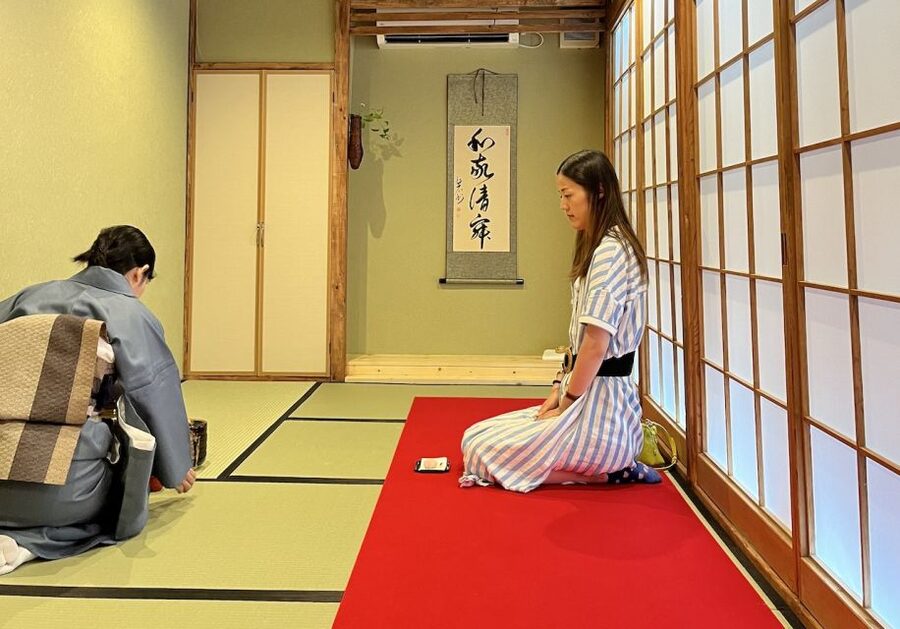
This is one of the easiest cultural activities to do in Osaka because it does not require special planning or special knowledge. You walk in, you are greeted, and in about 45 minutes you go from watching tea preparation to making matcha yourself. That time box matters. It is long enough to learn the basics, but short enough that it does not turn into another half-day commitment.
The atmosphere is also part of the value. You are in a traditional room, on tatami, and the session follows a paced flow. Multiple hosts you might get, like Kazu, Mayumi, Ayaka, or Kana, are described as patient and attentive, which helps if you learn by doing rather than by listening.
If you like structured experiences, this one gives you structure without being stiff. If you prefer calm over crowds, you will probably appreciate that too.
More Tea Ceremonies in Osaka
- Tea Ceremony Experience in Osaka Doutonbori
★ 5.0 · 754 reviews - Matcha Making Class in Osaka with Authentic Japanese Sweets Set
★ 5.0 · 509 reviews - Osaka: Matcha Making Experience with Japanese Sweets
★ 5.0 · 146 reviews
Your 45-minute itinerary, broken into human steps
The schedule is simple. That is the point. You do four main things: welcome, demonstration, your turn making matcha, then tasting with sweets.
Welcome and what the tea ceremony is about
You start with a warm greeting in the traditional room. The instructor explains the meaning and history of the tea ceremony, then sets expectations for manners and serving.
This matters because tea ceremony etiquette is not random. Even the small gestures are tied to respect, attention, and how you treat the people around you. When you know the why, the what feels less like choreography.
A live demonstration you can follow
Next, you watch the instructor perform the ritual. They show you how the tools are used and explain basic manners for tea serving. Even if you have never made matcha before, the demonstration is meant to be understandable, not mysterious.
One nice detail: the explanations can go past basic technique. In some sessions, hosts explain symbolism and the significance of items like the tea bowls, which gives the experience more texture than a quick how-to class.
A change of pace from Osaka:
- Osaka Go Karting Tour with Funny Costume
★ 5.0 · 2,658 reviews - Osaka Castle: Museum and Tower Entry Ticket
★ 4.5 · 2,380 reviews - Osaka: Shinsekai Food Tour with 13-15 Dishes at 5 Eateries
★ 4.8 · 2,204 reviews - Osaka Food Tour: 13 Dishes at 5 Local Eateries
★ 5.0 · 2,149 reviews
Hands-on matcha making with traditional tools
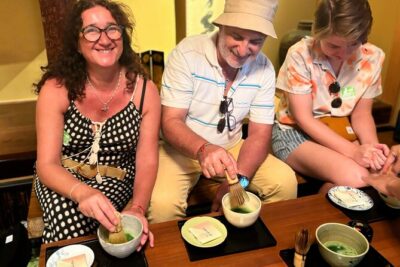
Then comes the part most people are really here for. You make your own bowl of matcha using traditional tea tools. You do not just stand around. You practice the steps with guidance, so you can feel the rhythm of the process.
A good instructor helps here. In many bookings, hosts are described as gentle and encouraging as participants whisk and pour. That is important if your confidence is low. Matcha does not look hard, but doing it correctly is all about patience.
Taste your matcha and pair it with seasonal sweets
Finally, you drink the matcha you made. You also enjoy a seasonal Japanese confection designed to go well with the tea.
This pairing is not an afterthought. Matcha has a distinct bitterness and grassy profile. A sweet companion helps balance it and makes the taste easier to enjoy, even if you are not already a matcha person.
In some sessions, you may have the chance to drink matcha more than once, which can make the tasting feel extra rewarding within the short time frame.
The tatami room and kimono detail that changes the whole mood
The setting is traditional, and that affects everything. You slow down naturally when you are in a quiet tatami room. You also tend to pay more attention to small actions because there is less visual noise around you.
Instructors wear traditional kimono, and that is not just decoration. It signals formality and continuity. When you see the same theme carried through the tools, the room, and the pacing, the ceremony feels less like a staged performance and more like a real ritual.
Also, the English guidance matters. If you get lost, the experience can become awkward. Here, the hosts are specifically guided to explain in clear English, so you can relax and focus on learning the steps.
Matcha making: what you will do and why it feels oddly satisfying
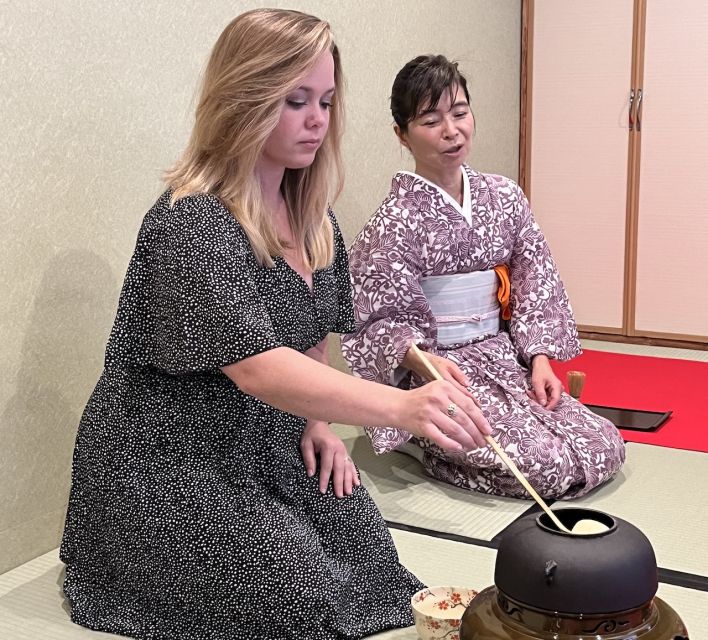
Making matcha is both technique and mindfulness. The whisking and preparation are physical, but the pace asks you to slow your brain down too.
You learn the tool routine
The instructor demonstrates how to use the tools, then helps you try it yourself. You handle the same core items involved in classic preparation, so you get a real feel for why each tool exists.
If you care about doing things the right way, this part is a win. A lot of tasting experiences let you sample but never explain how the tea is prepared. Here, you practice preparation.
You taste what your own hands created
After you make the tea, you drink it. That is where the learning locks in. You connect the steps you performed with the final flavor and texture.
And if you are the type who wants closure, this is satisfying. You do not leave with a random sample cup that disappears into your memory. You leave with a bowl you made, plus sweets that made the flavor easier to enjoy.
Seasonal sweets and pairing: the small detail that makes it complete
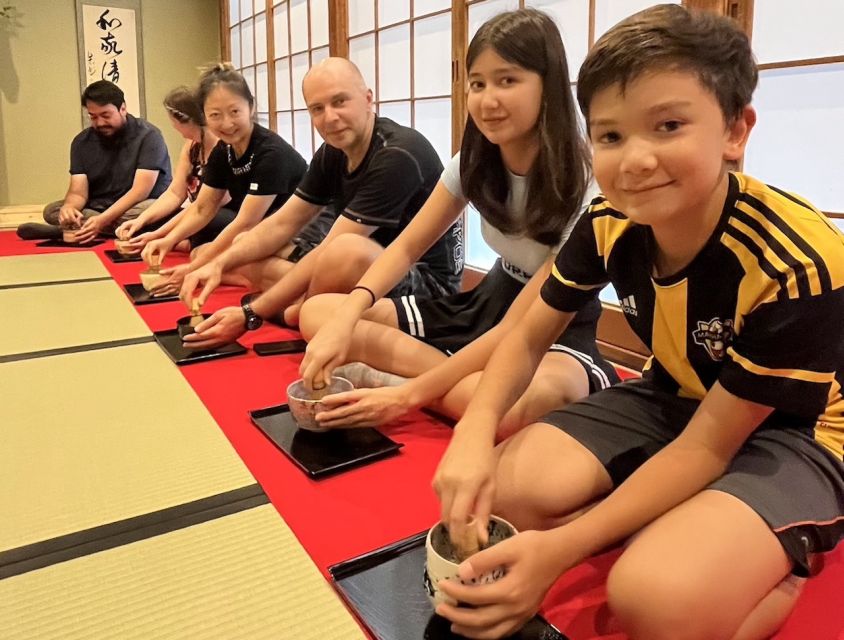
The confections are included, and they are served to match matcha. These sweets are described as seasonal, and people consistently call them delicious.
What is the practical takeaway? Do not treat the sweet like a separate snack. Let it work with the tea. Take a bite, then sip matcha, then notice how the flavor changes in your mouth.
This pairing also makes the ceremony more welcoming. If matcha tastes strong to you, the sweets soften the edge and help you understand why matcha works so well in Japanese culture as a tea, not just a trend.
Tea ceremony etiquette: the rules that help you avoid awkward moments
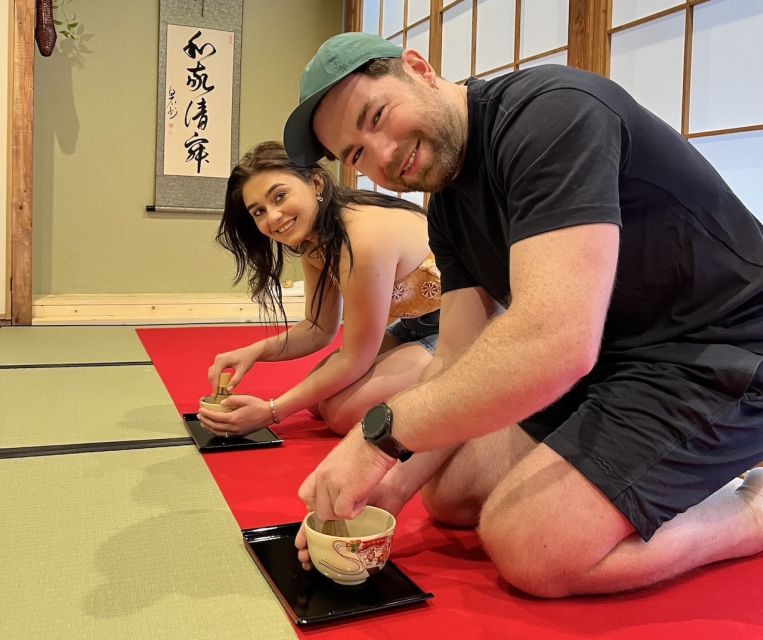
A tea ceremony has rules because the room is shared and the mood is quiet. The good news is the experience teaches basic manners, so you are not expected to arrive knowing everything.
Here are the practical etiquette themes you should keep in mind:
- Keep the room calm and quiet, no loud talking
- Do not eat or bring in outside food during the session
- Do not jump or make sudden disruptive movements
- Follow the instructor’s directions for how to handle and serve tea
Also, the activity lists a strict no-no list for kids and equipment. Strollers and baby carriages are not allowed, so plan to wear younger kids if you are traveling with them, or rethink the timing if that is not practical. Noise is not optional here.
Finding the place in Dotonbori, and why timing matters
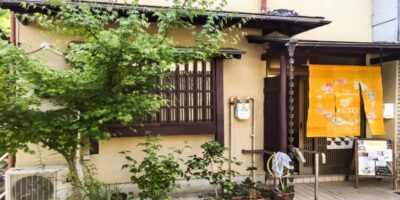
The location is in Osaka, Honshu, with a specific address:
大阪市中央区道頓堀1丁目東5-26, on the second floor.
The instructions are clear that you should use Google Maps and search for tea ceremony osaka the osaka, then double-check you are on the correct second floor. The coordinates given are 34.66885079999999, 135.5063291.
Logistics tip: show up with enough buffer to handle confusion. Some people find it tricky to locate, so giving yourself a little margin reduces stress. At the same time, do not arrive extremely early if you are worried about where to wait. The session timing is tight enough that you can end up standing around if you show up too far ahead.
Once you arrive, the second-floor detail is the one that can trip you up. Confirm you are in the right spot before you settle your group.
Price and value: is $25 for 45 minutes worth it?
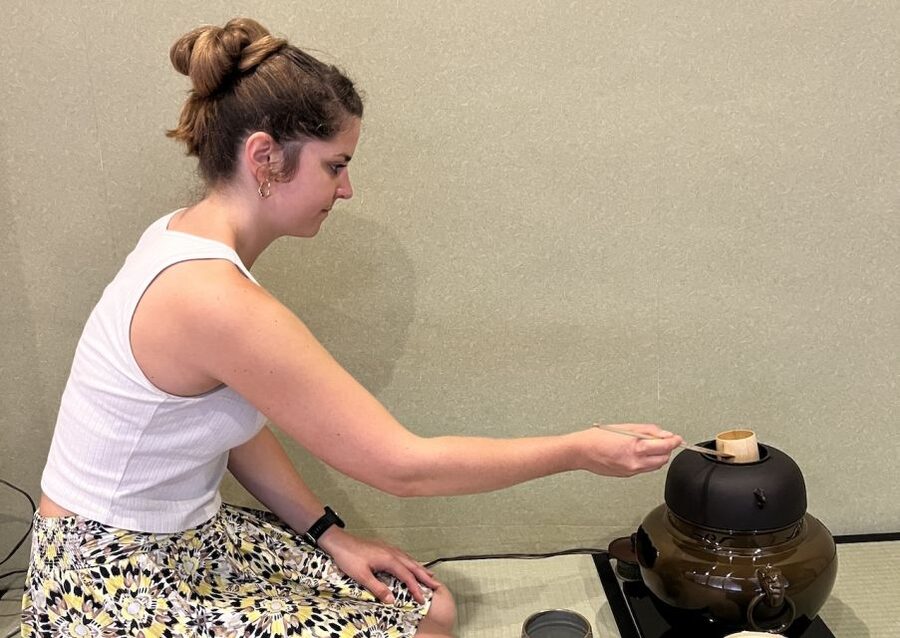
At $25 per person for a 45-minute session, this is priced like an experience, not a casual tasting. You are paying for three things:
- A real guided ritual in a traditional room
- A hands-on matcha making component with the included tools
- Included matcha and included seasonal sweets
You also get English instruction. That matters in Osaka, where lots of cultural activities still assume Japanese. If you want a low-effort way to learn the ceremony basics without hunting down a teacher yourself, this pricing feels fair.
Where it becomes strong value for many people is the hands-on part. A show-only activity would be shorter on value. Here, you do something and then you taste it.
Who should book this matcha experience, and who should skip it
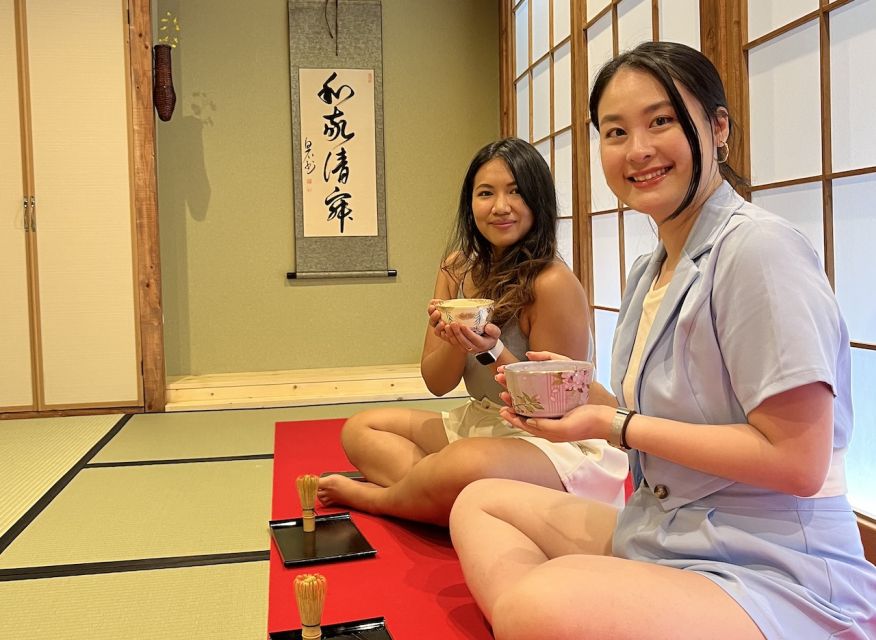
This experience is a great match if you want:
- A calm cultural activity that fits into a packed Osaka day
- A clear, step-by-step introduction to matcha preparation
- A guided setting where etiquette is explained for you
- A traditional room experience without needing long travel time
It may not be the best fit if:
- Floor seating is difficult for you. The session is short, but it is still on the tatami.
- You are traveling with strollers or baby carriages, since they are not allowed.
- You need very flexible pacing. This is ritual-based, with rules on noise and behavior.
There are also strict child age rules:
- Over 5-years-old children cannot participate, according to the information provided
- Children aged 5 and above are required to have their own ticket
- Entry may be refused if you are accompanied by a child under age 5
- If you are traveling with a child under 4, you are asked to contact in advance
Because those lines can feel contradictory at first glance, you should treat the age policy as the thing you confirm before booking.
Should you book the Osaka tea ceremony experience?
Yes, if you want a small, respectful culture moment with hands-on learning. This is one of those activities that does not fight your schedule. You get guided matcha prep, you drink what you made, and you eat seasonal sweets that actually belong with the tea.
If you are sensitive to quiet rules, have trouble sitting on the floor, or are traveling with strollers, then it might be worth adjusting your plan. For everyone else, it is a smart way to experience something very Japanese without needing a full day of planning.
If you do book, do the simple things that make it smoother: use Google Maps for the second-floor address, arrive with some buffer, and treat the room like a quiet classroom where the goal is attention, not performance.
FAQ
How long is the Osaka tea ceremony experience?
The experience lasts 45 minutes.
Where is the meeting point?
Use Google Maps to search for tea ceremony osaka the osaka. The address is 大阪市中央区道頓堀1丁目東5-26, on the second floor.
What is included in the ticket price?
Entrance fee, matcha (powdered green tea), and confections (Japanese sweets).
Do the instructors speak English?
Yes. The host or greeter is English, and an English audio guide is included.
Are there age restrictions for children?
Yes. The information states that children over 5 years old cannot participate. It also says children aged 5 and above must have their own ticket, and entry may be refused if you are accompanied by a child under 5. For children under 4, you are asked to contact in advance.
What is not allowed during the ceremony?
Baby strollers and baby carriages are not allowed. Food is not allowed. Jumping and making noise are also not allowed.
Is free cancellation available?
Yes. You can cancel up to 24 hours in advance for a full refund.
Latest write-ups near Osaka
- 90 min Shared Handmade Udon Experience★ 5.0 · 70 reviews
- Ramen and Gyoza Cooking Class in Osaka Dotonbori★ 5.0 · 73 reviews
- Osaka: Sushi Making in Spacious Studio (SAME-DAY OK!)★ 5.0 · 75 reviews
- Osaka E-Bike Tour With A Local Guide★ 4.7 · 75 reviews
- 1.5〜2 Hours Traditional Kintsugi Work Shop in Namba Osaka★ 5.0 · 75 reviews
- Retro Osaka Street Food Tour: Shinsekai★ 4.5 · 77 reviews
- Osaka: Osaka Castle Guided Tour with Local Guide★ 4.7 · 78 reviews
- Osaka Okonomiyaki Cooking Experience!★ 5.0 · 79 reviews
Tea Ceremonies, compared.
Tea Ceremony in a Traditional Tea House in Kiyomizu
Read our review →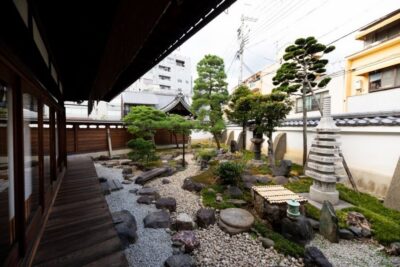
World Heritage Kyoto & Nara Uji Authentic Matcha Experience
Read our review →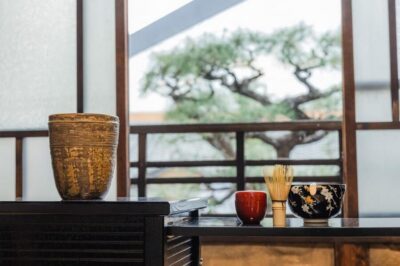

Arashiyama Bamboo Forest, Monkeys, Matcha & Temple Tour
Read our review →Browse the lists this tour appears in