Reviewed · CALLIGRAPHY CLASSES
Experience all of Japanese culture and Japanese food experience classes “origami, udon, Japanese food, green tea, calligraphy” in 4 hours
A four-hour class in a real Tokyo home is interesting because you go from origami to making udon, then finish with matcha and calligraphy. I love the homecoming TAKA welcome, especially how Taka and Keiko guide you like you are family.
I also love that the lunch you make is the center of the experience, with sushi and gyoza plus tempura and Japanese sweets after. One possible drawback is the private home setting: it is not a sightseeing bus tour, so if you want constant motion and big-group energy, this slower, domestic rhythm may feel different.
Key highlights you should notice before booking
- Meet JR Omori Station central exit and walk to a residential neighborhood (about 8 minutes on foot)
- Fold a paper crane, then go straight into handmade udon preparation
- Cook the main lunch menu together, including sushi and gyoza, plus Japanese small plates
- Enjoy tempura as part of the meal experience
- Free drinks are included, including sake, beer, shochu, and soft drinks
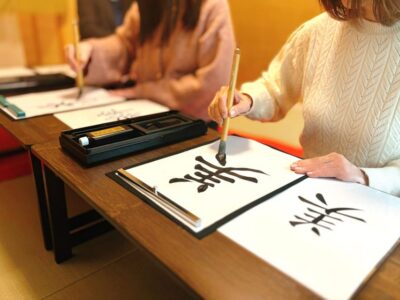
- Take home a calligraphy souvenir as Keiko writes your name on colored paper
Why a Tokyo home kitchen beats a typical food tour
This experience works because it is not just about tasting Japanese food. You learn small arts, cook real dishes, then eat them at the table, with conversation flowing the whole time. It is one of those Tokyo experiences where the setting matters as much as the food.
I like that it follows a clear arc: craft first, then dough and cooking, then tea and a final keepsake. That order is practical too. You build skills while you are fresh, and by the time you sit down for lunch, you understand what you made and why it tastes the way it does.
You should also know what you are signing up for. This is a private, at-home program. It is personal, cozy, and a bit emotionally warm, which is great if you like human connection, but less ideal if you prefer polished staging over real household interaction.
More Calligraphy Classes in Tokyo
- Tokyo: Calligraphy on Kanji Fan & Scroll with Drink
★ 5.0 · 210 reviews - Let’s experience calligraphy in YANAKA, Taito-ku, TOKYO !!
★ 5.0 · 127 reviews - Tokyo: Calligraphy Workshop & Original T-Shirt Creation
★ 4.9 · 105 reviews
Getting to homecoming TAKA near JR Omori Station (and what you’ll see on the way)
You meet at the central exit of JR Omori Station at 10:30 am. From there, it is an easy walk, about 8 minutes, to the hosts’ home. Along the way, you pass a shrine and go through a quiet residential area, which immediately shifts you away from the usual tourist grid.
This matters more than you might think. A short walk like this is part of the experience, because you get a sense of everyday Tokyo life. If you are the type who likes seeing how neighborhoods actually feel, you’ll appreciate it.
Also, the tour is designed to run without transfers included. You do not need a private pickup, but you do need to get yourself to Omori Station on time. If you are prone to getting lost in Tokyo train stations, give yourself extra buffer.
Finally, since it is a mobile ticket experience, you will want your phone charged and ready at check-in.
Origami to udon, how the hands-on sequence works
The day starts at the home with a simple rundown of what comes next: origami, udon noodles, Japanese food, matcha, and calligraphy. The flow is intentional. By the time you’re eating, you already understand the day’s theme: care, precision, and small rituals.
First up is origami. You fold the paper crane, step-by-step. It’s short, but it sets a tone that feels very Japanese: attention to detail in a small, doable action.
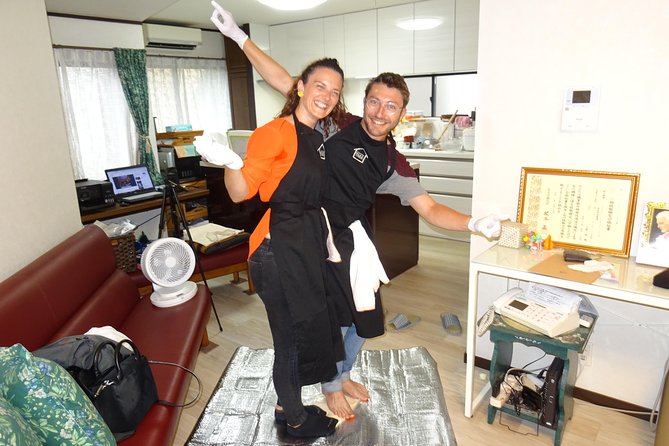
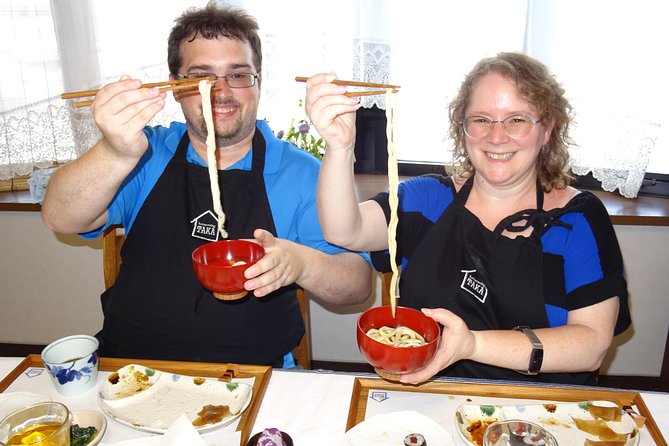
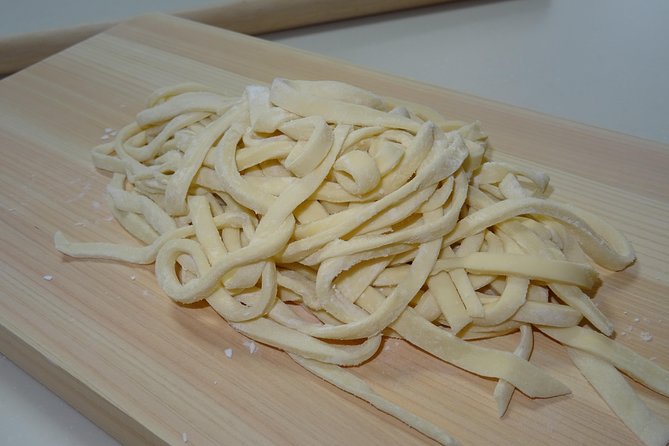
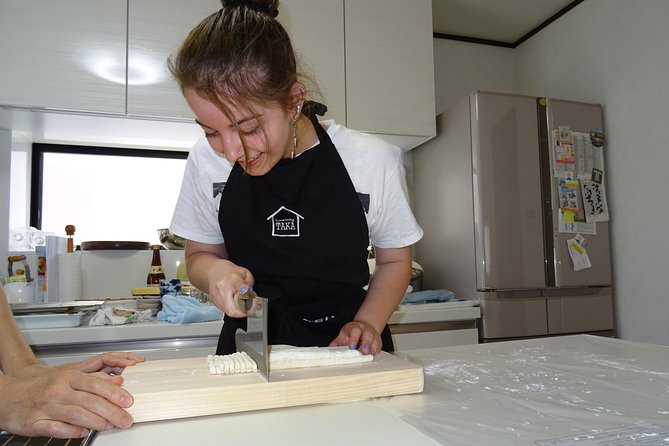
Then you move into handmade udon. The best part here is that you do it from materials to completion, not just “watch and sample.” The process includes kneading, and yes, there is even a moment where you step on the material as part of working the dough. That is the kind of hands-on detail that makes this feel real.
Practical takeaway: wear comfortable clothes. You are moving, handling dough, and standing around a kitchen space that is not designed like a commercial cooking studio. An apron is provided, which helps, but you still want clothes you can live in for a few hours.
If you worry about being clumsy, don’t. The program is built for participation. You just follow what Taka and Keiko show you, and you’ll be surprised how quickly your hands learn the rhythm.
Sushi and gyoza for lunch, plus tempura and small plates
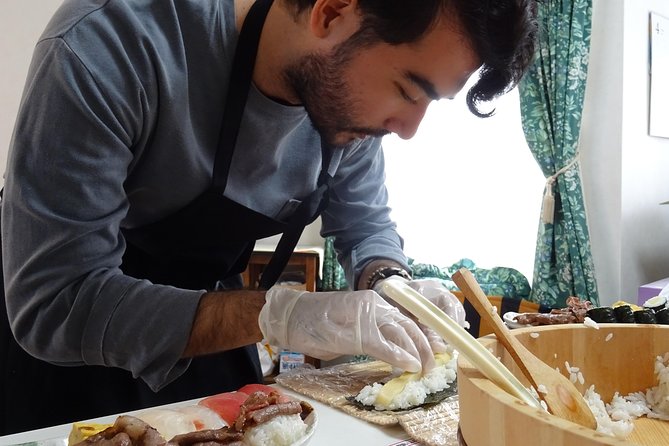
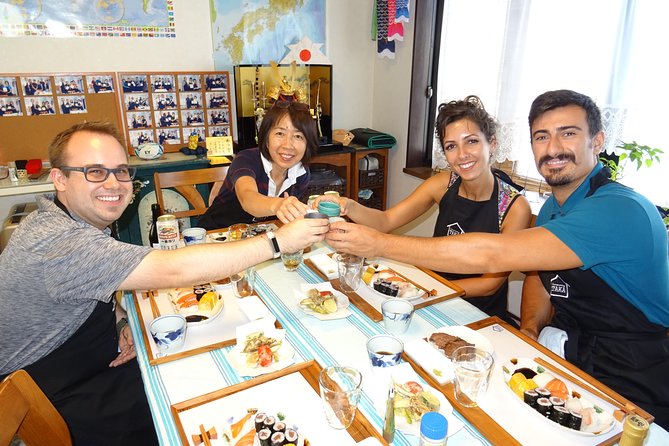
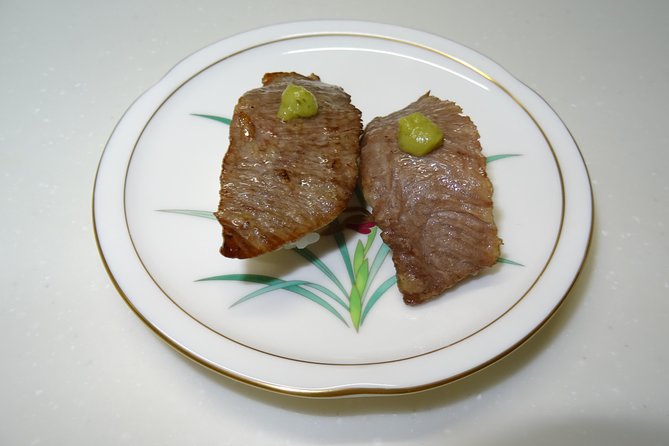
Lunch is the main event, and it is structured around dishes you make together. The day’s centerpiece menu includes sushi and gyoza. On top of that, Keiko serves Japanese small plates, which round out the meal and keep it from feeling like one long cooking demo.
This is a smart format. Many food classes teach technique but don’t give you a satisfying meal. Here, the lunch becomes the reward. You step through the making, then you get to taste the results right away, while the table is still warm with conversation.
Sushi and gyoza also cover two very different sides of Japanese cooking. Sushi gets you thinking about balance and assembly. Gyoza pushes you into shaping and filling. Together, they help you understand why Japanese home cooking can feel both technical and approachable.
Then you add tempura into the mix. Tempura is all about timing and texture, and it adds a different mouthfeel to the meal. Even if you’ve had tempura before, learning it in a home setting makes you pay attention to how the dish is built, not just how it tastes.
A quick note for vegetarians and vegans: the experience explicitly states you can enjoy all dishes with different ingredients. That is valuable, because some cooking classes only offer a limited side option. Here, you are meant to participate fully.
More Dining Experiences in Tokyo
- Tokyo Bar Hopping Tour in Shinjuku (All-You-Can-Drink + Dinner)
★ 5.0 · 3,587 reviews - Tokyo: Sumo Show and Dining Experience
★ 4.8 · 2,742 reviews - Tokyo: Samurai Restaurant Show Ticket with 2 Drinks
★ 4.5 · 1,307 reviews - Sumida River: Japanese Traditional Yakatabune Dinner Cruise
★ 4.6 · 779 reviews
Matcha and Japanese sweets, and why the tea part matters
After you’ve eaten, the program shifts to matcha. You make matcha together and then taste it with local Japanese sweets. This part is not just dessert plus tea. It acts like a reset button after cooking.
Matcha is also a cultural cue. It turns the day from “hands and food” into “ritual and flavor.” You get to slow down, taste something that is often treated as special in Japan, and pair it with sweets that match the moment.
The pairing with local Japanese sweets is a nice touch for a couple reasons. First, it gives the tea a clear role in the day, not just as a drink. Second, it helps you compare flavors: bitter tea versus sweetness, and how they change together on your palate.
And yes, this is still part of the learning. Even if matcha seems straightforward, doing it with a host tends to reveal small differences in how it is prepared and enjoyed.
Calligraphy name souvenir on colored paper, the final keepsake
The last step is calligraphy. Keiko writes your name in calligraphy on a colored paper souvenir, and you take it home. This is one of the best parts of any cultural class because it turns the experience into something you can keep and remember.
There is something satisfying about getting your own name written. It makes the skill feel personal, not like a generic craft that everyone gets. And it is a clean finale, after you’ve already built momentum through cooking and tea.
If you’re traveling with family, this kind of souvenir tends to become an easy story later. It is also a good way to capture the day even if your cooking skills are more “try this at home later” than “master chef.”
Price and what you really get for $92.50 in 4 hours
At $92.50 per person for roughly 4 hours, the value comes from three things: you get a real meal, you get structured hands-on lessons, and you get free drinks.
Lunch is included, and the menu is substantial: sushi and gyoza as the main focus, plus Japanese small plates and tempura. That alone pushes the price into “good value” territory, especially in Tokyo where food experiences add up fast.
Then there is the drink part. Free drinks include sake, beer, shochu, and soft drinks. That means you are not paying extra for alcohol during the meal portion. Even if you skip alcohol, you still benefit from the flexible soft drink selection.
You also get practical extras that support participation: an apron and the origami activity. The calligraphy name souvenir is also included, and it is not a throwaway item. Keiko’s name calligraphy on colored paper is a real memory piece.
One more detail that helps value: the experience notes that materials are made in Japan, and drinks are included as well. That does not guarantee quality by itself, but it signals attention to sourcing.
What might make you hesitate? If you prefer broad, checklist-style Tokyo attractions, a home cooking class will feel smaller in scope. But if you want something you can actually do, taste, and take home, this is a strong use of half a day.
Who this suits best, and who should think twice
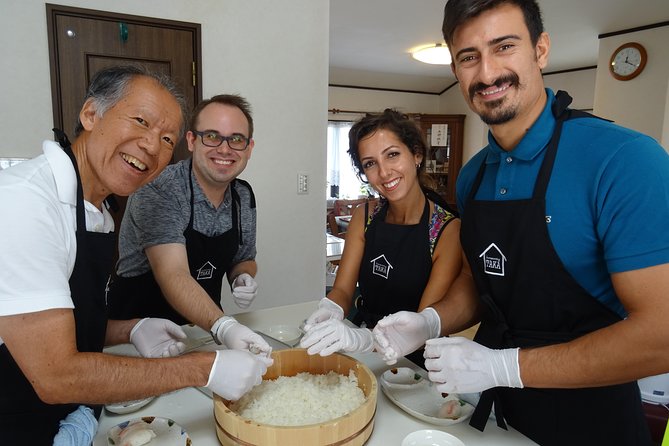
This works especially well for:
- Food lovers who learn by doing
- Travelers who want a personal connection to Japanese culture, not just photography
- Families, including kids, since the program is structured to keep participation moving and not overly formal
The vibe is friendly and warm. Taka and Keiko have built this around hospitality, conversation, and teaching you at a pace that does not feel rushed, even though the day covers a lot.
Think twice if:
- You want a high-energy, sightseeing-only day with lots of external stops
- You have difficulty with hands-on cooking tasks or stepping into a kitchen workflow
- You are extremely time constrained and cannot arrive at the 10:30 am meeting point
If you have dietary needs, the experience states vegetarian and vegan options are available with different ingredients. If your needs are more specific than that, you might want to confirm ingredients in advance since the meals are being made at home.
Timing, comfort, and how to make the most of your 4 hours
Start by planning your arrival so you are not sprinting. The tour meets at JR Omori Station central exit at 10:30 am, then you walk to the house. Build in a little buffer because Tokyo stations can be complex and Omori Station is still busy.
When you get to the house, expect the day to move in segments rather than one long cooking lesson. Origami and udon take you into the craft side, then sushi and gyoza anchor lunch, and matcha plus sweets brings you back to the cultural side. The calligraphy souvenir is the closing ritual.
Dress comfortably. You’ll be in a home setting and doing dough work. Even with an apron, you’ll appreciate shoes that are stable for standing and moving around.
Finally, bring a curious mindset. The hosts focus on teaching and conversation. If you ask simple questions about ingredients, techniques, or the dishes, you’ll get more out of the day.
Should you book this Omori Japanese culture and food experience?
Book it if you want a Tokyo experience that feels human, not transactional. You’ll get a full arc of Japanese culture in one afternoon: origami, handmade udon, sushi and gyoza, tempura, matcha and sweets, and a calligraphy keepsake with your name. It is also private, so you can ask questions and participate at your group’s pace.
Skip it only if you strongly prefer big-ticket sights, or if you dislike hands-on cooking and crafts. This is a home program, so the value comes from doing, eating, and learning in someone’s daily space.
If you want one clear half-day in Tokyo that gives you real skills and real memories, homecoming TAKA in Omori is an easy yes.
FAQ
Where is the meeting point and what time does it start?
You meet at the central exit of JR Omori Station at 10:30 am. From there, it is an about 8 minute walk to the hosts’ home.
How long does the experience last?
The experience is about 4 hours.
What’s included in the $92.50 per person price?
The price includes lunch, origami, an apron, free drinks, and a calligraphy souvenir written on colored paper with your name.
Are drinks included, and which types are offered?
Yes. Drinks are free and include sake, beer, shochu, and soft drinks.
What cooking and cultural activities are part of the class?
You’ll do origami (fold the paper crane), make handmade udon noodles, cook Japanese food including sushi and gyoza, enjoy tempura, make matcha, taste it with Japanese sweets, and finish with calligraphy.
Can vegetarians and vegans eat the menu?
Yes. Vegetarians and vegans can enjoy all dishes with different ingredients.
Is this tour private?
Yes. It is a private tour/activity, and only your group participates.
Is transportation included from the city or hotel?
No. Transfer is not included. You are responsible for getting to JR Omori Station for the 10:30 am meeting.
More Food & Drink in Tokyo
- Tokyo: Shinjuku Food Tour (13 Dishes at 4 Local Eateries)
★ 5.0 · 6,603 reviews - Tokyo Tsukiji Fish Market Food and Culture Walking Tour
★ 5.0 · 3,184 reviews - Tokyo: Shinjuku Food Tour (15 Dishes and 4 Eateries)
★ 4.9 · 2,033 reviews - Best of Shinjuku: Izakaya Food Tour (4 Stops, 14+ Tastings)
★ 5.0 · 1,863 reviews
Latest write-ups near Tokyo
- Tokyo Customized Private Tour: See Top Attractions in 1 Day★ 4.8 · 67 reviews
- From Tokyo: Top 5 Scenic Spots of Mount Fuji Full-Day Tour★ 4.5 · 67 reviews
- Tokyo: Shinjuku Izakaya and Golden Gai Bar Hopping Tour (2h)★ 4.9 · 67 reviews
- Traditional Japanese Music ZAKURO SHOW in Tokyo★ 5.0 · 67 reviews
- Tsukiji: Unlimited Sake Tasting Experience★ 4.9 · 67 reviews
- Tokyo: Not a show- a professional sumo practice with experts★ 4.9 · 67 reviews
- Samurai Ninja Museum Asakusa: Kid-Friendly Ninja Training★ 4.7 · 67 reviews
- Private Harajuku Omotesando Architecture Walking Tour★ 5.0 · 67 reviews
Calligraphy Classes, compared.
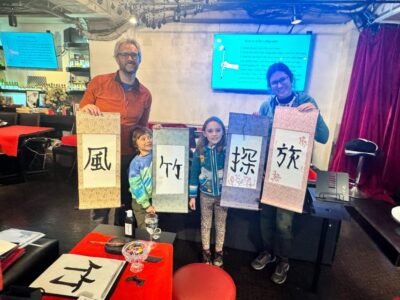
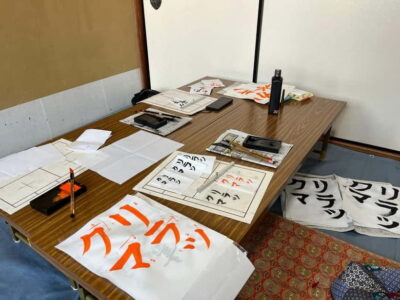
Calligraphy class at Buddhist temple in city center
Read our review →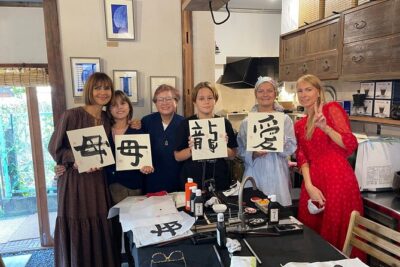
Let’s experience calligraphy in YANAKA, Taito-ku, TOKYO !!
Read our review →
Calligraphy Workshop & Original T-Shirt Creation
Read our review →
An Amazing set of Cultural experience: Kimono, Tea Ceremony and Calligraphy
Read our review →