
Reviewed · FULL-DAY TOURS IN OSAKA
Kyoto & Nara & Uji: Full Day Sightseeing Tour from Osaka or Kyoto
Kyoto, Nara, and Uji in one long day is interesting because you get big-name landmarks plus quieter tea-country scenery, all without needing to coordinate trains all day. I love how the tour builds in obvious photo moments like deer at Nara Park and the Phoenix Hall that appears on the 10 yen coin. My one heads-up: this is a fast-paced day, so if you like wandering slowly or you are picky about lots of sit-down time, you might feel squeezed.
I also like the practical structure. You get air-conditioned transport and a guide, then you use the scheduled time on your own at each stop. The main consideration is that group size can feel big, and guides vary in English level, so it helps to stay flexible and be ready to follow cues quickly.
Quick highlights before you go
- Nara Park deer time: free-roaming deer plus easy access to Todai-ji the same day
- Todai-ji UNESCO stop: a major Nara landmark, with the entrance fee handled on-site
- Uji tea country break: Uji Park, Uji River views, and a real matcha shopping street
- Byodo-in Temple and Phoenix Hall: the UNESCO site many people come for
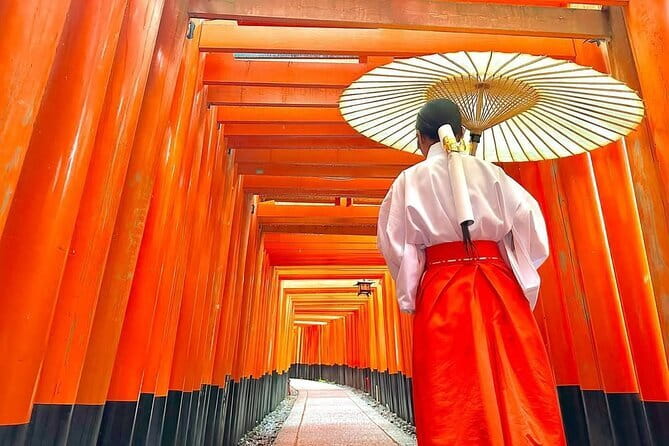
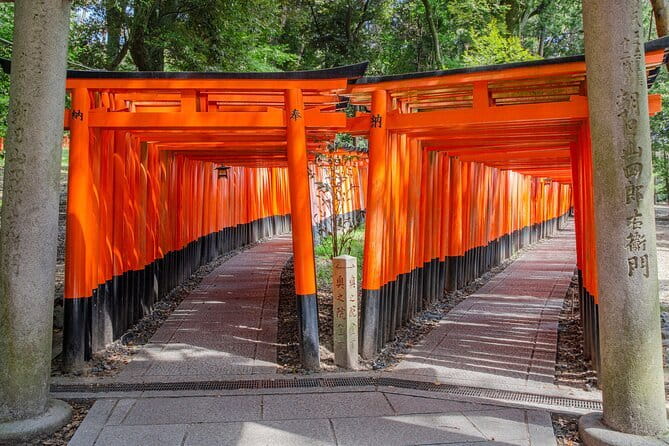
- Senbon Torii at Fushimi Inari Taisha: thousands of red torii gates to walk through
- Maximum 45 per group: big enough to feel energetic, not so huge you vanish
One day, three regions, and a timeline you can actually use
This full-day tour is built for people who want Kyoto classics plus Nara and tea culture, but only have one day. The route makes sense: start with Nara’s park and temple scale, swing over to Uji for green tea atmosphere, then end with Fushimi Inari’s iconic torii gates. It is the kind of day that saves you stress because you are not choosing trains or bus routes between regions.
The day runs about 9 hours. You do not have to worry about lunch being included, but you do get time to eat on your own. That trade-off can be good value because it lets you pick the food you actually feel like eating, not whatever the operator pre-selects. It also means you should plan ahead for hunger, especially because some stops are short on time.
Transport is air-conditioned, which matters in Japan when the weather is hot or sticky. The tour also runs with a guide, and the best versions of this experience tend to be the ones where the guide gives clear meeting points and practical rules for each area.
One more detail that helps your sanity: this is a mobile ticket tour. That usually means less paper, less fumbling, and faster check-in once you are at the right start point.
More Full-Day Tours in Osaka
- Osaka: Minoh, Katsuoji Temple, & Minoh Falls Full-day Tour
★ 4.9 · 172 reviews - Osaka’s Best and Brightest: Private Full-Day Tour by Vehicle
★ 5.0 · 147 reviews - Full Day Tour of Kyoto with Private Transportation
★ 5.0 · 130 reviews
Nara Park deer first, then Todai-ji
Nara Park is one of those places where you instantly get the point. The park is huge, and the deer are free-roaming and very used to humans. The deer will look for treats, and they can get bold. I would treat this like a photo mission with manners: keep your pockets closed, follow the guide’s instructions, and be ready to step aside if a deer gets too enthusiastic.
You get about 50 minutes at Nara Park. That is long enough to walk through the main areas and get your photos without feeling like you have to sprint. If you love people-watching, this is a good stop. The deer are basically the main character, and it is fun watching how other visitors react.
Practical tip for your deer time: do not stand in one spot forever with food in hand. Even if you do not mean to, you can create a bottleneck for others and for the deer. A quick snack handoff, then a move to the side, is smoother and more respectful.
This is also a good place to set the tone for the day. Nara Park gives you a relaxed, outdoors start. Then the plan moves you into a temple landmark right after, so you are not burning your energy too early.
Todai-ji Temple, UNESCO scale with a short visit window
Todai-ji is a major name in Nara, and it is a UNESCO World Heritage site tied to the Historic Monuments of Ancient Nara. The temple complex feels grand the moment you arrive. Even if you are not a temple scholar, you can appreciate scale and craftsmanship.
You get about 30 minutes here. That is not a full temple deep-study visit, but it can be enough if you go in with a simple goal: see the main hall area and take in the big views and details that make Todai-ji famous. With only half an hour, your success depends on how direct you stay. If you want side halls and slow wandering, you will need more time than this stop provides.
The entrance fee is not included, so plan on paying ¥800 per person on-site. I like that the day includes a clear time slot and you are not waiting around for the next bus while everything closes. Still, budget the cash or be ready with a payment method you can use quickly.
Uji Park and the Uji River, your calmer intermission
Uji is not as loud as the bigger Kyoto streets, and that is exactly why it works as a break. You spend about 30 minutes at Uji Park, which is an island park surrounded by the Uji River. It connects to the riverbanks with three bridges, so you get easy walking routes and a scenic, open feeling.
Then you get about 20 minutes at the Uji River itself. The river originates from Lake Biwa, and it is described as an important waterway connecting Shiga and Osaka since ancient times. Even if you are just walking and not reading plaques, that long history adds a bit of weight to what you see. You feel like the scenery has been here in one form or another for a long time.
These two stops together act like a palate cleanser. After deer and a huge temple, you get space to breathe. And because the day is otherwise temple and torii focused, this stretch helps the tour feel varied instead of repetitive.
Admission is listed as free at both of these stops, so you can use your money for matcha snacks instead.
A change of pace from Osaka:
- Osaka Go Karting Tour with Funny Costume
★ 5.0 · 2,658 reviews - Osaka Castle: Museum and Tower Entry Ticket
★ 4.5 · 2,380 reviews - Osaka: Shinsekai Food Tour with 13-15 Dishes at 5 Eateries
★ 4.8 · 2,204 reviews - Osaka Food Tour: 13 Dishes at 5 Local Eateries
★ 5.0 · 2,149 reviews
Byodo-in Temple and the Phoenix Hall, the 10 yen moment
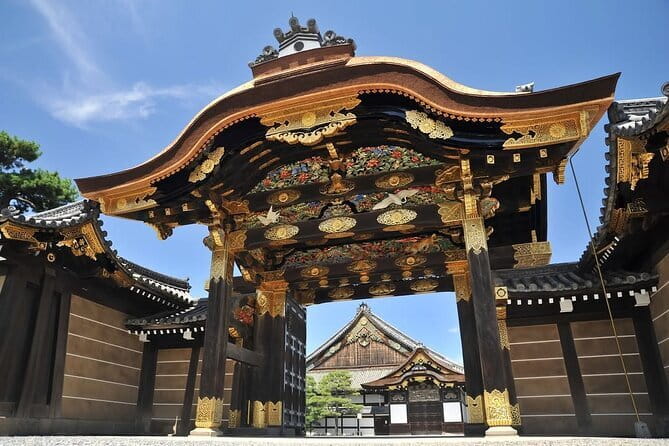
Byodo-in Temple is one of the best-known Uji sights, and it is a UNESCO site. The structure most people come for is the Phoenix Hall, originally built in 1053. It is also famously shown on the obverse side of the 10 yen coin, which is a fun connection if you like seeing how everyday items tie back to places you visit.
You get about 30 minutes at Byōdo-in Temple. Again, it is not a slow museum-style hour. But if you focus on the hall and the approaches, you can still get a strong sense of why it is iconic. The setting is part of the impact, because Byodo-in is meant to be seen and appreciated from specific viewpoints, not just crossed through.
The entrance fee is not included, and it is ¥700 per person. If you are budgeting, this is the one temple stop in the day where you really should plan for the fee ahead so it does not surprise you at the last minute.
If you are a matcha fan or a coin-and-architecture person, this is the stop that tends to feel most meaningful. It gives you a distinct Uji identity, instead of just being another temple tick-box.
Byodoin Omotesando matcha street, where you actually spend time
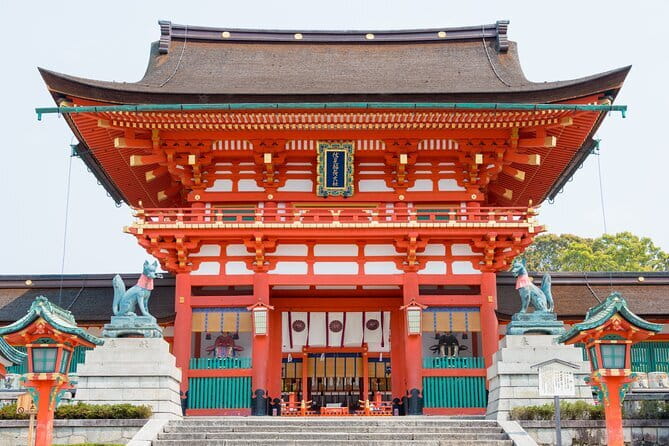
Between temples, you get time at Byodoin Omotesando, the matcha-oriented shopping street in Uji. You have about 40 minutes here, and that is the perfect amount if you treat it like a browse window, not a shopping marathon.
Uji is renowned for green tea production, and this street is lined with shops selling tea and tea-related products. If you want souvenirs that taste like something, this is where you can do it. I like spending my time here because the browsing is part of the experience. You are not just walking, you are sampling ideas: sweets, tea packets, small snacks, and gifts that are easy to carry.
Also, this is where you can correct your energy levels. If you skipped breakfast or you went hard on deer photos, matcha snacks can save the day. Just remember: with a short visit schedule, buying too much and slowly sampling everything can eat your whole window. Pick a few things, check prices, and move on.
Admission is listed as free for this street stop, which makes it a good use of your time without extra costs.
Senbon Torii at Fushimi Inari Taisha, the walk that keeps calling you back
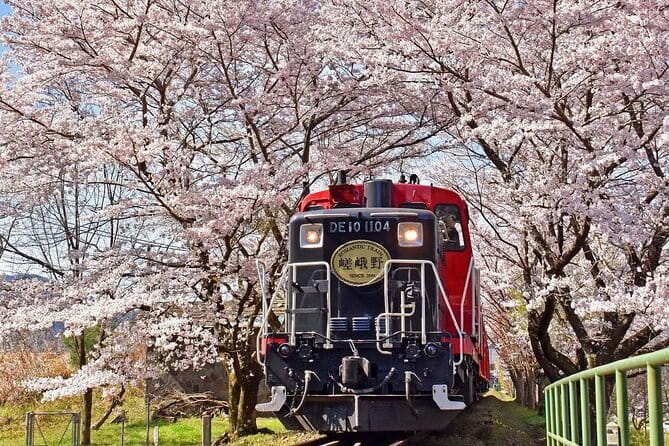
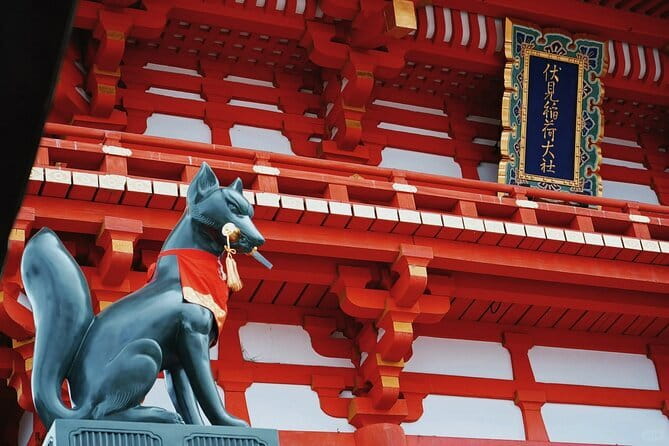
Fushimi Inari Taisha is one of Kyoto’s most recognizable shrine destinations, and this tour includes the famous Senbon Torii, the thousands of vermilion red torii gates. You get about 1 hour 20 minutes here, which is the longest stop in the Kyoto portion of the day.
That extra time matters, because Senbon Torii is not just something you look at from one spot. The torii gates create a walking rhythm. You can go a little way up, pause, turn, and still enjoy the layers of red gates and perspective. Or you can push deeper if you have the legs for it.
The tour keeps this part simpler by giving you time to explore independently after the group arrives. With 80 minutes, you can do a meaningful walk without feeling like you are racing the next pickup.
Practical note: it is easy to underestimate the walking involved. Even if you do not go all the way up, your shoes will get a workout. Wear something you can walk comfortably in, and take breaks. The best photos often happen after you stop, not while you are moving.
Admission is listed as free for this stop, so what you spend here is optional. If you want postcards or small shrine-area snacks, that is on you.
Time pressure, bus realities, and guide language you should plan around
This tour works best when you treat it like a highlights sampler. Most stops are around 20 to 50 minutes, and a couple are a bit longer. That means you should decide what matters most to you. If you care about temples, you will feel satisfied. If you want shopping time everywhere, you will have to choose.
Group size is capped at 45 travelers. That is a lot of people, but it is not a stadium crowd. The bigger issue is how groups move at each stop. When people rush to photos or linger in the wrong spot, it can feel tighter than it really is.
The bus side of the experience can also affect comfort. Some guests have noted tight seating, and others have said the bus windows were not ideal for viewing because of cleanliness. Another note that you should take seriously: on some trips, there may not be a bathroom on the bus. So if you need one, use the restroom before you board, especially when you know you will be out for multiple hours.
Language is the other variable. Several guide names have stood out for clear communication and helpful explanations, including Amy, Candy, John, Laura, Joy, Eve, and Cicy. People have also reported that English can be less fluent with some guides, and some days alternate with Mandarin. If fluent English is a must for you, keep an eye on how the guide communicates during the first stop, then rely more on body language and meeting instructions if needed.
A final good sign: some guides have used group messaging tools like WhatsApp to share reminders and return points. Even if you do not know the platform ahead of time, the goal is the same: keep you moving as a unit.
Price and value: what you really get for about $67
At $67 per person, this tour can be strong value for a one-day route. The price includes air-conditioned transportation and a guide. You are also not paying for most of the sightseeing entries directly, because several stops are marked as free.
Here is the fee reality. Two major temple costs are listed as not included:
- Byōdo-in Temple: ¥700
- Todai-ji Temple: ¥800
That is a meaningful add-on, but it is still pretty reasonable considering you are getting access to major UNESCO sites in both Nara and Uji plus the iconic torii walk in Kyoto. And you are saving time by having transport organized for a full intercity day.
The “value” part depends on your travel style. If you would otherwise spend money on trains and taxis between Osaka or Kyoto to Nara and Uji, the tour starts to look more practical. If you already know how to ride JR and you love free time, you might spend less on transport by booking separately. But you would then lose the guide’s ability to coordinate the day and keep you moving toward the right entrances and meeting points.
For many people, the best value is not the lowest cost. It is the fact that you can see three regions in one day and still feel like you had a plan.
Who this tour suits, and who should be cautious
This tour suits you if:
- You have one day and want a structured route covering Nara, Uji, and Kyoto
- You like matcha and want to spend real time on a tea-focused street
- You want the famous highlights: deer at Nara Park, Todai-ji, Byodo-in Phoenix Hall, and Senbon Torii
It might be less ideal if:
- You dislike fast pacing and want long, slow exploration at each site
- You are very sensitive to group logistics and crowd flow
- You need detailed, consistently fluent English narration the whole time
One more factor: consider your comfort with standing and walking. This day includes multiple outdoor stretches and temple approaches. If you are in good walking shape, you will enjoy it more.
If you are traveling with stroller or large luggage, the tour asks you to indicate it when booking. That matters because buses and stop areas can be tricky, and you want them to plan for your group.
Should you book this Kyoto, Nara, and Uji full-day tour?
I think this is a book-worthy option when your goal is highlights with zero navigation stress. If you want the classic Nara deer moment, the UNESCO temple experience in Nara, the tea-town break in Uji, and the Senbon Torii walk in Kyoto, this route gives you that in one clean plan.
My decision checklist for you:
- If $67 plus two temple fees sounds reasonable for a day you will not have to plan: yes, book it.
- If you know you want slow time in shops or you hate crowds and quick transitions: you might prefer a less packed day.
- If English clarity is essential to your enjoyment: pay attention at the first stops, because guide communication quality can vary.
If your one-day budget is limited and your priorities are those key sights, this tour delivers a lot for the money, as long as you go in ready for a full schedule and short stop windows.
FAQ
What is the duration of the Kyoto, Nara and Uji day tour?
The tour lasts about 9 hours.
How much does the tour cost?
The price is $67.00 per person.
Do I need to pay for temple entrance fees?
Yes. Byōdo-in Temple costs ¥700 per person, and Todai-ji Temple costs ¥800 per person. Other stops are listed as free.
What is included in the tour price?
The tour includes air-conditioned transportation and a guide.
Is lunch included?
No. Lunch is not included, but the schedule provides time for independent dining.
What stops are included during the day?
You will visit Nara Park, Todai-ji Temple, Uji Park, Byōdo-in Temple, Byodoin Omotesando, the Uji River, and Senbon Torii at Fushimi Inari Taisha.
How long do I spend at each main stop?
The listed times are about 50 minutes at Nara Park, 30 minutes at Todai-ji Temple, 30 minutes at Uji Park, 30 minutes at Byōdo-in Temple, 40 minutes at Byodoin Omotesando, 20 minutes at the Uji River, and 1 hour 20 minutes at Senbon Torii.
Where does the tour start?
It departs from either Osaka or Kyoto.
What is the group size limit?
The maximum group size is 45 travelers.
What if I need to cancel?
You can cancel for a full refund up to 24 hours before the experience’s start time.
Latest write-ups near Osaka
- Osaka Private Tour with Government-Licensed Guide★ 4.8 · 20 reviews
- Guided Photography Tour in Osaka: Capturing Memories★ 4.5 · 20 reviews
- Osaka: Food Tour at Night with Tastings★ 4.9 · 20 reviews
- Kansai/KIX Airport to or from Osaka/Kyoto Private Transfer★ 5.0 · 20 reviews
- Osaka: City Highlights Bike Tour★ 4.7 · 20 reviews
- From Osaka/Kyoto: Amanohashidate Day Tour【Including tickets】★ 3.7 · 20 reviews
- Osaka Okonomiyaki Cooking Class “Learn here and make it at home”★ 5.0 · 20 reviews
- Volleyball in Osaka & Kyoto with Locals!★ 5.0 · 21 reviews
Full-Day Tours in Osaka, compared.
Minoh, Katsuoji Temple, & Minoh Falls Full-day Tour
Read our review →
Osaka’s Best and Brightest: Private Full-Day Tour by Vehicle
Read our review →
Full Day Tour of Kyoto with Private Transportation
Read our review →
Full Day Hiroshima and Miyajima Tour by Bullet Train from Osaka
Read our review →Full Day Kyoto Tour : Bamboo Forest, Golden Temple, Fushimi Inari
Read our review →
Amanohashidate & Ine Funaya Sightseeing Full Day Trip from Kyoto
Read our review →
Kyoto Full-Day Private Tour (Osaka departure) with Government-Licensed Guide
Read our review →
Browse the lists this tour appears in