
Kyoto hits different when you see the icons plus the in-between moments, and this day trip does that without turning into a marathon of random stops. I especially like the Arashiyama bamboo forest trail plus the quick photo payoff at Togetsukyo Bridge. I also like the pairing of the Golden Pavilion (Kinkakuji) and the red gates of Fushimi Inari, because you get two very different Kyoto moods in one day.
One thing to plan for: you’ll do real walking with stairs and hills, and the schedule can shift with traffic and weather. If you do not do long walking days, this tour may feel tiring instead of fun.
Key things to know before you go
- Small group, private-vehicle feel: up to 11 people, with an air-conditioned vehicle and onboard WiFi.
- Bamboo Forest with Heian-era context: the walk is tied to bamboo grown and protected for centuries.
- Golden Pavilion ticket included: Kinkakuji entry is part of the price.
- Fushimi Inari is red-gate heavy: plan your pace, because time there can feel tight.
- Guides matter here: guides like Taka and Tom are repeatedly praised for history, safety, and keeping the day moving smoothly.
Kyoto day trip from Osaka, minus the big-bus headache
This is a full day Kyoto tour from Osaka that focuses on three headline stops, handled with a small-group, guided approach. You meet in Osaka, ride in a comfortable private vehicle, and get an English-speaking conductor plus Mandarin-speaking support (and sometimes a multi-lingual guide). The vibe is practical, not chaotic.
The best part for most people is the pacing. Instead of bouncing between train transfers and map app stress, you use the van to connect the dots: Osaka to Arashiyama, then to Kinkakuji, then to Fushimi Inari, and back again. The day is about efficiency, but it is not a sprinting contest.
You should know the tour is not customizable, and it is built around a fixed route. Also, even with good planning, Kyoto timing depends on traffic and weather, so your exact schedule may shift. That is normal for a day trip, but it matters if you are trying to catch a specific dinner plan later.
More Full-Day Tours in Osaka
- Osaka: Minoh, Katsuoji Temple, & Minoh Falls Full-day Tour
★ 4.9 · 172 reviews - Osaka’s Best and Brightest: Private Full-Day Tour by Vehicle
★ 5.0 · 147 reviews - Full Day Tour of Kyoto with Private Transportation
★ 5.0 · 130 reviews
Where you meet in Osaka (and how the day ends)
You start at 9:45 am, with two possible meeting points in Osaka: Shinsaibashi or Umeda DT Tower. After the sightseeing day, the tour returns you to the meeting point area, so you are not left hunting for a ride across town.
This setup is simple and helpful if you are staying in central Osaka and want to keep logistics easy. It also reduces the risk of missing a first connection, since you are getting picked up at a known spot in the city core.
One practical note: the tour is described as having no extra pick-up or drop-off service, so plan to be at the meeting point you choose. The guide will let you know the plan at the start, but it is on you to arrive on time since departure runs on schedule.
Arashiyama first: Togetsukyo Bridge, riverside views, then bamboo time
Arashiyama is where Kyoto starts to feel like a postcard, but it is also one of the easiest places to waste time if you wander without a plan. This tour does it in a clean sequence: first Togetsukyo Bridge, then an Arashiyama town walk, then straight to the bamboo forest trail.
Togetsukyo Bridge is your opening act. You get a chance to look over the river valley and mountain scenery and take photos before the bamboo crowds lock in. Crossing the bridge also helps you orient yourself, so when you enter the town area, you understand where you are in the broader Arashiyama landscape.
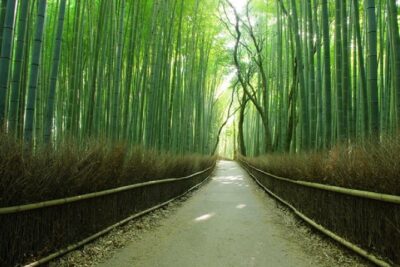
Then comes the bamboo forest walk, and here is the part I really like. The bamboo area is described as culturally significant for over 1,000 years, with bamboo cultivated by the nobles of the Heian era still part of the legacy. Translation: it is not just a set piece for Instagram. Even on a short visit, you get a sense of why this place matters and how long it has been cared for.
The main drawback of bamboo for many people is simple: it is beautiful, but it can be crowded and repetitive if you rush. If you like slow walking and quiet observation, you’ll do better if you stay aware of your pace instead of trying to hit every photo angle at speed.
The bamboo forest walk: what you’ll actually experience on foot
This portion is set aside for about 50 minutes for the bamboo forest trail. That is enough time to enter, walk the main path, and still stop to look up at the towering stalks. The tour is also explicitly described as including walking with stairs and hills, so comfortable shoes matter here.
You will probably notice two things while you walk:
- Bamboo is tall and tight visually, so your eyes keep catching new angles the whole time.
- The ground can vary, and crowds can compress your walking pace.
If you want to enjoy it, plan to slow down. Do not treat it like a 10-minute photo mission. The appeal of Arashiyama bamboo is in the feeling of vertical rhythm, not just the shutter click.
More Temple & Shrine Tours in Osaka
- Osaka Temple Cool Foot Bath & Matcha Experience〈45min〉
★ 4.9 · 82 reviews - Osaka: Minoh Waterfall & Katsuo-ji Temple Half-Day Tour
★ 4.7 · 27 reviews - Osaka Half-day E-bike Adventure: Minoh Falls & Katsuoji Temple
★ 5.0 · 25 reviews - Lake Biwa Tour: Shirahige Shrine, Ukimido ,La Collina Omihachiman
★ 4.5 · 21 reviews
Arashiyama town break: lunch and snacks without the planning headache
After the bamboo forest, you get a break in Arashiyama town. The schedule leaves around 1 hour here. That time is your chance to eat, shop for souvenirs, and reset your legs.
Lunch is not included, so you’ll need to pick a spot on your own. The benefit of having a guided day is that you are not stuck searching blindly across Kyoto. Arashiyama is built with snack shops and casual local food options, so you can usually find something that fits your appetite and budget quickly.
This is also where you can balance the day. If bamboo felt intense, you might prefer a simple lunch and a slower stroll. If you want to shop, this is when to do it, since later stops are more structured and time feels tighter.
Practical tip: since this is a day trip, do not plan on a sit-down restaurant that takes forever. You want a meal that leaves you time to enjoy Kinkakuji and Fushimi Inari without rushing.
Kinkakuji Golden Pavilion: the one ticketed stop
Next, you ride about 25 minutes to Kinkakuji, also known as the Golden Pavilion. The tour gives about 1.5 hours here, and the big thing is that entry is included.
This matters for value. When a major temple ticket is included, you can spend more of your day actually seeing and less time worrying about prices, lines, or last-minute budgeting.
What you’ll experience is the pavilion and its surrounding garden area, designed to create a strong impression from multiple viewpoints. The key is to pay attention to how the gardens and pond-like settings change the feel as you move. Even if you only spend a portion of the time wandering, this stop rewards that small effort.
The only caution is time pressure. If you want extra time for photos at each angle, try to keep your pace steady. This tour is designed to hit Fushimi Inari later, so you do not want to spend so long at Kinkakuji that you arrive to the red gates feeling behind.
Fushimi Inari Taisha: red gates, Inari Okami, and a pace you control
Then you drive about 50 minutes to Fushimi Inari Taisha, founded over 1,300 years ago for the god Inari Okami, believed to exist in the peaks of Mt. Inari. The route through Fushimi Inari is built for exploring, but it also has a strong “choose your depth” factor.
You get about 2 hours here, and the red gates are donated by worshippers over time. That donation history is part of what makes Fushimi Inari feel layered. Each gate has meaning as a marker of devotion, so the place becomes more than a hallway of photos.
Here is the balancing act: some people love a slow, longer climb. Others want to see the highlights and keep moving. This tour’s time at Fushimi Inari is set to fit the full day, but it can feel tight if you stop often for long pauses. A useful strategy is to decide ahead of time how far you want to go, then commit.
Also, keep an eye on your energy. Fushimi Inari involves walking, and combined with the earlier Arashiyama leg, it adds up. If you plan to do the longer routes, bring a steady pace and expect stairs and uneven steps.
The walking reality: stairs, hills, and how to make it feel easy
This tour is not presented as a sit-everywhere experience. It specifically warns that you will walk and that it includes stairs and hills at each place. It is also described as not recommended for people who cannot walk long distances.
So what can you do with that info? A few simple choices make a big difference:
- Wear shoes you trust on stairs and uneven ground.
- Use your break in Arashiyama town to rest your legs, not just your hunger.
- Keep your sightseeing goals realistic, especially at Fushimi Inari.
Another reality check: Kyoto crowds can slow you down. The good news is that having a guide can help you move with purpose through the busiest parts, instead of getting stuck behind slow groups. That is one of the reasons this tour tends to get strong praise, especially from people who care more about getting it right than checking off names.
Price and value: what $105.71 covers, and when it makes sense
The price is $105.71 per person, and the included items help make that number feel less like a guessing game. You get an English-speaking conductor, Mandarin-speaking conductor, an air-conditioned vehicle, onboard WiFi, bottled water, and it also states all fees and taxes are included.
Most importantly for value: Kinkakuji admission is included. Other stops like Togetsukyo Bridge and Fushimi Inari are described as free in the itinerary segments. That means you are not paying extra just to see the headline sites.
What you are not getting is lunch. You will pay for your own food. That is normal for this kind of day trip, but it changes how you budget. If you know you want a simple meal, you can keep costs predictable.
This tour is a good buy when your priorities match the route. If you want bamboo plus Golden Pavilion plus red gates, and you are starting in Osaka with limited time, this makes sense. If you want a looser, customizable Kyoto experience, this fixed structure may feel limiting.
Small group and guide quality: why the day feels smooth
The group size cap is 11 travelers, which is small enough to feel like you have personal attention without being stuck in a private-car bubble. You also get a conductor who guides you between stops, so you are not piecing together transit and admission steps on your own.
Guide quality shows up in the practical ways:
- They explain the significance of places, not just the names.
- They help you navigate crowds safely.
- They keep the schedule moving so you get to each stop while it still feels enjoyable.
You can also see repeat mentions of guides like Taka and Tom, and the experience tends to be described as well-organized with timing that does not feel frantic. One tradeoff does appear in feedback: some people felt the day leaned more heavily toward the bamboo side and less time for Fushimi Inari. That is not a deal breaker, but it is worth noting if red gates are your top priority.
Who should book this Kyoto-from-Osaka tour
Book this tour if you want a one-day hit list that still feels guided and coherent. It is especially a fit if:
- You are staying in Osaka and want Kyoto without transit headaches.
- You want the big icons of Kyoto in one day: bamboo forest, Golden Pavilion, and Fushimi Inari.
- You like history context and appreciate knowing what you are looking at.
- You prefer small groups and a smooth vehicle-to-spot flow.
Skip it if:
- Long walking days are a problem for you. This tour includes walking with stairs and hills.
- You want full control over pacing, since it is not customizable.
- You need maximum time at Fushimi Inari specifically, because the schedule is designed to cover all three stops.
Should you book this full day Kyoto tour?
If your ideal Kyoto day looks like bamboo plus Kinkakuji plus Fushimi Inari, this is a strong option from Osaka. The included Kinkakuji ticket, the small group size, and the fact that you ride directly between stops add up to real value at $105.71.
My call: book it if you plan to wear comfortable shoes, set your expectations for a guided highlights day, and accept that the itinerary is fixed. If you want a slower, deeper Kyoto exploration where you can linger for hours in one place, this might not match your style.
More Arashiyama mornings
- Osaka/Kyoto:Kinkakuji,Arashiyama,FushimiInariShrine,NaraPark
★ 4.1 · 1,596 reviews - Kyoto/Osaka: Nara, Fushimi Inari Taisha, Arashiyama Bus Tour
★ 4.7 · 1,275 reviews - Kyoto Arashiyama Walking Tour: Bamboo, Monkeys, Gardens & Secrets
★ 5.0 · 1,216 reviews - Arashiyama Bamboo, Temple, Monkeys, or Secret Sake Brewery
★ 4.8 · 886 reviews
More time at Fushimi Inari
- Sagano Romantic Train & Arashiyama, Kiyomizudera, Fushimi Inari Taisha Day Tour
★ 4.5 · 171 reviews - Kyoto Highlights: Arashiyama & Fushimi Inari by Private Car
★ 5.0 · 35 reviews - From Osaka: Nara, Kiyomizu-dera & Fushimi Inari Trip
★ 4.4 · 18 reviews - Kyoto: Fushimi Inari, Kinkakuji, Bamboo Grove 1 Day Bus Tour
★ 4.8 · 4,316 reviews
Latest write-ups near Osaka
- PRIVATE 6hr, Food tour from Osaka Castle, Kuromon, Dotonbori.★ 5.0 · 68 reviews
- 90 min Shared Handmade Udon Experience★ 5.0 · 70 reviews
- Ramen and Gyoza Cooking Class in Osaka Dotonbori★ 5.0 · 73 reviews
- Osaka: Sushi Making in Spacious Studio (SAME-DAY OK!)★ 5.0 · 75 reviews
- Osaka E-Bike Tour With A Local Guide★ 4.7 · 75 reviews
- 1.5〜2 Hours Traditional Kintsugi Work Shop in Namba Osaka★ 5.0 · 75 reviews
- Retro Osaka Street Food Tour: Shinsekai★ 4.5 · 77 reviews
- Osaka: Osaka Castle Guided Tour with Local Guide★ 4.7 · 78 reviews
Fushimi Inari Tours, compared.
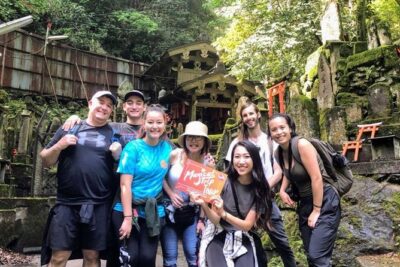
Fushimi Inari, Kinkakuji, Bamboo Grove 1 Day Bus Tour
Read our review →Fushimi Inari Hidden Hiking Tour (Private Option Available)
Read our review →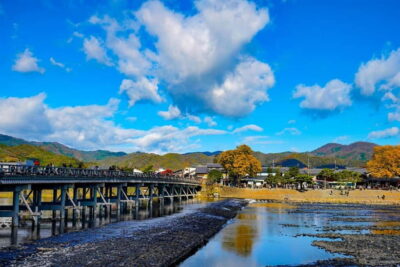
Kyoto/Osaka: Nara, Fushimi Inari Taisha, Arashiyama Bus Tour
Read our review →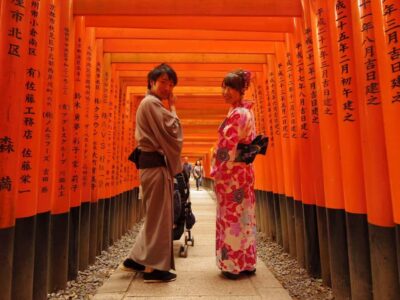
Osaka/Kyoto: Arashiyama, Nara & Fushimi Inari Shrine w/Lunch
Read our review →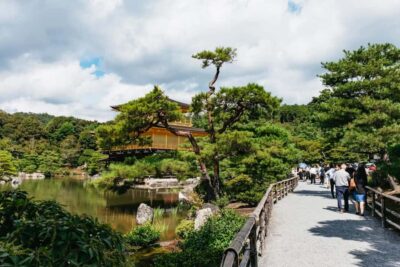
Nijo Castle, Kiyomizu & Fushimi Inari Guided Tour
Read our review →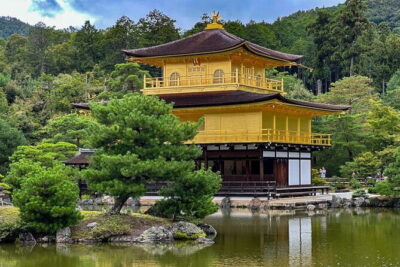
Nijo, Kinkaku-ji, Arashiyama, Kiyomizu & Fushimi Inari
Read our review →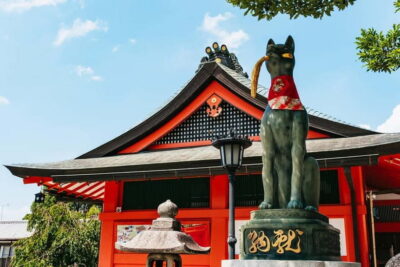
Sagano Romantic Train & Arashiyama, Kiyomizudera, Fushimi Inari Taisha Day Tour
Read our review →Browse the lists this tour appears in