
A November sumo tournament in Fukuoka is interesting because you get the full mix of sport plus ritual in one serious afternoon. You start at the Fukuoka Kokusai Center, then you’re timed into the dohyo-iri ring-entering ceremony window and the big bouts.
Two things I really like about this tour are the simple logistics and the on-site guidance. First, tickets are included, and you use a mobile ticket. Second, the guide explains what you’re watching before you enter, then adds quick rule and context pointers between bouts, with guides like Yuko, Masa, Asa, and Tam Tam getting real praise for turning a first-time visit into a clear, enjoyable experience.
One drawback to consider is seating. You get 3F chair seating (A or B), and you cannot choose your seats, so if you want close-up action, you may feel like you are watching from far away.
Key Things I’d Pay Attention To
- Tickets included, plus mobile ticket so you are not chasing sold-out options
- Meet at Fukuoka Kokusai Center, with the tour leaving at 2:30 pm sharp
- English guide before and between bouts so you can actually follow the sport
- Afternoon schedule that runs until about 6:00 pm as the tournament winds down
- 3F chair seats, no seat picking which can mean more distance than you expect
- Food and drinks are not included but you can buy at the venue
Why a November Sumo Tournament in Fukuoka Feels Different Than a Generic Show
Sumo is one of those rare live events where you can tell it matters. The arena has a quiet, focused energy right up until the moment the wrestlers step in and the noise hits. Even if you do not know the rules, you can still feel the stakes in every pause and ref call.
Fukuoka hosts a sumo tournament once a year, in November. Each tournament runs for 15 days, and there are six tournaments across Japan through the year. The big point for you is timing: if you are in Japan in January, March, September, or November in Fukuoka, this is one of the easiest ways to catch it without last-minute ticket stress.
This tour is built around the afternoon. You do not start at dawn with the lowest ranks, but you do catch the later rhythm when more recognizable wrestlers enter the ring. That means you get a smoother ramp into the action instead of a long early stretch.
More Sumo Experiences in Fukuoka:
- Tokyo: Sumo Show Experience with Chicken Hot Pot and a Photo
★ 4.8 · 6,678 reviews - Tokyo: Sumo Show and Dining Experience
★ 4.8 · 2,742 reviews - the SUMO show
★ 5.0 · 1,960 reviews
Getting Oriented at Fukuoka Kokusai Center, Without Wasting Time
You meet at Fukuoka Kokusai Center at the address 2-2 Chikkōhonmachi, Hakata Ward, Fukuoka, 812-0021. Plan to arrive early because the group meets around 2:15 pm, and the tour departs 2:30 pm sharp. If you are even a little late, the group may already be moving.
One practical detail I’m glad you should know, because it can reduce stress: your guide will hand out the tickets on the tour date, and there is a clear visual way to spot them. In at least one reported situation, the guide was waiting in a red jacket with a green board. That is the kind of cue you want to look for when you are new to the area.
Once you are together, the guide talks through what sumo is, including history and rules, before you enter the stadium. That pre-game briefing matters more than it sounds. In sumo, the difference between a fun watch and a confusing one is usually understanding how the match ends and what officials are watching for.
How the Afternoon Matches and Ceremony Play Out
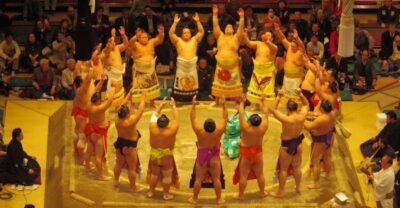
The tournament starts early in the day, but your experience focuses on the afternoon. Matches between lower-ranked wrestlers begin at 8:00 am, and the stronger wrestlers typically arrive later. Around 3:30 pm, you are in the right window for the dohyo-iri ring-entering ceremony, which is part sports pageantry, part sacred ritual.
From there, you watch bouts as the afternoon progresses. The tournament finishes at about 6:00 pm, which lines up with the tour length you should expect, roughly 3 hours 30 minutes.
If you like structure, this timing is a win. You can still do morning sightseeing in Fukuoka, then shift to a focused live event in the afternoon. Also, you are not stuck in the arena for an entire day, which makes sumo feel like a highlight rather than a marathon.
What the Guide Actually Adds Between Bouts
This is the part that separates a guided ticket from a plain ticket. Sumo has clear rules, but it also has small traditions that can be easy to miss if you only half pay attention. The guide fills those gaps in a way that helps you keep up.
Here is what you can expect them to do based on how guides have been praised:
- Explain rules clearly so you know what ends a bout
- Add context during the pauses between matches
- Help you recognize wrestler names and what each person is known for
You’ll often hear from people who have never watched sumo before say the same thing: they did not need to be an expert, they just needed someone to translate the rhythm. With guides like Yuko, Asa, and Tam Tam being singled out for making the sport click, the common thread is attention and pacing. The best guides help you catch what matters without turning it into a lecture.
Also, the operator has indicated they adjusted how guidance is delivered in the stadium, including adding audio support. That is a smart response to a real problem in group seating: when everyone is different distances from the guide, audio can help you not miss key explanations while bouts are happening.
A change of pace from Fukuoka:
- Mt. Aso & Takachiho Gorge Tour with Optional Boat Ride
★ 4.7 · 222 reviews - Fukuoka: Takachiho Gorge & Scenic Railway One Day Tour
★ 4.8 · 178 reviews - Private Fukuoka Tour with a Local, Highlights & Hidden Gems 100% Personalised
★ 5.0 · 143 reviews - Fukuoka Your Way: 100% Customisable Private Tour with Local Guide
★ 5.0 · 83 reviews
Your Seats, What You Can Expect From 3F Chair A or B
Let’s talk about the part people argue about most: where you sit.
This tour provides 3F chair seats, specifically Chair A or Chair B. You cannot choose seats, and they are chair seats, not elevated box-style stadium seating where you feel right on top of the action.
That affects how you experience the matches. In sumo, the wrestlers move fast at the start, then you lose track if you are too far away. Several people described the seats as in the back rows or in a nosebleed zone, and the consensus from those comments is simple: the show is still great, but your sense of closeness may be less than you hoped.
My practical take: treat this as a ticket with a guide, not as a VIP front-row view. If you want the sport plus clear explanations more than you want the closest sightlines, these seats can still work well. If you are the type who gets annoyed when you cannot see facial expressions or sweat, you might want to think twice.
One more helpful nuance: even when the view is not close, the guide can still help you follow the match. You can understand the story of each bout, and that usually matters more than inches of distance.
Money Notes: Is $261 Worth It for Tickets Plus a Guide?
At $261, you are paying for three things:
- The sumo admission ticket
- A guided experience in English, including before-entry explanation
- Someone handling the ticket logistics for you with a mobile ticket
Is it expensive? It can be, especially when you compare it to what face-value tickets might cost through official channels. One account even described a big difference between the price they expected and what they ended up paying for higher seats with a shared group setup. That is the main risk: you might feel the tour is marking up the ticket.
But here is the other side of the equation. Sumo tournament tickets can sell out quickly. If you have not planned ahead, a guided package can save you from a frantic scramble. If you value time, stress reduction, and the added value of explanations during the event, the price becomes easier to justify.
So I’d frame the value like this: pay for the ticket plus “translator service” that helps you enjoy matches you would otherwise struggle to understand. If you are happy reading rules on your own and buying tickets DIY, you may be able to do it cheaper. If you want a simple plan in a sold-out situation, this package has real appeal.
Food, Drinks, and the Stadium Reality Check
Food and drinks are not included. That said, you are not going in hungry. There are vendors inside the stadium where you can grab beer and yakitori, and you can eat or drink at your seat.
A very practical tip from people who went: it is smart to bring cash for beer garden style sales and merchandise. Even if you are traveling light, having some yen ready keeps you from missing out on the fun parts of the day.
Also, there is one extra option worth knowing: one helpful note was that you can take your own food and drink into the arena, or buy it there. That can help if you have dietary needs or you just prefer to control your own snack plan.
My advice is simple: eat before you arrive, then treat the stadium food as the fun add-on. You’ll enjoy the ceremony more, and you’ll avoid the late snack scramble.
Group Size, Pace, and Who This Tour Really Suits
This is a group tour with a maximum of 15 travelers. That size is important because it affects how well a guide can interact with you. In past experiences with larger groups, it can become harder to ask questions and get personal attention. With a cap around 15, you are more likely to get the kind of back-and-forth that makes the rules feel understandable.
The pace also matters. The tour leaves at 2:30 pm sharp, so show up on time. Once inside, you have a mix of pre-entry explanation and in-between bout guidance. If you like learning by watching, this format is great.
Who it suits best:
- First-timers who want sumo explained without doing homework beforehand
- People who want a guaranteed ticket rather than chasing sold-out seats
- Travelers who like guided cultural moments, not just raw entertainment
Who might struggle:
- Anyone who is expecting front-row action, since seats are 3F chair and not selectable
- Anyone who wants a longer, deeper history lecture before entering, since the focus is on getting you ready for the matches you will see
Strollers, Luggage, and Other Practical Stuff You Should Plan For
If you are traveling with a stroller, you can store it in a place in the stadium, but you cannot bring it up to your seat. That is common for venues, but you still want to plan for it.
Large luggage cannot be brought into the seat area. If you are arriving from another part of Fukuoka that day, keep your bags manageable. Plan to travel with a small day bag so you are not fighting space when you get to the arena.
If you are bringing kids, there is a clear policy: children 3 years old and under can enter for free, but they will not have their own seat and must sit on your lap. Kids 4 years and up need their own tickets. If you have a small child, you should let the operator know in advance in the special requirements section.
Should You Book This November Sumo Tour?
I’d book it if you want an easy, guided way to enjoy sumo in Fukuoka during the November tournament window. The ticket is handled for you, the guide helps you understand rules and what you are seeing, and the afternoon schedule is a good match for a day of sightseeing.
I would hesitate if your top priority is being extremely close to the ring. With 3F chair A or B seating and no seat choice, your view may not satisfy you if you want that front-row feeling. The good news is you can still have a great time, especially if you lean into the guide’s explanations and watch for the moments that signal how a bout is turning.
Quick reality check: at this price, you are paying for convenience plus guided context. If you want to save money and you are confident buying tickets on your own, you might be able to do cheaper DIY. If you want less stress and more understanding in the moment, this is a solid bet.
FAQ
What time does the tour start?
You meet at the Fukuoka Kokusai Center around 2:15 pm, and the tour leaves at 2:30 pm sharp. The experience runs for about 3 hours 30 minutes, finishing as the tournament wraps up around 6:00 pm.
Where is the meeting point?
The meeting point is Fukuoka Kokusai Center, at 2-2 Chikkōhonmachi, Hakata Ward, Fukuoka, 812-0021, Japan.
Are the sumo tickets included?
Yes. Admission is included, and you receive a ticket for stadium entry. The tour also uses a mobile ticket.
What kind of seats do I get?
You get chair seats in 3F Chair A or B. You cannot choose your seats, and your guide hands out the ticket on the day of the tour.
Is food or drink included?
No. Food and drinks are not included in the tour price. You can buy items inside the stadium, and eat or drink at your seat.
How long is the tour?
It lasts about 3 hours 30 minutes (approx.). The tournament portion you attend runs into the evening and finishes around 6:00 pm.
Can children attend, and do they need tickets?
Children 3 years old and under can enter for free, but they do not get their own seat and must sit on your lap. Children 4 years and up must have their own ticket.
Is there free cancellation?
Yes. You can cancel for a full refund up to 24 hours before the experience start time. Canceling within 24 hours is not refundable.
Is there a limit on group size?
Yes. This is a group tour with a maximum of 15 travelers.
Latest write-ups near Fukuoka
- Fukuoka: Takachiho Gorge & Scenic Railway One Day Tour★ 4.8 · 178 reviews
- Mt. Aso & Takachiho Gorge Tour with Optional Boat Ride★ 4.7 · 222 reviews
- Day Tour to Miyazaki Takachiho Gorge & Shrine depart from Fukuoka★ 4.5 · 61 reviews
- Private Fukuoka Tour with a Local, Highlights & Hidden Gems 100% Personalised★ 5.0 · 143 reviews
- From Fukuoka Kyushu Itoshima Hidden Gems Day Tour★ 4.5 · 18 reviews
- Fukuoka: Private Walking Tour with Local Guide★ 4.8 · 22 reviews
- Kyushu: Aso Vocano, Grassland,Onsen and Aso shrine 1-Day Tour★ 4.5 · 23 reviews
- Fukuoka: Yufuin & Beppu Day Tour (Dazaifu / Brewery Options)★ 4.6 · 31 reviews
Sumo Experiences, compared.
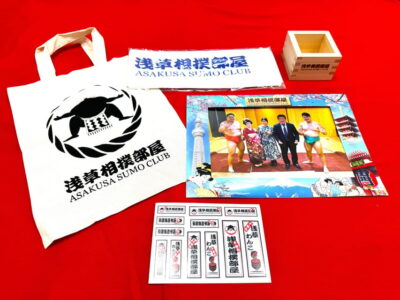
Sumo Show Experience with Chicken Hot Pot and a Photo
Read our review →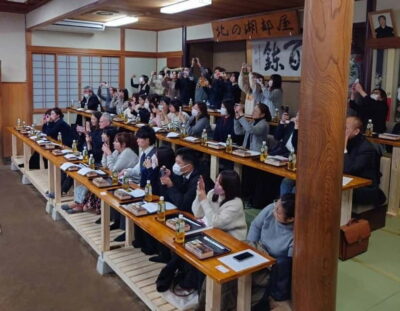
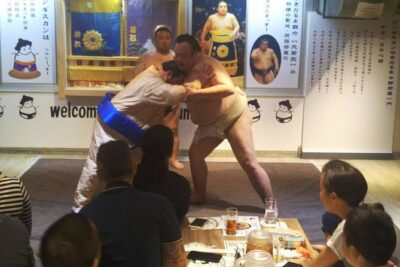
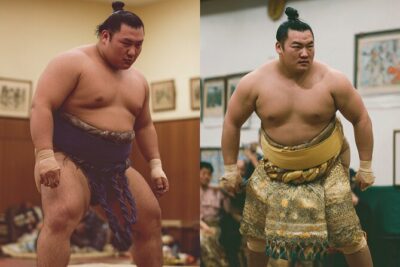
Tokyo Shinjuku Sumo Show & Experience with Photo
Read our review →
Sumo Show & Experience w/ Optional Kimono & Hot Pot
Read our review →
Authentic Sumo Experience in Tokyo: Enter the Sanctuary
Read our review →Browse the lists this tour appears in